Most museums celebrate paintings, sculptures, or ancient artifacts. But one museum on a major university campus in Columbus, Ohio, has dedicated every square foot of its space to something far more personal for millions of Americans: cartoon art.
From original Calvin and Hobbes strips to early 20th-century newspaper comics, this place holds one of the largest collections of cartoon and comic art in the entire world. If you grew up laughing at the Sunday funnies or staying up late reading graphic novels, this museum was essentially built for you.
What the Billy Ireland Cartoon Library and Museum Actually Is
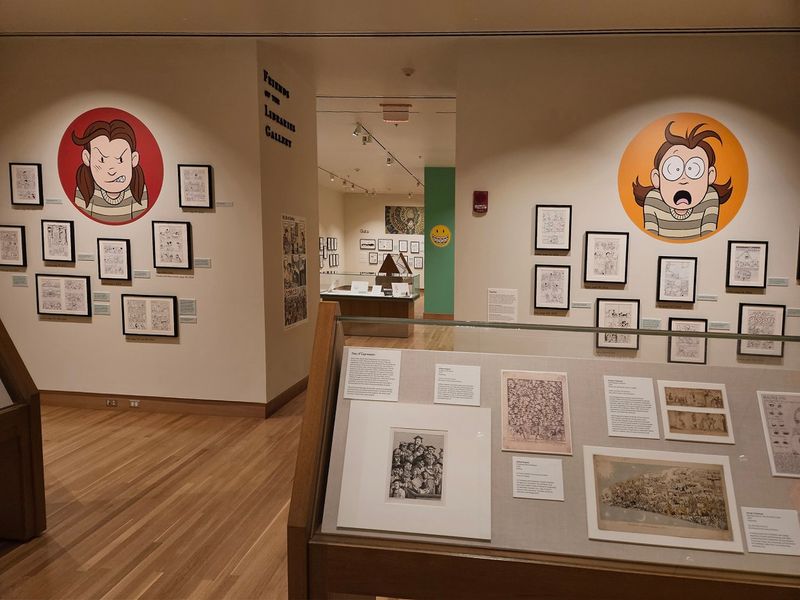
Not every museum gets to claim it houses the largest research library dedicated to cartoon art in the world. The Billy Ireland Cartoon Library and Museum, located at 1813 N High St, Columbus, OH 43210, sits on the campus of The Ohio State University and does exactly that.
Named after a Columbus Dispatch cartoonist from the early 1900s, the museum has grown into a serious academic institution and a genuinely fun place to visit. It holds original artwork, comic strips, graphic novels, and editorial cartoons spanning well over a century of American visual storytelling.
The museum is free and open to the public Tuesday through Sunday from 1 to 5 PM. That combination of accessibility and world-class content makes it one of the most rewarding stops on the OSU campus.
The Historic Building That Houses the Collection
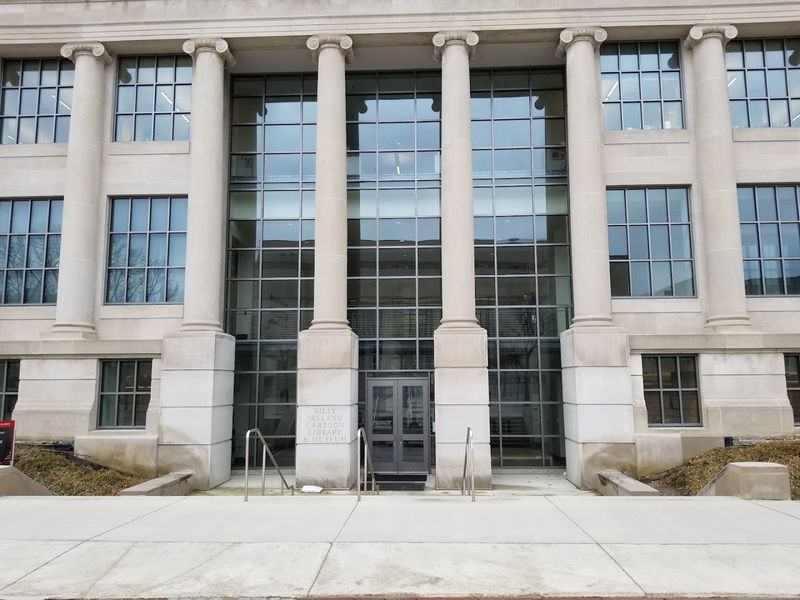
The museum lives inside Sullivant Hall, one of the older buildings on the Ohio State University campus. The structure has a classic academic feel, with solid stonework on the outside and wide corridors inside that give the space a sense of permanence.
The museum itself occupies the second floor, reached easily by elevator or stairs. Once you step off the elevator, the tone shifts from college building to genuine cultural institution.
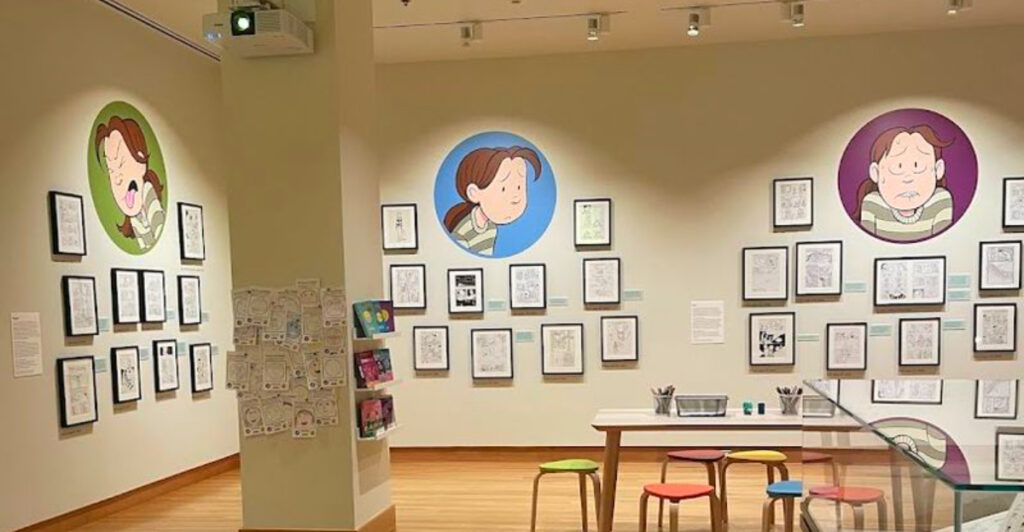
The gallery spaces are clean, well-lit where needed, and thoughtfully arranged to let the artwork breathe.
Wide walkways make it easy to move between exhibits without feeling crowded. The wooden floors are smooth underfoot, and the overall atmosphere is calm and quiet in a way that actually helps you focus on the work hanging on the walls.
It feels like a space that takes cartoon art seriously, because it does.
A Collection That Spans More Than a Century of Cartoon History
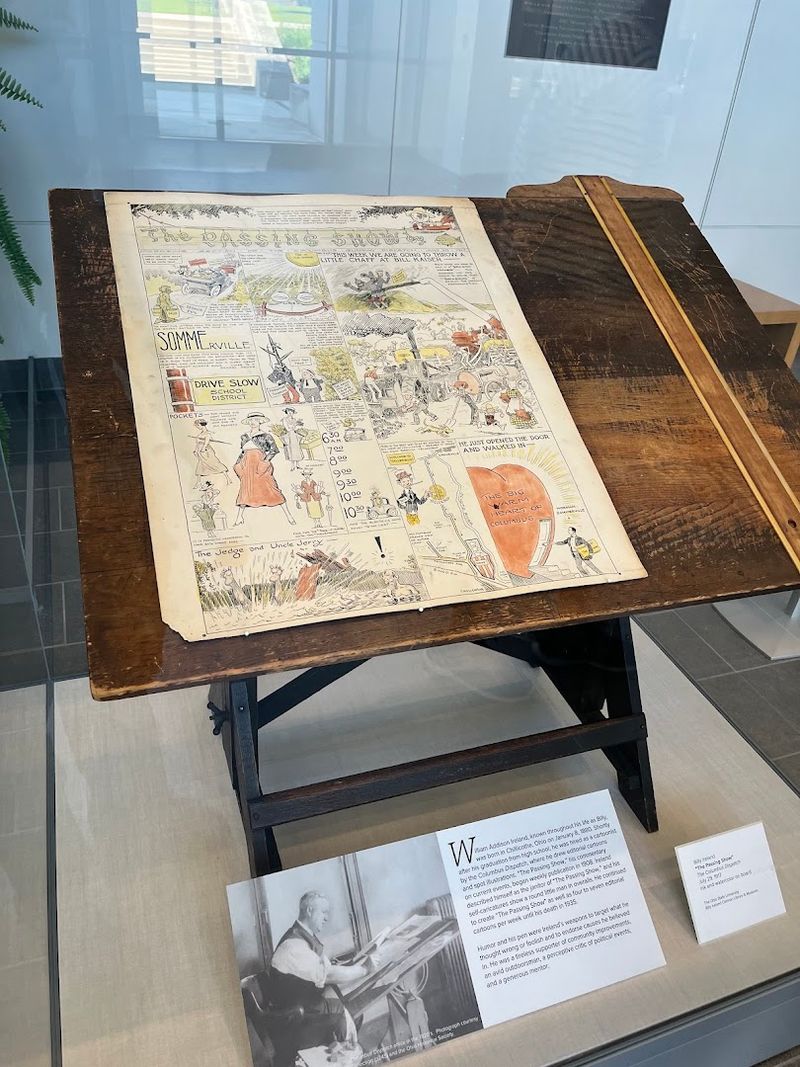
The collection here is staggering in scope. The museum holds millions of items, including original comic strip drawings, editorial cartoons, graphic novels, animation art, and related manuscripts.
That is not a typo. Millions of pieces.
Much of what you see on the walls during a visit represents only a fraction of what the library actually holds in its archives. The range of material covers newspaper comic strips from the early 1900s through contemporary graphic novels, tracing how the art form evolved alongside American culture itself.
Seeing original artwork up close changes how you think about cartoonists. These were not casual doodles.
The linework, the lettering, the composition on a single daily strip required real craft and precision. Standing in front of a century-old original panel and seeing the actual ink strokes from the artist’s hand is a surprisingly moving experience.
Original Calvin and Hobbes Artwork on Display
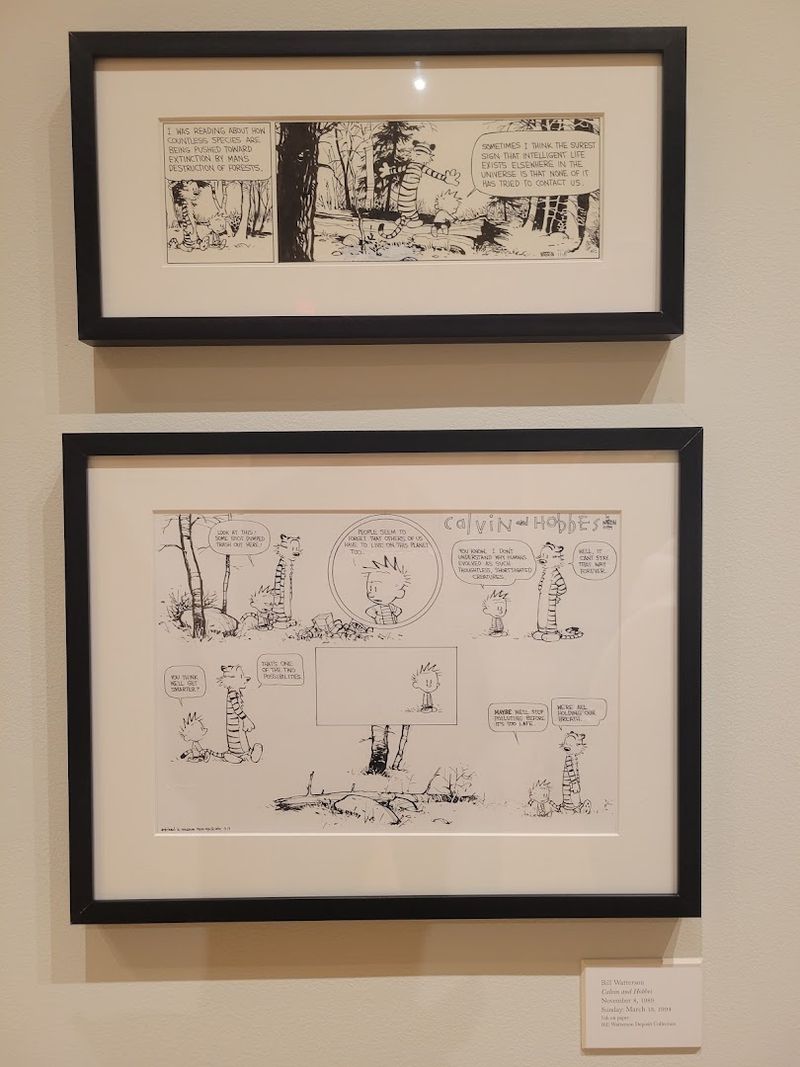
Few things stop visitors in their tracks faster than rounding a corner and coming face to face with an original Calvin and Hobbes strip drawn by Bill Watterson himself. The Billy Ireland holds a significant collection of Watterson’s original artwork, and seeing it in person is a completely different experience from reading reprints in a book.
Watterson famously refused to license Calvin and Hobbes for merchandise, which makes the originals feel even more rare and precious. The brushwork, the expressive faces, the way Hobbes shifts between stuffed animal and living tiger depending on the panel perspective.
All of that craft becomes more visible when you see the actual paper.
For anyone who grew up with Calvin and Hobbes, this part of the museum alone justifies the trip. It is one of those experiences that genuinely rewards the drive to Columbus.
Rotating Exhibits That Give You a Reason to Return
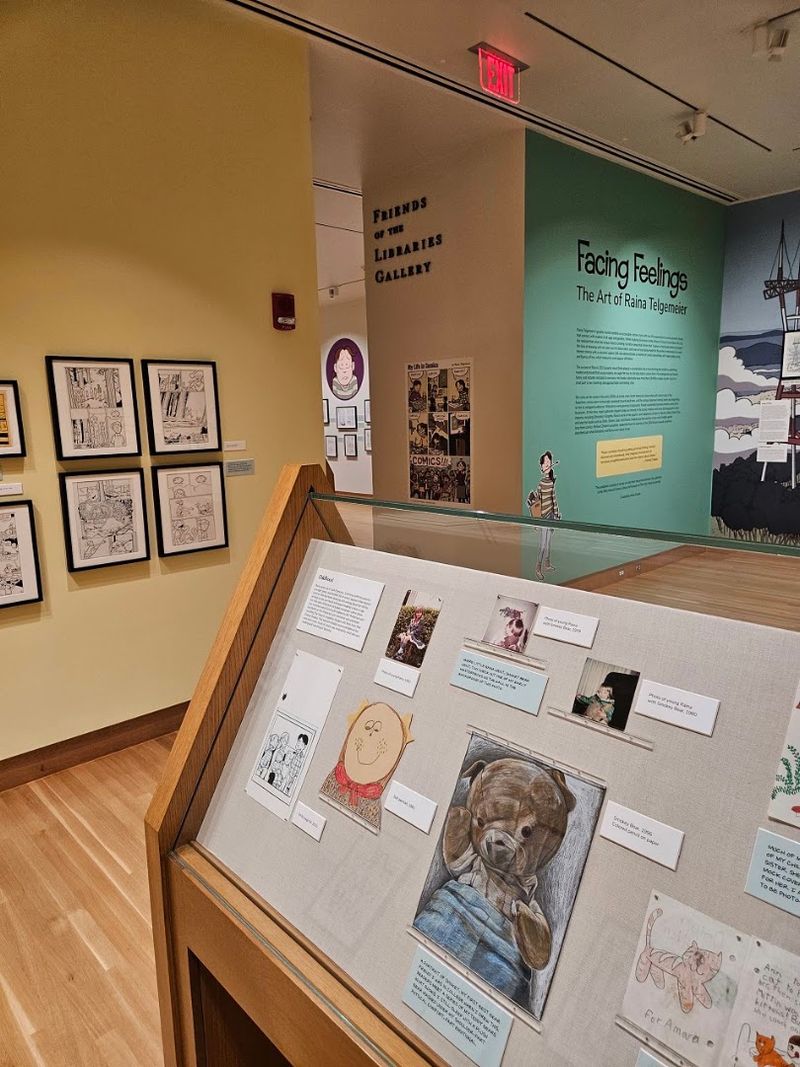
One visit to the Billy Ireland is genuinely satisfying. Two visits might be even better, because the museum runs rotating exhibits that change what is on display throughout the year.
Past exhibits have explored everything from how cartoonists depict motion to retrospectives on individual artists whose work shaped the medium.
A recent exhibit spotlighted the work of Carol Tyler, an artist whose autobiographical comics helped define the graphic memoir genre. Another explored Bill Blackbeard’s extraordinary newspaper comics collection, which the museum acquired and which represents decades of one man’s obsessive, invaluable preservation effort.
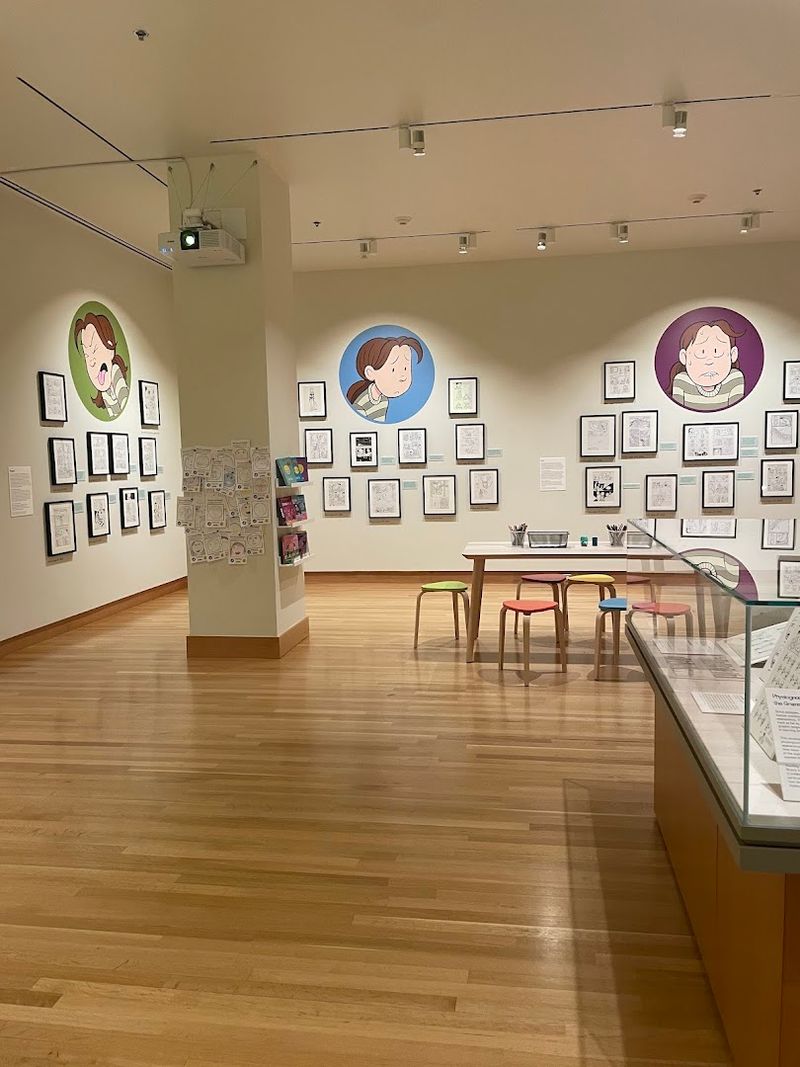
Because the rotating exhibits cycle through different themes, styles, and artists, returning visitors consistently find something new. Regulars who visit multiple times a year describe each trip as a fresh experience.
That kind of curatorial energy is rare in smaller museums and gives the Billy Ireland a vitality that keeps its audience coming back.
The Research Library and Reading Room
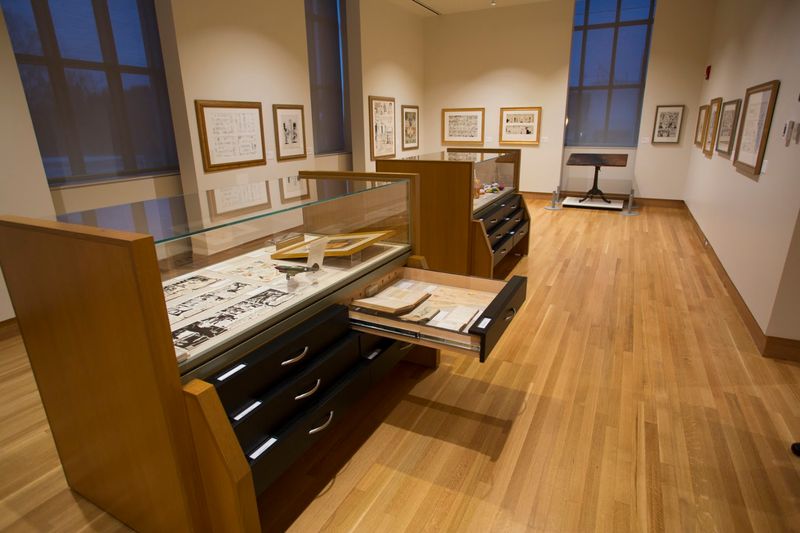
Beyond the public gallery, the Billy Ireland operates a research library that is genuinely one of a kind. Scholars, students, and serious enthusiasts can access the archives by appointment, where the depth of the collection becomes fully apparent.
The Reading Room has earned its own reputation among visitors. Those who have spent time there describe it as one of the most memorable experiences they have had in any cultural institution.
The ability to request original materials and examine them up close, under the guidance of knowledgeable staff, is the kind of access most museums simply cannot offer.
The library holds original manuscripts, correspondence, and artwork from cartoonists across every era of the medium. For researchers studying the history of American popular culture, editorial cartooning, or graphic storytelling, this collection is an irreplaceable resource.
Few places in the country offer this level of primary source material on cartoon art.
Editorial Cartoons and Their Place in American History
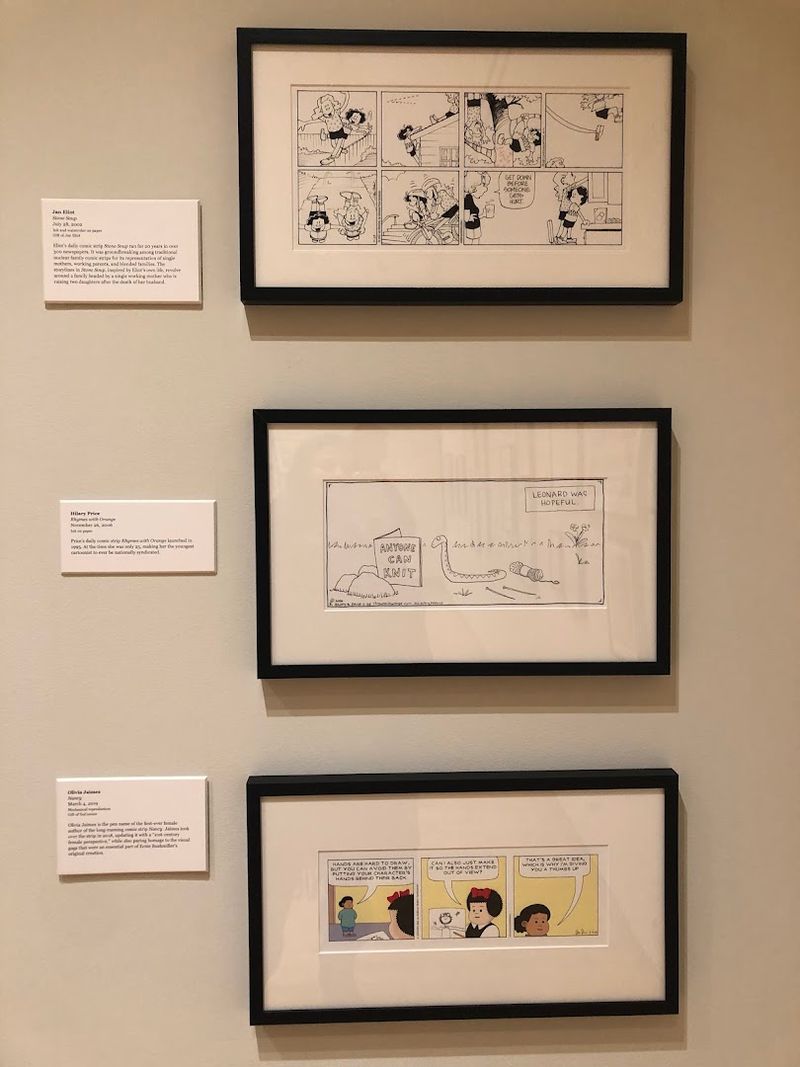
Editorial cartoons have shaped American political conversation for well over a century, and the Billy Ireland treats them with the historical seriousness they deserve. The collection includes original editorial cartoons from major newspapers, covering everything from wartime politics to social movements.
Seeing these drawings outside of their original newspaper context makes you appreciate them differently. Stripped of the urgency of the news cycle, they become something more lasting.
The draftsmanship, the symbolism, the economy of line required to make a political point in a single image. These are works of art that also functioned as journalism.
The museum does a thoughtful job of contextualizing editorial cartoons within their historical moments, so even younger visitors can understand what made a particular drawing powerful or controversial. It turns what could be a dry history lesson into something genuinely engaging and visually compelling.
Charles Schulz and the Peanuts Legacy
Charles Schulz created Peanuts in 1950 and ran it for nearly fifty years, making it one of the longest-running and most beloved comic strips in history. The Billy Ireland holds original Schulz artwork, and seeing it in person reframes how you think about his deceptively simple style.
Schulz’s linework looks effortless in print. Up close on the original paper, you can see the precision behind that apparent simplicity.
Every expression on Charlie Brown’s round face, every slouch of Snoopy’s posture, was a deliberate artistic choice made with remarkable consistency across decades of daily deadlines.
Peanuts touched something universal in American life, and the originals on display here carry that emotional weight in a way that reproductions simply cannot replicate. For visitors who grew up watching the holiday specials or reading the strips, standing in front of Schulz’s actual drawings is a quietly powerful moment.
Accessibility and Practical Visitor Information
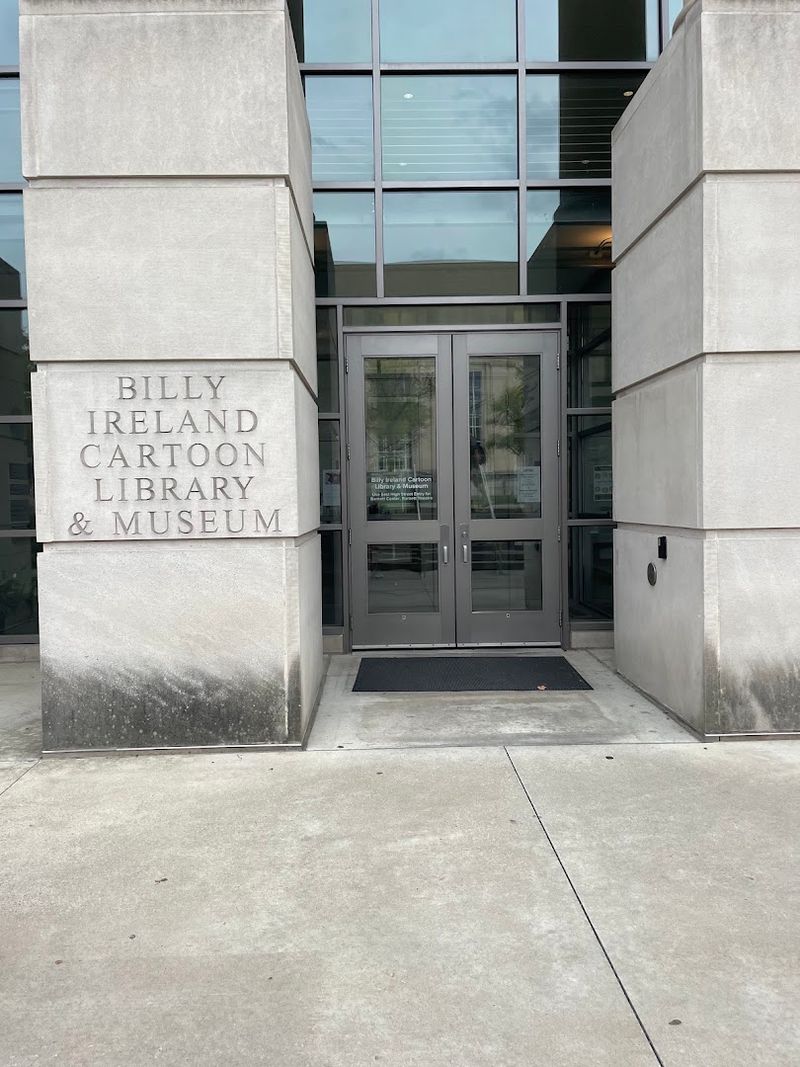
Getting to the Billy Ireland is straightforward for most visitors. The museum is free and located on the Ohio State University campus along North High Street.
Parking garages are available nearby on campus, though street parking can be limited depending on the day and any campus events happening simultaneously.
The building has ramps at the entrance, accessible automatic doors, and an elevator to reach the second-floor gallery. Walkways inside are wide, seating areas are available throughout, and displays are positioned at heights that work well for visitors of different statures and mobility levels.
The museum is open Tuesday through Sunday from 1 to 5 PM and is closed on Mondays. Given the focused nature of the collection, most visitors find that an hour to an hour and a half is enough time to see the current exhibits comfortably without feeling rushed.
Why Cartoon Art Belongs in a Museum
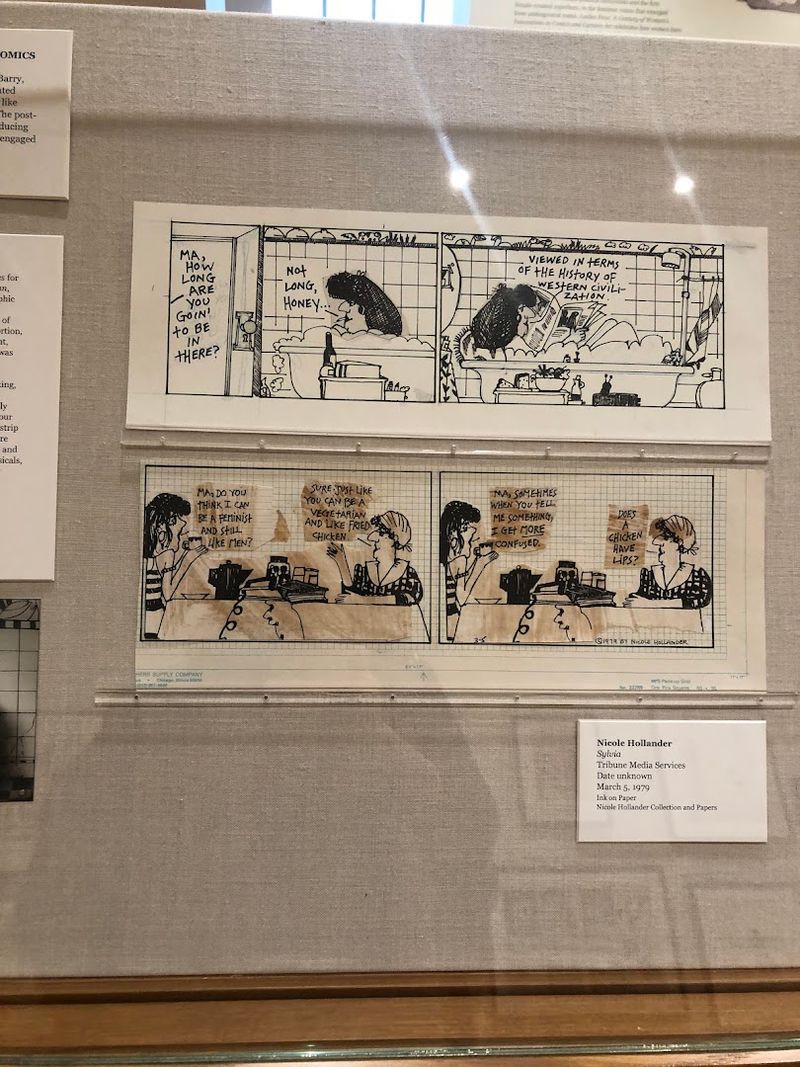
There is still a lingering assumption in some circles that cartoon art is lesser than fine art, a popular form rather than a serious one. The Billy Ireland exists partly to challenge that assumption, and it does so effectively simply by presenting the work with the same care and rigor applied to any major art collection.
Cartoon artists work within tight constraints. A daily strip might give an artist three panels and a punchline to say something meaningful.
Editorial cartoonists have one image and a deadline measured in hours. Graphic novelists sustain visual storytelling across hundreds of pages.
Each of these forms demands real artistic skill and discipline.
Seeing the originals in a museum context makes that case without needing to argue it. The work speaks for itself.
Visitors who arrive skeptical often leave with a genuine new appreciation for what cartoonists actually accomplish, and that shift in perspective is part of what makes this museum worth seeking out.
Planning Your Visit and What to Expect
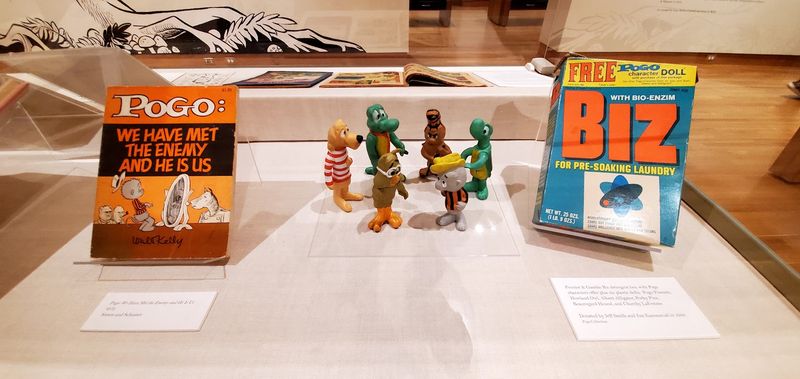
A trip to the Billy Ireland works well as a standalone visit or as part of a broader afternoon on the Ohio State University campus. The museum pairs naturally with a walk through the surrounding university grounds, and the North High Street corridor nearby has plenty of options for a meal before or after.
Because the exhibits rotate and the collection is so deep, no two visits feel identical. First-time visitors tend to gravitate toward the most recognizable names, Calvin and Hobbes, Peanuts, Schulz.
Return visitors often find themselves spending more time with artists they did not initially recognize but came to appreciate through the museum’s thoughtful presentation.
Bringing kids is genuinely worthwhile. The material is visually engaging at every age level, and the free admission removes any hesitation about whether the trip is worth the cost.
The Billy Ireland is one of those places that earns repeat visits simply by being consistently excellent.
Share this story