Some athletes do more than win games or break records. They change the way we think about sports, inspire millions of people around the world, and open doors that were once closed.
From boxing rings to swimming pools, these 15 athletes left a mark that goes far beyond trophies and medals. Their stories remind us that sports can shape history.
Muhammad Ali (Boxing)
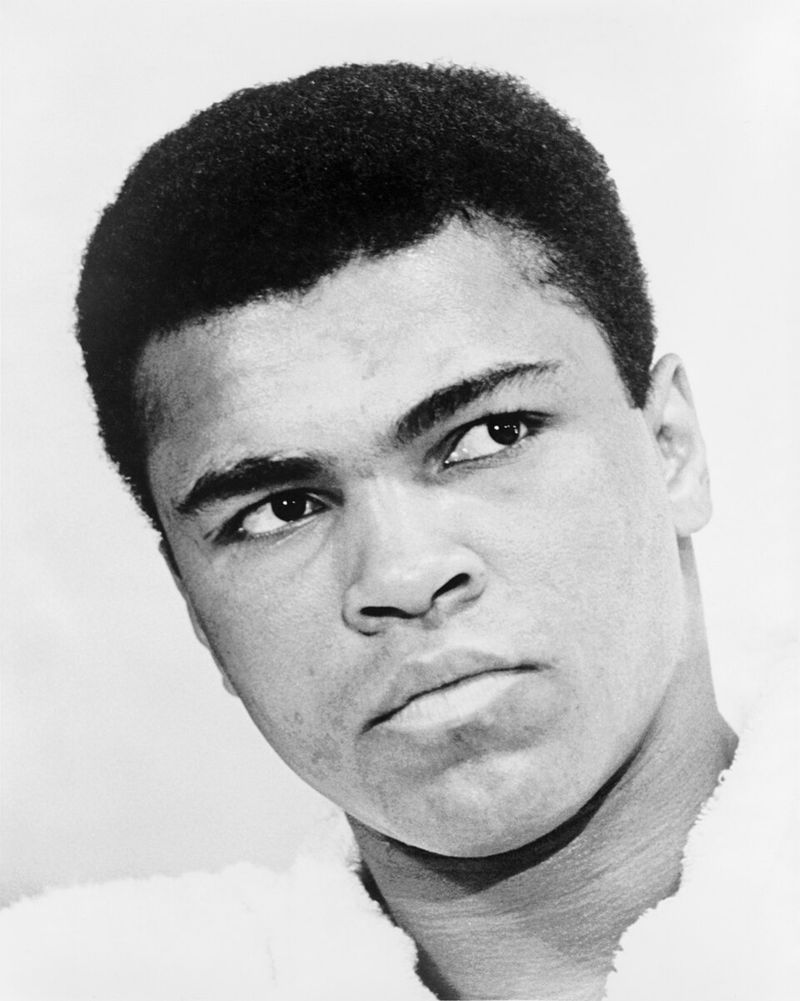
Before he was a legend, Cassius Clay changed his name and changed the world. Muhammad Ali was not just a boxer.
He was a symbol of pride, resistance, and courage at a time when America was deeply divided by race and war.
Ali won the world heavyweight championship three times, becoming one of the most decorated fighters in boxing history. His footwork and speed were unlike anything fans had seen before.
He called himself “The Greatest,” and most people came to agree.
Outside the ring, he refused military service during the Vietnam War, risking his career and freedom for his beliefs. That decision cost him years of his prime, but it earned him lasting respect worldwide.
Ali showed that an athlete could stand for something bigger than sport itself. His impact on boxing, civil rights, and global culture is still felt today.
Pelé (Soccer)
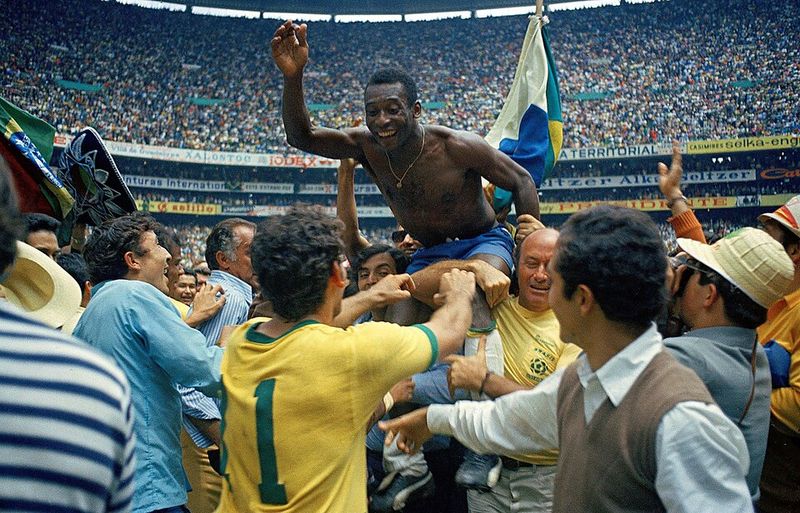
Born Edson Arantes do Nascimento in a small Brazilian town, Pelé grew up kicking a stuffed sock because his family could not afford a real ball. That humble beginning gave way to one of the most extraordinary careers in sports history.
Pelé won three FIFA World Cups with Brazil in 1958, 1962, and 1970, a record no other player has matched. He scored over 1,000 career goals, a number that still stuns soccer fans around the world.
His creativity, speed, and natural instinct for the game set a standard that players still chase today.
Beyond the field, Pelé helped bring soccer to countries that barely knew the sport, including the United States. He played for the New York Cosmos in the 1970s and sparked a wave of American interest in the game.
Pelé did not just play soccer. He spread it like wildfire.
Michael Jordan (Basketball)
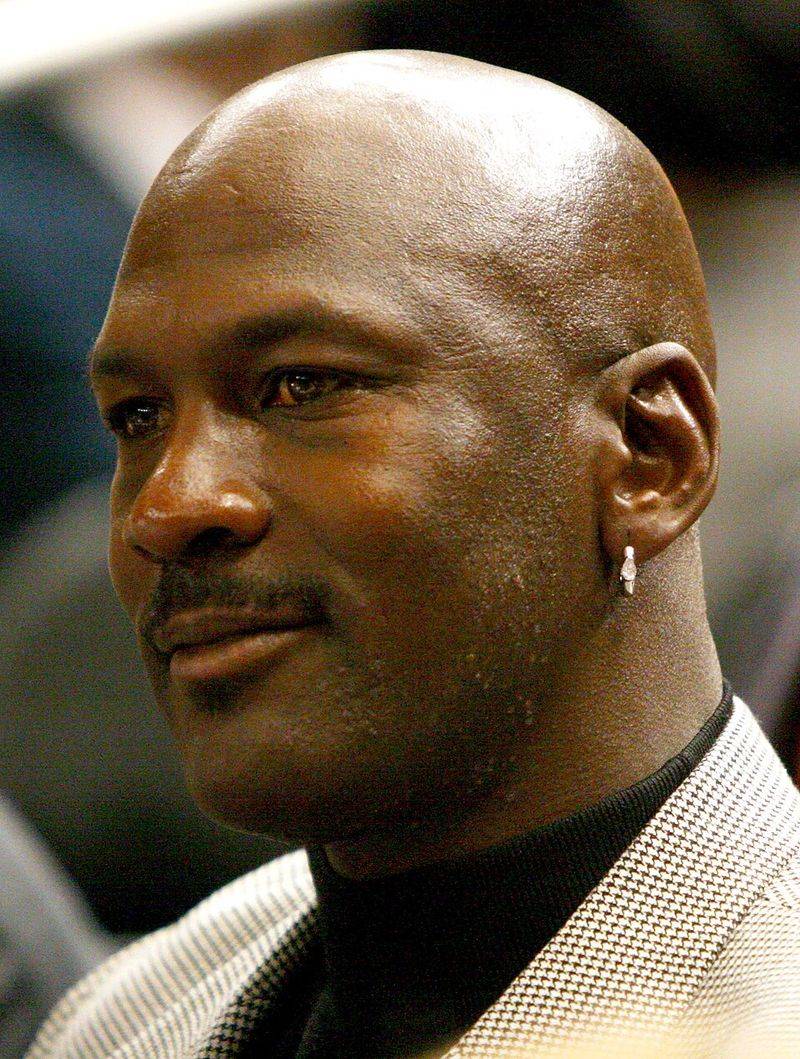
There is a reason kids around the world still wear the number 23. Michael Jordan turned basketball into a global obsession during the 1980s and 1990s, making the NBA one of the most watched sports leagues on the planet.
Jordan won six NBA championships with the Chicago Bulls, earning the Finals MVP award every single time. He was a five-time league MVP and a 14-time All-Star.
His scoring average of 30.1 points per game remains the highest in NBA history.
Off the court, his partnership with Nike created the Air Jordan brand, which reshaped the sneaker industry forever. Jordan showed that an athlete could become a business empire.
His competitive drive, clutch performances, and sheer will to win set a standard for greatness that coaches and players still reference today. He did not just dominate basketball.
He redefined what it meant to be an athlete.
Serena Williams (Tennis)
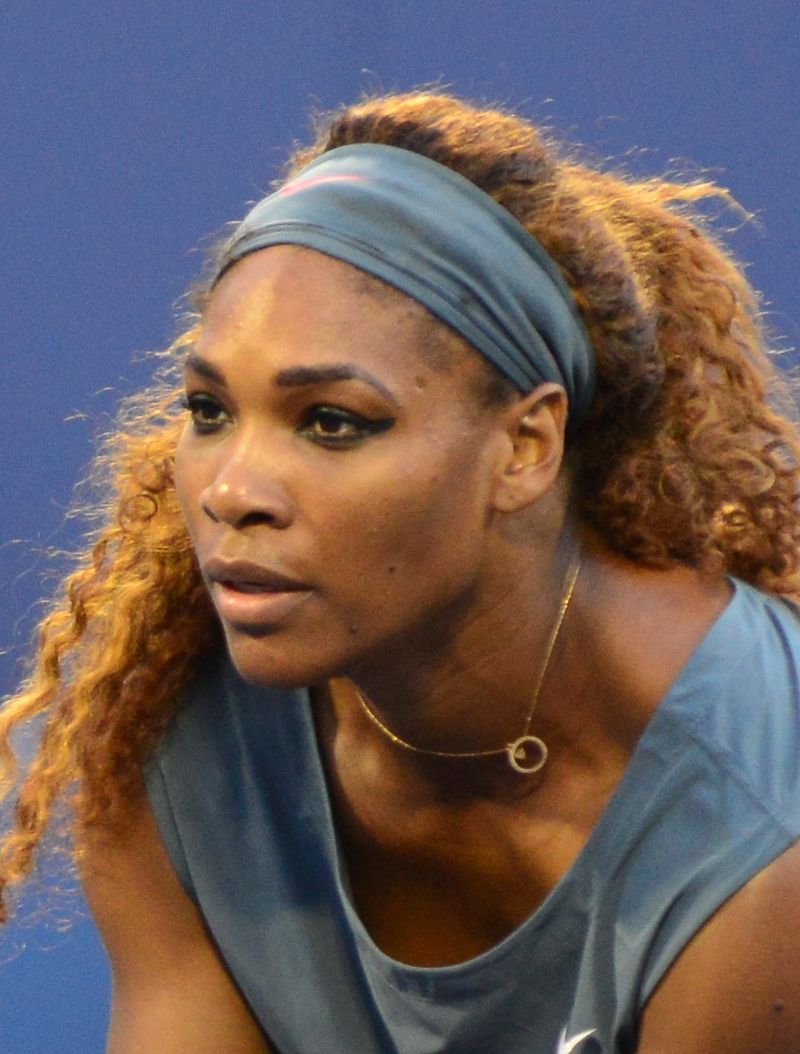
Serena Williams walked onto professional tennis courts at 14 years old and never looked back. Over the next two decades, she rewrote the record books and transformed what people expected from a female athlete in terms of power, presence, and perseverance.
She won 23 Grand Slam singles titles, the most by any player in the Open Era. Her serve, often clocked above 120 miles per hour, was considered one of the most powerful weapons in tennis history.
She held the world number one ranking for over 300 weeks throughout her career.
Serena also broke barriers beyond the court. As a Black woman dominating a sport historically led by white players, she faced criticism and scrutiny that she turned into fuel.
She became a voice for equality in sports, pay fairness, and women’s health. Her legacy stretches well past any trophy or ranking.
She changed the face of tennis.
Tiger Woods (Golf)
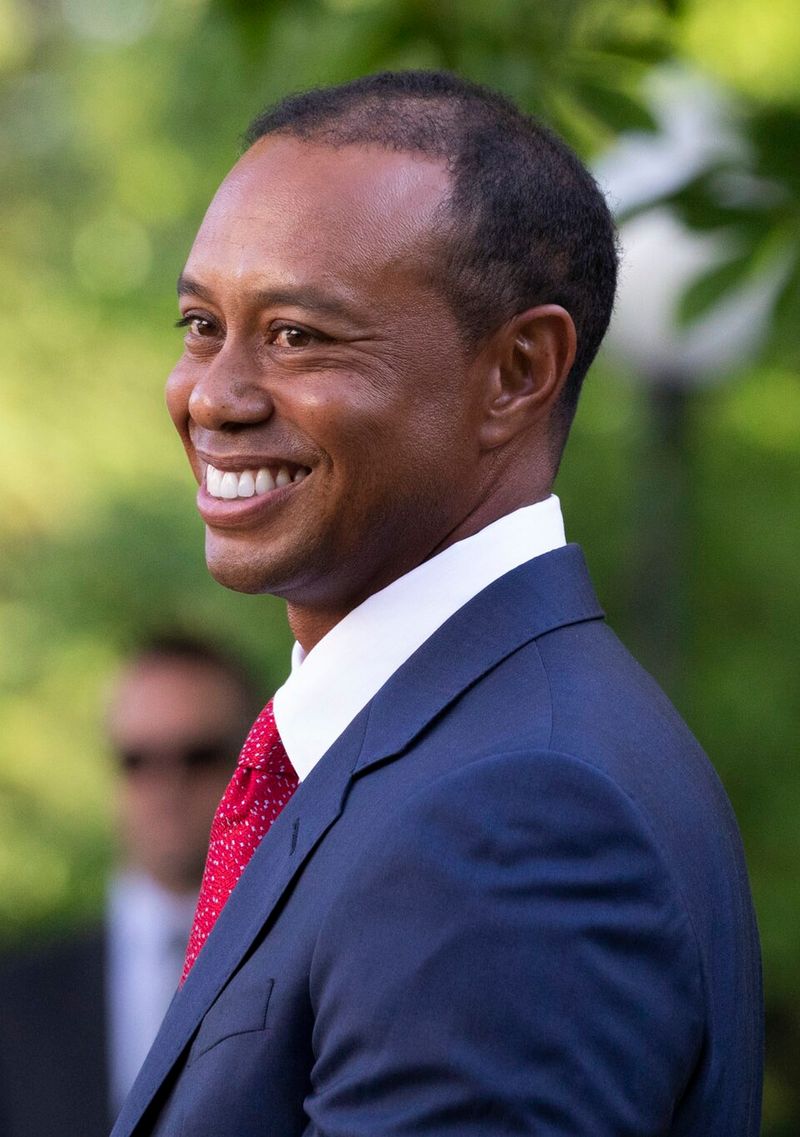
Golf was once seen as a sport for older, wealthy, and mostly white players. Then Tiger Woods arrived and flipped the entire script.
When he won the Masters in 1997 at just 21 years old, he became the youngest player ever to claim that title, and the golfing world has never been the same.
Woods went on to win 15 major championships, second only to Jack Nicklaus in golf history. His athletic approach to the game, combining physical fitness with precision, pushed other players to train harder and rethink how golf was played professionally.
Television ratings for golf tournaments skyrocketed whenever Tiger was in contention. Sponsors flooded in, prize money grew, and a younger, more diverse audience discovered the sport.
His comeback victories after serious injuries added another layer to his already remarkable story. Tiger proved that golf could be thrilling, unpredictable, and must-watch television.
That shift changed the sport permanently.
Usain Bolt (Track and Field)
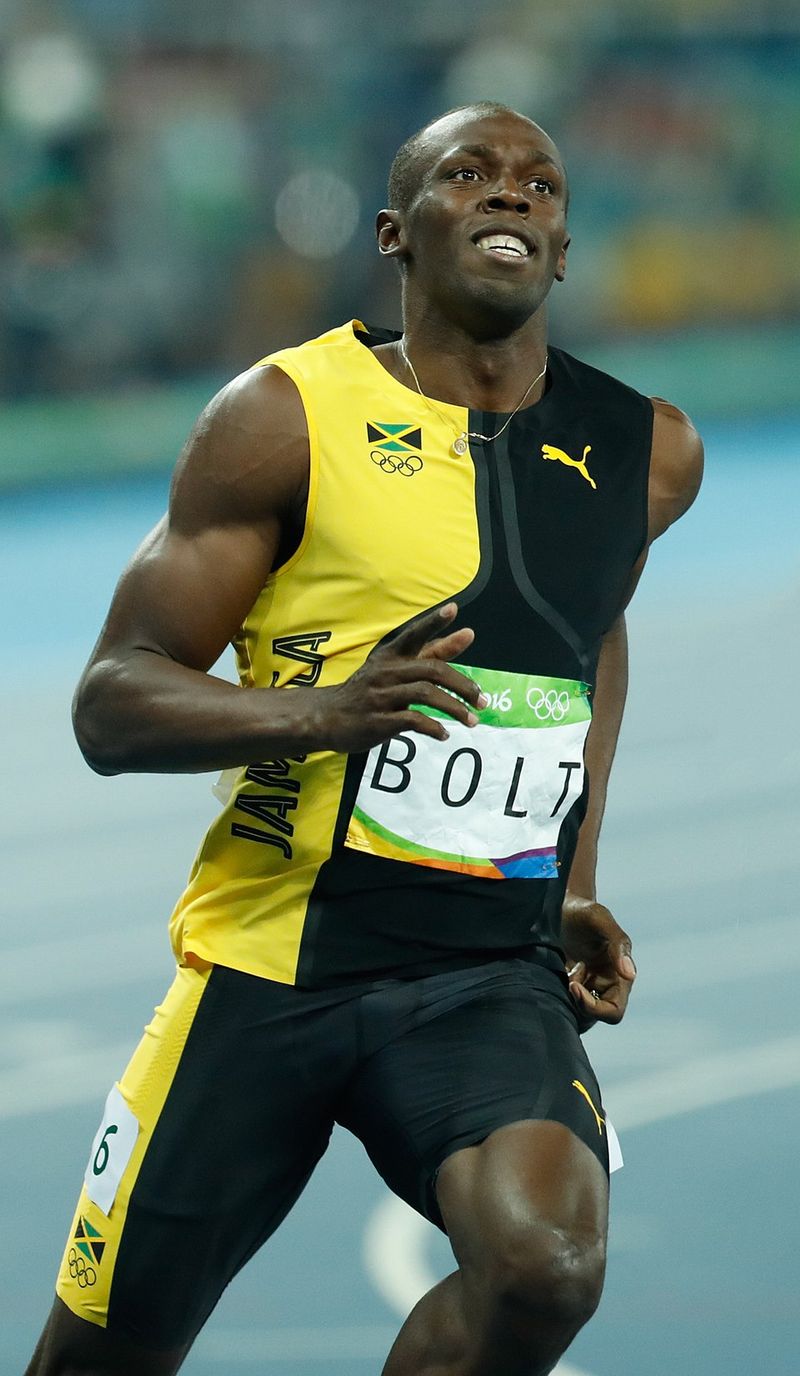
Nobody runs like Usain Bolt ran. Standing at 6 feet 5 inches, he was considered too tall by many coaches to be a world-class sprinter.
He proved every single one of them wrong in spectacular fashion.
Bolt set the world record in the 100 meters at 9.58 seconds during the 2009 World Championships in Berlin. He also holds the 200-meter world record at 19.19 seconds.
Across three Olympic Games, he won eight gold medals, cementing his status as the fastest man in recorded history.
What made Bolt special was not just his speed. It was his personality.
He celebrated with joy, humor, and that iconic lightning bolt pose that became one of sports’ most recognizable images. He brought excitement and personality to track and field, drawing millions of new fans to the sport.
Bolt made sprinting feel like pure entertainment, and the world was watching every step.
Lionel Messi (Soccer)
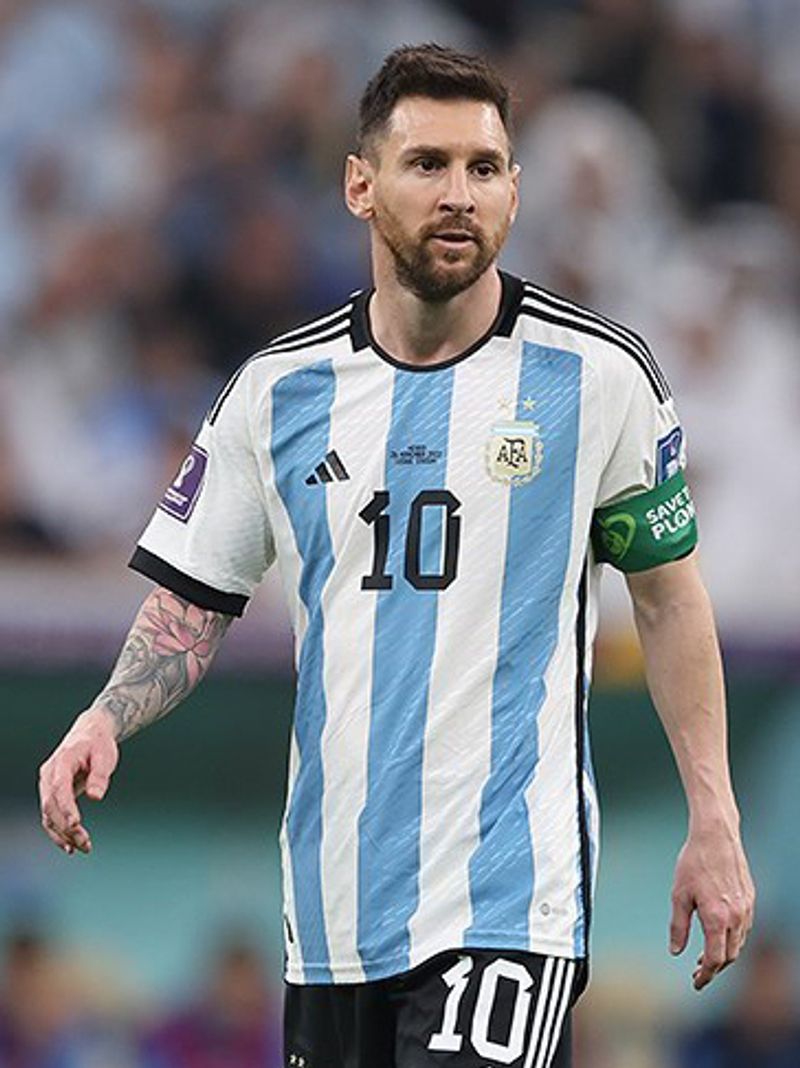
Ask any soccer fan to name the greatest player they have ever watched, and chances are high that Lionel Messi comes up first. Born in Rosario, Argentina, Messi was diagnosed with a growth hormone deficiency as a child.
FC Barcelona paid for his treatment and signed him at just 13 years old. That investment paid off beyond anyone’s wildest imagination.
Messi won eight Ballon d’Or awards, recognizing him as the world’s best player more times than anyone else in history. He led Barcelona to four UEFA Champions League titles and won the FIFA World Cup with Argentina in 2022, completing the one trophy that had long eluded him.
His dribbling ability, vision, and goal-scoring instinct are considered nearly impossible to coach. Players are either born with that talent or they are not.
Messi was born with all of it. He redefined what soccer excellence looks like for an entire generation of players and fans.
Cristiano Ronaldo (Soccer)

Few athletes in history have combined raw physical ability with relentless work ethic the way Cristiano Ronaldo has. Raised in modest conditions on the Portuguese island of Madeira, Ronaldo moved to Lisbon as a teenager to chase a soccer dream.
What followed was one of the most decorated careers the sport has ever seen.
Ronaldo has won five Ballon d’Or awards and five Champions League titles across clubs including Manchester United, Real Madrid, and Juventus. He is one of the top scorers in international soccer history, representing Portugal with fierce national pride in every competition.
His training routine is legendary. Ronaldo is known for his strict diet, precise sleep schedule, and hours of daily practice that most players would find exhausting.
He turned self-discipline into a competitive advantage. His dedication inspired a generation of young players to take fitness seriously.
Ronaldo showed the world that talent alone is never enough. Hard work makes the difference.
Roger Federer (Tennis)
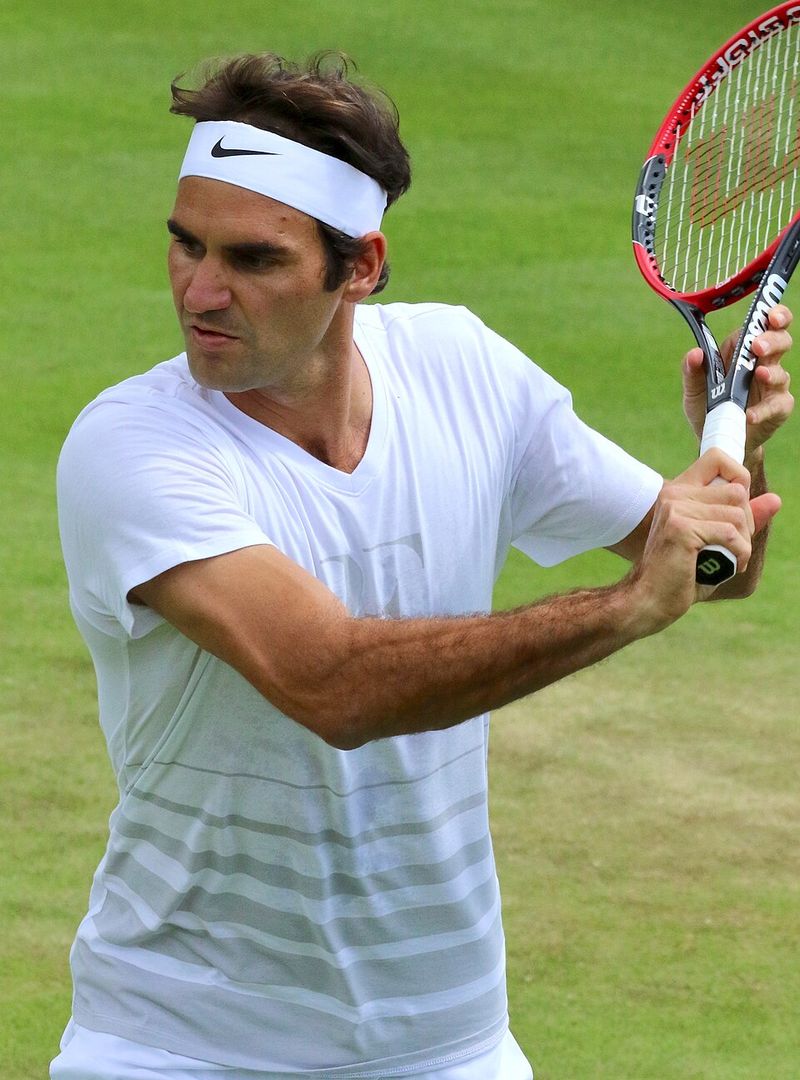
Watching Roger Federer play tennis often felt less like watching a sport and more like watching art in motion. His smooth footwork, effortless serve, and one-handed backhand were described by coaches and commentators as technically perfect.
Many considered him the most elegant player the game had ever seen.
Federer won 20 Grand Slam singles titles across his career, a record at the time of his retirement. He won Wimbledon eight times, the most by any man in that tournament’s history.
He held the world number one ranking for a record 310 weeks total during his career.
Beyond trophies, Federer changed how tennis was marketed and perceived globally. His rivalry with Nadal and Djokovic elevated the sport to new heights of public interest.
He was also known for his calm sportsmanship and thoughtful public presence. Federer demonstrated that excellence and grace could coexist beautifully, both on the court and off it.
Michael Phelps (Swimming)
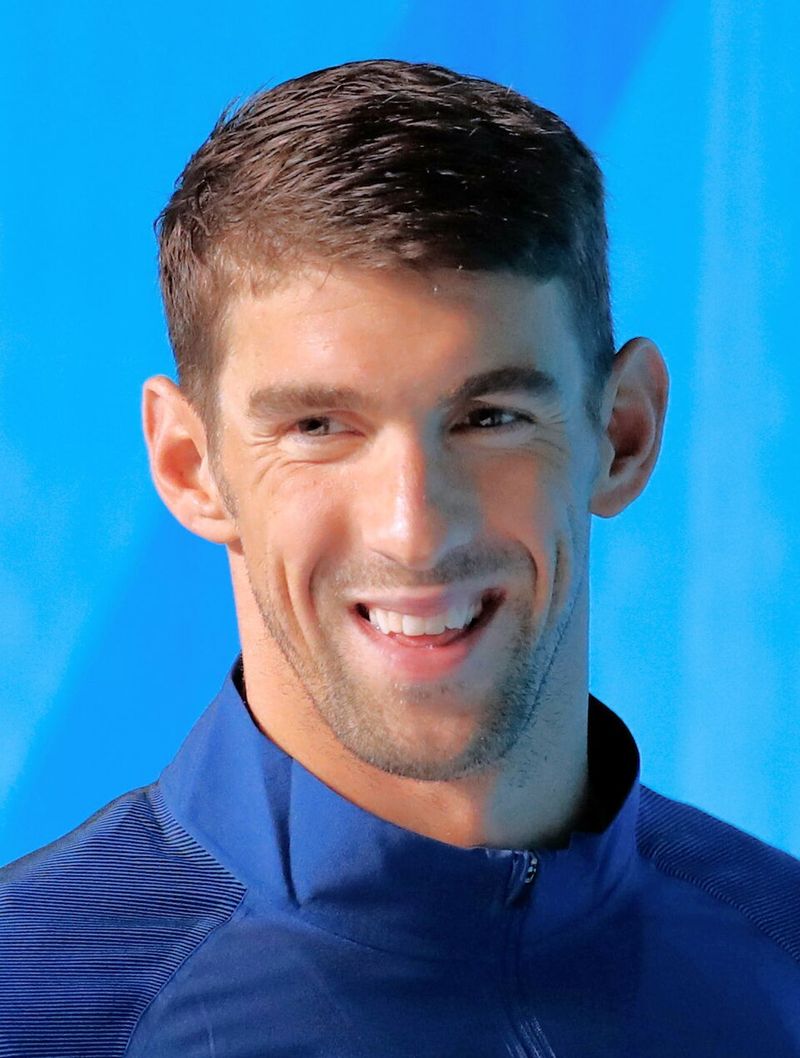
Michael Phelps is the most decorated Olympian in the history of the Games. That sentence alone tells you something extraordinary happened in the pool every time he stepped on the starting block.
Over four Olympic appearances, he collected 23 gold medals and 28 total medals, numbers that may never be matched.
His wingspan of 6 feet 7 inches, double-jointed ankles, and unusually long torso gave him natural physical advantages. But Phelps trained six days a week, 365 days a year for years at a stretch.
His coach Bob Bowman described him as someone who simply refused to lose.
Phelps also broke barriers by speaking openly about his struggles with mental health and depression after retiring. His honesty helped reduce the stigma around athletes admitting they need emotional support.
He proved that even the most decorated champion can be vulnerable. That honesty made him more impactful than any gold medal ever could.
Wayne Gretzky (Ice Hockey)
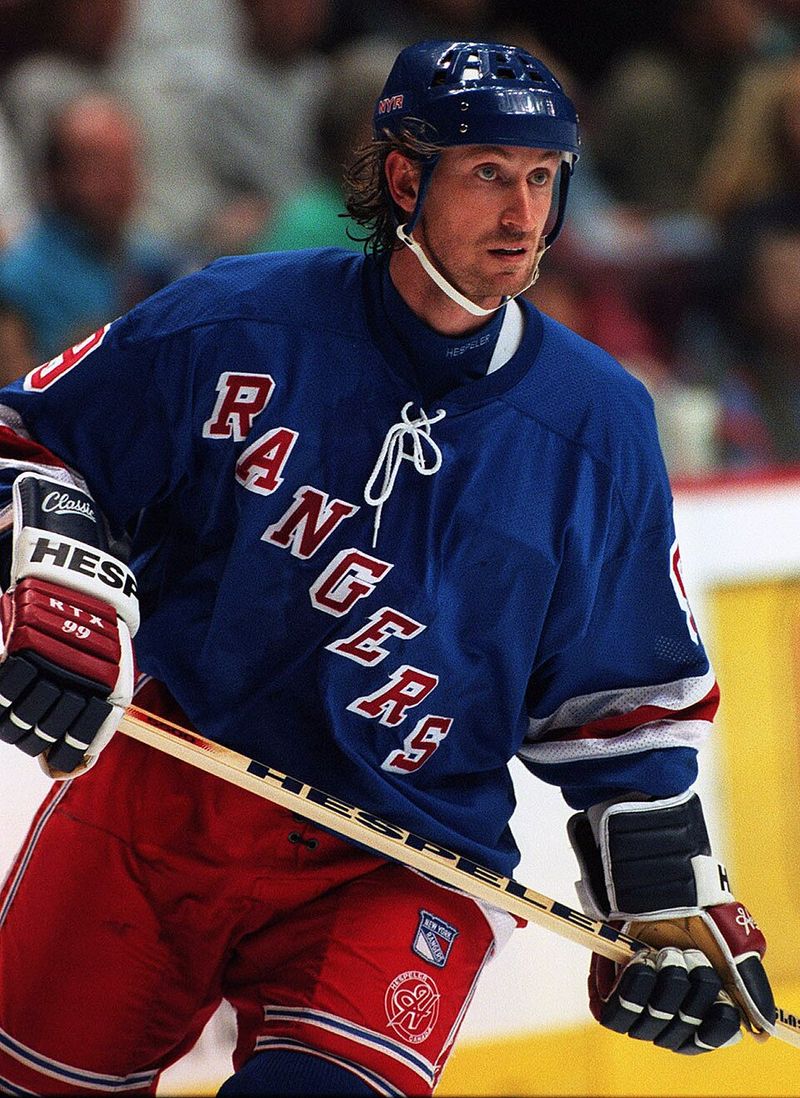
Wayne Gretzky holds so many NHL records that hockey analysts often say the second-place player on the all-time scoring list would still be the greatest scorer in history even without counting Gretzky’s totals. That is how far ahead of everyone else he truly was.
Gretzky scored 894 regular season goals and recorded 1,963 assists across his career. His total of 2,857 points is nearly 1,000 more than the next player on the list.
He won four Stanley Cup championships with the Edmonton Oilers during the 1980s and was named league MVP nine times.
Known simply as “The Great One,” Gretzky changed how the game was played by using ice vision and anticipation instead of brute force. He read the game several moves ahead of opponents.
When he moved from Edmonton to Los Angeles in 1988, he helped grow hockey’s popularity across the American South and West, expanding the sport far beyond its traditional cold-weather base.
Lewis Hamilton (Formula One)
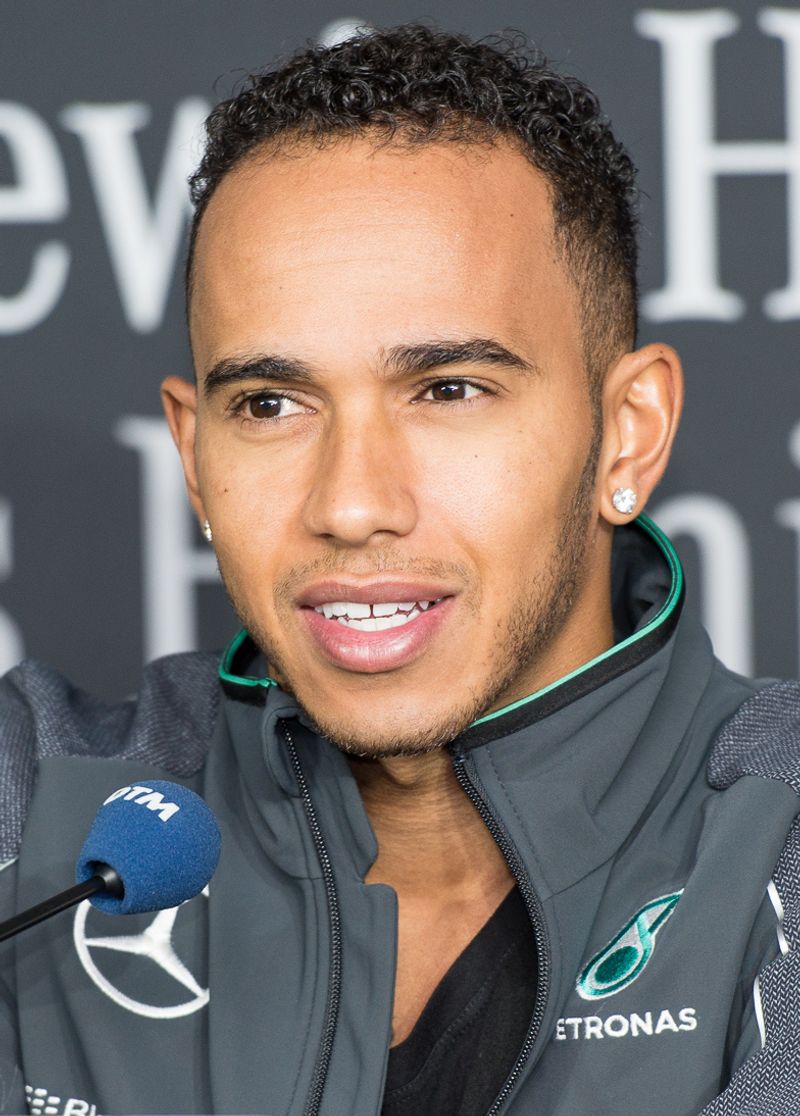
Lewis Hamilton grew up in a working-class family in Stevenage, England, a background that stood out sharply in the wealthy, exclusive world of Formula One racing. His father worked multiple jobs to fund his son’s early karting career.
That sacrifice launched one of the most dominant careers in motorsport history.
Hamilton has won seven Formula One World Championships, tying the all-time record held by Michael Schumacher. He holds records for the most race wins, pole positions, and podium finishes in F1 history.
His consistency across multiple eras of the sport is considered a defining measure of his greatness.
As a Black driver in a sport with very little racial diversity, Hamilton used his platform to advocate loudly for inclusion and racial justice, especially after the global conversations sparked in 2020. He established the Hamilton Commission to increase Black representation in motorsport.
Hamilton changed Formula One both on the track and in the conversations happening off it.
Jackie Robinson (Baseball)
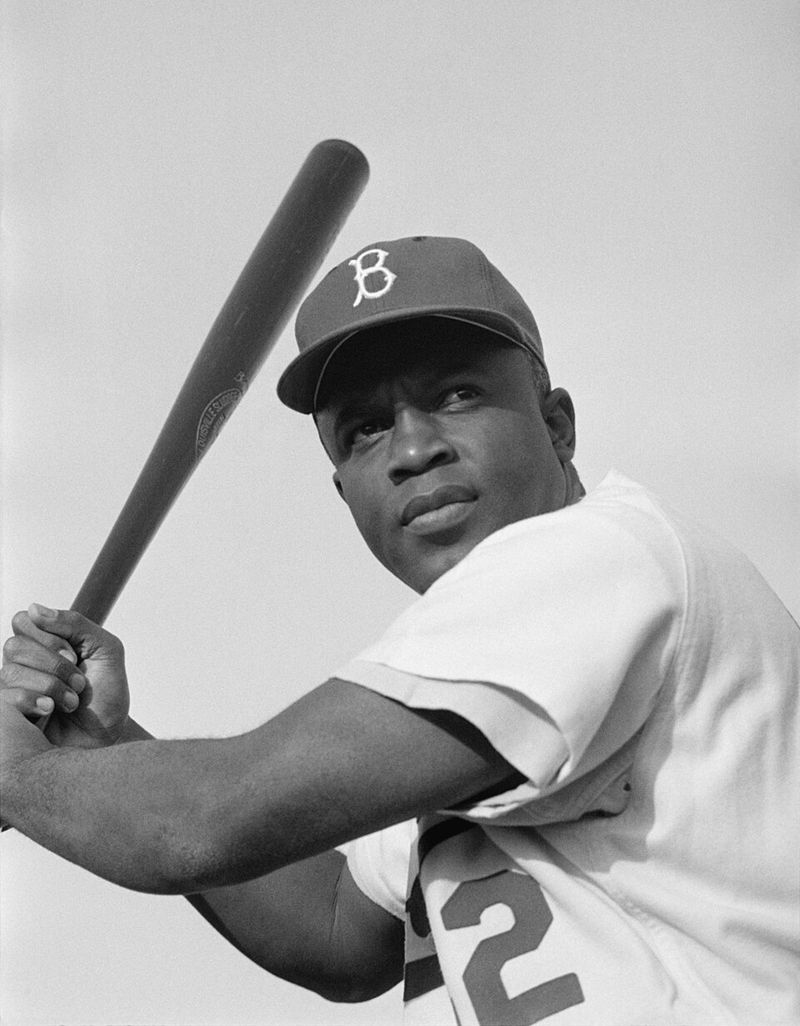
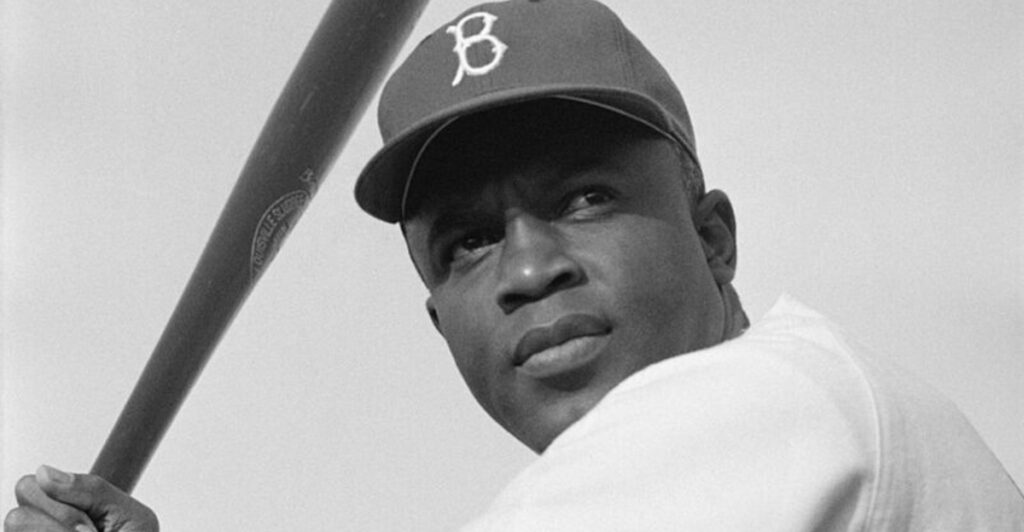
On April 15, 1947, Jackie Robinson walked onto Ebbets Field in Brooklyn and broke Major League Baseball’s color barrier. That single moment changed American sports and American society in ways that stretched far beyond any baseball diamond.
Robinson faced relentless racism from opposing players, fans, and even some teammates during his early years. He endured it with remarkable dignity, guided by an agreement with Dodgers executive Branch Rickey to respond to hatred with excellence rather than anger.
He won Rookie of the Year in 1947 and the National League MVP award in 1949.
His number 42 is the only jersey number retired across all of Major League Baseball, a permanent tribute to what he represented. Robinson opened doors for Black athletes in professional sports across the country.
Every athlete who followed him into a previously segregated arena owes a debt to his courage. His impact was never just about baseball.
It was about justice.
Nadia Comaneci (Gymnastics)
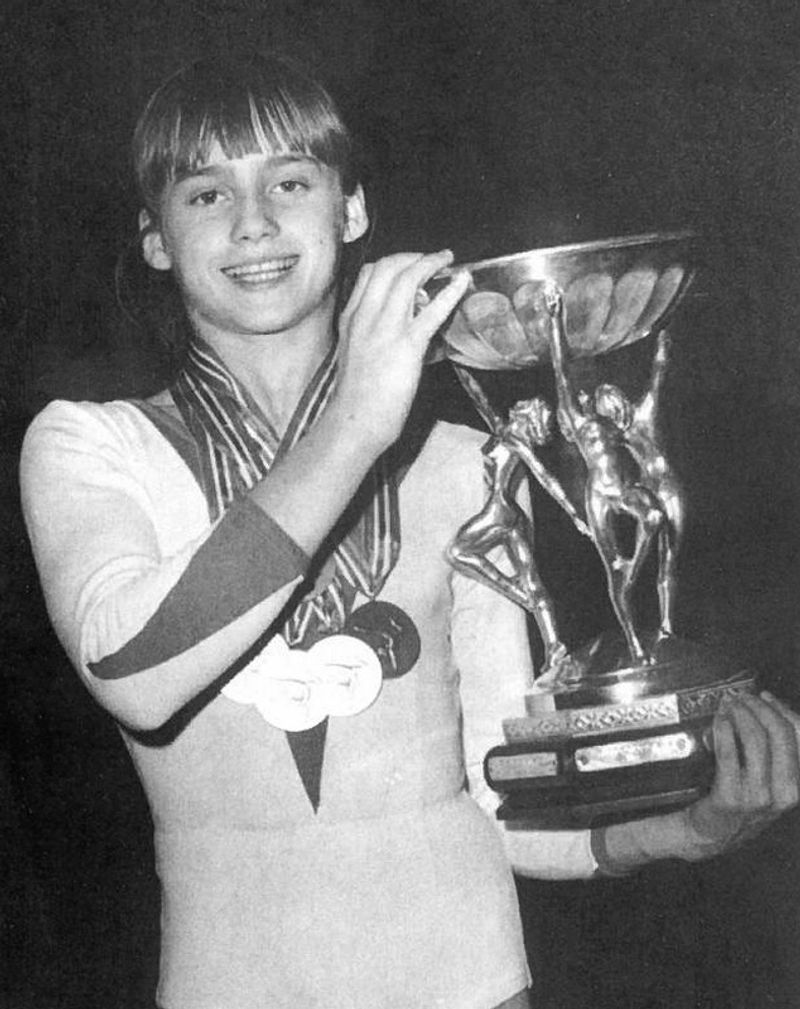
At the 1976 Montreal Olympics, a 14-year-old Romanian gymnast named Nadia Comaneci did something the sport’s scoring system was not even designed to handle. She earned a perfect 10 on the uneven bars, the first in Olympic gymnastics history.
The scoreboard displayed 1.00 because no one had programmed it to show 10.00.
Comaneci went on to score seven perfect 10s during those Games, winning three gold medals. Her precision, balance, and fearless execution of routines were decades ahead of what the sport had seen before.
Coaches around the world rewound her performances just to study her technique.
Her success helped put Romanian gymnastics on the global map and inspired a generation of young girls to pursue the sport. Comaneci proved that youth and determination could rewrite the rules of what was thought possible.
She did not just compete in gymnastics. She permanently raised the ceiling of what the sport could look like at its absolute best.
Simone Biles (Gymnastics)
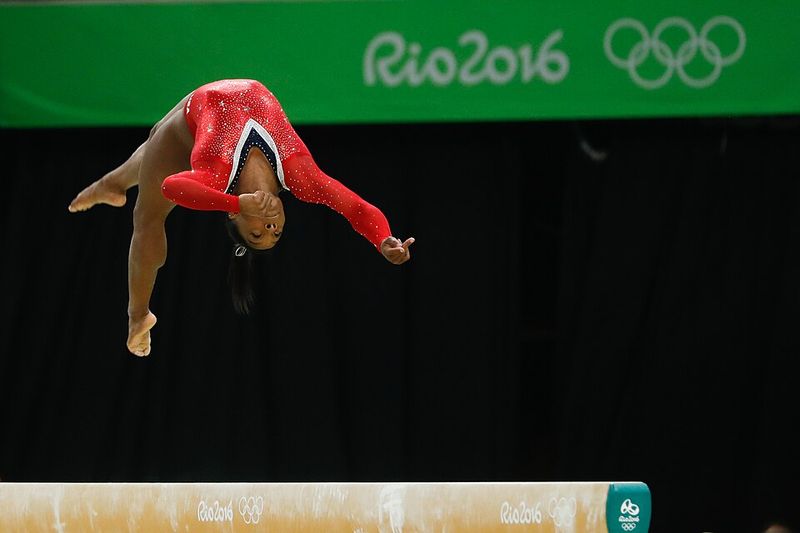
Simone Biles has skills named after her in the gymnastics code of points, moves so difficult that the sport’s governing body had to create new categories just to score them. That is not a metaphor.
Those moves are literally called “The Biles” in official competition rulebooks.
Biles has won more World Championship medals than any gymnast in history, male or female. Her combination of power, precision, and air awareness allows her to perform skills that most elite gymnasts would not attempt even in practice.
She is widely considered the greatest gymnast of all time.
At the 2020 Tokyo Olympics, she withdrew from several events to protect her mental health, sparking a global conversation about athlete well-being and the pressures young performers face. That decision took courage of a completely different kind.
Biles showed the world that protecting yourself is not weakness. It takes strength to know your limits, and even more strength to act on them.
Share this story