Country names can tell you a lot about a place before you even look at a map. Some nations have short, punchy names, while others carry long, descriptive titles that reflect their history, geography, or political identity.
The longest country names in the world are fascinating because they often hint at how a country came to be. Read on to discover 15 nations whose official names are anything but brief.
1. United Kingdom of Great Britain and Northern Ireland
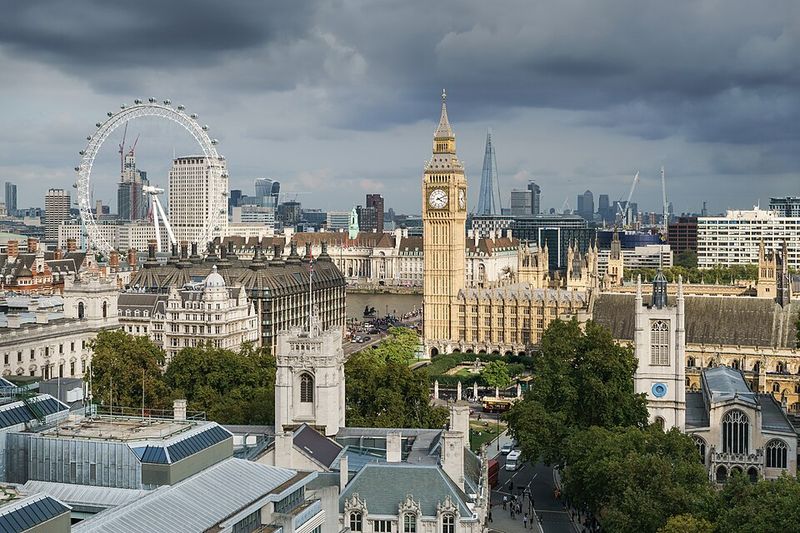
At 56 characters, the United Kingdom of Great Britain and Northern Ireland holds one of the longest official country names on Earth. Most people simply call it the UK, but the full name tells a much bigger story.
It reflects centuries of political union between England, Scotland, Wales, and Northern Ireland.
The name came together gradually as each region merged under one crown. England and Scotland united in 1707, Wales had already been joined to England much earlier, and Northern Ireland joined in 1922.
Each part kept its identity while becoming part of a larger whole.
Today, the UK is a global powerhouse known for its monarchy, Parliament, and cultural influence. The long name is a badge of its complicated but fascinating history.
It reminds us that behind every country name is a story worth knowing.
2. Federated States of Micronesia
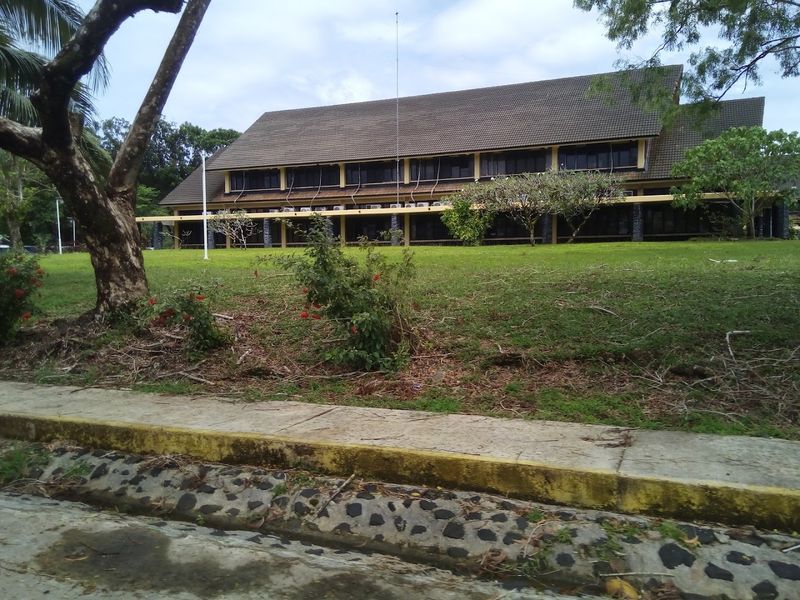
Tucked into the western Pacific Ocean, the Federated States of Micronesia is a nation made up of more than 600 tiny islands. Despite its small size, its official name packs in 32 characters and carries serious meaning.
The word “federated” tells you right away that this country is a union of different island groups working together.
Micronesia includes four main states: Chuuk, Pohnpei, Yap, and Kosrae. Each has its own culture, traditions, and even distinct languages.
The country gained independence from the United States in 1986 after years of being a U.S.-administered territory.
The islands are surrounded by some of the most biodiverse coral reefs on the planet, making Micronesia a dream destination for divers and nature lovers. Its long name is a small window into the rich complexity of this island nation scattered across millions of square miles of ocean.
3. Democratic Republic of the Congo
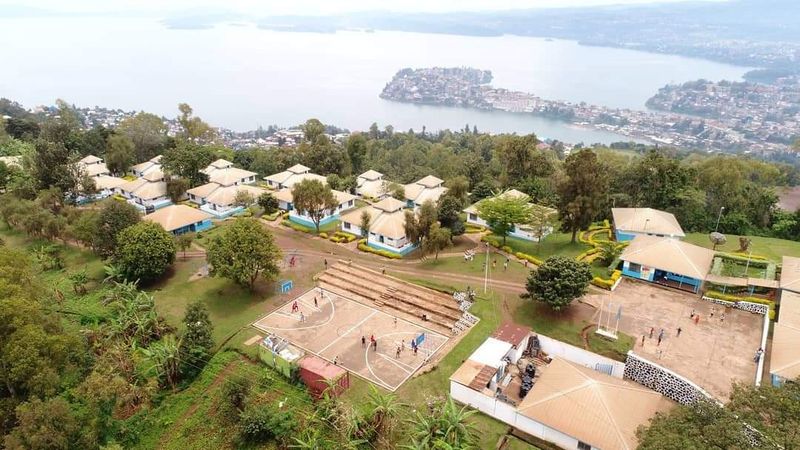
Two countries in Africa share the name Congo, which is exactly why one of them needed a longer, more specific title. The Democratic Republic of the Congo, often called the DRC or Congo-Kinshasa, uses its full name to set itself apart from its smaller neighbor, the Republic of the Congo, just across the river.
The DRC is the second-largest country in Africa by land area and is home to the Congo River, the deepest river in the world. Its rainforests cover vast stretches of the country and are among the most important ecosystems on the planet.
The country is also incredibly rich in natural resources, including cobalt, coltan, and diamonds.
Despite its wealth of resources, the DRC has faced decades of political challenges. Its full official name reflects a hope for democratic governance, even as the country continues working toward stability and growth for its people.
4. Central African Republic
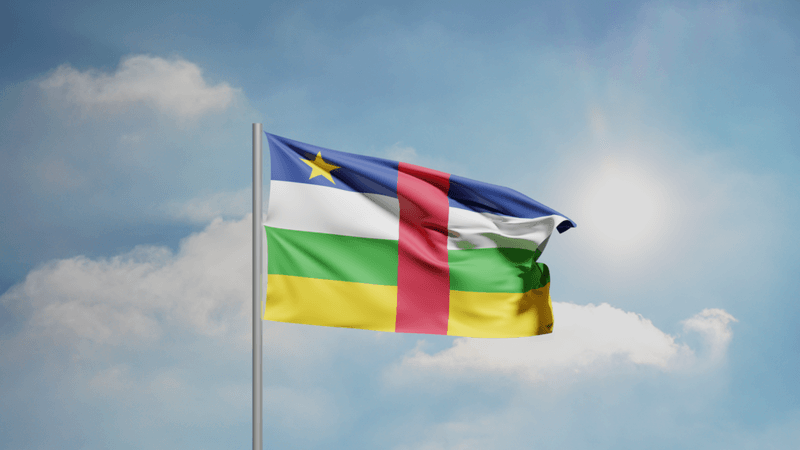
Right in the heart of Africa sits a landlocked country whose name is almost a geographic description: the Central African Republic. At 24 characters, it is one of the more straightforward long names on this list, but it does exactly what it says.
It tells you where the country is located without any extra decoration.
The country gained independence from France in 1960 and has gone through many political changes since then. It is home to dense forests in the south and open savannas in the north, making it one of the most ecologically diverse nations in the region.
The Dzanga-Sangha Reserve is one of its greatest natural treasures, sheltering forest elephants and western lowland gorillas.
Despite facing economic hardships, the Central African Republic has a rich cultural heritage and a warm, resilient population. Its name may be simple, but the country behind it is layered with complexity and natural wonder.
5. United Arab Emirates
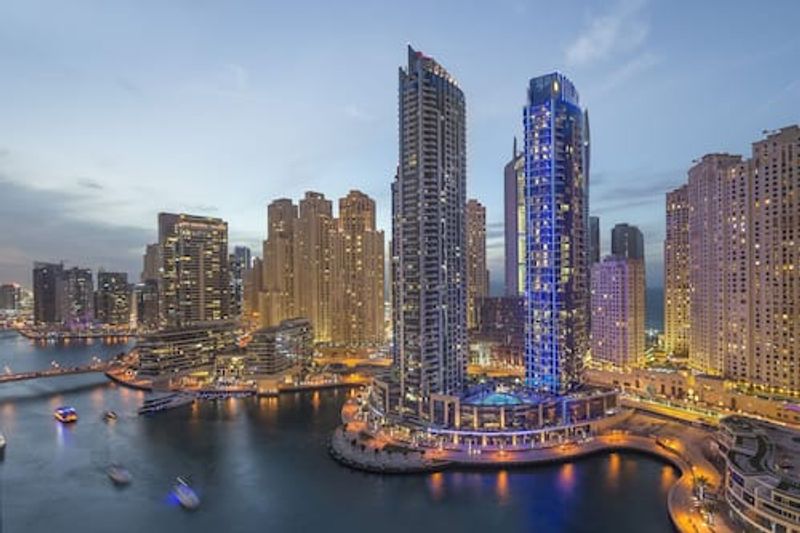
Few country names capture a nation’s structure as clearly as the United Arab Emirates. The word “emirates” refers to the seven individual states, each ruled by its own emir, that came together to form one unified country in 1971.
Before that, the region was known as the Trucial States under British protection.
The UAE is home to some of the world’s most iconic cities, including Dubai and Abu Dhabi. Dubai is famous for its record-breaking skyscrapers and luxury lifestyle, while Abu Dhabi serves as the political capital.
Together, they have transformed a desert region into a global hub for business, tourism, and innovation.
Oil wealth has played a major role in the UAE’s rapid development, but the country has worked hard to diversify its economy. Its official name, at 20 characters, perfectly captures the federal spirit that makes this Middle Eastern nation such a unique success story in modern history.
6. Bosnia and Herzegovina
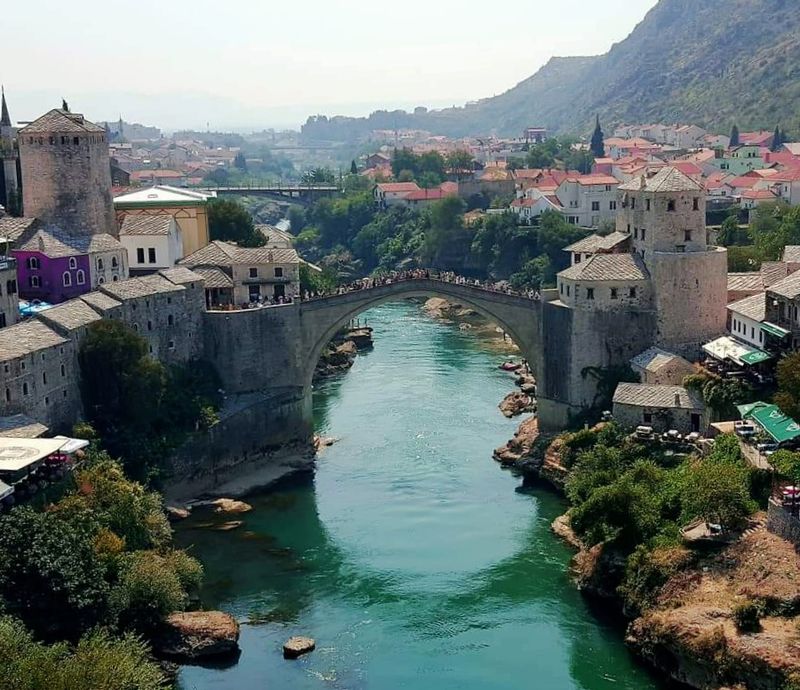
Bosnia and Herzegovina is one of those country names that often trips people up when they try to spell it. The name combines two historic regions: Bosnia in the north and Herzegovina in the south.
Together, they form a single country in the western Balkans with a deeply layered cultural identity.
The country is home to people of three main ethnic groups: Bosniaks, Serbs, and Croats. This diversity is reflected in the country’s unique political structure, which was established after the Bosnian War ended in 1995.
The famous Stari Most bridge in Mostar, rebuilt after being destroyed in the war, has become a powerful symbol of reunification and resilience.
Bosnia and Herzegovina is also known for its stunning mountain scenery, Ottoman-era architecture, and warm hospitality. Sarajevo, the capital, hosted the 1984 Winter Olympics and remains one of the most culturally rich cities in all of Europe.
7. Saint Vincent and the Grenadines
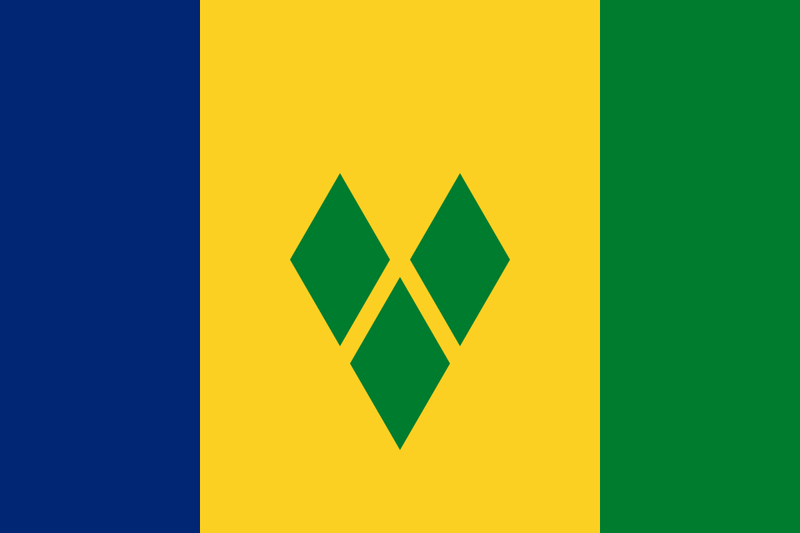
Saint Vincent and the Grenadines sounds like it could be a band name, but it is actually one of the Caribbean’s most picturesque island nations. The country consists of the main island of Saint Vincent and a chain of smaller islands called the Grenadines, which stretch southward toward Grenada.
Together, they form a nation of striking natural beauty.
The islands were once a major sugar-producing region under British colonial rule. Today, tourism and agriculture drive the economy, with bananas remaining an important export crop.
The volcanic landscape of Saint Vincent gives the islands a dramatic, rugged character unlike the flat, sandy beaches of many other Caribbean destinations.
In 2021, the La Soufriere volcano erupted, causing widespread evacuations and significant damage. The islands have been steadily recovering since then, showing the determination of their people.
With a name that spans 33 characters, this small nation carries a big identity in the Caribbean world.
8. Antigua and Barbuda
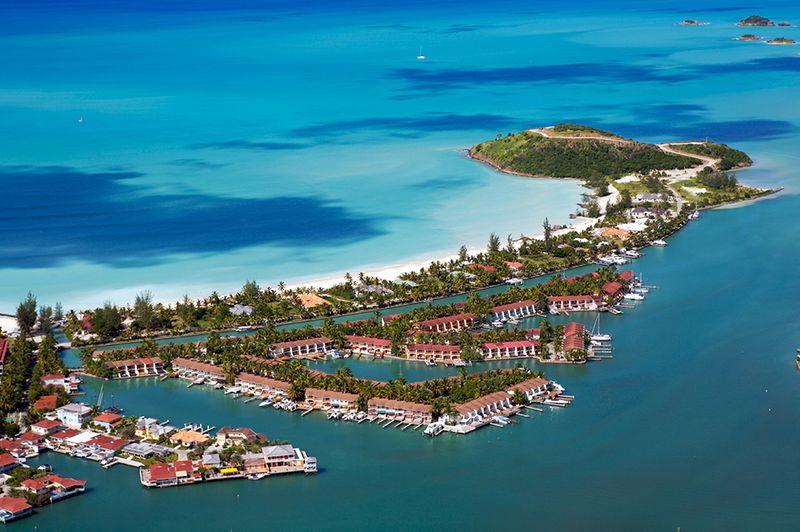
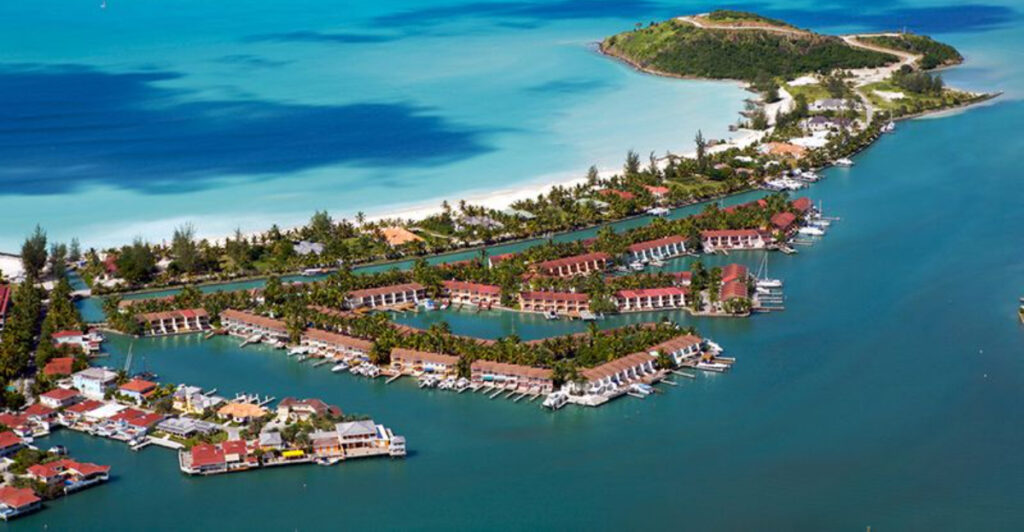
Antigua and Barbuda is a twin-island nation in the eastern Caribbean, and its name reflects that dual identity perfectly. Antigua is the larger and more developed island, home to the capital city of St. John’s, while Barbuda is a quieter, flatter island known for its stunning pink sand beaches and a large frigate bird sanctuary.
The country gained independence from Britain in 1981, though it remains a member of the Commonwealth. Antigua has 365 beaches, one for every day of the year, which has made it a favorite destination for sailors and sun-seekers from around the world.
Sailing Week, held every April, draws competitors from dozens of countries.
In 2017, Hurricane Irma devastated Barbuda, forcing nearly the entire population to evacuate temporarily. Recovery has been slow but steady.
At 19 characters, the country’s name is short by this list’s standards, but its story is anything but small.
9. Trinidad and Tobago
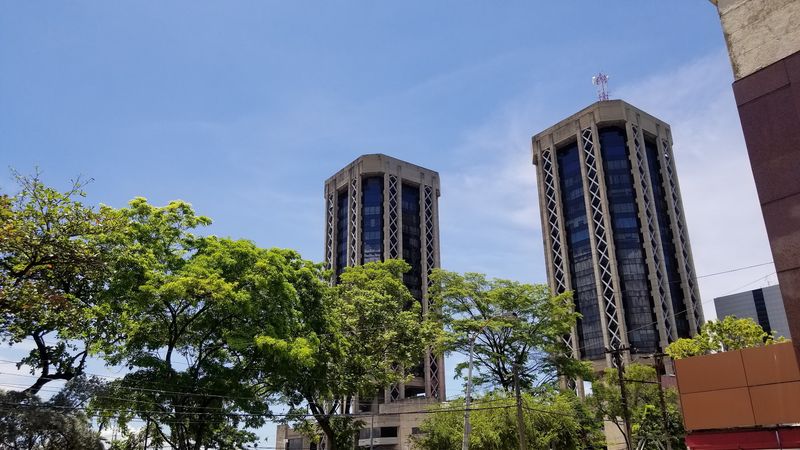
Steel pan music, Carnival celebrations, and some of the best food in the Caribbean all call Trinidad and Tobago home. This twin-island republic sits just off the northeastern coast of Venezuela and is one of the southernmost nations in the Caribbean.
It gained independence from Britain in 1962 and became a republic in 1976.
Trinidad is the industrial powerhouse of the two islands, with a strong economy built on oil and natural gas. Tobago, by contrast, is smaller and quieter, drawing visitors with its coral reefs, rainforests, and relaxed beach culture.
The two islands complement each other in personality and economy.
Trinidad is also the birthplace of the steel pan, the only acoustic instrument invented in the 20th century. The country’s Carnival is considered one of the greatest street festivals on Earth.
A name of 19 characters barely scratches the surface of what makes this vibrant nation so special.
10. Sao Tome and Principe
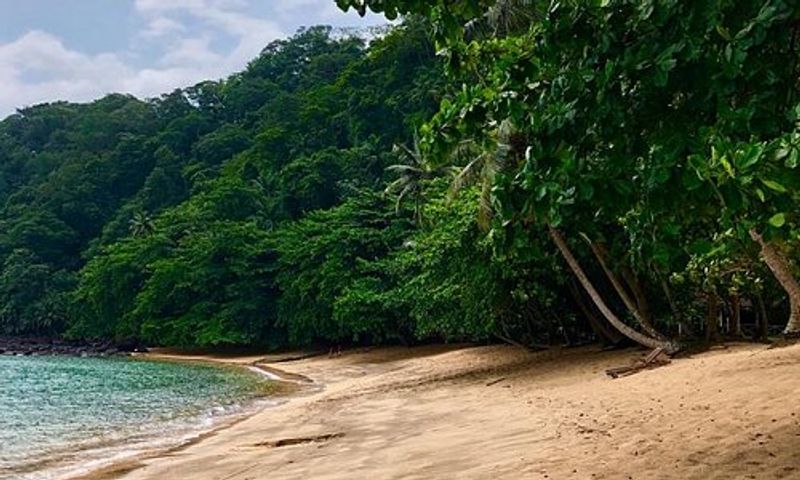
One of Africa’s smallest and least-visited countries, Sao Tome and Principe is a two-island nation sitting in the Gulf of Guinea off the western coast of Africa. Portuguese explorers discovered the uninhabited islands in the 1470s, and the country still speaks Portuguese as its official language today.
It became independent from Portugal in 1975.
The islands are known for their extraordinary biodiversity, including dozens of plant and bird species found nowhere else on Earth. Once a major hub for the transatlantic slave trade and later a leading cocoa producer, Sao Tome and Principe has a complex and layered history.
Today, cocoa production remains a key part of its economy, and the islands are gaining a reputation for high-quality chocolate.
Ecotourism is slowly growing on the islands as travelers discover their untouched rainforests and rugged volcanic landscapes. At 21 characters, the name hints at the country’s dual-island nature and its rich Portuguese heritage.
11. Dominican Republic
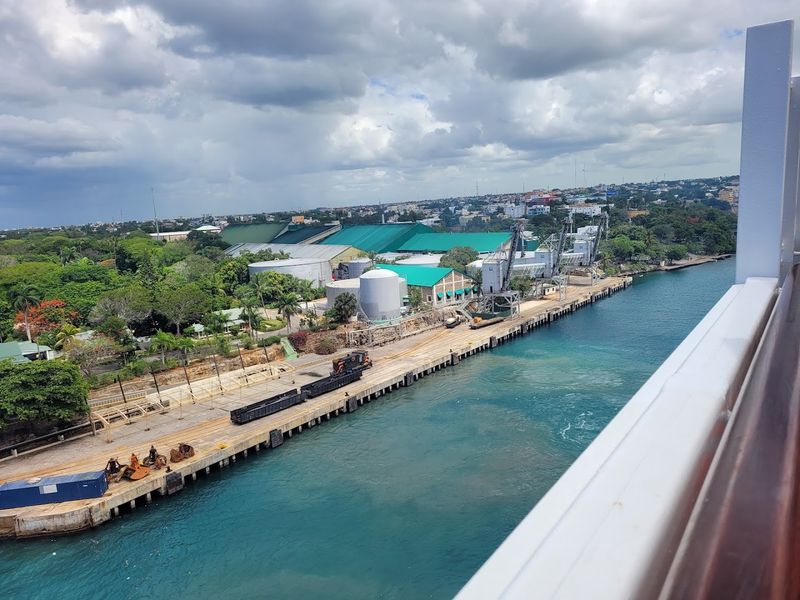
The Dominican Republic shares the island of Hispaniola with Haiti, making it one of only two Caribbean nations to share an island with another country. Its official name, at 18 characters, is longer than many people realize because the country is so commonly shortened to just “the DR” in everyday conversation.
The country was the site of the first permanent European settlement in the Americas, established by Christopher Columbus in 1496. Santo Domingo, the capital, is home to the oldest continuously inhabited European-founded city in the Western Hemisphere.
History runs deep here, from colonial architecture to indigenous Taino heritage.
Today, the Dominican Republic is one of the most visited tourist destinations in the Caribbean, welcoming millions of visitors each year to its all-inclusive resorts, beaches, and mountains. Baseball is practically a religion here, and the country has produced some of Major League Baseball’s greatest players.
It is a nation of rich contrasts and endless energy.
12. Papua New Guinea
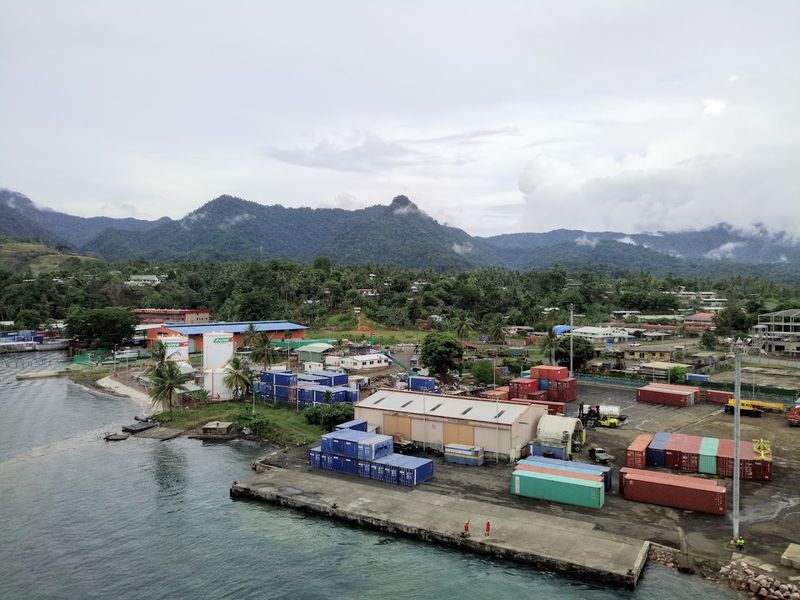
Papua New Guinea is a country of jaw-dropping diversity, and that is not an exaggeration. It is home to more than 800 different languages, making it the most linguistically diverse nation on Earth.
Located in the southwestern Pacific Ocean, it occupies the eastern half of the island of New Guinea, sharing the island with Indonesia’s Papua provinces.
The country gained independence from Australia in 1975 and has since developed its own unique national identity while honoring hundreds of distinct tribal cultures. The highlands are particularly known for their colorful sing-sing festivals, where tribes gather to celebrate with traditional music, dance, and elaborate costumes that have been passed down for generations.
Papua New Guinea also boasts extraordinary natural wealth, including gold, copper, and oil. Its rainforests are among the most biodiverse in the world.
At 16 characters, the name is one of the shorter ones on this list, but the country behind it is enormous in every other sense.
13. Equatorial Guinea
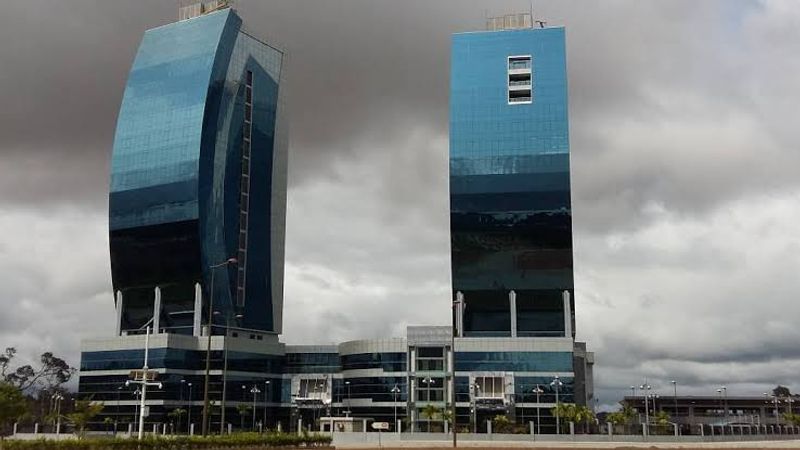
Equatorial Guinea has a name that might make you think it sits right on the equator, and you would be almost right. The country straddles the equator and is located on the west coast of Central Africa.
It is one of the smallest countries on the African continent and the only African nation where Spanish is an official language.
The country consists of a mainland region called Rio Muni and several islands, including Bioko, where the capital Malabo is located. This unusual geography means the capital city is actually on an island, separated from the mainland by water.
Oil was discovered offshore in the 1990s, dramatically transforming the country’s economy almost overnight.
Despite its oil wealth, income inequality remains a significant challenge. Equatorial Guinea is a country of fascinating contrasts, blending Spanish colonial history with rich Central African traditions.
Its 17-character name hints at its equatorial location but only scratches the surface of its complex story.
14. North Macedonia
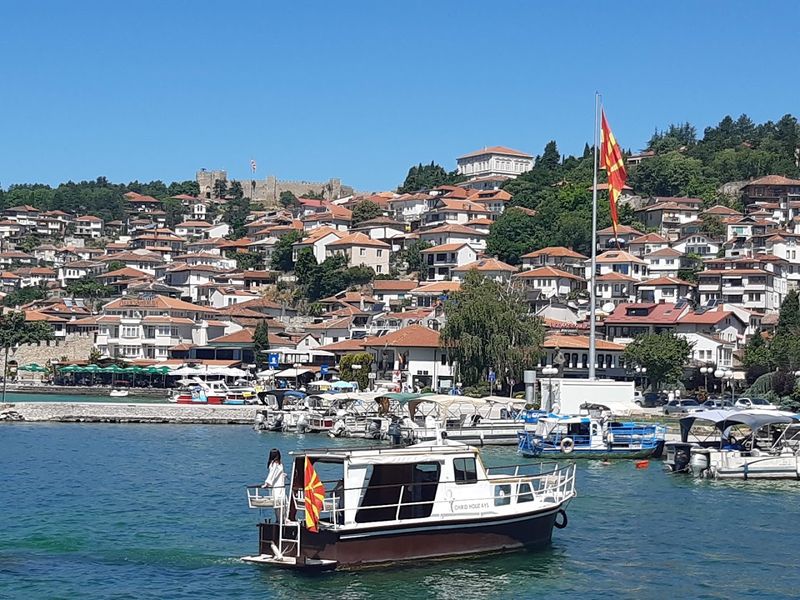
North Macedonia has one of the more politically charged country names on this list. For nearly three decades after gaining independence from Yugoslavia in 1991, the country was simply called Macedonia.
However, neighboring Greece objected because it also has a northern region called Macedonia. The dispute was finally resolved in 2019 with the Prespa Agreement.
Under the agreement, the country officially became the Republic of North Macedonia and was soon after admitted to NATO. It was a significant diplomatic achievement that ended years of tension and opened new doors for the small Balkan nation.
The name change was controversial domestically, but many citizens accepted it as a necessary step forward.
North Macedonia is known for its stunning mountain landscapes, medieval monasteries, and the ancient city of Ohrid, which sits on a lake of the same name and is a UNESCO World Heritage Site. At 14 characters, the name is compact but carries an outsized amount of political history behind every letter.
15. Solomon Islands
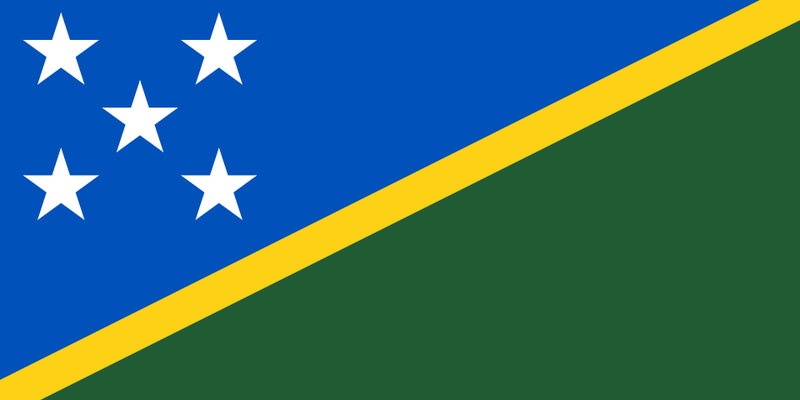
Spread across the southwestern Pacific Ocean, the Solomon Islands is an archipelago of nearly 1,000 islands, though only a fraction of them are inhabited. The country takes its name from the biblical King Solomon, which Spanish explorer Alvaro de Mendana applied to the islands in 1568 after hoping they might contain gold as plentiful as the legendary king’s treasury.
The islands were a significant theater of fighting during World War II, particularly the Battle of Guadalcanal in 1942 and 1943. Wrecked ships and aircraft from that era still rest on the ocean floor, drawing history-minded divers from around the world.
The marine life surrounding these wrecks is extraordinary.
Today, the Solomon Islands faces real challenges from rising sea levels, which threaten low-lying communities. Despite this, the country maintains a rich tradition of wood carving, canoe building, and reef fishing.
At 14 characters, its name is the shortest on this list, but the islands themselves are anything but forgettable.
Share this story