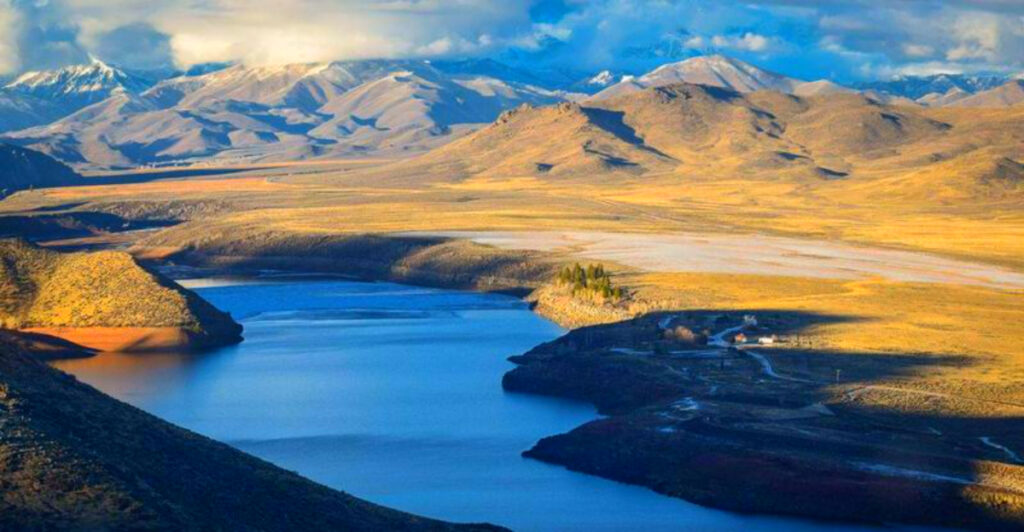
Idaho is one of the best-kept secrets in the rockhounding world, and its rivers are a big reason why. Ancient volcanic activity left behind a treasure chest of agates, jasper, opal, garnets, and even traces of placer gold scattered across gravel bars and canyon floors throughout the state. Whether you are a serious collector with a rock hammer and a field guide or someone who just likes picking up pretty stones on a riverbank, Idaho has a river with your name on it. From remote desert canyons in the south to crystal-clear mountain streams in the north, the state offers an almost ridiculous variety of geological rewards.
The rivers listed here are not just good for rockhounding, they are also genuinely beautiful places to spend a day outdoors. Pack a bag, wear sturdy shoes, and get ready to discover why so many collectors keep coming back to Idaho year after year.
1. Owyhee River, Murphy, Idaho
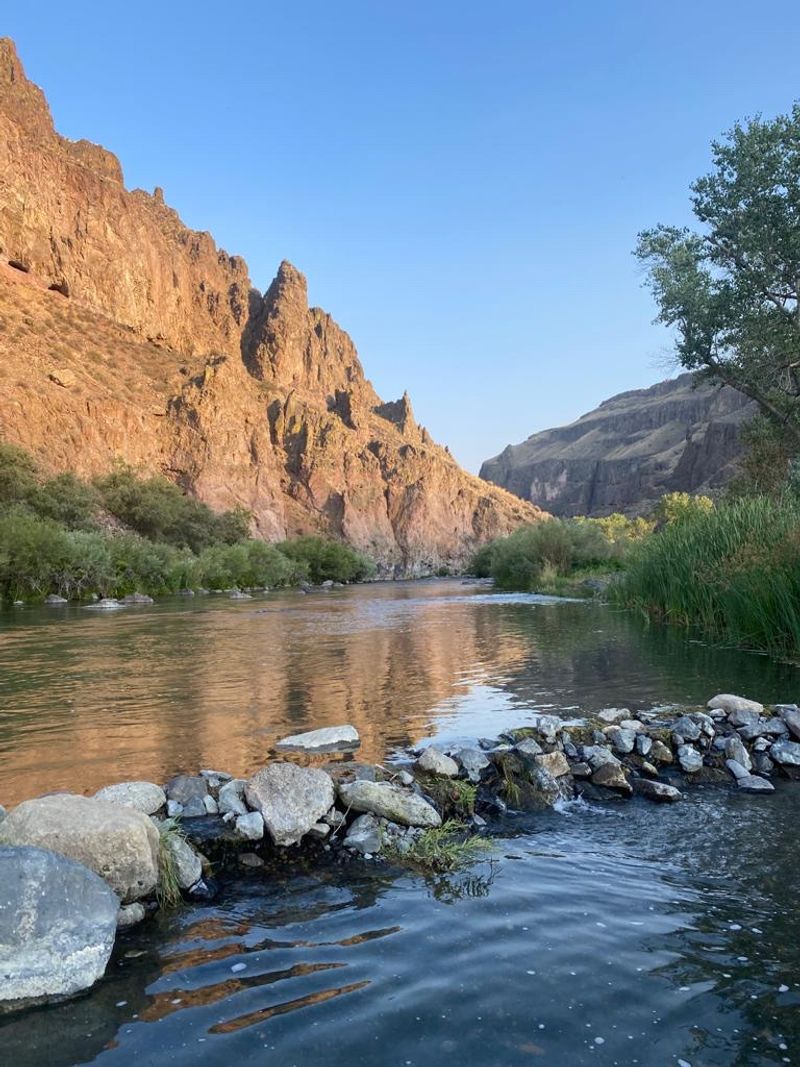
Few rivers in the American West pack as much geological drama into one canyon as the Owyhee does in southwestern Idaho. The river winds through towering walls of rhyolite and basalt, exposing some of the largest concentrations of sheer volcanic canyon faces in the entire western United States.
Owyhee County is widely regarded as one of Idaho’s top rockhounding destinations, and for good reason. Collectors working the high-desert hills, gulches, gravel pits, and road cuts have turned up plume agate, moss agate, scenic agate, banded agate, dendritic agate, polka dot agate, smoky agate, jasper, opal, and petrified wood.
That is a remarkably diverse haul for a single region. Spring and fall are the most comfortable seasons for exploring, since summer temperatures in the canyon can climb well beyond what most people consider enjoyable.
Even visitors who return home empty-handed rarely feel disappointed. The remote desert scenery, the ancient canyon walls, and the sheer quietness of the place have a way of making the whole trip feel worthwhile regardless of what ends up in the rock bag.
2. Bruneau River, Bruneau, Idaho
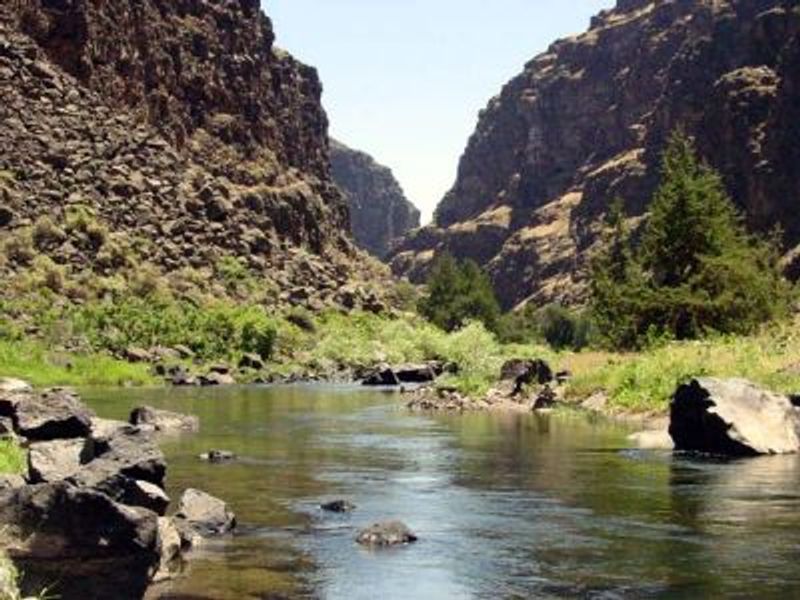
Bruneau jasper has a reputation that reaches well beyond Idaho’s borders, and the river canyon where it originates is just as impressive as the stone itself. The Bruneau River cuts through canyon walls that drop between 800 and 1,000 feet, exposing dramatic layers of basalt and rhyolite shaped by millions of years of volcanic activity and erosion.
This high-grade porcelain jasper is prized for its distinctive patterns and wide color range, including rare blue-to-white specimens that collectors actively seek out. Petrified wood and limb casts are also scattered throughout the surrounding public lands, particularly in nearby gulches and along road cuts.
Small-scale jasper mining claims have historically existed near Indian Hot Springs, and agate claims have been held along Hot Creek, giving the area a layered history that adds interest beyond simple surface collecting.
The canyon scenery is every bit as compelling as the geology. Winding river bends, sheer walls, and open desert skies make this one of southern Idaho’s most visually striking destinations for outdoor explorers and collectors alike.
3. Snake River, Twin Falls, Idaho
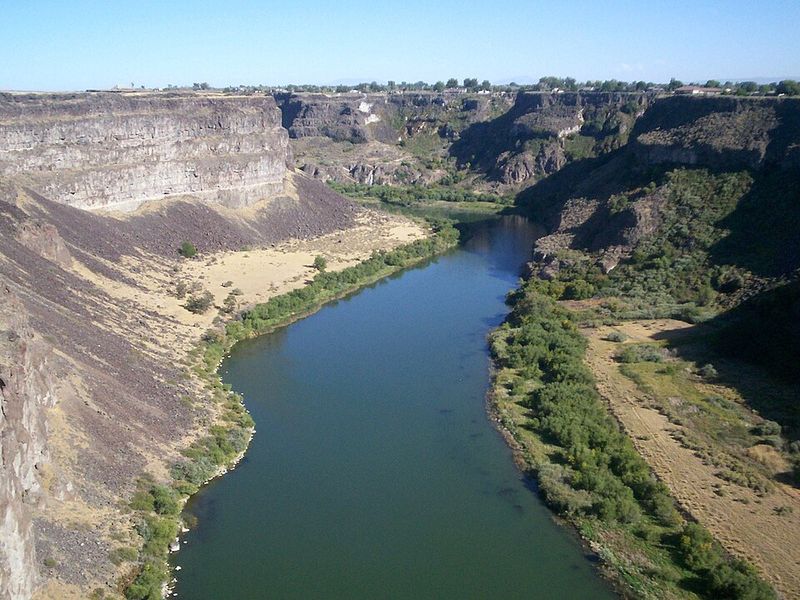
Idaho’s most famous waterway has a lot going on beneath the surface, and not just in the water. The Snake River’s volcanic origins have left behind an abundance of silica-rich materials, and rockhounds working gravel bars near Twin Falls, Hagerman, and Swan Falls regularly turn up agates, jasper, chalcedony, and fragments of petrified wood.
The region’s sedimentary rock layers have also yielded some genuinely surprising fossils, including ancient horses, camels, sloths, fish, mollusks, and marine life that once lived in this part of North America millions of years ago. On the gold side of things, fine placer flour gold has been found in sand deposits along the southern Idaho stretch of the river.
Shoshone Falls, located just upstream from Twin Falls, draws crowds for its sheer size, and the surrounding parks offer easy access to the river corridor for casual collectors and serious prospectors alike.
Combining a rockhounding outing with a visit to nearby scenic overlooks and hiking trails makes the Snake River area one of Idaho’s most versatile outdoor destinations for a full day of exploration.
4. Salmon River, Riggins, Idaho
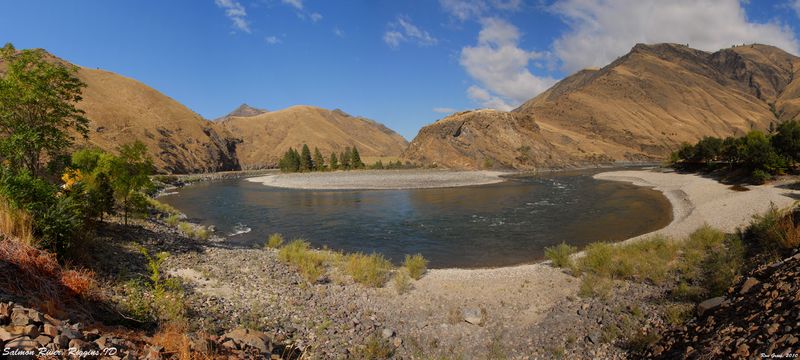
The River of No Return earned its legendary nickname from the difficult upstream navigation that challenged early travelers, but today it earns another kind of reputation among rockhounds and outdoor explorers. The Salmon River flows through some of Idaho’s most rugged canyon scenery, cutting through the Idaho Batholith and exposing a wide variety of collectible minerals along the way.
Gravel bars near Salmon, Riggins, and White Bird have produced agate, jasper, and quartz for collectors willing to put in the time. Almandine garnets are a particularly notable find, especially around Ruby Rapids, where the river’s geology makes conditions especially favorable for these deep red crystals.
The East Fork near Challis adds even more variety, with blood-red cryptocrystalline quartz in sandstone, a rare zeolite occurrence, and remnants of a petrified wood forest that feels almost unreal when you stumble across it.
Historic placer mining took place along much of the river corridor, and gold dust in small quantities was found in most gravel bars, giving recreational prospectors a genuine reason to bring a pan along on any visit.
5. Clearwater River, Orofino, Idaho
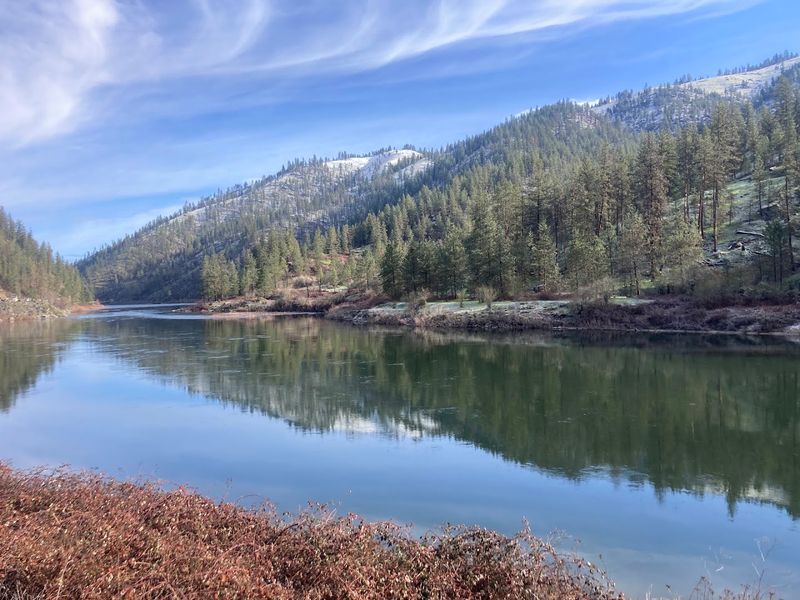
Northern Idaho’s Clearwater River offers a rockhounding experience that feels completely different from the desert canyon rivers of the south. Forests and rolling hills frame the river valley, and the geology here leans toward garnets, common opal, agate, jasper, and chert rather than the volcanic agates more common elsewhere in the state.
The Emerald Creek drainage, located near the Clearwater region, is internationally recognized as one of only two places on Earth where star garnets can be found. These rare specimens display a four or six-rayed star pattern when cut correctly, and they have made the area a destination for collectors from across the country.
Placer gold deposits have also been documented along the Clearwater and its tributaries, with known productive areas near Elk City, Pierce, and Orofino. The river’s tributaries have historically attracted prospectors, and some of those same gravel beds are still worth a closer look today.
Wide gravel bars and peaceful riverside parks give visitors plenty of comfortable space to search without feeling rushed. The Clearwater rewards patience and rewards repeat visits as seasonal water levels expose fresh material each year.
6. Payette River, Banks, Idaho
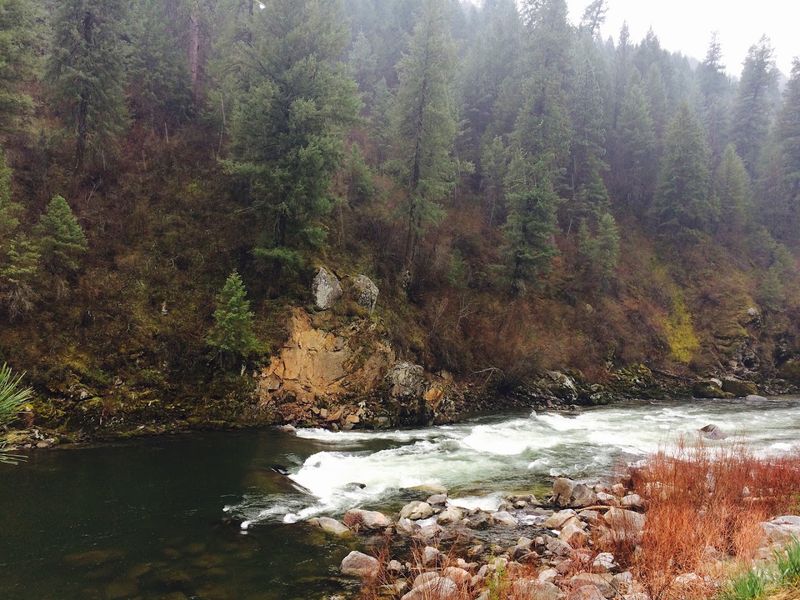
Most visitors arrive at the Payette River with a raft or a kayak in mind, but the gravel bars along this scenic waterway have been quietly rewarding rockhounds for years. After seasonal runoff drops and fresh material gets exposed, collectors have found moss agate, plume agate, blue agate, jasper, quartz, chalcedony, and other colorful river-worn stones worth taking home.
The Banks area specifically has a solid reputation among Idaho rockhounds for agate deposits, and the lower Payette and Black Canyon Reservoir sections are frequently mentioned for agate and jasper finds. Petrified wood and geodes have also turned up in the volcanic rock formations throughout the corridor.
The route between Banks and Cascade is one of Idaho’s more scenic drives, with forested mountain slopes, rushing rapids, and dozens of pullouts that practically beg travelers to stop and look around. It is the kind of road where you plan to pass through quickly and somehow end up spending three hours.
Whether you bring a rock hammer or just keep your eyes open while stretching your legs, the Payette River offers a genuinely enjoyable mix of scenery and collecting potential along an easily accessible stretch of central Idaho.
7. Boise River, Boise, Idaho
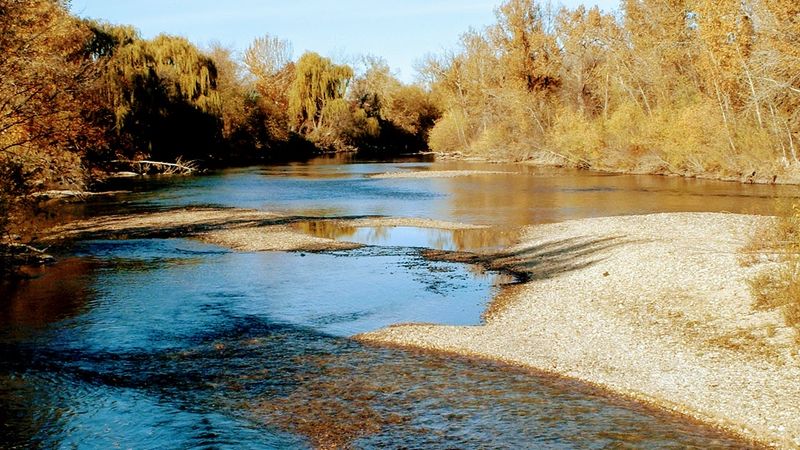
Not every rockhounding adventure requires a four-wheel-drive vehicle and a cooler full of supplies. The Boise River flows directly through Idaho’s capital city, and its gravel bars have yielded agates, volcanic stones, quartz, chalcedony, and jasper-like pieces for collectors who simply kept their eyes down during a casual walk.
The broader Boise Basin, located northeast of the city near Idaho City, holds an impressive distinction: it is historically recognized as Idaho’s largest gold producer. Placer gold was first discovered there in 1862, and the basin eventually produced more gold than the famous Comstock Lode in Nevada. Garnets have also been found in area mining dumps around Idaho City.
The Greenbelt, a paved multi-use path that runs along much of the river through the city, makes it remarkably easy to access the riverbanks without any complicated logistics. It is probably the only rockhounding spot in Idaho where you can park downtown and start collecting within a ten-minute walk.
Beginners who are just getting into the hobby will find the Boise River a low-pressure, accessible starting point before tackling the more remote rivers further afield in the state.
8. St. Joe River, St. Maries, Idaho
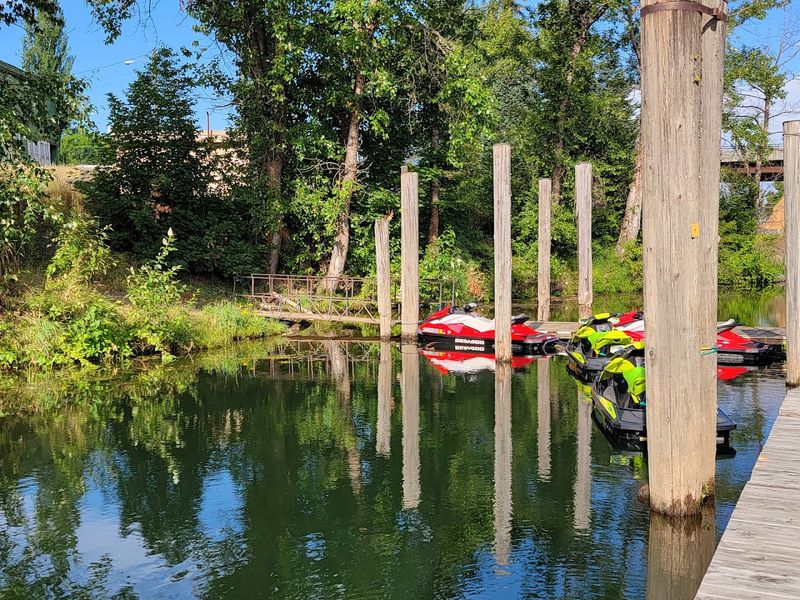
The St. Joe River holds a distinction that sets it apart from most rivers in the country: it is one of the highest navigable rivers in the United States, winding through heavily forested mountains in northern Idaho with water so clear it almost seems impossible. The river itself is the attraction for many visitors, but the surrounding mountain areas have been drawing mineral collectors for decades.
Staurolite and other collectible mineral specimens have been found in nearby mountain zones, and the broader northern Idaho region that includes the St. Joe drainage is connected to the famous Emerald Creek Garnet Area. That site is one of only two places worldwide where star garnets are known to occur, which gives the entire region a notable place in the mineral collecting world.
The drive along the river corridor is one of Idaho’s quieter scenic routes, far removed from the crowded tourist circuits that dominate summer travel in the state. Campgrounds along the way are peaceful, the mountain views are consistent, and the forest canopy provides welcome shade during warmer months.
For collectors who also value solitude and natural beauty alongside their mineral finds, the St. Joe River area delivers a northern Idaho experience that is hard to match.
9. Big Lost River, Mackay, Idaho
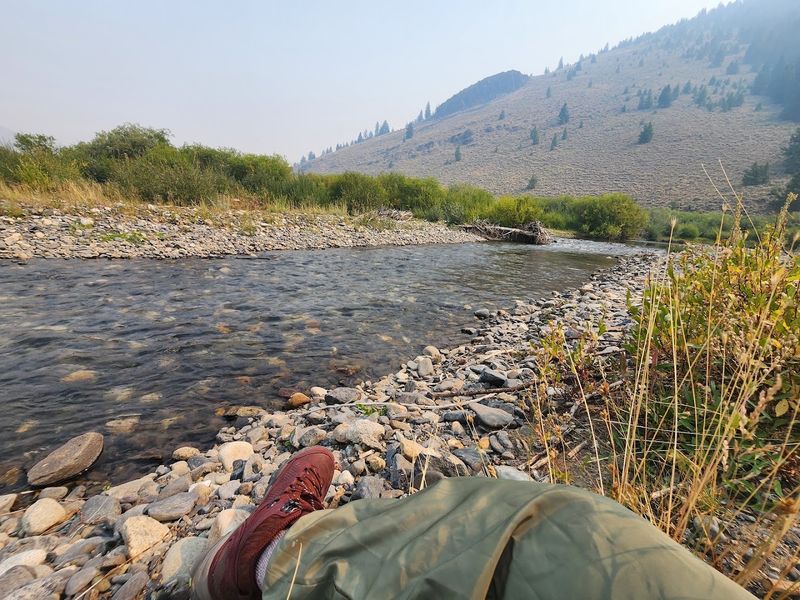
There is something almost poetic about a river called the Big Lost, wandering through broad valleys beneath Idaho’s tallest mountain range before eventually disappearing into the Snake River Plain. The Lost River Range towers above the valley floor, and the geology of this mineral-rich area has made the region around Mackay a rewarding destination for collectors with a range of interests.
Geodes containing chalcedony, amethyst, and quartz crystals have been found in the area, along with garnets, jasper, and agate-like chalcedony. Small placer gold can be sought in sediments influenced by the surrounding mineral-rich mountains, adding a prospecting angle to what is already a diverse collecting location.
The nearby mining dumps around Mackay deserve their own mention. Minerals such as azurite, chalcopyrite, chrysocolla, malachite, pyrite, and pyrrhotite have turned up in these historic mining areas, giving collectors who enjoy secondary copper minerals a reason to explore beyond the riverbanks.
The combination of alpine scenery, wide valley views, and varied mineralogy gives the Big Lost River area a character that differs noticeably from Idaho’s canyon rivers. It is an excellent destination for travelers who want geology and mountain landscapes in equal measure.
10. Little Wood River, Carey, Idaho
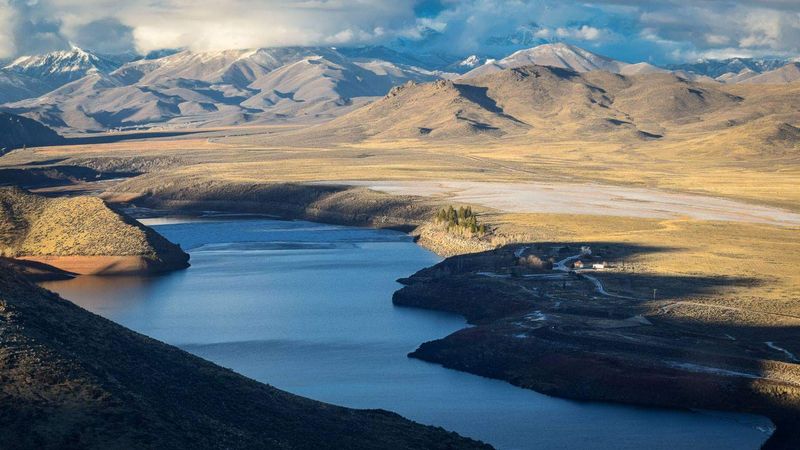
Central Idaho has a habit of hiding its best surprises in plain sight, and the Little Wood River is a perfect example. Flowing quietly through volcanic country south of Carey, this undervisited river passes through landscapes shaped by ancient geological activity that left behind a genuinely impressive variety of collectible materials.
Carey Moss Agate is one of the most distinctive finds associated with this area, along with green and red jasper varieties, banded agate, chalcedony, petrified wood, and quartz crystals. Gravel bars and surrounding public lands have all produced specimens for collectors willing to spend time searching carefully rather than rushing through.
Because the Little Wood draws far fewer visitors than rivers like the Snake or the Salmon, the collecting experience here tends to feel refreshingly relaxed. There are no crowds competing for the best spots, and the pace of the day is entirely up to you.
The surrounding countryside has its own quiet appeal, with open skies, volcanic ridgelines, and a landscape that rewards slow travel and careful observation. For rockhounds who enjoy discovering places that most people overlook, the Little Wood River is exactly the kind of find that makes the hobby so satisfying.
Share this story