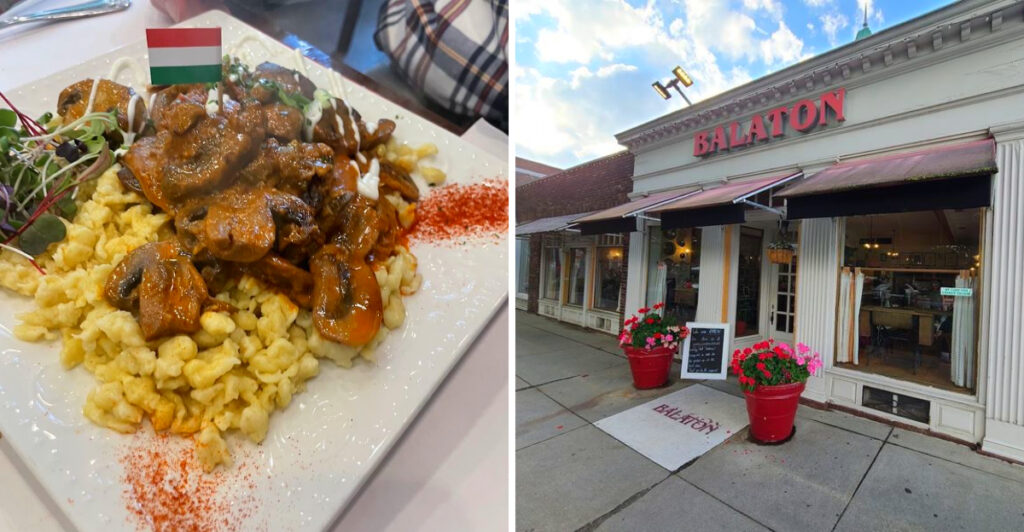
There is a small dining room in northeast Ohio where every dish arrives piping hot, made entirely from scratch, and rooted in recipes that have been passed down through generations of one Hungarian family. The portions are generous enough to surprise even the hungriest visitor, and the flavors carry the kind of depth that only comes from cooking with real intention.
Most people who stumble across this place were sent by a friend, a neighbor, or a stranger at an antique fair who insisted they could not drive past without stopping. Once you sit down and that first bite of chicken paprikash or stuffed cabbage lands on your fork, you will immediately understand why people drive an hour just to get here.
A Restaurant Rooted in Decades of Hungarian Tradition
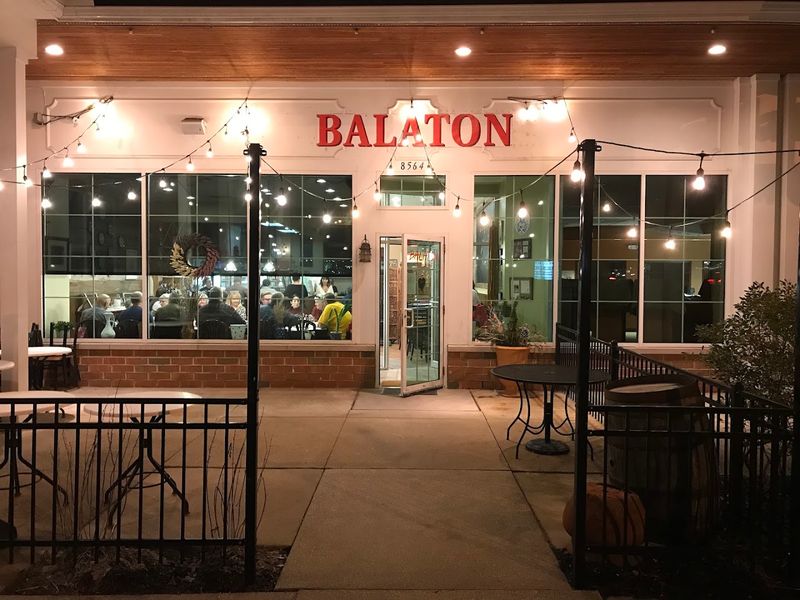
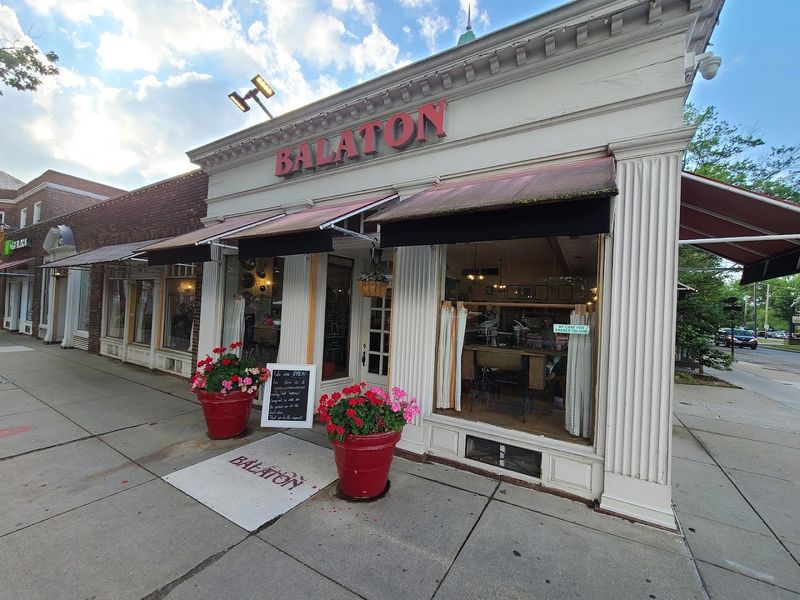
Balaton Restaurant at 8564 E Washington St, Chagrin Falls, Ohio 44023 has been serving traditional Hungarian food since 1964, making it one of the longest-running ethnic restaurants in the greater Cleveland area. That kind of staying power does not happen by accident.
The restaurant traces its roots back to the old Buckeye Road neighborhood, a historically Hungarian enclave in Cleveland that shaped the food culture of the entire region. Over the decades, Balaton moved eastward, eventually landing in Chagrin Falls, but the recipes never changed.
Everything on the menu still follows the original family traditions, cooked fresh to order every single service. The consistency across more than six decades is what keeps longtime customers coming back and what makes first-timers feel like they have found something genuinely rare.
The Family Behind the Food
What makes Balaton truly different from most restaurants is that the same family has been running it for generations. The original recipes came from grandmother, and today her granddaughter handles the kitchen, cooking every dish from scratch and to order.
That granddaughter trained at the renowned Cafe Gerbaud in Budapest, one of the most celebrated pastry establishments in all of Hungary. That training shows in every dessert that leaves the kitchen, from the Dobos torte to the layered walnut and apricot cake.
The family presence extends beyond the kitchen. At the register and throughout the dining room, family members are often on hand, creating an atmosphere that feels far more personal than a typical restaurant visit.
Guests regularly leave feeling like they were welcomed into someone’s home rather than simply served at a table.
Chicken Paprikash That Earns Its Reputation
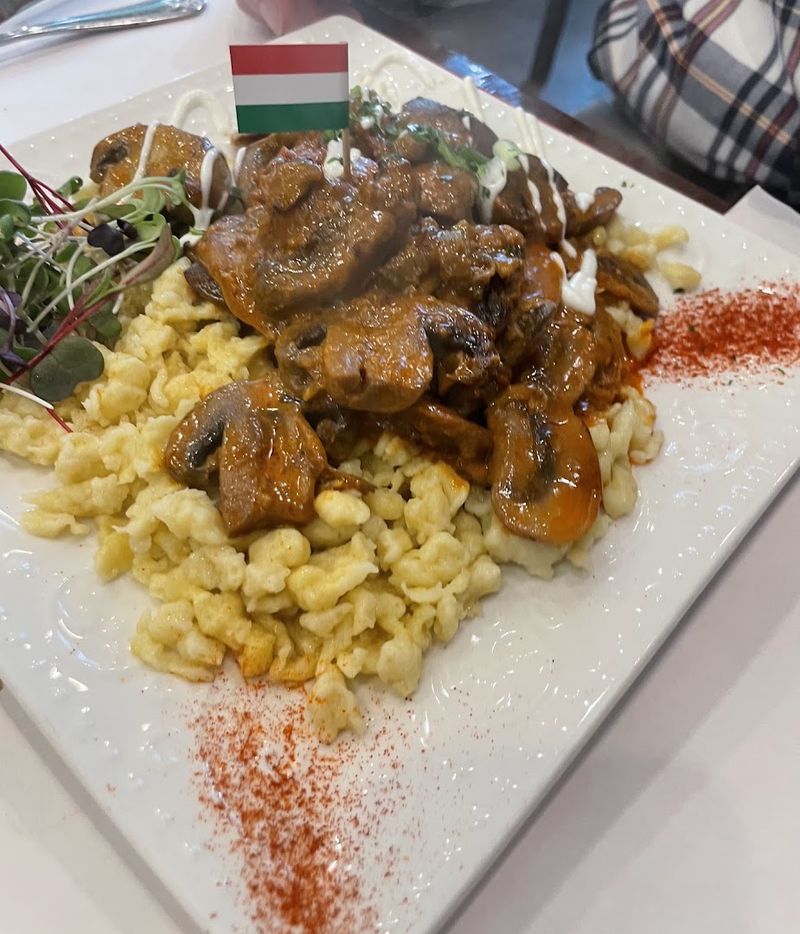
Chicken paprikash is arguably Hungary’s most beloved dish, and Balaton’s version is the reason many customers make the drive more than once. The sauce is built on a foundation of sweet Hungarian paprika, giving it a deep red color and a flavor that is rich without being heavy.
The chicken is tender throughout, and the sauce clings to every piece in a way that makes you want to slow down and actually pay attention to what you are eating. Served alongside homemade spaetzle, the combination is straightforward but deeply satisfying.
For anyone who grew up eating Hungarian food at home, this dish brings back memories with the very first bite. For first-timers, it is usually the moment they realize Hungarian cuisine deserves far more attention than it typically gets in the American Midwest.
Goulash, Schnitzel, and the Hungarian Platter
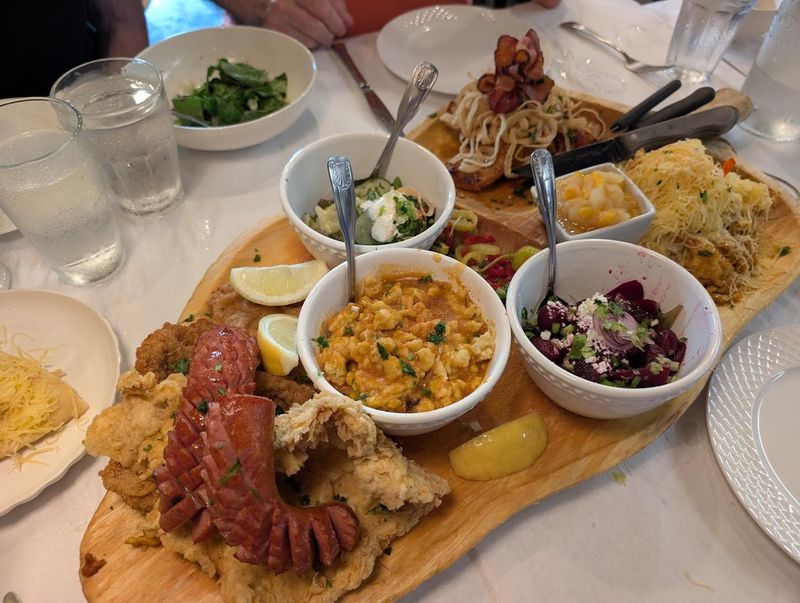
Beyond the paprikash and stuffed cabbage, Balaton’s menu covers a wide range of traditional Hungarian and Austro-Hungarian dishes that reflect the region’s rich culinary history. The beef goulash soup is a standout, thick with flavor and served piping hot.
Wiener schnitzel, a dish with roots in the old Austro-Hungarian Empire, appears on the menu alongside the gypsy cutlet and the chicken schnitzel, both of which have earned their own loyal followings. For anyone new to Hungarian food, the Hungarian Platter offers a way to sample several of the kitchen’s most celebrated dishes in one sitting.
Every plate arrives at the table with the kind of care that signals someone in the kitchen genuinely cares about what goes out the door. Side dishes like homemade spaetzle, mashed potatoes, and rice round out the meals in satisfying and unfussy ways.
Lagos Bread and the Art of Starting a Meal Right
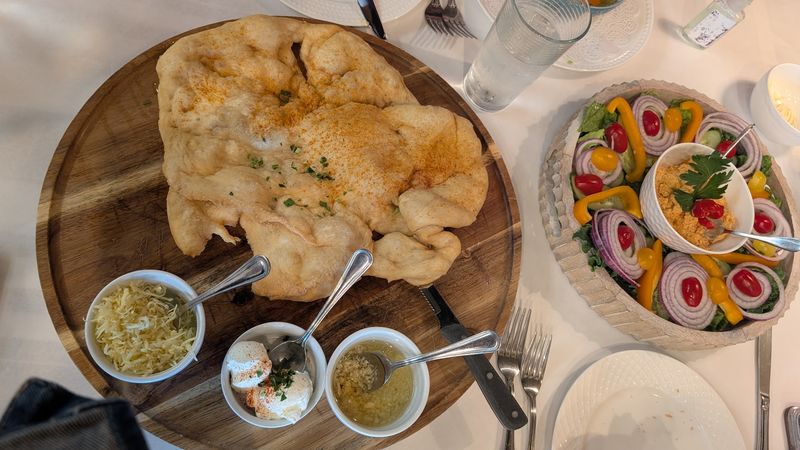
Before the main course arrives, many tables at Balaton start with the lagos bread, and it sets the tone for everything that follows. The bread itself is substantial, arriving with sour cream, garlic oil, and shredded smoked gouda served separately on the side.
The idea is that you dress the bread however you like, which gives the appetizer a casual, interactive quality that immediately relaxes the mood at the table. It is the kind of starter that slows you down in the best possible way, reminding you that this meal is not meant to be rushed.
Hot bread with soft butter also greets diners, a small detail that signals old-school hospitality. In an era when so many restaurants have stripped away the little touches, these simple gestures at the start of a Balaton meal feel genuinely refreshing and worth appreciating.
Desserts Trained in Budapest
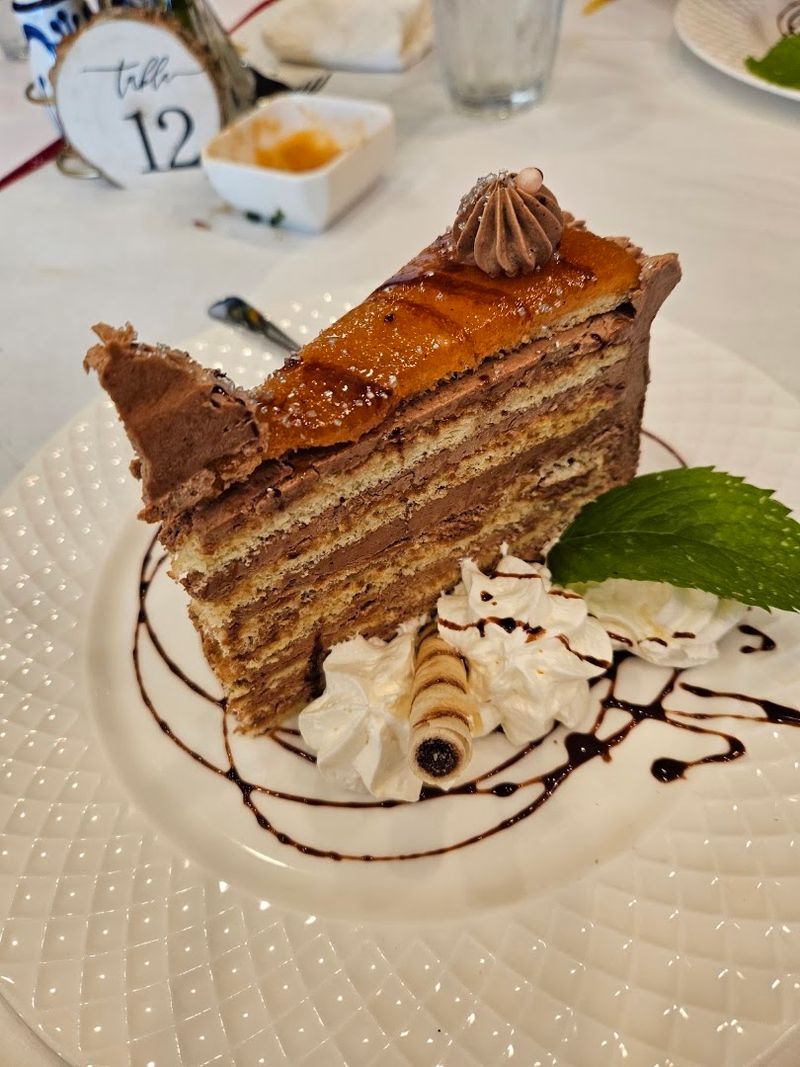
Dessert at Balaton is not an afterthought. The granddaughter who runs the kitchen trained at Cafe Gerbaud in Budapest, and that background comes through clearly in the pastry offerings.
The Dobos torte, a classic Hungarian layered cake with caramel and chocolate, is one of the most talked-about items on the menu.
The walnut and apricot cake, the vanilla sponge cake topped with fresh strawberries and real whipped cream, and the strudel all carry the same level of care and craftsmanship. Portions are generous enough to share, though most people find that harder to do than they expected.
First-timers often admit they cannot name what they ordered for dessert but insist it was worth every bite anyway. That kind of wordless enthusiasm is probably the most honest endorsement a pastry chef can receive, and Balaton earns it consistently.
The Atmosphere Inside the Dining Room
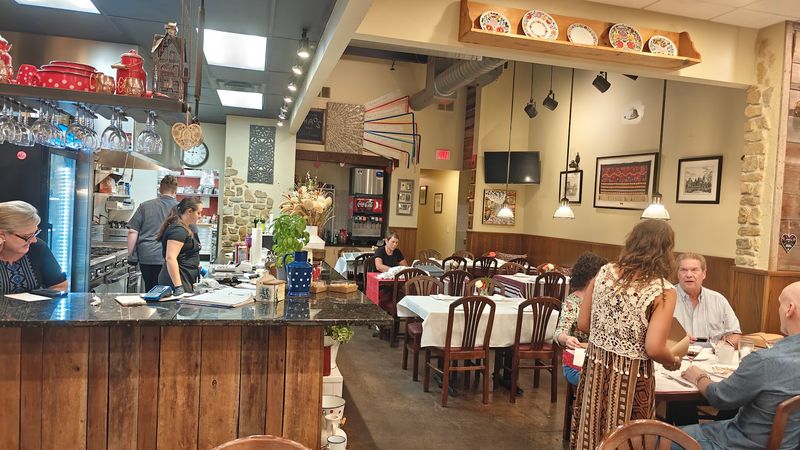
Balaton is not a large restaurant. With roughly fifteen tables, the dining room is intimate in a way that encourages actual conversation rather than background noise.
Tables are close together, and it is entirely normal to end up chatting with the people seated next to you.
The atmosphere is quiet and unhurried, which feels almost radical compared to the pace of most modern restaurants. Guests regularly notice that nobody around them has their phone out, and families at neighboring tables are actually talking to each other throughout the meal.
The restaurant also has a patio available during warmer months, which adds a relaxed outdoor option for guests who prefer open air. Inside or out, the setting reinforces the idea that a meal here is meant to be savored slowly, not consumed quickly and forgotten before you reach the parking lot.
Why Reservations Are Not Optional
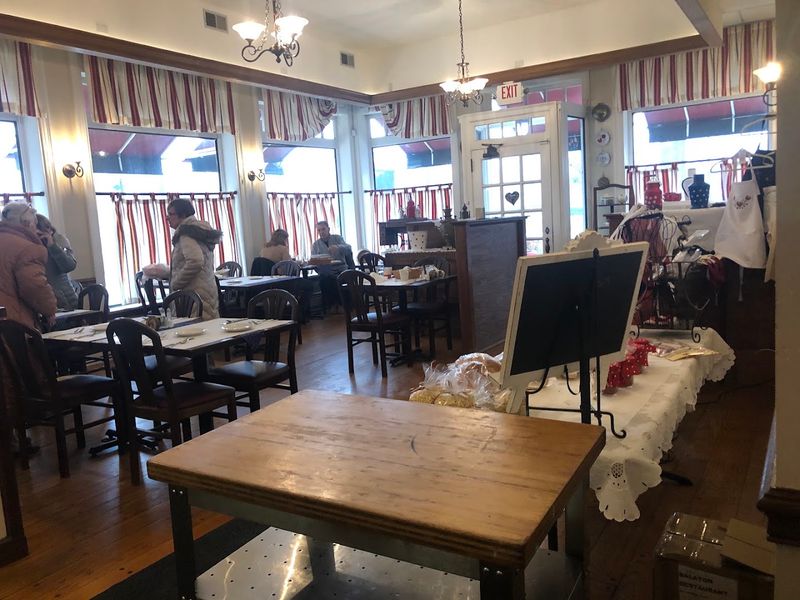
Balaton’s limited seating means that walking in without a reservation, especially on weekends, is a gamble that does not always pay off. The restaurant fills up quickly, and Friday and Saturday evenings in particular tend to book out well in advance.
The current hours run Wednesday through Thursday from 4 to 8 PM, Friday from 4 to 9 PM, Saturday from 1 to 9 PM, and Sunday from 1 to 7 PM. The restaurant is closed Monday and Tuesday, so planning ahead is genuinely necessary rather than just a polite suggestion.
Calling ahead also gives the kitchen time to prepare, since every dish is made to order. That process takes longer than pulling pre-made food from a warmer, but the trade-off is a meal that arrives fresh and at the right temperature every single time, which is exactly the point.
Made From Scratch, Every Single Time
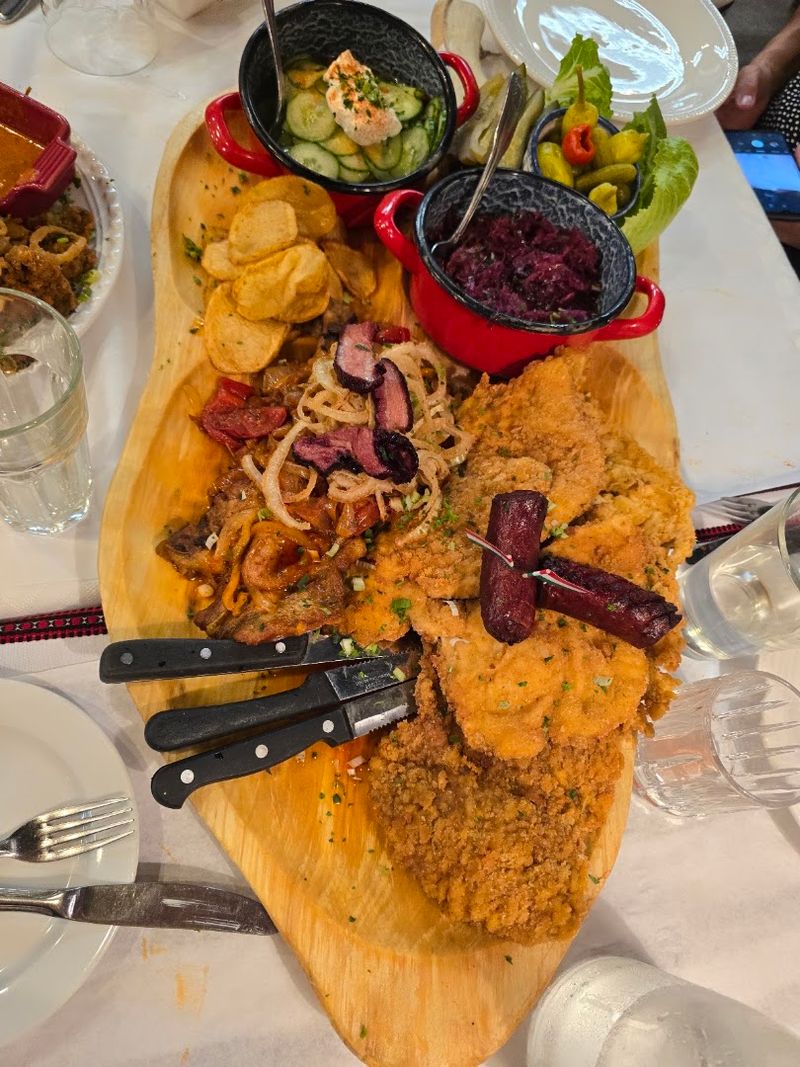
One of the things that separates Balaton from most restaurants is the kitchen’s absolute commitment to cooking everything from scratch and to order. Nothing is pre-made, reheated, or pulled from a bag.
Every dish begins fresh when the order is placed.
That means wait times are longer than at a typical restaurant, but guests who understand this going in tend to embrace it as part of the experience rather than a frustration. The chicken noodle soup is homemade.
The sauces are built from real ingredients. Even the applesauce served as a side dish is made in-house.
That level of intention is rare in any restaurant, and it is especially rare at a neighborhood spot that has been doing it this way for more than sixty years. The food tastes like someone cared about it, because someone genuinely did.
Generous Portions That Surprise First-Timers
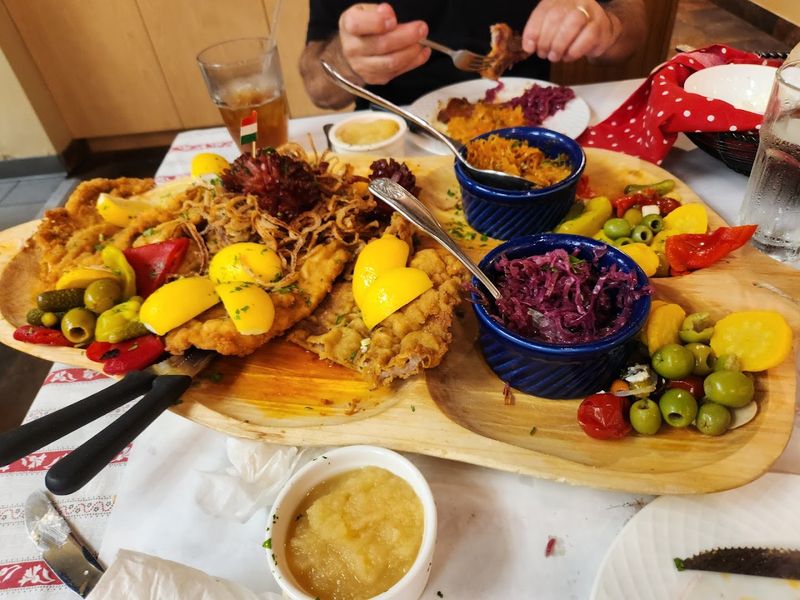
First-time visitors to Balaton frequently leave with a takeout container, not because the food disappointed them, but because the portions are genuinely larger than most people expect. Dishes arrive at the table with a kind of abundance that feels almost old-fashioned in the best way.
The chicken schnitzel, for example, is described by guests as a full meal on its own, and the stuffed cabbage comes in a serving that could easily satisfy two people with moderate appetites. Even the desserts are sized generously enough that sharing is a reasonable strategy.
For the price point, the value consistently surprises people who assumed that made-from-scratch, authentic ethnic cooking would cost significantly more. Balaton manages to offer quality and quantity together, which is a combination that becomes rarer every year in the American restaurant landscape.
A Living Connection to Cleveland’s Hungarian Heritage
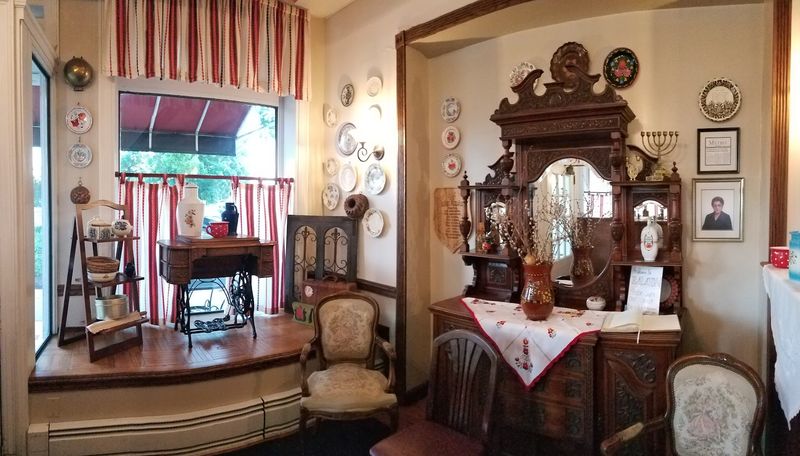
Balaton’s story is inseparable from Cleveland’s Hungarian community, one of the largest outside of Hungary itself. The restaurant began its life in the Buckeye Road neighborhood, a stretch of Cleveland that served as the cultural and culinary heart of Hungarian immigrant life in northeast Ohio for much of the twentieth century.
As that neighborhood changed over the decades, Balaton moved eastward, eventually settling in Chagrin Falls. But the menu, the recipes, and the family running the kitchen remained connected to those Buckeye Road roots throughout every transition.
For guests with Hungarian heritage, a meal at Balaton carries emotional weight that goes beyond simply enjoying good food. Several visitors have described the experience of tasting dishes that bring back memories of grandparents and family kitchens.
That kind of connection to food and culture is something no chain restaurant can replicate, no matter how many locations it opens.
Share this story