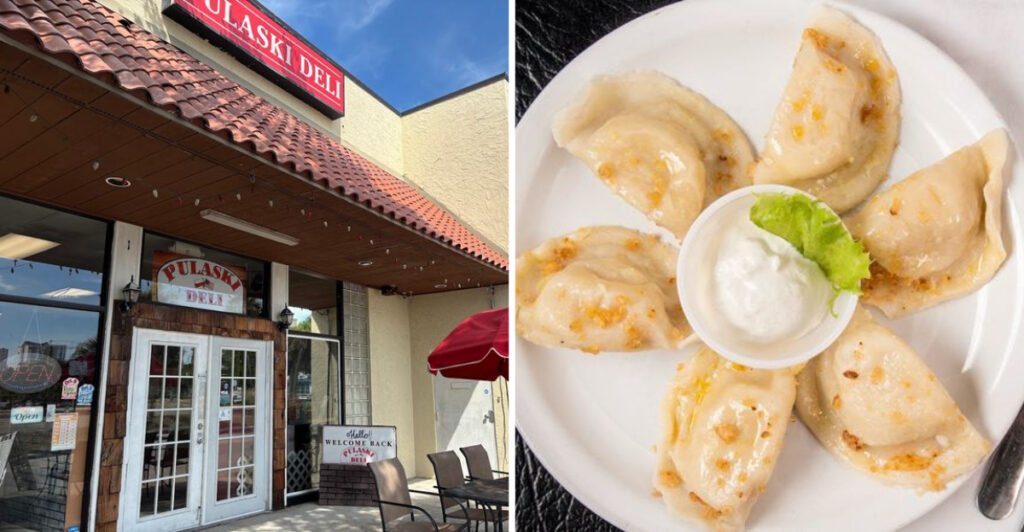
There is a small deli tucked into a low-key strip in Myrtle Beach where the pierogi are made by hand and the kielbasa smells like it came straight from a Polish kitchen in the old country. Most people drive past it without a second glance, but those who stop rarely leave without planning a return visit.
The menu is short, the space is cozy, and the food carries the kind of warmth that only comes from recipes rooted in real tradition. Once word got out, this little spot quietly became one of the most talked-about eating experiences on the Grand Strand.
Where Pulaski Deli Fits Into Myrtle Beach
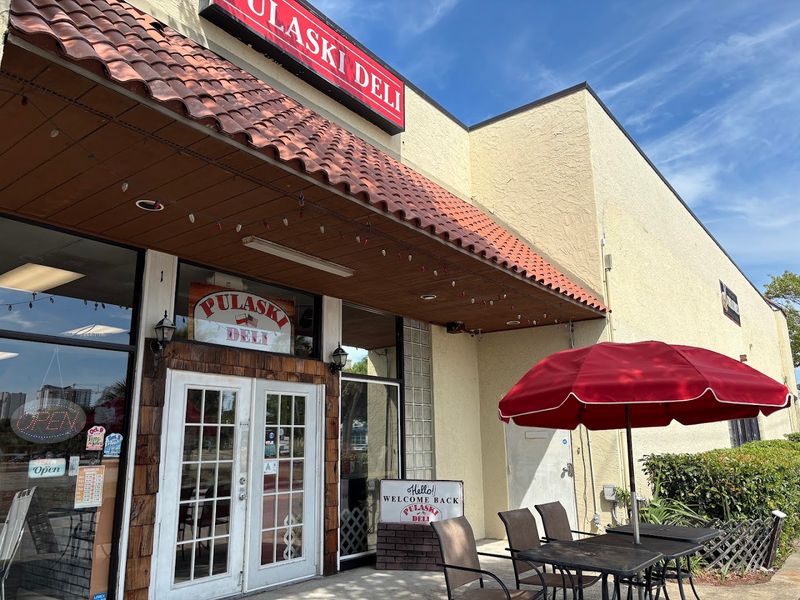
Not every great food experience comes with a flashy sign or a prime beachfront address. Pulaski Deli sits at 2701 N Kings Hwy, Suite 1, Myrtle Beach, South Carolina, 29577, tucked into a modest complex that most visitors would pass without a second thought.
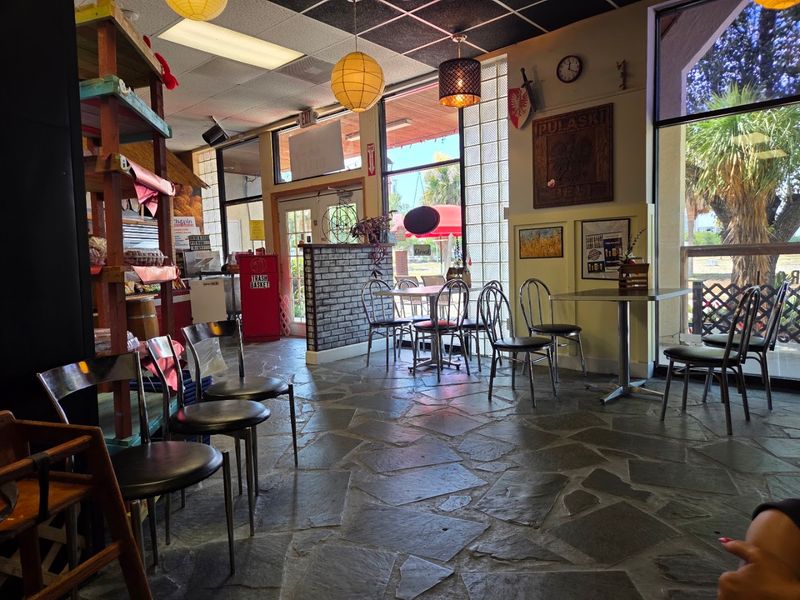
The building is quiet from the outside, but step through the door and the atmosphere shifts immediately. Polish pride covers the walls in the form of books, posters, and hand-painted ornaments that make the space feel personal rather than commercial.
Parking is easy, with plenty of space behind the building. Hours run Tuesday through Friday from 10 AM to 5 PM, Saturday from 10 AM to 4 PM, Sunday from 11 AM to 1 PM, and Monday from 10 AM to 5 PM.
For a deli this small, the consistency of those hours says a lot about how seriously the owners take their regulars.
The Story Behind the Name and the Mission
The name Pulaski is a nod to Casimir Pulaski, the Polish military hero who fought alongside American forces during the Revolutionary War. Naming a Polish deli after him is a quiet but meaningful tribute, signaling right away that this place takes its cultural roots seriously.
The owners are a family operation, and their connection to Polish food goes well beyond a business concept. Regular customers describe them as warm, welcoming, and genuinely proud of what they serve.
That pride shows up in every detail, from the imported groceries lining the shelves to the way the hot food is prepared fresh each day.
The mission here is straightforward: bring honest, traditional Polish cooking to a beach town that had none of it before. For Polish-Americans and curious first-timers alike, that mission lands exactly the way it was intended.
Handmade Pierogi That Earn Their Reputation
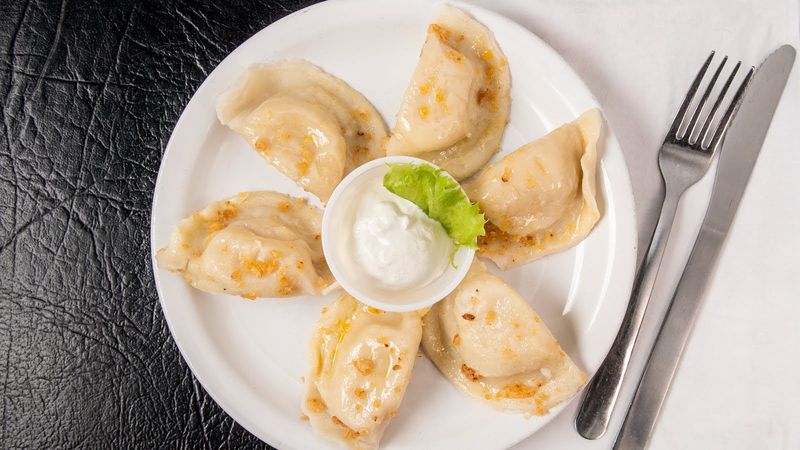
Ask almost anyone who has eaten at Pulaski Deli what they ordered, and the answer is almost always pierogi. These are not the frozen grocery store kind.
The dough is soft, the filling is generous, and the finish is light enough that you can comfortably eat a full plate without feeling weighed down.
The potato and cheese variety is a crowd favorite, arriving pan-fried to a gentle golden color with sour cream on the side. The combination of textures, crisp edges giving way to a creamy center, is exactly what makes pierogi so satisfying when they are made well.
People who grew up eating Polish food in cities like Chicago, New York, or Cleveland consistently say these compare favorably to what they remember from home. That kind of reaction, from people who actually know the dish, is the most honest endorsement a pierogi can get.
The Polish Sampler Plate and Why It Is the Right First Order
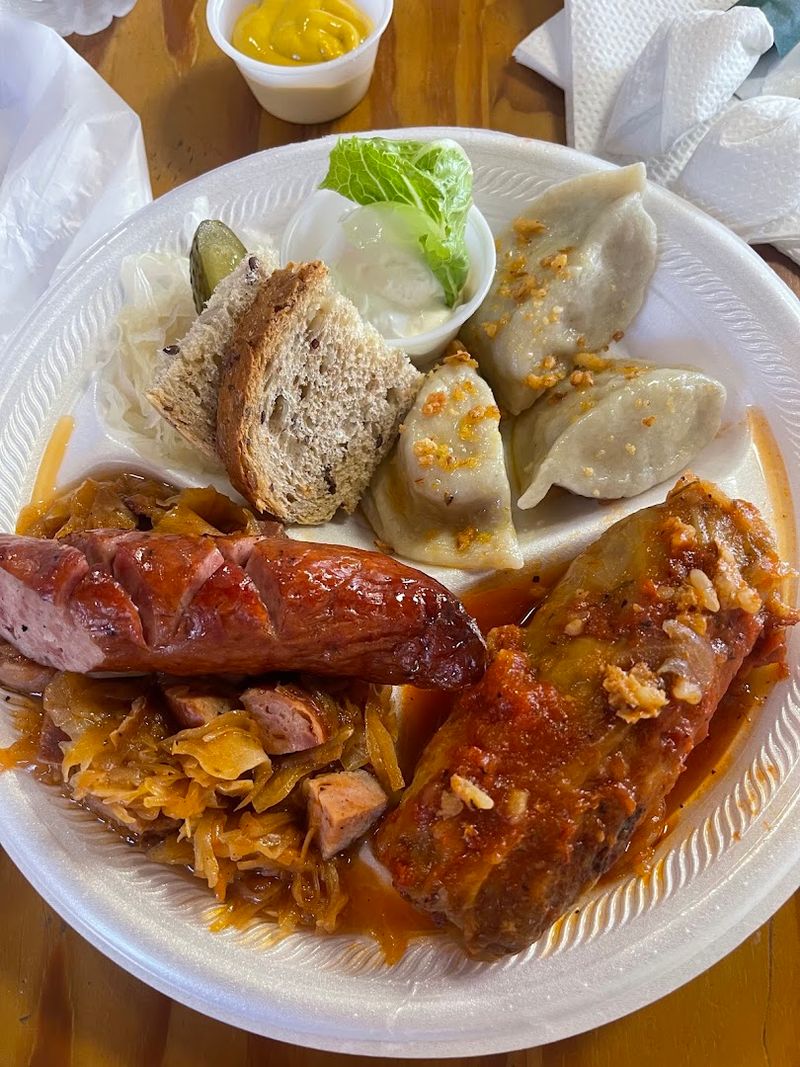
First-time visitors face a real problem at Pulaski Deli: the menu offers too many appealing options and not enough stomach space to try them all. The Polish Sampler Plate solves that problem efficiently.
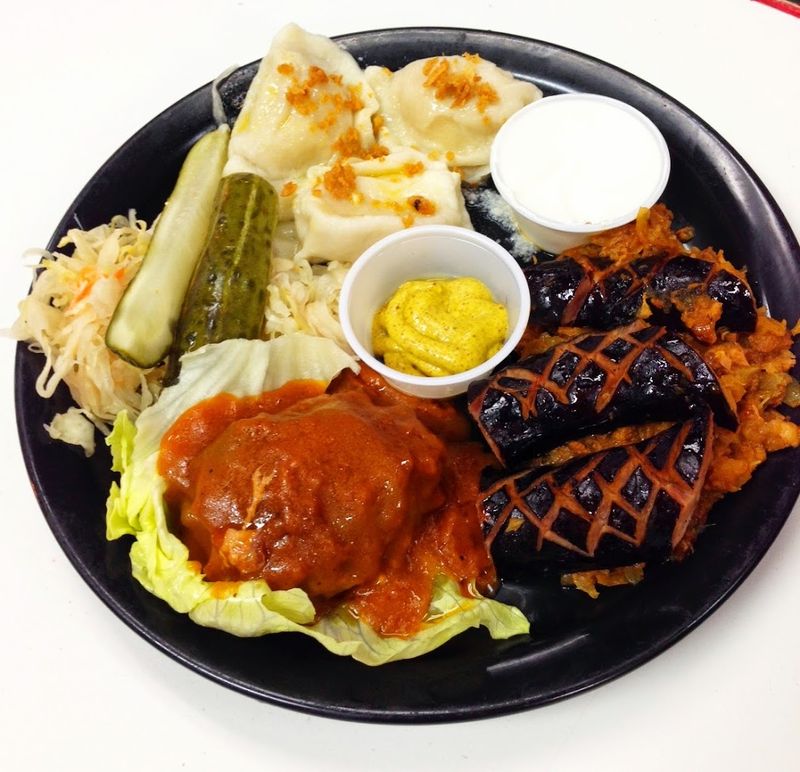
It arrives with a choice of three pierogi, one stuffed cabbage roll, Polska kielbasa stew, sauerkraut, and a pickle on the side.
At around sixteen dollars, it covers the full range of what the kitchen does best in a single sitting. The cabbage roll is dense and savory, the kielbasa stew is rich without being heavy, and the pickles cut through everything with a clean, sharp bite that resets the palate between bites.
Regulars describe it as the kind of meal that makes you slow down and actually pay attention to what you are eating. That is a rare quality in a beach town where most food is designed to be consumed quickly and forgotten just as fast.
Kielbasa and Kabanosy Worth Crossing Town For
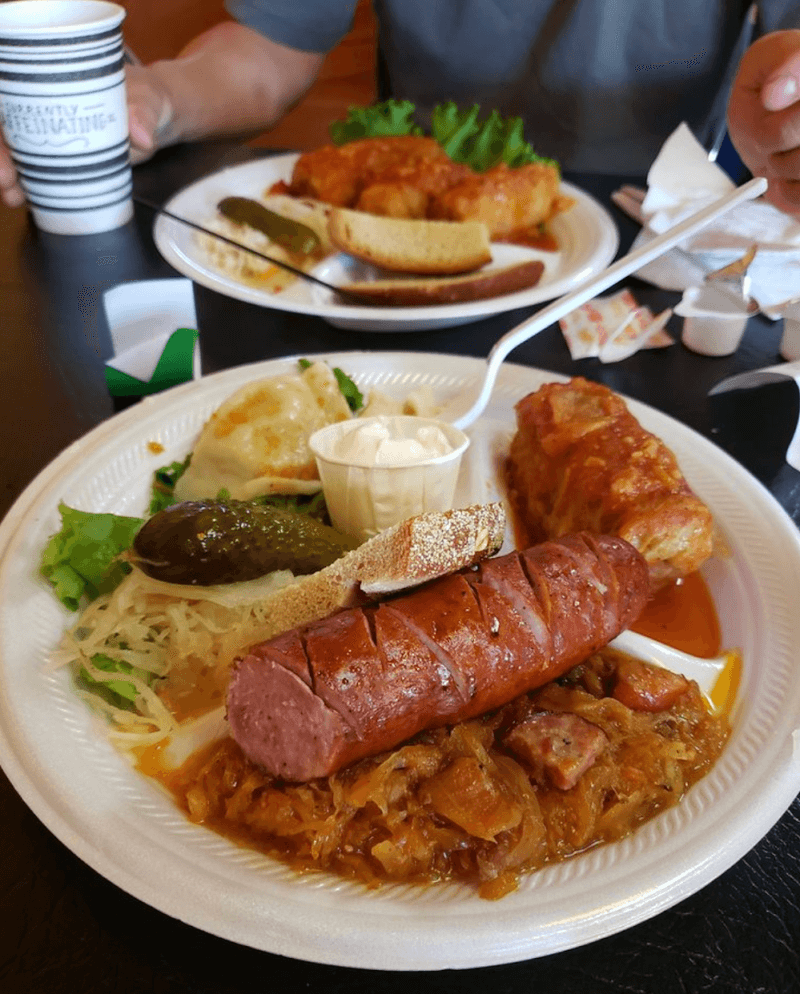
Polish sausage culture runs deep, and Pulaski Deli takes it seriously. The kielbasa comes in multiple varieties, from the classic smoked links sold by weight at the deli counter to the version served hot in a savory stew.
Each type has its own character, and frequent visitors tend to develop strong opinions about which one they prefer.
Kabanosy is the sleeper hit of the deli counter. These thin, semi-dry smoked meat sticks have a concentrated flavor that intensifies as you chew.
Traditionally called hunter’s sausage because of how long they keep without refrigeration, they pair naturally with a slice of rye bread and a few tomato wedges.
The smoked bacon and Polish Swiss cheese have also earned their share of loyal fans. For anyone who grew up near a good Polish butcher and has been missing that experience, the deli counter here fills that gap in a way that is hard to overstate.
Potato Pancakes and the Sides That Steal Attention
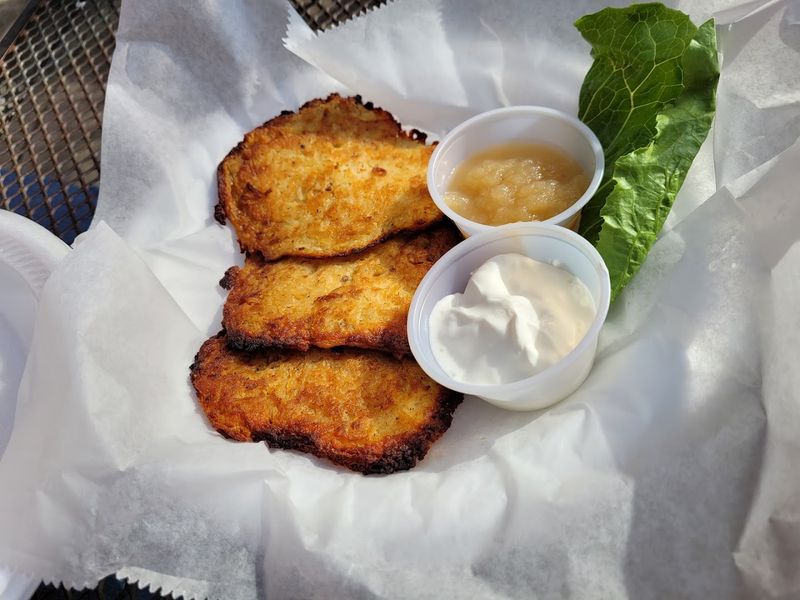
Potato pancakes at Pulaski Deli arrive at the table golden and crisp on the outside with a soft, savory center that holds together just right. They work as a side dish alongside the sampler plate or as a standalone order when you want something simple and deeply satisfying.
The texture is the key. A potato pancake that is too thick becomes dense and gummy, while one that is too thin falls apart before it reaches your mouth.
These land in the sweet spot, which is harder to achieve consistently than it sounds.
Pickles served alongside the hot food are worth mentioning separately. Finding a genuinely good pickle in South Carolina is apparently a challenge that many visitors have given up on.
The pickles here are brined the traditional way, with the kind of sour, garlicky depth that makes them more than just a garnish. They are worth ordering on their own.
The Imported Grocery Section and What to Take Home
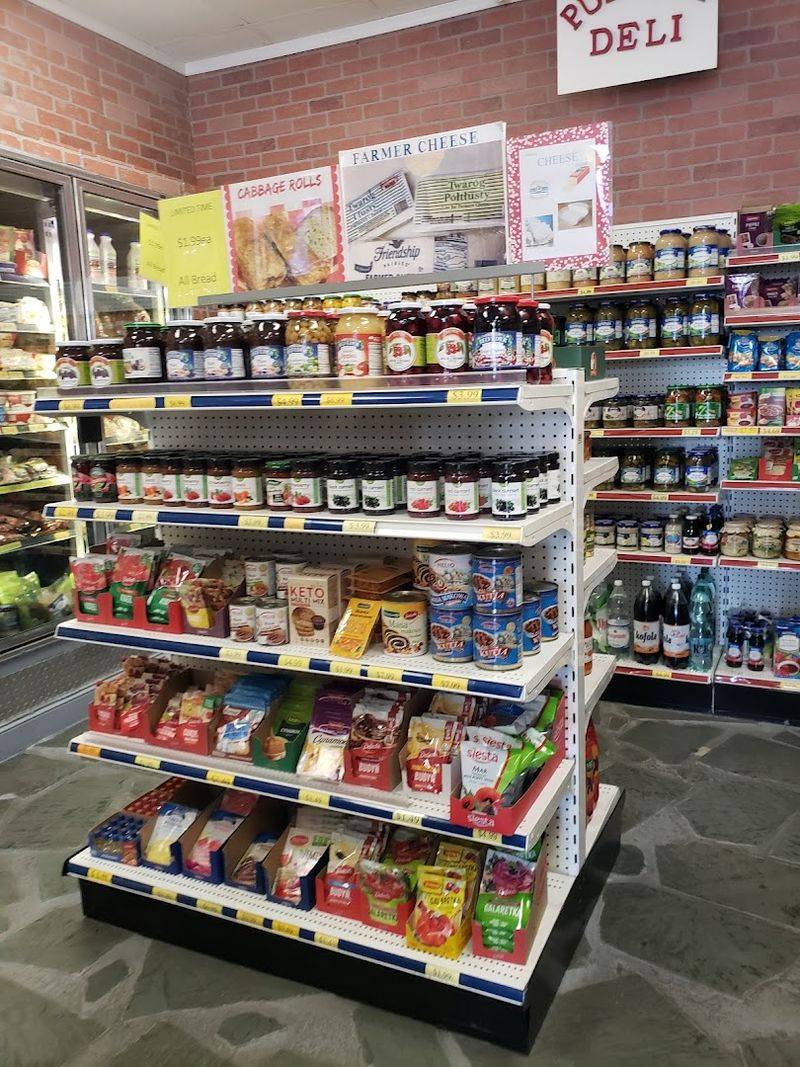
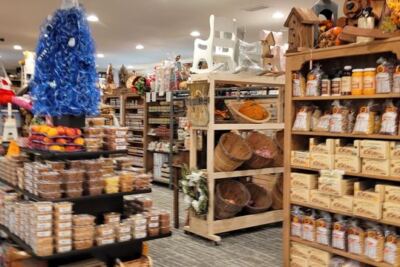
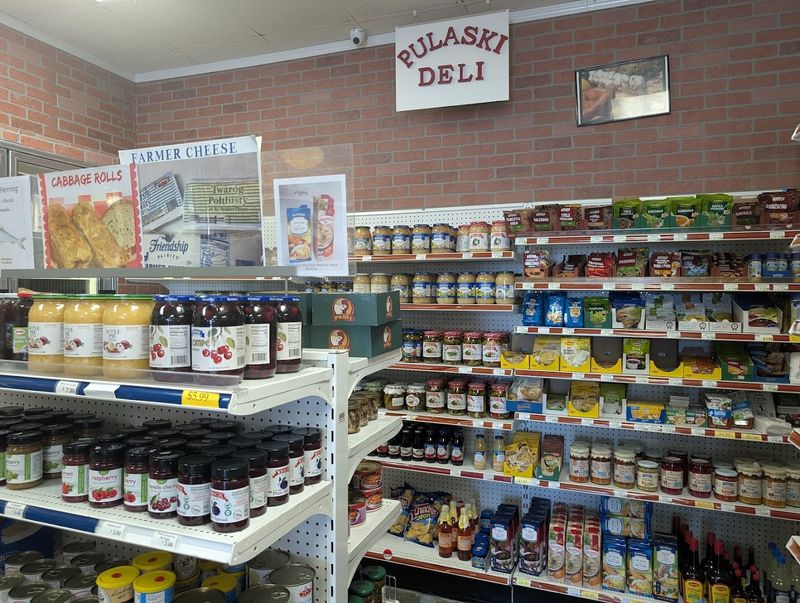
Half the experience at Pulaski Deli happens before you even sit down to eat. The market side of the operation carries an impressive range of imported Polish goods that are genuinely difficult to find elsewhere in South Carolina.
Shelves hold everything from Polish chocolates and fruit jams to teas, pickled items, and specialty breads.
Frozen options include pierogi and what the deli calls Retro Dumplings, which are Siberian pelmeni, a boiled dumpling popular in Russian and Ukrainian cooking. Bags of these go home with customers who want to recreate the experience in their own kitchens.
Poppy seed cake, known as makowiec in Polish, is one of the standout pastry items available. The selection of Polish candies and pastries rounds out the market section nicely.
For anyone with Polish heritage who has been searching for the flavors of their childhood, this shelf space carries a quiet kind of emotional weight.
Angel Wings, Cheesecake, and the Dessert Worth Saving Room For
Dessert at Pulaski Deli is not an afterthought. Angel wings, known in Polish as chrusciki, are a traditional fried pastry dusted with powdered sugar that has a satisfying snap when you bite through them.
They are light, airy, and sweet without being overwhelming, which makes them a natural finish to a heavy comfort food meal.
The cheesecake has developed its own following among regulars. Polish-style cheesecake tends to be denser and less sweet than the American version, with a texture closer to a baked ricotta than a cream cheese filling.
Those who grew up with it describe the version here as exactly right.
Fruit strudels appear as occasional specials, adding a seasonal rotation to the dessert options. Coffee is served in cups printed with the phrase “currently caffeinating,” which is a small, cheerful detail that fits the personality of the place perfectly.
The Deli Sandwich Menu for the Non-Pierogi Crowd
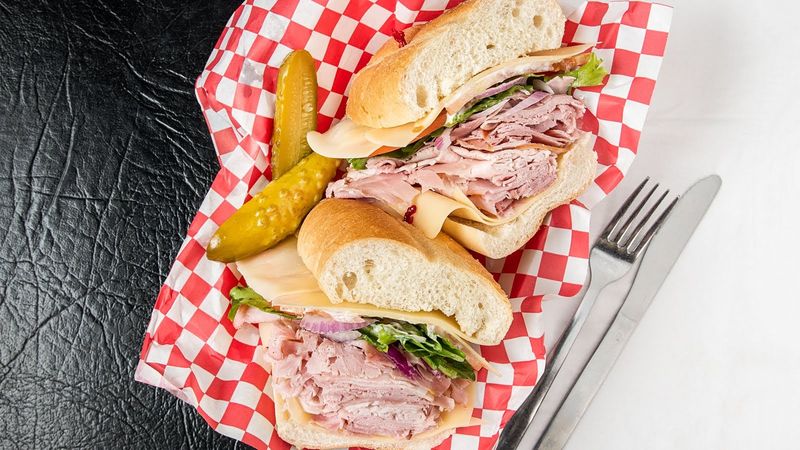
Not everyone who walks into Pulaski Deli is looking for a full Polish comfort food experience, and the sandwich menu exists for exactly that reason. The Polish hoagie features kielbasa with housemade mustard on a crusty roll, and it converts more than a few skeptics who came in planning to order something safe.
The homemade mustard is the detail that keeps coming up in conversation. It has a sharpness and depth that store-bought mustard simply cannot replicate, and it elevates the sandwich from a quick lunch into something worth talking about afterward.
Italian sub options also appear on the menu for those who want something more familiar. The kitchen keeps the sandwich lineup simple and focused, which is the right call for a small operation.
Quality stays high when the menu does not stretch too far, and the sandwich side of Pulaski Deli reflects that philosophy clearly.
What the Atmosphere Inside Actually Feels Like
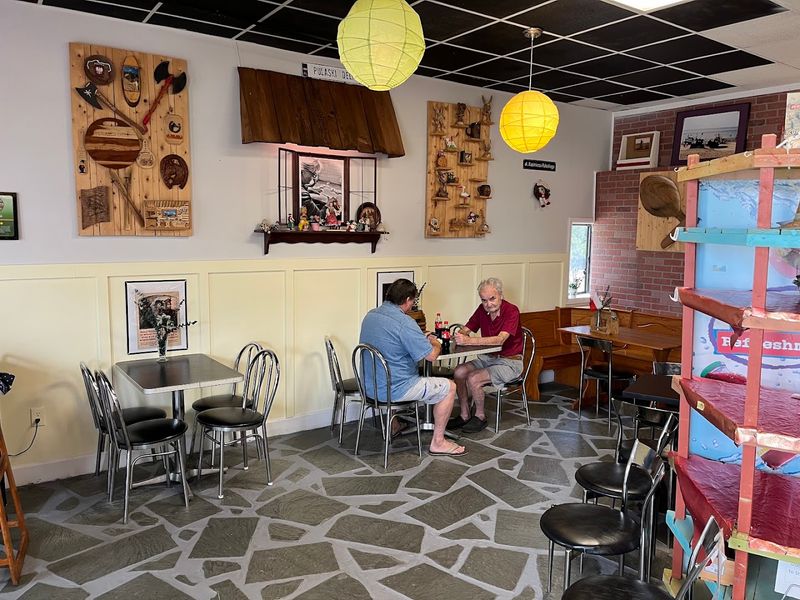
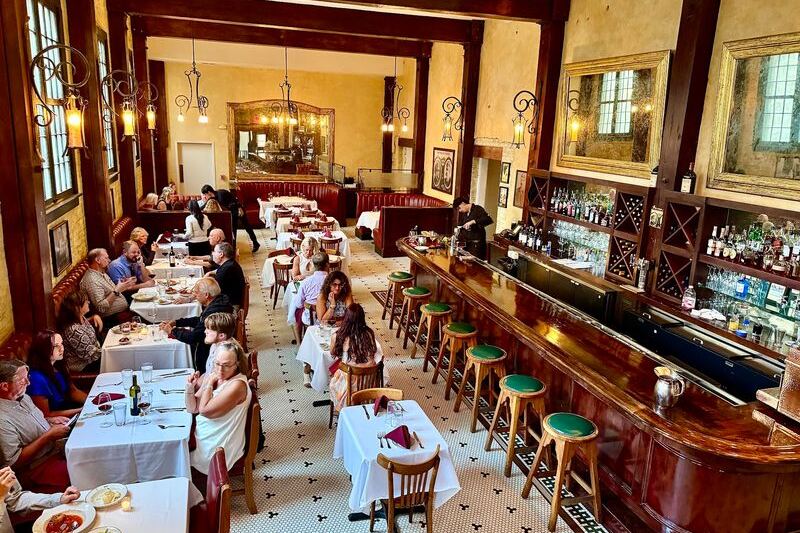
Seating inside Pulaski Deli is limited, which is part of what gives the place its character. A handful of tables fill the small dining area, and the walls are covered in Polish books, framed posters, flags, and decorative ornaments that make it feel more like someone’s living room than a commercial restaurant.
The pace is unhurried. Food comes out quickly, but nobody rushes you out the door.
On a busy day, the space fills up fast, which creates a lively, communal energy that larger restaurants rarely manage to replicate.
Coffee is available, soft drinks are stocked, and the overall vibe is warm without being precious about it. Customers who come in alone tend to leave feeling like they spent time somewhere real rather than somewhere staged.
That quality is increasingly rare in a tourist-heavy beach town, and it is one of the main reasons people keep coming back.
Why Polish-Americans and First-Timers Both Keep Returning
There are two distinct groups who show up at Pulaski Deli regularly, and both leave satisfied for completely different reasons. Polish-Americans and people with Eastern European roots come looking for something specific: the flavors they grew up with, the ones that are nearly impossible to find in the American South.
What they find here meets that standard in a way that clearly surprises them.
First-time visitors with no connection to Polish food arrive out of curiosity and leave with a new appreciation for a cuisine they had never seriously considered before. The sampler plate is designed perfectly for that kind of introduction, offering enough variety to find at least two or three things that become instant favorites.
Both groups share one habit: they come back. For a small deli in a beach town built on seasonal tourism, building that kind of repeat loyalty says more about the food than any single review ever could.
Share this story