What does it actually mean to live well? For millions of people around the world, the answer goes far beyond a good paycheck.
The countries that rank highest for quality of life offer a winning mix of excellent healthcare, top-notch education, personal safety, clean environments, and a healthy work-life balance. From cozy Nordic nations to efficient Asian city-states, these places have cracked the code on making everyday life genuinely good.
Finland
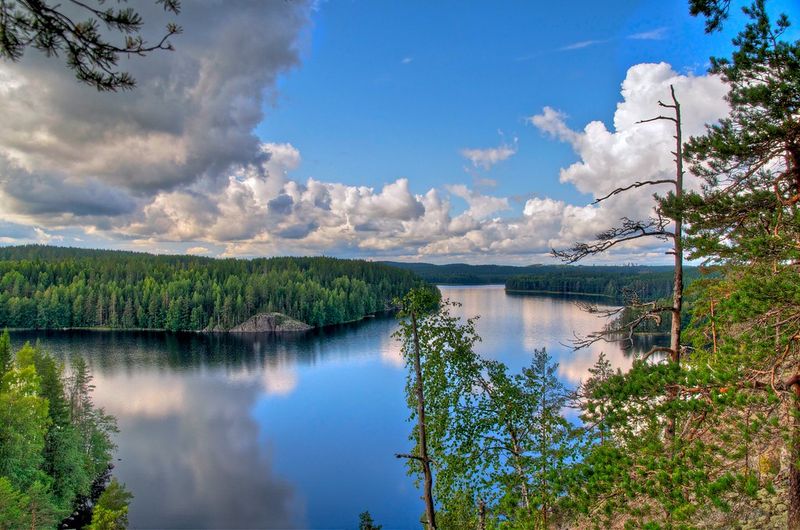
Finland has held the title of world’s happiest country for several years running, and honestly, it has earned every bit of that crown. Free healthcare, tuition-free university education, and some of the cleanest air on the planet make daily life remarkably stress-free.
The government is trusted, corruption is rare, and public services actually work the way they should.
Finnish culture places enormous value on personal space, nature, and honesty. People here genuinely enjoy spending time in forests and by lakes, and the country has more saunas than cars.
Work hours are reasonable, parental leave is generous, and employees are treated with real respect.
Kids in Finland attend some of the world’s best schools without the pressure of constant testing. Teachers are highly trained and respected professionals.
The result is a well-educated, confident population that contributes to a thriving, stable society. Finland proves that when a government invests in its people, everyone benefits from top to bottom.
Iceland

Fewer than 400,000 people call Iceland home, yet this tiny island nation consistently punches well above its weight when it comes to quality of life. Crime rates are among the lowest on Earth, and it is common for parents to leave strollers outside cafes while they pop in for coffee.
That level of trust in your community is genuinely rare.
Iceland also leads the world in gender equality, with women well represented in business, politics, and public life. Healthcare is universal and highly rated, and the education system produces some of Europe’s most literate citizens.
Clean geothermal energy powers most of the country, keeping both heating costs and carbon emissions low.
Then there is the scenery. Volcanoes, geysers, hot springs, waterfalls, and the Northern Lights create a backdrop that never gets old.
Outdoor recreation is a huge part of everyday life here, and the fresh air is extraordinary. Iceland shows that a small population with smart policies and stunning geography can create one of the most livable places on the planet.
Norway
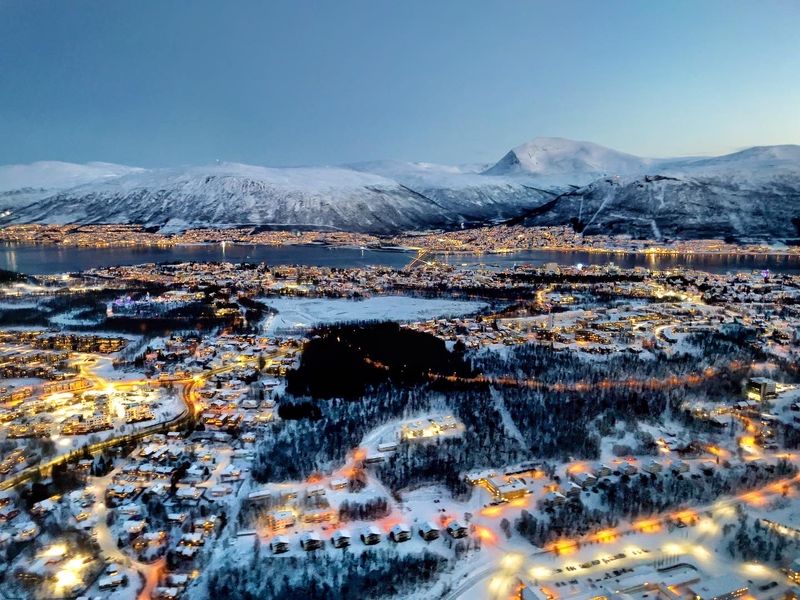
Norway sits on one of the largest sovereign wealth funds in the world, built from North Sea oil revenues, and it has used that money wisely. Citizens enjoy free healthcare, heavily subsidized higher education, and some of the most generous parental leave policies anywhere.
The result is a population that feels genuinely secure from birth to old age.
Wages are high across most industries, and income inequality is lower than in most developed nations. Workers typically enjoy five weeks of paid vacation, and the culture actively encourages people to disconnect from work after hours.
Norwegians have a word for this outdoor lifestyle philosophy: friluftsliv, meaning open-air living.
From skiing in the mountains to kayaking through fjords, nature plays a central role in Norwegian life. Cities like Oslo and Bergen are clean, well-connected by public transit, and loaded with cultural offerings.
Healthcare outcomes rank among the best globally, and life expectancy is high. Norway is proof that natural resources, managed responsibly and reinvested in people, can create an extraordinarily high standard of living for everyone.
Denmark
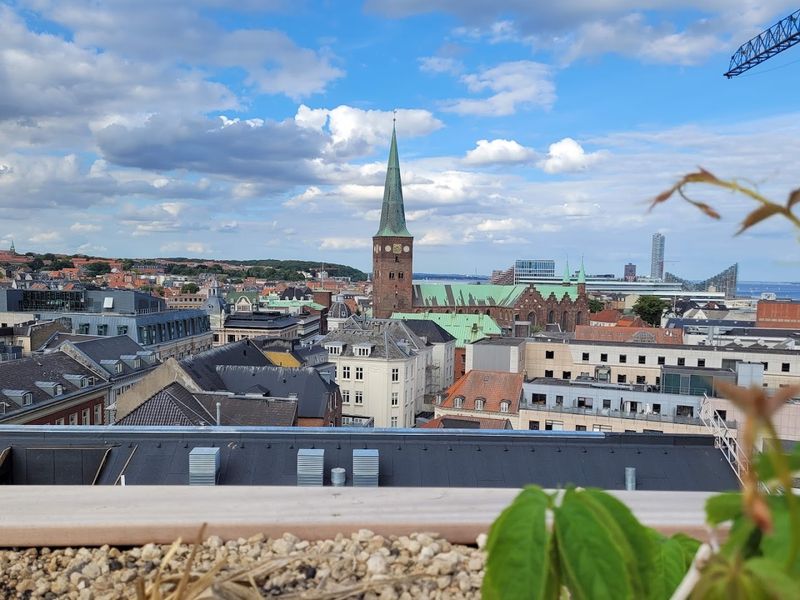
Hygge, the Danish concept of cozy contentment, is not just a trendy word on a coffee mug. It reflects something deeply real about how Danes approach daily life.
Warmth, togetherness, and comfort are genuinely prioritized, and that mindset filters into everything from home design to workplace culture.
Denmark consistently ranks among the world’s happiest and healthiest countries. Universal healthcare is excellent, the education system is free through university, and the flexible labor market lets workers change jobs without financial ruin.
Unemployment benefits are generous, making career transitions far less terrifying than they are elsewhere.
Copenhagen is famous for being one of the most bicycle-friendly cities in the world, with more bikes than cars and a cycling network that makes commuting a genuine pleasure. Crime rates are low, public services are efficient, and trust in government institutions is high.
Denmark also places a strong emphasis on work-life balance, with most employees leaving the office by early afternoon. Whether you measure happiness by policy, community, or simple daily contentment, Denmark delivers on nearly every front with remarkable consistency.
Sweden
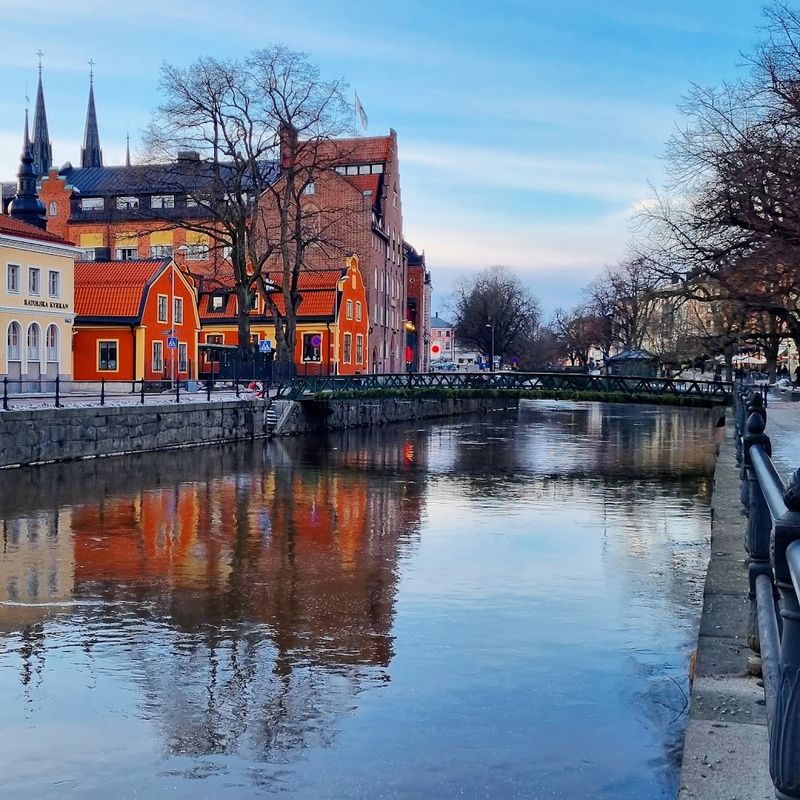
Sweden has long been associated with stylish design and flat-pack furniture, but its real achievement is building one of the world’s most livable societies. Universal healthcare, free education from preschool through university, and one of the most generous parental leave systems on the planet give Swedish families a level of support that feels almost utopian by comparison to many countries.
Sustainability is embedded in Swedish culture and policy. Cities run largely on renewable energy, recycling rates are extraordinary, and environmental education starts early in schools.
Sweden also leads in gender equality, with laws and workplace norms that actively support equal pay and shared family responsibilities.
The Swedish concept of lagom, meaning just the right amount, captures the national preference for balance over excess. Work culture reflects this too, with reasonable hours, mandatory vacation time, and genuine respect for personal life outside the office.
Stockholm, Gothenburg, and Malmo are consistently ranked among Europe’s most livable cities. Sweden shows that economic success and social responsibility do not have to compete.
When done right, they actually strengthen each other beautifully.
Switzerland
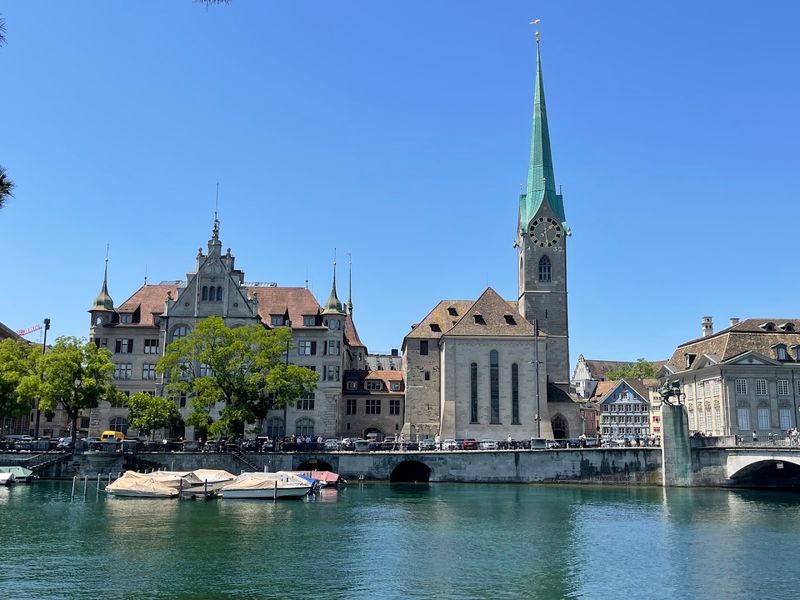
Switzerland has a habit of topping international rankings, and after spending five minutes researching why, it becomes very hard to argue with the results. The country offers some of the highest average wages in the world alongside a healthcare system that, while not free, is comprehensive, well-regulated, and consistently excellent in outcomes.
Political stability here is almost legendary.
The Swiss system of direct democracy means citizens vote on major decisions regularly, creating a population that is genuinely engaged in how their country is run. Infrastructure is impeccable, from on-time trains to clean cities and well-maintained roads.
Education options are varied and strong, feeding into a highly skilled, multilingual workforce.
Four national languages, stunning Alpine scenery, world-class skiing, and a thriving arts scene make Switzerland culturally rich in ways that go far beyond its famous chocolate and watches. Safety levels are high, and the country ranks near the top for environmental quality.
The cost of living is steep, but so are the salaries, and the trade-off clearly works for most residents. Switzerland manages to combine efficiency, beauty, and prosperity in a way that few countries have managed to replicate.
Netherlands
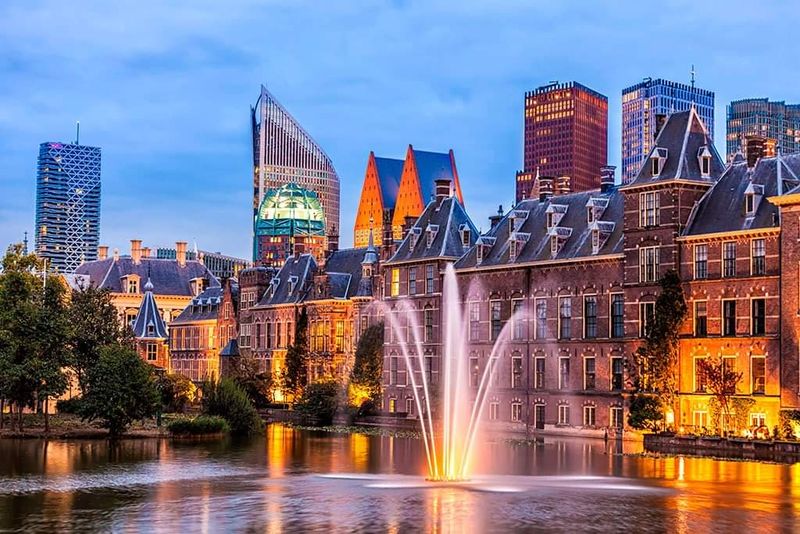
The Netherlands has quietly assembled one of the most impressive quality-of-life packages in the world, and a lot of people outside Europe still underestimate it. Healthcare here is highly rated, the school system produces strong outcomes, and the country consistently scores near the top of the OECD Better Life Index.
Dutch cities are also among the most livable and well-planned in Europe.
Cycling is not just a hobby in the Netherlands. It is a primary mode of transportation, with dedicated bike lanes connecting virtually every corner of the country.
This keeps residents active, reduces traffic, and makes cities feel genuinely pleasant to move through. Public transportation fills in the gaps efficiently and reliably.
The Dutch are famously direct communicators, and that cultural honesty extends into public life. Trust in institutions is relatively high, and the social safety net is robust.
Workers enjoy solid protections and reasonable hours, and part-time work is widely accepted and respected. The Netherlands also punches above its weight in trade, innovation, and global influence for a country of its size.
It is compact, efficient, and genuinely great at the things that matter most to everyday wellbeing.
Singapore
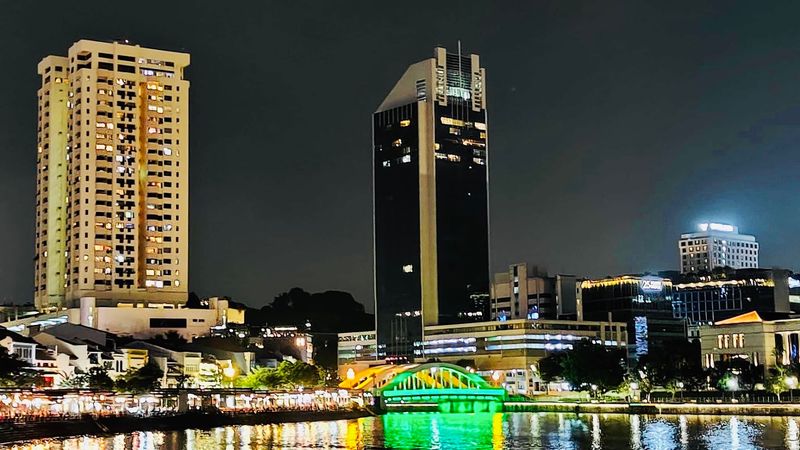
Singapore is roughly the size of New York City, yet it functions as a fully independent nation with one of the highest quality-of-life scores in all of Asia. Crime rates are extraordinarily low, streets are spotless, and the public transit system is so reliable that locals use it as a benchmark for how transport should work everywhere else.
Efficiency is practically a national value.
Healthcare is world-class, blending government subsidies with personal savings accounts to keep costs manageable. Education outcomes are among the very best globally, with Singaporean students consistently ranking at the top of international assessments in math, reading, and science.
The workforce is highly skilled and well compensated.
The food scene alone could make a strong case for moving here. Hawker centers serve incredible meals from dozens of cuisines at very affordable prices, reflecting Singapore’s beautifully diverse Chinese, Malay, and Indian cultural heritage.
Green spaces are woven throughout the city, and the government actively invests in making the urban environment pleasant and sustainable. Singapore proves that a small, resource-limited nation with smart governance and strong institutions can deliver a quality of life that rivals much larger, wealthier countries with ease.
Japan
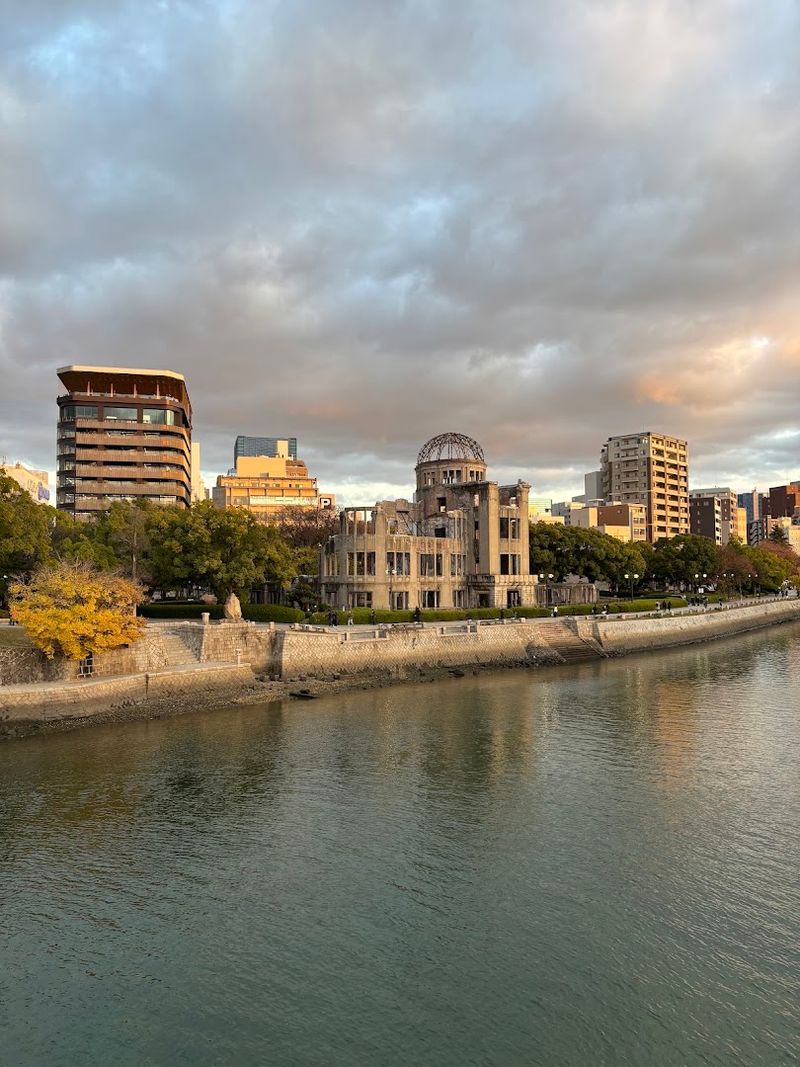
Japan’s public safety record is jaw-dropping. People routinely leave wallets on cafe tables without a second thought, children commute to school alone from a young age, and lost items handed in to police stations are returned to owners at remarkably high rates.
Safety is not just a statistic in Japan. It is a lived, daily experience.
Life expectancy in Japan is among the highest in the world, supported by a universal healthcare system, a diet rich in vegetables and fish, and a cultural emphasis on preventive wellness. Public transportation, particularly the bullet train network, sets a global standard for punctuality and comfort that other countries genuinely envy.
Japanese cities are clean in a way that surprises many first-time visitors. There are almost no public trash cans, yet litter is essentially nonexistent, because residents simply carry their waste home.
Cultural values around respect, community responsibility, and craftsmanship show up in everything from restaurant service to city maintenance. Japan also offers extraordinary cultural richness, from ancient temples and tea ceremonies to cutting-edge technology and pop culture.
For quality of life measured across safety, health, and daily experience, Japan is hard to beat.
Austria
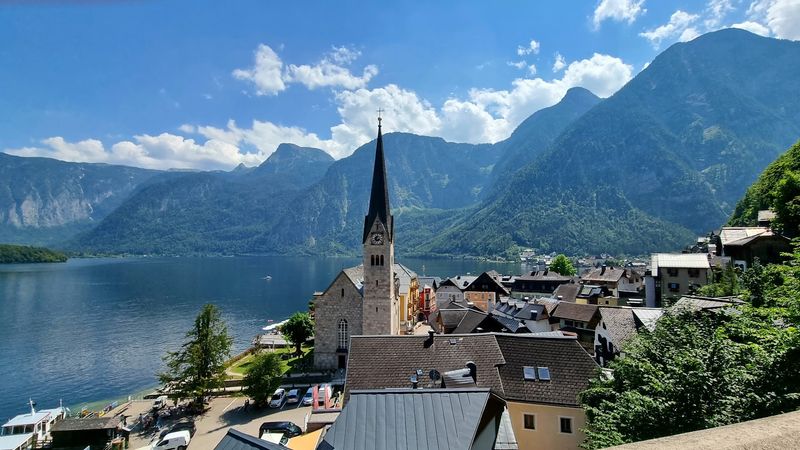
Vienna has been crowned the world’s most livable city by the Economist Intelligence Unit so many times that the title practically has the city’s name engraved on it permanently. But Austria’s quality of life extends well beyond its magnificent capital.
The entire country benefits from a strong social welfare system, universal healthcare, and an education system that is both free and highly regarded.
Crime rates are low, public transportation is excellent, and the Alpine landscape offers year-round outdoor recreation that residents genuinely take full advantage of. Skiing in winter, hiking in summer, and cycling through vineyard-lined valleys in between, Austria’s geography is a lifestyle bonus that is hard to overstate.
Austrian culture blends old-world elegance with modern efficiency in a way that feels surprisingly comfortable rather than stuffy. Coffee house culture, classical music, and rich culinary traditions give daily life a texture and richness that residents clearly cherish.
Wages are solid, working hours are reasonable, and the social contract between government and citizen is one that actually delivers on its promises. Austria closes out this list not as a consolation prize but as a genuine heavyweight in the global quality-of-life conversation.
Share this story