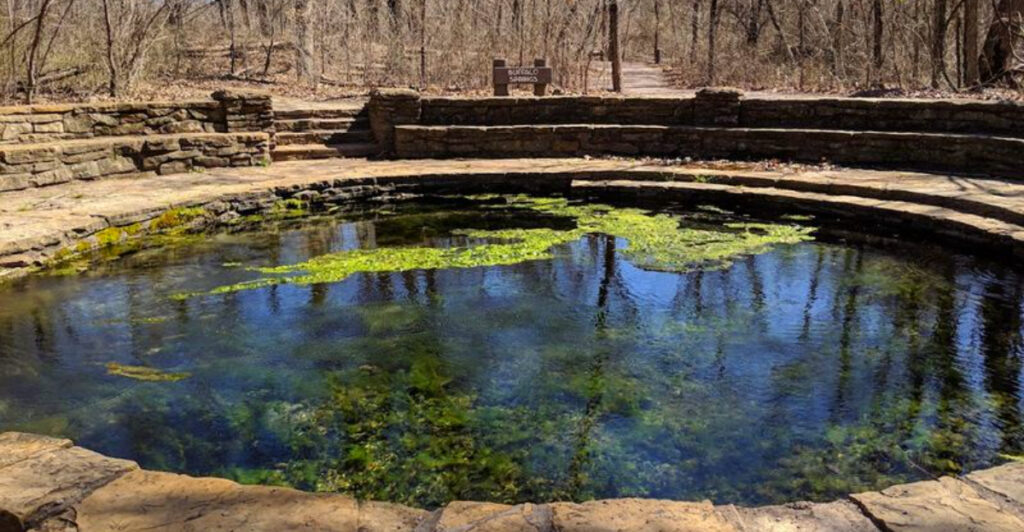
There is a place in south-central Oklahoma where cold, clear water bubbles up through ancient stone and the trees close in so tightly overhead that you almost forget the rest of the world exists. The stonework surrounding this spring was built with real craftsmanship, and it has stood for over a century without losing any of its quiet dignity.
A short trail winds through shaded forest to get there, and the walk alone is worth every step. I visited on a warm May afternoon, and by the time I reached the spring, I was already planning my next trip back.
Finding Buffalo Springs in Sulphur, Oklahoma
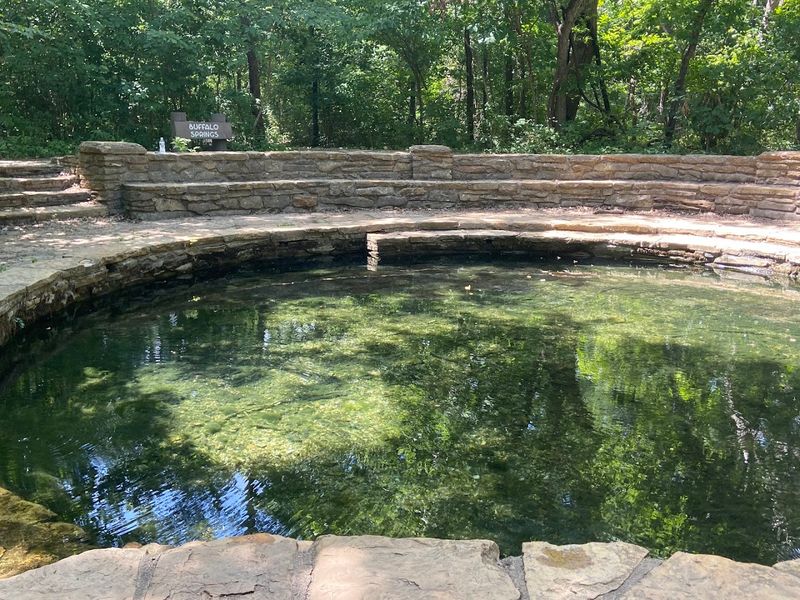
The address that gets you started is Sulphur, OK 73086, right at the edge of the Chickasaw National Recreation Area, one of the few national parks in Oklahoma that most people outside the state have never heard of.
Buffalo Springs sits roughly 1.2 miles from the Nature Center, which serves as the main trailhead and the best place to park your car. The Nature Center itself is small but worth a few minutes of your time before you head out on the trail.
Inside, you will find informative displays about the local ecosystem and a small theater where a short film plays about the area’s natural history. There is also a gift shop if you want a souvenir to remember the trip.
The spring is listed as a tourist attraction, and with a rating of 4.8 stars from dozens of visitors, it consistently earns high praise from families, hikers, and nature lovers alike. Getting there is straightforward once you know to follow the trail from the Nature Center rather than relying solely on GPS, which has occasionally sent drivers down rough access roads not suited for regular vehicles.
The Century-Old Stonework That Makes This Spring Unforgettable
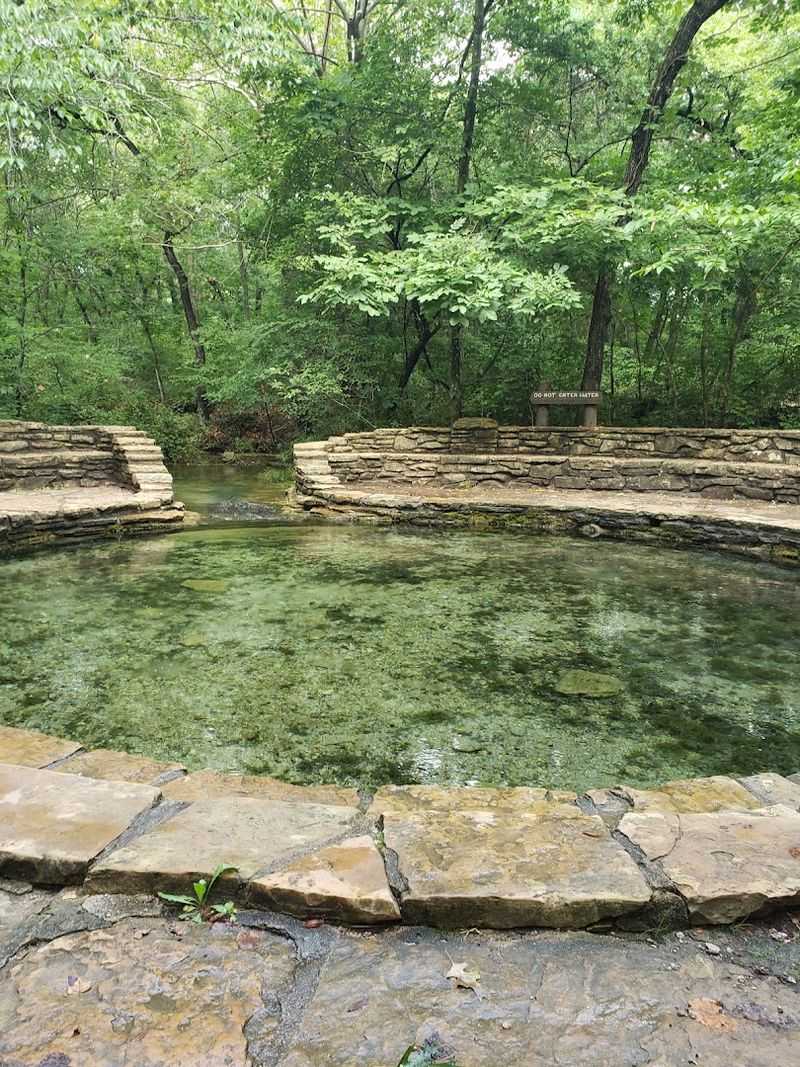
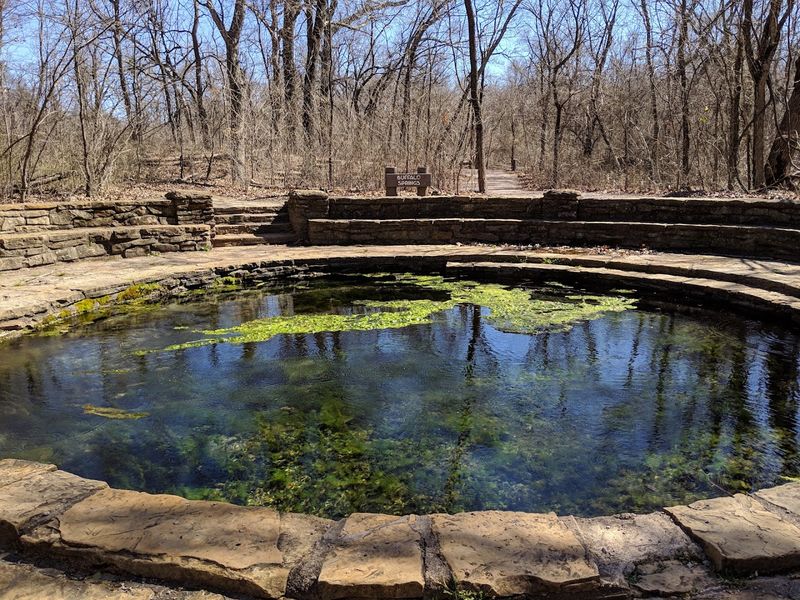
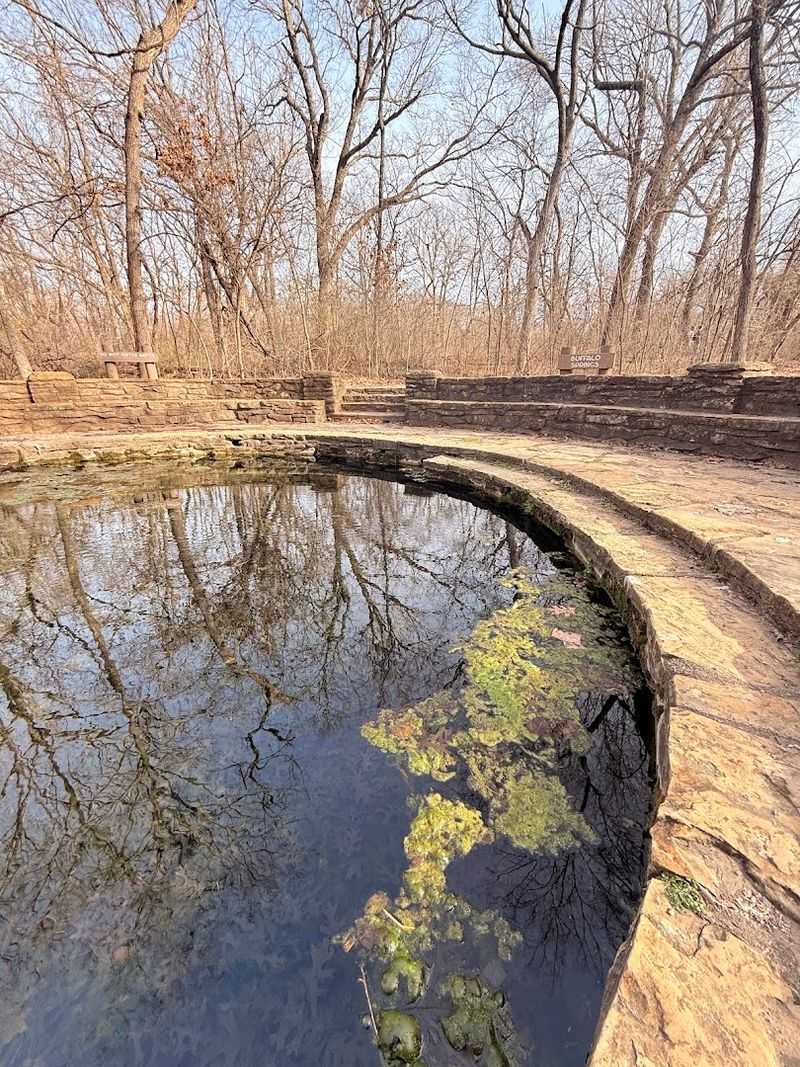
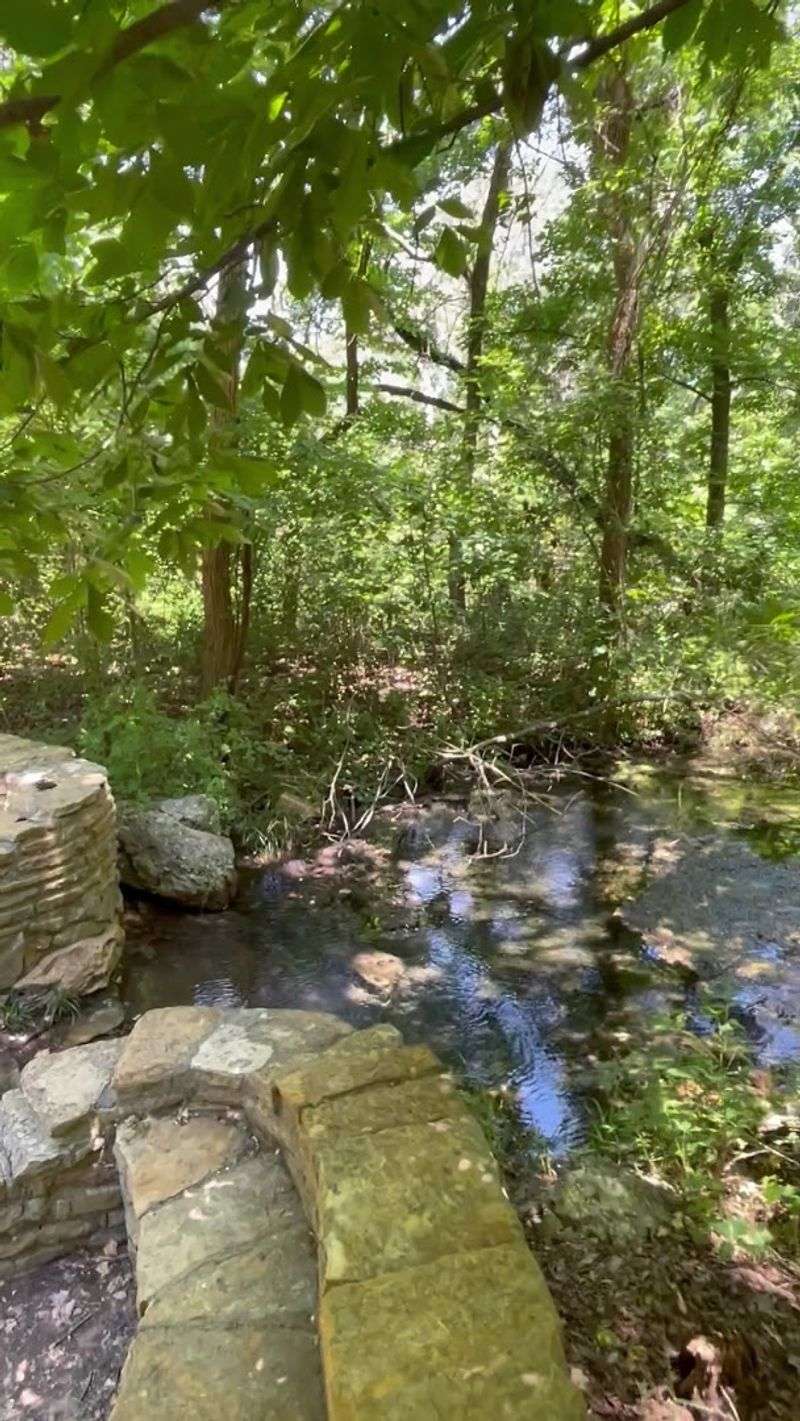
The first thing that stopped me in my tracks was the stonework. A circular ring of carefully laid stone surrounds the spring, and it looks like something a skilled craftsman built with real pride, not just function in mind.
This structure has been standing for well over a hundred years, and the stones have settled into each other with the kind of permanence that modern construction rarely achieves. Moss and time have softened the edges just enough to make the whole thing look like it belongs exactly where it is.
You can sit directly on the stone rim and look straight down into the water below. The clarity of the spring water is striking, especially when you can see the sand dancing at the bottom where the water pushes up from the aquifer beneath.
The craftsmanship here reflects the era when the Chickasaw National Recreation Area was first being developed, and workers took time to build things that would last. That attention to detail is part of what makes this spot feel so different from a typical trailside water feature.
The stonework is the heart of the whole experience.
The Trail That Gets You There
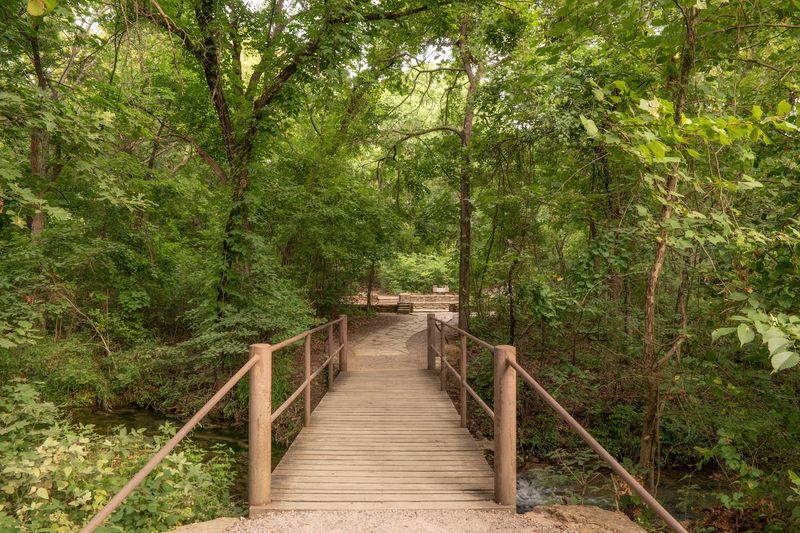
The trail from the Nature Center to Buffalo Springs runs about 0.7 miles one way, and it is one of the most pleasant short hikes I have done in Oklahoma. The path is covered with a gravel surface that keeps things manageable even after rain, and the tree canopy overhead is thick enough to provide real shade even on hot summer days.
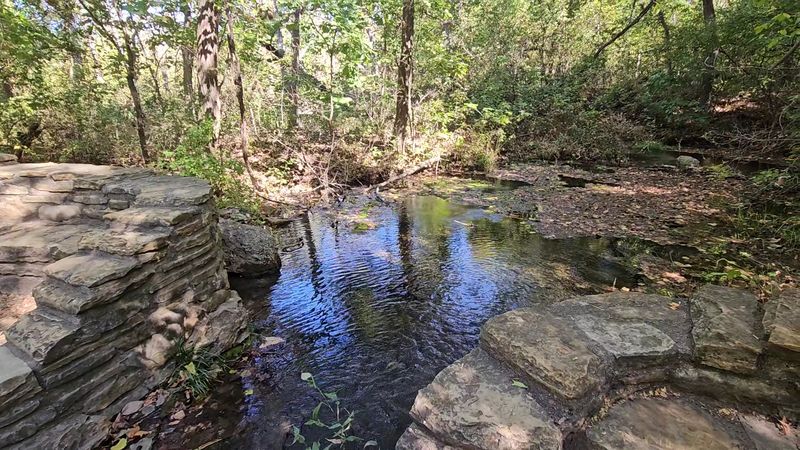
A spring-fed stream runs alongside much of the trail, and the sound of moving water follows you the whole way. That alone sets a tone that makes the walk feel more like a retreat than a workout.
About halfway through, you cross a wooden bridge that adds a little charm to the journey. The bridge gives you a good view of the creek below and a moment to pause before continuing toward the spring.
The trail is wide enough for families with young children and manageable for most fitness levels. Side trails branch off from the main path, offering a little extra exploration for anyone who wants to extend the adventure.
The round trip takes about 30 to 45 minutes at a relaxed pace, making it a very doable outing even for casual visitors who are not experienced hikers.
What the Spring Actually Looks and Feels Like
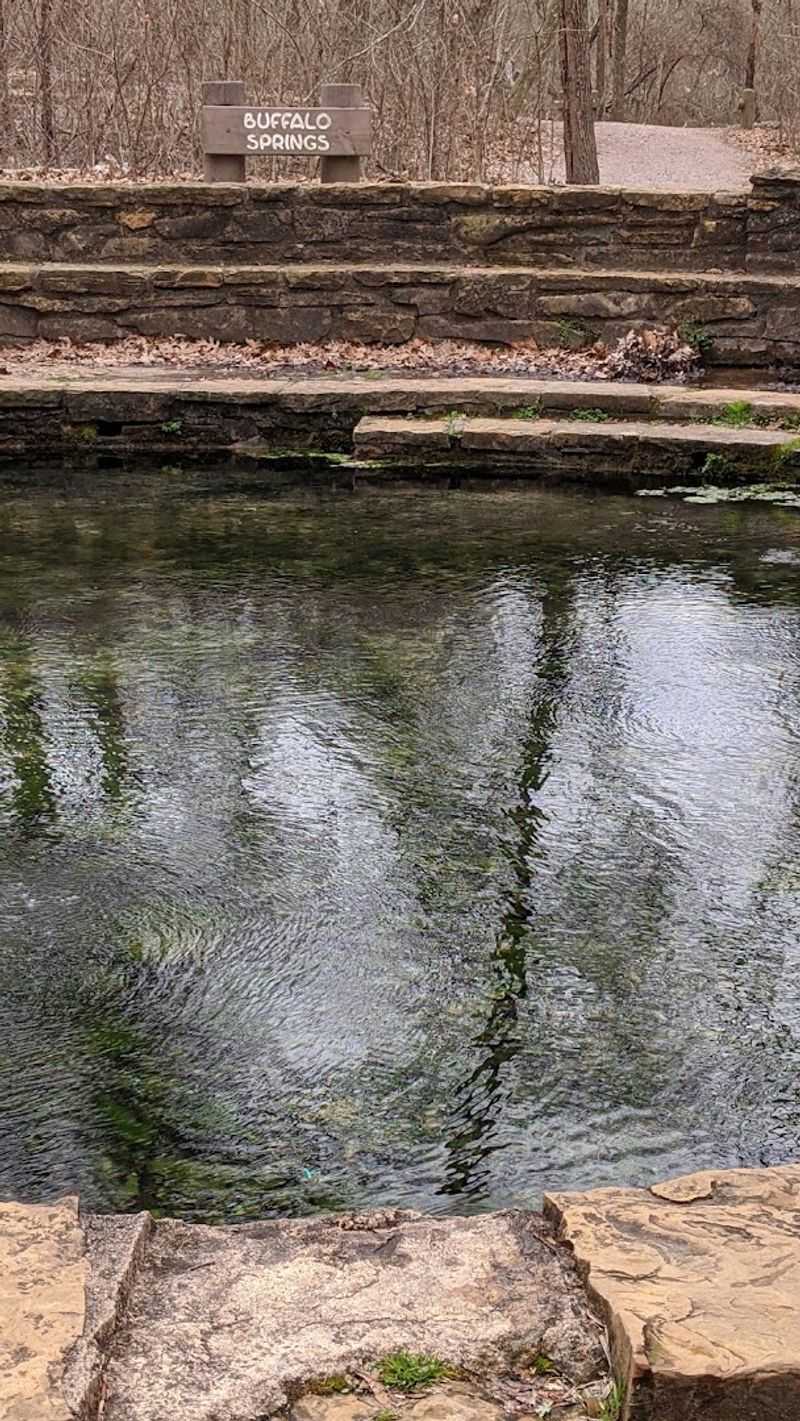
Cold is the word that comes to mind first. Even in July, the water at Buffalo Springs stays refreshingly cool because it comes directly from an underground aquifer that maintains a consistent temperature year-round.
When you crouch down and look at the surface, you can see the water actively moving, pushed upward by natural pressure from below. The sand at the bottom shifts and swirls in small patterns around the source points, which gives the spring a feeling of being genuinely alive rather than just a still pool.
The sound the water makes as it overflows the stone rim and begins its journey downstream is soft and steady, the kind of sound that makes your shoulders drop and your breathing slow down without you even noticing.
Dipping your feet in after a warm hike is one of those simple pleasures that feels completely outsized compared to how easy it is. The water is not just cool, it is sharp and clean in a way that reminds you how different natural springs feel compared to anything that comes from a tap.
This is the kind of moment that makes you put your phone away and just sit for a while.
The History Behind the Spring and Its Name
The name Buffalo Springs is not just a catchy title someone invented for tourism brochures. This site has genuine historical roots tied to the bison that once roamed the southern plains of what is now Oklahoma.
Before European settlement changed the landscape dramatically, large herds of bison traveled through this region, and natural springs like this one served as reliable water sources along their routes. The spring would have been a well-known stopping point for wildlife long before any trails or stonework existed here.
The Chickasaw people, who had deep ties to this land, also recognized the value of these mineral-rich springs. The broader area around Sulphur was known for its healing waters, and the springs here were considered a natural resource worth protecting.
When the federal government established Platt National Park in 1902, later renamed the Chickasaw National Recreation Area, the springs were formally preserved and the stonework was added as part of early park development. That history gives the site a layered significance that goes beyond its beauty.
Knowing that bison once stood in the same spot where you are now standing adds a quiet sense of connection to the landscape that is hard to put into words.
Wildlife You Might Spot Along the Way
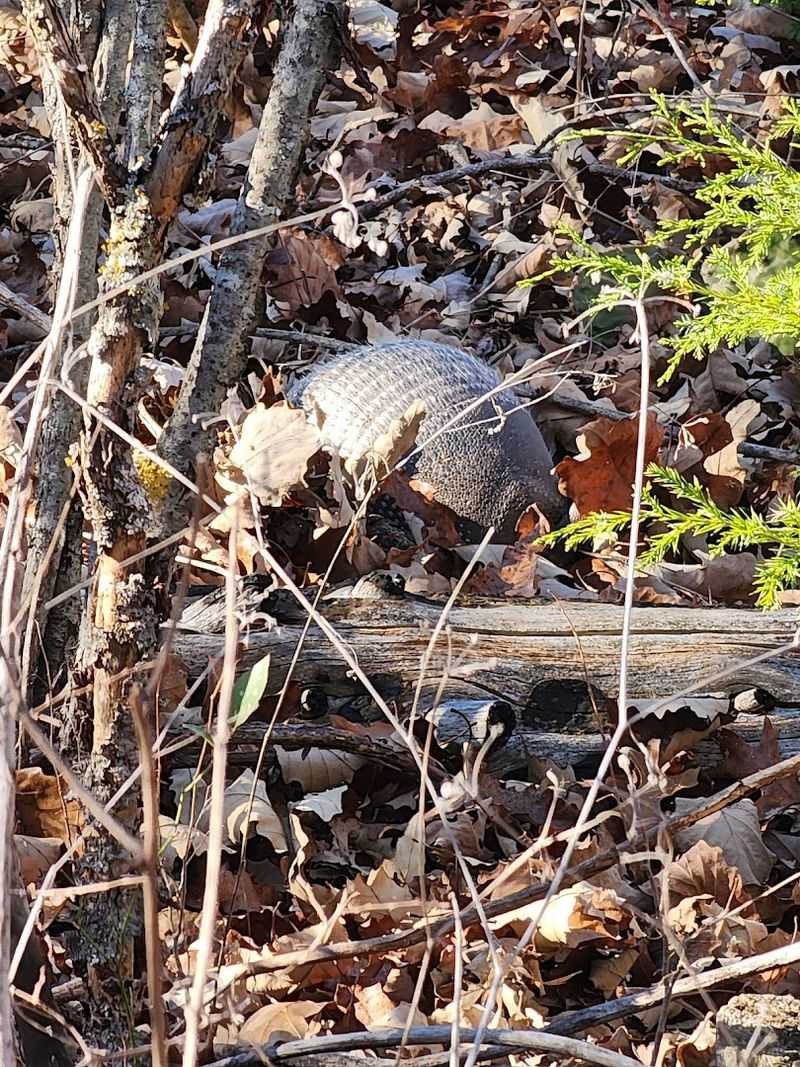
The trail to Buffalo Springs is not just about the destination. The forest on either side of the path is active with wildlife, and a slow, quiet walk gives you a real chance to see some of it up close.
White-tailed deer are common along this trail, and several visitors have reported seeing them in small groups right on or near the path. They tend to appear in the quieter morning hours or during weekday visits when foot traffic is lighter.
Songbirds fill the canopy with sound throughout the spring and summer months, and the creek alongside the trail attracts various water-loving species. Turtles are sometimes spotted sunning themselves on rocks near the water’s edge.
The forest floor is dense and lush, which means smaller creatures like squirrels, lizards, and the occasional rabbit are easy to spot if you keep your eyes moving. One thing to be genuinely careful about is poison ivy, which grows abundantly on both sides of the trail.
It is not a reason to skip the visit, but it is absolutely worth knowing what it looks like before you go. Staying on the gravel path keeps you safe from any contact with it.
The Best Times to Visit Buffalo Springs
Timing your visit to Buffalo Springs makes a real difference in the experience. Weekday mornings in late spring and early fall offer the best combination of comfortable temperatures and smaller crowds.
A mid-week visit in May, for example, means the spring is likely to be nearly empty even when the temperature climbs into the high 80s. The shade on the trail keeps things bearable, and the spring water provides a cool reward at the end of the walk.
Summer weekends can bring more visitors to the Chickasaw National Recreation Area overall, since the park is popular with families from Oklahoma City, Dallas, and surrounding areas. The spring itself rarely feels overwhelmed, but the parking areas near the Nature Center can get busy.
One important thing to keep in mind is that the spring’s flow depends on the water level in the underground aquifer. During dry periods or extended droughts, the water level can drop significantly, and there have been times when the stonework held little more than damp rocks.
Checking recent visitor reports before your trip is a smart move, especially if you are traveling a long distance specifically to see the spring at full flow.
The Nature Center: Your Starting Point and a Destination in Itself
Before the trail even begins, the Nature Center at the Chickasaw National Recreation Area gives you a solid foundation for understanding what you are about to walk through. The building is modest in size but genuinely interesting inside.
The exhibits cover the local geology, plant life, and animal species found throughout the park. For families with curious kids, the displays are engaging without being overwhelming, and the short film shown in the on-site theater gives a helpful overview of the area’s natural and cultural history.
What makes the Nature Center particularly charming is its location. Travertine Creek flows directly underneath the building, which means you can hear and sometimes see the water from inside.
That detail alone makes the place feel special before you have even laced up your hiking shoes.
The gift shop stocks field guides, nature-themed gifts, and a few practical items for hikers. Rangers and staff are usually on hand to answer questions and point you toward the right trailhead.
The center is free to visit, as is the trail to Buffalo Springs, which makes the whole outing an exceptionally good value for a full morning or afternoon in the outdoors. It is the kind of place that rewards you for slowing down.
Travertine Creek and the Broader Water System
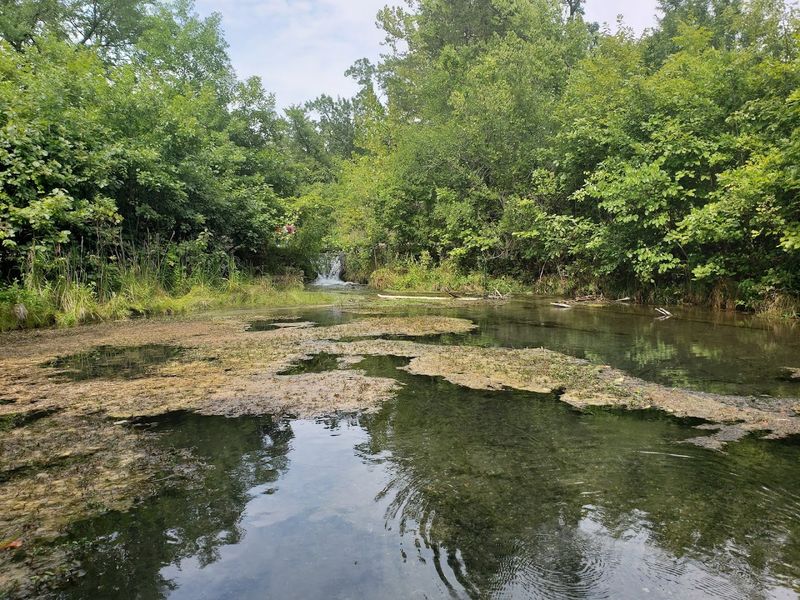
Buffalo Springs does not exist in isolation. It feeds into Travertine Creek, a spring-fed waterway that runs through the heart of the Chickasaw National Recreation Area and connects several of the park’s most popular natural features.
The creek is spring-fed along its entire length, which is why the water stays clear and cold even during the hottest months. The streambed is made up of travertine, a type of limestone formed by mineral deposits from the spring water, which gives the creek its name and its distinctive pale, rocky appearance.
Travertine Creek eventually leads to spots like Little Niagara, a small waterfall that draws large crowds during peak season. Buffalo Springs, sitting further along the trail system, tends to attract visitors who prefer a quieter experience and are willing to walk a little further for it.
The connection between these water features is part of what makes this park system so cohesive and rewarding to explore. Every trail seems to lead to something worth seeing, and the sound of moving water is almost always present.
The creek acts as a natural guide through the forest, and following it gives the whole hike a sense of direction and purpose that keeps you engaged from start to finish.
Tips for Making the Most of Your Visit
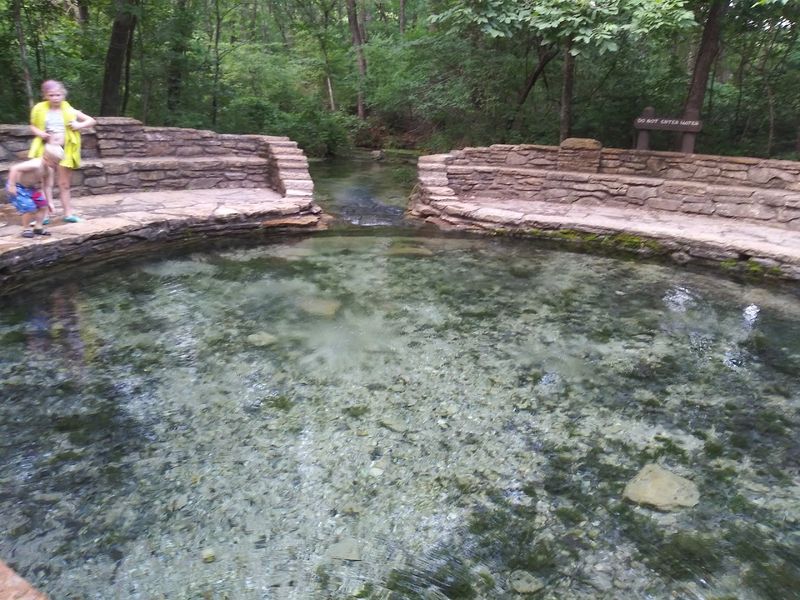
A few practical details can make the difference between a good visit and a great one. The trail to Buffalo Springs is free to access, and the Chickasaw National Recreation Area does not charge an entry fee, which makes it one of the better outdoor deals in the entire state of Oklahoma.
Wear closed-toe shoes with decent grip, especially if you plan to explore any of the side trails that branch off from the main path. The gravel surface on the main trail is stable, but the ground near the spring and creek can be slippery when wet.
Bring more water than you think you need. The trail is shaded, but Oklahoma summers are genuinely warm, and the hike back from the spring is the same distance as the hike in.
A small backpack with snacks, sunscreen, and insect repellent rounds out a comfortable kit.
Leave the spring and the surrounding area exactly as you find it. The site is well-maintained because visitors consistently respect it, and that collective care is what keeps the stonework and the surrounding landscape in such good condition.
Arriving early on weekdays gives you the best chance of having the spring mostly to yourself, which is the kind of quiet that makes the whole trip feel like a genuine escape.
Why Families Keep Coming Back Year After Year
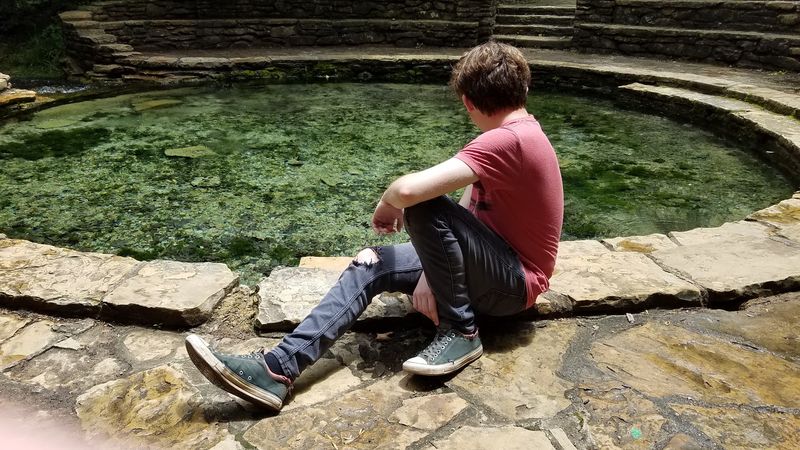
There is something about Buffalo Springs that turns a single visit into a multi-year tradition. Families who first brought toddlers here find themselves returning with those same kids as teenagers, using the spring as a kind of measuring stick for how much has changed and how much has stayed the same.
The trail is short enough that young children can complete it without too much difficulty, and the spring itself provides a natural focal point that holds a kid’s attention in a way that a generic forest walk might not. The bubbling water, the stone rim to sit on, and the cold water to touch or dip feet into are all genuinely engaging for younger visitors.
The Nature Center adds an educational layer that parents appreciate, and the short film gives kids context for what they are about to see on the trail. That combination of learning and outdoor experience is harder to find than you might expect.
The spring also photographs beautifully, which means every visit produces a new set of images to compare with previous years. Watching children grow up in a series of photos taken at the same stone spring is the kind of quiet family documentation that means more over time than anyone expects when they first start doing it.
A Quiet Closing at the Spring Before You Head Back
Before heading back down the trail, most visitors spend a few extra minutes just sitting at the spring and letting the place settle in. That instinct is worth following.
The sound of the water pushing up through the sand and spilling over the stone rim is the kind of constant, gentle sound that is genuinely hard to find in daily life. There are no cars, no notifications, and no background noise beyond what the forest and the water produce on their own.
The spring sits in a small natural clearing where the tree canopy opens just slightly, letting in enough light to make the water sparkle without losing the shaded, enclosed feeling that makes the spot so comfortable. It is a place that rewards stillness more than activity.
Buffalo Springs, tucked inside the Chickasaw National Recreation Area near Sulphur, Oklahoma, is one of those places that reminds you how much is available in this country without a ticket price or a long drive. The century-old stonework, the cold water, the shaded trail, and the sound of the forest all combine into something that is genuinely hard to replicate.
The spring will be here when you come back, and odds are, you will want to.
Share this story