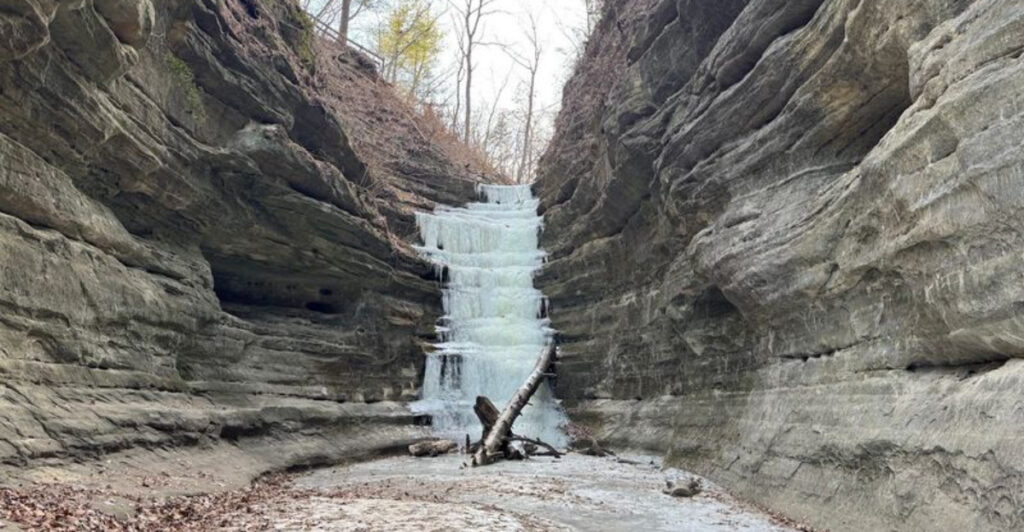
There is a place in northern Illinois where towering sandstone walls rise out of the earth like ancient fortresses, carved by glacial meltwater thousands of years ago. Eighteen canyons are tucked inside a single state park, connected by over 13 miles of trails that wind through forests, along the Illinois River, and into hidden gorges dripping with seasonal waterfalls.
Most people are surprised to learn this kind of scenery exists just a couple of hours from Chicago. This article walks you through everything that makes this park worth the drive, from its dramatic geology and wildlife to its trails, camping, and the best times to visit.
Where the Park Actually Is and How to Get There
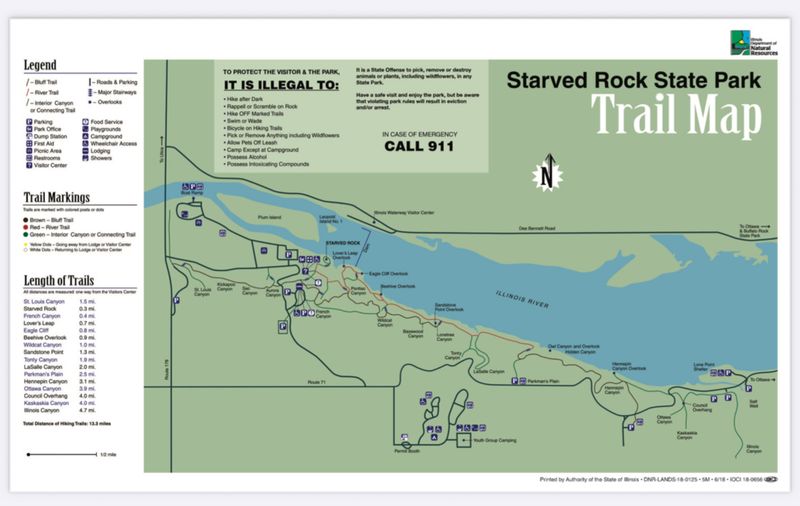
A lot of people hear about this park through word of mouth and then spend ten minutes trying to figure out where exactly it sits on the map. Starved Rock State Park is located in Oglesby, IL 61348, right along the Illinois River in LaSalle County, roughly 90 miles southwest of Chicago and just a short drive from the small town of Utica.
You can reach the park via Illinois Route 178, which runs directly into the main entrance. The address most GPS systems respond well to is the main visitor center off Dee Bennett Road in Oglesby.
There is no toll to enter, and parking is free, which is a rare and welcome surprise for a park this popular.
The park sits at the coordinates 41.3128 N, 88.9701 W if you prefer pinning it manually. Coming from Chicago, the drive takes about an hour and forty-five minutes on I-80 West.
From Peoria, it is closer to an hour heading northeast. The park phone number is +1 815-667-4726, and the official website at dnr.illinois.gov has updated trail maps and closure notices worth checking before you leave home.
The Geology Behind Those 18 Sandstone Canyons
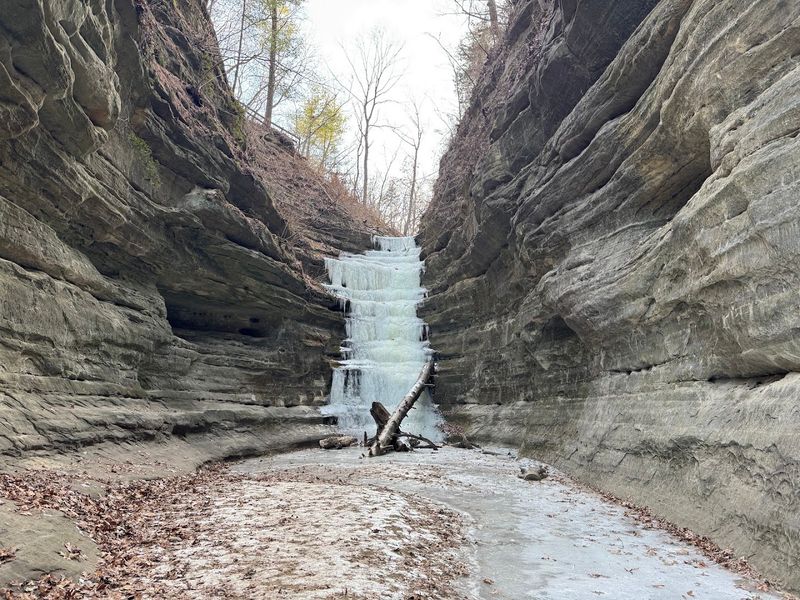
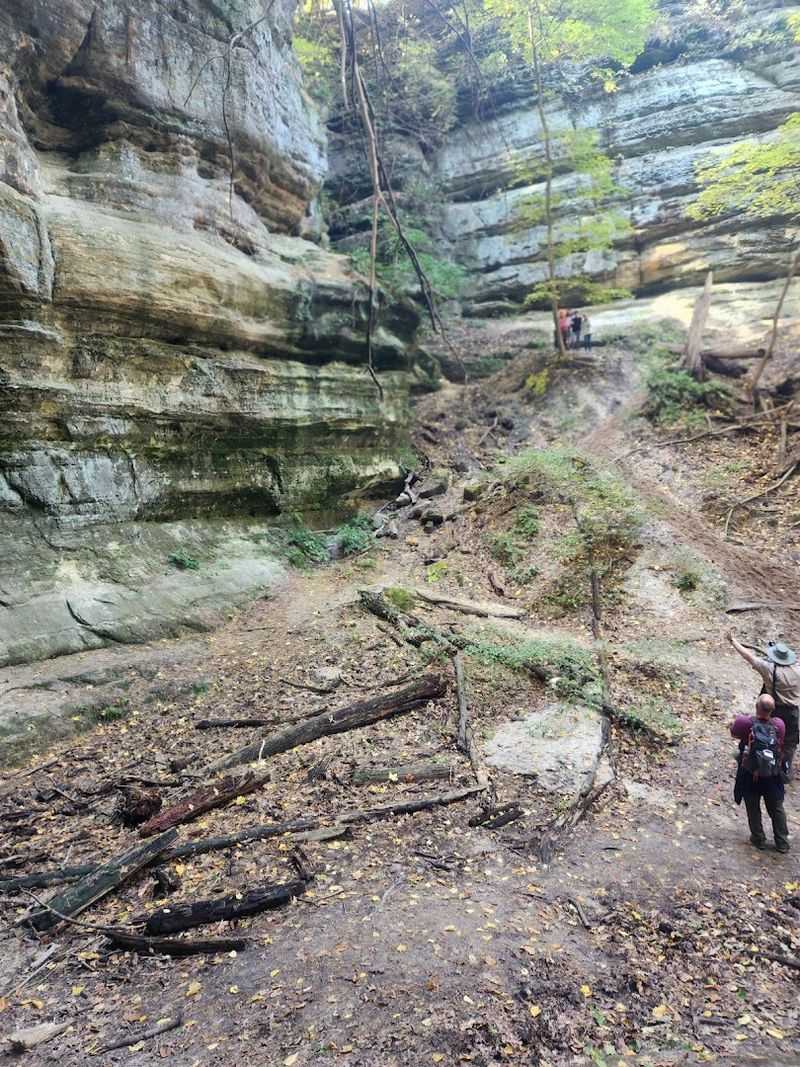
Few things at this park are as jaw-dropping as the moment you first step inside one of the canyons and look straight up at walls of stratified sandstone rising 50 to 80 feet above your head. These formations were not shaped by rivers in the traditional sense.
They were carved by torrents of glacial meltwater at the end of the last Ice Age, roughly 16,000 years ago, when massive volumes of water rushed across the landscape and cut deep into the St. Peter Sandstone bedrock below.
The result is 18 distinct canyons, each with its own personality. Some are narrow and cathedral-like, with walls so close together you can almost touch both sides at once.
Others open into wide bowls where waterfalls cascade down moss-covered rock faces after heavy rain or during the spring snowmelt season.
The layering in the rock tells a story going back hundreds of millions of years, when this region sat beneath a shallow sea. Fossils are occasionally visible in the stone.
The canyons are not just beautiful backdrops; they are some of the most geologically significant formations in the entire Midwest, and that alone makes the trip worthwhile.
The Trails: Over 13 Miles of Options for Every Skill Level
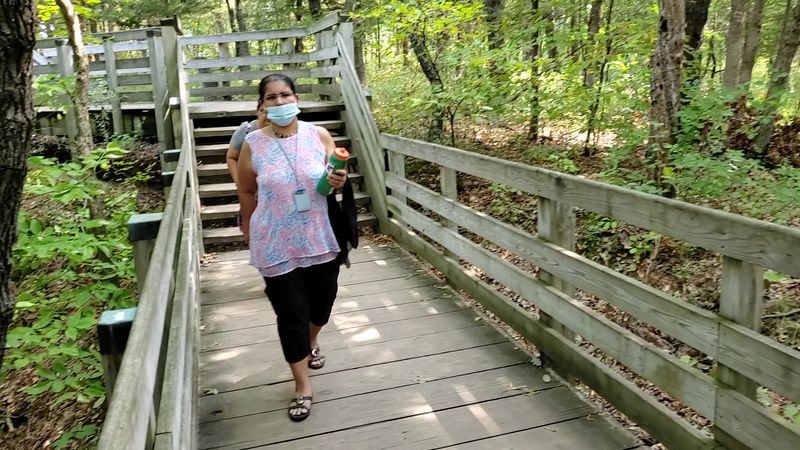
With more than 13 miles of marked trails spread across the park, there is genuinely something here for everyone from casual walkers to seasoned hikers who want a full-day challenge. The trail system is divided into clearly signed loops, and the visitor center staff are excellent at helping you pick a route based on your fitness level and how much time you have.
The River Trail is one of the most popular and runs along the Illinois River with multiple overlooks and relatively flat terrain. If you want to see canyons, trails leading to Wildcat Canyon, French Canyon, and St. Louis Canyon are top picks, though they involve stairs, sometimes hundreds of them, cut into the hillsides to help hikers navigate the elevation changes safely.
Trail difficulty ranges from paved, accessible paths near the main overlook to uneven, root-covered routes deeper in the park. Dogs are welcome on leashes, and the trails see hikers of all ages including young kids and older adults.
The key tip most regulars share is to arrive early on weekends in spring and fall, because parking lots genuinely fill up and can close by mid-morning on busy days.
The Waterfalls That Make Spring Worth the Wait
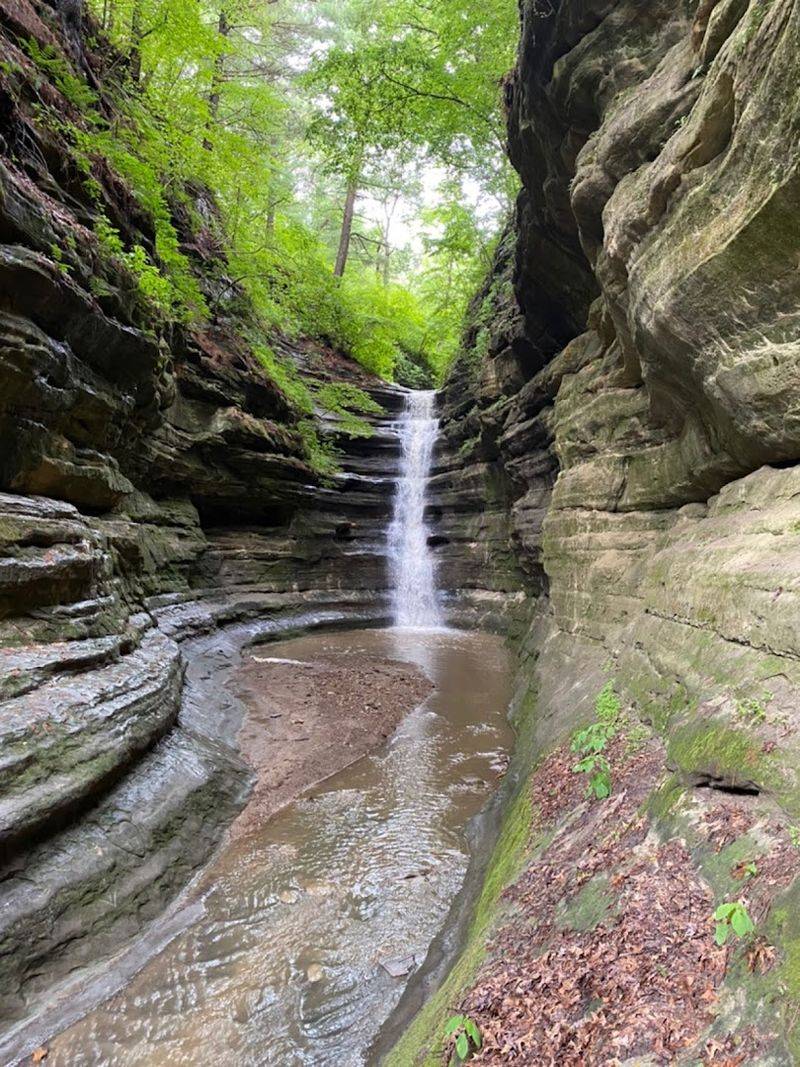
Spring is the season that transforms this park from beautiful to breathtaking. After snowmelt or a stretch of heavy rain, waterfalls pour down the canyon walls at multiple locations throughout the park, and the effect is nothing short of spectacular.
French Canyon and St. Louis Canyon are two of the most photographed spots when the falls are running strong.
The waterfalls are seasonal, which means they depend entirely on water levels. Visit during a dry summer stretch and many of the falls will be little more than damp streaks on the rock.
The sweet spot is March through May, or within a day or two of significant rainfall any time of year. Checking the park website or calling ahead can save you a disappointing trip if conditions are dry.
Even without the falls, the canyons themselves are worth the walk. But catching them in full flow, with mist rising off the canyon floor and the sound of rushing water echoing off the sandstone walls, is one of those experiences that tends to stay with you long after you have driven back home.
Plan the timing right and the park rewards you generously.
Starved Rock Itself: The Iconic Sandstone Butte
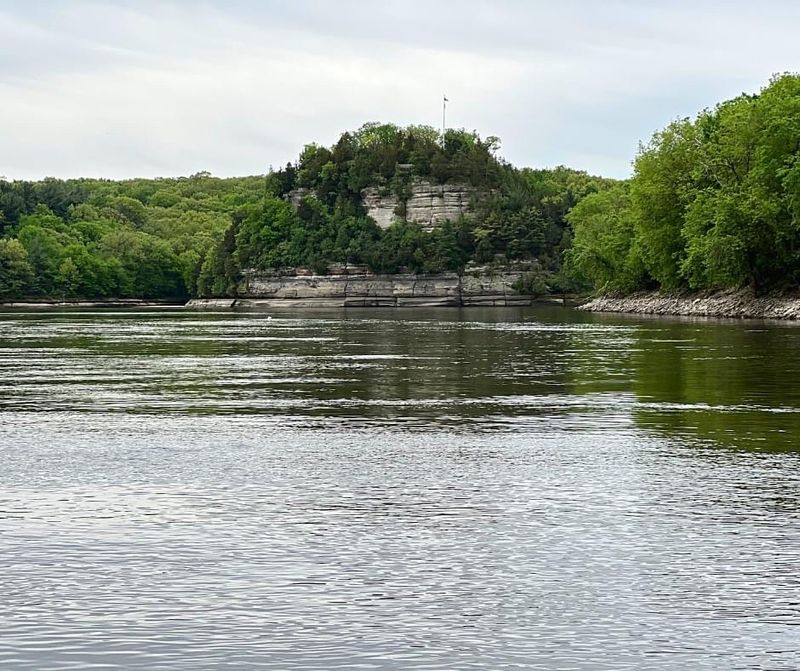
The park takes its name from a dramatic sandstone butte that rises 125 feet above the Illinois River, and the story attached to it is one of the more gripping chapters in Midwest history. According to accounts passed down through generations, a group of Illiniwek people took refuge on top of this rock formation in the late 1700s after a conflict with other tribes.
Surrounded and unable to escape, they remained on the rock until they could no longer survive.
The hike to the top of Starved Rock itself is paved and relatively short, though it does involve a noticeable number of steps. The view from the summit looks out over the Illinois River and the surrounding floodplain, giving you a real sense of why this elevated position held strategic value for the people who once used it.
Rangers and interpretive signs at the site do a solid job of presenting the history with care and context. It is a sobering place to stand, but also a genuinely moving one.
The combination of the historical weight and the panoramic river view makes this particular stop one that should not be skipped, even if the canyon trails are calling your name louder.
Wildlife You Might Actually See on the Trails
One of the quieter pleasures of spending time here is the wildlife. White-tailed deer are common throughout the park and often spotted near the trailheads in the early morning hours.
The Illinois River corridor that runs along the park’s edge serves as a critical habitat for migratory birds, making this a genuinely rewarding destination for birdwatchers.
The bald eagle sightings are probably the biggest draw for wildlife enthusiasts, especially during winter months when the eagles congregate near the open water of the river. Seeing one of these birds soar below your line of sight from an overlook is one of those moments that catches you completely off guard.
The park hosts eagle-watching events in January and February that draw significant crowds.
Beyond eagles and deer, the park supports populations of great blue herons, wild turkeys, red-tailed hawks, and a variety of woodland songbirds. The river itself is home to multiple fish species, and fishing is permitted in designated areas with an Illinois fishing license.
The natural soundscape throughout the park, birds calling, water moving, wind through the canopy, is something visitors consistently describe as one of the most restorative parts of the whole experience.
The Visitor Center: Your Best First Stop
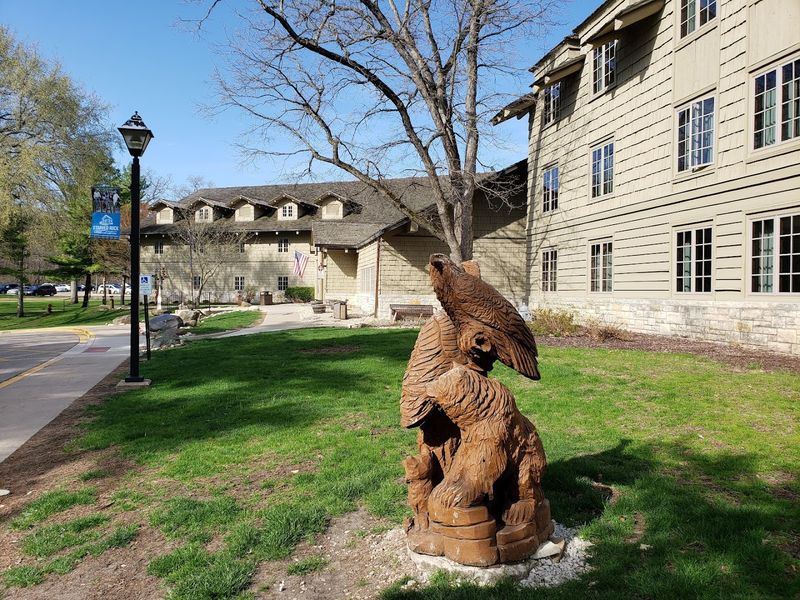
Before hitting any trail, the visitor center is worth at least fifteen minutes of your time. The building sits near the Illinois River and houses a nature center with exhibits about the park’s geology, history, and wildlife.
It is clean, well-organized, and staffed by rangers who genuinely seem to enjoy answering questions about trail conditions and seasonal highlights.
The gift shop carries a solid selection of park-themed souvenirs, field guides, and nature books, with proceeds supporting park programs. There is also a small cafe on-site where you can grab a snack or a quick bite before heading out.
The food at the cafe is convenient, though most regulars recommend packing your own lunch if you plan to spend a full day on the trails.
Junior Ranger badges are available for kids who complete a short activity booklet, and the rangers make the process genuinely fun rather than just a checkbox exercise. The visitor center also posts current trail closures on a board near the entrance, which is useful since sections of the park are occasionally closed for maintenance or safety reasons.
Getting this information before you set out saves time and frustration on the trail.
The Lodge and Overnight Accommodations
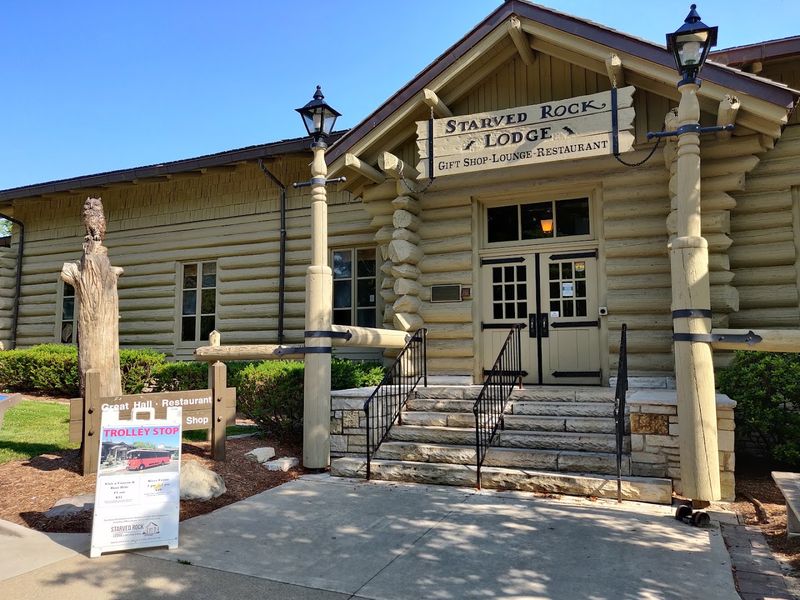
Staying overnight inside the park is an entirely different experience from a day trip, and the options here are more comfortable than most state park lodges manage to pull off. Starved Rock Lodge has been welcoming guests since the 1930s and was built by the Civilian Conservation Corps, which means the craftsmanship has a warm, old-school quality that newer buildings simply cannot replicate.
The lodge features guest rooms, cabins, and a full-service restaurant. The main lodge building has a large stone fireplace in the common area that becomes a gathering point on cooler evenings, and the surrounding grounds are forested and quiet.
Cabin options range from standard units to more private retreats tucked deeper into the woods.
Reservations fill up quickly for spring and fall weekends, so booking several months in advance is not an overreaction. The lodge also hosts seasonal events, including holiday packages and eagle-watching weekends in winter.
After a long day of hiking through canyons and climbing stairs, having a comfortable bed and a warm meal waiting just inside the park boundary feels like a genuinely good decision. It turns a solid day trip into a proper weekend adventure worth repeating.
Camping at Starved Rock: Wooded Sites and Night Skies
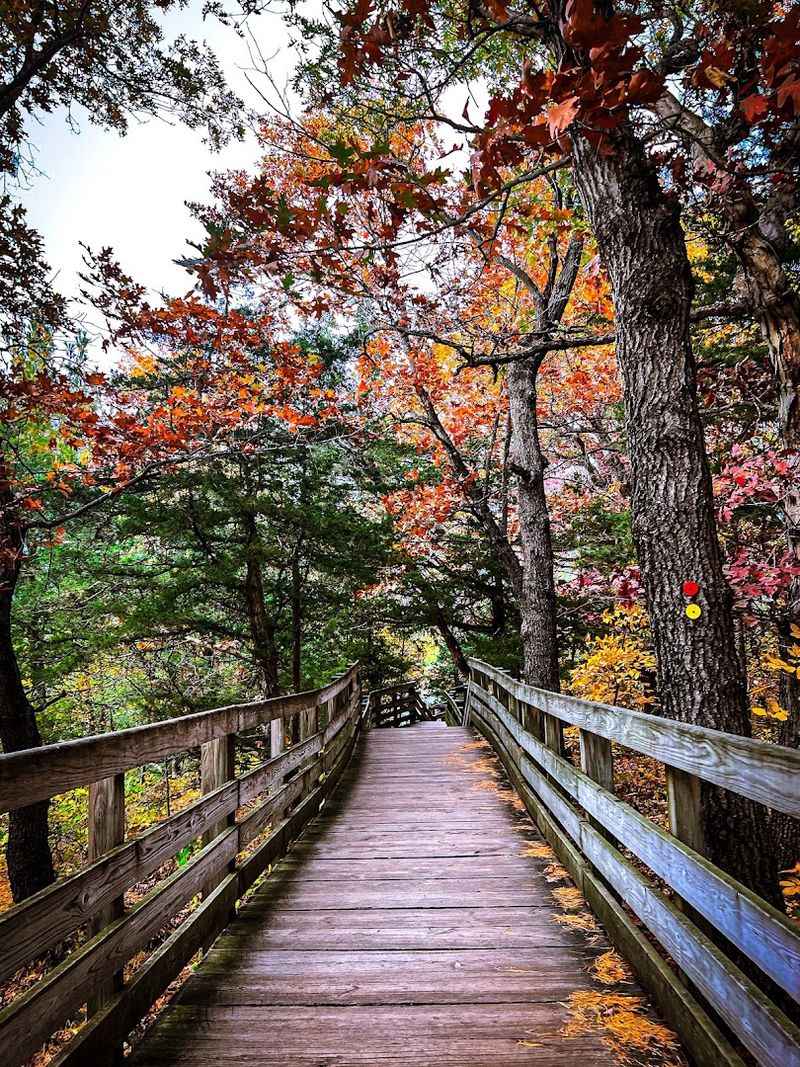
For those who prefer sleeping under the stars rather than in a lodge bed, the campground at Starved Rock delivers a genuinely pleasant experience. The sites are set within a forested area that provides natural privacy between neighboring campers, which is not something every state park campground can claim.
The wooded buffer makes a real difference in how restful the night feels.
The campground has electric hookup sites for those with RVs or who simply want a more comfortable setup, as well as tent-only sites for traditional campers. Facilities include restrooms and shower buildings, which are kept reasonably clean based on consistent feedback from repeat visitors.
Availability tends to be good even on busy weekends, making it a reliable option if you are passing through on a longer road trip.
Mornings at the campground have their own quiet charm. The bird activity picks up before sunrise, deer sometimes wander through the sites, and the air carries that particular cool, damp quality that only forests produce in the early hours.
Campers who time their stay for spring or fall get the added bonus of peak canyon and waterfall conditions just a short walk away. It is hard to think of a better way to experience everything this park offers at a slower, more deliberate pace.
Best Times to Visit and What Each Season Offers
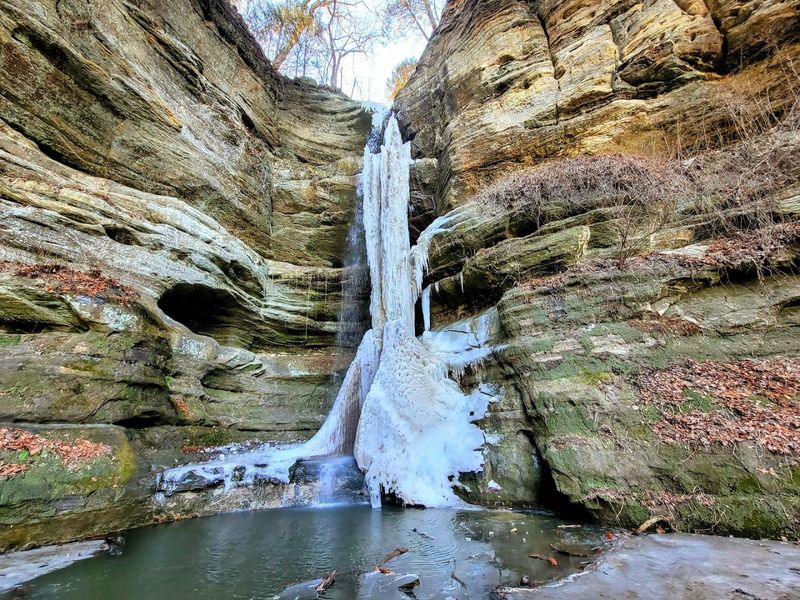
Every season at this park brings something distinct, and regulars tend to have strong opinions about which one wins. Spring is the consensus favorite for waterfall chasers and wildflower fans, with peak conditions typically running from late March through May.
The waterfalls are fullest then, the trails are lush and green, and the bird migration through the Illinois River valley is in full swing.
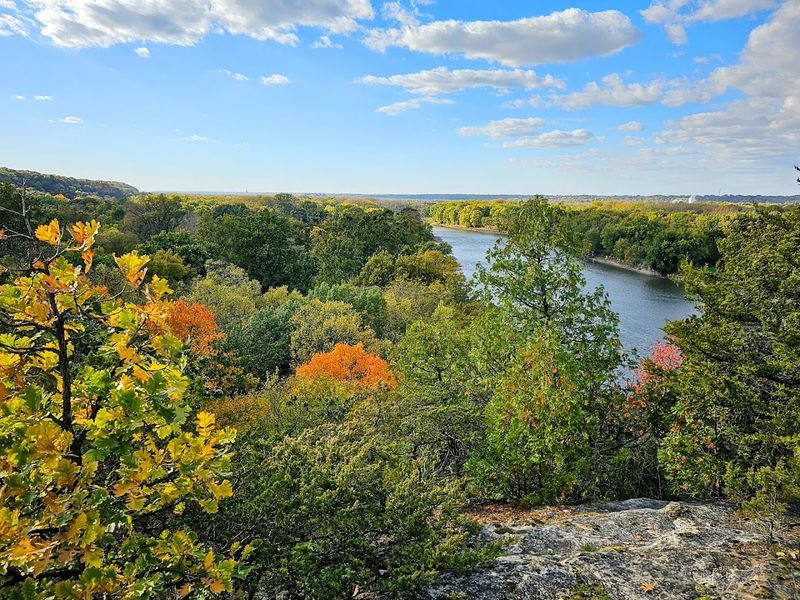
Fall is a close second, particularly in October when the hardwood canopy turns red, orange, and gold above the canyon walls. The color contrast between the warm foliage and the cool grey sandstone is genuinely striking and makes for exceptional photography.
Crowds are heavy on fall weekends, so arriving before 8 a.m. is not an exaggeration of what it takes to get a parking spot.
Summer brings full green canopy and warm weather ideal for river activities, but the waterfalls may be minimal during dry stretches. Winter is the season most people overlook, yet it offers something unique: bald eagle viewing along the river and a quieter, more solitary version of the park.
Icy trails require microspikes or traction devices, but the staff at the visitor center will tell you exactly which routes are safe to walk.
Fishing and Boating on the Illinois River
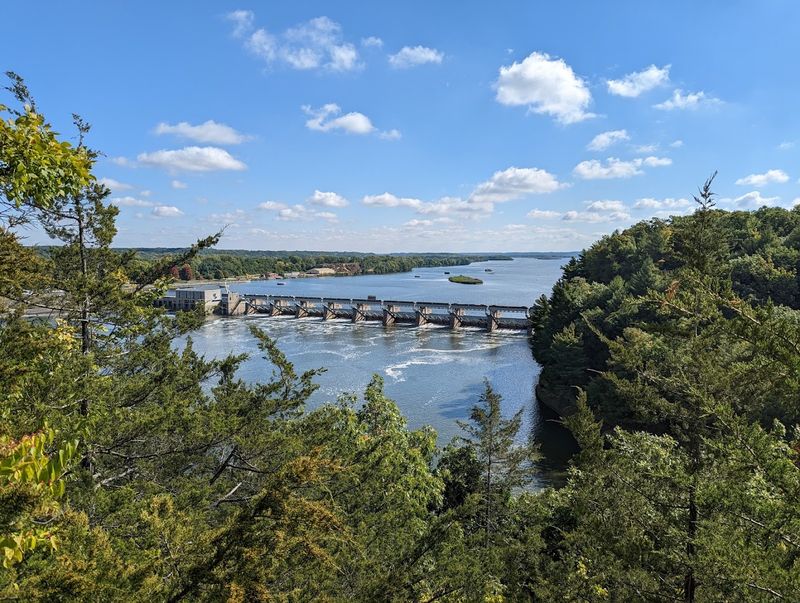
The Illinois River that runs along the park’s southern edge is not just a scenic backdrop. It is an active recreational waterway where fishing and boating are both permitted and popular.
The river supports healthy populations of channel catfish, largemouth bass, walleye, and carp, drawing anglers from across the region throughout the warmer months.
Fishing from the riverbank is accessible at several points within the park, and a boat launch facility is available for those who want to get out on the water. An Illinois fishing license is required for anyone 16 and older, and regulations for specific species and seasons can be found through the Illinois Department of Natural Resources website.
The visitor center staff can also point you toward the best access spots depending on what you are hoping to catch.
Boating on the Illinois River gives you a completely different perspective on the park, with the bluffs and forested ridgeline visible from the water in a way that the trails simply cannot replicate. The Starved Rock Dam is visible from certain points along the river and adds an interesting industrial element to an otherwise entirely natural setting.
For families looking to mix hiking with water-based activity, the river access makes this park a two-for-one kind of destination.
Tips for Making the Most of Your Visit
A few practical details can make the difference between a frustrating visit and a genuinely great one. The park is free to enter, which sounds almost too good to be true for a destination with this level of scenery, but it is accurate.
No admission fee, no parking fee, just show up and explore. The only cost involved is whatever you spend at the lodge, cafe, or gift shop.
Footwear matters more here than at most parks. The canyon trails involve uneven terrain, wet rock surfaces near waterfalls, and long stretches of wooden or stone stairs.
Sneakers work for most people, but hiking boots with ankle support are the smarter choice if you plan to go deep into the canyon system. Bringing trekking poles is a reasonable idea if stairs and descents are a concern for your knees.
Check the park website or call ahead before visiting, especially in early spring or after storm events, since individual trails and canyon access points are sometimes closed for safety or maintenance. The visitor center opens early and the staff there are consistently described as helpful and knowledgeable.
Arriving before 9 a.m. on any warm weekend from April through October is the single most effective way to avoid the crowds and secure a parking spot without stress.
Share this story