Throughout American history, certain soldiers have risen above the rest, shaping the nation through courage, strategy, and sheer determination. From the battlefields of the Revolutionary War to the deserts of the Middle East, these men left marks on history that time simply cannot erase.
Their stories are not just about war but about leadership, sacrifice, and the spirit that defines America. Here are the 15 most legendary U.S. soldiers who helped build, protect, and define this nation.
1. George Washington
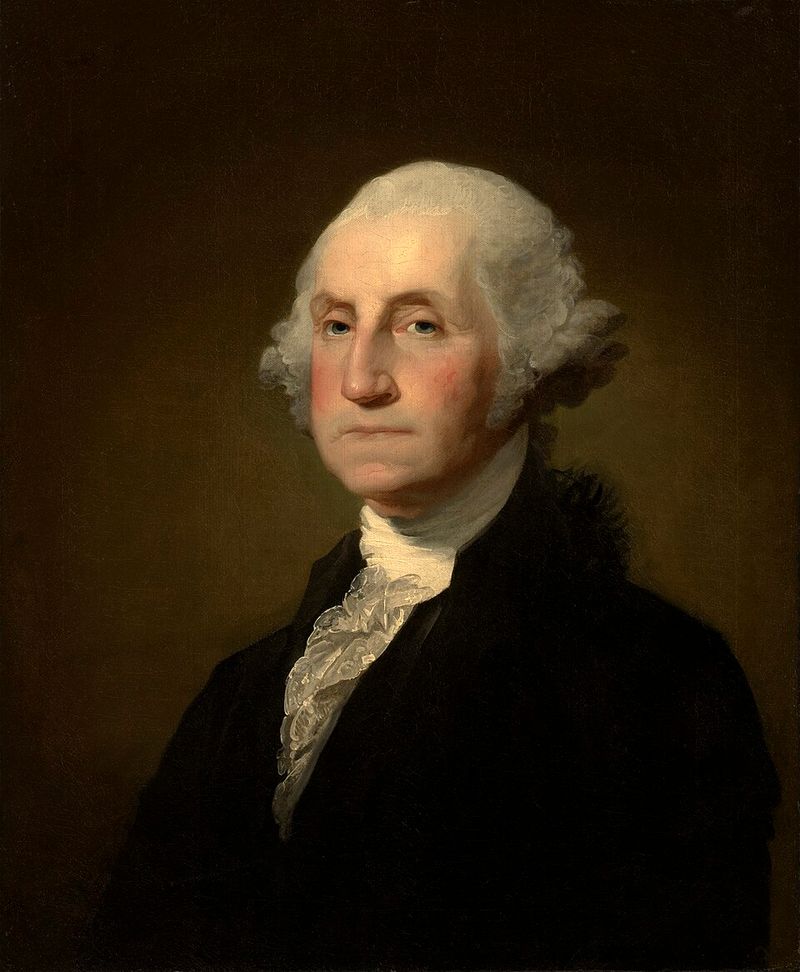
Before there was a United States, there was George Washington standing firm when everything seemed lost. As commander of the Continental Army during the Revolutionary War, Washington led a ragged group of soldiers against one of the most powerful military forces in the world.
His crossing of the Delaware River on Christmas night in 1776 is one of the boldest moves in military history.
Washington did not win every battle, but he never gave up. He kept his army together through brutal winters, supply shortages, and low morale.
His ability to inspire loyalty under impossible conditions set him apart from nearly every other military leader.
After the war, Washington became the first President of the United States. His legacy as both a soldier and a statesman remains unmatched.
He truly is the foundation on which American military tradition was built.
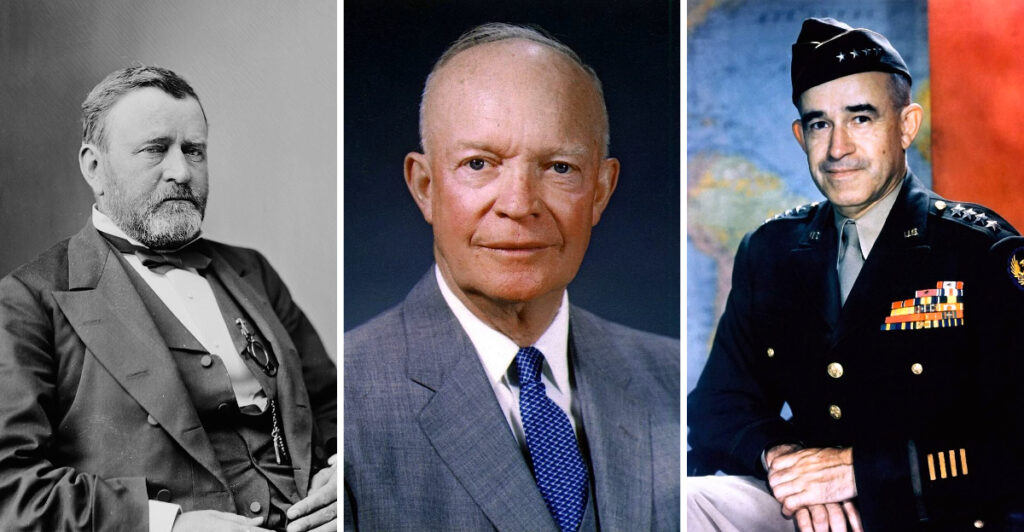
2. Ulysses S. Grant
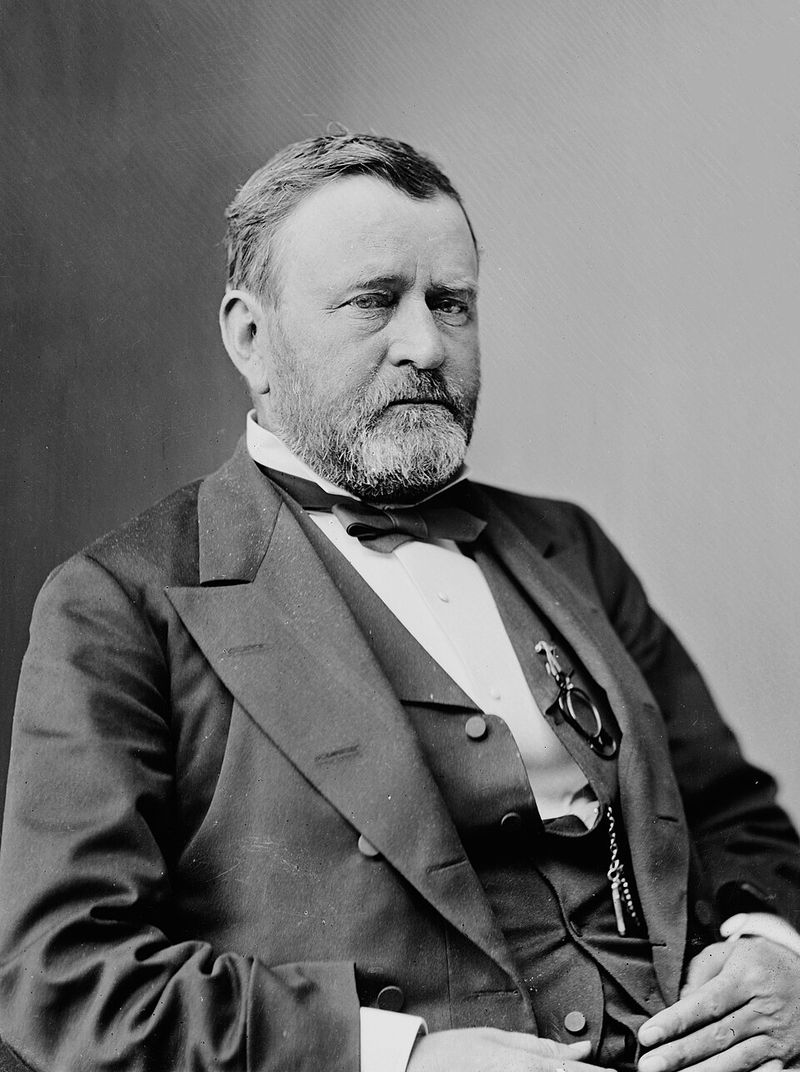
Ulysses S. Grant was the kind of general who did not flinch.
When President Lincoln struggled to find a commander who would actually fight, Grant stepped up and delivered results that changed the course of the Civil War. His relentless campaigns against Confederate forces earned him the nickname “Unconditional Surrender” Grant.
Grant captured Fort Donelson and Vicksburg in stunning fashion, cutting the Confederacy in half along the Mississippi River. He later led the Union Army to final victory over Robert E.
Lee at Appomattox Court House in April 1865. His strategic mind and refusal to back down made him Lincoln’s most trusted general.
After the war, Grant served two terms as the 18th President of the United States. His military career remains one of the most impressive in American history, defined by boldness and an unwavering will to win.
3. Dwight D. Eisenhower
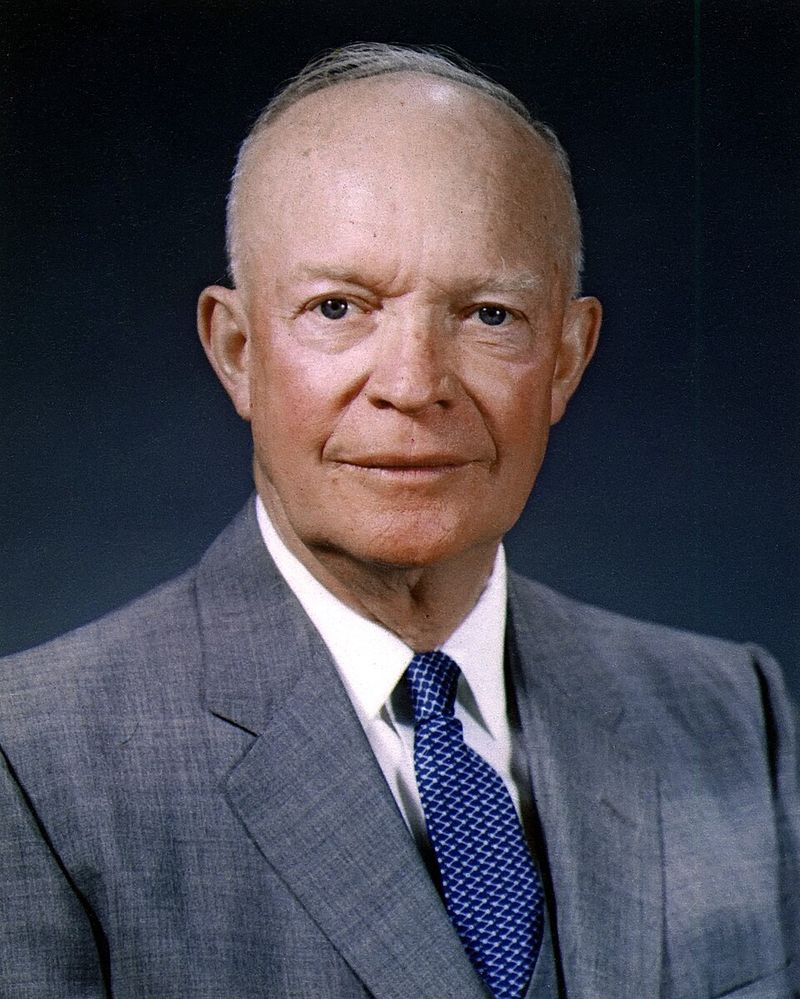
Organizing the largest military invasion in human history takes a special kind of mind. Dwight D.
Eisenhower was that mind. As Supreme Commander of Allied Forces in Europe during World War II, he planned and executed Operation Overlord, the D-Day invasion of Normandy on June 6, 1944, which turned the tide against Nazi Germany.
Eisenhower was not just a battlefield commander. He was a master organizer who could coordinate armies, navies, and air forces from multiple nations toward a single goal.
His calm leadership style kept Allied leaders working together even when tensions ran high.
After the war, Eisenhower served as the 34th President of the United States. He warned the nation about the growing power of the military-industrial complex in his farewell address, showing wisdom that went far beyond the battlefield.
Few leaders have shaped both war and peace so profoundly.
4. George S. Patton Jr.
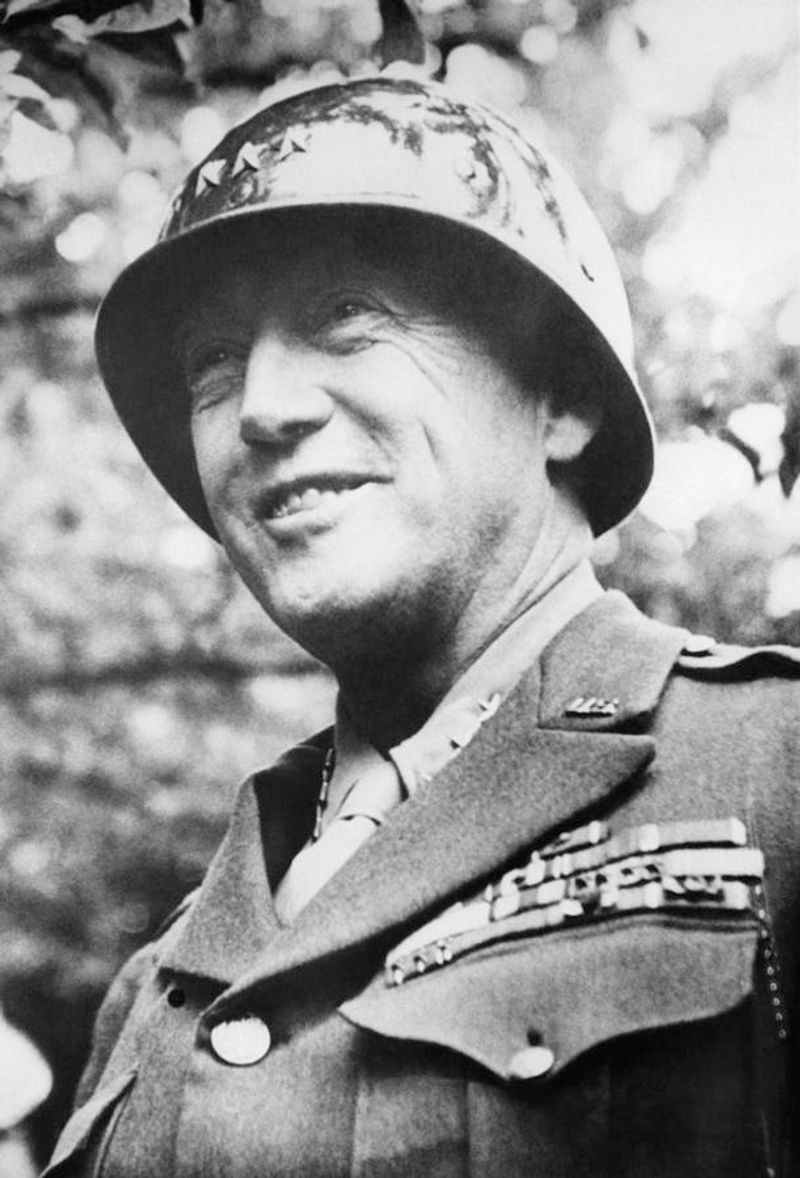
No general in American history moved faster or hit harder than George S. Patton Jr. His Third Army swept across France and into Germany at a pace that left even his own commanders breathless.
Patton believed speed was armor, and he proved it time and again on the battlefields of North Africa, Sicily, and Western Europe.
When German forces surrounded American troops at Bastogne during the Battle of the Bulge, Patton turned his entire army 90 degrees in freezing winter weather and drove to the rescue in just three days. Military historians still consider it one of the greatest logistical feats of the war.
Patton was controversial, outspoken, and sometimes reckless, but his results were undeniable. He genuinely believed he was born to fight wars, and his battlefield record makes a strong case.
His aggressive style redefined how armored warfare was conducted in the modern age.
5. Douglas MacArthur
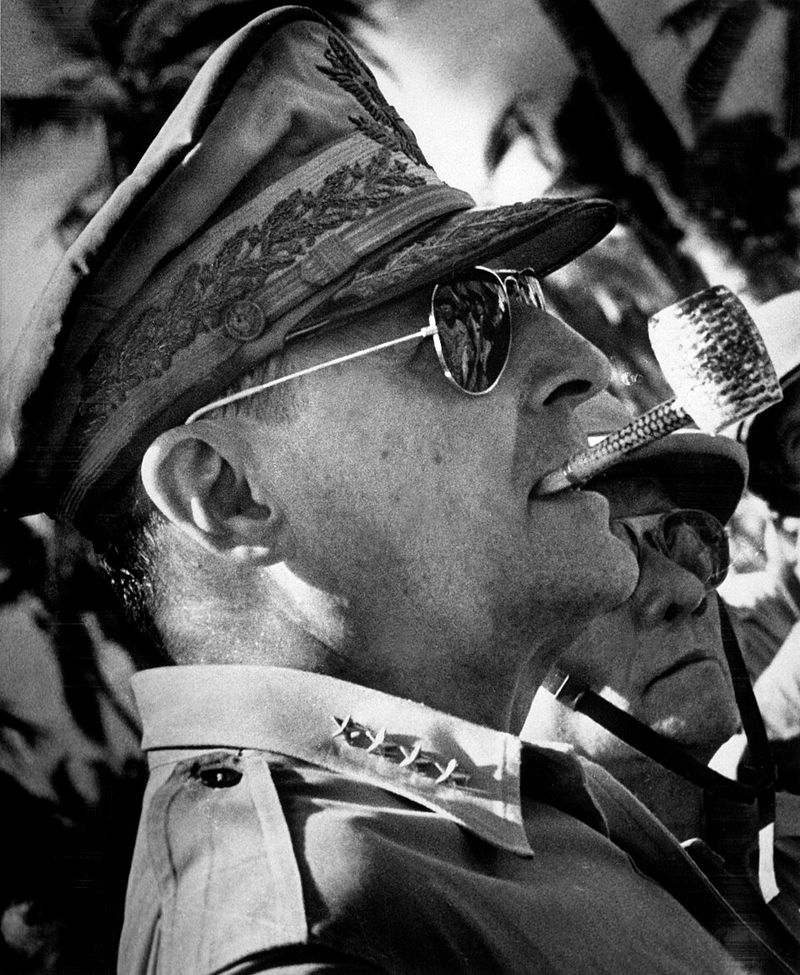
Douglas MacArthur had a flair for the dramatic that matched his military genius. When forced to flee the Philippines in 1942 after Japanese forces overwhelmed American defenses, he made a famous promise: “I shall return.” Three years later, he waded ashore on Philippine beaches and kept that promise in one of the most iconic moments of World War II.
MacArthur commanded Allied forces across the Pacific with a strategy called island hopping, bypassing heavily fortified Japanese positions to strike at weaker points. This approach saved countless lives and steadily pushed Japan back toward its home islands.
After Japan’s surrender in 1945, MacArthur oversaw the occupation and rebuilding of Japan, helping transform it into a democratic nation. He later commanded United Nations forces during the Korean War.
Few American generals have operated across such a wide stage or left such a lasting global impact.
6. William Tecumseh Sherman
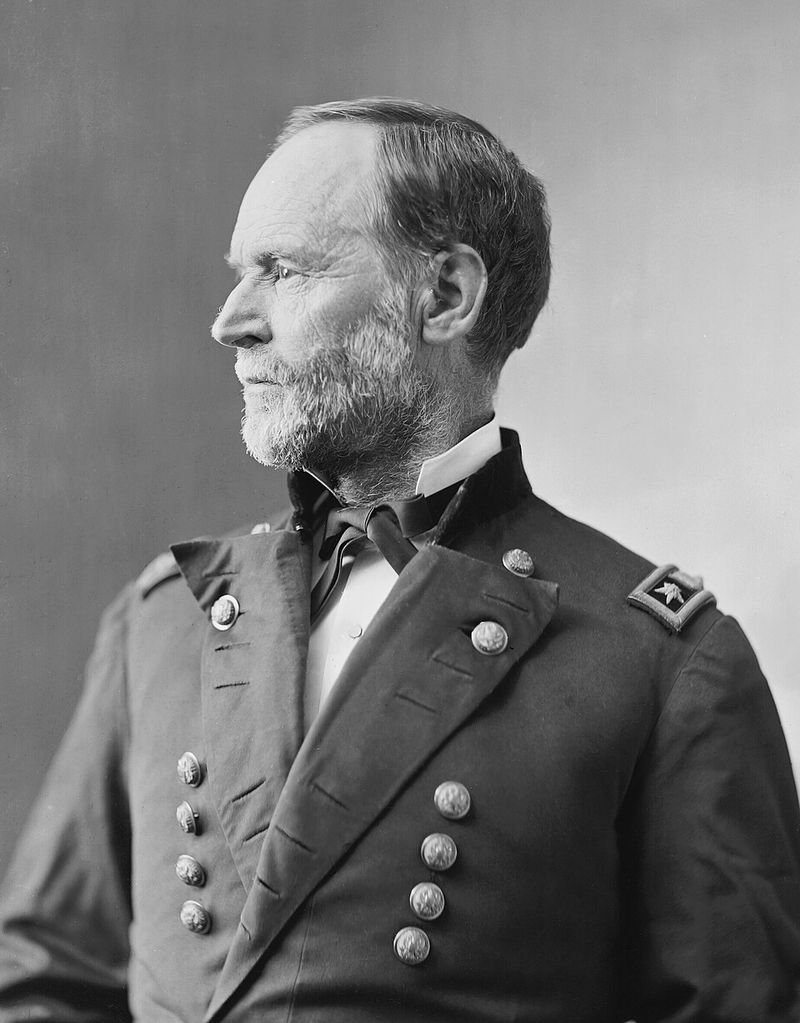
William Tecumseh Sherman understood something about war that many commanders preferred not to admit: to end a war quickly, you sometimes have to make it unbearable for the enemy’s entire society. His famous March to the Sea in 1864 cut a 60-mile wide path of destruction through Georgia, targeting the Confederate supply system and breaking civilian will to fight.
Sherman was not cruel for cruelty’s sake. He genuinely believed that total war would shorten the conflict and save lives in the long run.
His close friendship with Ulysses S. Grant formed one of the most effective military partnerships of the Civil War era.
His strategic thinking was ahead of its time, influencing how future wars would be fought. Sherman reportedly said war is hell, and he meant it as a warning, not a boast.
His campaigns remain studied in military schools around the world today.
7. John J. Pershing
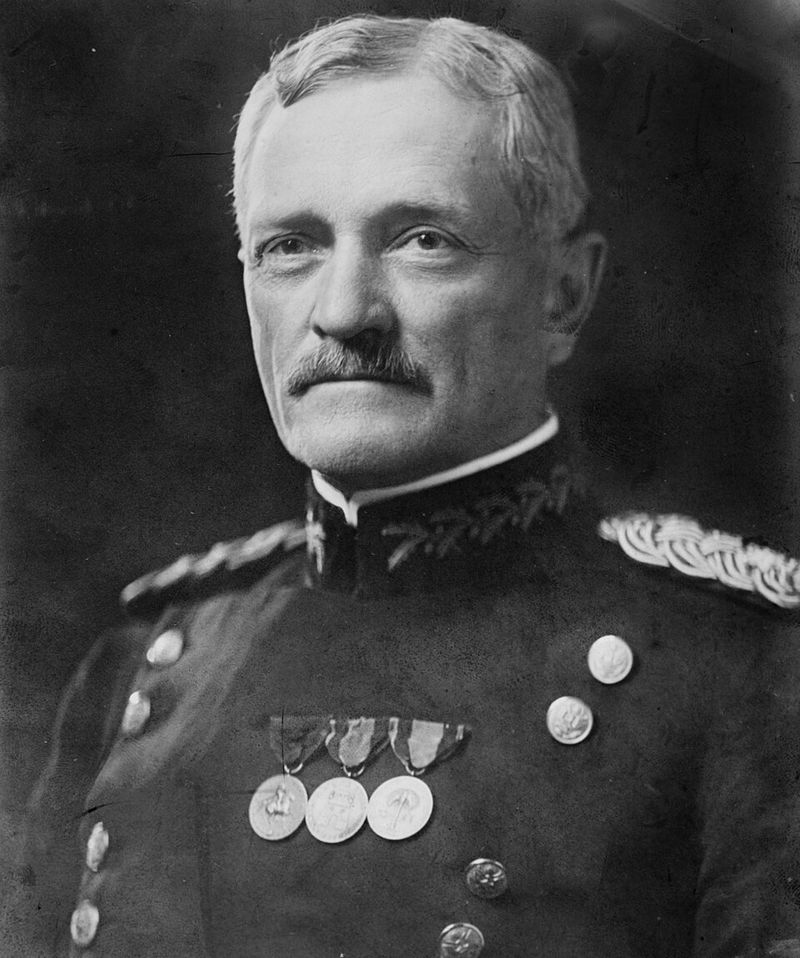
John J. Pershing earned the nickname “Black Jack” long before he became America’s top general in World War I.
As commander of the American Expeditionary Forces in Europe, he insisted that U.S. troops fight as an independent army rather than being absorbed into exhausted French and British units. That decision preserved American military identity at a critical moment.
Pershing trained and organized over two million soldiers and shipped them to France, helping tip the balance against Germany in 1918. His leadership during the Meuse-Argonne Offensive, one of the largest battles in U.S. military history, helped bring the war to an end.
After the war, Pershing became General of the Armies, the highest military rank ever held by a U.S. officer. He also mentored a generation of future leaders, including Eisenhower and Patton.
His influence stretched far beyond his own service years.
8. Omar Bradley
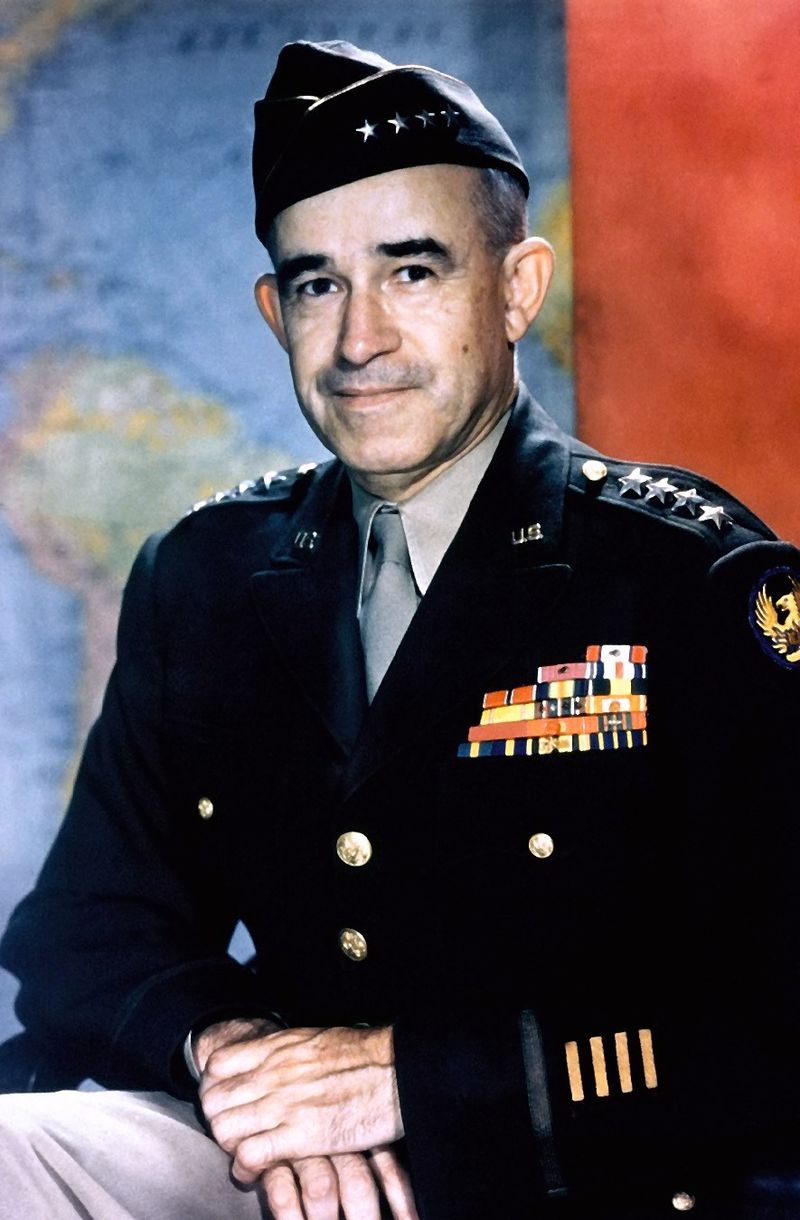
Omar Bradley was called the soldier’s general, and that title meant everything to the men who served under him. Unlike some commanders who kept their distance, Bradley was known for walking among his troops, understanding their struggles, and earning their deep respect.
His quiet confidence made soldiers believe they could accomplish anything.
During World War II, Bradley commanded the First U.S. Army during the D-Day landings and later led the 12th Army Group, the largest American field command in history, with over 1.3 million soldiers under his authority.
His steady leadership helped push German forces back across France and into Germany.
After the war, Bradley served as the first Chairman of the Joint Chiefs of Staff and helped shape the modern U.S. military. He was one of only five men ever promoted to General of the Army.
His reputation for decency and competence remains a gold standard for military leadership.
9. Winfield Scott
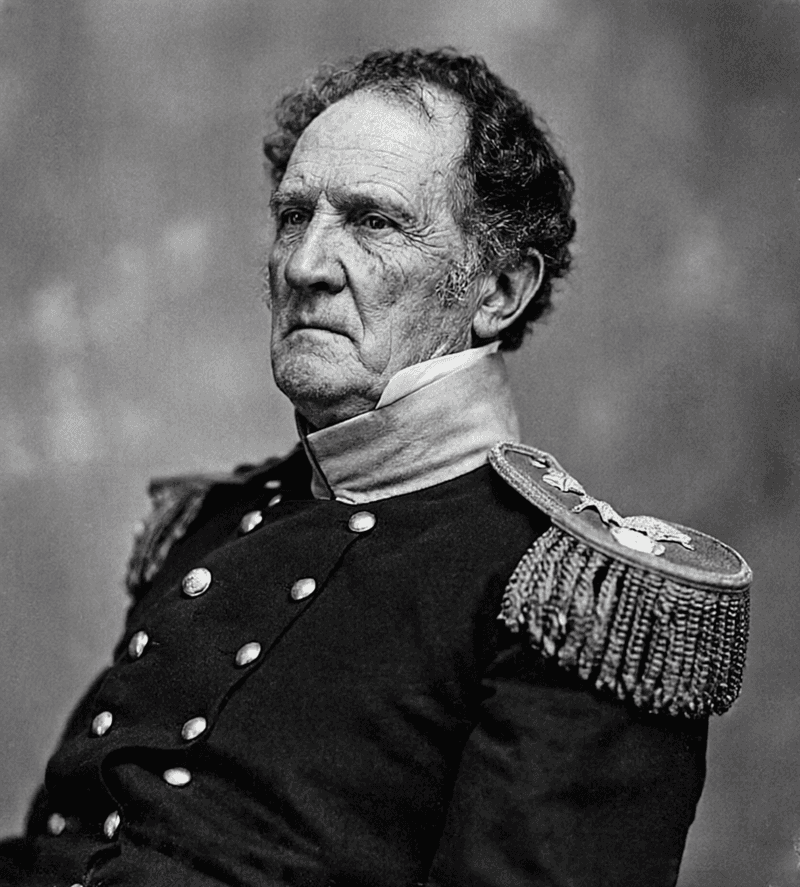
Winfield Scott served the U.S. Army for an extraordinary 53 years, longer than almost any other general in American history.
Known as Old Fuss and Feathers for his love of military ceremony and sharp dress, he was also one of the most talented strategists the country ever produced. His career spanned from the War of 1812 all the way to the early days of the Civil War.
Scott’s campaign during the Mexican-American War was a masterpiece. He landed at Veracruz and marched his army to Mexico City against difficult terrain and determined resistance, capturing the capital in 1847.
Military historians compare this campaign favorably to the greatest operations in military history.
Scott also developed the Anaconda Plan at the start of the Civil War, a naval blockade strategy that would eventually strangle the Confederacy. Though he retired before seeing it work, his strategic vision proved correct.
Few soldiers have contributed so much across so many decades.
10. Matthew Ridgway
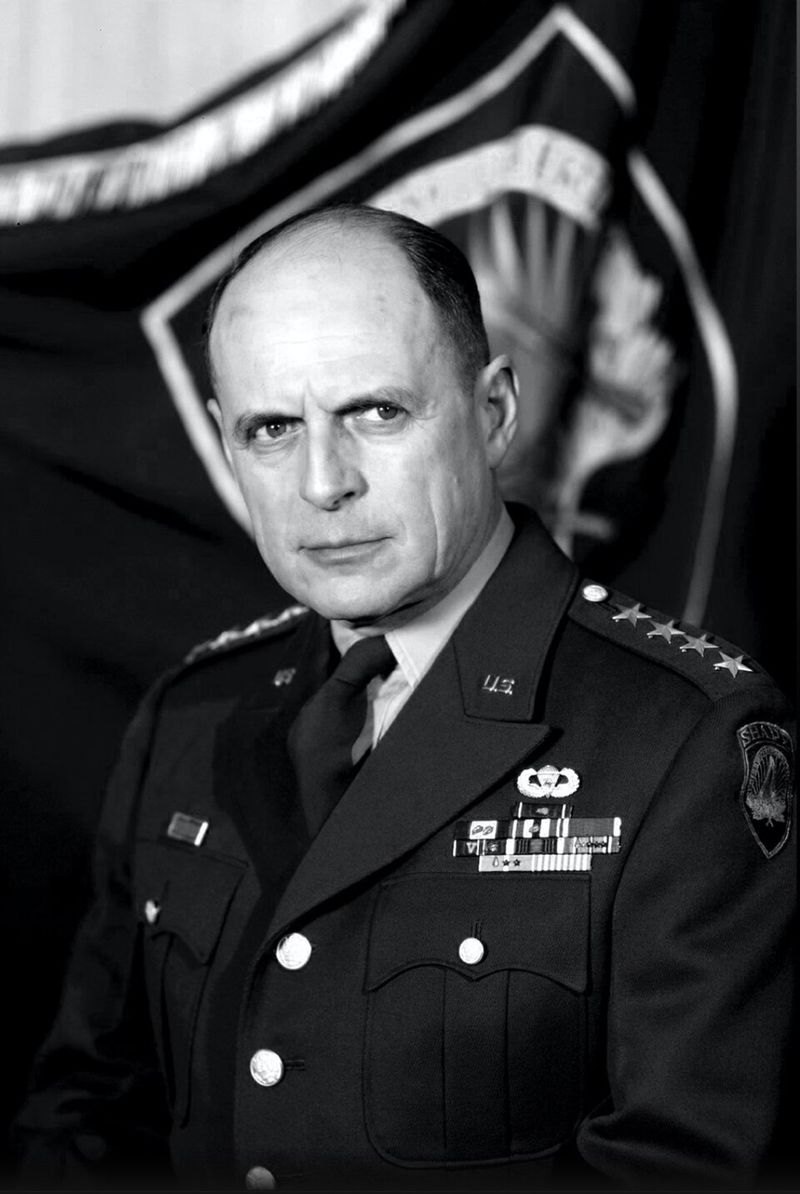
When the Korean War seemed lost and American forces were retreating in chaos in late 1950, Matthew Ridgway took command of the Eighth Army and turned the situation around in a matter of weeks. His arrival on the front lines was immediate and personal.
He drove to forward positions, assessed the situation himself, and started rebuilding the army’s confidence from the ground up.
Ridgway restored aggressive fighting spirit to troops who had been demoralized by massive Chinese attacks. He reorganized supply lines, demanded accountability from commanders, and personally appeared where the fighting was hardest.
Soldiers called him Iron Mike, and the name fit perfectly.
He later replaced Douglas MacArthur as commander of U.N. forces in Korea and eventually became NATO Supreme Commander and Army Chief of Staff. Ridgway is widely credited with saving the Korean War from complete disaster through sheer force of will and tactical brilliance.
11. Audie Murphy
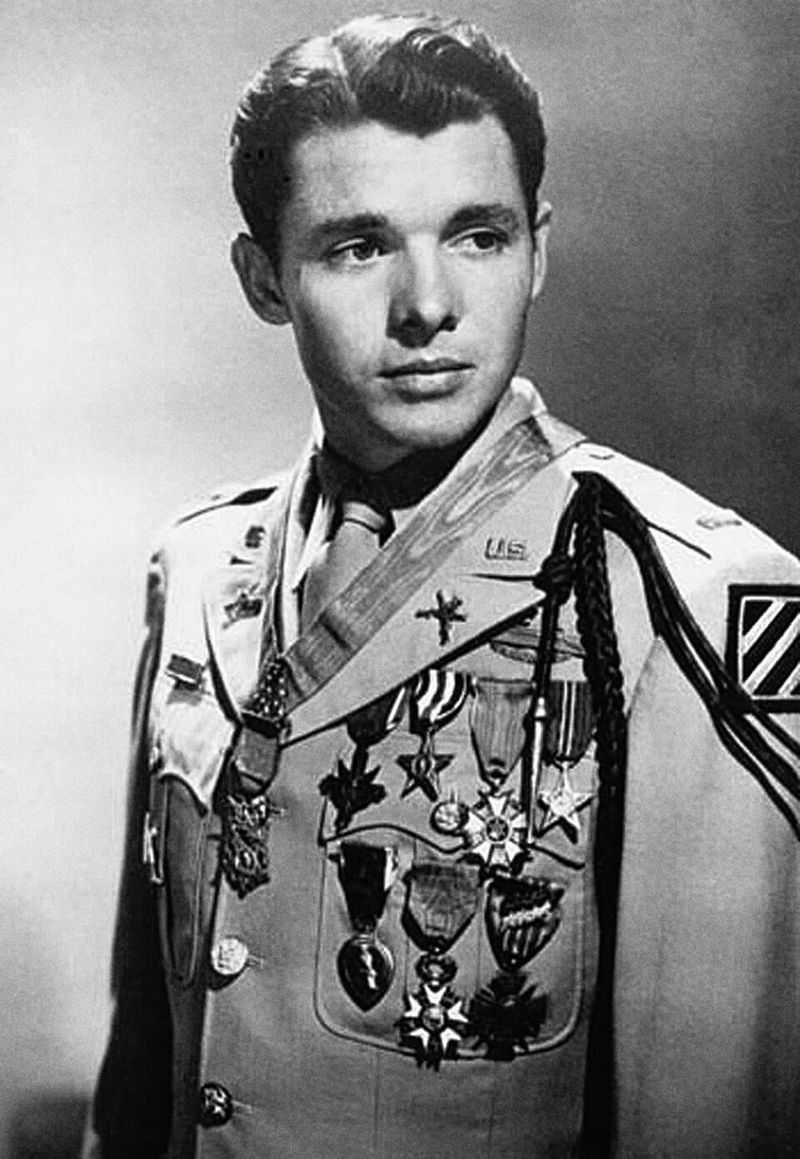
Audie Murphy was just a teenager when he became the most decorated American combat soldier of World War II. Born into poverty in Texas, he was initially rejected by multiple military branches before the Army accepted him.
What followed was a combat record that seemed almost impossible for one person to achieve.
On January 26, 1945, near Holtzwihr, France, Murphy single-handedly held off an entire German company for over an hour. He climbed onto a burning tank destroyer and used its machine gun to kill or wound dozens of enemy soldiers while directing his men by telephone.
He was wounded during the fight but refused to stop. For this action, he received the Medal of Honor.
Murphy earned 33 medals in total, including every decoration the U.S. Army offered.
After the war, he became a Hollywood actor and advocate for veterans struggling with what we now call PTSD. His bravery and humanity remain legendary.
12. Alvin C. York
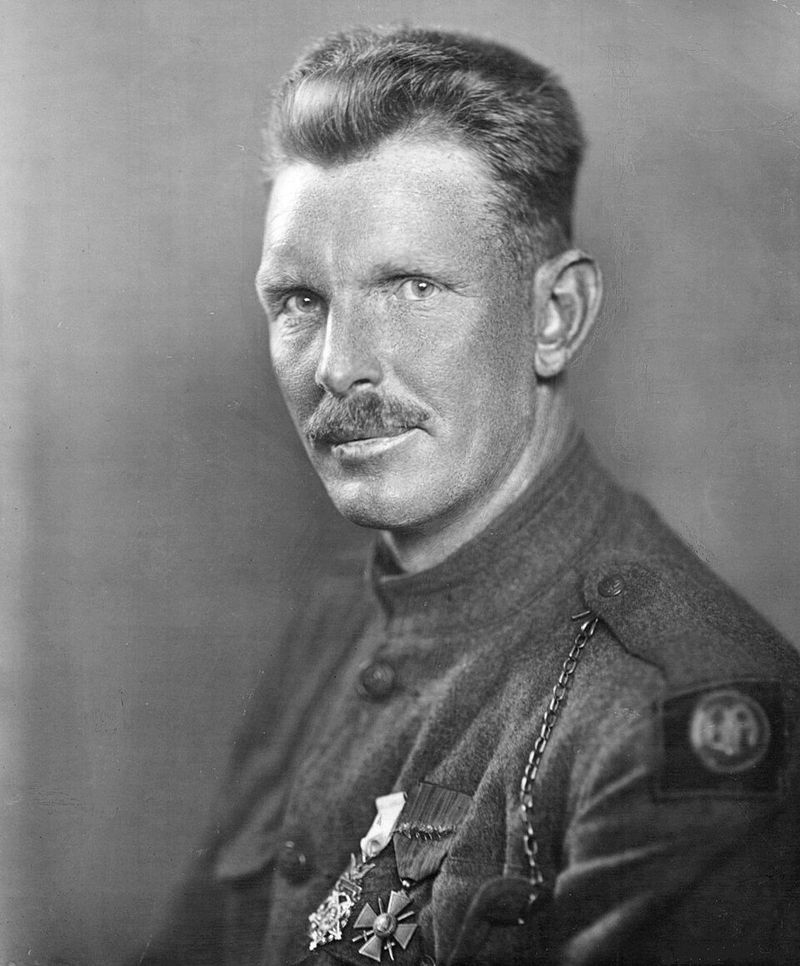
Alvin C. York grew up in the mountains of Tennessee as a skilled marksman who hunted to help feed his family.
When World War I began, he initially sought exemption from military service as a conscientious objector due to his religious beliefs. After deep personal reflection, he decided it was right to serve, and what he did next became one of the most remarkable stories in American military history.
On October 8, 1918, in the Argonne Forest of France, York almost single-handedly silenced a German machine gun battalion. Using his sharpshooting skills and extraordinary calm under fire, he killed 28 enemy soldiers and captured 132 prisoners with a small group of men.
The feat seemed impossible, but multiple witnesses confirmed every detail.
York received the Medal of Honor and became an instant national hero. He returned home to Tennessee and lived quietly, turning down fame and fortune.
His humility made his heroism even more admirable.
13. Norman Schwarzkopf Jr.
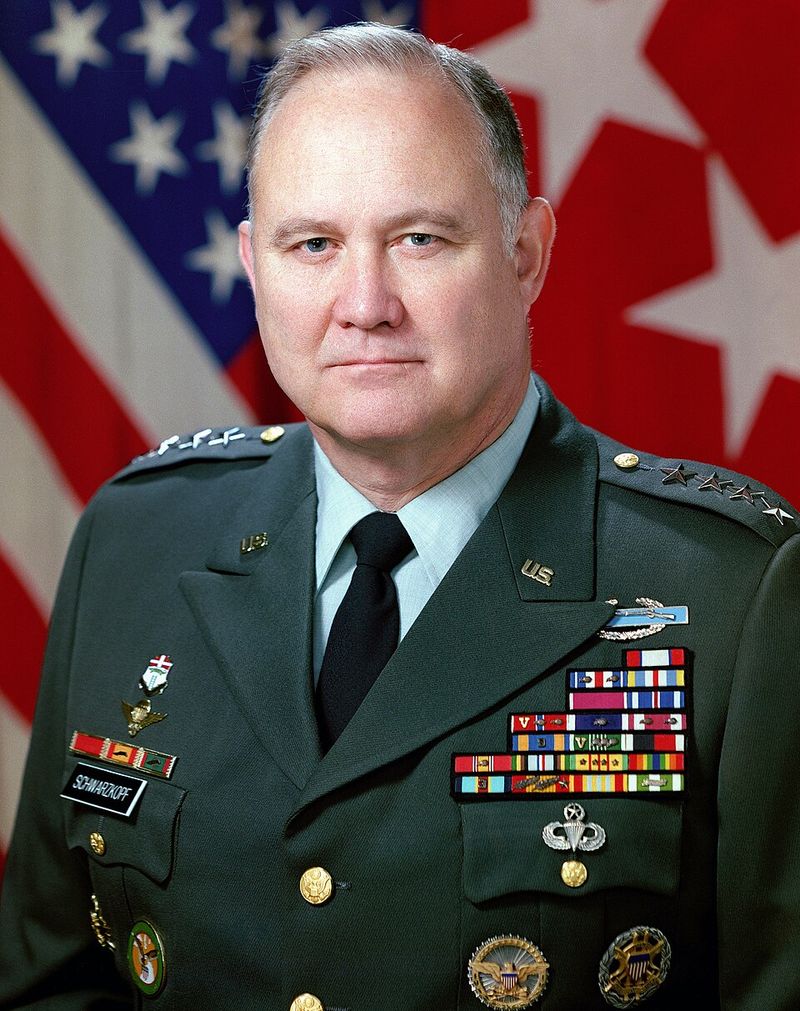
Norman Schwarzkopf Jr. earned the nickname Stormin Norman for his intense personality and powerful leadership style. As commander of coalition forces during Operation Desert Storm in 1991, he planned and executed one of the most decisive military victories in modern history.
The campaign to liberate Kuwait from Iraqi occupation lasted just 100 hours of ground combat.
Schwarzkopf’s famous left hook maneuver sent coalition forces sweeping around Iraqi defenses in a massive flanking attack that trapped and destroyed much of Saddam Hussein’s army. The operation was so well planned and executed that coalition casualties were remarkably low compared to the scale of the conflict.
Beyond the battlefield, Schwarzkopf was known for caring deeply about his soldiers’ welfare. He served two tours in Vietnam and earned multiple decorations for valor.
After retiring, he remained a respected public voice on military and national security matters until his death in 2012.
14. Daniel Inouye
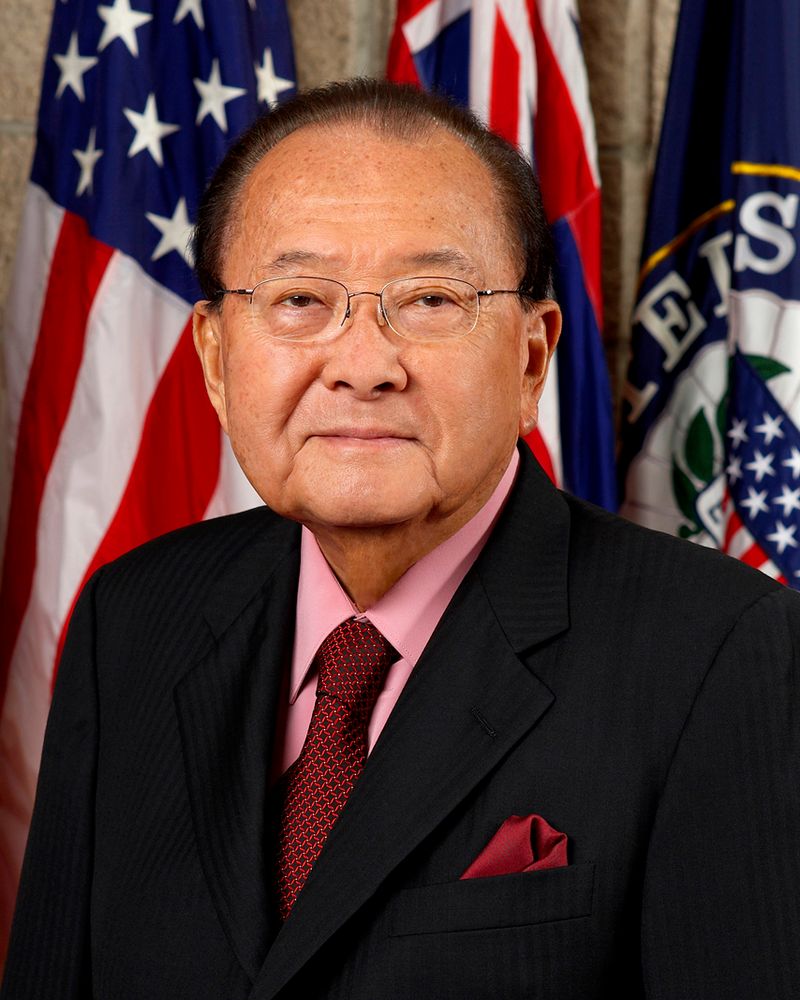
Daniel Inouye was a Japanese American who volunteered to fight for the United States even while the government was forcing Japanese American families into internment camps during World War II. That decision speaks volumes about his character.
He served with the legendary 442nd Infantry Regiment, the most decorated unit in U.S. Army history.
During a battle in Italy on April 21, 1945, Inouye led an assault on a heavily defended ridge. After being shot in the stomach, he continued attacking.
When a grenade was caught in his right arm, he pried it loose with his left hand and threw it at the enemy. He lost his arm that day but never stopped fighting until the objective was secured.
Inouye received the Medal of Honor for his actions and later became a U.S. Senator from Hawaii for over 50 years.
He was one of the most respected lawmakers in American history, a true hero in every sense.
15. Creighton W. Abrams Jr.
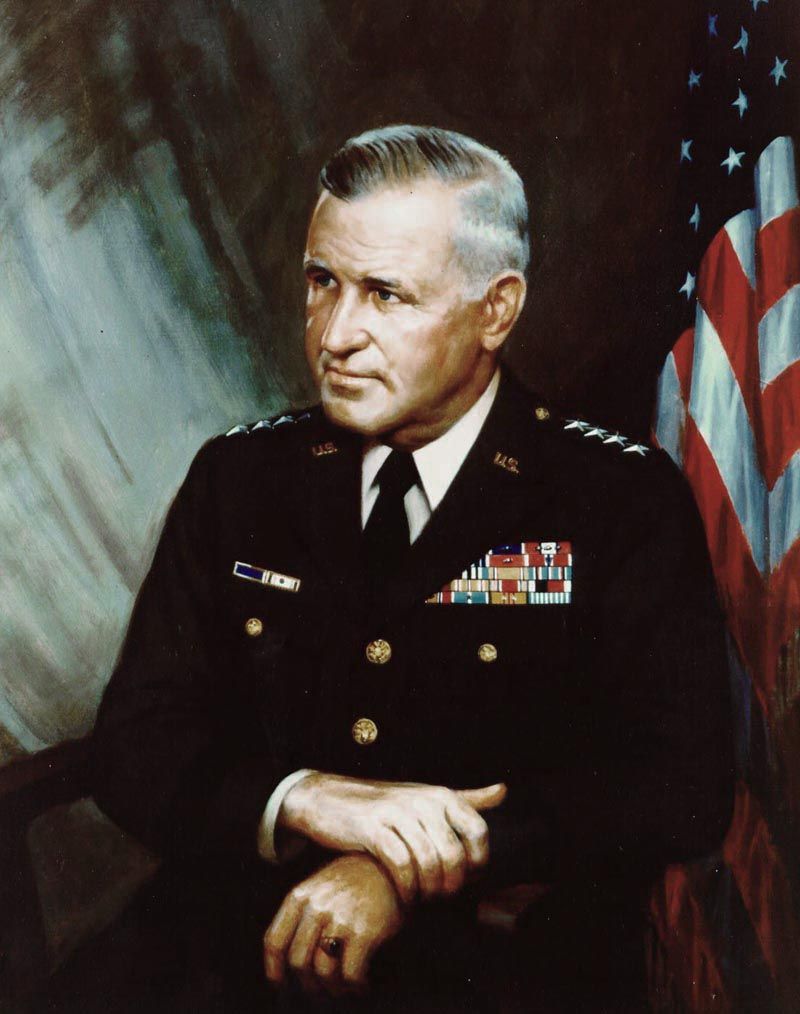
Creighton Abrams was the kind of soldier other soldiers wanted to follow into battle. During World War II, he commanded a tank battalion under Patton’s Third Army and was so effective that Patton reportedly said Abrams was the best tank commander in the Army.
High praise from a man who set the standard for armored warfare.
Abrams later commanded U.S. forces in Vietnam from 1968 to 1972, inheriting a deeply complicated war and working to improve both military effectiveness and relations with South Vietnamese forces. His approach was more patient and nuanced than his predecessors, focusing on pacification and building local capacity alongside combat operations.
He became Army Chief of Staff and worked to rebuild the military after the Vietnam era. The M1 Abrams tank, the backbone of the U.S.
Army today, was named in his honor. That tribute alone tells you how highly his country regarded his service and vision.
Share this story