The Museum of Native American History in Bentonville offers an extraordinary journey through more than 24,000 years of Indigenous history, all with free admission. Visitors can explore thousands of authentic artifacts, including a towering woolly mammoth skeleton, intricate pottery, beadwork, and stone tools, while learning about the rich cultures and histories of Native peoples across North America.
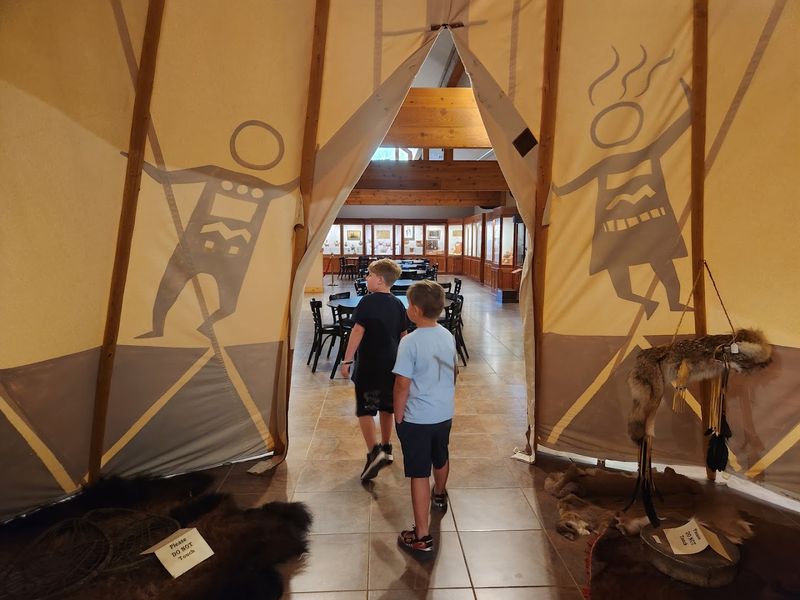
Beyond its galleries, the museum features interactive audio tours, a traditional tipi, an Indigenous medicine garden, and family-friendly programs throughout the year. Combining engaging exhibits with thoughtful storytelling, it stands out as one of Arkansas’ premier cultural attractions.
A Founder’s Vision That Started With One Arrowhead
Some of the most remarkable institutions in the world begin with a single, humble object. The Museum of Native American History traces its origins to David Bogle, a registered member of the Cherokee Nation who was born and raised in Bentonville, Arkansas. His collecting journey started when he purchased an arrowhead collection from his childhood scoutmaster, a transaction that quietly ignited a lifelong passion.
That passion eventually produced one of the most comprehensive private collections of Native American artifacts in the United States. Bogle’s mission was never about ownership; it was always about education and shared understanding. He wanted a space where visitors could genuinely connect with the depth, diversity, and brilliance of Indigenous cultures across the Americas.
The museum first opened downtown in 2006 under the name Museum of Native American Artifacts, then expanded into its current home at 202 SW O Street by June 2008. One arrowhead sparked all of it, which feels like a fitting origin story for a place built on the power of small things.
Tusker: The 12,000-Year-Old Welcome Committee
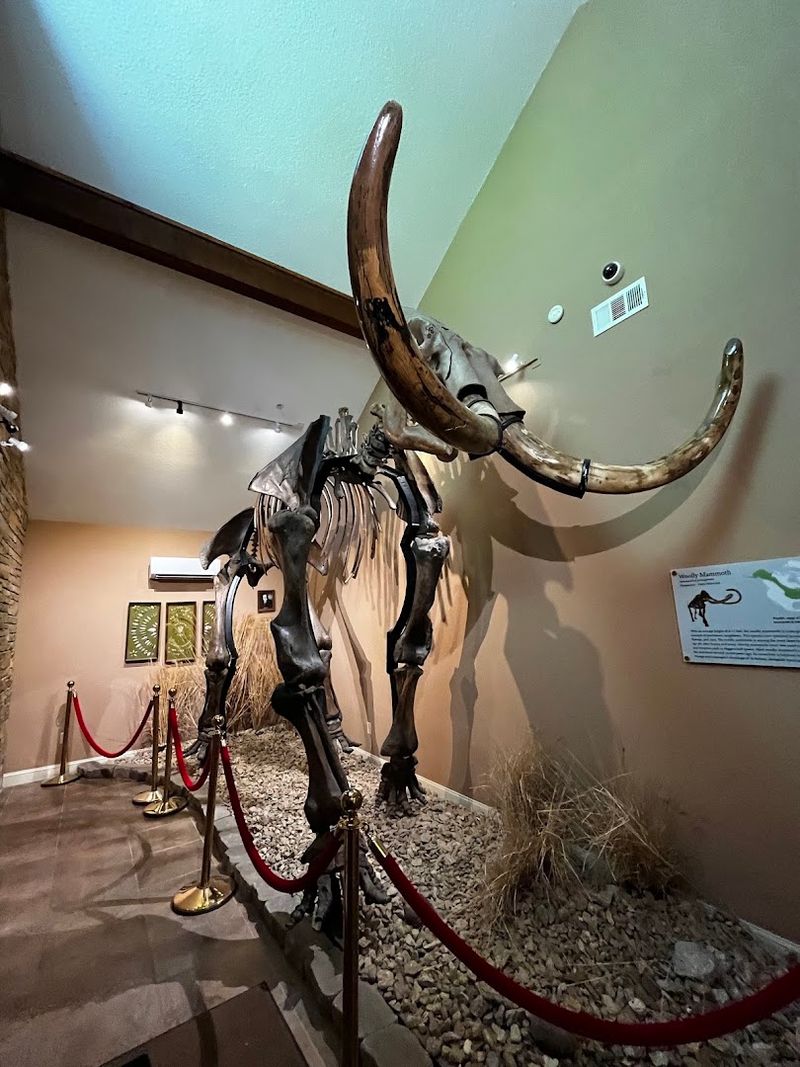
Not many museums greet you with a woolly mammoth, but this one does, and it sets the tone perfectly. Dominating the entrance hall is Tusker, a colossal 12,000-year-old woolly mammoth skeleton that commands immediate attention. The sheer scale of the creature stops most visitors mid-stride, and I was no exception.
Tusker belongs to the Paleo era, the earliest period covered by the museum’s chronological displays, stretching back to roughly 22,000 B.C. His presence is not merely decorative; it anchors the entire narrative of early human life in North America, reminding visitors that the first Indigenous peoples shared their world with megafauna of staggering proportions.
The skeleton is impeccably preserved and displayed with enough contextual information to make the encounter genuinely educational rather than just visually dramatic. Younger visitors especially tend to freeze in front of Tusker with wide eyes, which is exactly the kind of awe this museum is designed to produce. And trust me, the wonders do not stop at the entrance.
Five Eras, One Sweeping Timeline of Human Ingenuity
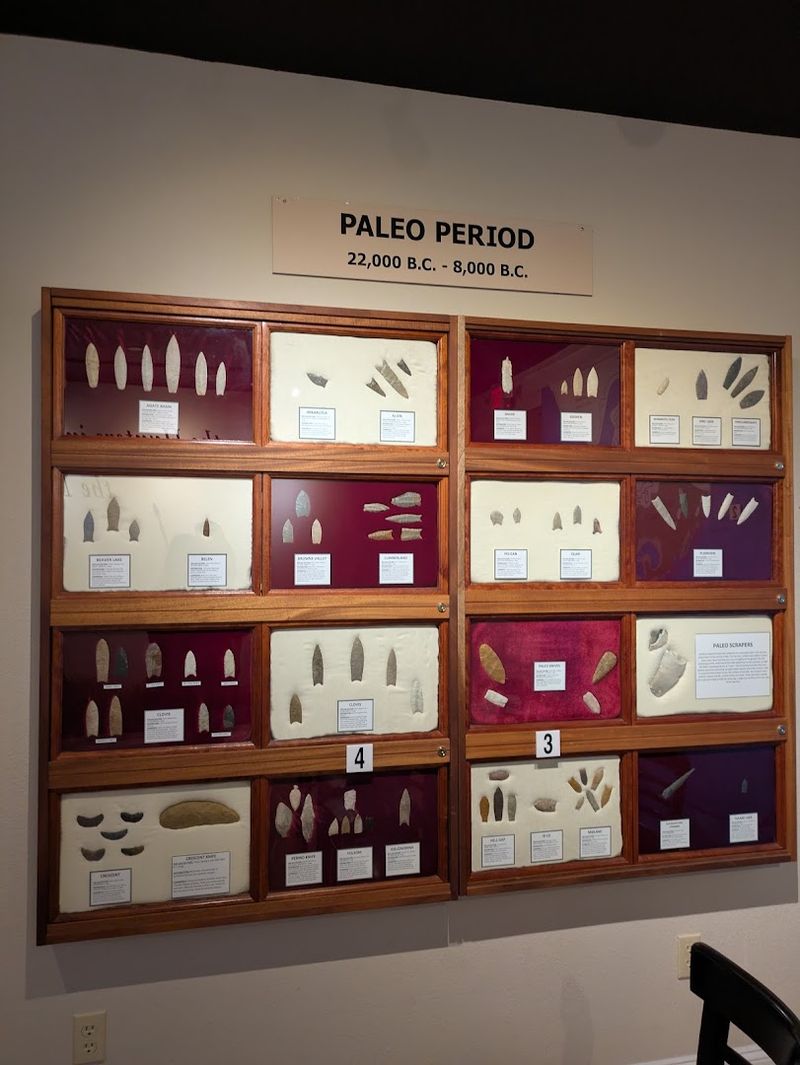
The organizational logic of this museum is one of its greatest strengths. Rather than grouping artifacts by tribe or region, the collection is arranged chronologically across five distinct cultural periods, creating a narrative arc that feels genuinely cinematic. You move through time as you move through the galleries, and the progression is both intuitive and deeply satisfying.
The journey begins with the Paleo era, spanning roughly 22,000 to 8,000 B.C., where rudimentary flint tools and early hunting implements tell the story of nomadic survival. The Archaic period follows, covering 8,000 to 1,000 B.C., showcasing advances in fishing techniques and the emergence of more permanent settlements. The Woodland period then introduces early pottery and refined woodworking.
The Mississippian era, from 900 to 1,450 A.D., is where artistic expression truly flourishes, with intricate ceramics and elaborate effigies filling entire cases. The Historic period closes the loop, connecting ancient traditions to the centuries of cultural exchange that followed European contact. The result is a timeline you can walk through rather than simply read about.
Pottery That Tells Stories No Words Could Capture
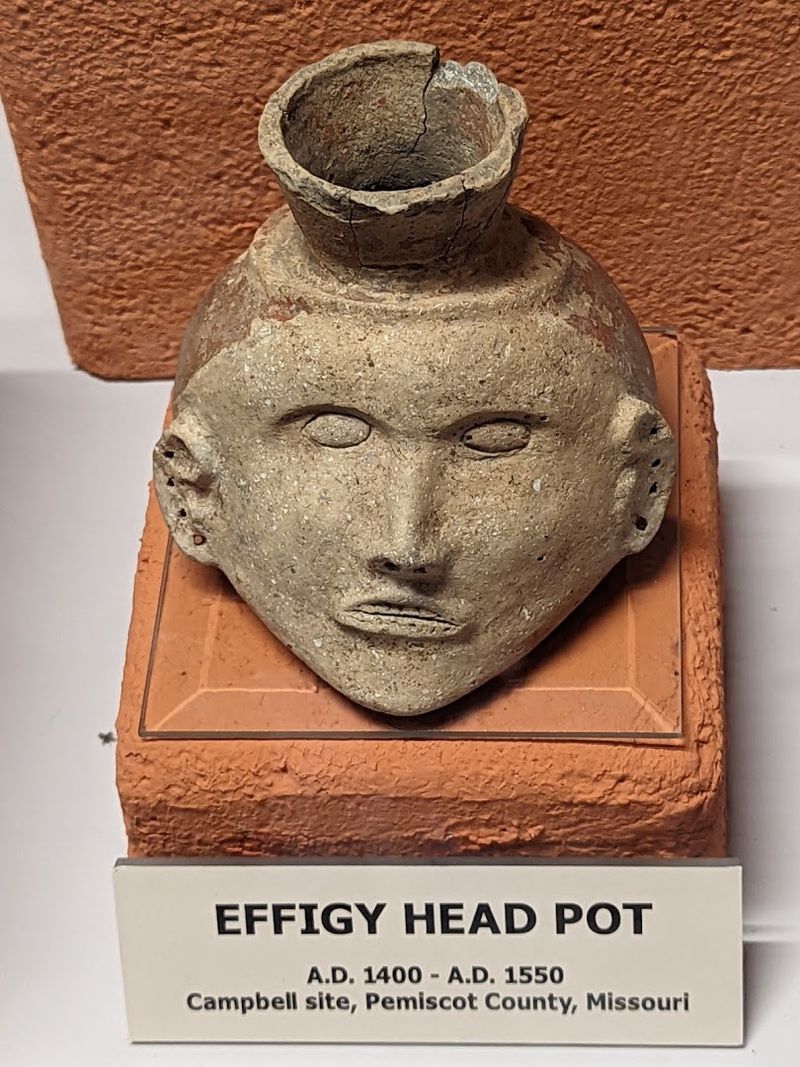
Few things in the museum stopped me as completely as the pottery collection. The Mississippian-era ceramics are extraordinary, and the effigy vessels shaped like human heads are among the most striking objects I have encountered in any museum anywhere. Each one carries an almost uncanny expressiveness, as if the maker poured something personal into the clay before firing it.
The collection also includes Meso-American ceramics featuring human figures, alongside the distinctive geometric patterns of Mimbres pottery from the American Southwest. Together, these pieces illustrate how ceramic traditions evolved across centuries and across thousands of miles of diverse terrain, adapting to local materials, spiritual beliefs, and artistic sensibilities.
What makes the presentation particularly effective is the accompanying context. Brief, clear descriptions explain the symbolic significance of specific shapes and markings, transforming objects that might otherwise feel opaque into windows onto entire belief systems. You do not need a background in art history to appreciate what you are looking at; the museum does the interpretive work for you, and it does it beautifully.
Beadwork, Headdresses, and the Art of Identity
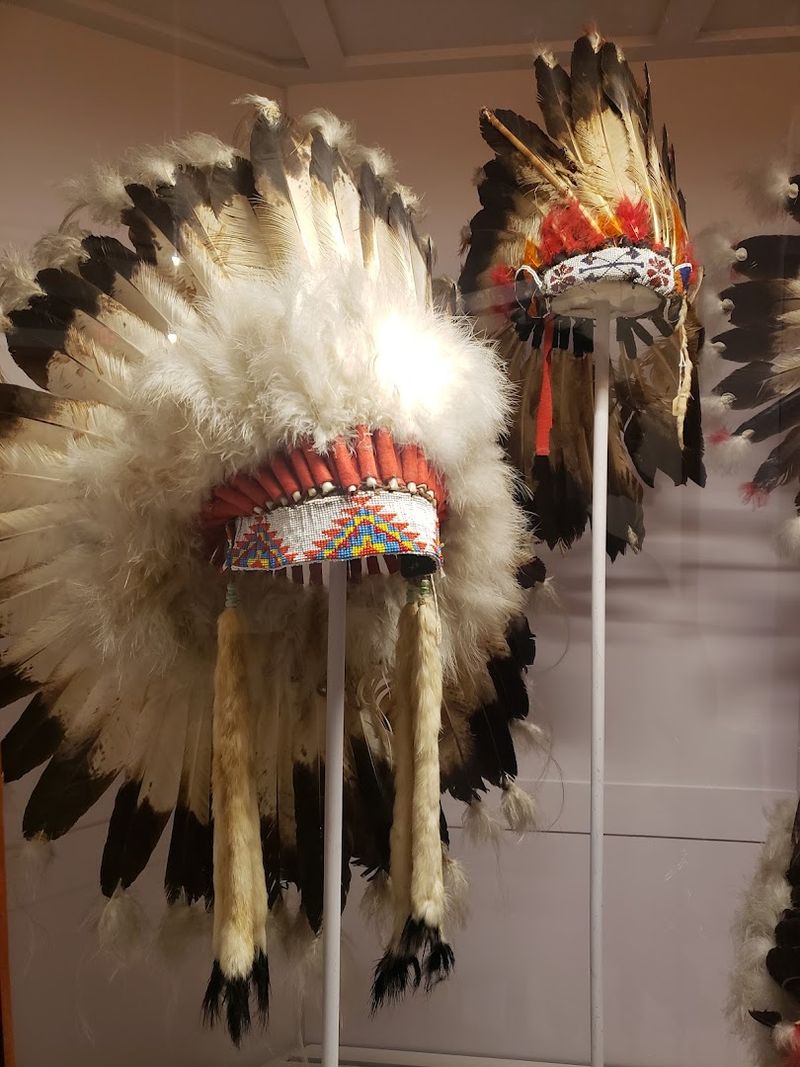
There is a moment in the regalia section of the museum where you realize that every stitch, every bead, and every feather carries deliberate meaning. The beadwork displays are genuinely breathtaking, tracing the evolution of this craft from bone beads used thousands of years ago to the explosion of color and intricacy that followed the introduction of European glass trade beads.
Eagle feather headdresses from Plains tribes are displayed with careful reverence, accompanied by explanations of what each feather represented within its community, typically a mark of bravery or distinction earned through specific acts. The museum also features original garments from the Osage Nation dating to the early 1900s, pieces so historically significant that filmmakers behind the production of Killers of the Flower Moon sent an Osage consultant specifically to study and measure them for accuracy.
That detail alone underscores how seriously this collection is regarded beyond its physical walls. These are not reproductions or approximations; they are authentic records of cultural identity, preserved with the respect they deserve and displayed in ways that honor their original meaning.
Arrowheads Beyond Counting: A Collection That Defies Expectation
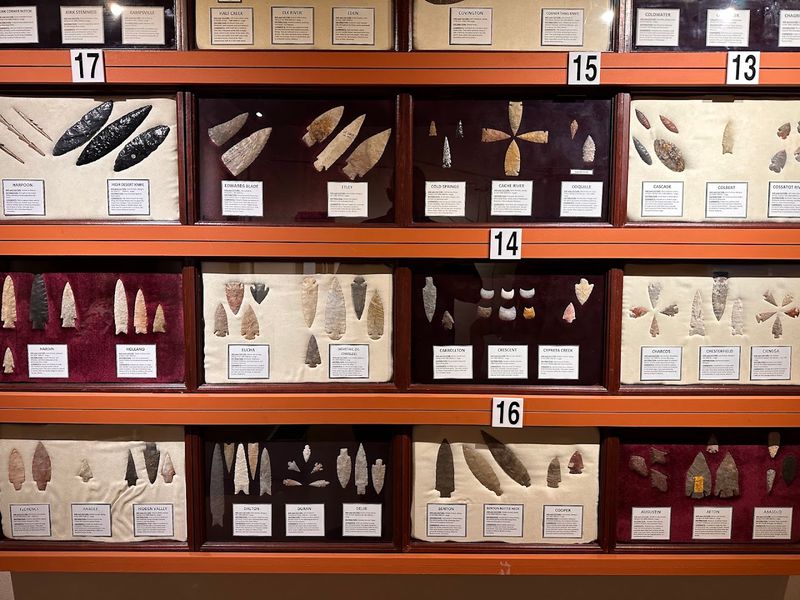
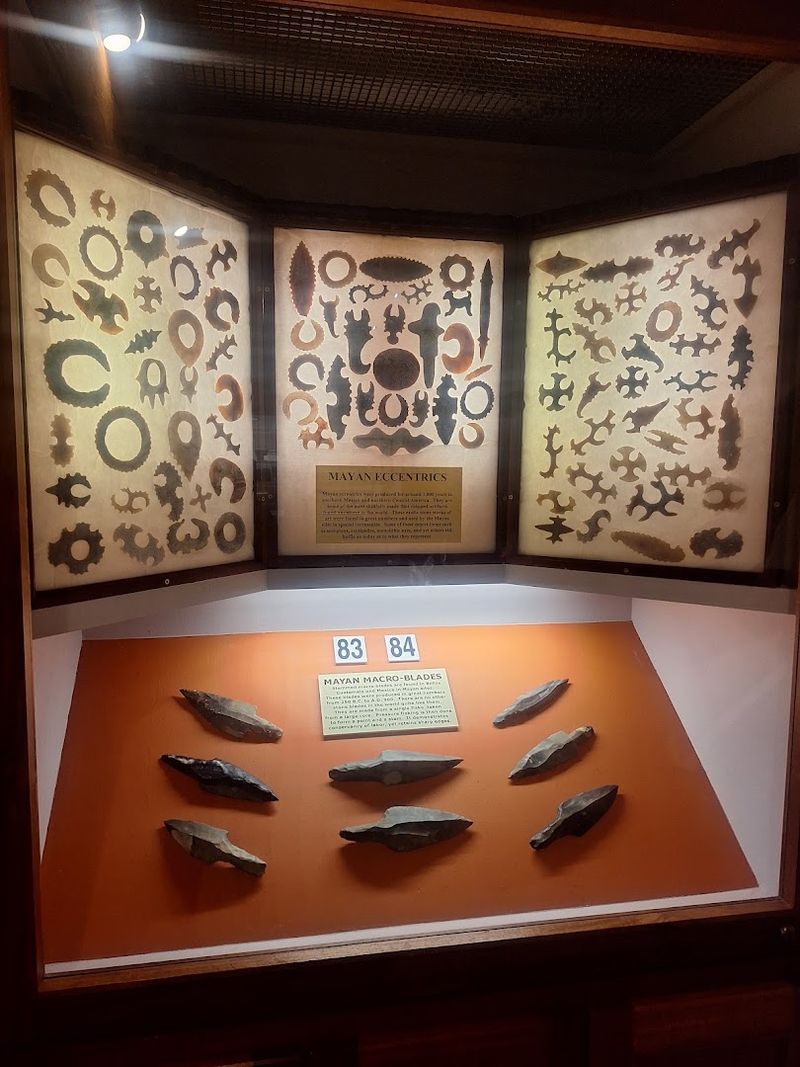
Before visiting, I thought I had a reasonable sense of what an arrowhead collection might look like. A few dozen pieces, maybe a hundred, arranged in a modest case. The reality here is on an entirely different scale. The museum houses thousands of arrowheads sourced from across the United States and the broader Americas, and the sheer variety of form, size, and material is genuinely humbling.
Each type of point carries its own name, its own geographic origin, and its own story about the people who made and used it. The difference between a Clovis point and a later Archaic style is not just aesthetic; it reflects centuries of accumulated knowledge about materials, hunting techniques, and regional environments. The museum presents all of this context clearly, making the collection accessible to complete newcomers and fascinating to those with existing knowledge.
The audio guide device, which resembles a remote controller and is available in both English and Spanish, is particularly useful in this section. It fills in details that wall text alone cannot convey, and it keeps the pace comfortable so you never feel rushed past something worth lingering over.
Winter Counts and the Art of Remembering Time
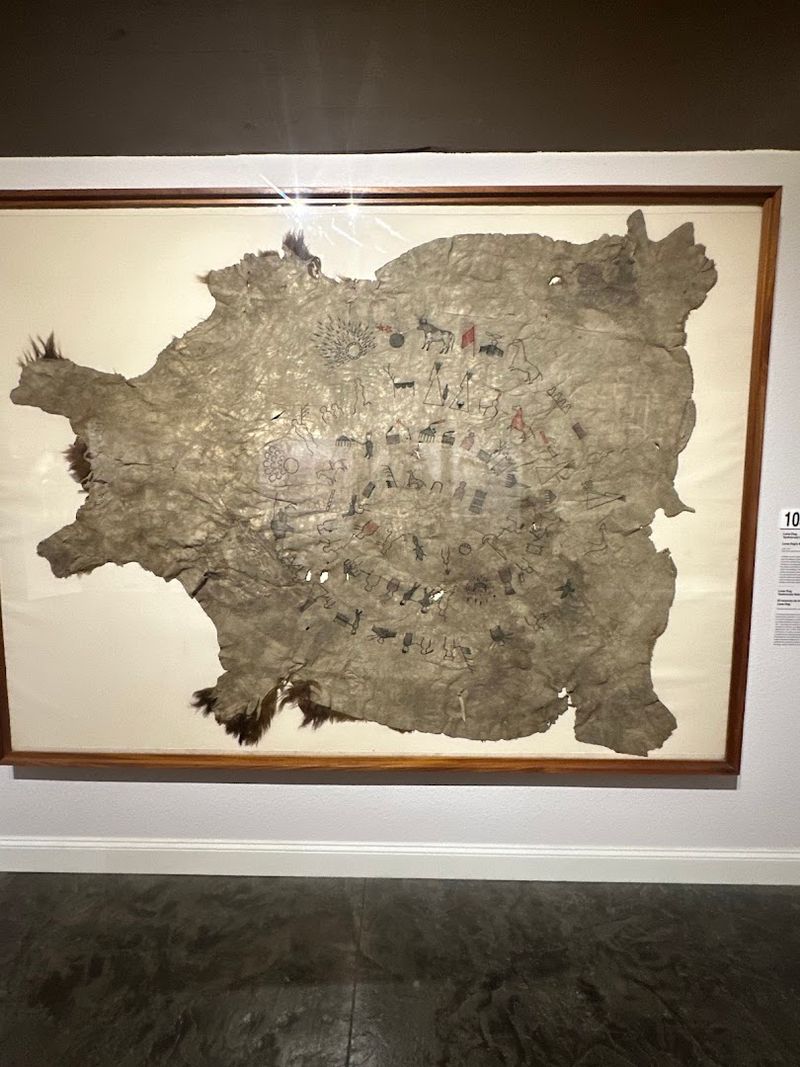
Among all the artifacts in the museum, the winter counts are perhaps the most quietly extraordinary. A winter count is a pictographic calendar, traditionally painted on animal hide, that recorded the most significant event of each year within a given community. They were the living memory of a people, maintained by designated keepers and updated annually with a new symbol representing whatever the community deemed most defining about that particular year.
The museum holds two winter counts, and that number matters more than it might initially seem. Fewer than 100 authentic winter counts are believed to survive in existence worldwide, making each one an irreplaceable historical document. Seeing them displayed here, with explanations of the pictographic system used to encode decades of collective memory, is one of those museum moments that shifts your perspective in a lasting way.
The fact that this level of cultural preservation exists in Bentonville, Arkansas, freely accessible to anyone who walks through the door, feels like something worth celebrating loudly. This is the kind of artifact that belongs in the conversation alongside the most significant historical documents anywhere in the world.
The Outdoor Experience: Gardens, Tipis, and Hidden Arrowheads
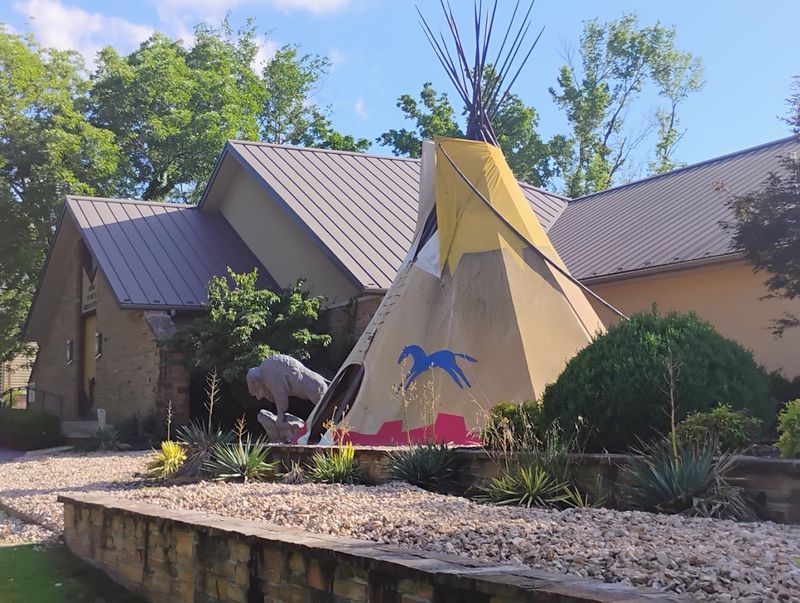
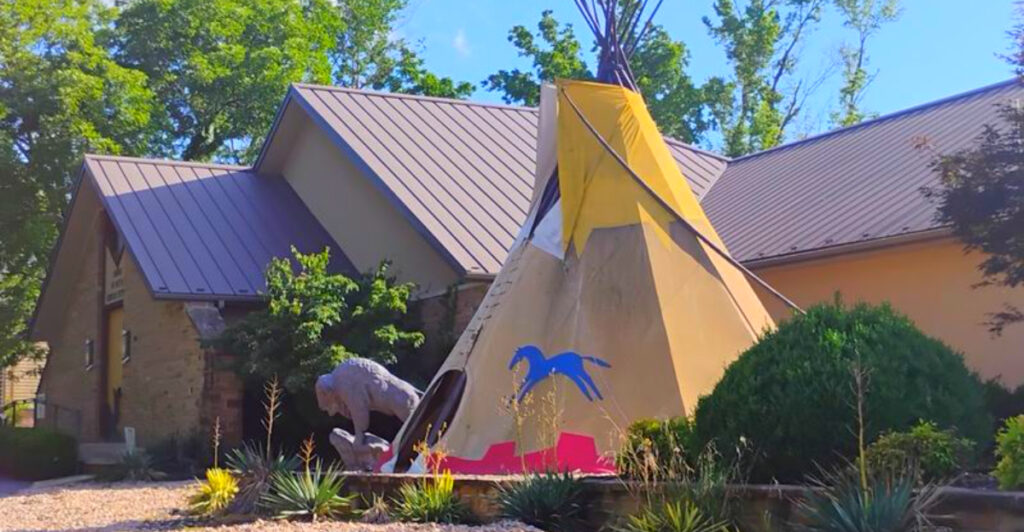
The experience at this museum does not end at the exit door. Just outside the main building, a traditional tipi anchors an outdoor area that includes one of the most charming interactive features I have encountered at any cultural institution: a free arrowhead hunt. Visitors under 15 can search among the rocks for hand-knapped arrowheads and keep one as a complimentary souvenir, which is exactly the kind of tactile, memorable detail that makes history feel personal rather than abstract.
Adjacent to the tipi area, an indigenous medicine garden showcases native trees, plants, and vegetables that were central to Indigenous life across the Americas. Echinacea, elderberries, maple trees, lavender, and kale grow alongside interpretive signage explaining their traditional uses in food, medicine, and ceremony. The garden is currently expanding into a larger living exhibition called The Gardens of Indigenuity, which promises even deeper engagement with traditional ecological knowledge.
On a warm afternoon, the outdoor space offers a genuinely peaceful complement to the indoor galleries, slowing the pace and encouraging a different kind of reflection on the relationship between Indigenous cultures and the natural world.
A Land Acknowledgment That Means Something Real
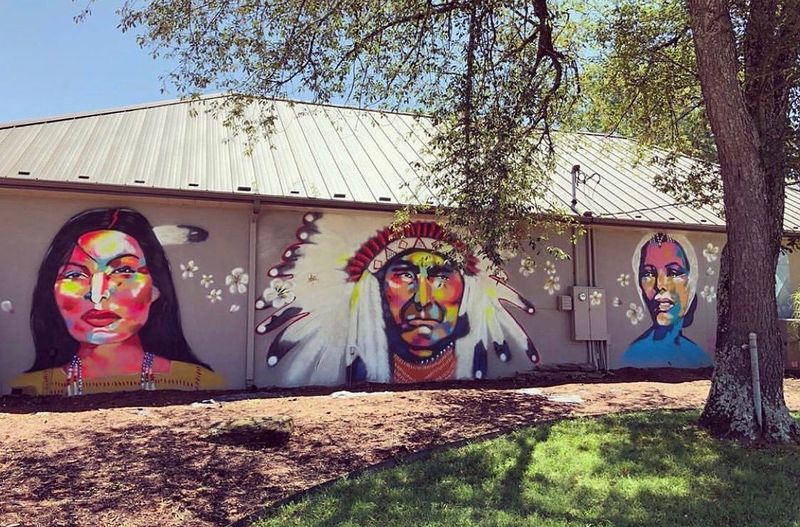
Many institutions include land acknowledgments as a formality, a few lines read quickly before moving on. The approach here feels genuinely different. The museum’s acknowledgment specifically names the Kadohadacho (Caddo), Wahzhazhe (Osage), and Okaxpa (Quapaw) peoples, among many others who stewarded the land now known as Arkansas across centuries before European contact.
This acknowledgment is not tucked into a corner or printed in small text. It is presented as a foundational principle that shapes the museum’s entire curatorial philosophy, informing how artifacts are displayed, how stories are told, and how the institution positions itself as an educative partner to living Indigenous communities rather than simply a custodian of their past.
The museum’s guiding concept of Indigenous natural L.A.W., representing Land, Air, and Water, threads through both the indoor exhibits and the outdoor medicine garden, reinforcing the idea that Indigenous relationships with the natural world were and remain sophisticated, intentional, and deeply ethical. This framing elevates the museum from a collection of objects to a statement of values, and that distinction is one you feel throughout your entire visit.
Programs, Events, and the Museum as Community Hub
A museum that only displays things is doing half the job. This one clearly understands that, and its programming calendar reflects a genuine commitment to cultural exchange rather than passive observation. The annual Native American Cultural Celebration has drawn thousands of visitors to multi-day events featuring concerts, workshops, speakers, and film screenings that connect historical narratives to contemporary Indigenous voices.
For families with younger children, Storytime at MONAH runs on the last Saturday of each month, pairing engaging narratives with hands-on crafts designed to make Indigenous history accessible and fun for early learners. During summer, free drop-in guided tours run on select Tuesdays, offering structured insights for visitors who want more context than the self-guided audio tour provides.
The museum also serves as a platform for contemporary Native American artists and community leaders, ensuring that the building functions as a living cultural space rather than a historical archive. These programs transform what could be a single visit into an ongoing relationship with the institution, and that sense of continuity is exactly what meaningful public education looks like in practice.
Planning Your Visit: Everything You Need to Know Before You Go
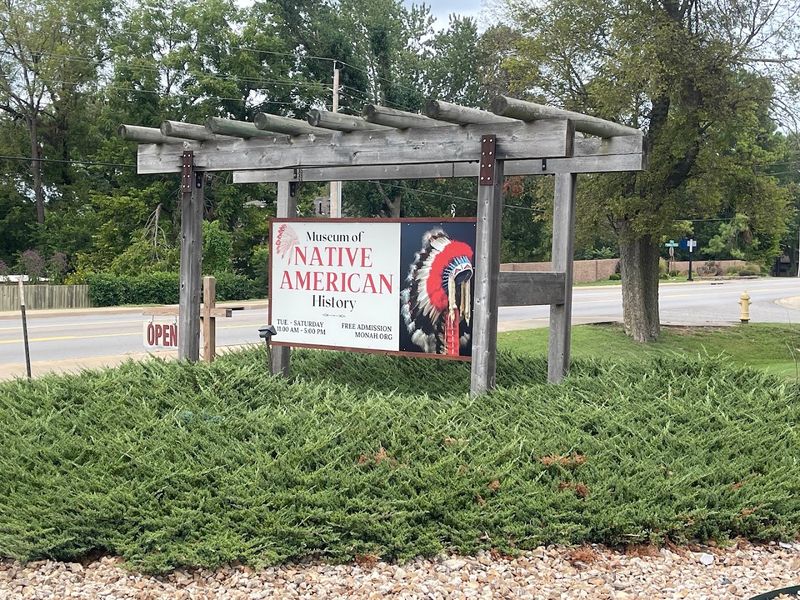
The Museum of Native American History at 202 SW O Street in Bentonville, Arkansas is open Tuesday through Saturday from 11 AM to 5 PM. The museum closes on Sundays, Mondays, and major holidays including New Year’s Day, Thanksgiving, and Christmas. Arrival by 2 PM gives you a comfortable window, though many visitors have discovered that five hours is barely enough to absorb everything on offer.
Admission is completely free, supported entirely by donations, so bringing a few dollars to contribute is a genuinely meaningful gesture. The free self-guided audio tour, available in English and Spanish via a handheld device, is strongly recommended and adds significant depth to the experience without adding any cost. The museum is fully wheelchair accessible, and on-site parking is available and easy to navigate.
The phone number for visitor inquiries is 479-273-2456, and the museum’s website at monah.org provides updated information on special exhibitions and upcoming events. With a 4.9-star rating across more than 1,300 reviews and consistent recognition as one of Bentonville’s top cultural attractions, this is one visit that will quietly exceed every expectation you arrive with.
Share this story