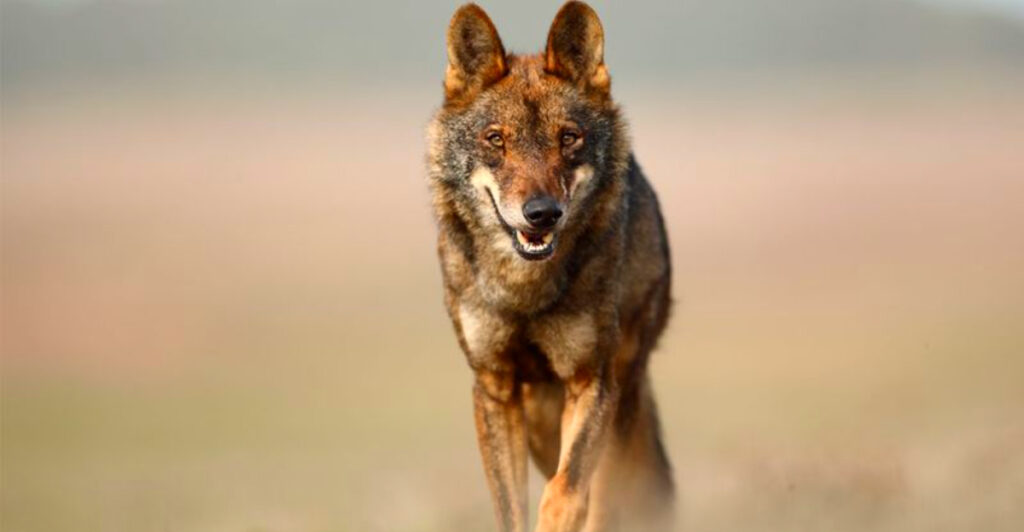
Wild wolves in Europe are not easy to find, and that is precisely what makes spotting one so unforgettable. These large, intelligent predators cover enormous territories, avoid humans with impressive skill, and tend to move most freely at dawn and dusk when most visitors are still asleep. Europe actually holds a surprisingly healthy wolf population spread across countries like Spain, Romania, Italy, Poland, and beyond, with numbers continuing to grow thanks to decades of conservation work. Some regions now support dozens of packs, and a handful of destinations have built entire wildlife tourism industries around respectful, guided wolf watching.
This list covers 15 of the continent’s finest locations for experiencing wolves in their natural habitat, ranging from rugged Iberian hills to ancient Carpathian forests. Each place offers something slightly different, but all share one thing in common: the genuine, heart-stopping possibility of watching a wild wolf cross an open hillside at first light.
1. Abruzzo, Lazio and Molise National Park, Pescasseroli, Abruzzo, Italy
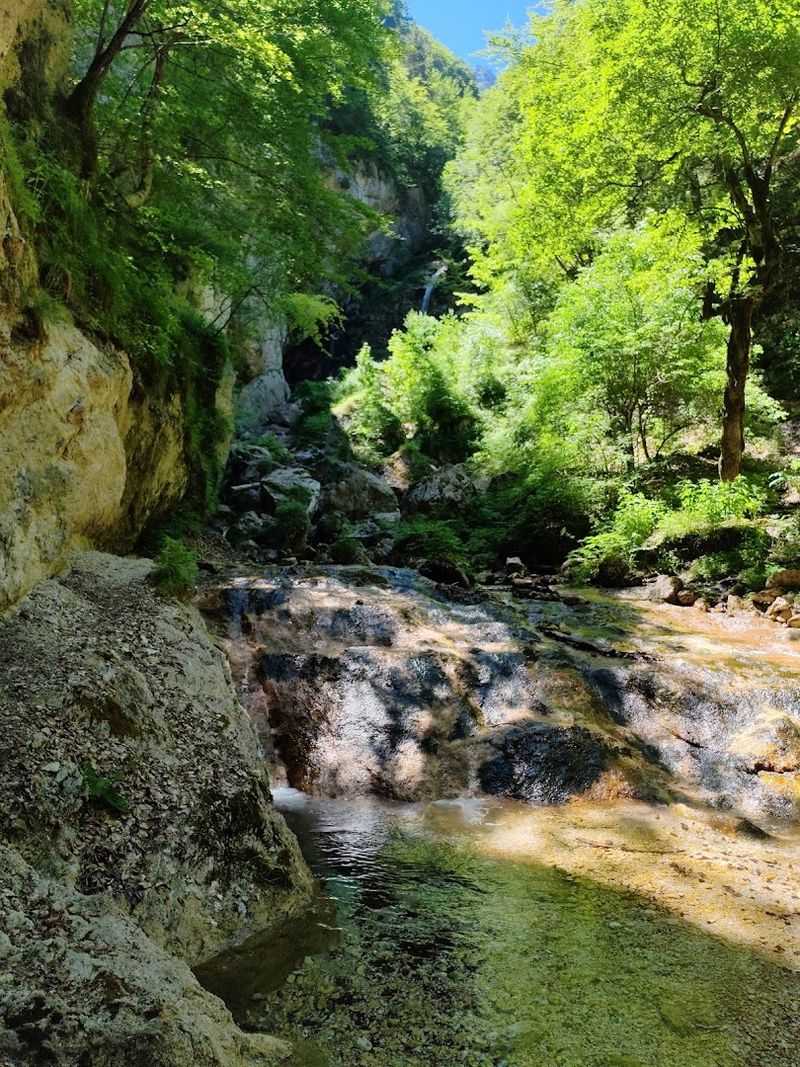
Established in 1923, this national park in central Italy is the birthplace of modern wolf conservation on the Apennine Peninsula, and the Apennine wolf has been its star resident ever since.
In the 1970s, the entire Italian wolf population had collapsed to fewer than 100 individuals. Decades of protection within this park helped reverse that trend dramatically, and today an estimated 50 to 70 wolves roam its beech forests and mountain valleys.
Guided tracking programs run throughout the year, with winter offering a particular advantage since fresh snow reveals paw prints, travel routes, and hunting behavior in remarkable detail.
The Apennine Wolf Museum in Civitella Alfedena is worth a visit even for those who never spot a wolf, providing deep context about the species’ biology and remarkable comeback story.
2. Bieszczady National Park, Ustrzyki Górne, Podkarpackie, Poland
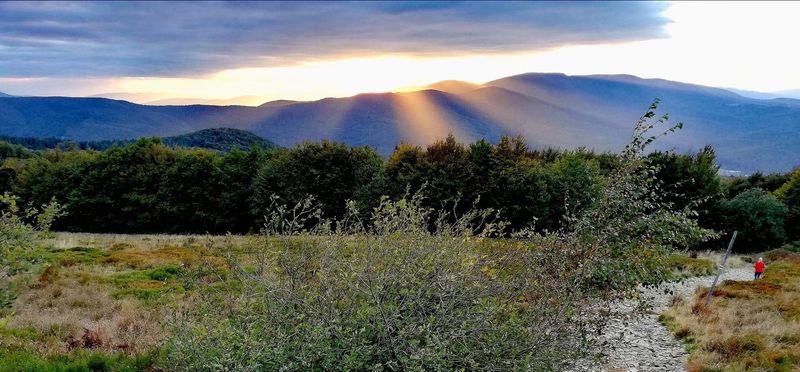
Locals have nicknamed this remote corner of southeastern Poland “The Wolf Mountains,” and anyone who has spent a quiet dawn here listening to the forest understands why that title was earned honestly.
Bieszczady is part of the larger UNESCO East Carpathian Biosphere Reserve, and its ancient forests support not just wolves but also European bison, Eurasian lynx, and brown bears, creating one of Central Europe’s most complete large mammal communities.
Multiple wolf packs have been documented within the park boundaries, with prey including abundant red deer, wild boar, and roe deer that sustain healthy pack sizes year-round.
Pre-dawn stakeouts at forest clearings and elevated observation points are the standard approach for wildlife guides here. Patient visitors who commit to early starts and quiet movement give themselves a genuine chance at a sighting that few travelers ever experience.
3. Făgăraș Mountains, Argeș and Brașov Counties, Romania
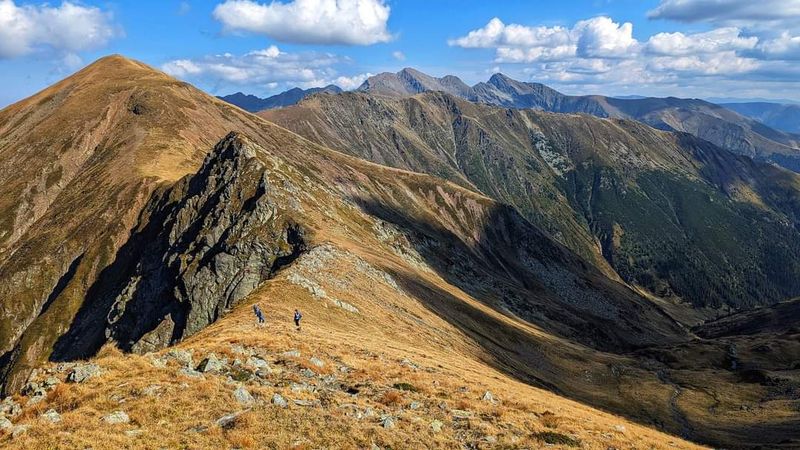
Romania holds one of Europe’s largest wolf populations, and the Fagaras Mountains sit at the heart of that remarkable statistic, offering an unbroken wilderness where multiple packs have established permanent territories.
A genetic study conducted across the eastern Fagaras identified six distinct wolf packs within a relatively compact pilot area, with population densities that exceed those found across much of northern and western Europe.
Expert tracking tours led by conservation biologists focus on reading the landscape rather than simply scanning for movement. Participants learn to identify scat, territorial markings, and travel corridors that reveal wolf presence even when the animals themselves stay hidden.
Foundation Conservation Carpathia operates rewilding programs throughout the region, and a portion of wildlife tourism revenue directly supports habitat restoration. Visiting here connects travelers to active conservation rather than passive observation.
4. Piatra Craiului National Park, Zărnești, Brașov County, Romania
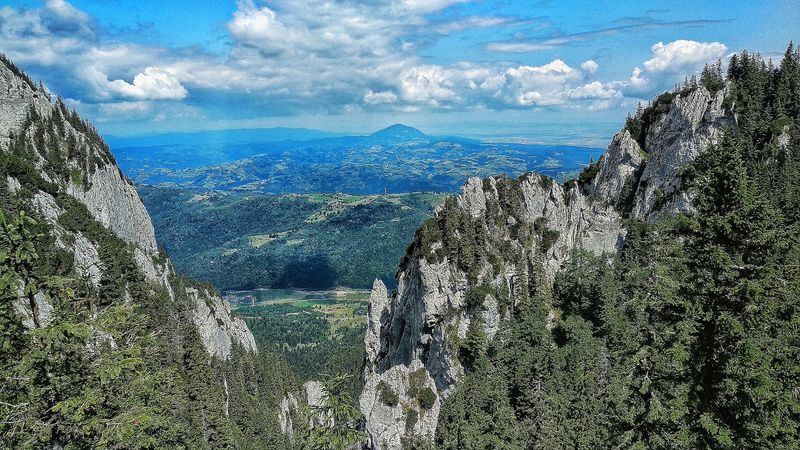
That 25-kilometer limestone ridge rising sharply above the surrounding forests is one of Romania’s most recognizable natural landmarks, and the wolves, bears, and lynx living in its shadow are every bit as impressive as the scenery.
Piatra Craiului serves as a critical wildlife corridor between the Bucegi and Piatra Craiului massifs, meaning wolves move through this area regularly rather than simply occupying it seasonally.
Camera trap programs run by local conservation groups have confirmed consistent wolf activity throughout the park, and guided wildlife tours use this data to focus excursions on the most productive zones.
The gorge at Zarnesti and the traditional villages of Magura and Pestera add a cultural dimension to any visit. Travelers who combine wolf tracking with a walk through these communities leave with a much richer understanding of how people and predators share this landscape.
5. Sierra de la Culebra, Zamora, Castile and León, Spain
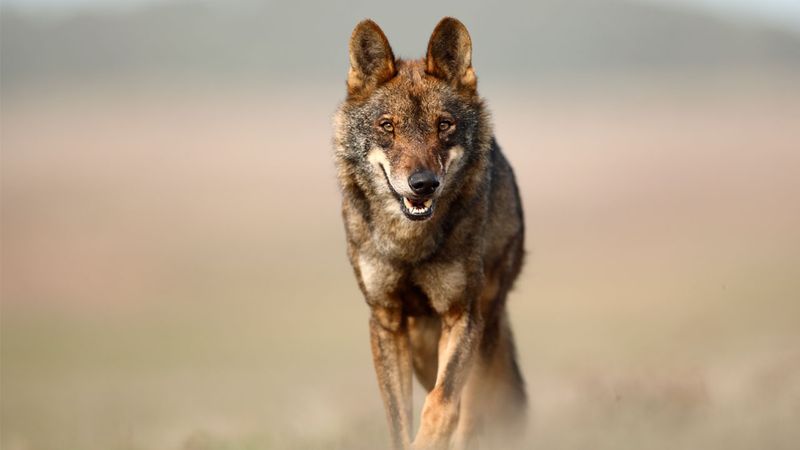
Few places in Europe can match the wolf-watching credentials of this sprawling 70,000-hectare reserve in northwestern Spain, where the Iberian wolf population is among the densest on the continent.
Open heathlands, pine plantations, and low scrubland give visitors clear sightlines across valleys, making early morning vigils with binoculars genuinely productive rather than purely hopeful.
Local guides know exactly which hilltops and ridgelines to watch, and many offer multi-day programs that combine wolf tracking with red deer and wild boar observation during the autumn rutting season.
The name “Culebra” means snake, likely inspired by the winding mountain ridges rather than any reptilian residents. Sunrise sessions here regularly reward patient visitors with sightings that wildlife photographers travel thousands of miles to capture.
6. Bavarian Forest National Park, Grafenau, Bavaria, Germany
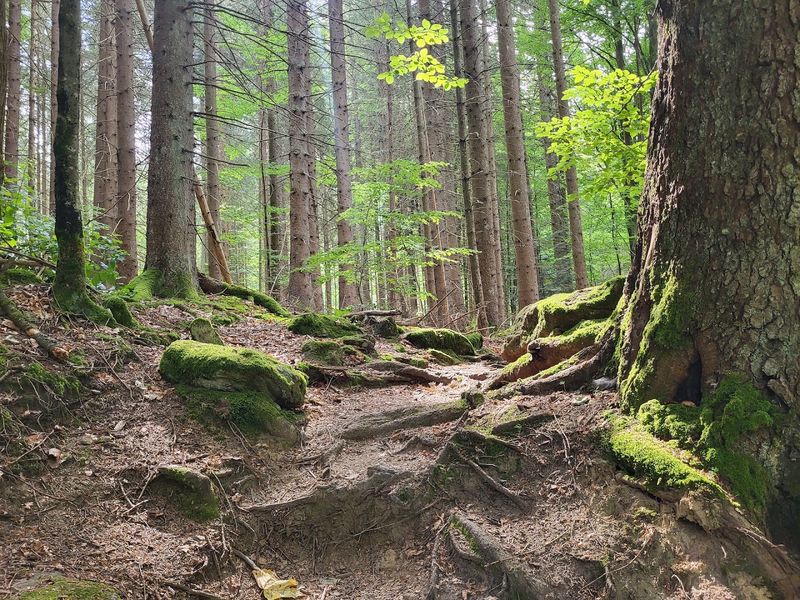
Germany’s oldest national park made history in 2017 when wolf cubs were born in Bavaria for the first time in roughly 150 years, the result of a Polish female and an Italian male finding each other in this vast forest.
By the 2023 to 2024 monitoring period, the broader region supported seven confirmed wolf territories, a slow but steady recovery that park researchers track using camera traps and GPS collar data.
The park’s guiding philosophy of “let nature be nature” means minimal human intervention, which benefits wolves but also makes sightings unpredictable. Elevated boardwalks and quiet forest trails give visitors the best access to undisturbed habitat.
Bavarian Forest connects seamlessly with Sumava National Park across the Czech border, forming the largest contiguous forest in Central Europe. That sheer scale of protected habitat is precisely what allows apex predators to establish and expand their territories.
7. Saxon Switzerland National Park, Bad Schandau, Saxony, Germany
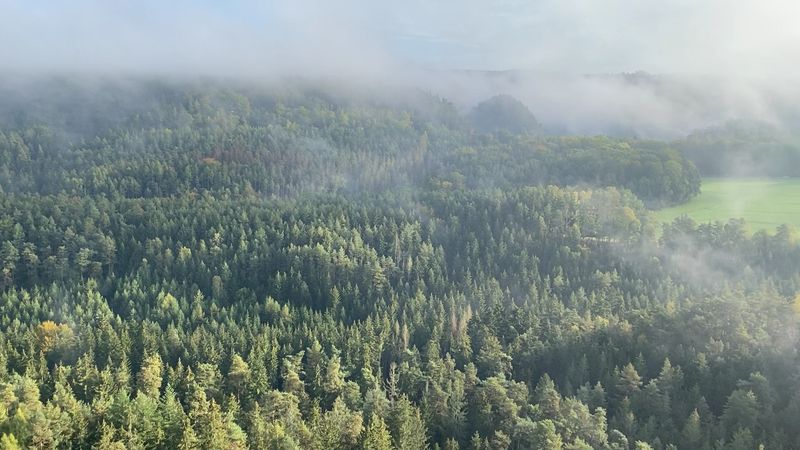
Saxony has become one of Germany’s most significant wolf regions, with 35 confirmed packs recorded during the 2024 to 2025 monitoring year, including at least one pack established within the Sachsische Schweiz-Osterzgebirge district that encompasses this national park.
The park itself is famous for sandstone spires, deep gorges, and climbing routes that draw visitors from across Europe, but the surrounding forests provide genuine wolf habitat that most tourists never think to consider.
Park information centers run dedicated exhibitions explaining the history of wolf recovery in Saxony, covering behavior, territorial patterns, and the ongoing monitoring programs that track individual animals.
Sightings within the heavily visited core areas are rare, but guided hikes into quieter forest zones offer a realistic chance of finding tracks or other signs. The Elbe River valley and the cross-border connection with Bohemian Switzerland National Park extend the available habitat considerably.
8. Mercantour National Park, Saint Martin Vésubie, Provence Alpes Côte d’Azur, France
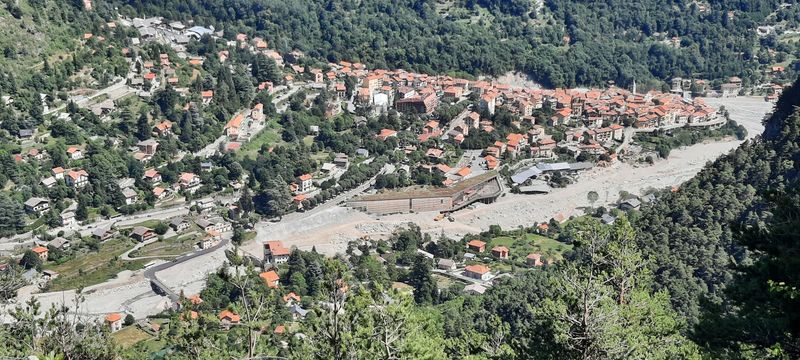
The wolves of Mercantour arrived uninvited and unannounced in 1992, crossing over from Italy after an absence from France stretching back to the 1930s, and the park has never been quite the same since.
Genetic evidence confirmed their Italian origins, and the French wolf population has grown substantially since that first recolonization, with between 530 and 630 individuals estimated nationally as of the 2019 to 2020 winter survey.
Several packs now hold territories within Mercantour, hunting chamois, ibex, mouflon, and red deer across its dramatic alpine terrain. Guided tracking tours combine hiking with wolf ecology lessons, teaching participants to interpret the landscape through a predator’s perspective.
For visitors who want a more reliable viewing opportunity, Parc Alpha on the park’s edge houses wolves in large semi-wild enclosures with elevated walkways and observation hides. It is an honest and well-run facility that complements rather than replaces the wild experience.
9. Vanoise National Park, Pralognan la Vanoise, Savoie, France
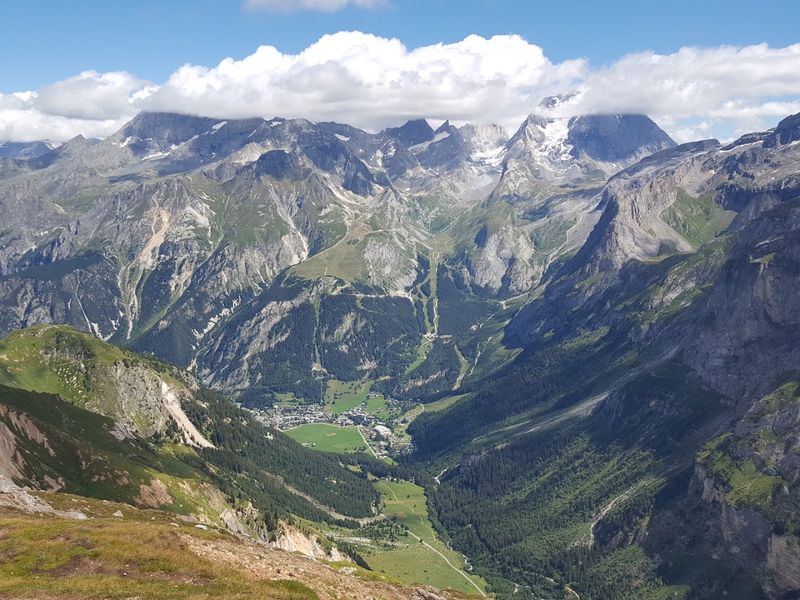
France’s first national park, created in 1963 primarily to protect the Alpine ibex, has since welcomed back two large predators that were absent for generations: the Eurasian lynx and the grey wolf.
Wolves began recolonizing Vanoise during the 1990s, dispersing northward and westward from Mercantour, and their presence is now confirmed through genetic sampling, camera trap images, and livestock impact assessments conducted by park rangers.
Direct sightings by visitors are uncommon but not unheard of, particularly in the less-trafficked western valleys where human footfall drops sharply beyond the popular ibex-watching zones near Rifugio Vittorio Sella.
Vanoise connects directly with Gran Paradiso National Park across the Italian border, forming the largest continuous protected area in the Western Alps. That ecological continuity gives wolves the freedom to move across vast territories, which is both why they thrive here and why pinpointing them is such a challenge.
10. Gran Paradiso National Park, Cogne, Aosta Valley, Italy
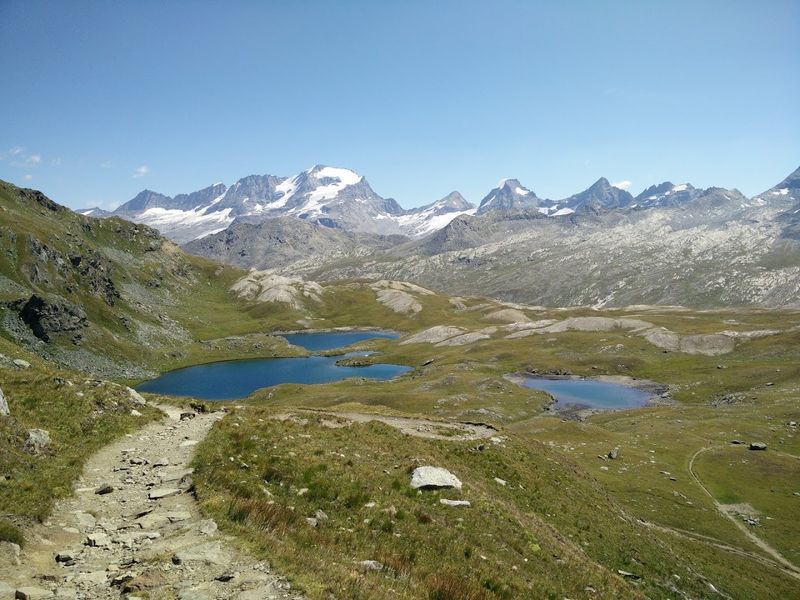
Italy’s oldest national park was originally a royal hunting reserve, which is a rather ironic origin story for a place that now celebrates the return of apex predators it once actively excluded.
Wolves began recolonizing Gran Paradiso from central Italy in the early 2000s, with the first confirmed reproduction occurring in 2007. A resident pack has maintained a presence in the park’s quieter valleys since then, preying on chamois, roe deer, and red deer.
Finding wolf signs requires patience and local knowledge, which is why guided wildlife tours led by certified nature guides are strongly recommended. These programs focus on reading terrain, interpreting tracks, and understanding prey distribution rather than simply hoping for a chance encounter.
Gran Paradiso is most famous for its Alpine ibex, which can be observed at remarkably close range around Rifugio Vittorio Sella. Bearded vultures soaring overhead and marmots scurrying across boulder fields add to an already exceptional wildlife experience.
11. Peneda Gerês National Park, Braga District, Portugal
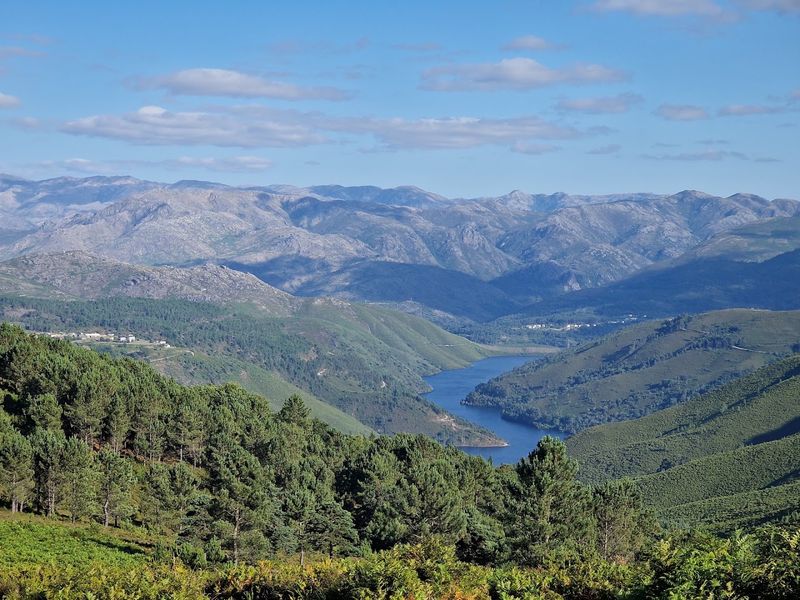
Portugal’s only national park protects the last significant stronghold of the Iberian wolf in the country, a protected subspecies found nowhere outside the Iberian Peninsula and increasingly confined to the northern mountains.
Scientists estimate around 300 Iberian wolves remain in Portugal, with roughly 50 packs concentrated in the Peneda, Geres, and Montesinho mountains. Pack territories here span between 100 and 300 square kilometers, meaning wolves cover enormous ground during their nocturnal circuits.
Ancient stone structures called “fojos” are scattered across the park, wolf traps built by communities centuries ago to protect livestock. These historical remnants tell a complicated story about the long relationship between people and predators in this landscape.
Guided nature walks help visitors identify tracks, droppings, and territorial markings, offering a realistic engagement with wolf presence even when the animals themselves remain out of sight. Free-roaming Garrano wild horses and Iberian ibex add extra wildlife interest throughout the year.
12. Somiedo Natural Park, Pola de Somiedo, Asturias, Spain
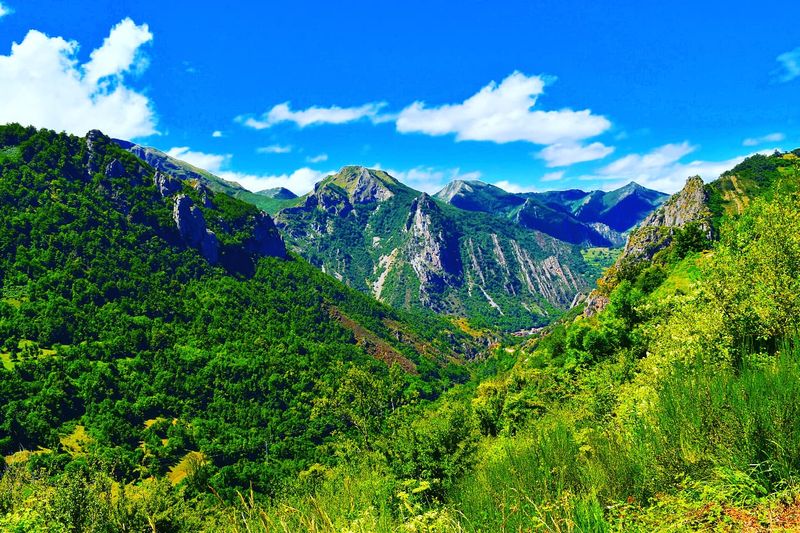
Most visitors arrive in Somiedo hunting for glimpses of Cantabrian brown bears, which is entirely reasonable given that the park supports a significant and growing bear population. The Iberian wolves sharing these mountains tend to attract rather less attention, which suits them perfectly.
Wolf packs inhabit the quieter forested zones of the park, and specialized wolf-watching tours run by local expert guides take small groups to areas where activity has been confirmed through tracks, scat analysis, and camera trap footage.
These excursions typically begin before dawn, traveling muddy mountain tracks to reach observation points before daylight. Guides provide high-quality spotting scopes and binoculars, ensuring that even distant movement can be identified without disturbing the animals.
Beyond the wildlife, Somiedo’s traditional stone “teito” huts in highland pastures called “branas” represent a centuries-old pastoral system that still functions today. The combination of authentic cultural heritage and genuine wilderness makes this park one of northern Spain’s most rewarding destinations.
13. Durmitor National Park, Žabljak, Montenegro
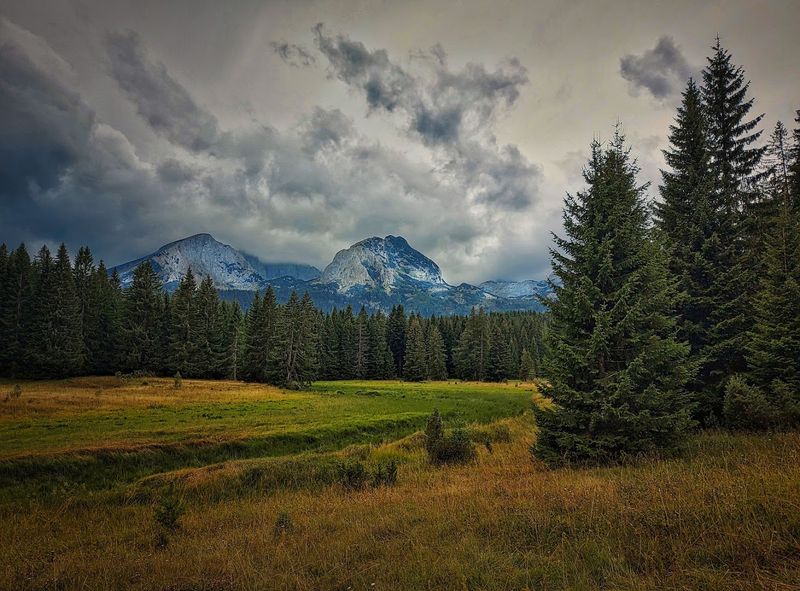
Park rangers in Durmitor have been known to describe their territory as a “real wolf kingdom,” and with 48 peaks above 2,000 meters and Europe’s deepest river gorge cutting through its limestone heart, the landscape certainly lives up to that description.
Grey wolves share Durmitor with brown bears, European wildcats, and chamois across a UNESCO World Heritage landscape shaped by glaciers, karst geology, and centuries of minimal human disturbance.
Rangers have documented wolves playing in open snowfields during winter months, suggesting that the park’s low visitor numbers in the colder season create conditions where wolves behave with noticeably less caution than in more heavily trafficked areas.
The ancient black pine forests, with individual trees exceeding 400 years of age, add an extraordinary ecological depth to the park. Early morning hikes through these stands offer the quietest and most productive conditions for finding fresh wolf tracks along game trails and river margins.
14. Triglav National Park, Kranjska Gora, Slovenia
Slovenia has quietly become one of Europe’s more compelling conservation success stories, with wolf numbers increasing significantly since 2010 and packs now confirmed in the Slovenian Alps for the first time in decades.
Triglav National Park functions primarily as an ecological corridor for wolves rather than a core breeding territory, linking the Dinaric-Balkan wolf population with expanding groups in the Italian Alps. That connectivity role is ecologically critical even if it makes reliable sightings harder to guarantee.
Researchers monitoring wolf presence in the Triglav region rely heavily on genetic sampling of scat and urine rather than direct observation, which reflects just how effectively these animals avoid detection even in a relatively compact national park.
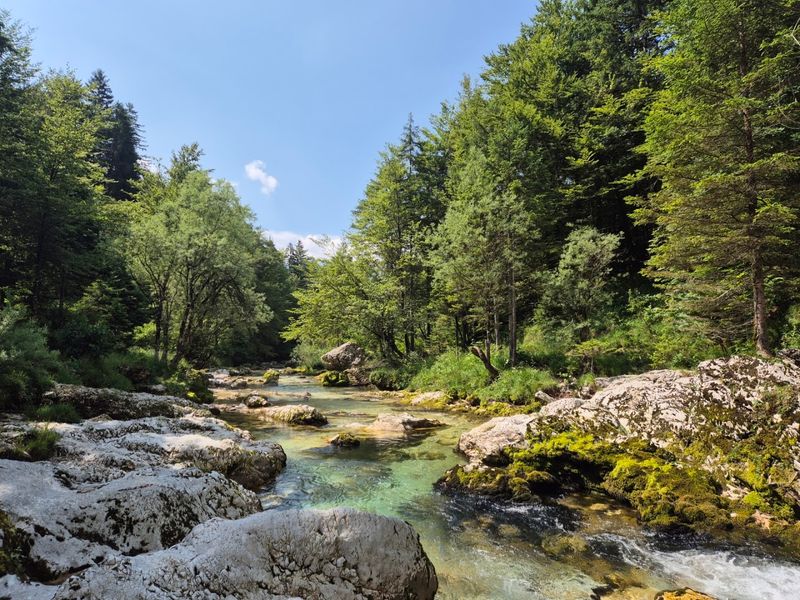
Guided ranger programs help visitors understand tracking techniques and the significance of coexistence between wolves and mountain farming communities. The emerald-green Soca River, glacial lakes, and reintroduced Alpine ibex ensure the park delivers extraordinary wildlife experiences regardless of whether wolves make an appearance.
15. Kalkalpen National Park, Molln, Upper Austria, Austria
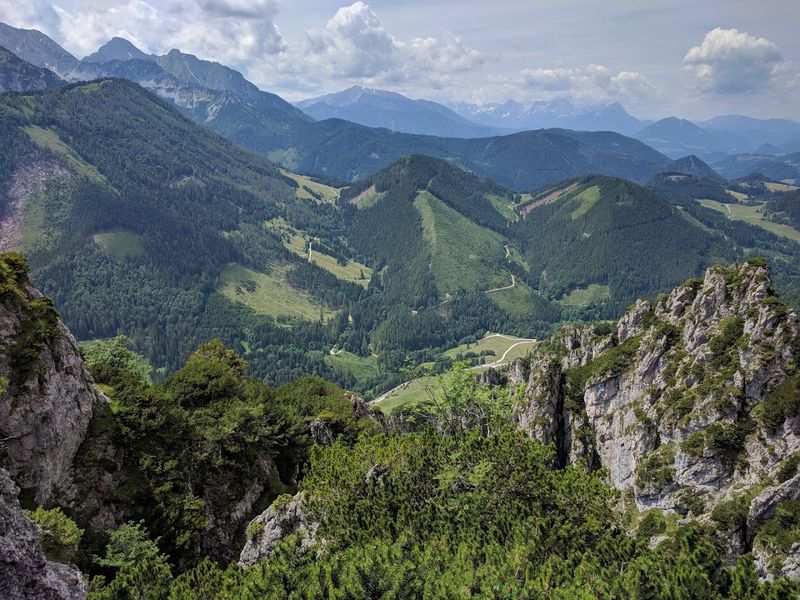
Austria’s largest forest national park covers more than 20,800 hectares of limestone mountains and ancient woodland, and its beech forests carry the distinction of being recognized as Austria’s first UNESCO World Natural Heritage Site.
Wolves disappeared from Austria during the 19th century, and their gradual return is a relatively recent development. Individual wolves have been recorded passing through Kalkalpen on long-distance dispersal routes, drawn by the park’s vast quiet forests and healthy populations of red deer and chamois.
Established breeding packs in Austria are currently concentrated further north, but the park’s protected status and low human disturbance make it a logical next step for expanding wolf territories as the national population continues to grow.
Eurasian lynx, successfully reintroduced to Kalkalpen in 1999, maintain a small resident population alongside golden eagles, black storks, otters, and wildcats. Ranger-led tours with spotting scopes provide structured wildlife observation that rewards careful, patient visitors throughout all four seasons.
Share this story