Few years in recent history managed to pack in as many world-altering moments as 1994. Political history was rewritten, pop culture took sharp new turns, and technology quietly planted seeds that would grow into billion-dollar industries. From groundbreaking elections to landmark films and labor disputes that changed professional sports forever, 1994 delivered one surprise after another. Read on to find out exactly why this particular year still gets brought up in conversations about the most defining moments of the modern era.
1. Nelson Mandela Became South Africa’s First Black President
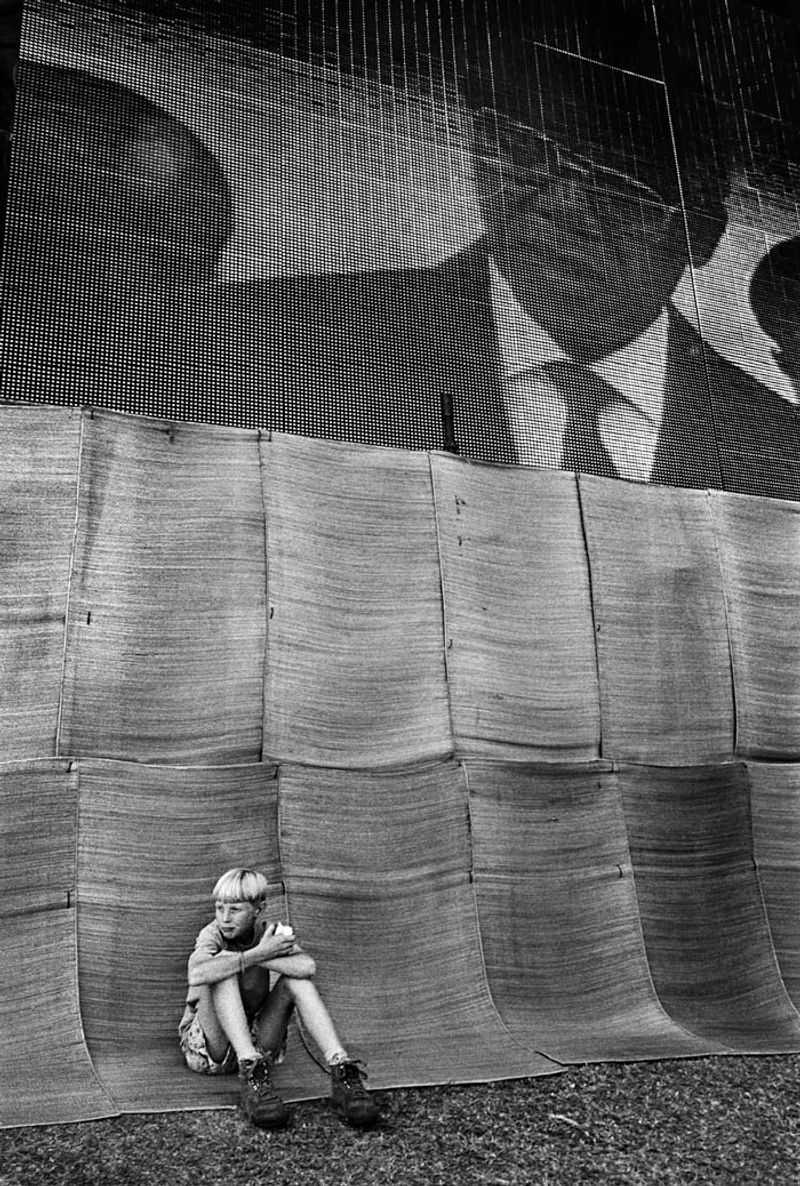
South Africa rewrote its own history on May 10, 1994, when Nelson Mandela was inaugurated as the country’s first Black president after its first fully democratic election. Mandela had spent 27 years imprisoned on Robben Island before being released in 1990, making his rise to the presidency one of the most remarkable political journeys of the 20th century.
The election, held on April 27, saw millions of South Africans vote for the first time in their lives. Mandela’s African National Congress won 62 percent of the vote, a decisive result that ended decades of apartheid governance.
His administration prioritized reconciliation over retaliation, establishing the Truth and Reconciliation Commission to address past injustices. The transition was studied by political leaders around the world as a model for peaceful democratic change. April 27 is now celebrated annually in South Africa as Freedom Day.
2. The O.J. Simpson Bronco Chase Captivated America
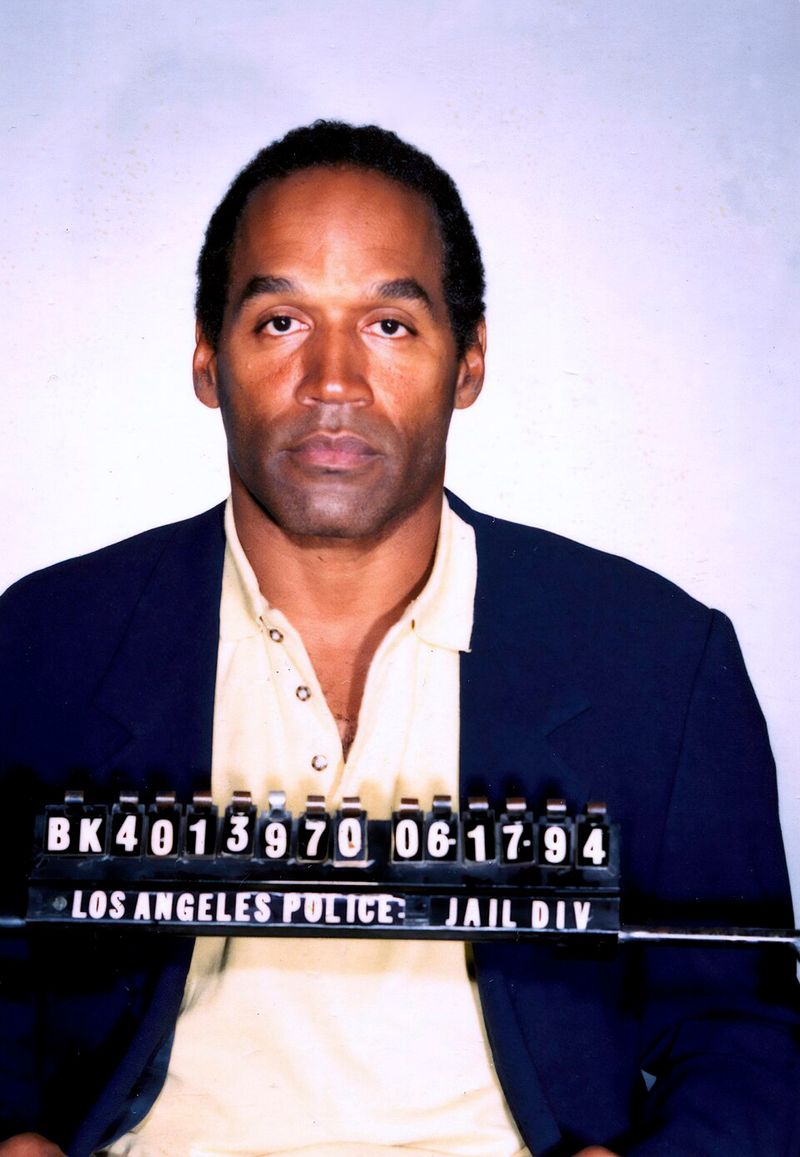
Roughly 95 million Americans dropped everything on June 17, 1994, to watch a white Ford Bronco crawl along the Los Angeles freeway system at speeds that barely required a police response. The vehicle carried former NFL star O.J. Simpson, who had been named a suspect in a double homicide investigation just days earlier.
The chase interrupted live coverage of the NBA Finals, which gives some sense of how completely it seized the national conversation. News helicopters tracked every mile, and crowds gathered on overpasses to watch in person.
Simpson eventually surrendered at his Bel Air home after about two hours. What followed became known as the trial of the century, a legal proceeding that dominated television coverage well into 1995. The Bronco chase itself became a defining symbol of how live television could transform a news event into a shared national experience.
3. The Northridge Earthquake Shook California
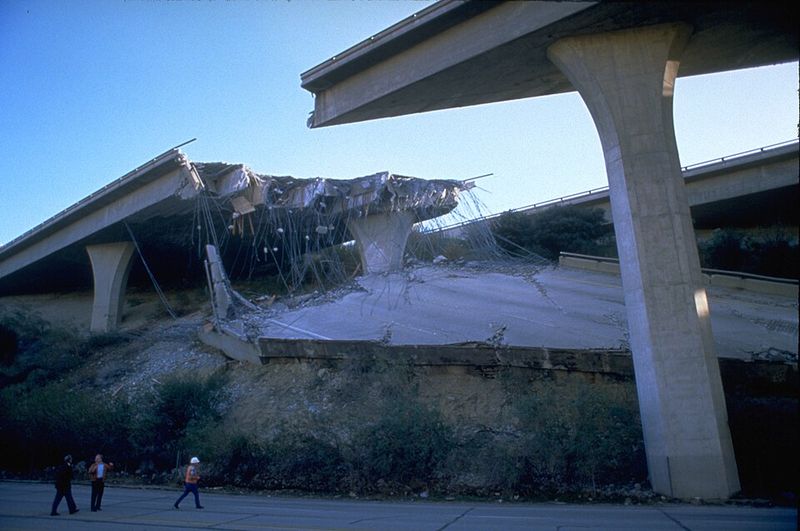
At 4:31 in the morning on January 17, a 6.7-magnitude earthquake centered beneath the Northridge neighborhood of Los Angeles County caused catastrophic damage across the region. The shaking lasted about 10 to 20 seconds, but its effects took months and years to fully address.
Fifty-seven people lost their lives, more than 8,700 were injured, and estimates placed total economic damage at roughly $20 billion. Several freeway sections collapsed entirely, including portions of Interstates 10 and 5, which paralyzed commutes for months.
The disaster prompted California to accelerate its seismic retrofit programs for both public infrastructure and private buildings. Engineers used data gathered from Northridge to revise standards for steel-frame construction, which had performed worse than expected during the quake. Many of the building code updates that California follows today can be traced directly back to lessons learned from the Northridge event.
4. Rwanda Experienced One of History’s Worst Genocides
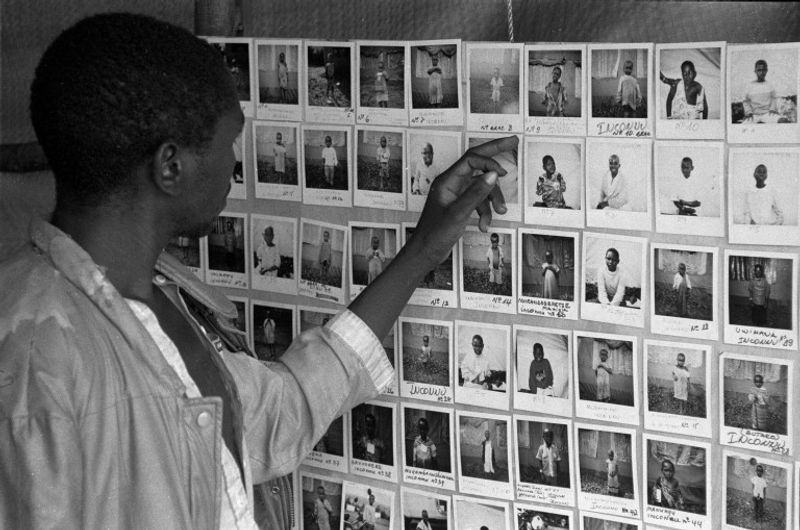
Between April 7 and mid-July 1994, an estimated 800,000 people were killed in Rwanda over the course of approximately 100 days. The genocide was carried out primarily by Hutu extremist groups targeting Tutsi civilians and moderate Hutus, and it followed the shooting down of President Juvénal Habyarimana’s plane on April 6.
Radio broadcasts played a significant role in coordinating and inciting the violence, with extremist stations using coded language and direct calls to action. International response was slow and widely criticized, with United Nations peacekeeping forces operating under restrictive mandates that limited their ability to intervene.
The aftermath reshaped Rwanda’s entire social and governmental structure. Paul Kagame’s Rwandan Patriotic Front eventually ended the genocide by seizing control of the country in July. Rwanda’s recovery process, including its community-based gacaca court system, became a closely studied example of post-conflict justice and national rebuilding.
5. Friends Premiered on Television
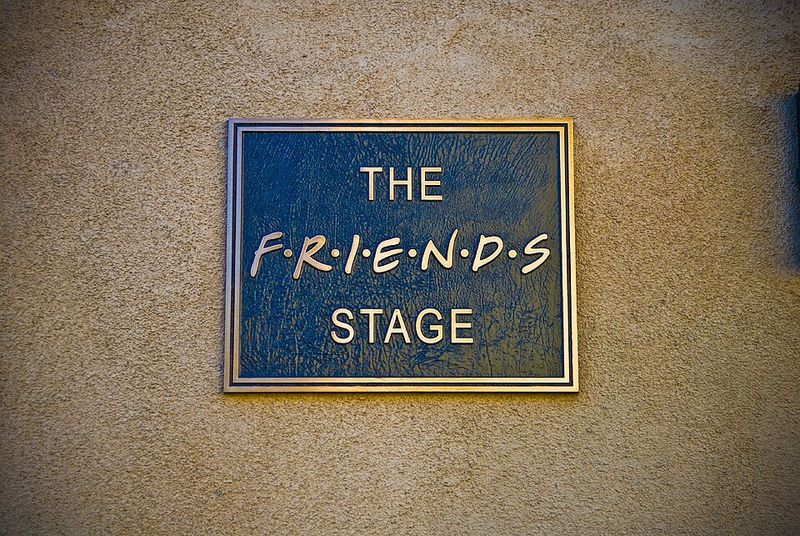
NBC’s Thursday night lineup got a significant boost on September 22, 1994, when a new sitcom about six friends sharing their lives in New York City made its debut. Created by David Crane and Marta Kauffman, the show drew 21.5 million viewers for its first episode, a strong start that only grew over time.
The cast included Jennifer Aniston, Courteney Cox, Lisa Kudrow, Matt LeBlanc, Matthew Perry, and David Schwimmer, none of whom were major household names at the time. Their chemistry became the show’s defining quality, keeping audiences invested across 10 seasons.
Beyond the ratings, Friends shaped 1990s fashion, slang, and hairstyle trends in measurable ways. The Rachel haircut became one of the most requested styles at salons across the country. The show’s success also helped establish NBC’s Must See TV block as the dominant force in network television comedy throughout the decade.
6. The Channel Tunnel Officially Opened
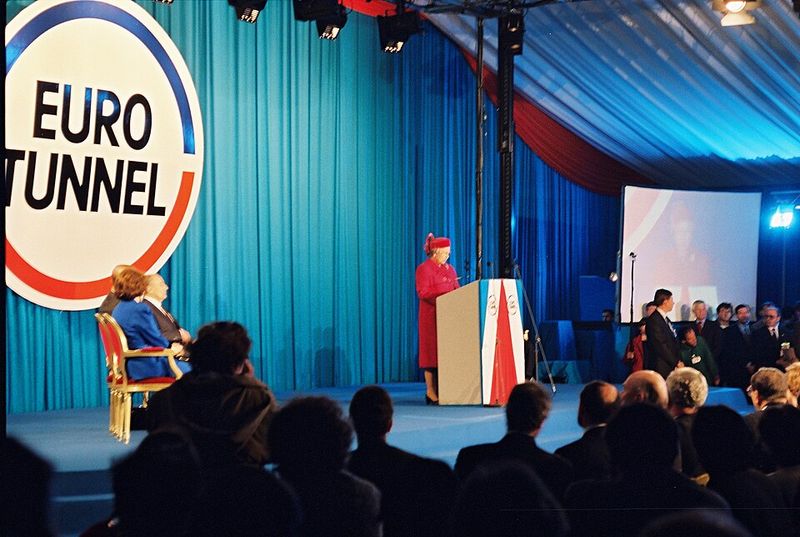
After more than six years of construction and roughly $21 billion in costs, the Channel Tunnel opened for service on May 6, 1994, connecting Folkestone in England with Coquelles in northern France. Queen Elizabeth II and French President François Mitterrand presided over the official ceremony, marking the first fixed land link between Britain and continental Europe since the last Ice Age.
The tunnel stretches 31.4 miles in total, with 23.5 miles running beneath the seabed, making it the longest undersea tunnel in the world at the time of its opening. Two rail tunnels carry passenger and freight services, while a central service tunnel handles maintenance and emergency access.
Eurostar passenger services launched later that year, cutting travel time between London and Paris to around three hours. The tunnel’s construction employed roughly 13,000 workers over its building period and required boring through chalk marl deposits using massive tunnel boring machines guided by laser technology.
7. The Winter Olympics Came to Norway
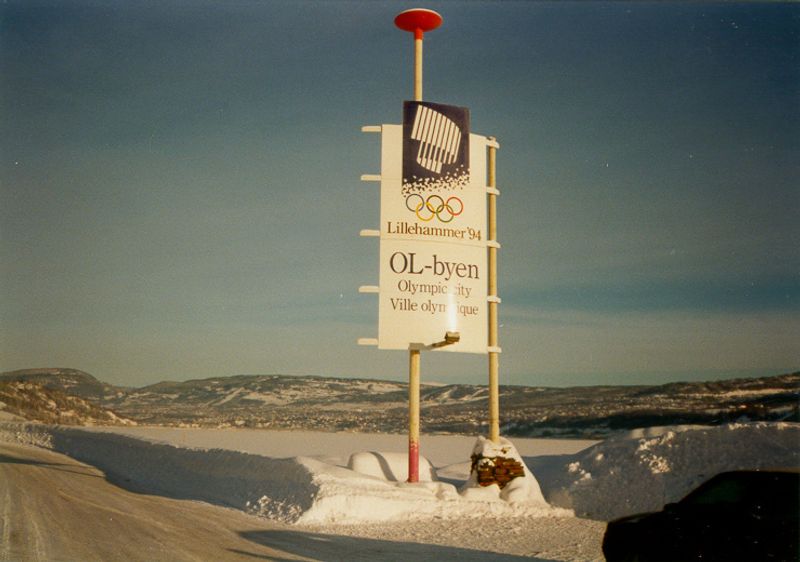
Lillehammer, a Norwegian town of roughly 23,000 people, hosted the XVII Winter Olympic Games from February 12 to 27, 1994. These Games were notable for occurring just two years after the 1992 Albertville Winter Olympics, the result of a decision by the International Olympic Committee to stagger the Summer and Winter Games on alternating two-year cycles.
Norway dominated the medal table, finishing with 26 total medals, 10 of which were gold. Cross-country skiing and biathlon events drew massive crowds, reflecting the host nation’s deep sporting culture around winter endurance events.
The figure skating competition attracted global attention largely because of the controversy surrounding American skaters Nancy Kerrigan and Tonya Harding. Kerrigan had been attacked at the U.S. Championships in January, and both women competed in Lillehammer under intense media scrutiny. Kerrigan finished with a silver medal, while Oksana Baiul of Ukraine took gold in one of the most-watched figure skating performances in Olympic history.
8. Jeff Bezos Founded Amazon
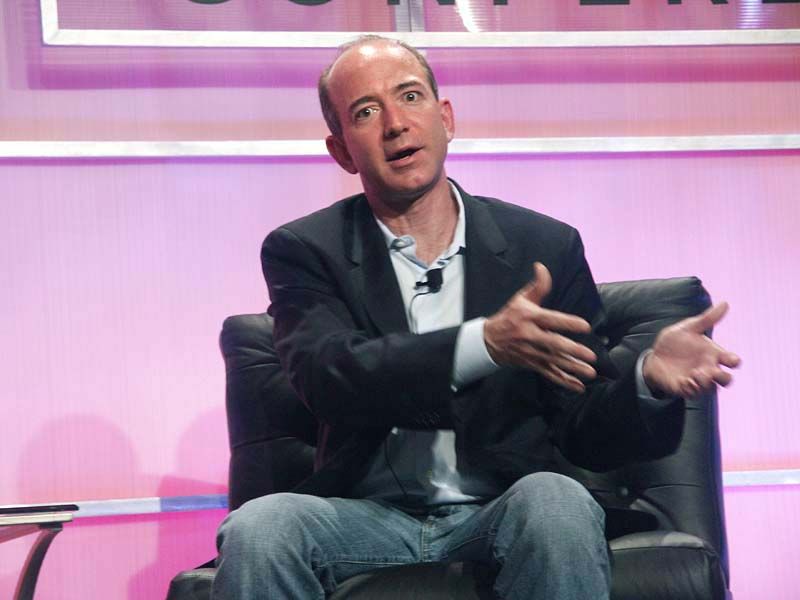
Jeff Bezos quit his job at the hedge fund D.E. Shaw in the summer of 1994, drove cross-country with his then-wife MacKenzie, and set up a business in a rented garage in Bellevue, Washington. He had written his business plan during the drive, targeting online book sales as the entry point into what he envisioned as a much broader retail operation.
The company was briefly called Cadabra before being renamed Amazon, a reference to the South American river chosen for its scale and the fact that it started with the letter A, which would place it near the top of alphabetical listings.
Amazon launched its website in July 1995, but its founding and structural development took place throughout 1994. Bezos personally packed and shipped early orders from that garage. Within two months of going live, the site was selling books across all 50 states and in 45 countries, generating $20,000 in weekly revenue by the end of its first year.
9. The PlayStation Was Released

Sony Computer Entertainment launched the original PlayStation in Japan on December 3, 1994, at a retail price of 39,800 yen. The console sold 100,000 units on its first day, a strong commercial debut that signaled serious consumer interest in Sony’s first standalone gaming hardware.
The PlayStation used CD-ROM technology rather than cartridges, which allowed for larger, more complex games at lower production costs. This format shift gave developers more storage space to work with, enabling richer audio, full-motion video sequences, and more detailed 3D environments than cartridge-based systems could support.
Ridge Racer served as the console’s flagship launch title in Japan, demonstrating the hardware’s 3D rendering capabilities in a way that impressed both critics and consumers. The North American and European launches followed in 1995, and by the time production ended in 2006, the PlayStation had sold over 102 million units globally, making it the first console in history to reach that milestone.
10. Michael Jordan Returned to Baseball Full-Time
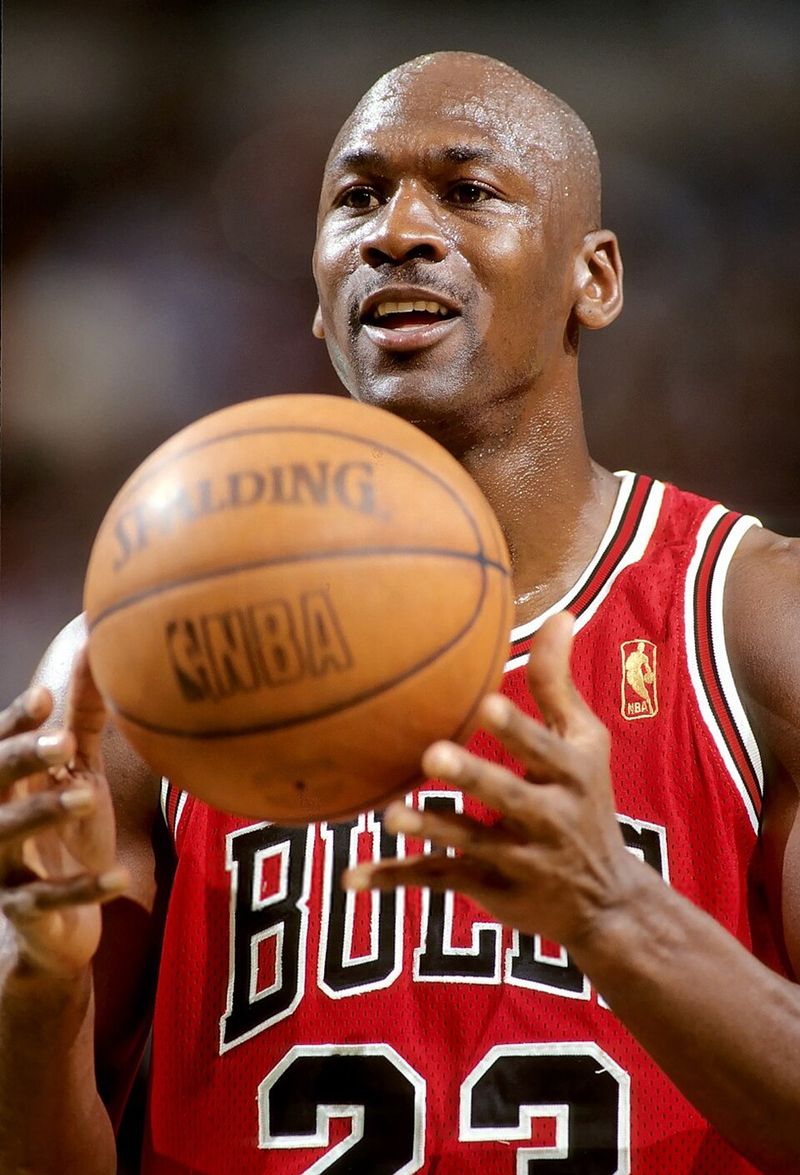
Michael Jordan shocked the sports world in October 1993 when he retired from the Chicago Bulls at just 30 years old, citing a loss of motivation following three consecutive NBA championships. What followed was one of the most publicized career detours in sports history, as Jordan pursued his longtime interest in professional baseball.
He signed a minor league contract with the Chicago White Sox organization in February 1994 and was assigned to the Double-A Birmingham Barons. Jordan played 127 games that season, batting .202 with 51 RBIs and 30 stolen bases, respectable numbers for a first-year player at that level.
His presence transformed minor league attendance wherever the Barons traveled. The team drew over 467,000 fans during the 1994 season, a record for a Double-A franchise at the time. Jordan also spent time in the Arizona Fall League that year before ultimately returning to basketball in March 1995.
11. Major League Baseball Went on Strike
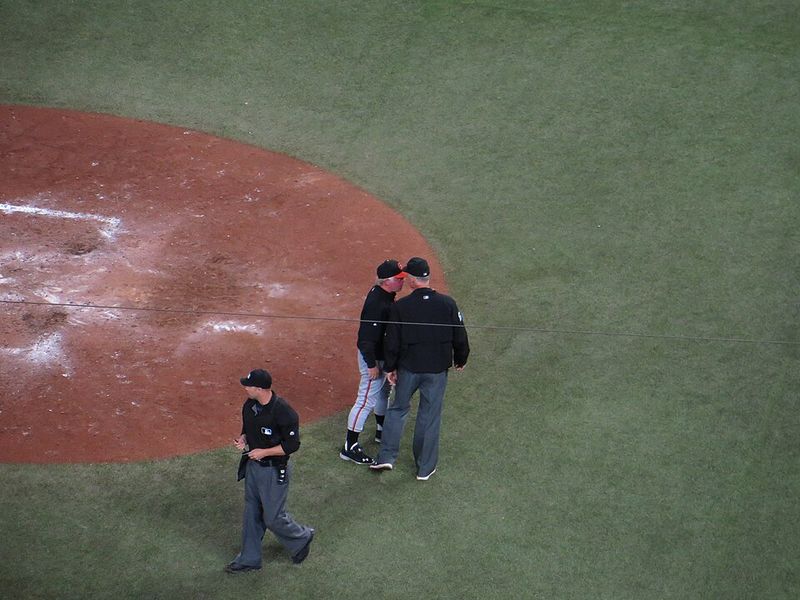
Players walked off the field on August 12, 1994, after the Major League Baseball Players Association and team owners failed to reach an agreement on a new collective bargaining deal. The central sticking point was the owners’ push for a salary cap, which the players firmly opposed.
The strike forced the cancellation of 948 games and, most significantly, the entire postseason. For the first time since 1904, no World Series was played. Several teams had been on pace for historic seasons, including the Montreal Expos, who held the best record in baseball at the time of the stoppage.
The work stoppage officially ended on April 2, 1995, after 232 days, when a federal judge issued an injunction restoring the previous collective bargaining terms. Attendance figures dropped sharply when play resumed in 1995, and it took years for fan trust to fully recover. The 1994 strike remains one of the most damaging labor disputes in professional sports history.
12. Pulp Fiction Redefined Independent Cinema
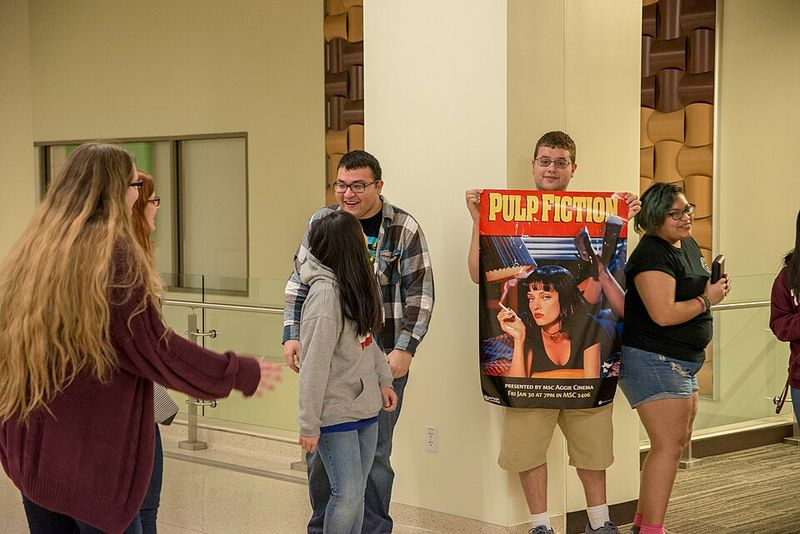
Quentin Tarantino’s second feature film premiered at the Cannes Film Festival on May 23, 1994, where it won the Palme d’Or, the festival’s highest honor. That recognition set the tone for a release that would upend conventional expectations about what an independent film could achieve commercially and culturally.
Pulp Fiction was made on a budget of approximately $8 million and grossed over $213 million worldwide, a ratio that demonstrated the financial viability of ambitious independent filmmaking. Its non-linear structure, which weaved together multiple storylines out of chronological order, challenged audiences accustomed to straightforward narrative progression.
The film revived John Travolta’s career, introduced wider audiences to Samuel L. Jackson’s range, and earned seven Academy Award nominations including Best Picture, with Tarantino and Roger Avary winning for Best Original Screenplay. Its influence on screenwriting, dialogue style, and narrative structure is still regularly cited by filmmakers working today, more than three decades after its release.
13. The 1994 FIFA World Cup Drew Record Attention
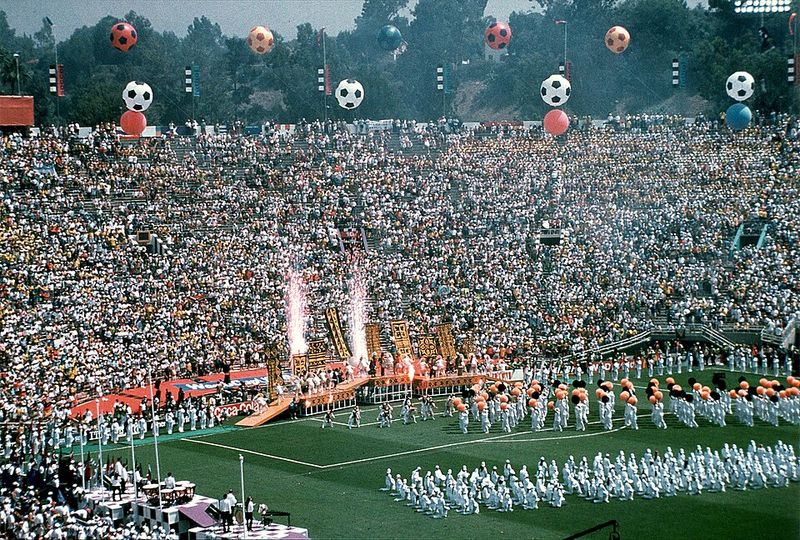
Hosting the FIFA World Cup had seemed like an unlikely fit for a country where soccer occupied a relatively modest place in the sports landscape, but the United States delivered a tournament that broke nearly every existing attendance record. The competition ran from June 17 to July 17 across nine cities, including New York, Los Angeles, Chicago, and Dallas.
A total of 3,587,538 spectators attended the 52 matches, averaging 68,991 per game, numbers that stood as the all-time World Cup attendance record until the expanded 2026 tournament. Brazil and Italy met in the final at the Rose Bowl in Pasadena, where neither team scored in 120 minutes of play, sending the match to a penalty shootout that Brazil won 3-2.
Roberto Baggio’s missed penalty in the final became one of the most replayed moments in soccer history. The tournament’s success directly contributed to the founding of Major League Soccer, which launched its first season in 1996, establishing a lasting professional league structure in the United States.
Share this story