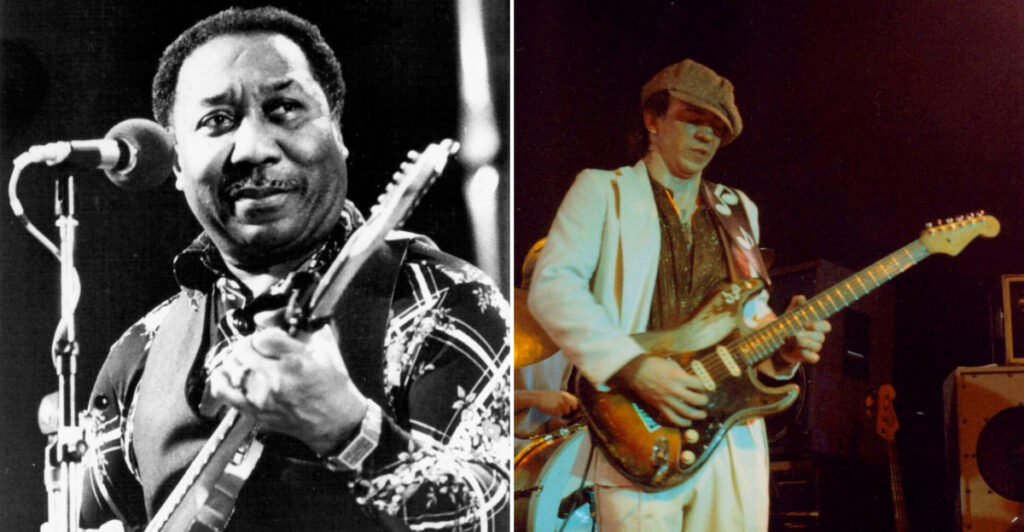
Rock music as we know it would not exist without the blues. Starting in the early 20th century, blues musicians developed guitar patterns so powerful and memorable that they became the building blocks for an entirely new genre. By the 1950s and 1960s, rock and roll was borrowing heavily from these riffs, and the exchange never really stopped. Read on to discover 17 bluesy guitar riffs that left a permanent mark on rock history and the musicians who played them.
1. Smokestack Lightning by Howlin Wolf
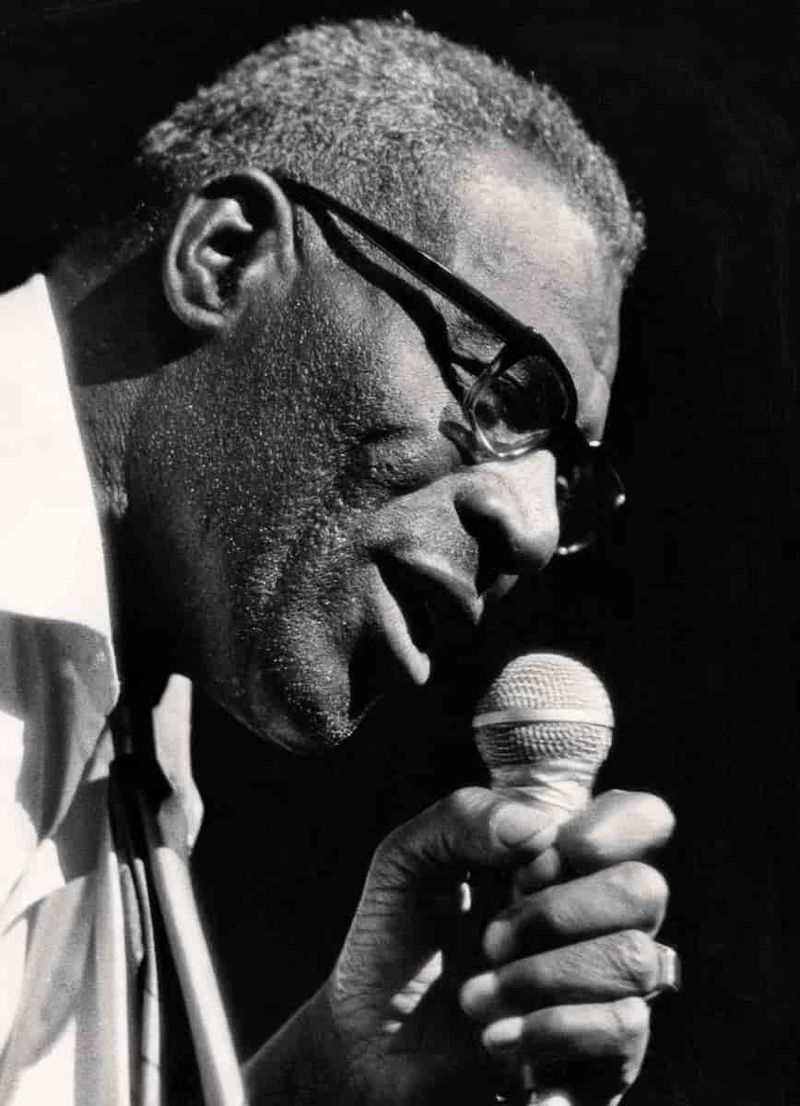
Hubert Sumlin’s guitar work on this 1956 recording is a study in restraint and tension, built almost entirely on a single chord with strategically placed blue notes that give it an unmistakable minor edge. The riff never resolves in the traditional sense, which is exactly what makes it so gripping.
Sumlin used a steady thumb movement on the bass strings while articulating melodic figures higher up, creating a full sound with minimal resources. The song skips a conventional verse-chorus format entirely. Its influence spread to The Yardbirds, The Animals, The Who, and Muddy Waters, and it earned a Grammy Hall of Fame Award in 1999.
2. The Thrill Is Gone by B.B. King
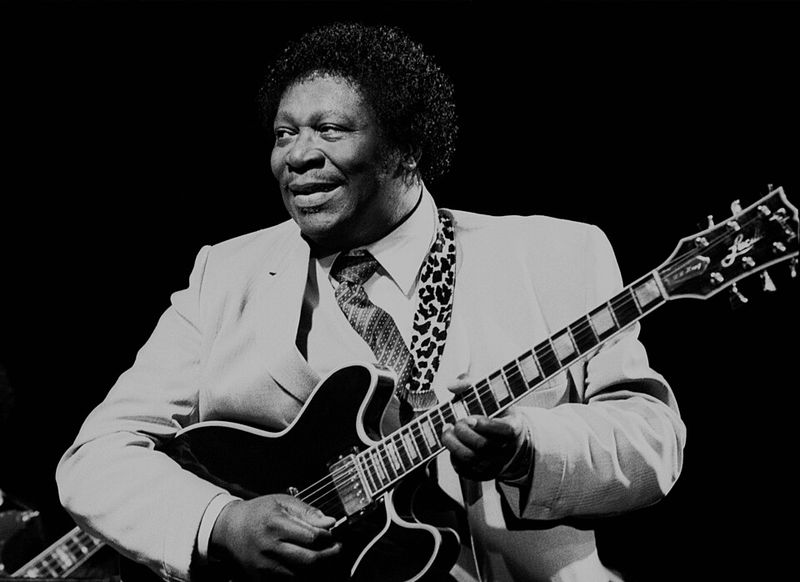
Originally written by Roy Hawkins and Rick Darnell in 1951, this song found its definitive form when B.B. King recorded it in 1969 in the key of B minor, a deliberate choice that gave the track its deeply melancholic and emotionally resonant character.
King’s signature vibrato, achieved through a rotational hand movement, allowed each note to carry a vocal-like quality that communicated feeling without relying on speed or technical flash. The chord progression added a chromatic turnaround that became part of its distinctive identity. The song crossed over to jazz and pop radio simultaneously, making it one of the first blues tracks to achieve that kind of broad commercial reach.
3. Born Under a Bad Sign by Albert King
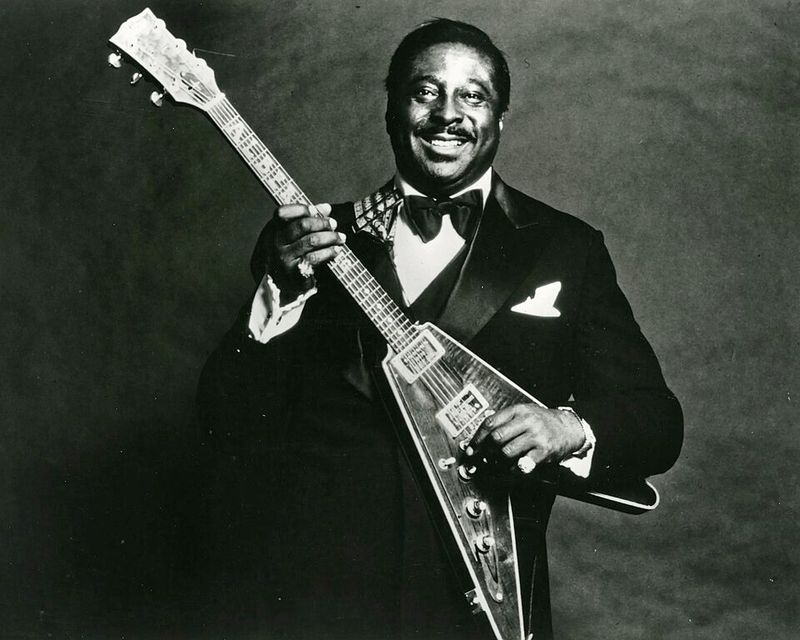
Released in August 1967 and recorded with Booker T. and the M.G.’s, this track featured an unconventional ten-bar guitar line that broke from the standard eight or twelve-bar formats, giving it a structure that felt fresh and slightly unpredictable from the very first listen.
Albert King’s blistering bends and powerful tone made the riff impossible to ignore, and its influence moved quickly through the rock world. Eric Clapton adopted a harder attacking style after studying King’s approach. Cream covered the song on their 1968 album “Wheels of Fire.” The Rock and Roll Hall of Fame later included it in their list of 500 songs that shaped rock and roll.
4. Hide Away by Freddie King
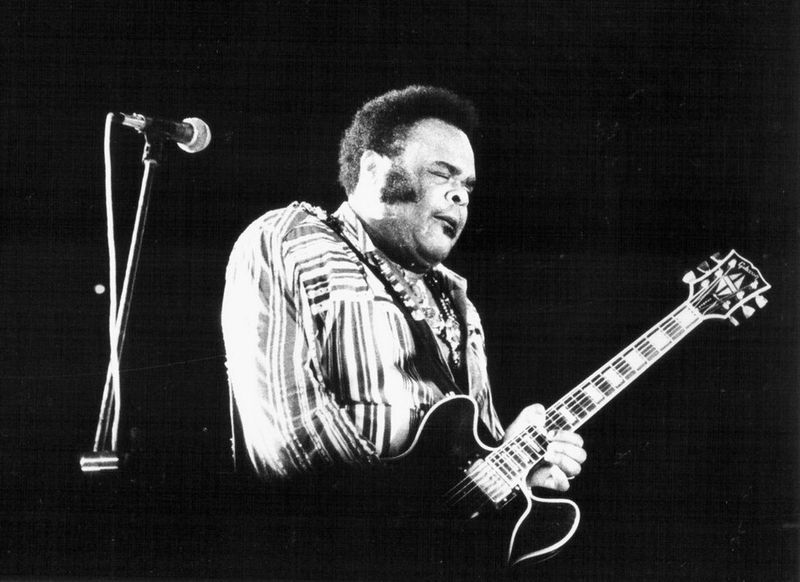
Freddie King recorded this instrumental in 1960, and it quickly climbed to number five on the Billboard Hot R&B chart, making it one of the highest-charting blues instrumentals of its era. King openly acknowledged drawing from multiple sources including Hound Dog Taylor, Robert Jr. Lockwood, and even the Peter Gunn theme.
That willingness to blend influences into something cohesive and catchy was exactly what made the track work. Eric Clapton used it as his featured instrumental with John Mayall’s Bluesbreakers in 1965. Stevie Ray Vaughan later adopted it as a regular live staple. The Grammy Hall of Fame inducted it in 1999, and it remains a required piece at blues jams worldwide.
5. Mannish Boy by Muddy Waters
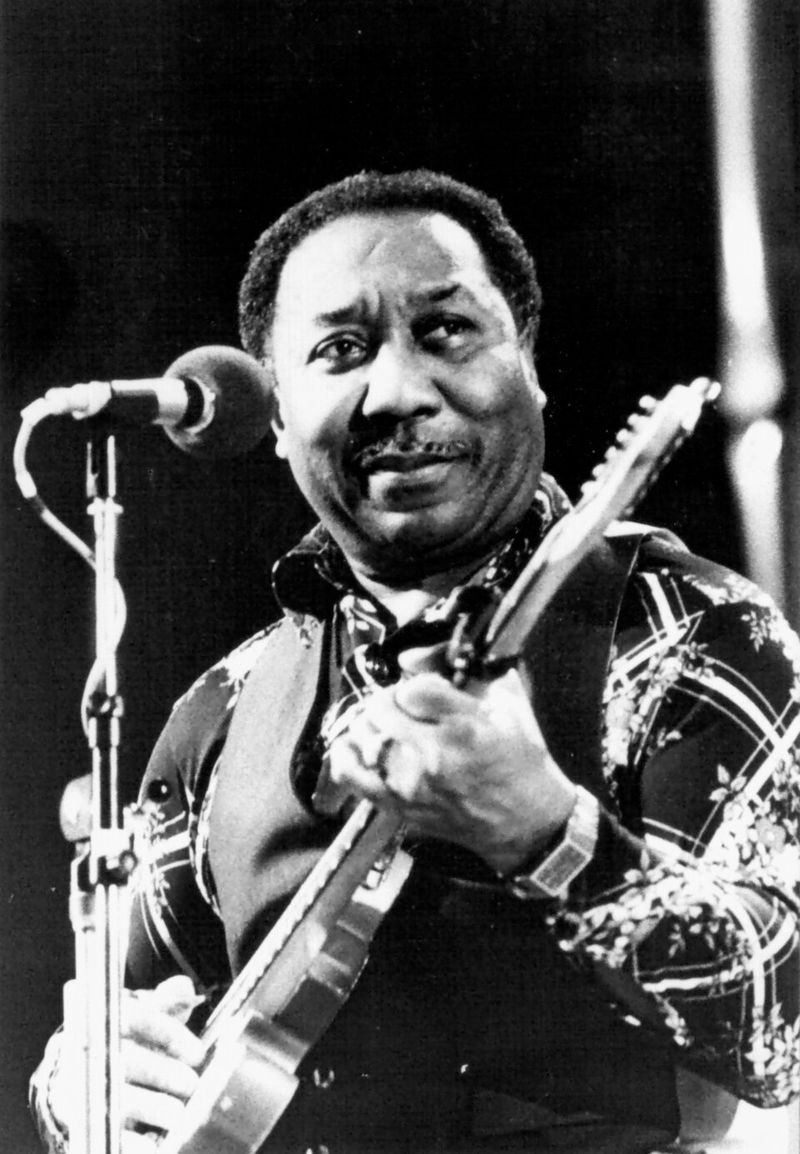
Recorded in 1955, this track arrived as a bold, swaggering statement that helped define what Chicago blues could sound like at its most assertive. Muddy Waters built the entire song around a repeating stop-time figure on a single chord, which gave it a relentless forward momentum.
The riff’s simplicity was its greatest strength. Rather than hiding behind complexity, it announced itself with confidence. The Rolling Stones performed it regularly in their early career, and it appeared on their 1977 live album. Waters re-recorded it in 1977 with Johnny Winter producing, and it sounded just as powerful the second time around.
6. Dust My Broom by Elmore James
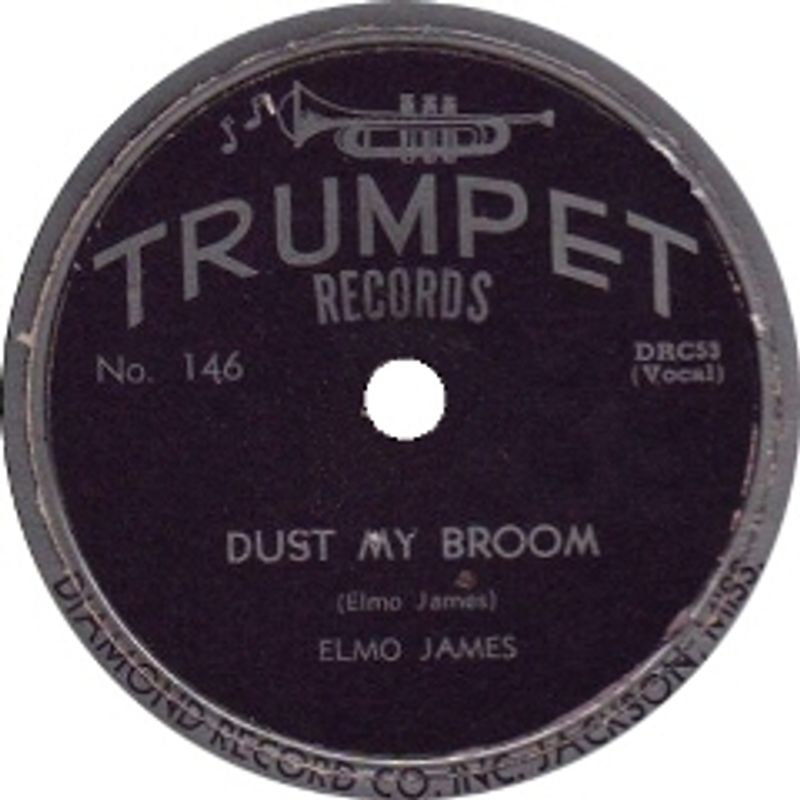
Robert Johnson recorded the acoustic original in 1936, but when Elmore James plugged in and applied heavy amplification and reverberation to the slide guitar riff in 1951, he created something that sounded genuinely new and urgently electric. The Library of Congress later credited him with producing the most recognizable guitar riff in blues history.
The recording peaked at number nine on Billboard’s R&B chart in 1952 and launched James into national prominence. British guitarists adopted the slide sound widely after the song’s 1964 UK release, with Fleetwood Mac’s Jeremy Spencer becoming a prominent example. ZZ Top also covered it with an Elmore James-style slide on their critically praised album “Deguello.”
7. Boom Boom by John Lee Hooker
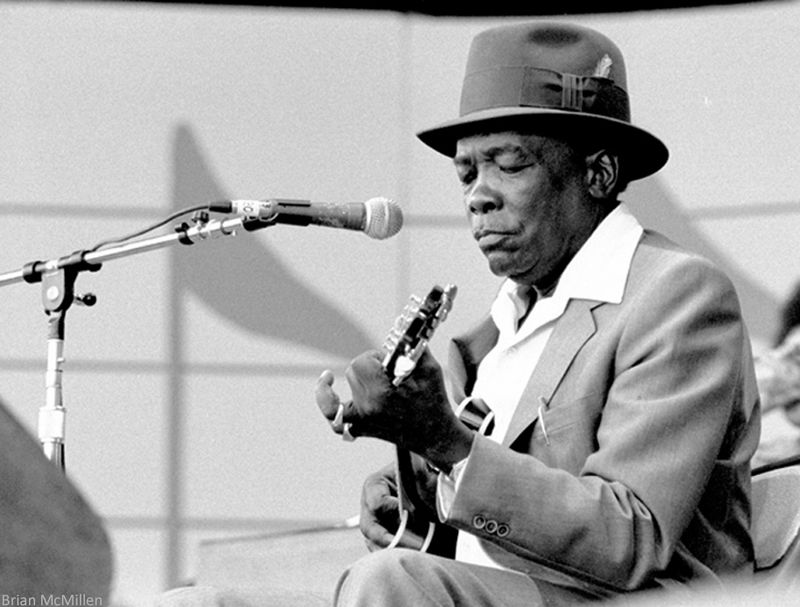
First recorded in 1961 and released as a single in 1962, this track achieved both R&B and pop chart success in the United States and then became a UK top-twenty hit again in 1992, proving that its appeal had no expiration date. Music critic Charles Shaar Murray called it the greatest pop song Hooker ever wrote.
The guitar riff draws directly from the E minor blues scale and leans toward a one-chord structure rather than a traditional twelve-bar progression. Hooker’s loose, almost deliberately imprecise playing style gave the track its raw personality. The Animals and The Yardbirds both covered it during the British Invasion, and the Rock and Roll Hall of Fame inducted it in 1995.
8. Stormy Monday by T-Bone Walker
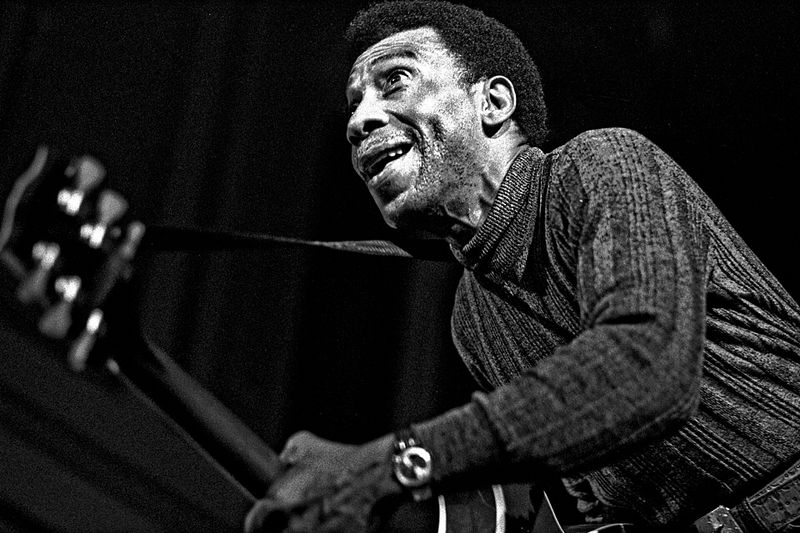
Released in 1947, this slow twelve-bar blues showcased T-Bone Walker’s ability to blend blues with jazz harmonies and big band swing in a way that felt sophisticated without losing its emotional directness. B.B. King credited Walker directly for inspiring him to pick up an electric guitar after hearing his style.
Walker’s guitar phrasing mimicked horn solos, using crisply articulated single notes and expressive slurs that gave his playing an almost orchestral quality. His stage showmanship, which included playing the guitar behind his head, added a visual dimension that influenced later rock performers. The Allman Brothers Band brought the song to massive rock audiences through their celebrated 1971 live recording, and the Library of Congress added it to the National Recording Registry in 2008.
9. Bo Diddley by Bo Diddley
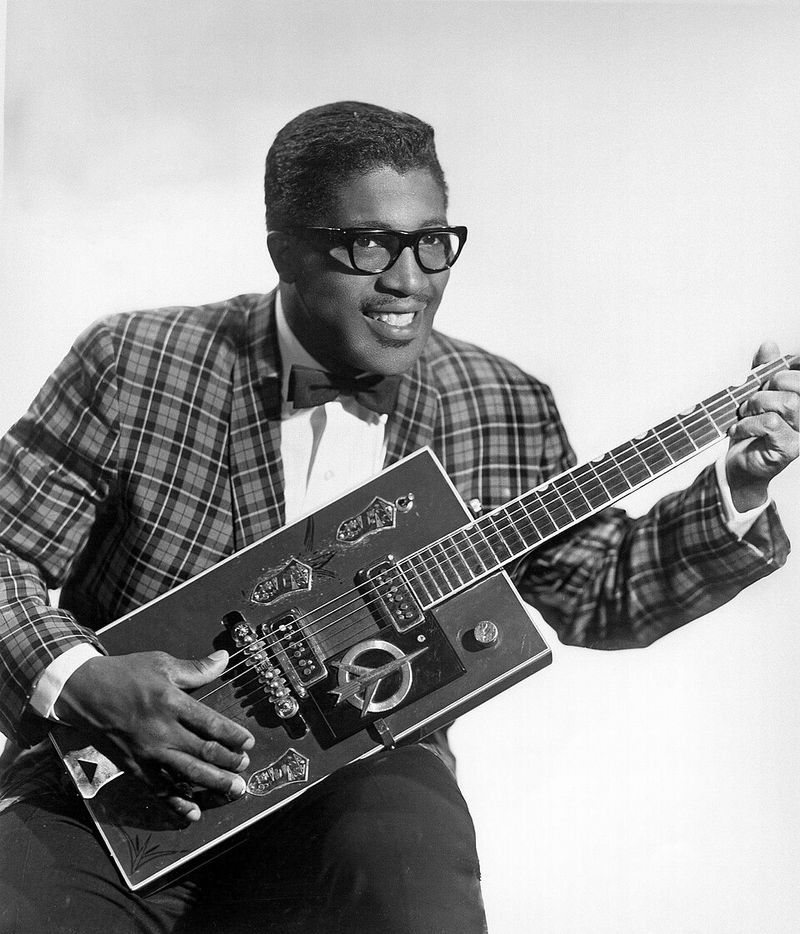
When this self-titled debut single arrived in 1955, it introduced a rhythmic pattern so distinctive and contagious that musicians have been borrowing it ever since. The beat itself traces back to African rhythmic traditions and Afro-Cuban clave patterns, but Bo Diddley forged those ancient elements into something unmistakably modern.
Buddy Holly used it in “Not Fade Away,” The Rolling Stones adopted it repeatedly, and George Michael built “Faith” around it in 1987. The song relied on a simple, often single-chord structure, with Jerome Green’s maracas providing a crucial percussive layer. Bo Diddley’s debut topped the R&B charts in 1955, and he was inducted into the Rock and Roll Hall of Fame in 1987 for his foundational rhythmic contribution.
10. Johnny B. Goode by Chuck Berry
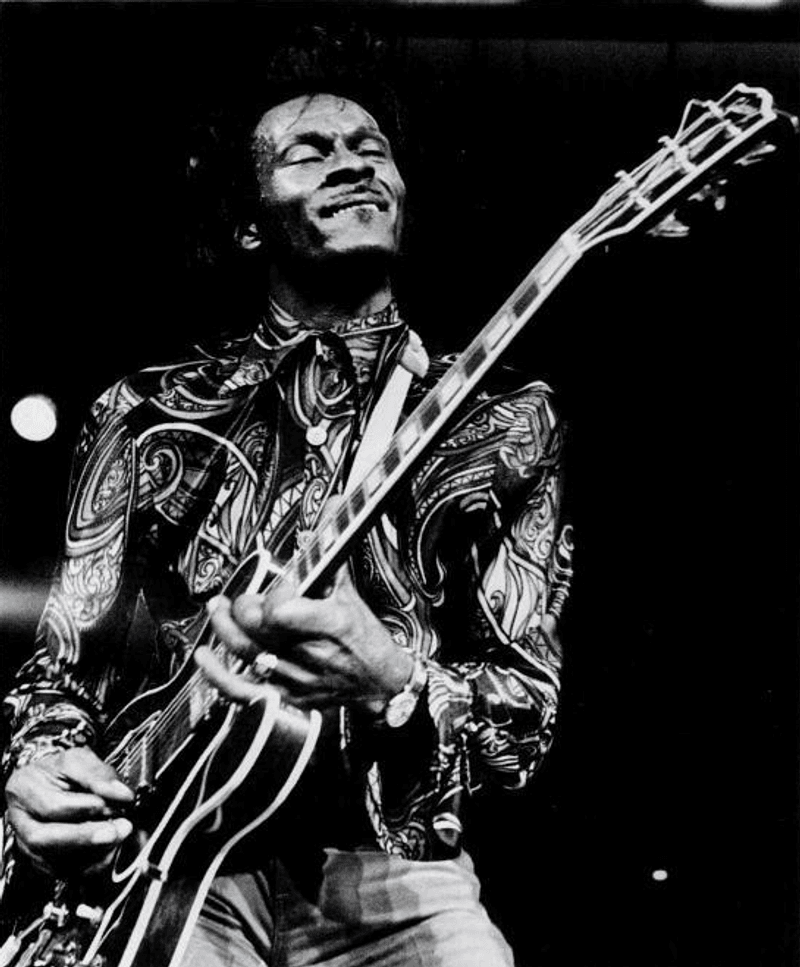
Chuck Berry released this track in 1958, and the opening double-stop riff immediately became one of the most copied guitar intros in rock history. The sliding, syncopated pattern drew from Carl Hogan’s guitar intro on Louis Jordan’s 1946 recording and incorporated elements of T-Bone Walker’s lead style, which Berry acknowledged directly.
Berry’s genius was in fusing blues structure with country twang and upbeat rock energy, creating something that felt entirely new despite its roots. The song’s underdog narrative resonated across generations, and its cultural staying power was confirmed when it appeared in the 1985 film “Back to the Future.” Elvis Presley, The Beatles, and AC/DC all pointed to Berry as a foundational influence.
11. Red House by Jimi Hendrix
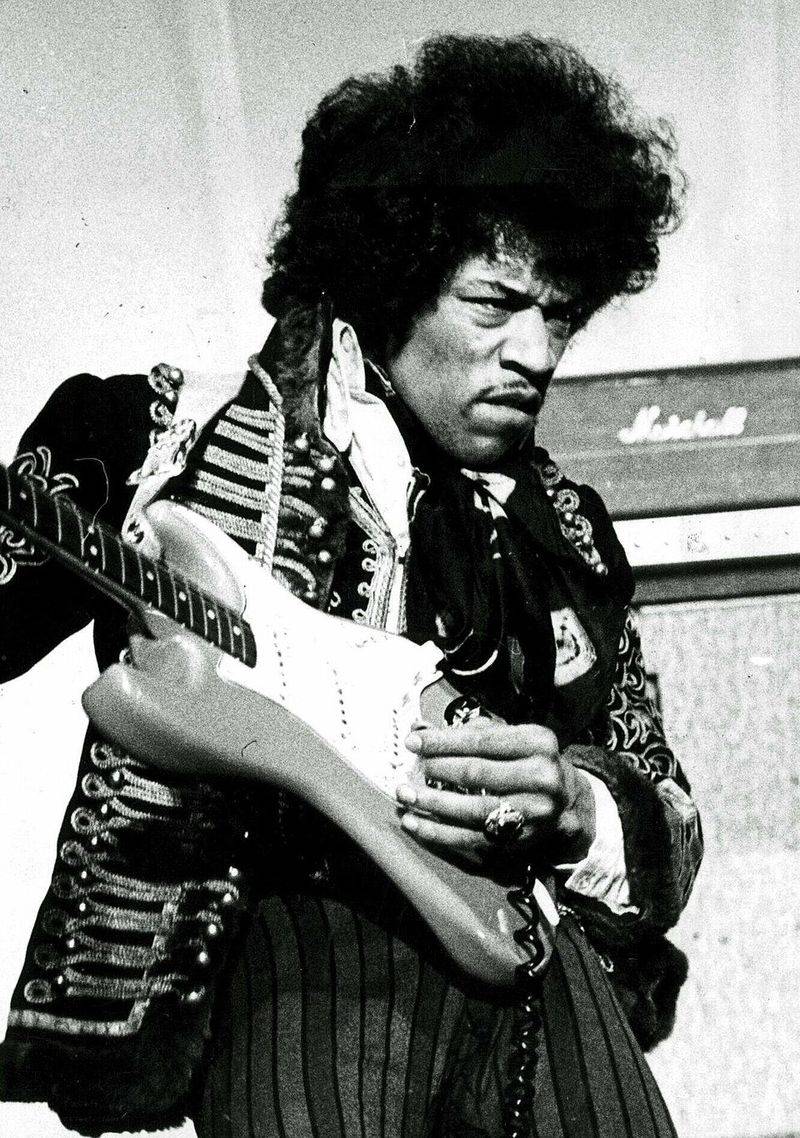
Recorded in 1966 with The Jimi Hendrix Experience, this slow twelve-bar blues is often described as the most traditionally structured blues song in Hendrix’s official catalog, giving listeners a clear window into the deep blues foundation beneath his more experimental recordings.
Hendrix typically played it in B-flat major after tuning his guitar a half-step down, and the song’s open structure gave him room to showcase string bending, vibrato, and controlled feedback in ways that felt genuinely expressive rather than technically demonstrative. Billy Cox described it as Hendrix using his musical roots in a pop context. Blues legends like Buddy Guy and modern guitarists like John Mayer have covered it, and John Lee Hooker praised Hendrix’s blues playing in remarkably direct terms.
12. Sunshine of Your Love by Cream
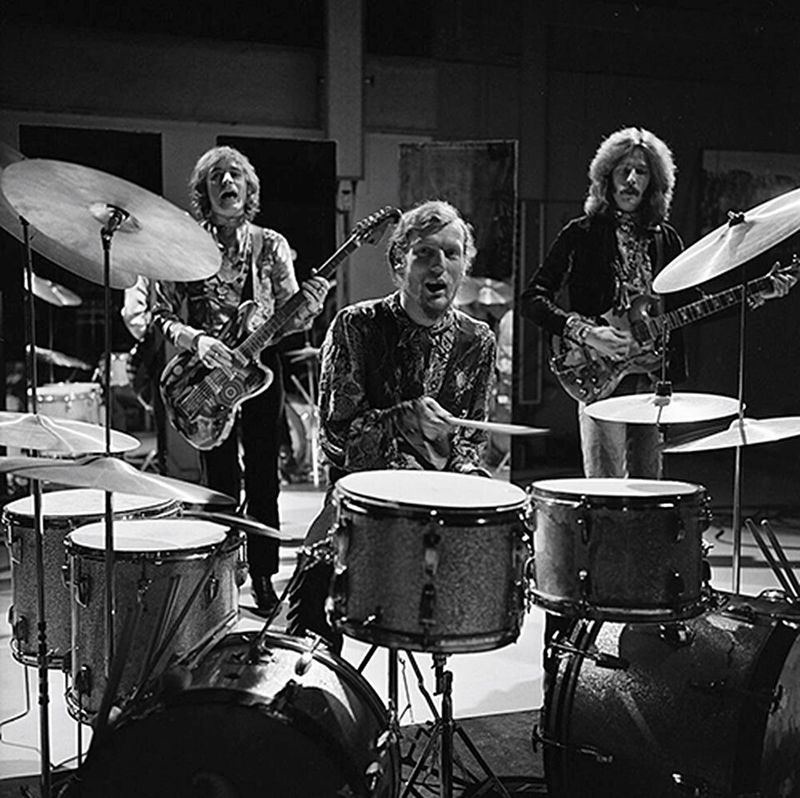
The riff that drives this 1967 track from the album “Disraeli Gears” was actually conceived by bassist Jack Bruce, who developed it after an all-night writing session reportedly inspired by attending a Jimi Hendrix concert. Eric Clapton and Ginger Baker built the rest of the arrangement around it, with Baker’s distinctive tom-tom rhythm adding a crucial layer of heaviness.
Clapton’s guitar work incorporated heavy distortion and an aggressive playing style that pointed directly toward hard rock and heavy metal. His solo included a deliberate quote from the pop standard “Blue Moon,” which engineer Tom Dowd said was meant to show that music’s underlying connections remain constant. The song became Cream’s only gold-certified single in the United States and influenced Led Zeppelin and Black Sabbath directly.
13. Whole Lotta Love by Led Zeppelin
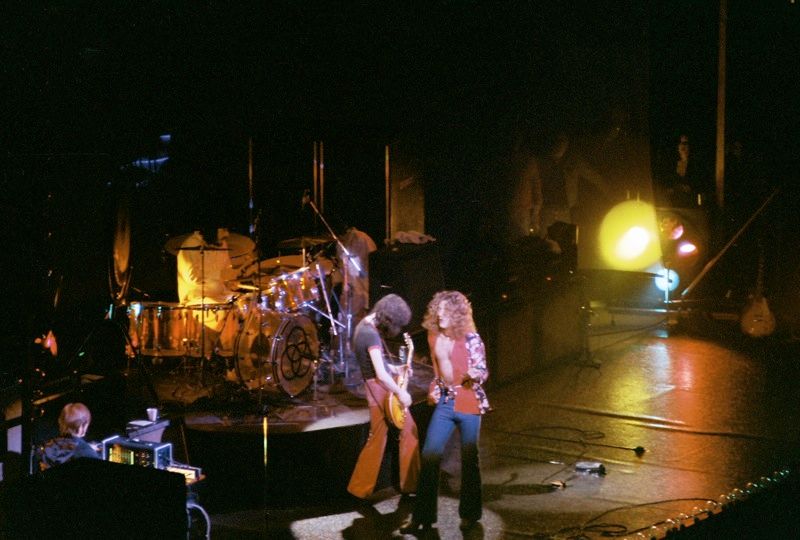
Jimmy Page conceived this riff during the summer of 1968 while on his houseboat on the River Thames, describing it as brutally simple and immediately knowing it could carry an entire song. The chugging riff creates the impression of two guitars playing simultaneously because Page bent one of two strings played in unison, producing a subtle but powerful pitch shift.
Production techniques including palm muting, a slide on the low E string, and quarter-tone bends contributed to its crushing weight, which Page specifically designed for stereo FM radio. The song’s lyrics drew from Willie Dixon’s “You Need Love,” leading to a 1985 lawsuit settled with a co-writing credit. BBC Radio 2 listeners voted it the greatest guitar riff of all time in 2014.
14. La Grange by ZZ Top
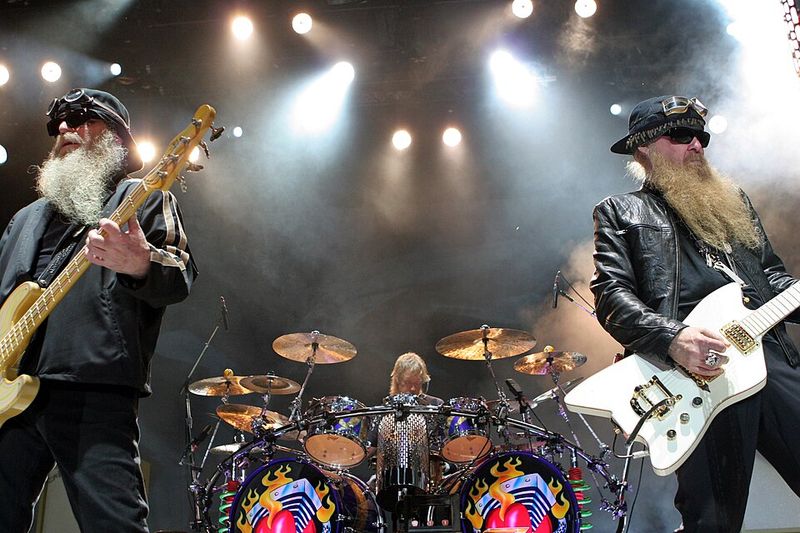
Released on the 1973 album “Tres Hombres,” this track references the infamous Chicken Ranch brothel near La Grange, Texas, a historical detail that gave the song an air of regional legend before a single note was played. The opening riff draws heavily from John Lee Hooker’s 1948 “Boogie Chillen’,” a resemblance that led to a copyright lawsuit dismissed in 1995 when that song was declared public domain.
Billy Gibbons’ guitar tone on the track has been described as greasy and overdriven, with precise use of rests and staccato muting giving the riff its characteristic forward drive. The three-piece lineup of Gibbons, Dusty Hill, and Frank Beard prioritized rhythmic precision and feel above complexity. The song reached number 41 on the Billboard Hot 100 in 1974 and became a defining piece of Texas blues rock.
15. Statesboro Blues by The Allman Brothers Band
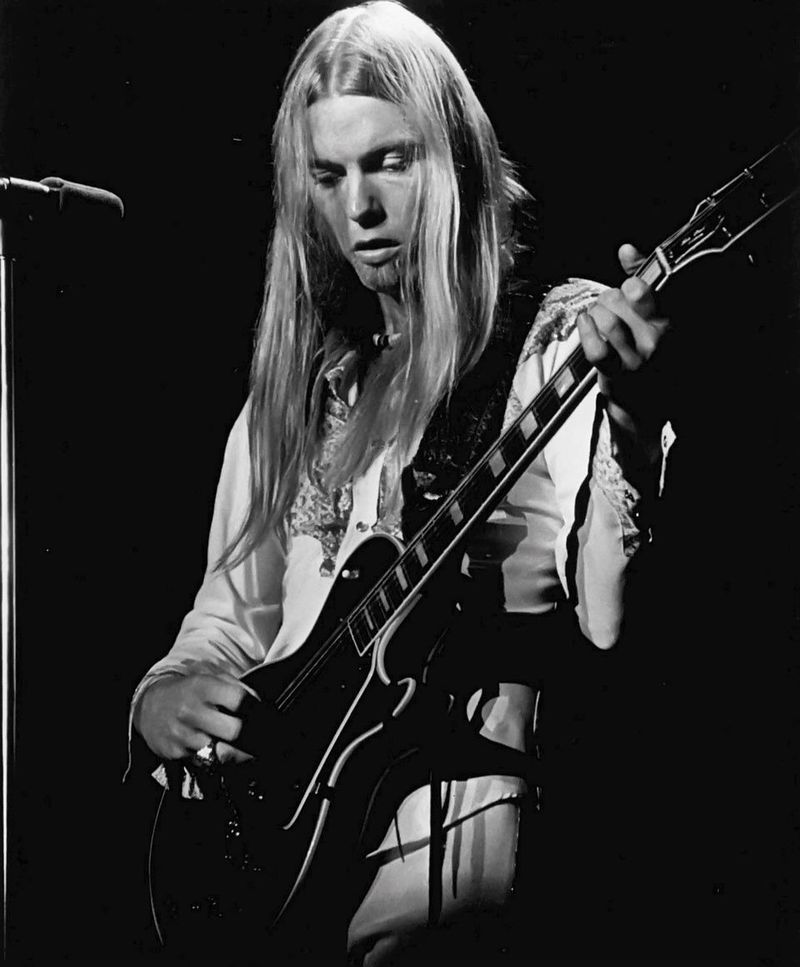
Blind Willie McTell wrote and recorded the original in 1928 on a twelve-string guitar, but the version that reshaped rock came from the Allman Brothers Band’s 1971 live recording at the Fillmore East, where Duane Allman’s slide guitar playing reached a level that critics and fellow musicians still discuss with genuine awe.
Allman reportedly learned the song by emptying a bottle of Coricidin cold medicine, washing off the label, and using it as a slide after receiving a Taj Mahal record that featured the track. His opening slide licks in Open E tuning became the subject of extensive analysis in Guitar Player magazine, which listed his tones among the 50 greatest of all time. Rolling Stone ranked the song ninth on their list of the 100 Greatest Guitar Songs of All Time.
16. Pride and Joy by Stevie Ray Vaughan
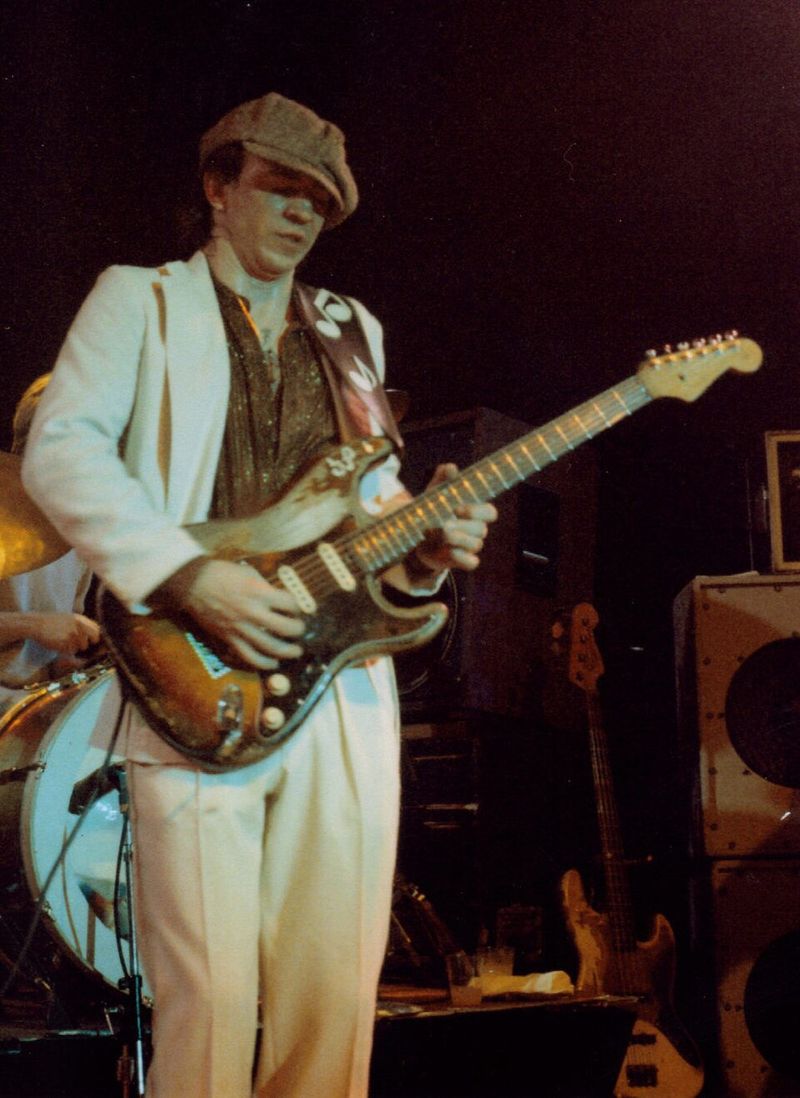
Few riffs from the 1980s hit with the immediate authority of this one, which Stevie Ray Vaughan used to announce himself to a global audience and revive Texas blues at a time when the genre had largely disappeared from mainstream attention. The track is built on a Texas shuffle groove, a rhythmic style Vaughan executed with a level of intensity that set a new standard.
His right hand simultaneously maintained a walking bass line on the lower strings and rhythmic stabs on the treble strings, creating an intricate dual-function approach that inspired countless guitarists to study his technique closely. His use of double stops and expressive first-position bends added power to the lead work. The track remains one of the most studied pieces in modern blues guitar education.
17. Can’t You Hear Me Knocking by The Rolling Stones

Keith Richards wrote this riff using his trademark five-string open G tuning, a setup he favored after learning it from Ry Cooder, and the result was a chopping, staccato sequence that immediately signals something urgent and cool. The song appeared on the 1971 album “Sticky Fingers” and runs nearly seven minutes, which was unusual for a rock single at the time.
The track splits into two distinct sections: a hard-rocking blues opening driven by Richards and Mick Jagger, followed by an extended instrumental jam that the band reportedly kept playing without realizing producer Jimmy Miller was still recording. Bobby Keys delivered a gritty saxophone solo, and Mick Taylor added a lengthy guitar solo that drew comparisons to Carlos Santana’s fluid style. Far Out magazine called it Richards’ ultimate riff, and Rolling Stone ranked it 25th on their list of the 100 Greatest Guitar Songs of All Time.
Share this story