Not every jaw-dropping landscape in the American West belongs to the National Park Service. Some of the most stunning scenery out there is sitting quietly inside state parks, waiting for travelers who know where to look.
These 13 western state parks deliver the kind of views, wildlife, and wide-open spaces that most people only expect from places like Yellowstone or Zion. Whether you are planning a road trip or just looking for a weekend escape closer to home, this list is worth saving.
Valley of Fire State Park, Nevada
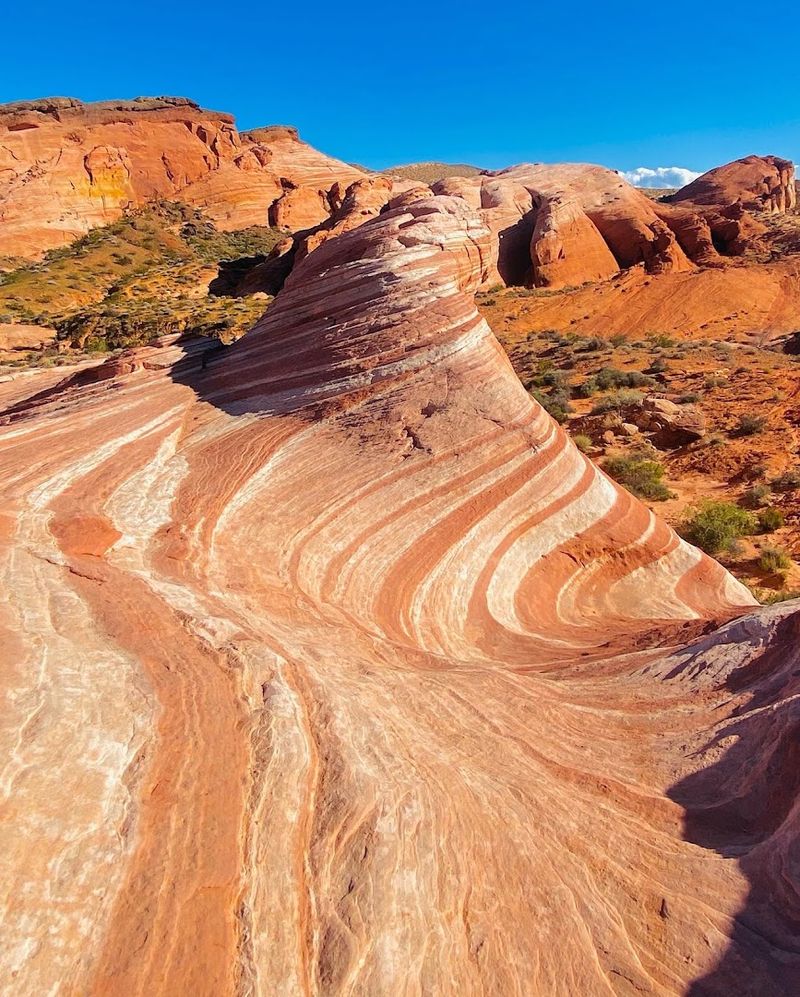
Nevada has a lot of desert, but Valley of Fire is in a category of its own. The park covers 40,000 acres of brilliant red Aztec sandstone, layered with gray and tan limestone, petrified trees, and petroglyphs carved more than 2,000 years ago.
It is the kind of place that stops you mid-hike just to look around.
The colors here shift dramatically depending on the time of day. Morning light turns the formations a deep, almost cinematic orange-red, while midday sun bleaches the contrast into something sharper.
Photographers tend to arrive early or stay late for good reason.
Summer visitors need to check conditions before heading out, since fire restrictions and seasonal trail closures can begin as early as May 15. The park is fully operational and worth every bit of planning it takes.
At 40,000 acres, there is no shortage of ground to explore at your own pace.
Dead Horse Point State Park, Utah
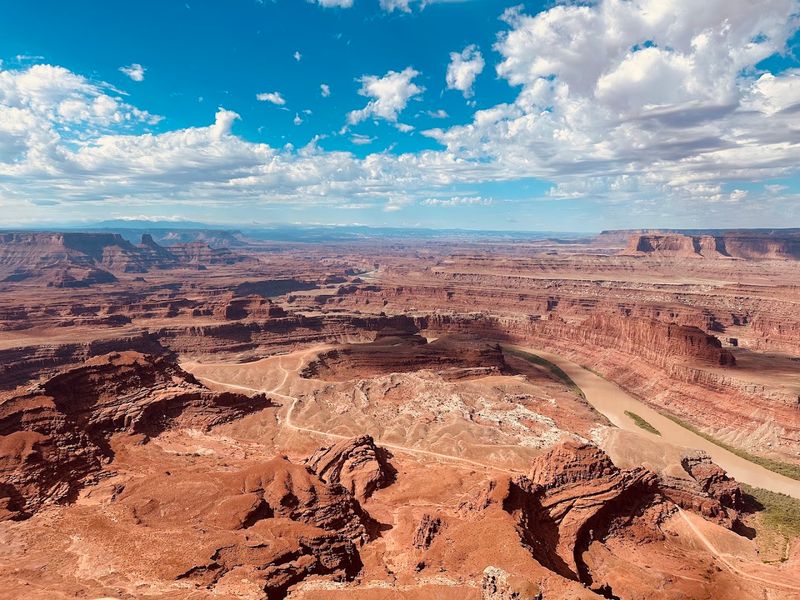
Just outside of Moab, this state park delivers canyon drama that competes directly with the national parks surrounding it. Dead Horse Point sits on a narrow mesa rising more than 2,000 feet above the Colorado River, offering overlook views that are genuinely hard to believe until you are standing at the edge.
Utah State Parks highlights the park for its high desert woodland, miles of trails, and campgrounds that put visitors under some of the darkest night skies in the region. Sunrise and sunset here are legitimately special, especially from the main overlook where the canyon opens up in every direction.
For travelers who want that big red-rock experience without navigating the crowds inside Canyonlands or Arches, this park is a practical and rewarding alternative. The name alone raises questions, and the view is the answer.
Plan to spend at least a half day here to feel like you gave it a fair shot.
Smith Rock State Park, Oregon
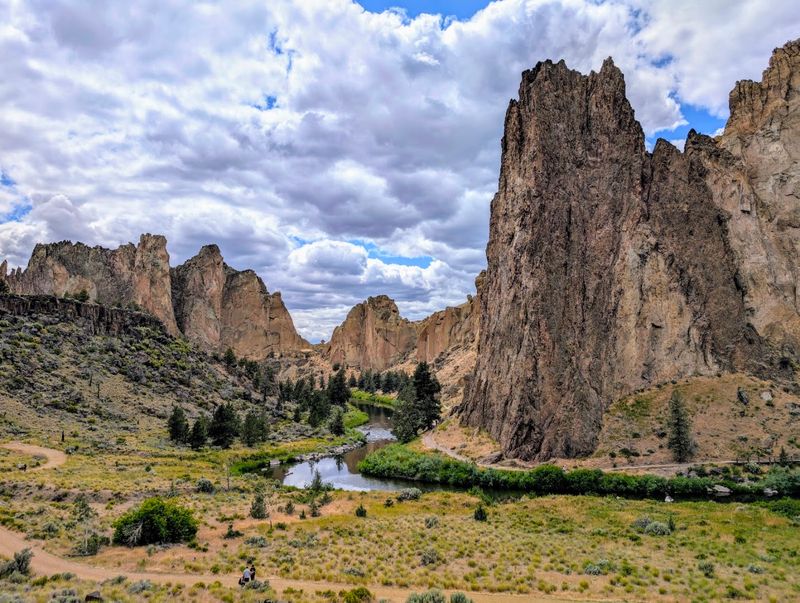
Smith Rock punches well above its weight for a state park. The park is known across the climbing world for having thousands of bolted routes up its volcanic rock formations, and it is widely credited with helping launch the sport climbing movement in the United States during the 1980s.
That history alone makes it an interesting stop.
Oregon State Parks notes the park features deep river canyon views, miles of hiking and mountain biking trails, and a rugged vertical landscape that feels much larger than a typical day-use area. The Crooked River winds through the base of the canyon, adding a water element that softens the otherwise sharp terrain.
Hikers who take the Misery Ridge Trail get rewarded with panoramic views of the Cascade peaks, including Mount Jefferson and Three Sisters on clear days. The trail is steep and direct, so bring water and good footwear.
It is not a stroll, but the payoff at the top is real.
Deception Pass State Park, Washington
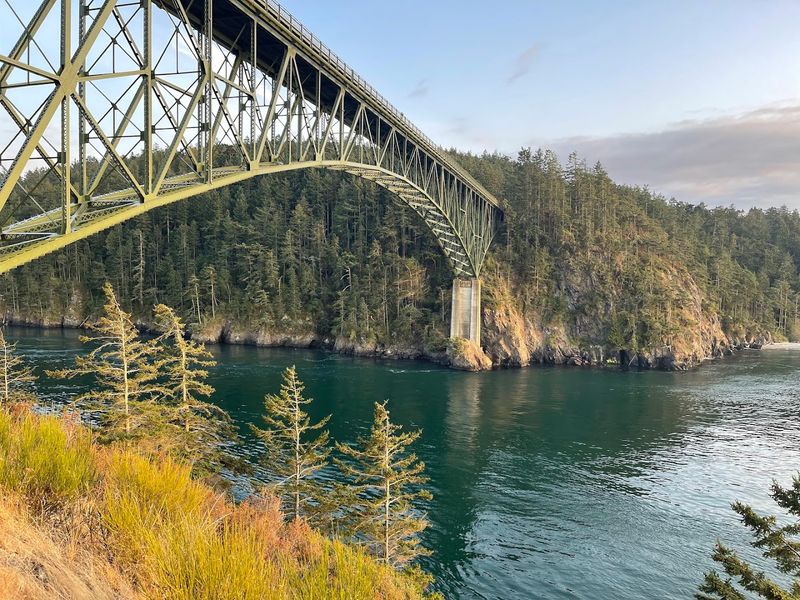
The bridge at Deception Pass is one of Washington’s most photographed structures, and standing on it while looking down at the churning water below is a different kind of experience from most state park visits. Built in 1935, the twin bridges connect Whidbey Island and Fidalgo Island across a narrow, fast-moving tidal strait.
Washington State Parks describes the park as spanning two islands with panoramic views, old-growth forest, rocky beaches, and sunsets that draw visitors from across the Pacific Northwest and beyond. Winter hours open at 8 a.m. and close at dusk, so timing matters if you are planning around light.
Beyond the bridge, the park has miles of trails through forest and along the shoreline, plus camping spots that book up fast in summer. The combination of ocean, forest, island scenery, and a genuinely striking piece of infrastructure makes this one of the more complete outdoor destinations on the entire Washington coast.
Bruneau Dunes State Park, Idaho
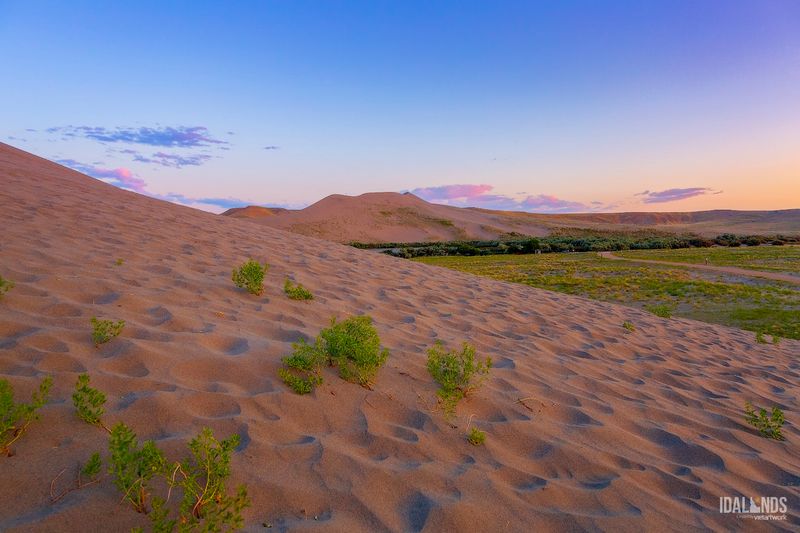
Idaho is not the first state that comes to mind when you think of towering sand dunes, but Bruneau Dunes makes a strong case for reconsideration. The park is home to the tallest single-structured sand dune in North America, rising 470 feet above the desert floor.
That is not a minor geological footnote.
Idaho Parks and Recreation says visitors can hike the dunes, fish in the two small lakes at the base, and camp under skies that are dark enough for serious stargazing. The park also has a public observatory with a 25-inch telescope available for public viewing on select evenings.
Sandboards can be rented from the visitor center, which makes the dunes accessible to people of all ages without requiring any special gear. The landscape here has a genuinely otherworldly quality, especially in the early morning when the light hits the sand at low angles and the shadows sharpen every ridge.
It is an easy road trip add-on from Boise.
Makoshika State Park, Montana
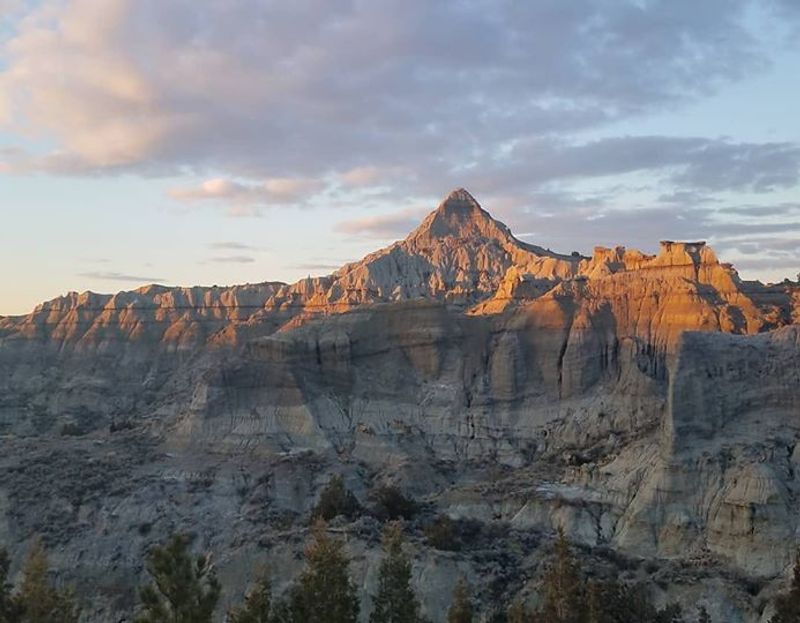
Montana’s largest state park looks less like a roadside attraction and more like a landscape from a science documentary. Makoshika, pronounced mah-KO-shi-kah, is a Lakota word meaning bad land or bad earth, and the badland formations here are as dramatic as the name suggests.
The park sits just outside Glendive in eastern Montana.
Montana Fish, Wildlife and Parks notes that the park’s rock layers contain fossil remains of Tyrannosaurus rex and Triceratops, making it one of the more scientifically significant state parks in the country. Visitors can see exposed fossil material and learn about the excavation history at the park visitor center.
Beyond the paleontology angle, the park offers hiking trails, a paved road through the formations, picnic areas, and a disc golf course that winds through the badlands in a way that feels genuinely unique. Some holiday closures apply, so checking the official park page before your visit is worth the extra minute it takes.
Roxborough State Park, Colorado
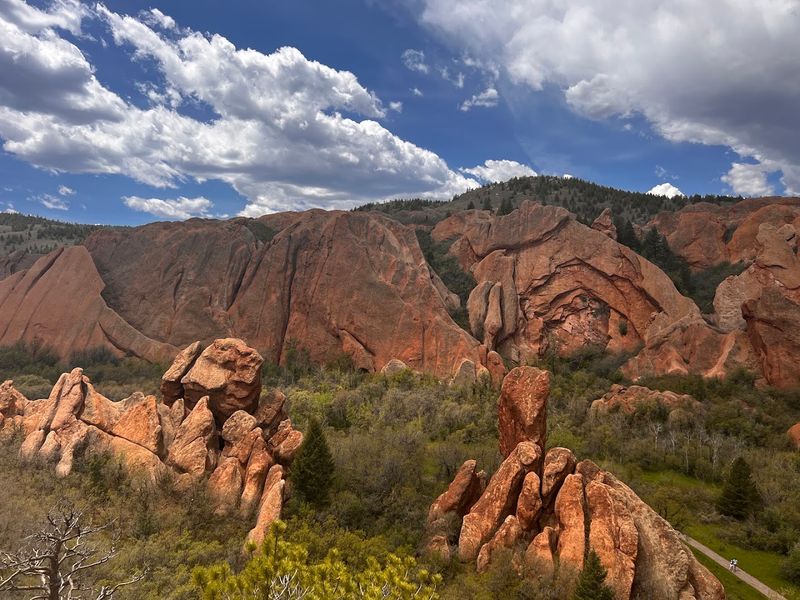
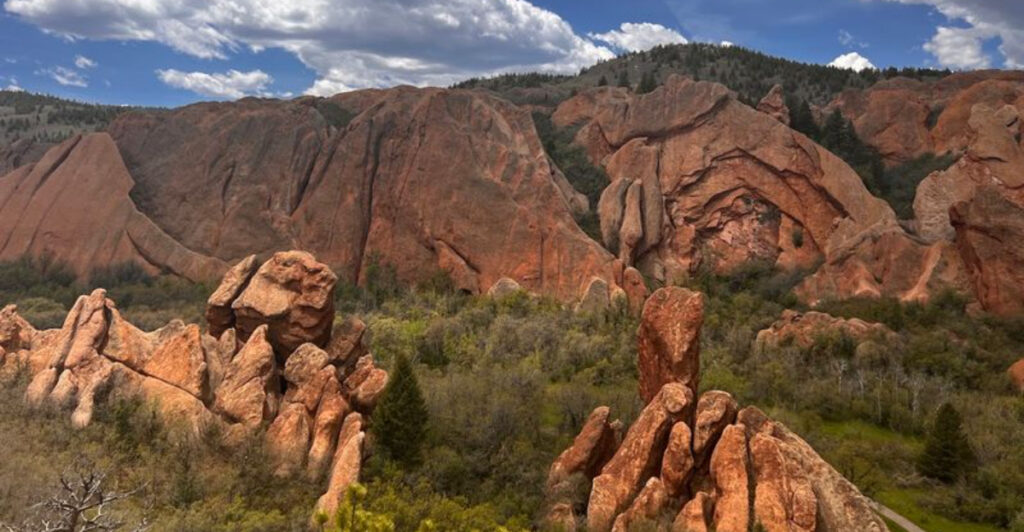
About 30 miles southwest of Denver, Roxborough State Park sits close enough to the city for a day trip but feels removed enough to actually clear your head. The park’s defining feature is its dramatic red sandstone formations, which jut vertically from the ground in sharp, angular fins that create a skyline unlike anything else in the Front Range foothills.
Colorado Parks and Wildlife describes the park as covering roughly 3,413 acres with distinct plant communities that transition between mountain and plains ecosystems. Wildlife in the park includes black bears, mule deer, mountain lions, and a variety of bird species, making it a productive area for wildlife observation.
No bikes, horses, or dogs are allowed on the trails, which keeps the experience quieter than many comparable Front Range parks. For travelers who want the visual drama of Garden of the Gods without the tour buses and gift shops, Roxborough offers a calmer, more natural version of that same red-rock scenery just a short drive away.
Catalina State Park, Arizona
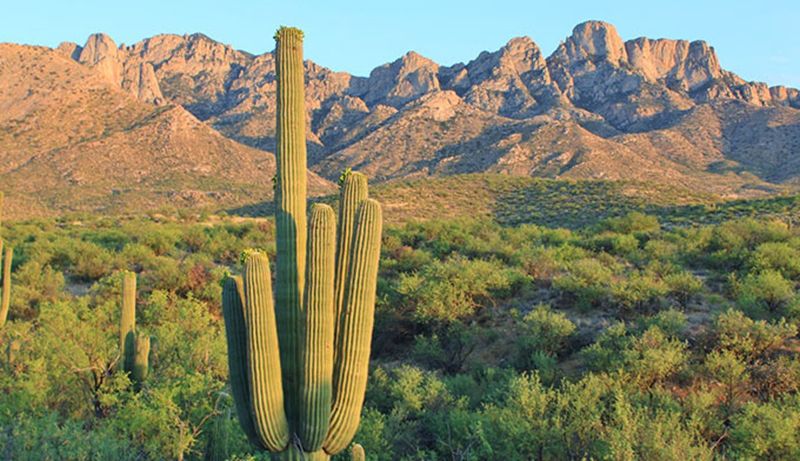
Sitting at the base of the Santa Catalina Mountains north of Tucson, Catalina State Park packs a full Arizona desert experience into 5,500 acres of foothills, canyons, and seasonal streams. The park is open daily from 5 a.m. to 10 p.m., which means early risers can catch the desert at its quietest and most photogenic.
Arizona State Parks notes the park contains nearly 5,000 saguaro cacti and provides habitat for more than 150 bird species, making it one of the better birding destinations in southern Arizona. Hikers have access to trails that range from easy canyon walks to more demanding routes into the mountain foothills.
Camping, picnicking, and equestrian trails round out the available activities, giving the park enough variety to work as either a quick stop or a full weekend. The combination of mountain backdrop, cactus-filled desert floor, and reliable wildlife sightings gives Catalina a layered visual appeal that holds up in every season, including the cooler winter months when the Sonoran Desert is at its most comfortable.
Anza-Borrego Desert State Park, California
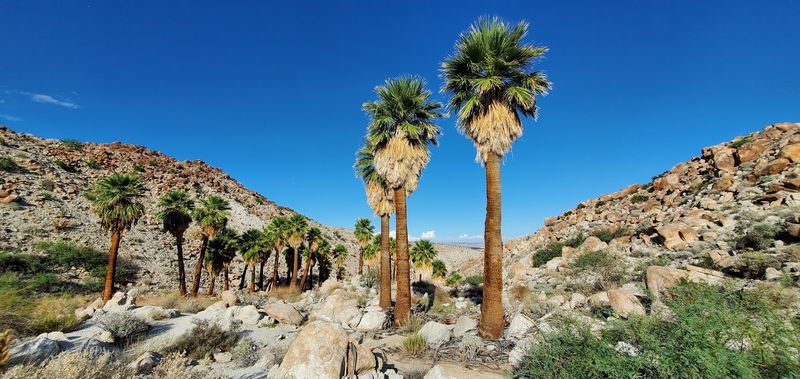
Scale is the first thing that hits you at Anza-Borrego. California State Parks identifies it as the largest state park in California, covering more than 600,000 acres across the Sonoran Desert east of San Diego.
For context, that is larger than the state of Rhode Island.
The park includes 500 miles of dirt roads, 12 wilderness areas, extensive hiking trails, camping options, and habitat for bighorn sheep, roadrunners, and a variety of desert reptiles. During wet winters, the wildflower blooms here attract visitors from across the state and beyond, turning the normally sparse desert floor into a carpet of color.
Palm groves, slot canyons, and fossil beds add geological variety to what might otherwise seem like a flat expanse of sand and rock. The town of Borrego Springs sits inside the park boundaries and offers lodging and services for visitors who want more than a day trip.
This is the kind of place that rewards slower travel and a willingness to take the unpaved roads.
Point Lobos State Natural Reserve, California
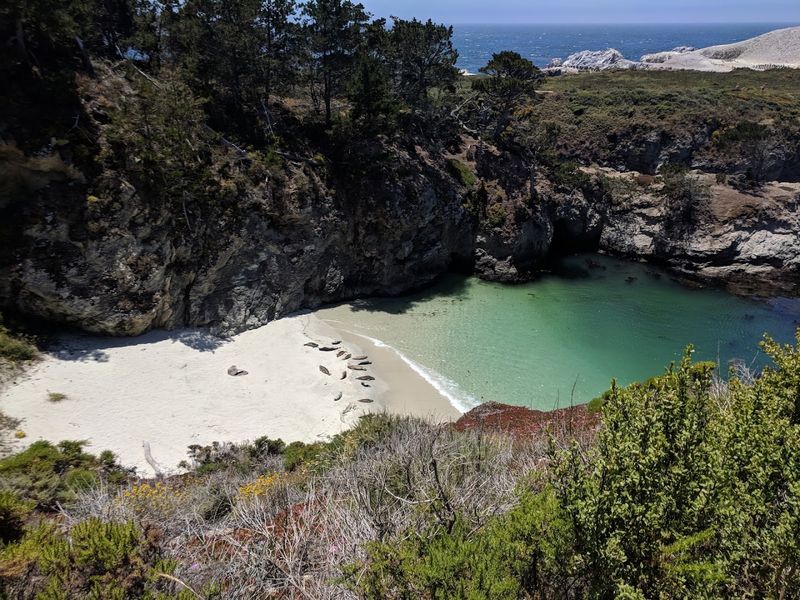
California State Parks calls Point Lobos the crown jewel of the California State Park System, and the designation is not hard to understand once you see the coastline. The reserve sits just south of Carmel-by-the-Sea and protects a stretch of rugged Pacific headlands, sheltered coves, and rolling meadows that feel more like a painting than a real place.
The offshore waters here form one of the most biologically rich underwater habitats on the West Coast, with kelp forests, harbor seals, sea otters, and seabirds present year-round. The reserve is also a popular destination for scuba divers, who must reserve entry permits in advance due to limited access.
Parking at the reserve fills quickly, especially on weekends, and entry is sometimes limited when the lot reaches capacity. Arriving early on a weekday gives you the best chance of a quieter experience along the trails.
For coastal scenery and wildlife in a single stop, Point Lobos consistently delivers at a level that rivals any national seashore on the Pacific coast.
Silver Falls State Park, Oregon
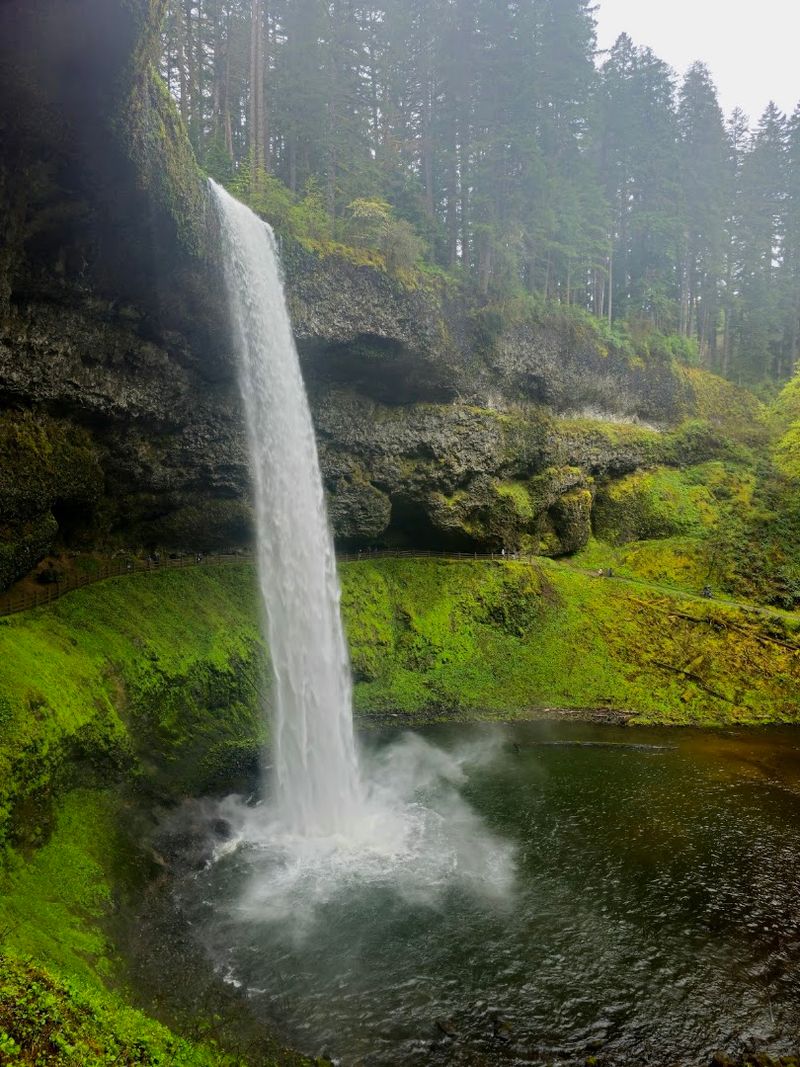
Oregon’s largest state park is anchored by one of the most rewarding waterfall hikes in the Pacific Northwest. The Trail of Ten Falls loops through old-growth forest and passes behind several of the park’s waterfalls, including South Falls, which drops 177 feet into a basalt bowl.
Walking behind a waterfall is the kind of experience that people remember for a long time.
Oregon State Parks describes Silver Falls as a scenic treasure with beauty, recreation, and historic presence that puts the park on both a national and international stage. The Civilian Conservation Corps built many of the park’s structures during the 1930s, and that craftsmanship is still visible in the stone lodges and bridges scattered throughout the grounds.
Beyond the waterfall trail, the park offers horseback riding, mountain biking, camping, and picnic facilities spread across more than 9,000 acres. Fall is a particularly good time to visit when the maple and bigleaf alder trees add warm color to the already-green forest.
The trail itself is about 7.2 miles and is considered moderate difficulty.
Palouse Falls State Park Heritage Site, Washington
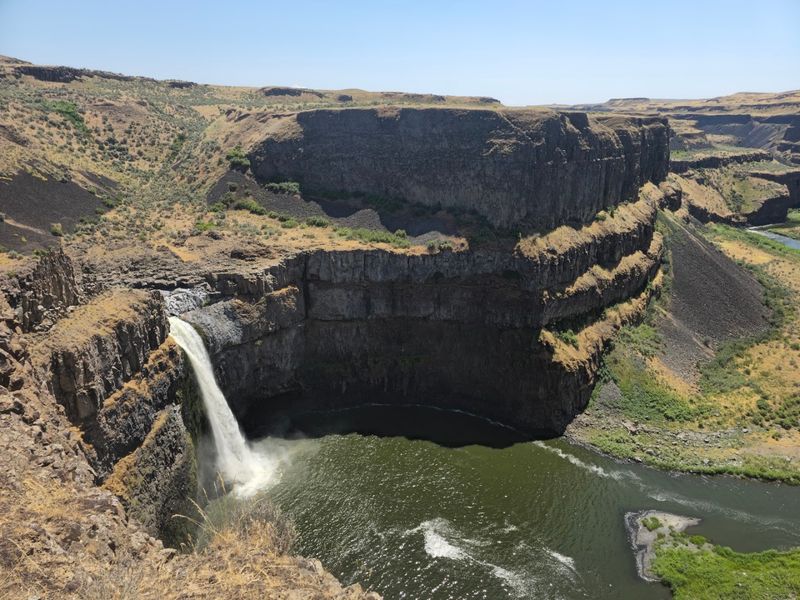
At just 94 acres, Palouse Falls is one of the smallest parks on this list, but the view from the overlook is genuinely stunning. The falls drop about 198 feet into a basalt canyon carved by ancient Ice Age floods, and the surrounding landscape of rolling golden hills and exposed rock walls makes the scene feel almost prehistoric.
Washington State Parks designates Palouse Falls as the official state waterfall, and the park is set up primarily as a day-use area with overlooks, picnic facilities, and short trails leading to different vantage points of the canyon. The falls run year-round, though they are most powerful during spring snowmelt.
Visitors should check the official park page before visiting, as the site currently has a Level 4 burn ban in effect and some trails and undeveloped areas may be closed. The park is located in a remote part of southeastern Washington, so planning the drive and checking road conditions adds up to a smarter visit.
The canyon scenery alone makes the trip feel worthwhile.
Custer State Park, South Dakota
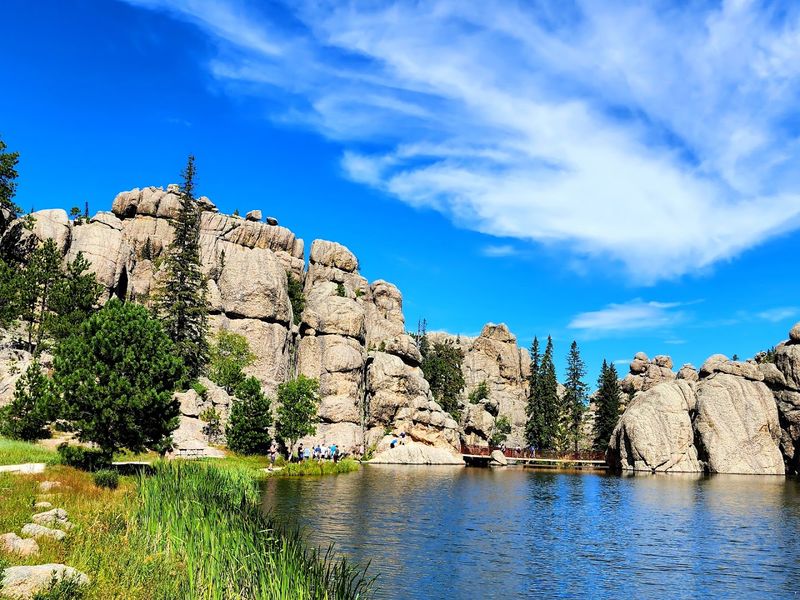
Custer State Park sits in the Black Hills of South Dakota and covers nearly 71,000 acres of terrain that shifts from open prairie to granite peaks to clear mountain streams within a single drive. South Dakota Game, Fish and Parks describes it as a place of granite peaks, rolling plains, clear mountain waters, and open ranges, which is an accurate summary of what the park actually delivers.
The park is home to a free-roaming bison herd of roughly 1,300 animals, which regularly cross the roads and can be viewed from vehicles throughout the Wildlife Loop Road. Keeping a safe distance from the bison is not just a suggestion; it is a serious safety requirement that the park enforces and communicates clearly to visitors.
Beyond bison, the park offers elk, pronghorn, wild burros, and mountain goats, plus camping, fishing, swimming, and access to several scenic byways. The Needles Highway and Iron Mountain Road, both passing through or near the park, add a road trip dimension that makes Custer feel like an entire destination rather than a single stop.
Share this story