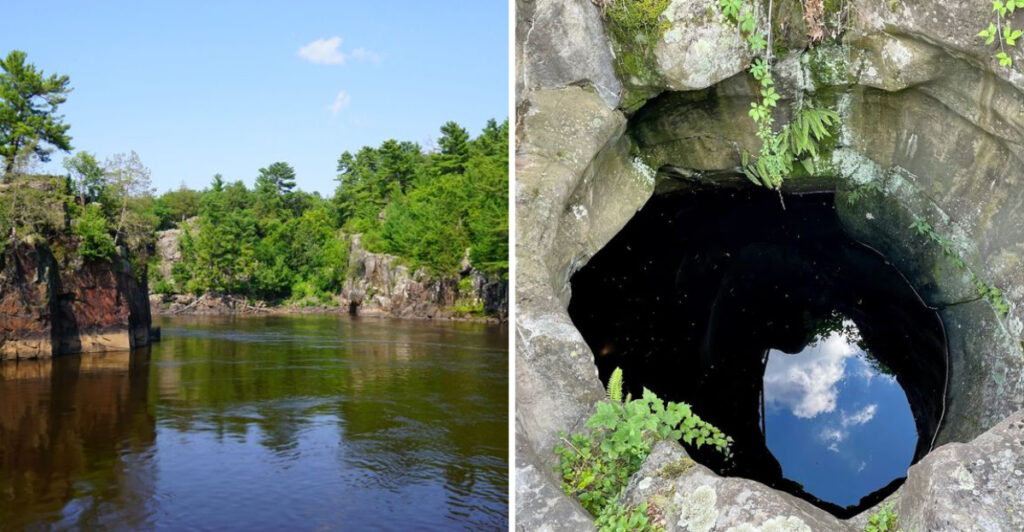
Thousands of years ago, massive glacial meltwater rivers carved something extraordinary into solid rock along the Minnesota-Wisconsin border. The result is a collection of deep, cylindrical holes drilled into ancient basalt by swirling boulders and rushing water, some reaching impressive depths that still leave geologists in awe today.
These formations are not replicas or reconstructions. They are the real thing, sitting in plain sight at a state park less than an hour from the Twin Cities.
Once you see them up close, the sheer force of nature that created them becomes almost impossible to wrap your head around.
The Glacial Potholes That Started It All
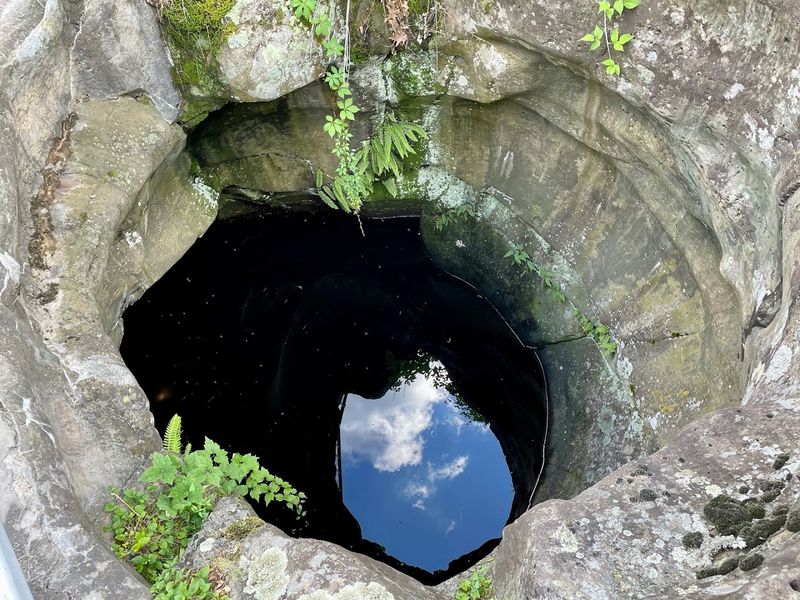
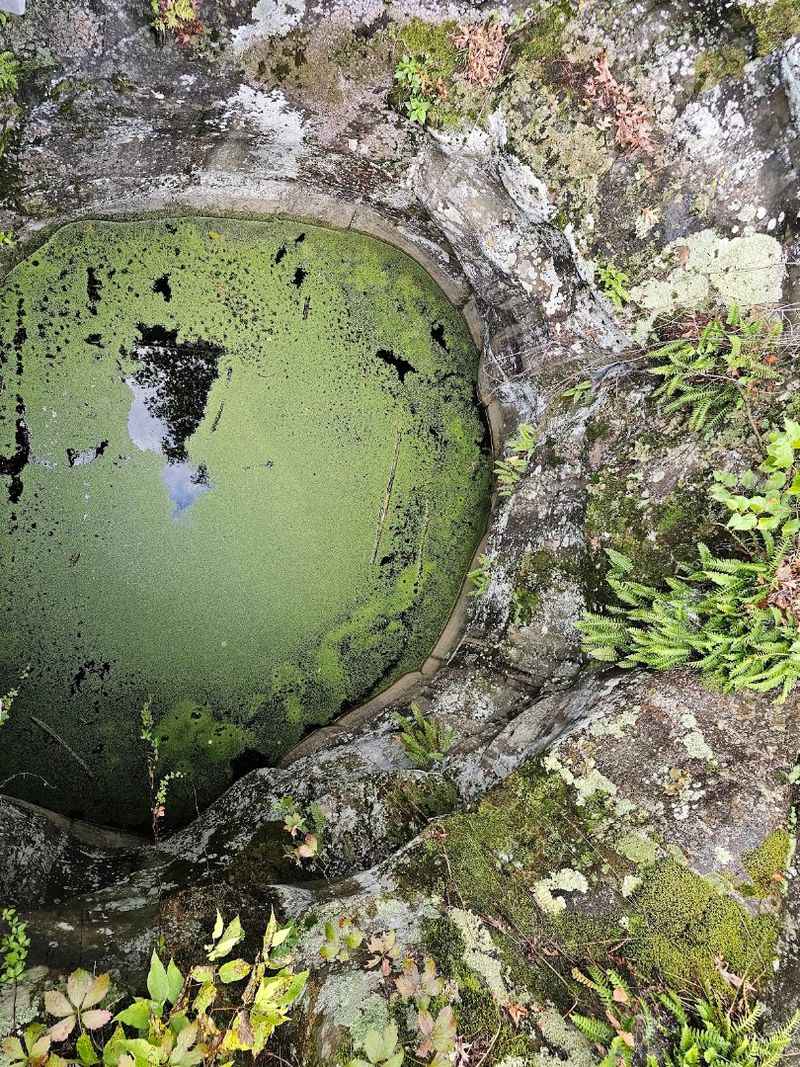
Few natural formations in the Midwest stop people mid-step the way these do. At Interstate State Park, located at 307 Milltown Rd, Taylors Falls, MN 55084, the glacial potholes are the undisputed centerpiece of the entire experience.
These aren’t shallow divots in the ground. Some of the potholes are remarkably deep, carved by fast-moving glacial meltwater that sent rocks spinning in tight circles against the basalt bedrock for thousands of years.
The grinding action created perfectly smooth, cylindrical formations that look almost machine-made.
Informational signs along the pathway explain the geology in plain language, which makes the science genuinely exciting rather than overwhelming. The potholes sit near the northern end of the park, close to the main parking area, making them accessible even for visitors with limited mobility.
Standing at the edge and peering down into one of these ancient formations is a moment that tends to stay with you long after you leave.
Ancient Lava Flows Beneath Your Feet
Before the glaciers arrived, this landscape was shaped by something far more dramatic. The rock you walk across at Interstate State Park is ancient basalt, formed by lava flows that occurred roughly one billion years ago during a period of intense volcanic activity in the region.
That detail alone transforms an ordinary hike into something that feels almost cinematic. You are literally walking on top of some of the oldest exposed volcanic rock in the upper Midwest.
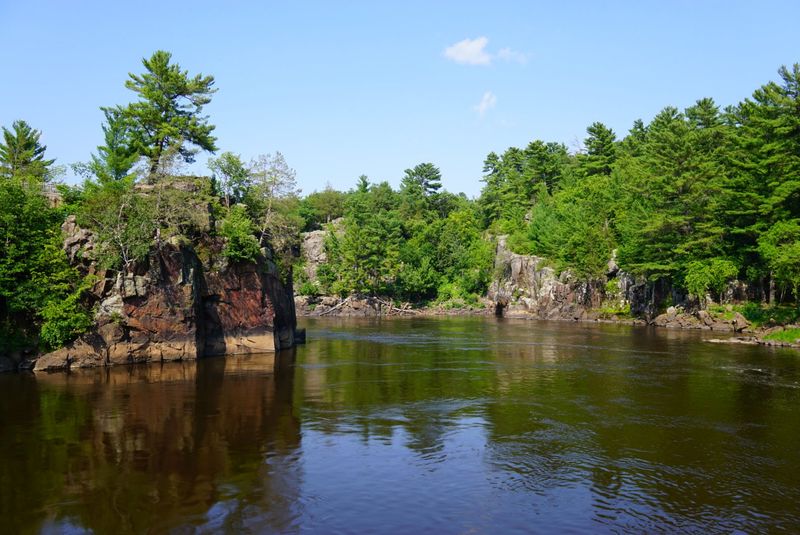
The dark, layered cliffs along the St. Croix River are a direct result of those ancient flows cooling and solidifying over enormous stretches of time.
Most visitors notice the dramatic rock faces but don’t immediately connect them to volcanic origins. Once you make that connection, the jagged, rugged texture of the cliffs starts to make complete sense.
The geology here tells a story that spans well beyond human history, and every trail section reveals another chapter.
The Walter Mondale River Trail Experience
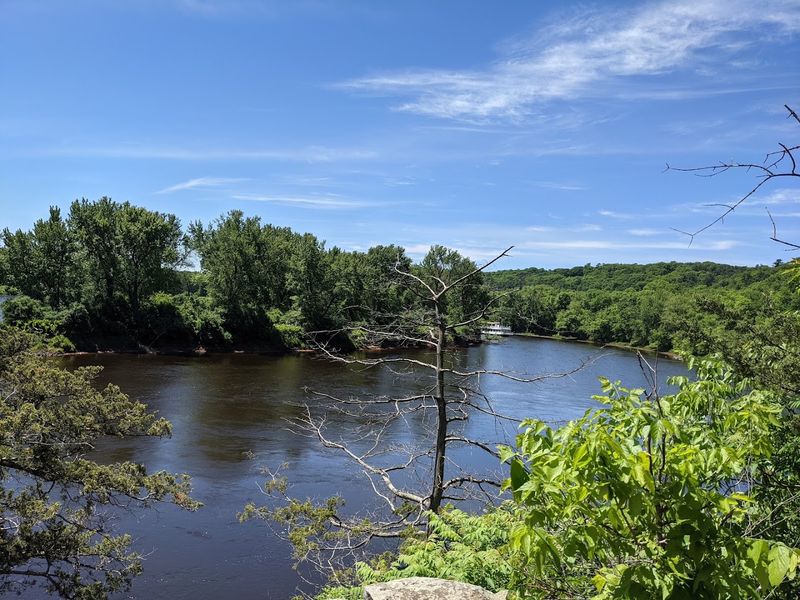
The Walter Mondale River Trail is the kind of hike that earns its reputation honestly. Running along the St. Croix River with views of dramatic basalt cliffs and the wide, calm water below, this trail delivers consistent scenery from start to finish.
The route runs just over a mile in each direction, making the round trip roughly two miles total. That length keeps it manageable for most fitness levels while still offering enough variety to feel like a genuine outdoor adventure.
Rocky outcroppings, elevated overlooks, and dense tree cover create a trail that changes character every few hundred feet.
Hiking shoes with solid grip are a smart call here, especially if you plan to scramble up onto any of the rock ledges for a better view. The trail connects to the Wisconsin side of the river as well, giving ambitious hikers the option to extend their outing.
The views across the water are consistently worth the effort.
Kayaking and Canoeing on the St. Croix River
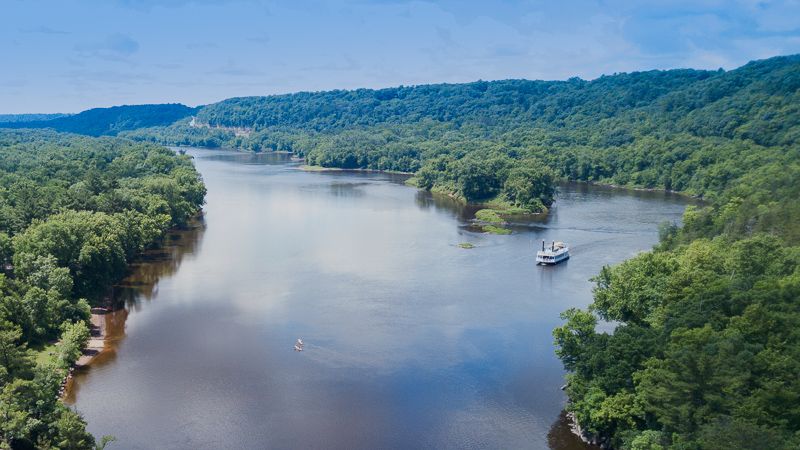
The St. Croix River runs along the edge of the park with a calm, steady current that makes it genuinely inviting for paddlers of all experience levels. Kayak and canoe rentals are available at the park, along with a shuttle service that simplifies logistics for those who want a one-way float rather than a return paddle.
The boat launch area is clean and well-organized, with clear signage and facilities that make getting on the water straightforward. First-time kayakers tend to find the setup especially approachable, and the river itself rewards paddlers with up-close views of the basalt cliffs that you simply cannot get from the trails above.
Going midweek makes a noticeable difference in crowd levels. A Wednesday morning launch means quieter water and more room to drift at your own pace.
The stretch between the park and the Osceola landing is a popular route that gives paddlers a satisfying sense of genuine exploration on the river.
Bluff Trails With Sweeping Overlooks
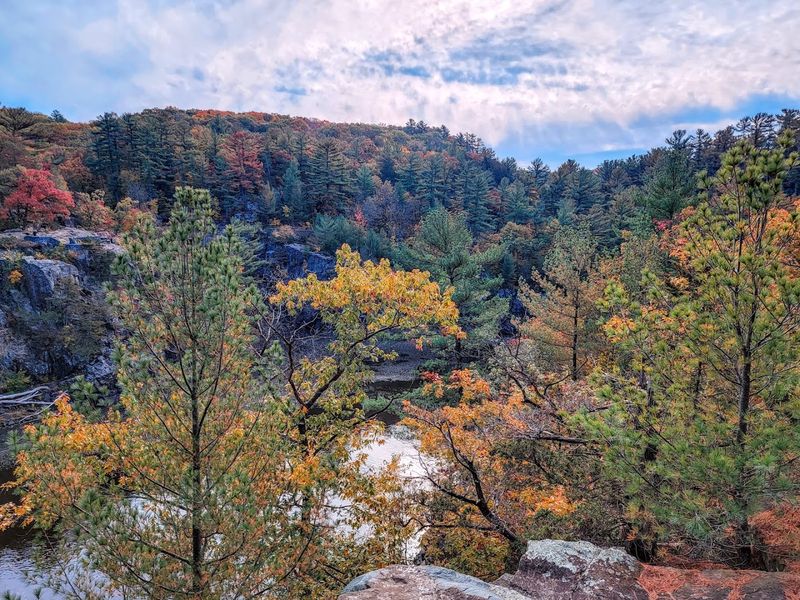
Getting up high at Interstate State Park rewards you with views that stretch across the St. Croix River valley in a way that ground-level trails simply cannot match. The bluff trails climb through forested terrain with a series of overlooks that frame the river and the Wisconsin shoreline across the water.
Some sections include steep stone steps, and the elevation gain is real. Taking your time on the steeper stretches is the right call, not just for safety but because rushing past these views would be a genuine shame.
The combination of exposed rock, river below, and dense tree canopy above creates a visual layering that photographs well but looks even better in person.
The trails are well-maintained and clearly marked, so getting turned around is unlikely. Visiting on a weekday morning dramatically reduces foot traffic, which makes the overlooks feel almost private.
Fall foliage in early October transforms these same views into something that draws visitors back year after year.
Camping Along the River at the Park Campground
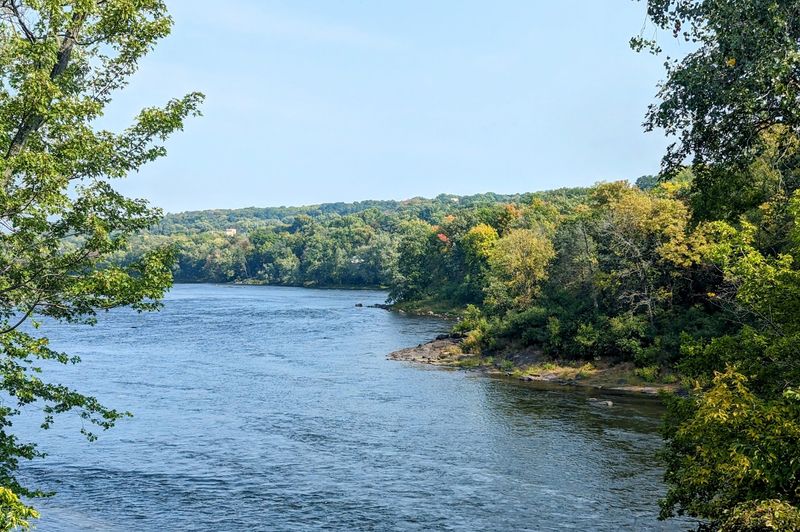
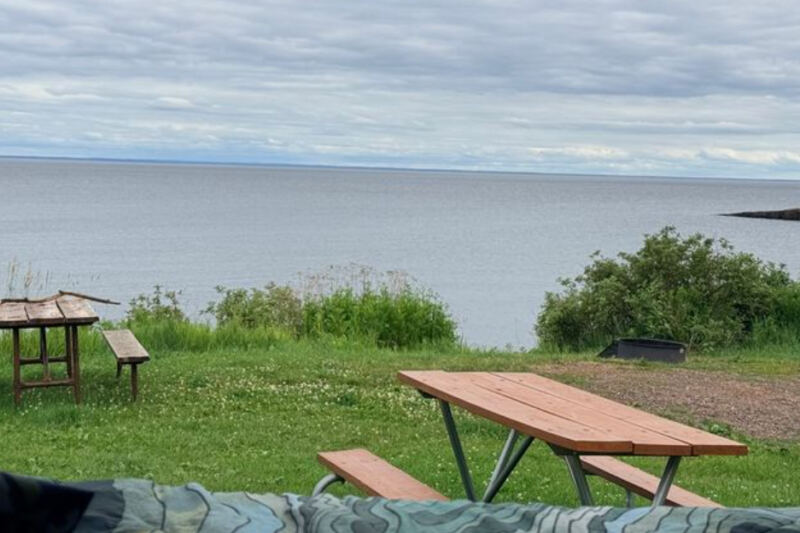
The campground at Interstate State Park sits less than a mile from the town of Taylors Falls, which means you get the convenience of being close to amenities without sacrificing the feeling of actually being in nature. The sites near the river offer a particularly peaceful setting, with the sound of water providing a natural backdrop through the night.
Road noise is minimal despite the campground’s proximity to the highway, which is a pleasant surprise for first-time campers here. The sites feel cozy rather than cramped, with enough tree cover between spots to maintain a sense of privacy.
Many visitors who camp here end up spending multiple nights simply because one day is rarely enough to see everything the park offers. Having a campsite as a base makes it easy to hike in the morning, paddle in the afternoon, and explore the pothole trail at a relaxed pace without feeling rushed.
Reservations during peak season are strongly recommended.
The Scenic Boat Tour on the St. Croix
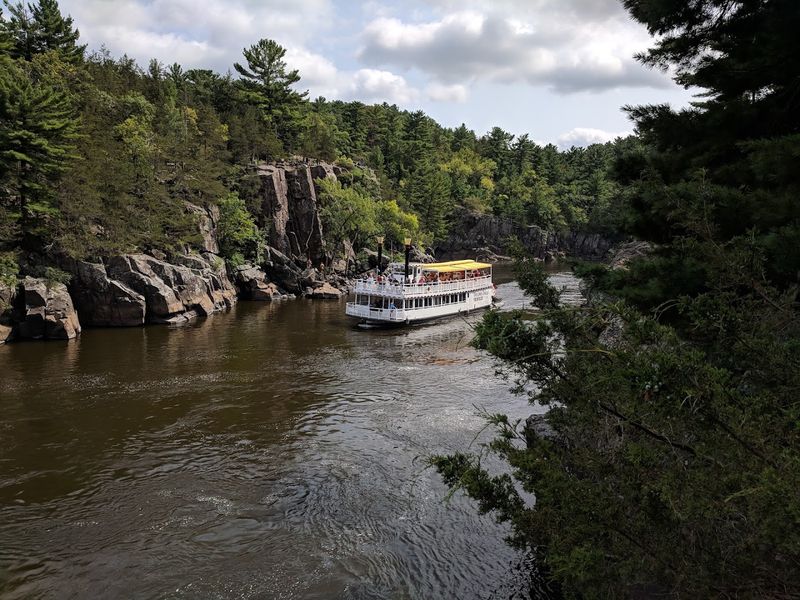
For visitors who want the river experience without picking up a paddle, the scenic boat tour operating near the park offers an 80 to 90 minute narrated journey along the St. Croix. The tour covers the history of the area while pointing out the dramatic rock formations that line both banks of the river.
Seeing the cliffs from the water gives you a completely different perspective than the trails above. The sheer scale of the basalt walls becomes far more apparent when you are floating at their base rather than standing on top of them.
The narration adds context that turns an already beautiful ride into something genuinely educational.
The boat is dog-friendly as of recent visits, which is a detail that tends to make the trip even more enjoyable for those traveling with pets. Going in early October, when the leaves are at peak color along the riverbanks, turns the experience into something that feels almost surreal in the best possible way.
Winter Visits and Snow-Covered Cliffs
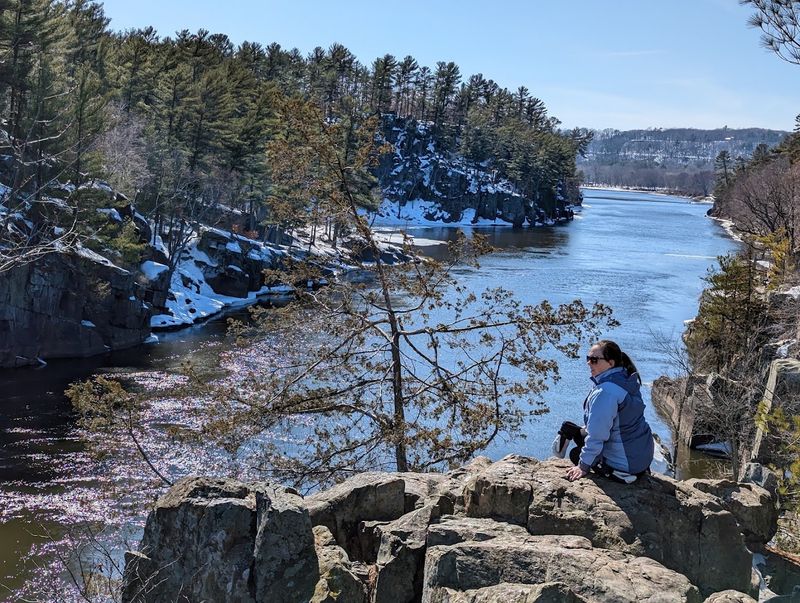
Most people think of this park as a warm-weather destination, but winter reveals a completely different side of the landscape. Snow settles into the crevices of the dark basalt cliffs, creating a stark contrast between white and black that makes the rock formations look even more dramatic than they do in summer.
The trails remain hikeable through winter, though traction devices for your shoes are genuinely necessary rather than optional. Ice builds up on some sections, and the steeper stairways require extra caution.
That said, the reward for showing up prepared is a park that feels almost entirely yours.
Weekday winter visits often mean encountering very few other hikers, which gives the whole experience a quiet, meditative quality that busy summer weekends cannot replicate. The river valley below the bluffs looks peaceful and dramatic at the same time when covered in snow, and the cold air keeps everything crisp and clear for long-distance views.
Fall Foliage and Peak Color Season
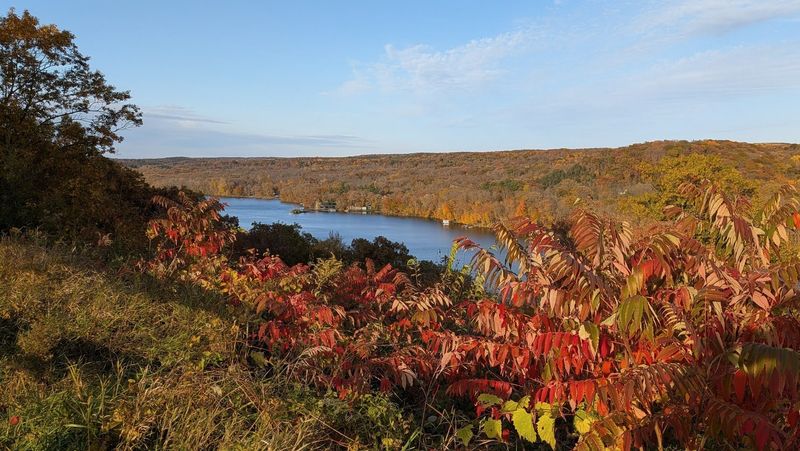
The first week of October is widely considered the sweet spot for fall color at Interstate State Park. The mix of hardwood trees covering the bluffs turns the entire valley into a patchwork of orange, red, and yellow that reflects beautifully off the surface of the St. Croix River below.
Every overlook on the bluff trails earns extra points during this window. The combination of dramatic rock formations, vivid foliage, and the wide river creates a scene that genuinely competes with any fall destination in the upper Midwest.
The boat tour becomes especially popular during peak color weeks, so arriving early or booking ahead makes a real difference.
Weekday visits in early fall still draw crowds, but the experience feels worth every bit of effort to get there. The light in the late afternoon hits the colored leaves at an angle that turns the whole hillside golden, and that particular moment is something that sticks in your memory long after the drive home.
The Two-State Park Geography
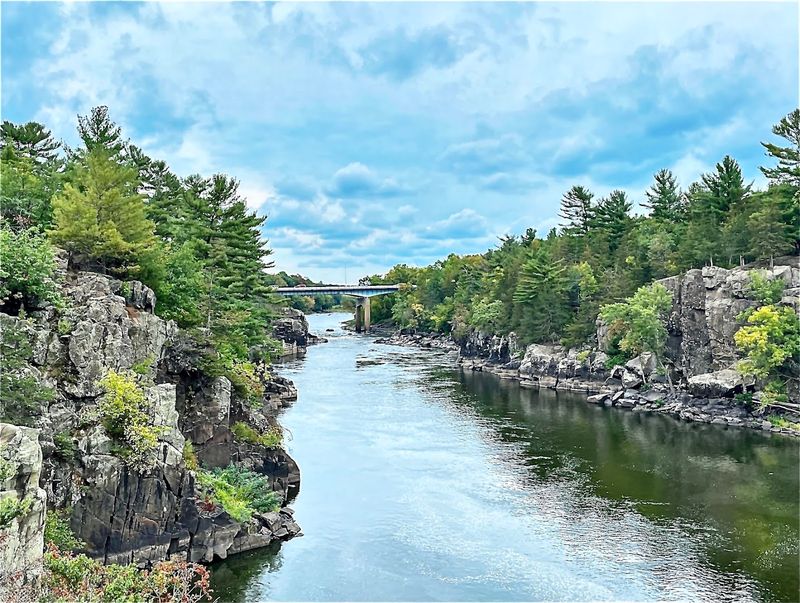
One of the more unusual aspects of this park is the fact that it straddles two states. Interstate State Park exists on both the Minnesota and Wisconsin sides of the St. Croix River, making it one of the first interstate parks established in the United States.
The Minnesota side is home to the famous glacial potholes and the Walter Mondale River Trail, while the Wisconsin side offers its own set of trails and river views. Many hikers who make the crossing report that the two sides feel noticeably different from each other, with the Wisconsin bank offering some particularly striking elevated perspectives of the river.
Crossing between the two sides on foot adds a fun dimension to the visit that most state park experiences simply don’t offer. A Minnesota state park vehicle permit covers entry on the Minnesota side, while the Wisconsin side operates under its own pass system.
Planning ahead for both keeps the day running smoothly.
Picnic Areas and Day-Use Spaces
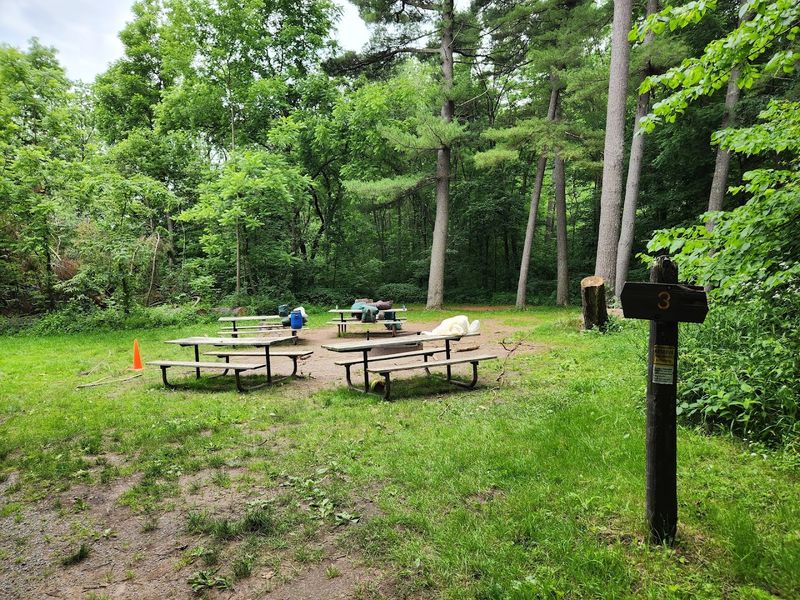
Not every great park visit requires a full day of strenuous hiking, and Interstate State Park understands that well. The day-use areas include multiple picnic spots with tables set among mature trees, giving families and casual visitors a comfortable place to settle in without committing to a full trail loop.
The proximity of the picnic areas to the pothole viewing pathways makes it easy to combine a relaxed outdoor meal with a quick walk to see the geological formations. That combination works particularly well for groups with mixed energy levels, where some members want to hike and others prefer to sit and enjoy the surroundings.
The facilities throughout the park are clean and well-maintained, with accessible restrooms available near the main parking areas. Benches along several trail sections give hikers natural places to pause and take in the river views without needing to find a flat rock to sit on.
The overall infrastructure makes the park feel genuinely welcoming rather than purely rugged.
Planning Your Visit to Taylors Falls
Getting to Interstate State Park from the Twin Cities takes roughly an hour, which puts it comfortably in day-trip range for most metro residents. The park sits at 307 Milltown Rd in Taylors Falls, Minnesota, and the entrance is straightforward to find.
A vehicle permit is required for entry and can be purchased at the entrance using a QR code, which keeps the process quick.
Arriving on a weekday makes a significant difference in crowd levels and parking availability. The southern lot near the ranger station tends to have more spaces than the northern lot by the riverboat area, which is useful to know when the park is busy.
Mornings are generally quieter than afternoons regardless of the day.
The town of Taylors Falls itself is worth a short walk after your park visit. Sitting right on the river with a small-town character that complements the natural setting nearby, it rounds out the experience in a way that makes the whole trip feel complete rather than one-dimensional.
Share this story