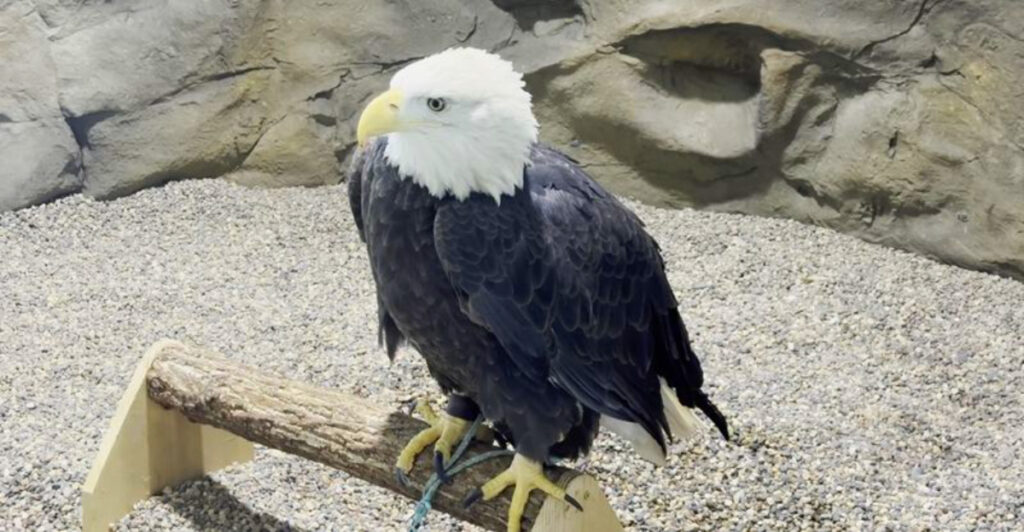
There is a small town along the Mississippi River in Minnesota where bald eagles gather in numbers that will genuinely stop you in your tracks. Most people drive past without knowing what is waiting just off the main road.
Inside a striking building right on the riverbank, you can stand a few feet away from live bald eagles, learn why they nearly vanished from American skies, and watch one of these massive birds up close during a live presentation. The National Eagle Center in Wabasha, Minnesota is one of those rare places that surprises you completely, and once you visit, you will find yourself telling everyone you know about it.
What the National Eagle Center Actually Is
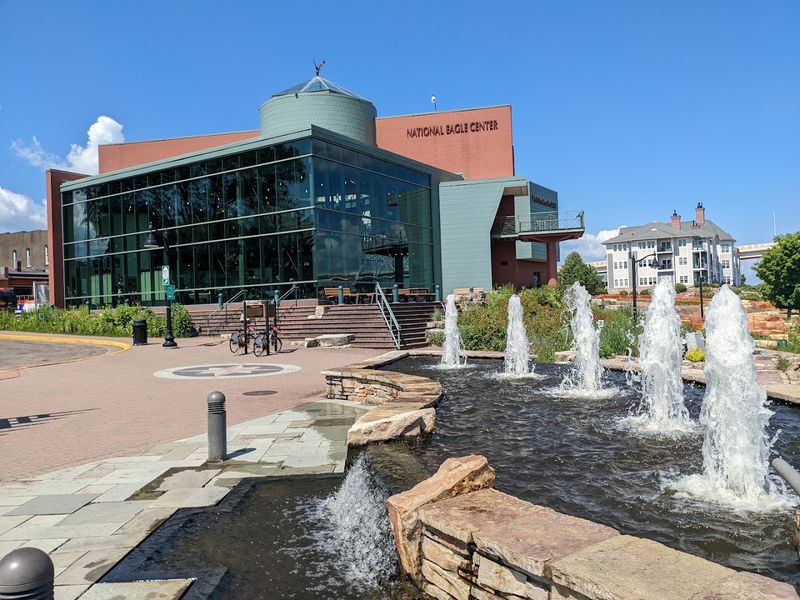
Not every museum can claim its subject occasionally flies overhead while you are standing outside. The National Eagle Center at 50 Pembroke Ave, Wabasha, MN 55981 is a nonprofit organization dedicated to bald and golden eagle conservation, education, and public engagement along one of the most eagle-rich stretches of the Mississippi River in the country.
The center operates year-round and opens daily at 10 AM, giving visitors a full day to explore exhibits, watch live eagle presentations, and observe wild eagles from the outdoor viewing deck.
What makes this place genuinely different from a typical nature museum is that the eagles here are not behind thick glass in a zoo-style enclosure. They are resident ambassador birds with real stories, living in a space designed to bring you close enough to appreciate every detail of these remarkable animals.
The Eagle Ambassadors Living at the Center
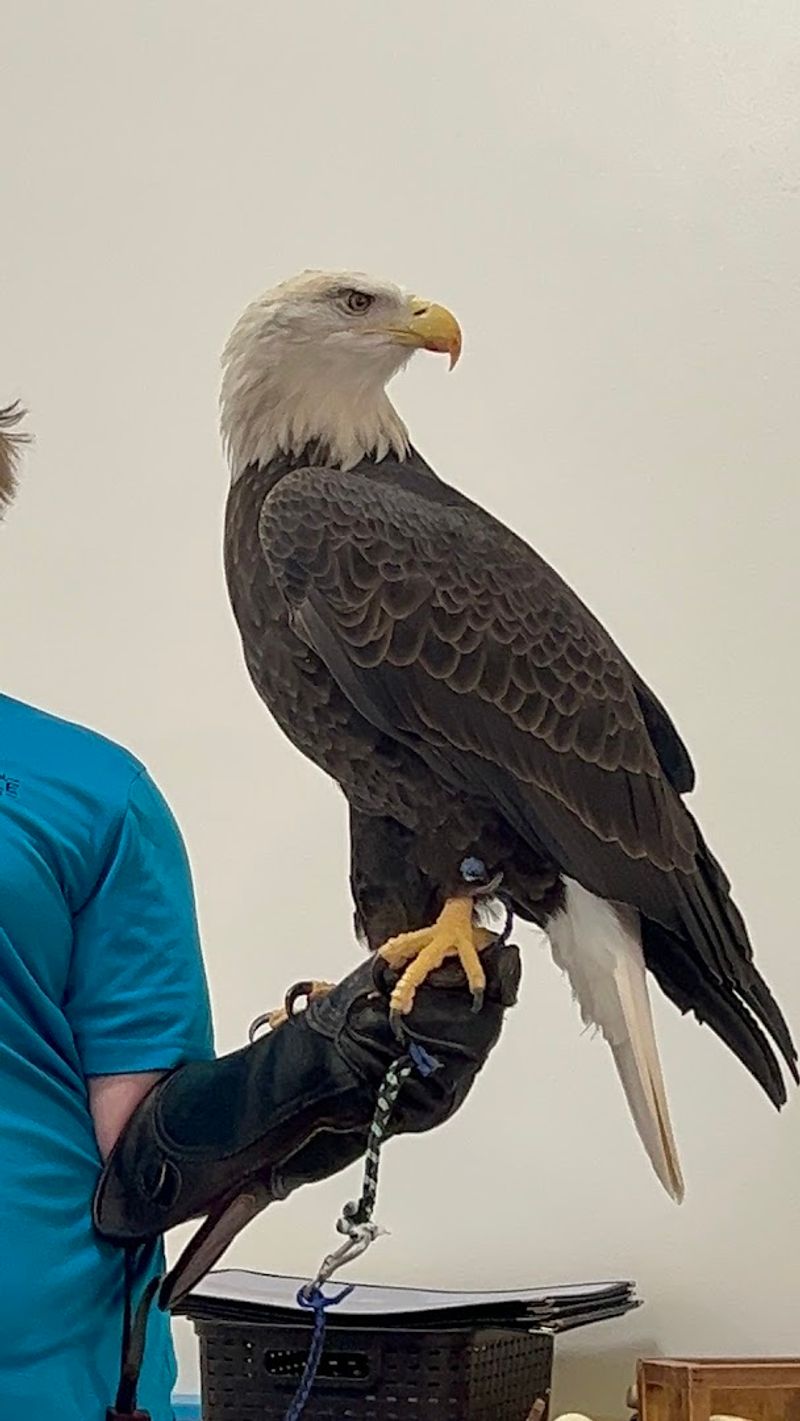
The heart of any visit here is meeting the resident eagle ambassadors. These are bald and golden eagles that came to the center after sustaining permanent injuries in the wild, injuries that made it impossible for them to survive on their own.
Because they cannot be released, they serve a purpose that goes far beyond what any photograph or video could accomplish. Seeing a bald eagle at this distance, close enough to notice the texture of its feathers and the intensity of its eyes, is a genuinely different experience from spotting one high in a tree.
Each ambassador has a name, a backstory, and a personality that the center’s educators share during programs and presentations. Visitors who have adopted one of the ambassadors through the center’s support program often describe it as one of the most meaningful things they have done as wildlife enthusiasts.
The Live Eagle Presentation You Should Not Skip
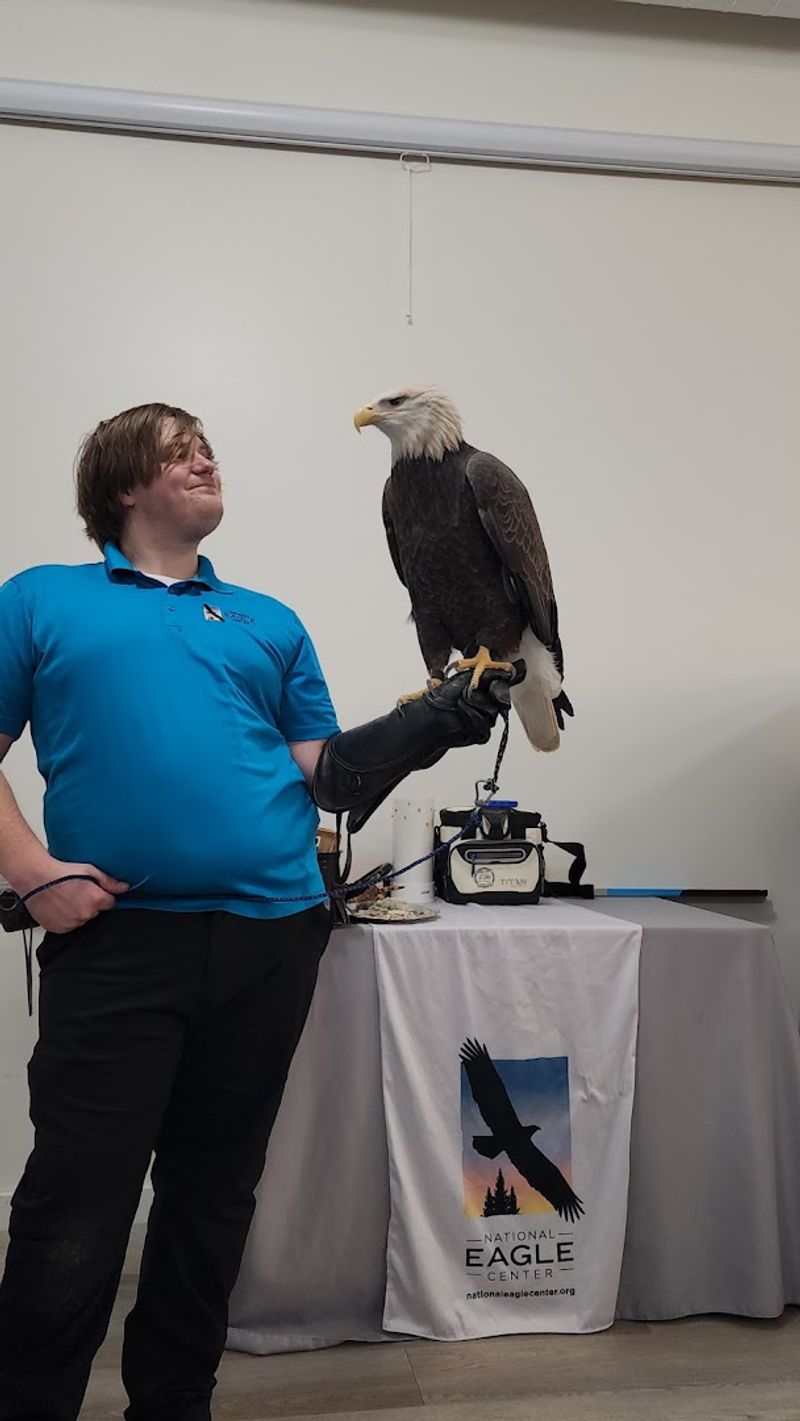
Many visitors arrive planning to browse the exhibits and leave, then end up staying an extra hour because of the live eagle program. The presentation brings an ambassador eagle into the room with an educator who knows these birds the way most people know their own pets.
You learn things during this program that no display panel can fully convey. The size of a bald eagle nest, roughly six feet wide, starts to make sense when you understand that the parents are preparing space for fully grown young birds just months after hatching.
That kind of context changes how you see everything else in the building.
The program costs a small additional fee beyond general admission, and nearly everyone who pays for it says it was worth every cent. The educators bring genuine passion to every session, and the humor they work in makes the whole thing feel relaxed and fun rather than like a lecture.
Getting Behind the Scenes With a Special Tour
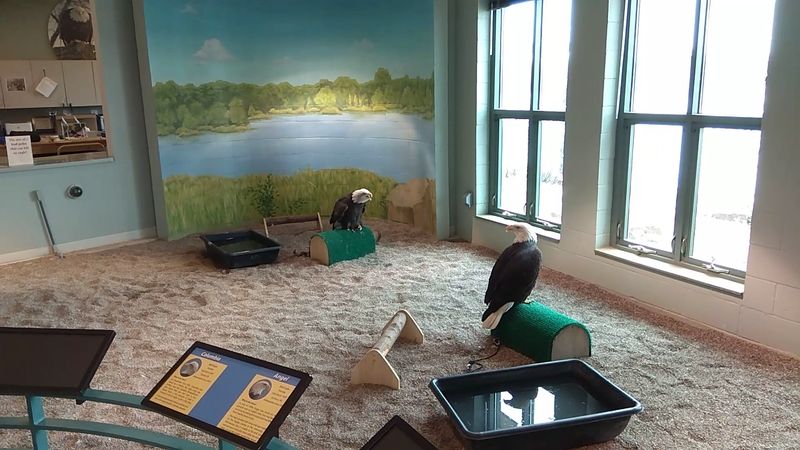
For anyone who wants more than the standard visit, the behind-the-scenes tour is in a category of its own. This experience takes a small group into areas of the center that regular admission does not include, bringing you even closer to the ambassador eagles than the main exhibit allows.
During this tour, participants have created what the center calls enrichment activities for the birds, a hands-on way of contributing to the animals’ daily care and mental engagement. People who have done this tour often describe it as unexpectedly emotional, because you leave with a real sense of connection to individual birds.
The center also offers cruises, school field trips, and overnight field trips for groups looking for a deeper experience. These programs reflect how seriously the organization takes its educational mission, and they make the center a destination worth planning an entire trip around rather than just a quick stop.
Wild Eagles You Can Spot From the Viewing Deck
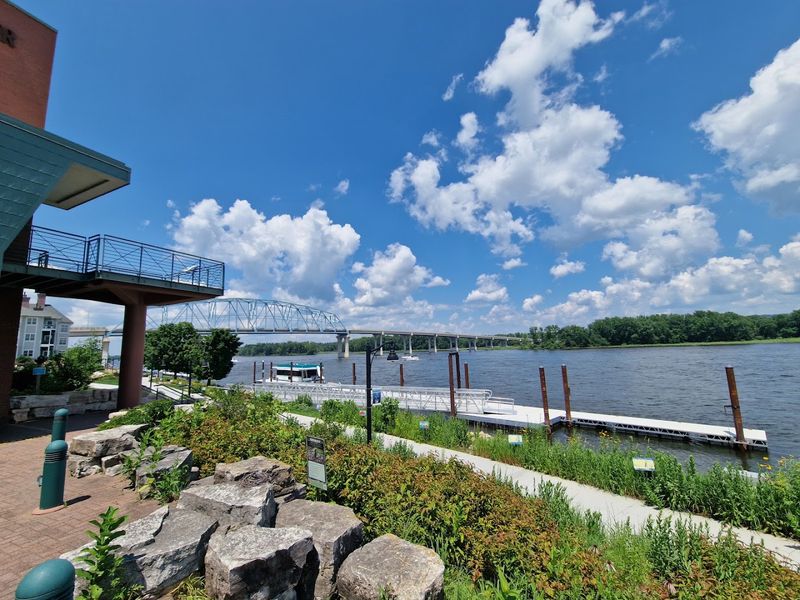
One of the quieter pleasures of visiting this center is stepping out onto the viewing deck and scanning the trees across the river. The Mississippi River valley near Wabasha is one of the most reliable places in the Midwest to observe wild bald eagles, particularly during winter months when the open water near lock and dam structures keeps fish accessible.
The center provides spotting scopes on the deck so visitors can zero in on eagles perched in the trees or circling overhead. On a good day, you might count a dozen or more without much effort.
There is something quietly powerful about seeing a wild eagle through a scope right after standing next to a resident ambassador inside. The contrast between the two experiences deepens your appreciation for both.
The deck also offers a genuinely beautiful view of the river that is worth the visit on its own terms.
The Museum Exhibits That Cover Far More Than Birds
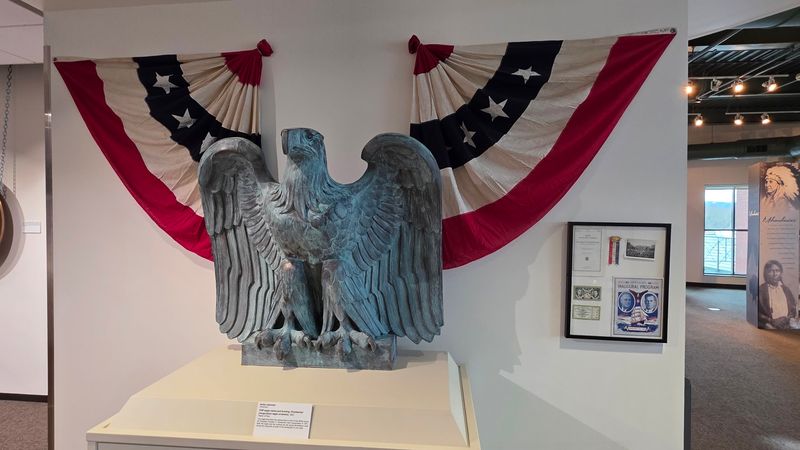
The exhibit spaces inside the National Eagle Center cover far more ground than most first-time visitors expect. Yes, there is substantial content about bald eagle biology, behavior, and conservation history.
But the collection expands outward in ways that feel genuinely surprising.
You will find displays featuring eagle imagery in American popular culture, including vintage comic books, movie posters, automobile emblems, fine china, and decorative hair combs. There are government artifacts, military memorabilia, and a section that explores how women contributed to the military through the lens of eagle symbolism in American identity.
The breadth of the collection reflects how deeply the bald eagle is woven into American life beyond nature and wildlife. Walking through these exhibits, you start to see the bird not just as a species but as a cultural force that has shaped art, design, and national identity across more than two centuries.
The Native American Cultural Displays
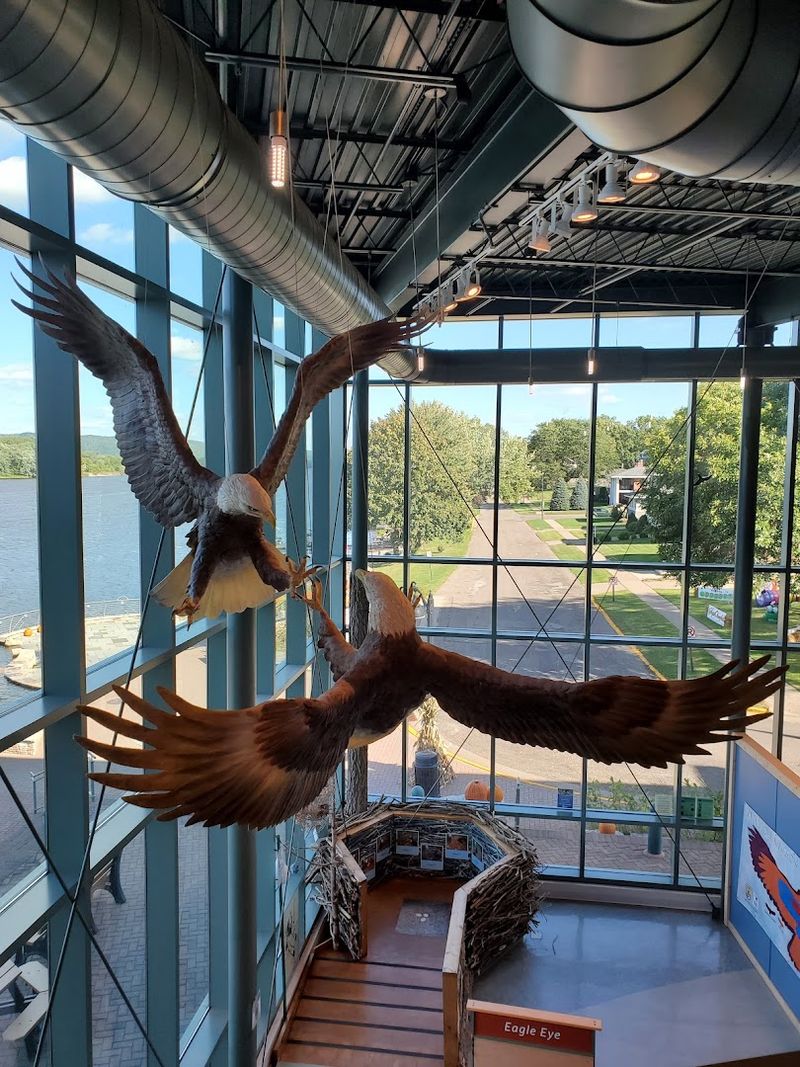
Among the most thoughtful sections of the center is the exhibit dedicated to Indigenous peoples and their relationship with eagles. This is not a brief acknowledgment tucked into a corner.
It is a substantive, respectfully presented exploration of the eagle’s spiritual and cultural significance in Native American traditions.
The display connects the natural history of the region with the human history of the people who lived along this river long before the town of Wabasha existed. Visitors who take time with this section consistently describe it as one of the most meaningful parts of the museum.
The center treats this material with care, presenting it as an essential part of understanding why eagle conservation matters beyond environmental science. The connection between the bird and Indigenous culture adds a layer of meaning to the entire visit that stays with you long after you leave the building.
The Building Itself and Its Setting on the River
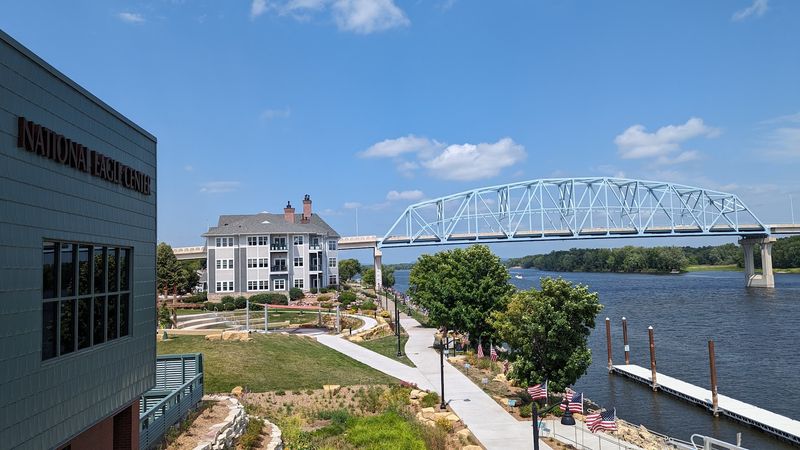
The building housing the National Eagle Center sits directly on the Mississippi River, and the location alone makes the visit feel special before you even walk through the door. The structure is well-designed and accessible, with elevators, ramps, and benches throughout both floors to accommodate visitors of all mobility levels.
There is also a dock and boat ramp for visitors arriving by water, which gives the place a character you do not find at most inland museums. The riverside setting means that wild eagles are sometimes visible from the parking area before you even reach the entrance.
Paths and statues along the riverbank extend the experience outside the building, giving you a reason to slow down and spend time in the surrounding landscape. The whole setup feels intentional, like the center was designed to be part of the river environment rather than simply placed next to it.
What Makes Wabasha the Right Place for This Center
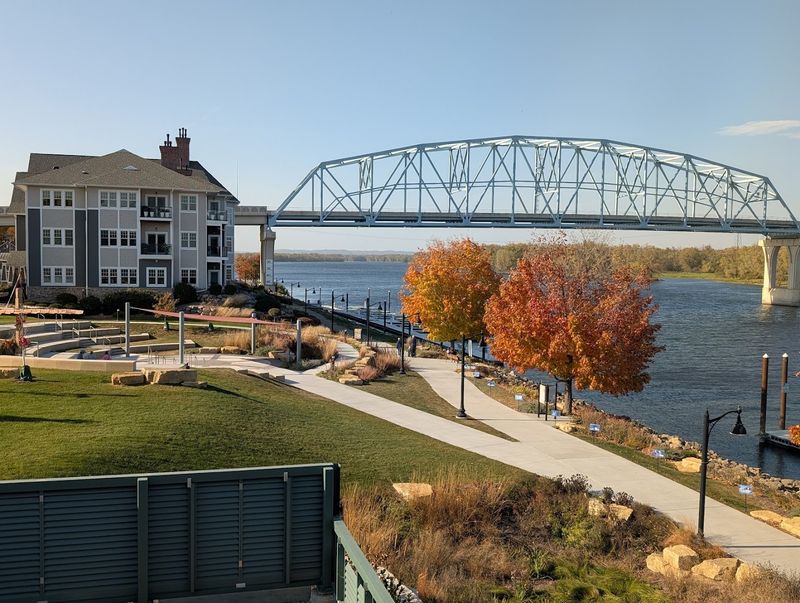
Wabasha is one of the oldest cities in Minnesota, and its location along the Mississippi River is not just scenic. It is ecologically significant.
The stretch of river near town, particularly around the lock and dam structures, stays partially open even in the coldest winters, creating ideal conditions for bald eagles that need open water to hunt fish.
This is why eagles gather here in remarkable numbers from late fall through early spring. The concentration of birds in this area helped make the case for establishing a dedicated eagle center in Wabasha rather than anywhere else along the river.
The town itself adds to the experience. Walking along the riverfront after a visit, having lunch at one of the local spots, or simply watching the river from a bench creates a full day that feels genuinely satisfying.
Wabasha rewards slow travel in a way that hurried itineraries tend to miss.
Eagle Conservation and Why It Matters Here
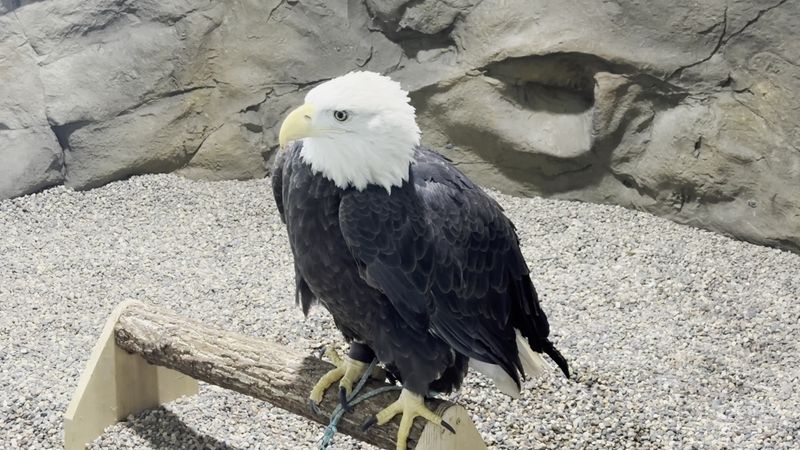
The bald eagle’s recovery from near-extinction is one of the most remarkable conservation stories in American history. The National Eagle Center presents this story clearly and compellingly, tracing how the species declined sharply through the mid-twentieth century and how targeted conservation efforts brought numbers back to the point where eagles are now a regular sight along rivers like the Mississippi.
The ambassador birds at the center are a living part of that story. Because they cannot survive in the wild due to permanent injuries, they contribute to conservation in a different way, educating thousands of visitors each year about what it actually takes to protect a species.
Understanding this context makes the live eagle presentations feel more meaningful. You are not just watching a bird perform.
You are seeing the result of decades of careful, committed work by scientists, policymakers, and organizations like this one.
Interactive Elements That Keep Kids Genuinely Engaged
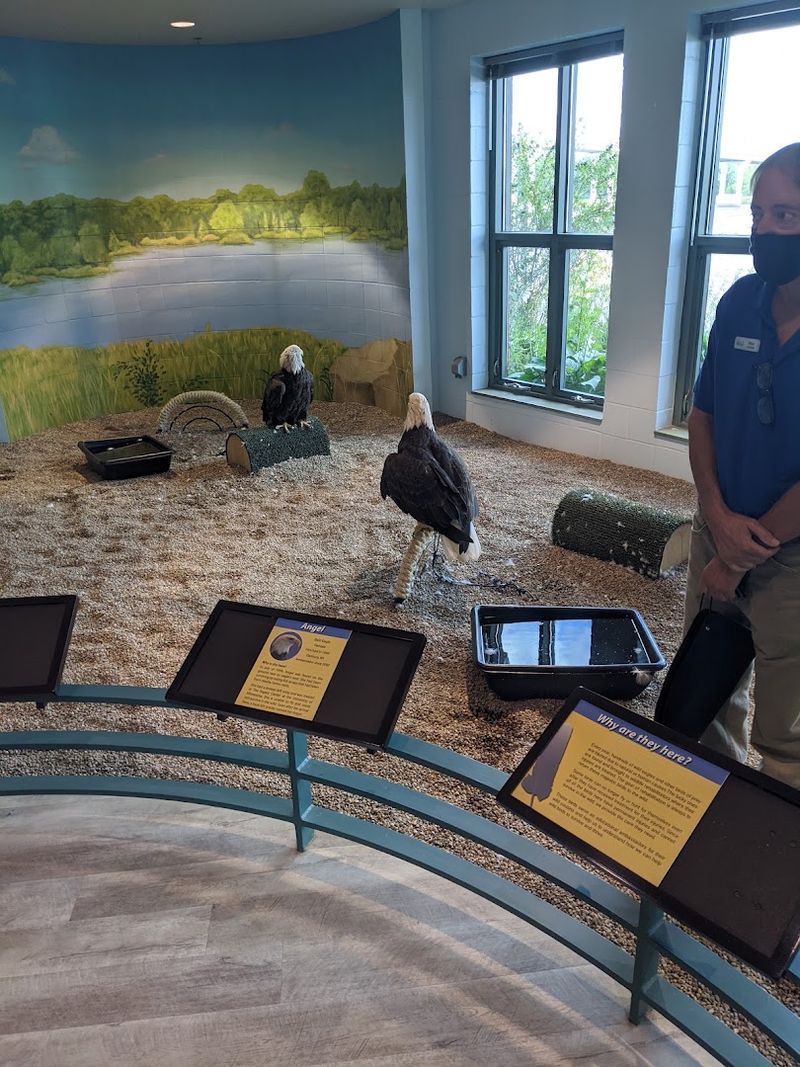
Bringing kids to a nature museum can sometimes feel like a gamble, but the National Eagle Center clearly thought carefully about younger visitors. The exhibits include interactive elements designed to hold a child’s attention rather than just display information at adult reading level.
There are activities mixed throughout the space that engage different age groups simultaneously, so parents and grandparents are not just waiting for kids to finish reading panels. The nest display, which walks visitors through incubation, hatching, growth stages, and fledging, is particularly effective at capturing young imaginations.
The live eagle program works especially well with children because the educator’s approach is conversational and often funny in a way that kids respond to naturally. Several families who visited with grandchildren specifically mentioned returning because the kids asked to come back.
That kind of repeat enthusiasm is a real measure of how well the place connects with younger audiences.
The Eagle Nest Display and Life Cycle Exhibit
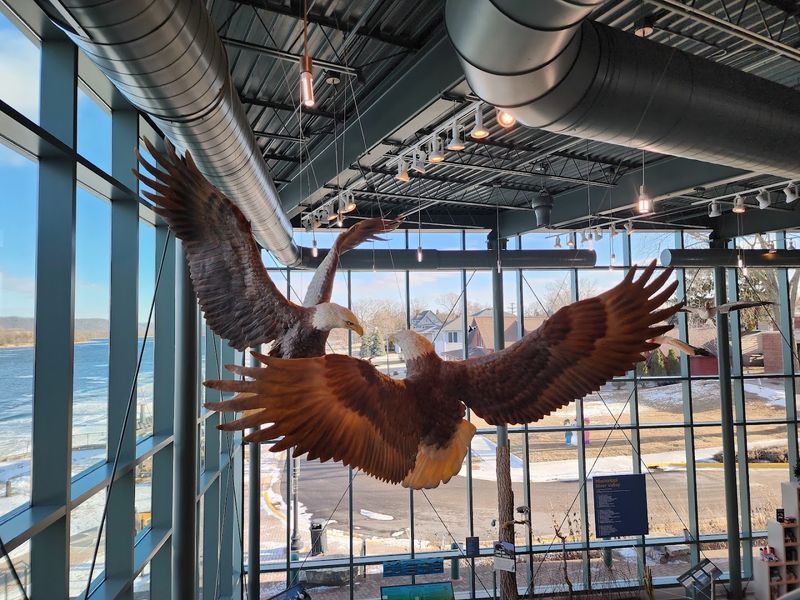
One exhibit that consistently surprises visitors is the full-scale eagle nest display. Bald eagle nests are enormous structures, often around six feet wide and weighing hundreds of pounds after years of additions, and seeing one recreated at actual size immediately reframes how you think about these birds as parents and builders.
The display walks through the complete life cycle from egg to fledgling, including the incubation period, the appearance of hatchlings, rapid growth during the nesting stage, and the eventual departure from the nest. The speed at which eaglets grow from tiny hatchlings to full-sized birds in just a few months genuinely startles most visitors.
This exhibit works well for all ages because the information is layered. Kids can grasp the basics while adults find themselves absorbed in the biological details.
It is the kind of display that rewards a slow, careful look rather than a quick pass through.
Visiting by Boat Along the Mississippi
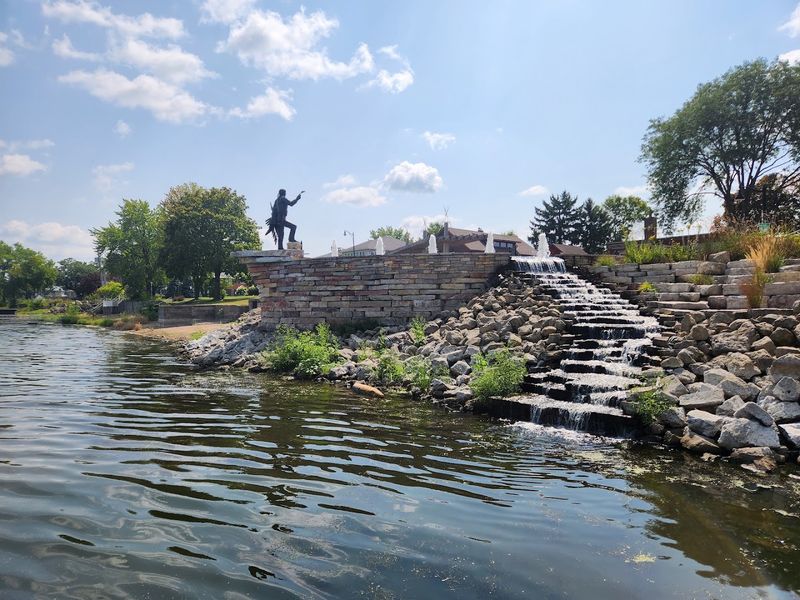
Most visitors arrive by car, but the National Eagle Center is also accessible by water, and arriving by boat is a genuinely memorable way to approach the place. The center has a dock and a boat ramp, making it one of the few cultural institutions along this stretch of the Mississippi that actively welcomes river travelers.
Coming in from the water gives you a perspective on the building and its setting that you simply cannot get from the parking lot. The sight of the center from the river, with the town of Wabasha rising behind it and eagles sometimes circling overhead, is the kind of arrival that sets the tone for everything that follows.
For anyone spending time on the Mississippi River by boat, kayak, or canoe, this is a natural stop that combines wildlife, history, and culture in one compact and accessible location right on the bank.
The Gift Shop and Ways to Support the Mission
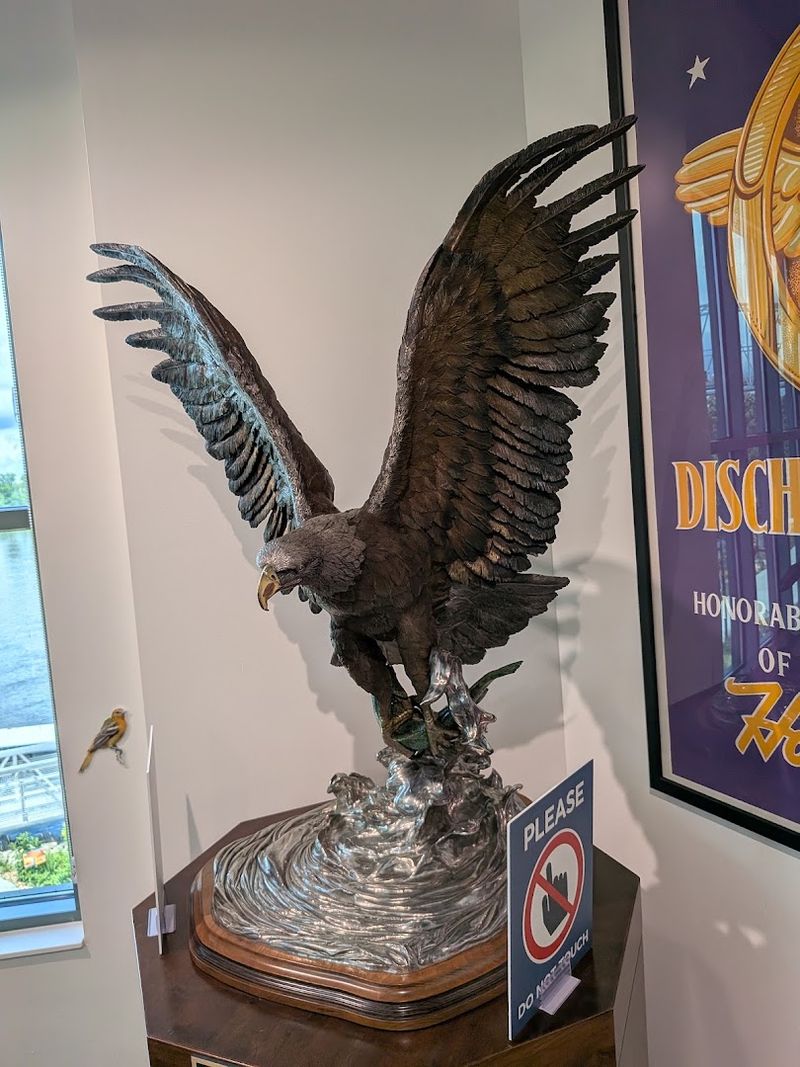
Before leaving, most visitors find their way to the gift shop, and it delivers the kind of selection that feels curated rather than generic. Eagle-themed items range from educational books and field guides to artwork, apparel, and keepsakes that are specific enough to actually mean something as souvenirs.
Because the center operates as a nonprofit, purchases here directly support the care of the ambassador eagles and the continuation of education programs. The ambassador adoption program, which allows visitors to formally support a specific bird, is one of the more personal ways to stay connected to the center after your visit ends.
Donations made at the center fund everything from daily eagle care to school programs that bring students in for field trips. Knowing that the money you spend here goes directly back into the mission adds a layer of satisfaction to the shopping experience that purely commercial gift shops cannot replicate.
Planning Your Visit and What to Expect
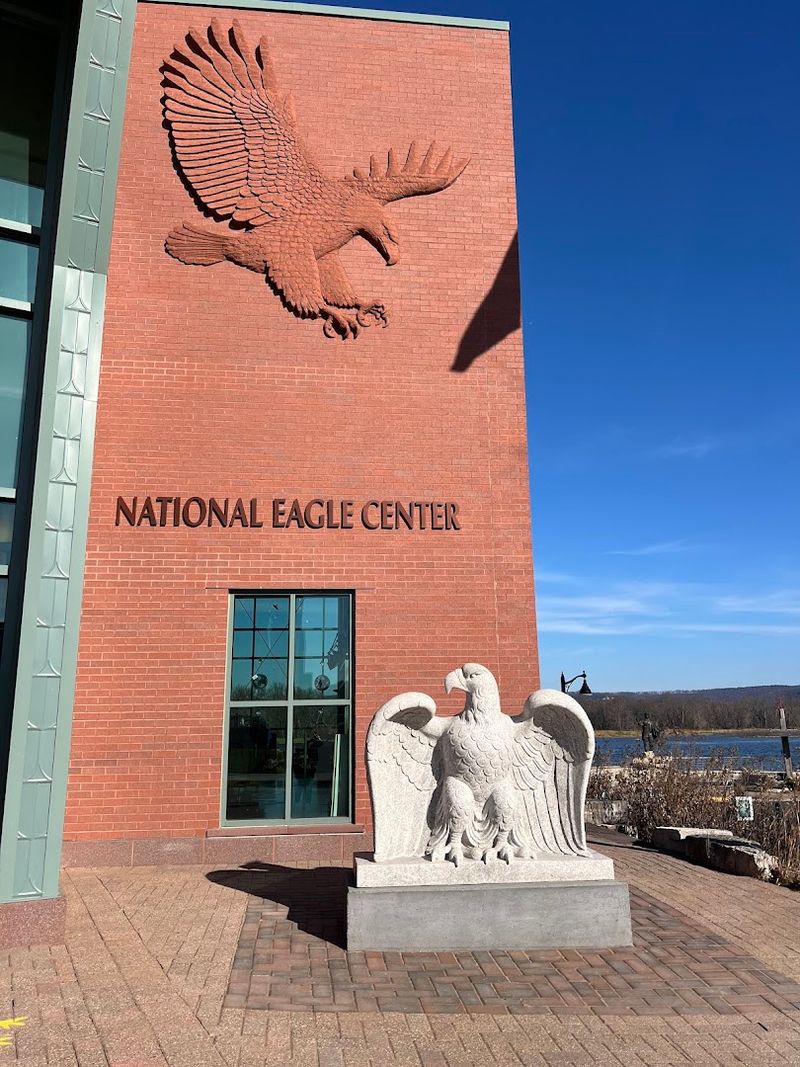
The National Eagle Center is open seven days a week from 10 AM to 4 PM, which makes it easy to fit into almost any travel schedule. General admission covers the exhibits and access to the eagle viewing room, while the live eagle presentation is available for an additional fee that most visitors consider well worth adding.
The center is fully accessible, with elevators and ramps connecting both floors and benches throughout for anyone who needs to rest. Restrooms are available on both levels.
The building is compact enough that you can cover everything comfortably in a couple of hours, or spend longer if you book a special tour or presentation.
Arriving earlier in the day gives you more time to take advantage of everything, including the outdoor viewing deck and any scheduled programs. The center’s website lists current tour options and program times, so checking ahead of your visit is always a smart move.
Share this story