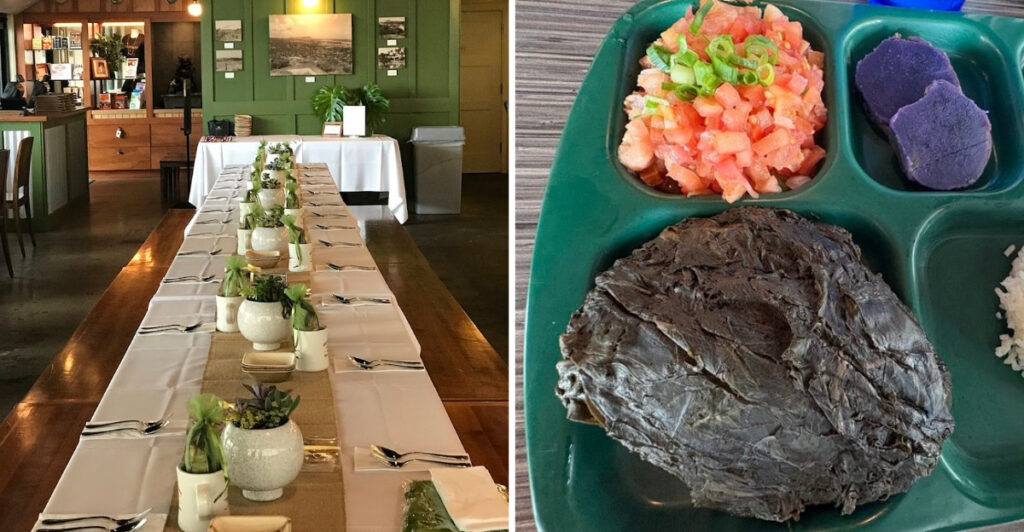
There is a plate of food in Honolulu that stops first-time visitors mid-bite. It is pork so tender and smoky that it barely needs chewing, wrapped in taro leaves and steamed low and slow the way Hawaiian families have done it for generations.
Most tourists never find it because it is not on a resort menu or near a beach. But locals have known about this spot for years, and the word has spread far enough that cruise ship passengers now make a point of walking over the moment they dock.
What Highway Inn Kaka’ako Actually Is
Some restaurants earn their reputation through buzz and branding. Highway Inn Kaka’ako earns its through the food itself.
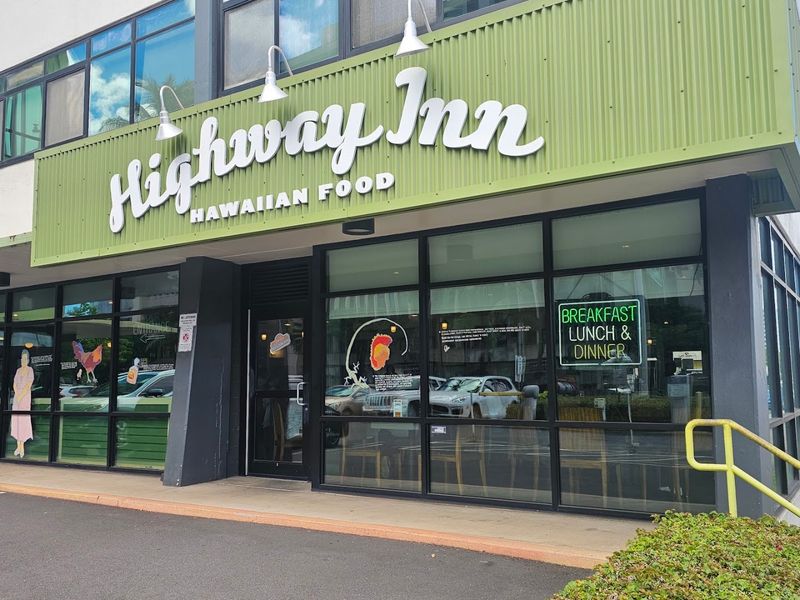
This is a casual, unpretentious Hawaiian restaurant located at 680 Ala Moana Blvd #105, Honolulu, HI 96813, sitting inside a strip mall in the Kaka’ako neighborhood.
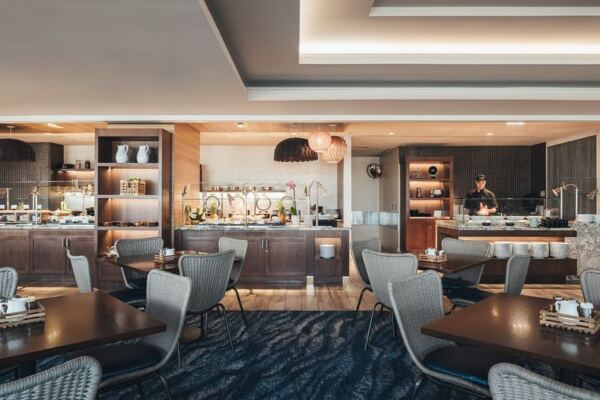
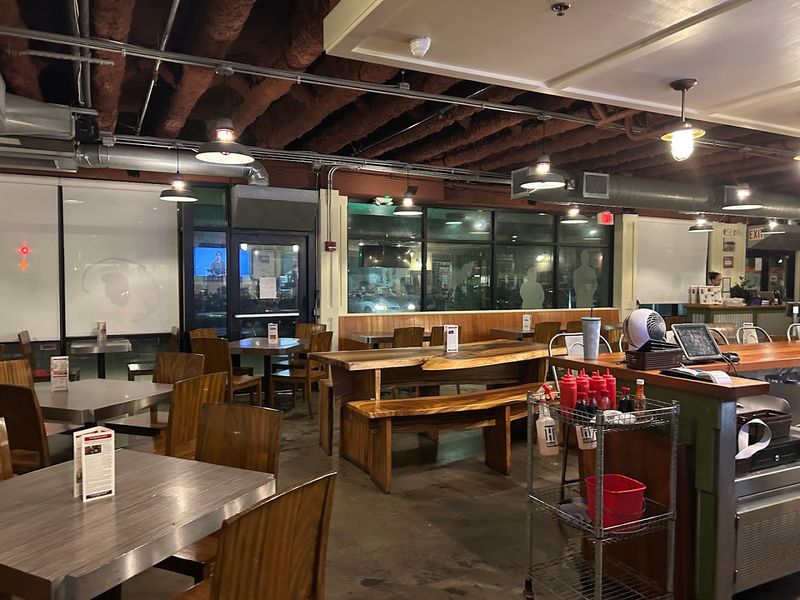
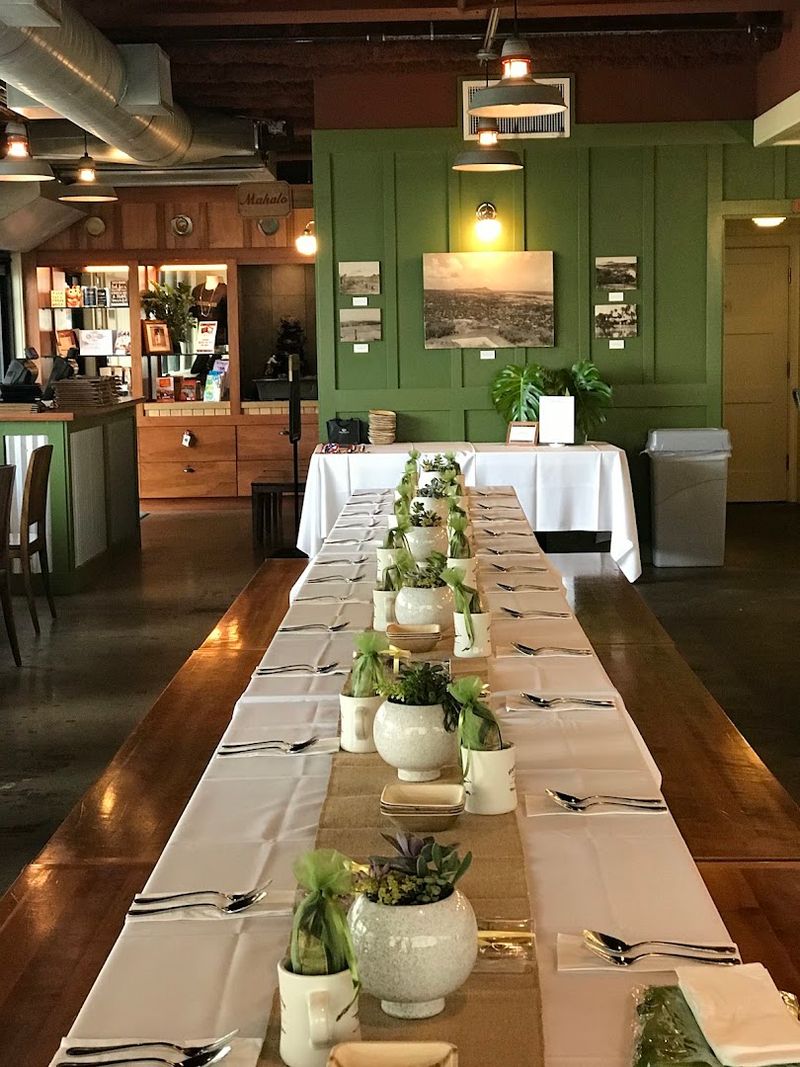
The dining room feels more like a neighborhood diner than a tourist attraction, with a relaxed energy that puts you at ease the moment you walk in. There are no white tablecloths here, no fancy lighting, no performance.
What you get instead is a full menu of traditional Hawaiian plates served all day, from breakfast through early evening. The restaurant is open most days starting at 9:30 AM, which means you can show up for an early lunch and still get exactly the same dishes as a dinner crowd.
That consistency is part of what keeps people coming back.
The History Behind the Name
Highway Inn has roots that go back much further than the Kaka’ako location. The original Highway Inn was founded in Waipahu on Oahu, and it built its reputation over decades by serving the kind of Hawaiian food that home cooks have made for generations.
That original spirit carried forward when the Kaka’ako location opened, bringing the same recipes and the same commitment to traditional preparation into a more central part of Honolulu. For many local families, eating at Highway Inn is less about going out to a restaurant and more about reconnecting with flavors they grew up eating.
The Kaka’ako location made those flavors accessible to a new generation of diners, as well as to visitors who arrive on the island wanting something real rather than something designed to look Hawaiian. That backstory matters because it shapes everything on the menu.
Lau Lau: The Dish That Defines the Menu
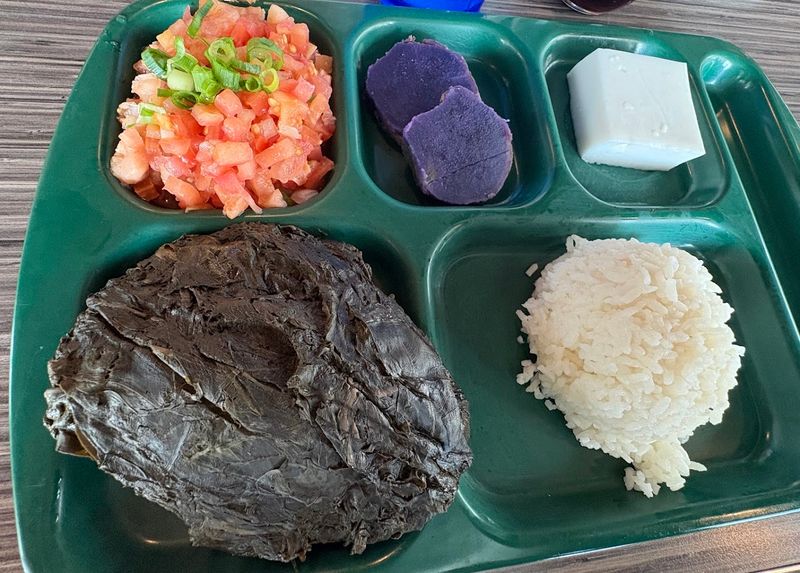
Lau lau is the dish that most people talk about after eating here, and for good reason. The preparation is ancient and the result is extraordinary.
Pork is wrapped tightly in taro leaves, then bundled in ti leaves and steamed until the meat becomes impossibly soft and the leaves break down into something deeply savory.
The flavor is earthy, smoky, and rich all at once. It is not spicy, not sweet, and not dressed up with sauces.
It tastes exactly like what it is: a dish built on patience and tradition.
First-timers sometimes add a splash of soy sauce or the house chili water that sits on the table, which is a common local habit that adds a sharp contrast to the soft, mild pork. The lau lau plate comes with rice and mac salad, which rounds out the meal in the most satisfying way.
Kālua Pork That Rivals Any Lū’au
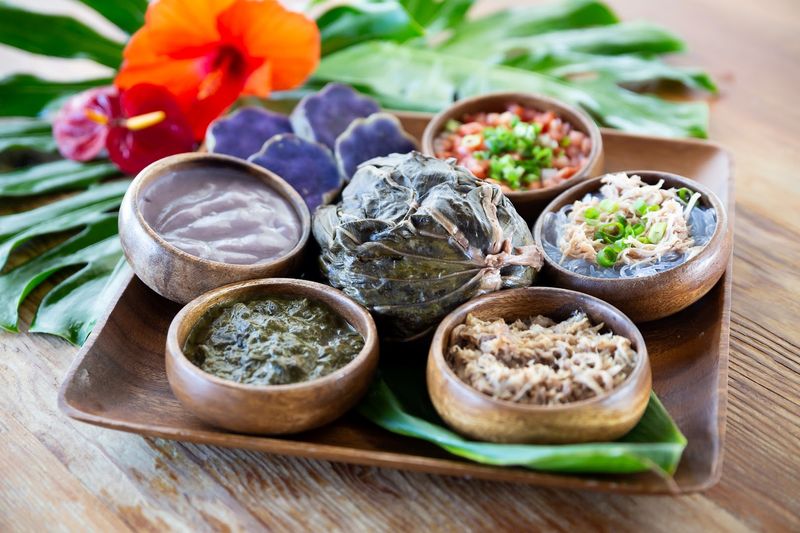
Kālua pig is one of the most recognized dishes in Hawaiian cuisine, but the version served here is something visitors from the mainland consistently describe as unlike anything they have tasted before. One diner from a BBQ-focused city noted that despite years of eating pulled pork, nothing had ever come close to the juiciness of the kālua pig at this restaurant.
Traditional kālua pork is slow-cooked in an underground imu oven with kiawe wood, giving it a smoky depth that no shortcut can replicate. The texture is silky and the flavor is clean, with just the right amount of salt to highlight the natural richness of the pork.
The restaurant also offers kālua pig sliders, which give you that same flavor in a slightly more casual format. Either way, this is the dish that tends to convert people who thought they already understood pork.
The Malihini Guide on the Back of the Menu
One of the most thoughtful touches at this restaurant is something most diners only notice after they sit down. The back of the menu includes what the restaurant calls a Malihini Guide, a short explanation of traditional Hawaiian dishes for visitors who may be encountering them for the first time.
Malihini is a Hawaiian word for newcomer or visitor, and the guide lives up to its name. It explains what lau lau is, what poi is made from, how lomi salmon is prepared, and what haupia tastes like.
For someone from the Midwest or the East Coast who has never encountered these dishes, that guide changes the entire experience.
Instead of guessing or playing it safe with something familiar, diners can read a sentence or two and feel confident ordering something genuinely traditional. It is a small thing that makes a big difference, and it reflects how seriously the restaurant takes the role of introducing people to Hawaiian food culture.
Poi, Lomi Salmon, and the Full Traditional Plate
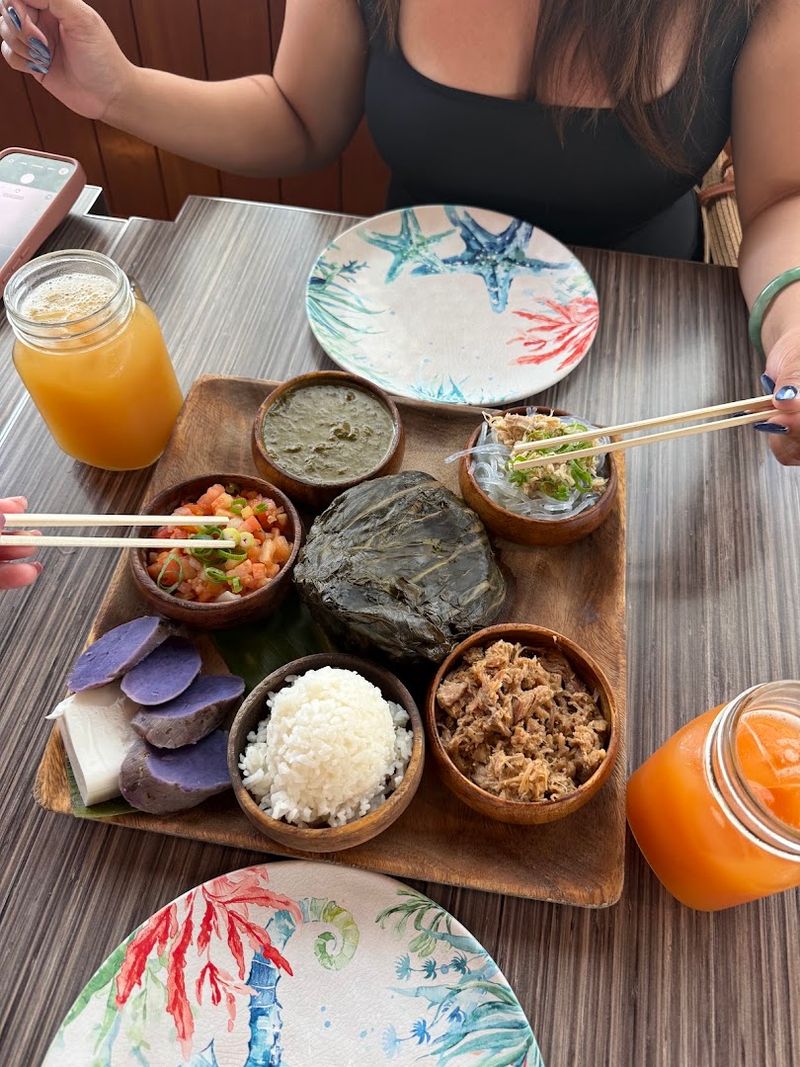
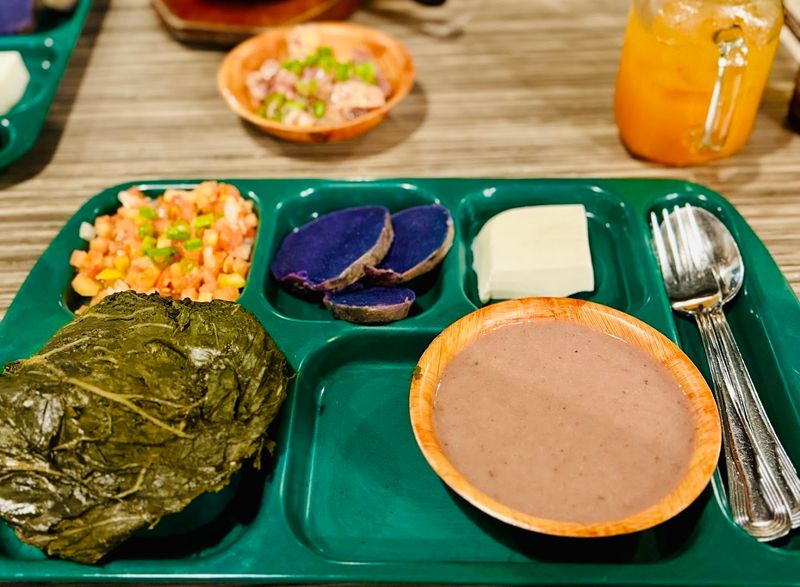
Ordering the traditional combo plate here is one of the best ways to experience the full range of Hawaiian flavors in a single sitting. The plate typically includes kālua pork, lau lau, lomi salmon, poi, rice, and haupia for dessert, which gives you a complete picture of what Hawaiian food actually is.
Poi divides people. It is made from pounded taro root and has a thick, starchy texture with a slightly sour flavor that gets stronger as it ferments.
Some people love it immediately and others need a few tries. Either way, tasting it here is the right context.
Lomi salmon is a chilled side dish made with salted salmon, tomatoes, and onions that adds a bright, refreshing contrast to the heavier elements on the plate. Haupia, a coconut-based pudding served in firm squares, closes the meal on a cool, subtly sweet note that feels genuinely Hawaiian rather than generic.
Mochiko Chicken Worth Ordering Twice
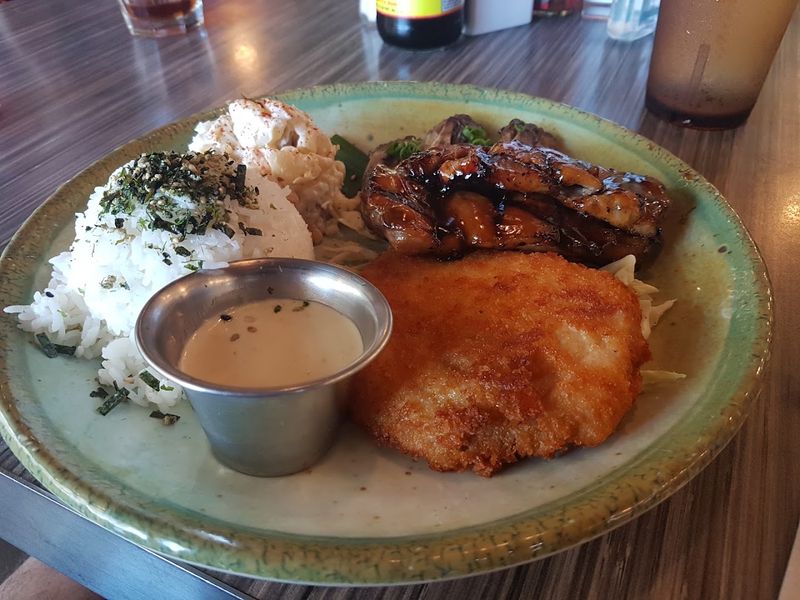
Not every dish at Highway Inn Kaka’ako is a centuries-old tradition. The mochiko chicken is a more modern Hawaiian favorite, and it has developed its own devoted following among regulars and first-time visitors alike.
Mochiko is a sweet rice flour that creates a light, crispy coating when fried. The chicken pieces come out golden on the outside and juicy inside, with a slightly sweet and savory flavor profile that is completely addictive.
The version here has been described by diners as deliciously crispy and deeply flavorful, with sides of rice and potato mac salad rounding out the plate.
It is the kind of dish that makes you wish you had ordered two plates. For anyone who is hesitant about diving straight into poi or lau lau on a first visit, mochiko chicken is an excellent starting point that still feels authentically local rather than watered-down for tourists.
Butterfish: A Local Comfort Food Classic
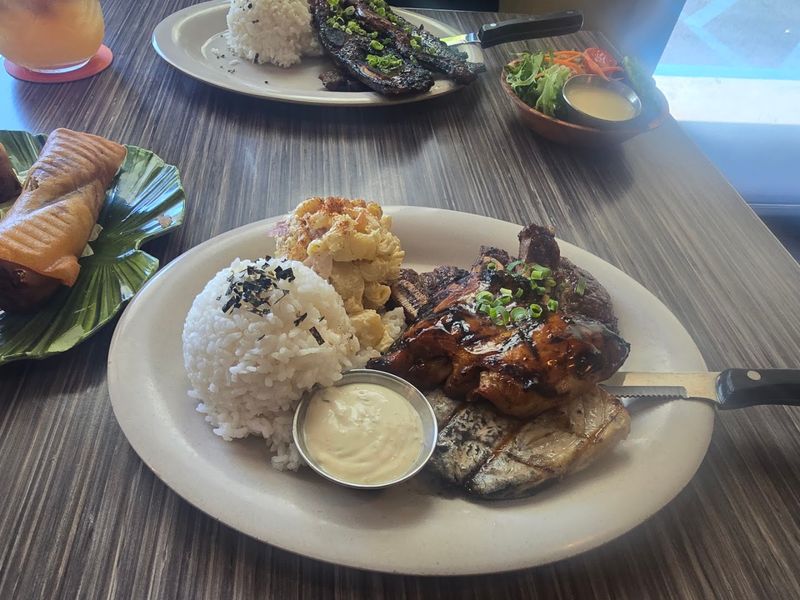
Butterfish is one of those dishes that locals grow up eating and visitors rarely expect to love as much as they do. The fish, typically black cod, is marinated in a sweet miso-based sauce and cooked until it practically melts.
The result is rich, silky, and deeply satisfying in a way that is hard to describe until you have tried it.
At Highway Inn Kaka’ako, the butterfish combo plate comes with rice, mac salad, and gravy. The gravy has drawn some strong opinions from diners who find it on the saltier side, but paired with the sweetness of the fish and the starchiness of the rice, it creates a balance that feels intentional.
Some diners add the smoked meat as a side, which brings a completely different flavor to the plate. The smoked meat has its own bold, savory character that complements the butterfish without competing with it.
Chicken Long Rice and Other Underrated Sides
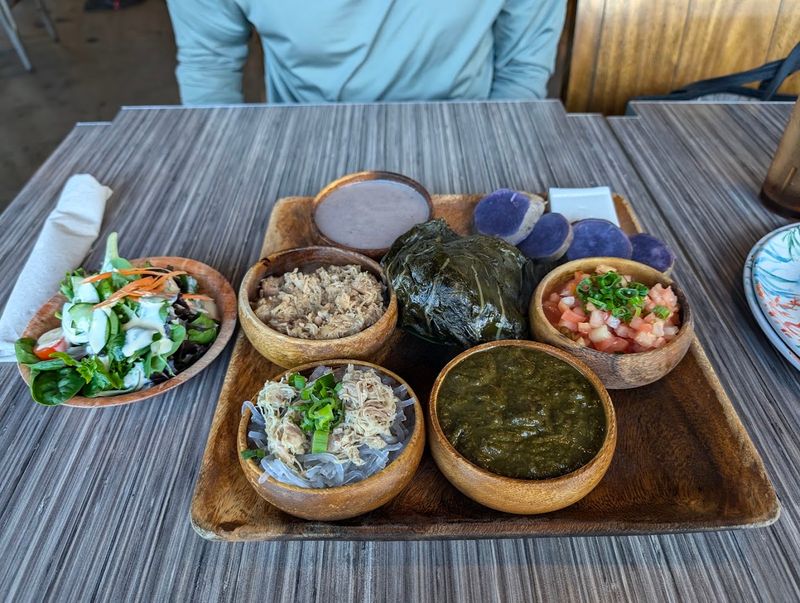
Chicken long rice is one of those dishes that tends to steal the spotlight even when it is ordered as a side. The dish is a Hawaiian adaptation of a Chinese preparation, made with glass noodles, chicken, and ginger in a clear, fragrant broth.
It is simple, warming, and surprisingly complex in flavor.
Diners who order it alongside heavier plates often find themselves wishing they had ordered more of it. The broth is light enough that it does not weigh you down, but satisfying enough that it feels like a complete dish on its own.
Other sides worth exploring include the beef stew, which is a staple of Hawaiian plate lunch culture, and the sweet potato, which adds a natural sweetness to the meal. These sides are not afterthoughts here.
They are treated with the same care as the main dishes, which is part of what makes the full plate experience so rewarding.
The Hawaiian Moco and Its Local Roots
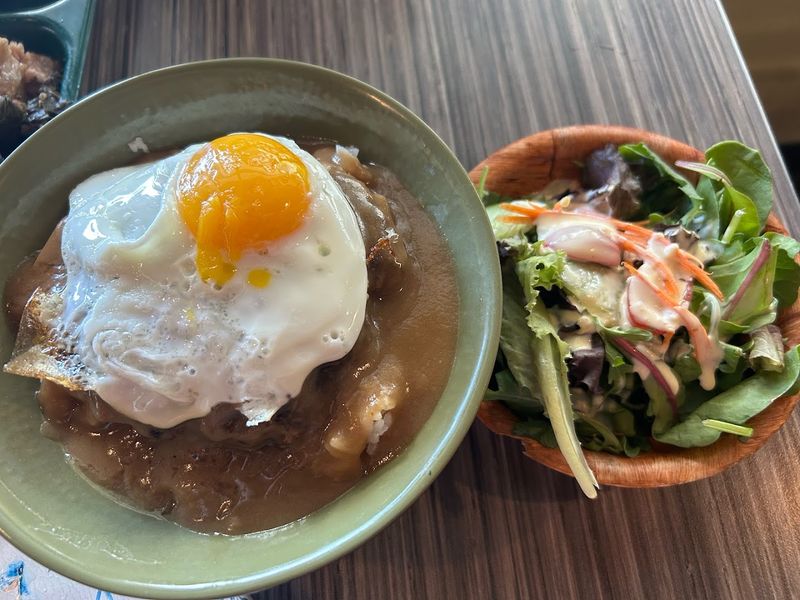
Loco moco is one of Hawaii’s most iconic comfort foods, and Highway Inn Kaka’ako puts its own spin on the classic. The basic formula is simple: white rice topped with a hamburger patty, a fried egg, and brown gravy.
But the execution is what separates a forgettable version from one worth seeking out.
The restaurant calls theirs the Hawaiian Moco, and it shows up on the menu as a straightforward, hearty option for anyone who wants something filling without straying too far from familiar territory. It is particularly popular with visitors who are curious about Hawaiian food culture but want a recognizable anchor on the plate.
Loco moco was reportedly invented in Hilo on the Big Island in the late 1940s as an affordable, filling meal for local teenagers. Eating it at a restaurant with deep Hawaiian roots gives the dish a context that makes it taste even better than it already does.
The Fried Rice with SPAM That Locals Love
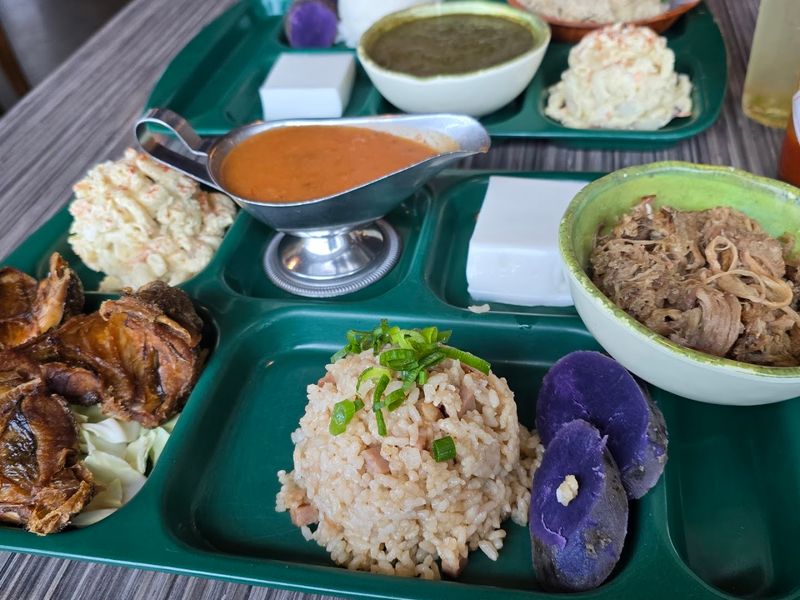
SPAM holds a genuinely beloved place in Hawaiian food culture, and no visit to Highway Inn Kaka’ako is complete without at least acknowledging it. The Highway Inn Fried Rice features SPAM as a central ingredient, which surprises some mainland visitors but delights almost everyone who tries it.
Hawaii has a unique relationship with SPAM that dates back to World War II, when canned meat became a staple on the islands due to its shelf stability and availability. Over the decades, local cooks transformed it into something genuinely delicious, incorporating it into everything from breakfast plates to musubi to fried rice.
The fried rice here is savory, satisfying, and unapologetically local. The SPAM adds a salty, slightly caramelized note that works beautifully against the rice and egg.
For visitors who grew up thinking of SPAM as a punchline, this dish tends to change perspectives quickly and permanently.
Haupia: The Dessert That Ends Every Good Meal
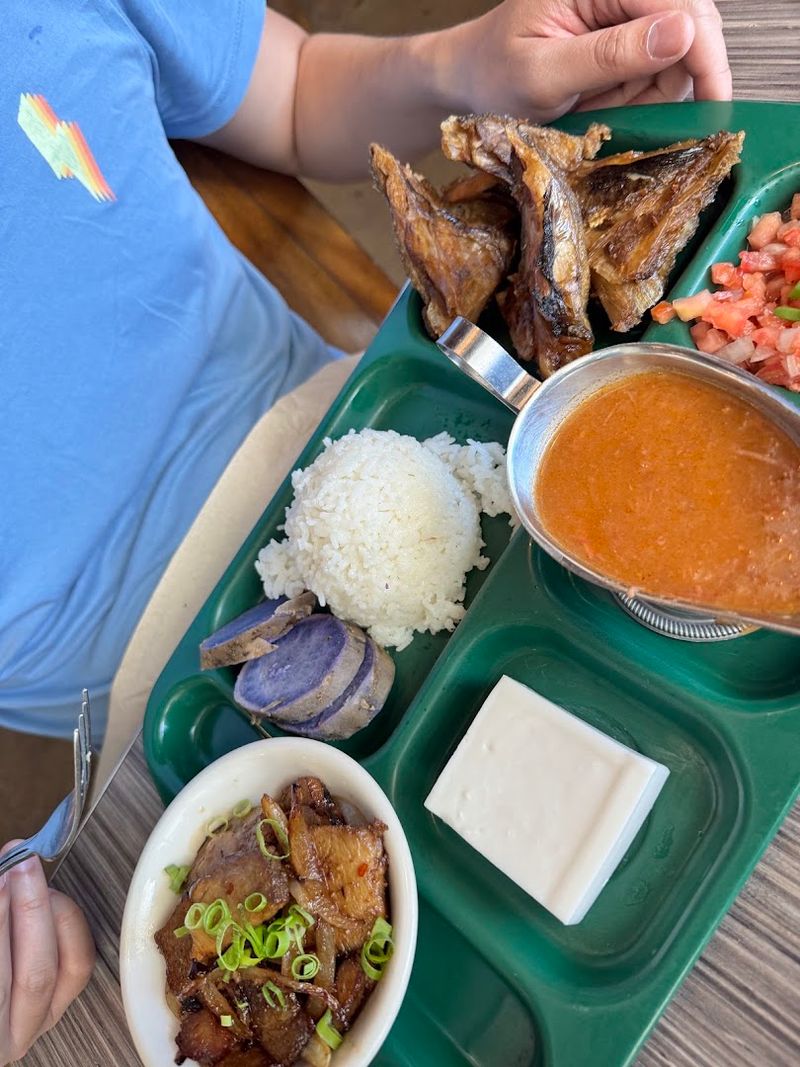
Haupia does not look like much when it arrives at the table. It comes as a small square of firm, white coconut pudding that could easily be mistaken for something plain.
The first bite changes that impression completely.
The flavor is clean, cool, and gently sweet, with a coconut richness that lingers just long enough to feel satisfying without being heavy. It is the kind of dessert that works perfectly after a rich plate of kālua pork or butterfish because it refreshes rather than overwhelms.
Several diners have noted that the haupia at Highway Inn Kaka’ako is better than versions they tried at organized lū’au events, which says something meaningful about the quality of the preparation. It is made with real coconut milk and set to the right consistency, which is firmer than a pudding but softer than a gelatin.
Simple, traditional, and genuinely good.
The Location and How to Get There Without the Stress
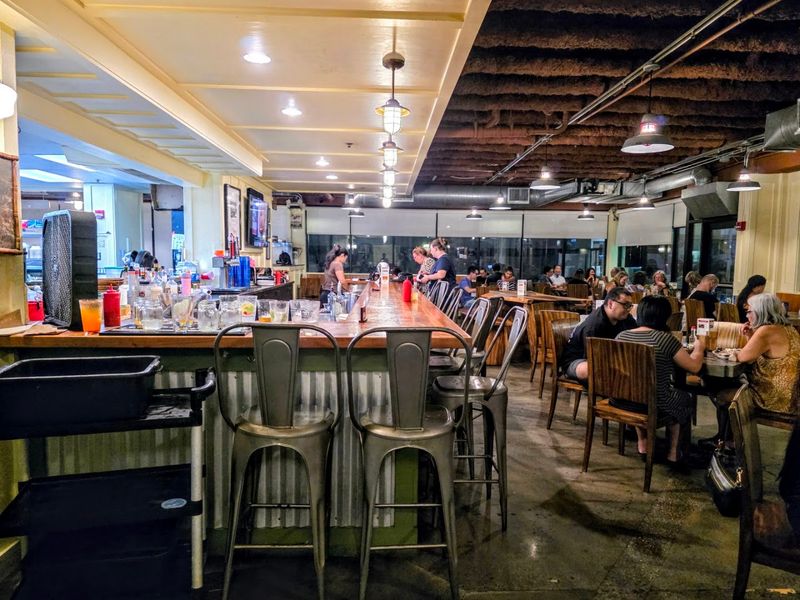
The Kaka’ako location works in your favor whether you are staying nearby or arriving by cruise ship. The restaurant sits on Ala Moana Blvd, close enough to the Honolulu cruise terminal that walking over is a realistic option for passengers with a few hours in port.
That proximity has made it a genuine word-of-mouth favorite among cruise travelers.
Parking is available in a small lot directly in front of the restaurant, and the restaurant validates for a nearby parking structure when the front lot fills up. Validation covers up to an hour and a half, which is plenty of time for a relaxed meal.
The system is ticketless, which removes the usual stress of managing a paper ticket through lunch.
The restaurant is open Tuesday through Saturday until at least 8 PM, with Friday and Saturday hours extending to 8:30 PM. Sunday hours end at 3 PM, so planning ahead for a Sunday visit is worth the extra thought.
Why Locals Keep Coming Back
A restaurant that survives on tourist traffic alone tends to feel like it. The food gets safe, the portions shrink, and the energy shifts toward convenience over quality.
Highway Inn Kaka’ako does not have that problem because its core audience is still the local community.
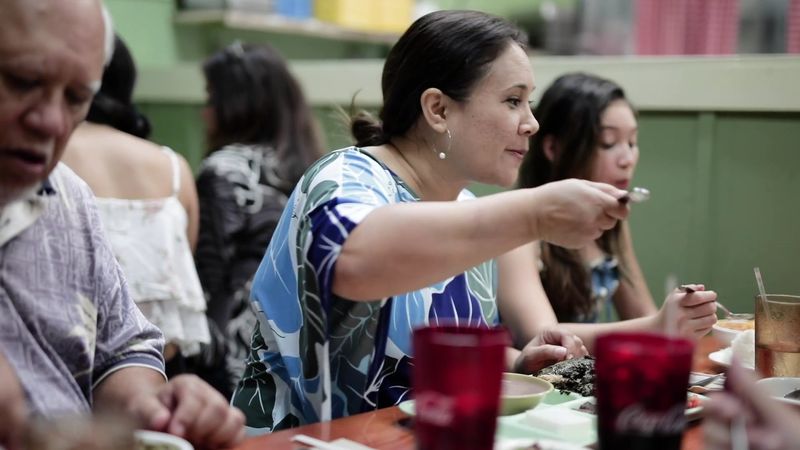
Families from Honolulu bring visiting relatives here specifically to show them what Hawaiian food is supposed to taste like. Diners returning from Japan or the mainland stop in because it feels like coming home.
That kind of loyalty is built over years and cannot be faked.
The menu also keeps things honest. There are no fusion twists designed to make tourists comfortable, no glossy reinterpretations of dishes that did not need reinventing.
What you get is the food as it has always been made, served in a setting that respects both the tradition and the people eating it. That combination is rarer than it should be.
Planning Your Visit for the Best Experience
A few practical notes can make the difference between a good visit and a great one. Arriving mid-afternoon on a weekday tends to mean shorter waits and a more relaxed pace, while lunch hours on weekends can get busy enough that a wait for seating is common.
Solo diners willing to sit at the bar often get seated faster.
The menu includes a helpful guide for first-time visitors, so do not skip reading it before you order. It takes two minutes and will likely push you toward a more adventurous choice than you might have made otherwise.
Budget-wise, the plates are priced in line with what you would expect from a quality local restaurant in Honolulu, and portion sizes are generous enough that most people find themselves unable to finish everything. If you are staying nearby, taking the leftovers home is absolutely worth planning for.
The food holds up well and tastes just as good the next day.
Share this story