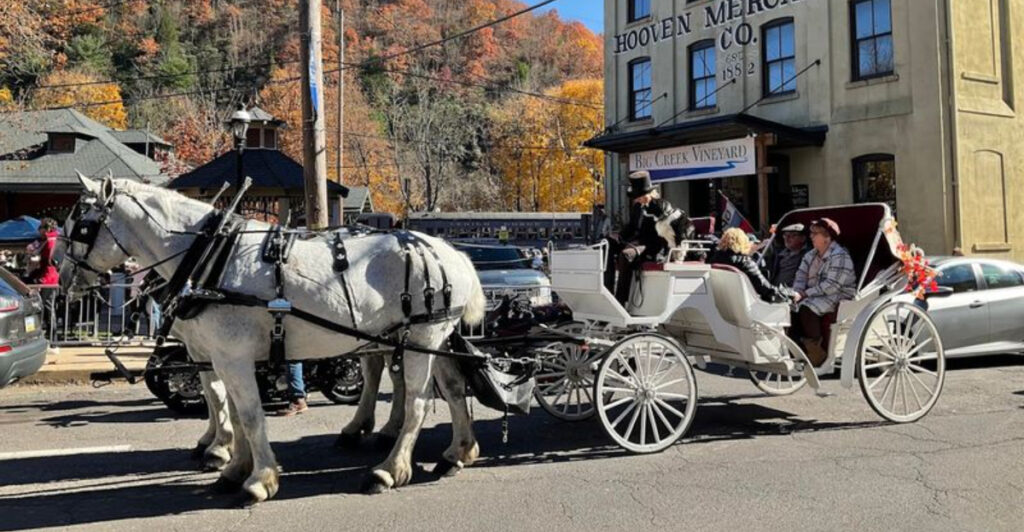
Most people think of historic towns as quiet, dusty places where you walk through a museum and call it a day. But some of the oldest towns in America are also among the most entertaining.
From cobblestone streets lined with great food to dramatic river views and wild frontier stories, these places offer a lot more than old buildings. Whether you are planning a weekend road trip or just looking for somewhere new to explore, this list covers 12 historic U.S. towns that are genuinely fun, full of character, and worth your time.
St. Augustine, Florida
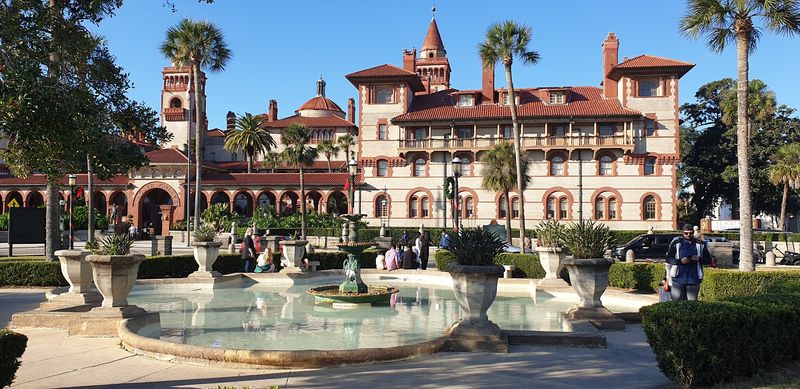
Few cities in the United States can claim a street that has been in use for hundreds of years, but St. Augustine makes that claim with ease. Its Historic Downtown is one of the most walkable historic districts in the country, with buildings dating back to the 1700s and streets that predate them.
The area is listed on the National Register of Historic Places and includes more than 20 historic sites.
St. George Street is the heart of the action, offering Spanish colonial landmarks, local shops, restaurants, and galleries all within easy walking distance. You can visit old forts, colonial homes, and churches without ever feeling like you are stuck on a rigid tour.
The Atlantic coast is also nearby, which makes it easy to wrap up a history-filled morning with some beach time. St. Augustine rewards both planners and wanderers equally well.
Williamsburg, Virginia
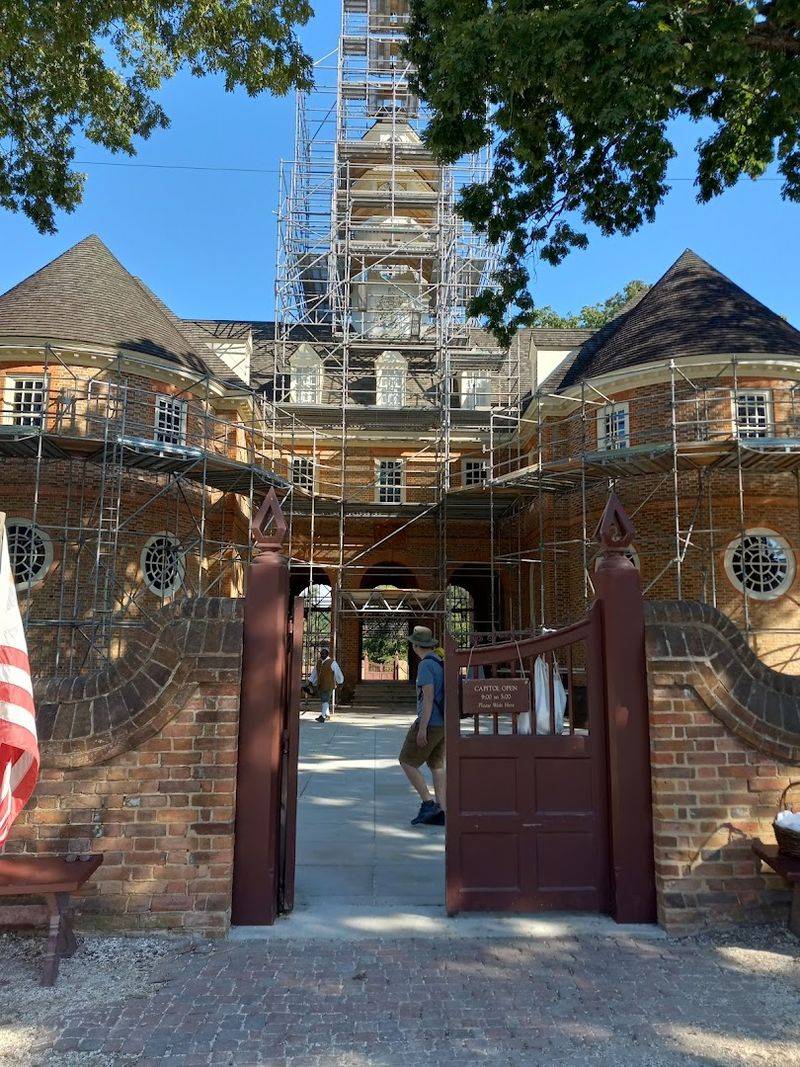
Colonial Williamsburg is one of the most immersive historic experiences in the entire country. The Historic Area includes 89 original 18th-century buildings alongside hundreds of reconstructed structures built from historical and archaeological research.
That level of detail gives the town a rare depth that most historic sites cannot match.
What keeps Williamsburg from feeling like a school field trip is how much variety surrounds the colonial core. Visitors can spend the morning exploring old government buildings, trades, and gardens, then shift into Greater Williamsburg for dining, shopping, or family attractions in the afternoon.
It is a well-organized destination, but it works just as well for casual travelers who are not chasing every exhibit. The mix of formal history and modern convenience is what makes Williamsburg easy to recommend for a weekend trip.
You can go deep or keep it light, and either way works.
Santa Fe, New Mexico

Santa Fe has a way of making history feel alive rather than archived. The city sits at over 7,000 feet in the high desert, and its adobe buildings, narrow streets, and earthy color palette give it a look that genuinely cannot be replicated anywhere else in the country.
The Plaza is the natural starting point, with galleries, shops, restaurants, and cultural landmarks all within easy reach.
What makes Santa Fe especially engaging is how its history layers together. Native, Spanish, Mexican, and Southwestern influences all show up in the architecture, the food, the art, and the culture.
The official tourism site highlights museums, arts events, history, and recreation all in one destination.
A visitor information center on the Plaza is open daily, which makes orientation easy. You can fill a full day without a strict plan, moving between historic streets, art spaces, and New Mexican food without missing a beat.
Galena, Illinois
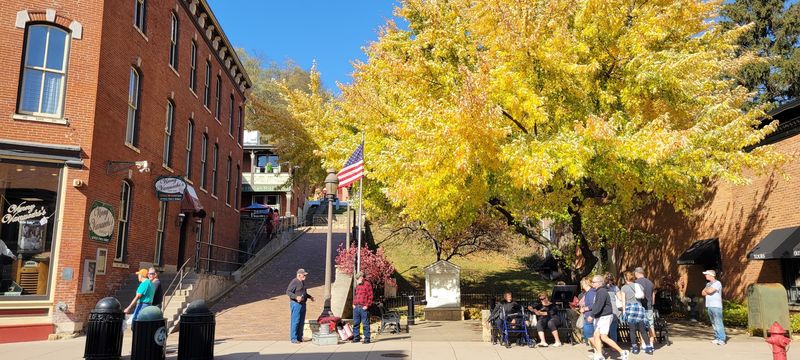
Galena is the kind of place that makes you wonder how it stayed this intact. Its Main Street is lined with 19th-century brick buildings that now hold boutiques, restaurants, galleries, and tasting rooms, giving the town a mix of preserved history and active daily life.
The scenery around it, with rolling northwest Illinois hills and the Galena River nearby, adds to the appeal.
The town also carries a strong connection to Ulysses S. Grant, whose home here is open for tours.
Old stairways, river views, and a compact downtown layout make it easy to cover a lot of ground without a car.
Galena Country tourism promotes the area as a year-round destination, and the town is celebrating its bicentennial in 2026, which gives its long story an extra layer of relevance right now. It is a full day of exploring packed into a surprisingly small footprint.
Harpers Ferry, West Virginia
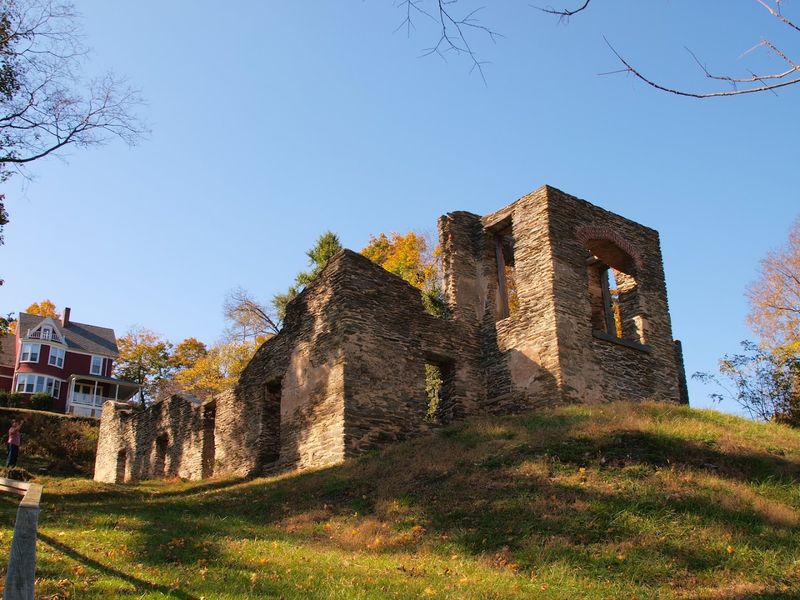
Harpers Ferry is not your average historic town stop. It sits at the dramatic confluence of the Shenandoah and Potomac rivers, with cliffs, forested ridgelines, and Blue Ridge mountain scenery surrounding it on all sides.
That setting alone makes it worth the trip, and the history layered on top of it makes the visit genuinely memorable.
The National Park Service manages Harpers Ferry National Historical Park, which covers the story of John Brown’s raid, Storer College, Civil War battlefields, and miles of hiking trails. The Lower Town area is walkable and packed with park exhibits, old buildings, and river overlooks.
West Virginia tourism also promotes the famous viewpoint known as The Point, where the two rivers meet. Visitors can pair a morning of historic exploration with afternoon hiking, biking, or simply sitting near the water.
Few places in the East combine history and outdoor scenery this naturally.
Beaufort, South Carolina
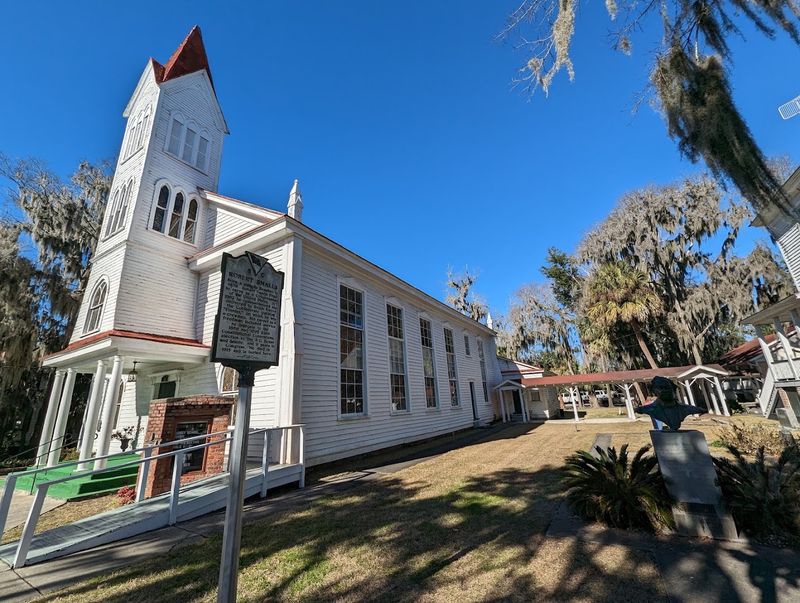
Beaufort is the kind of Lowcountry town that does not need to try very hard to impress visitors. Its entire downtown is designated a National Historic Landmark, with more than 50 architecturally significant structures recognized for their historical and cultural value.
The oak-lined streets and antebellum homes give it a distinctive look that feels genuinely Southern without being overdone.
South Carolina tourism promotes Beaufort for its scenic views, rich culture, dining, and coastal access, and Visit Beaufort highlights shopping, seafood, galleries, and waterfront experiences alongside the historic district. That range makes it easy to spend a full day without running out of things to do.
The best approach is often the simplest one. Walk the downtown streets, stop near the water, browse a few shops, and let the town’s slower rhythm take over.
Beaufort rewards visitors who are not in a hurry, and the waterfront views make that very easy to accept.
Mackinac Island, Michigan

Arriving on Mackinac Island by ferry already sets the tone for something different. Cars are famously absent from the main visitor experience, and the island moves at the pace of bicycles, foot traffic, and horse-drawn carriages.
That alone makes it feel unlike anywhere else in the Midwest.
Mackinac State Historic Parks manages seven historic attractions and two state parks on the island, covering Fort Mackinac, historic cottages, and the island’s natural landscape. The Mackinac Island Tourism Bureau promotes it as a full vacation destination with fine dining, scenic views, and a wide range of activities.
Fudge shops are a well-known part of the island’s character, and the Victorian architecture along the main streets adds to the charm. Lake Huron views are available from multiple points around the shoreline.
Whether you come for the history, the scenery, or just the novelty of a car-free afternoon, Mackinac Island delivers a genuinely unique Great Lakes experience.
Bisbee, Arizona
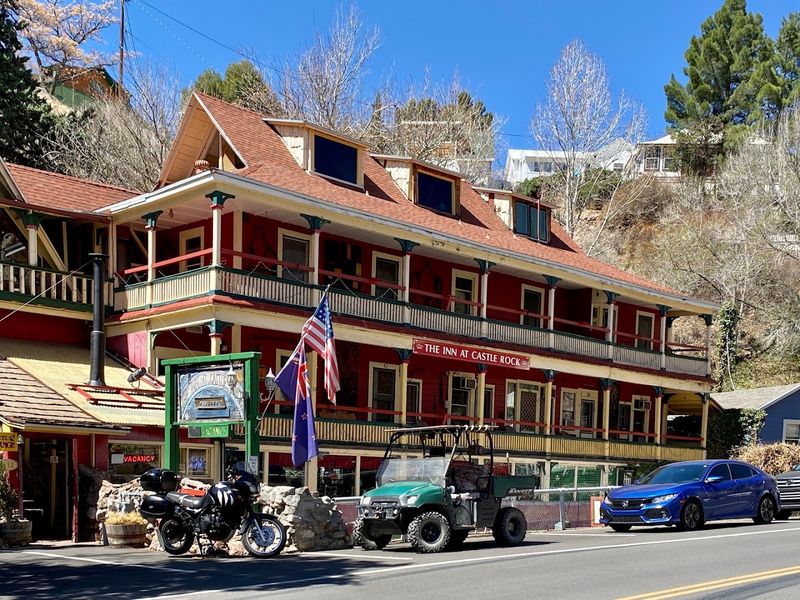
Bisbee is the kind of historic town that grew its own personality after the industry that built it was gone. When the copper mines closed, artists and creative communities moved in, and the town reinvented itself without erasing its past.
Visit Arizona notes that the arts community helped Bisbee avoid becoming a ghost town, and today the result is a place that feels genuinely original.
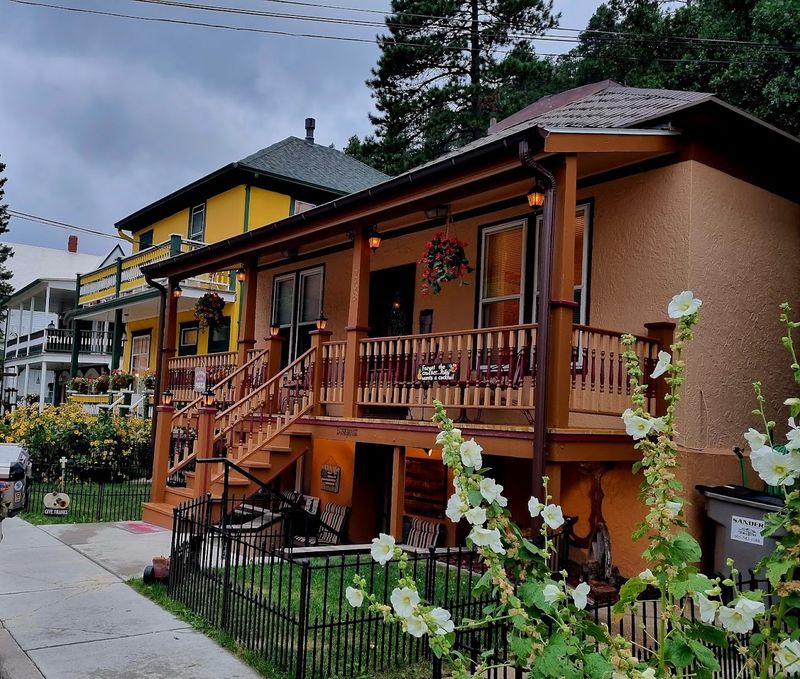
The hillside layout gives Bisbee a physical character that most flat Main Street towns cannot match. Outdoor staircases connect neighborhoods, colorful buildings line narrow streets, and old storefronts now hold galleries, antique stores, and quirky shops.
The official Discover Bisbee site shares visitor information on events, locations, and things to do in town.
The mining history is still visible in the architecture and the landscape, but the town’s current energy comes from its creative, slightly offbeat community. Wandering without a plan tends to be the most rewarding approach here.
Deadwood, South Dakota
Deadwood earned its reputation the hard way, and it has never let go of it. Wild Bill Hickok and Calamity Jane are tied to the town’s identity, and the Wild West atmosphere is not just decoration here.
It is the actual history, and the town leans into it in ways that make a visit feel more like an event than a tour.
The official Historic Deadwood tourism site promotes the town as a Black Hills destination known for history and gaming, with trip-planning resources and live webcams showing real-time activity on the main street. Visitors can explore museums, watch frontier reenactments, eat in town, and access the surrounding Black Hills for outdoor activities.
Mount Rushmore is also nearby, which makes Deadwood a natural addition to any South Dakota road trip itinerary. The town is small, but it packs a lot of personality into a short stretch of preserved frontier streetscape that rewards even a half-day visit.
Natchitoches, Louisiana

Louisiana’s oldest city has a lot going for it beyond its age. Natchitoches sits along the Cane River, and its 33-block National Historic Landmark District is fully walkable and lined with family-owned boutiques, specialty shops, and local businesses.
The Natchitoches Visitors Bureau describes it as a one-of-a-kind destination filled with culture, history, and locally owned charm.
The town’s Creole heritage shapes everything from the architecture to the food, and its famous meat pie culture gives it a culinary identity that is hard to find anywhere else. The Welcome Center on Front Street in the Landmark Historic District is open Monday through Saturday from 9 a.m. to 5 p.m., making it easy to get oriented and plan your time.
Riverfront strolling, festival planning, and historic building-watching all come naturally here. Natchitoches does not feel like a preserved relic.
It feels like a town that is actively proud of what it has kept.
Mystic, Connecticut
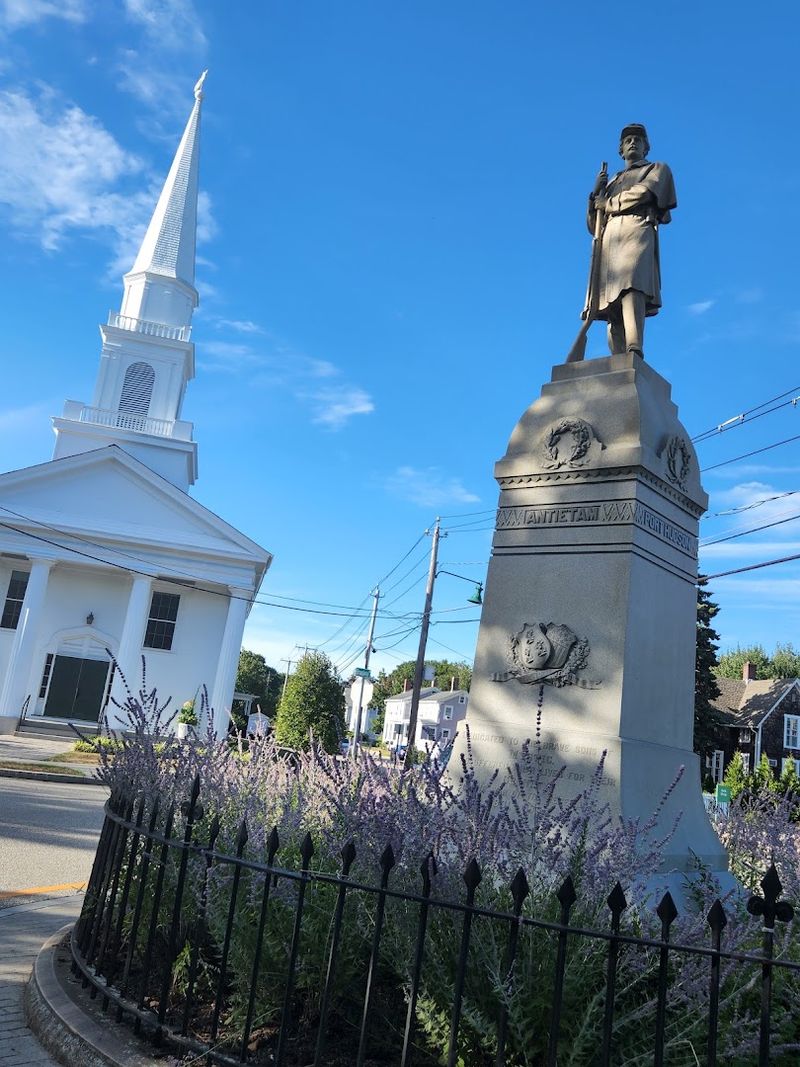
Mystic has a way of making a casual weekend feel like a well-planned trip. Downtown Mystic is a walkable waterfront district lined with boutiques, restaurants, and historic landmarks along the Mystic River, all framed by colonial-era architecture and a relaxed small-town energy.
Visit Mystic and the local Chamber both promote the area for dining, shopping, lodging, and attractions.
Mystic Seaport Museum is the anchor of the town’s maritime identity, with a collection of historic vessels, watercraft exhibits, and seafaring history that is genuinely engaging even for visitors who are not dedicated history fans. The famous drawbridge near the center of town is a practical landmark and a good photo stop.
Seafood restaurants, independent shops, and river views fill out the rest of the experience. Mystic works well as a day trip or an overnight stay, and it tends to leave visitors with a clear sense of why New England coastal towns have such a lasting appeal.
Jim Thorpe, Pennsylvania
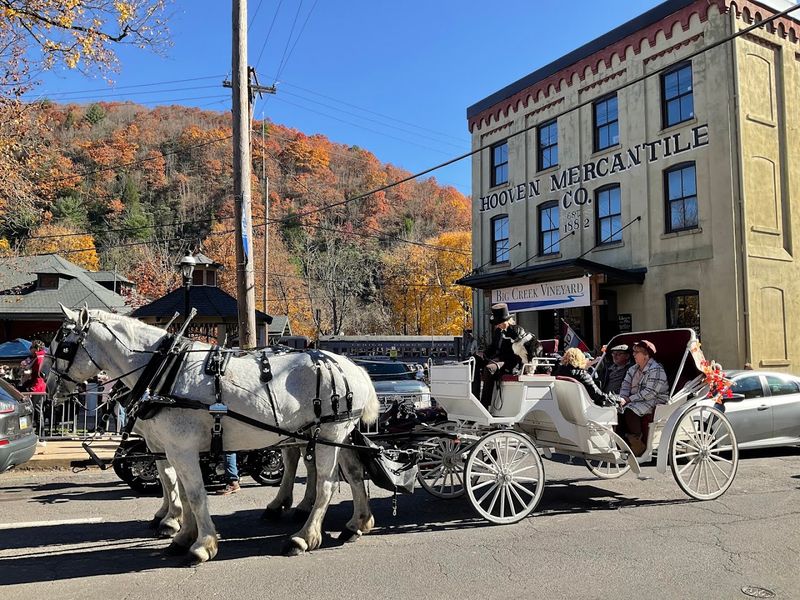
Jim Thorpe sits inside a mountain gorge in Carbon County, Pennsylvania, and its setting is the first thing that stops visitors in their tracks. Visit the Poconos describes it as a historic town with the feel of a European village and the energy of a mountain sports destination.
That combination is unusual enough to make it worth a dedicated trip.
Victorian mansions built during the town’s industrial era have been converted into shops, dining spots, bed-and-breakfasts, museums, galleries, and entertainment venues. The Jim Thorpe Visitors Center is open daily from 9 a.m. to 5 p.m., making it easy to plan your time on arrival.
Scenic rail excursions through Lehigh Gorge are a popular addition to any visit.
Outdoor adventure is also close by, with the gorge offering hiking and natural scenery just outside the historic district. Jim Thorpe is one of those towns that genuinely surprises first-time visitors, and most people leave already planning a return.
Share this story