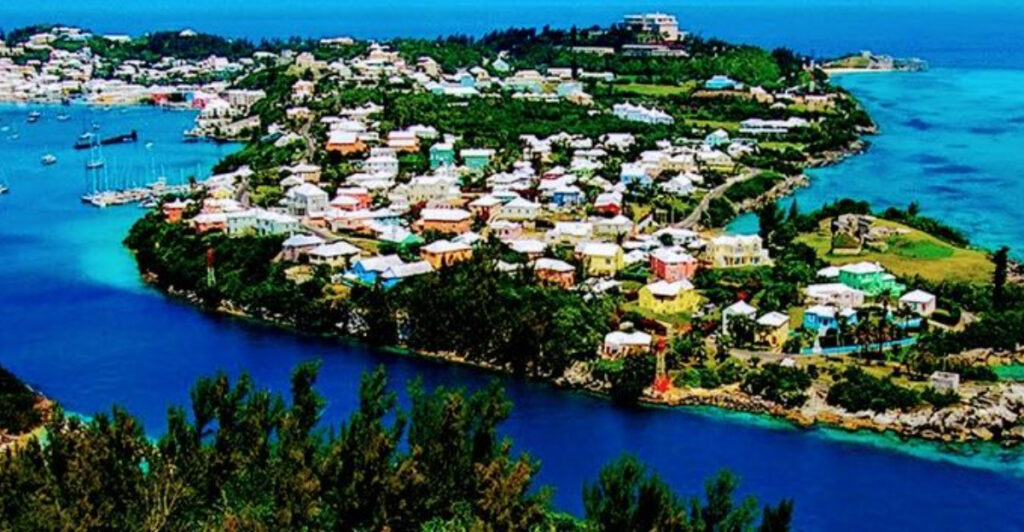
Some islands earn their reputation not through marketing but through water so clear you can see the bottom from a boat. That kind of visibility changes how you experience a place.
You stop just looking at the ocean and start noticing every detail beneath it: coral, fish, sand ripples, and color shifts that no photo fully captures. This list covers 15 islands around the world where the water is genuinely the main event.
From the South Pacific to the Mediterranean to the Atlantic, each one offers something different beyond just blue water. Whether you are planning a real trip or just building a dream list, these islands give you plenty of reasons to keep reading and maybe start searching for flights.
Bora Bora, French Polynesia
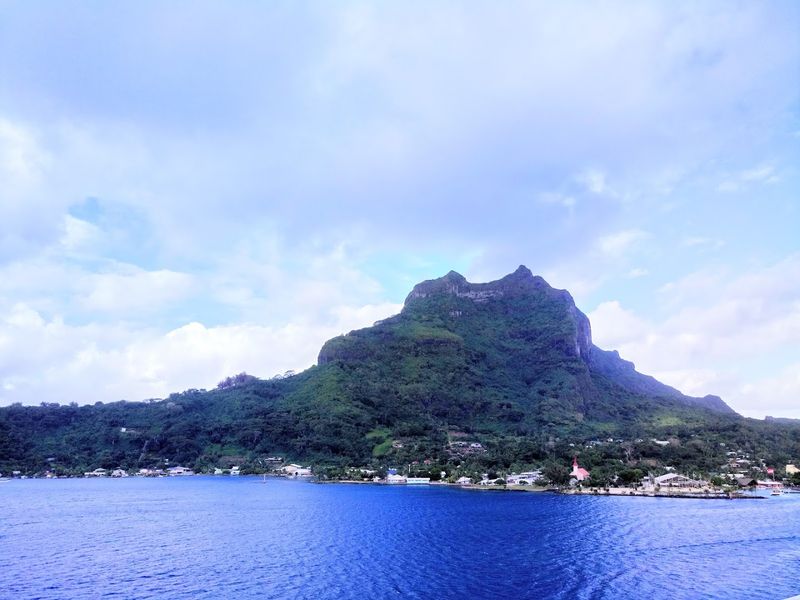
From above, Bora Bora looks like something a painter invented rather than something that actually exists. The lagoon wraps around the island in rings of blue, shifting from pale aqua near the sandbars to deeper navy farther out, all framed by small motu islets and the dramatic peak of Mount Otemanu at the center.
Official Tahiti tourism highlights lagoon tours, coral gardens, snorkeling with rays and sharks, and boat trips to private motu picnic spots. The water is not just background scenery here.
Visitors are paddling through it, snorkeling in it, and taking lagoon cruises specifically to experience how alive it feels.
Bora Bora also has a well-developed tourism infrastructure, including hotels, guesthouses, sailboat charters, and vacation rentals. For travelers who want a South Pacific island that delivers on every visual promise, this one consistently does exactly that.
Baa Atoll, Maldives
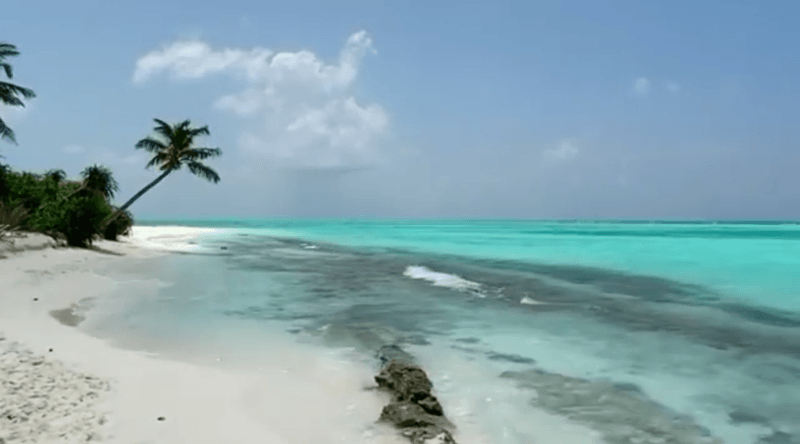
The Maldives could fill an entire clear-water list on its own, but Baa Atoll earns special attention because the marine life here is part of what makes the water feel extraordinary. UNESCO recognizes the Baa Atoll Biosphere Reserve as supporting one of the largest concentrations of coral reefs in the Indian Ocean, and that matters when you are floating over it.
Visit Maldives describes the protected area as containing coral reefs, seagrass beds, mangroves, and island lagoons, which creates the kind of ecosystem where the water is visually busy in the best way. Manta ray experiences, snorkeling, and resort diving are the main draws, alongside the classic Maldivian view of bright sand dropping into brilliant blue water.
The Ministry of Tourism lists resorts, guesthouses, hotels, and safari vessels as active accommodation options. For first-time Maldives visitors, Baa Atoll is one of the most rewarding places to start.
Palawan, Philippines
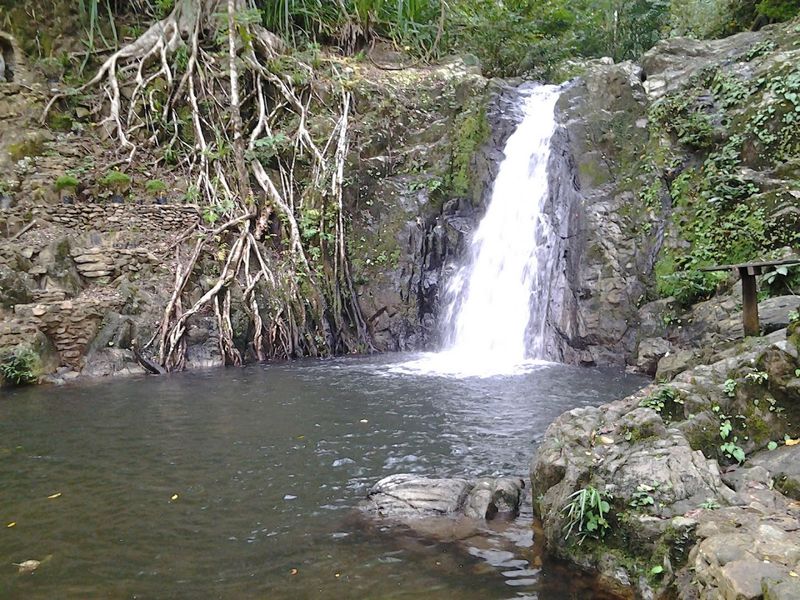
Palawan has a way of making first-time visitors feel like they stumbled onto something that should not be this beautiful. The island province stretches across the western Philippines and is best known for El Nido and Coron, two areas where limestone cliffs rise straight out of green-blue water and hidden lagoons sit tucked behind rock walls.
El Nido’s lagoon tours and Coron’s Kayangan Lake, Twin Lagoon, and wreck-snorkeling sites are signature experiences that regularly appear in Southeast Asia travel coverage. National Geographic has described Palawan’s glass-like waters and the Twin Lagoons near Busuanga, where freshwater and saltwater actually mix at different depths.
Licensed island-hopping operators, boat tours, and established accommodations make Palawan a practical destination despite how remote it looks in photos. For clear-water photography, it is one of the most naturally photogenic places in all of Southeast Asia, and that reputation is fully deserved.
La Digue, Seychelles
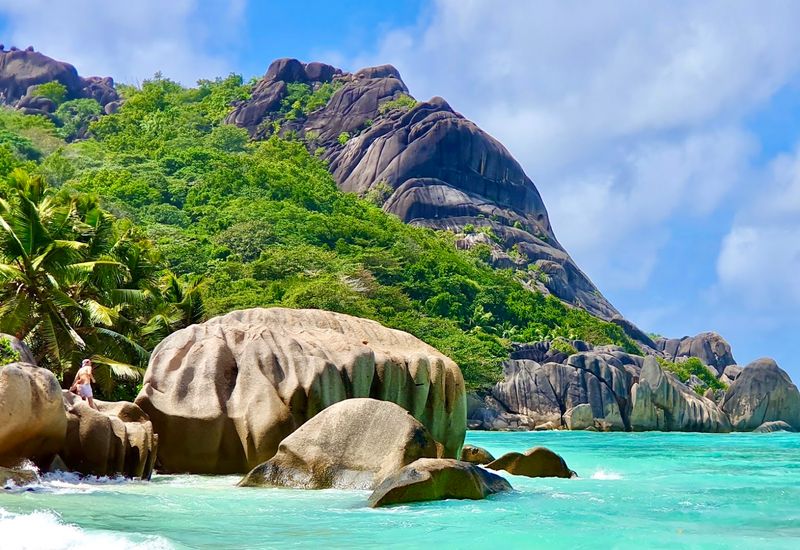
La Digue is the Seychelles island that photographers keep returning to, and Anse Source d’Argent is the reason. Giant smooth granite boulders frame the shoreline in shapes that look almost deliberate, and the shallow water between them stays calm and clear enough to see every grain of sand below the surface.
Recent Seychelles travel guides continue to list La Digue as a fully visitable island with guesthouses, hotels, and accessible beach routes. The broader Seychelles archipelago spans 115 islands with beaches, snorkeling areas, and nature reserves, but La Digue stands out because the scenery is genuinely unlike most tropical beaches anywhere in the world.
The boulders give the coastline a distinct identity that makes the clear water feel even more dramatic by contrast. It is not just another palm-and-sand combination.
The geology, the light, and the stillness of the water all work together to create something that stays with you long after the trip ends.
Aitutaki, Cook Islands
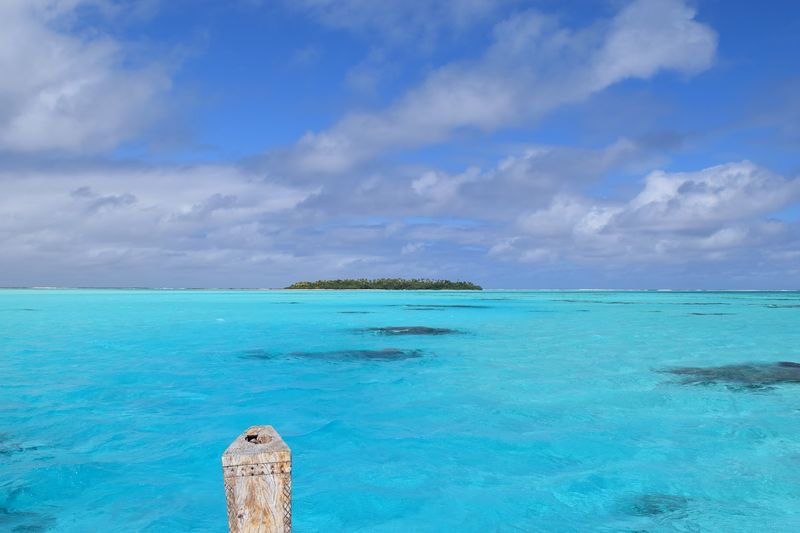
Ask anyone who has visited Aitutaki what they remember most, and the answer is almost always the lagoon. The official Cook Islands tourism site describes the main island as being completely dwarfed by its vast surrounding lagoon, which is shallow, brilliantly blue, and scattered with small motu islets around the edges.
The island offers resorts, villas, family-friendly stays, and the Cook Islands’ only overwater bungalows. Activities include lagoon cruises, sea scooters, cultural experiences, local markets, and various water-based excursions, so the trip-planning side is straightforward despite the remote feeling of the place.
What Aitutaki offers that larger, more-developed Pacific destinations sometimes lose is a sense of quiet space. The lagoon feels enormous and unhurried.
For travelers who want clear South Pacific water without a massive resort scene built around it, Aitutaki delivers a postcard-worthy experience that still has the practical tourism structure needed for a real, comfortable trip.
The Exumas, Bahamas
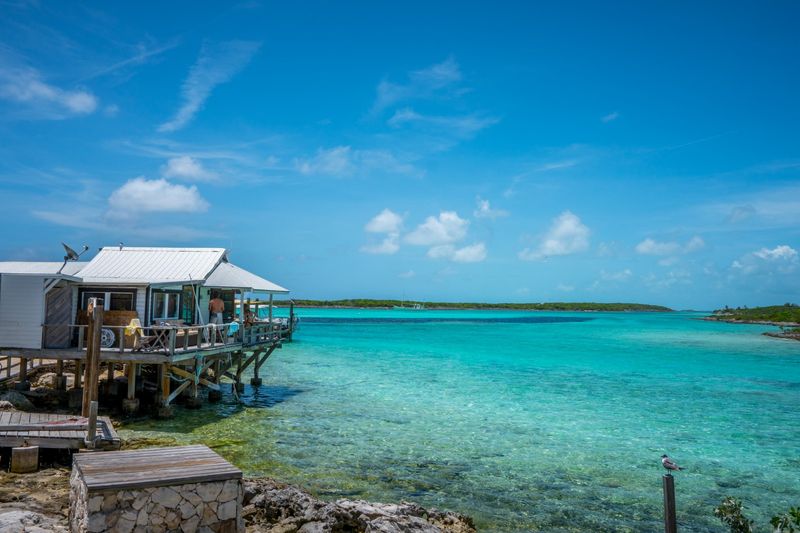
The Exumas are technically a chain of 365 islands and cays rather than a single island, but the water connecting them is the whole point of the destination. The official Bahamas tourism site describes the Exumas as known for sapphire-blue waters so vivid they are reportedly visible from outer space, which sounds like a marketing line until you see photos taken from above.
Big Major Cay, home to the famous swimming pigs at Pig Beach, continues to be promoted through Bahamas visitor information, with boat tours, seaplanes, and yacht charters bringing travelers out regularly. The real appeal of the Exumas is the sandbar-and-cay landscape, where boats appear to float over pale blue glass and the shallows shift color every few feet.
Tour operators and accommodations are active across the area. For anyone who wants to understand why the Caribbean has such a strong hold on travelers’ imaginations, spending time on the Exumas makes that very clear.
Providenciales, Turks and Caicos
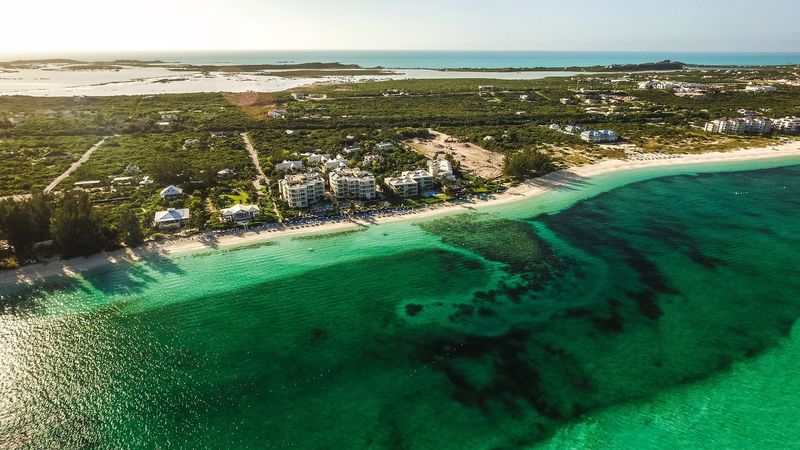
Grace Bay Beach in Providenciales consistently appears at or near the top of Caribbean beach rankings, and the water clarity is the central reason. Visit Turks and Caicos describes Grace Bay as the country’s top attraction, with white sand and crystal-clear turquoise water that looks especially striking on calm, sunny days.
The area supports boat tours, kayaking, paddleboarding, sailing, parasailing, reef trips, luxury hotels, and restaurants. That range matters because Providenciales is not just a beach worth photographing.
It is a fully functional destination built around easy, comfortable water access.
Grace Bay is not the strongest spot for shore snorkeling, but the boat-accessible reef scenery, the color of the water, and the quality of the sand make Provo a genuinely memorable stop for travelers who want calm Caribbean water without complicated logistics. For first-timers to the Caribbean looking for a polished and reliable beach experience, this island delivers consistently.
La Maddalena, Sardinia, Italy
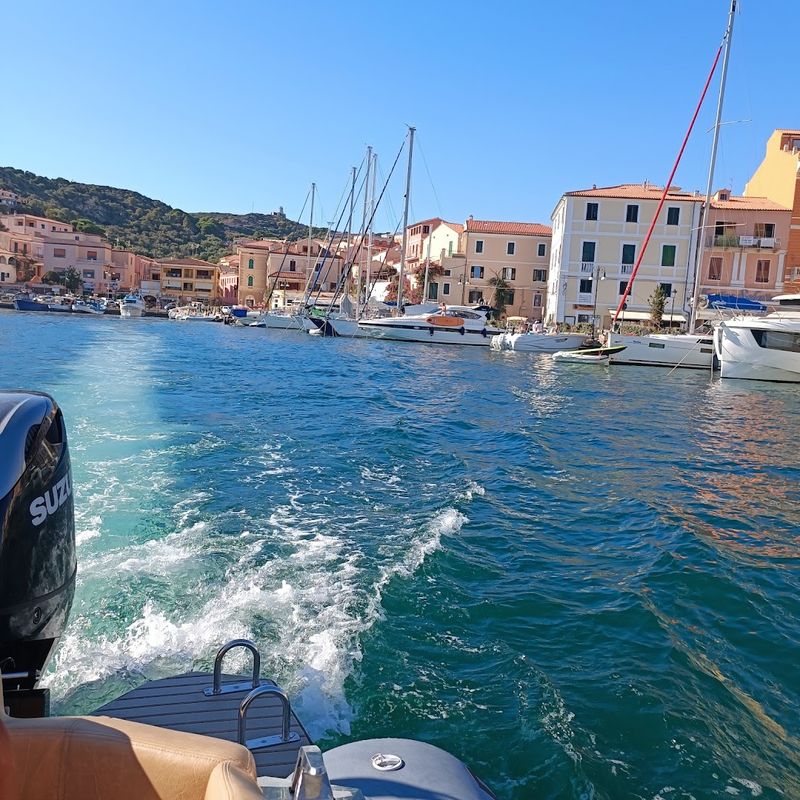
La Maddalena brings a Mediterranean personality to clear-water island travel that feels completely different from the tropics. Located off the northern tip of Sardinia, it sits within an archipelago of roughly 60 islands and islets protected by a national park, which helps explain why the water stays so clean and the coastline remains relatively undeveloped.
Sardinia’s official tourism resources describe La Maddalena with white beaches, lonely coves, turquoise sea, granite scenery, and a 45-kilometer perimeter road for exploring the island by car or scooter. The water here is cooler and sharper than tropical destinations, framed by pale rock and wind-shaped coastlines that give it a distinct, almost sculptural quality.
Boat trips to outer islands and smaller coves are a major part of the experience. Visitors should note that some protected beaches in the area use seasonal reservation systems or visitor caps, so checking local rules before arrival is a practical step worth taking.
Formentera, Spain
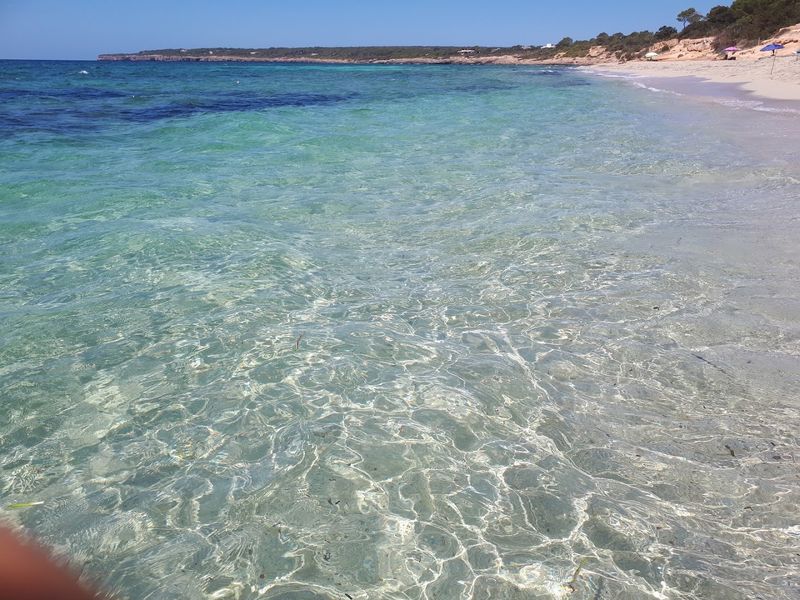
Formentera is the Balearic island that does not try to compete with its louder neighbor Ibiza, and that restraint is exactly what makes it appealing. The official Formentera tourism site provides current planning information, while local beach guides consistently highlight Ses Illetes as the island’s standout beach, known for soft white sand and crystal-clear turquoise water within Ses Salines Natural Park.
The island runs on a pleasantly simple rhythm: ferries from Ibiza, bicycles or scooters for getting around, beach restaurants for meals, and long stretches of shallow blue water for the rest of the day. There are no massive theme parks or crowded attractions pulling attention away from the coastline itself.
Travelers who want Mediterranean water with Caribbean-level color often put Formentera near the top of their European beach lists. The combination of protected natural areas, calm shallow edges, and low-key atmosphere makes it a strong choice for a slow, beach-focused summer trip.
Milos, Greece
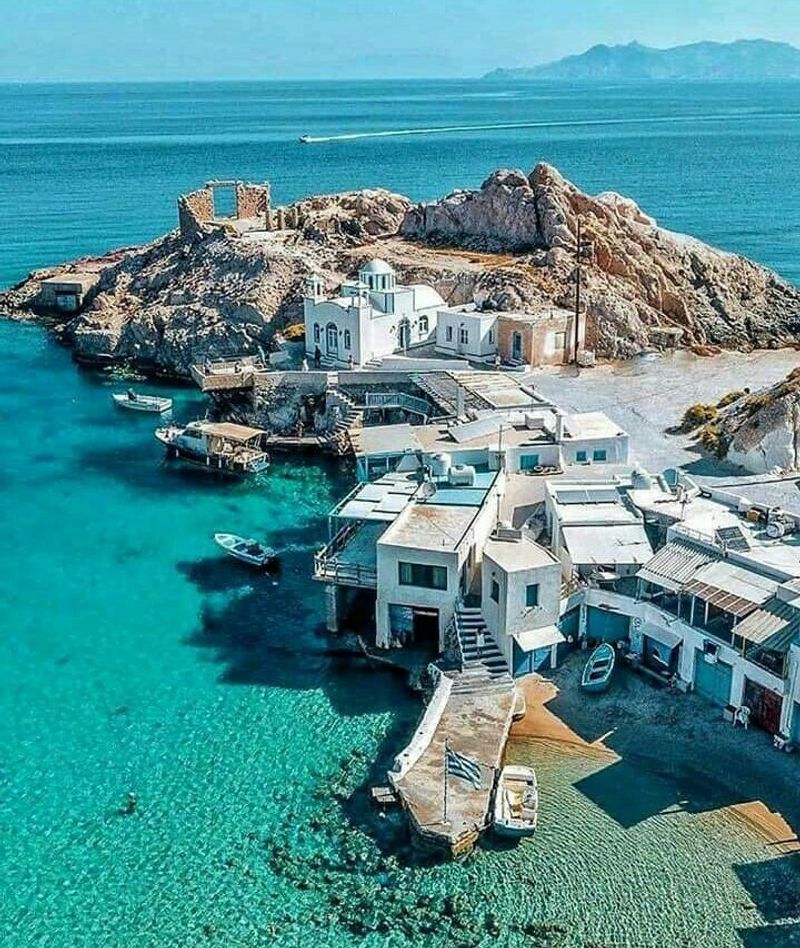
Milos is a volcanic island that refuses to look like every other Greek island, and that geological stubbornness is its biggest asset. The coastline shifts constantly: white pumice rock and electric blue water at Sarakiniko, sea caves and dramatic cliffs around Kleftiko, and hidden coves tucked into the island’s varied shoreline.
Discover Greece describes Milos as having more than 70 beaches, volcanic scenery, colorful fishing villages, and boat trips to Kleftiko and Sykia Cave. Recent Cyclades travel guidance confirms that Milos is reachable by flight from Athens or ferry from Piraeus, which makes it a practical addition to a Greek island itinerary without requiring complicated travel arrangements.
The clear water here earns its place on this list because it is paired with unusual geology that most beach destinations simply cannot match. Milos does not feel like a standard resort island.
It feels bright, slightly wild, and genuinely different, which is exactly why it keeps gaining attention from travelers who have already done Santorini and Mykonos.
Zakynthos, Greece
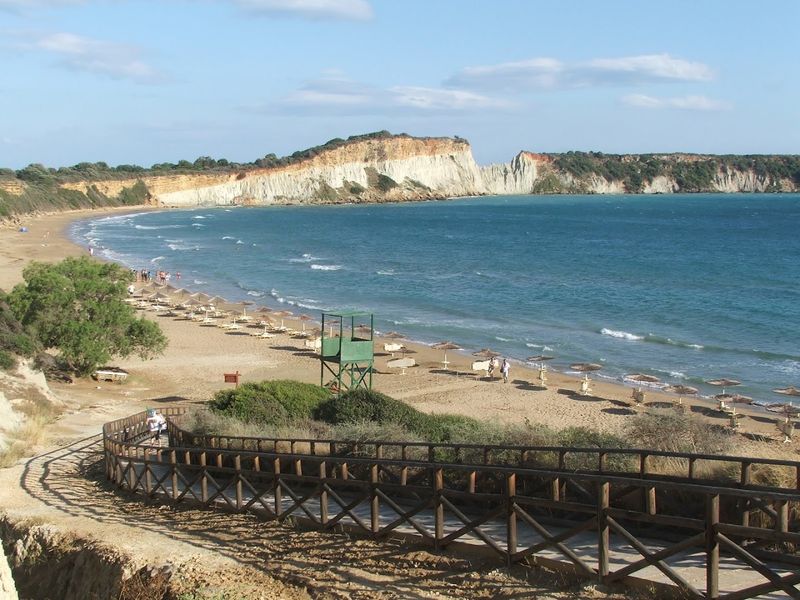
Zakynthos carries a dramatic reputation built on blue water, sea caves, limestone cliffs, and the iconic Navagio Shipwreck Beach image that has circulated across travel media for years. One important note for 2026 travelers: Navagio Beach itself remains restricted for direct boat and swimmer access due to ongoing safety and restoration concerns, so verifying current access rules before booking any tour is essential.
The Blue Caves in the island’s northern section remain one of Zakynthos’s most celebrated boat-tour attractions. Official visitor information describes them as a major highlight, with the intensely blue water reflecting inside the cave walls creating an effect that is genuinely hard to replicate anywhere else in Greece.
Zakynthos as an island is fully open to visitors, with accommodations, restaurants, and boat tours operating across the island. For travelers drawn to dramatic coastal scenery paired with vivid blue water, Zakynthos delivers that combination through its caves, cliff-backed coves, and the surrounding Ionian Sea.
Koh Lipe, Thailand
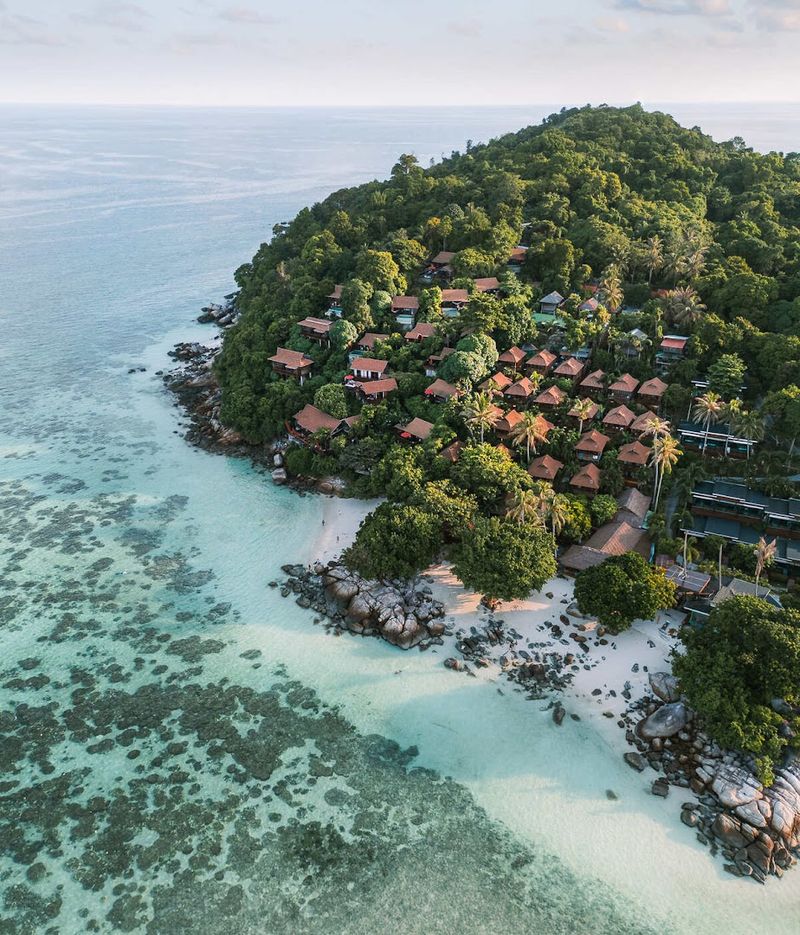
Koh Lipe sits in Thailand’s southern Andaman Sea close to the Malaysian border, and its small size is part of its charm. The island is part of Tarutao National Marine Park, and Thailand’s official tourism directory describes the surrounding coral reefs as a primary draw for divers and snorkeling enthusiasts who make the trip down to Satun Province.
Recent Thailand travel guidance highlights Koh Lipe as a compact, beach-focused island with clear turquoise water, active coral reefs, and a walkable layout that makes it easy to move between Pattaya Beach, Sunrise Beach, and the main walking street without needing transport. Nearby boat trips to outer reef areas extend the snorkeling options considerably.
The drier travel season, roughly November through April, offers the calmest water and best visibility. For travelers who want clear Andaman water without the scale of Phuket or Krabi, Koh Lipe offers a more concentrated and relaxed version of the same coastal experience, with reef access right at the shoreline.
Yasawa Islands, Fiji
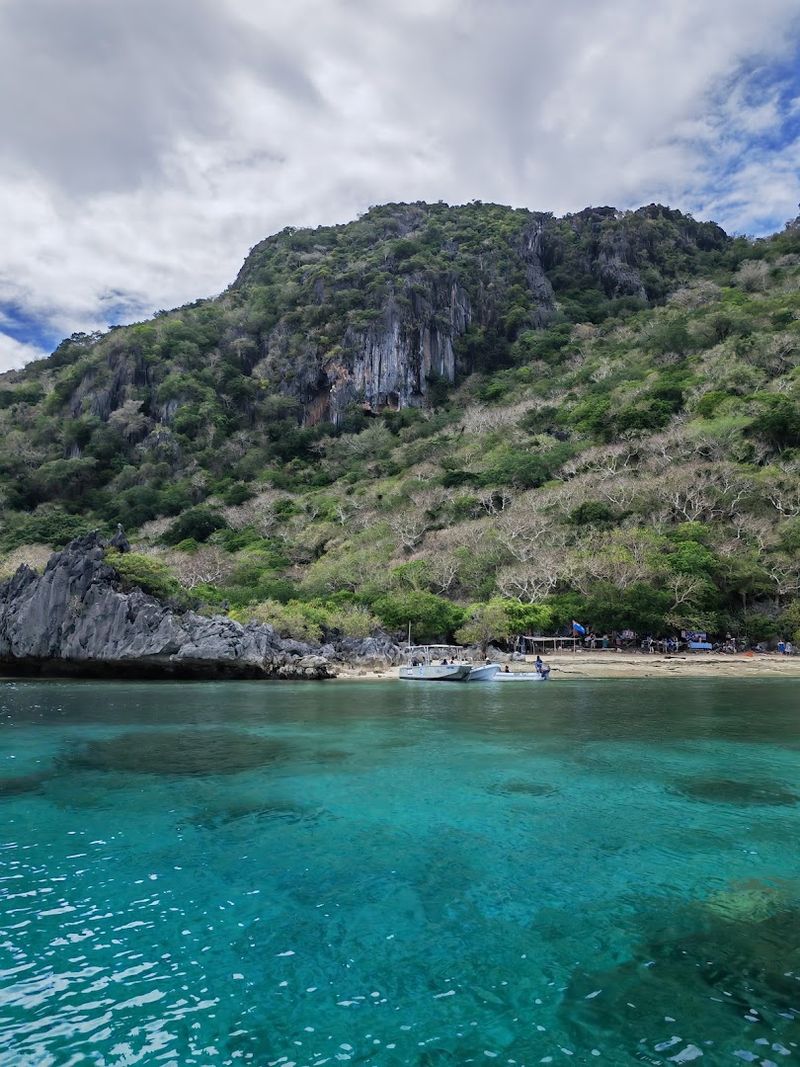
The Yasawa Islands stretch across roughly 20 volcanic islands in Fiji’s northwestern waters, and the combination of high grassy peaks, remote beaches, and clear blue South Pacific water gives the chain a visual character that feels both wild and welcoming. Tourism Fiji describes the Yasawas as having pristine beaches and calls the region one of Fiji’s most scenic island groups.
What makes the Yasawas practical for visitors is the transfer network. Daily ferry transfers connect the islands to Nadi and Lautoka, and multiple accommodation options range from budget bure-style guesthouses to mid-range resorts.
Snorkeling, swimming, reef exploration, and sandbar visits are woven into the daily rhythm of island life here.
For travelers who want the Fiji fantasy without limiting themselves to the main island of Viti Levu, the Yasawas offer one of the most accessible routes into the outer island experience. The water is genuinely clear, the reefs are active, and the island scenery lives up to what most people imagine when they think of Fiji.
Aruba
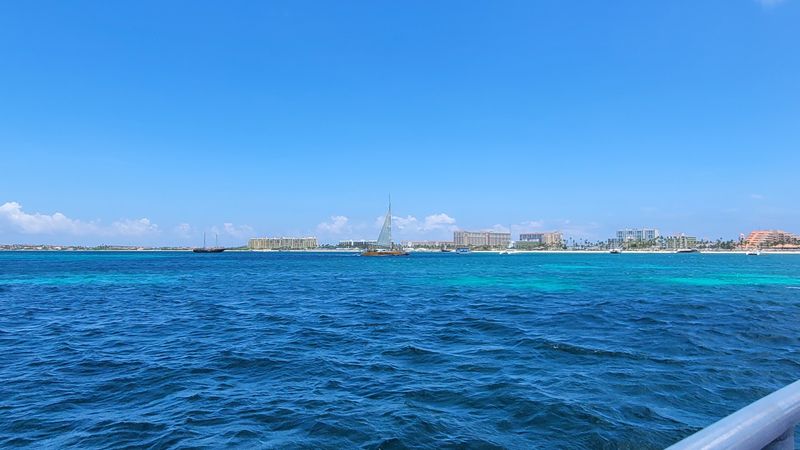
Aruba is more developed than most islands on this list, and that is genuinely one of its strengths rather than a drawback. Travelers who want clear Caribbean water, reliable beach access, hotels, restaurants, and snorkeling without complicated logistics have found a consistent answer in Aruba for a long time.
Aruba’s official tourism site describes Boca Catalina as having crystal-clear, calm waters well-suited for swimming and snorkeling, while Eagle Beach is highlighted for wide white sand, Caribbean ocean views, shade, parking, and water sports. The island’s water-activities page notes that reefs and wrecks accessible to snorkelers and divers sit within the island’s clear coastal waters.
Aruba also benefits from being outside the hurricane belt, which makes it a more predictable destination year-round compared to many other Caribbean islands. For travelers building a first Caribbean trip or returning visitors who want comfort alongside clear water, Aruba offers a range of beach experiences from calm coves to long polished resort shorelines.
Bermuda
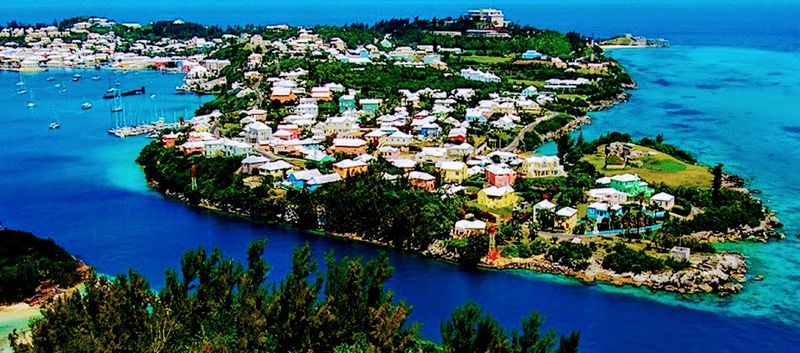
Bermuda sits in the Atlantic rather than the Caribbean, which surprises some travelers who assume it belongs to the same island group. The distinction matters because Bermuda has its own distinct personality: pink-sand beaches, coral reefs, pastel-colored buildings, shipwreck history, and turquoise water framed by limestone rock rather than tropical jungle.
The official Bermuda tourism site promotes beaches, swimming, snorkeling, hidden coves, and turquoise waters as central visitor experiences. Travelers can swim, snorkel, kayak, sail, or beach-hop between well-known and quieter coves across the island chain, and the established tourism infrastructure makes planning straightforward with official resources for accommodations, restaurants, beaches, and events.
For readers who want clear water paired with genuine history and architectural character instead of only palm trees and poolside resorts, Bermuda offers something more layered. The shipwreck snorkeling alone gives the underwater experience a storytelling dimension that most tropical beach destinations simply do not have.
It is a clear-water destination with a strong sense of place.
Share this story