Every few years, one toy becomes the gift every kid absolutely has to have for Christmas. Parents wake up early, drive to multiple stores, and refresh websites hoping to snag just one before the shelves go bare.
The result is a mix of holiday magic and real frustration that many families still remember decades later. This list looks back at 20 toys that turned ordinary Christmas shopping into a full-on mission, and in many cases, left some kids heartbroken on December 25th.
Cabbage Patch Kids
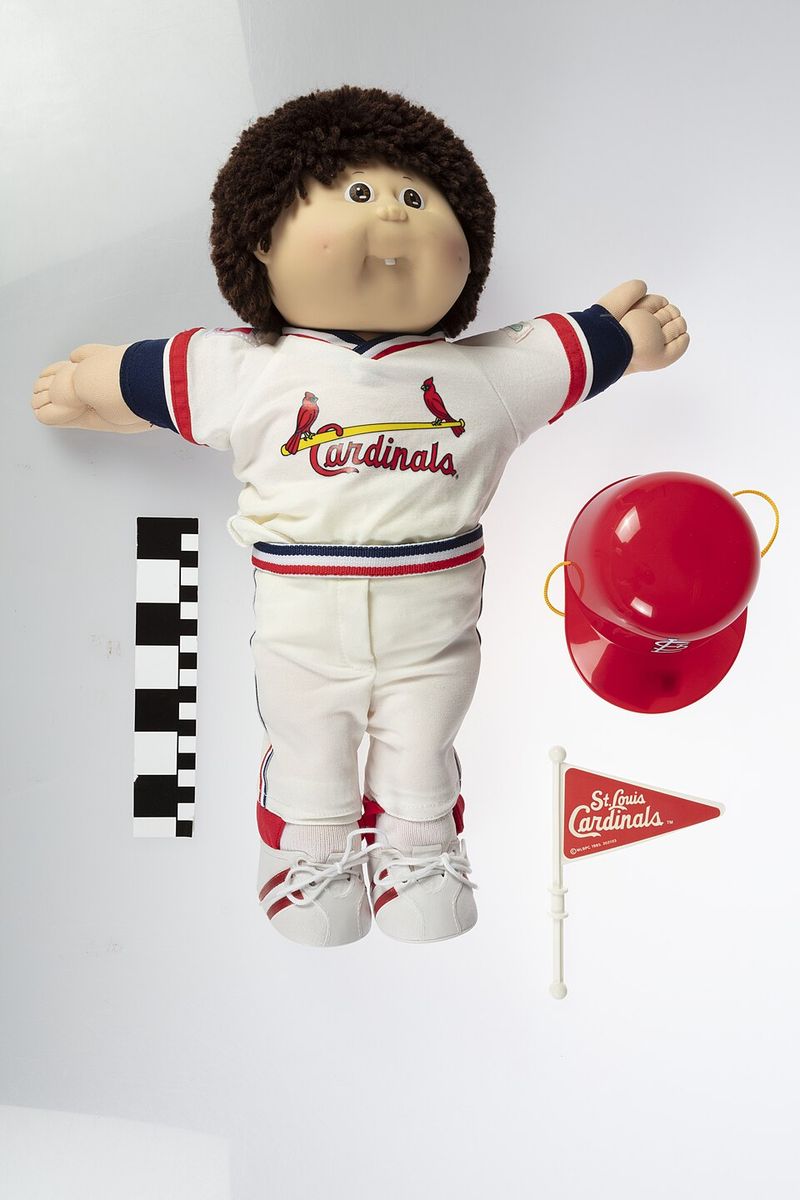
Back in 1983, a chubby-cheeked doll with yarn hair and adoption papers turned Christmas shopping into something closer to a contact sport. Cabbage Patch Kids were not just toys.
They were companions with names, birthdays, and paperwork, which made children feel like they were bringing home a real friend rather than something off a store shelf.
That emotional connection drove demand to levels no one fully anticipated. Stores could not restock fast enough, and reports of shoppers grabbing dolls from each other’s hands became part of the toy’s actual legacy.
The chaos was real enough to make national news.
For kids who asked for one that year, the wish felt simple and reasonable. For parents, it meant calling every toy store in a 30-mile radius and hoping for a lucky break.
The 1983 Cabbage Patch Kids frenzy remains one of the most intense holiday toy shortages in American retail history.
Tickle Me Elmo
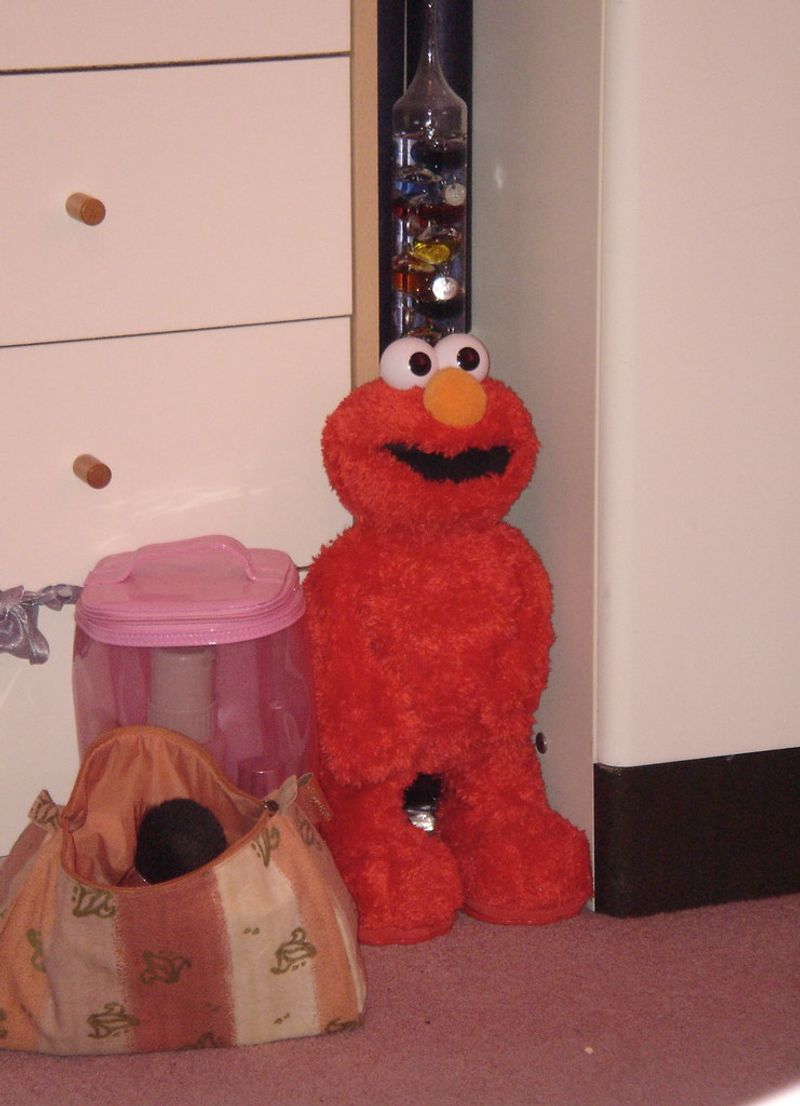
Tickle Me Elmo had no business being as powerful as it was. Squeeze the red plush Sesame Street character and it laughed, shook, and did it again.
That was essentially the whole product. And yet, in 1996, parents were paying three and four times the retail price just to get their hands on one before Christmas morning.
The toy hit at exactly the right moment. Elmo was already beloved on television, and the giggling physical version made kids feel like they could bring that joy home.
Once TV coverage showed empty shelves and frantic shoppers, demand only grew stronger.
Resale prices climbed fast. A toy that retailed for around 28 dollars was selling for well over 100 dollars through private sellers.
Tickle Me Elmo became a symbol of the holiday toy rush in the 1990s, and it still comes up anytime someone talks about toys that broke the Christmas shopping system.
Furby
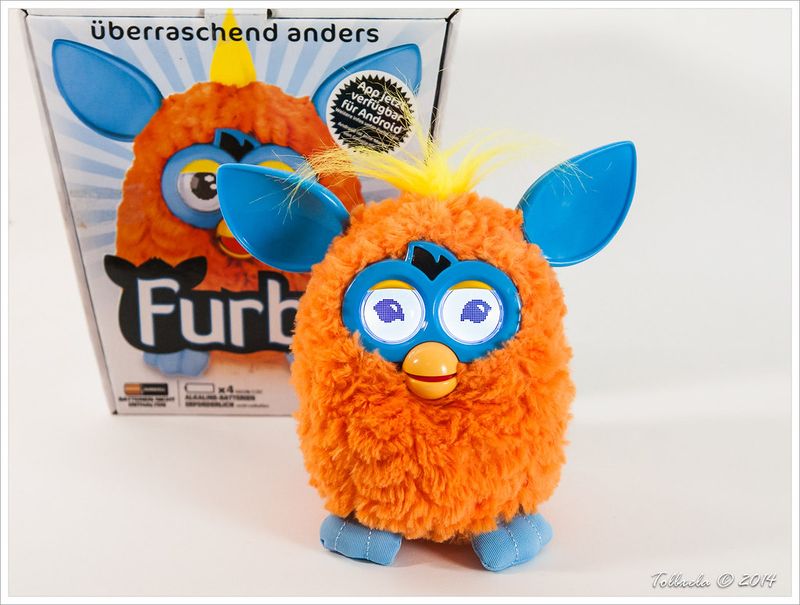
Furby was genuinely weird, and that was a big part of why kids loved it. The owl-shaped electronic pet blinked, moved its ears and beak, spoke in its own invented language called Furbish, and seemed to gradually shift toward English the more you interacted with it.
In 1998, that felt almost like magic.
Tiger Electronics sold around 27 million Furbys in the first three years of production, but during that first holiday season, demand outpaced supply quickly. Parents searched store after store while secondary market prices climbed well above retail.
The toy had a way of dividing people: some kids were completely obsessed, others found it a little unsettling.
Either reaction kept Furby in the conversation. It was one of those toys that everyone had an opinion about, which only made the holiday hunt more frantic.
If your child wanted a Furby for Christmas in 1998, you learned quickly that “I’ll grab one later” was not a safe plan.
Tamagotchi
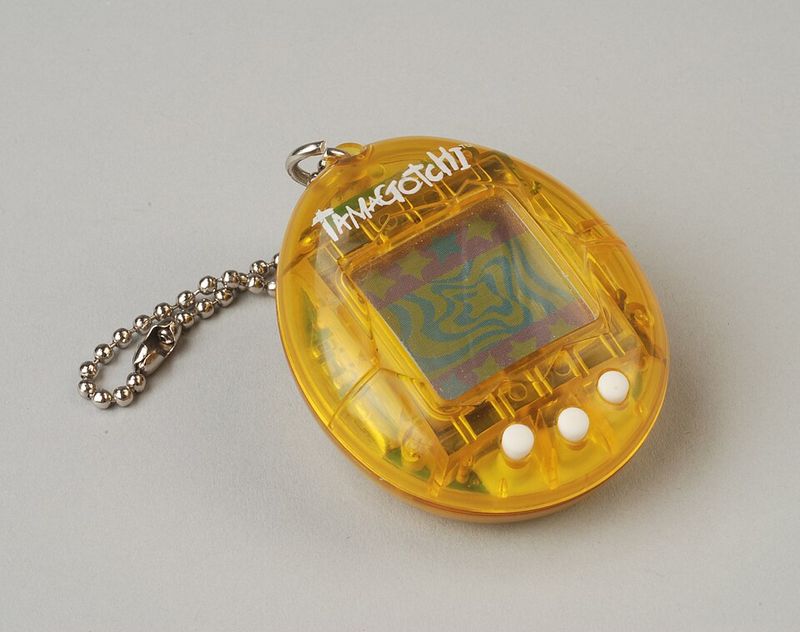
Tamagotchi was tiny, but its hold on kids in the late 1990s was anything but small. The egg-shaped digital device housed a virtual pet that needed feeding, cleaning, and attention around the clock.
Miss a feeding and the pet could get sick. Ignore it long enough and things got worse.
That sense of real responsibility was exactly what made it so compelling to children.
It also made teachers and parents quietly miserable. The devices beeped during class, followed kids to dinner, and basically demanded to be part of every moment of the day.
Schools started banning them. Parents started hiding them at night.
Bandai sold around 40 million Tamagotchis in the first year after the U.S. launch in 1997. During the holiday season, finding one in stock was genuinely difficult.
For kids who wanted one on their Christmas list, the wait was agonizing. For the pet inside the device, missing Christmas meant nothing.
It just kept beeping.
Nintendo Entertainment System
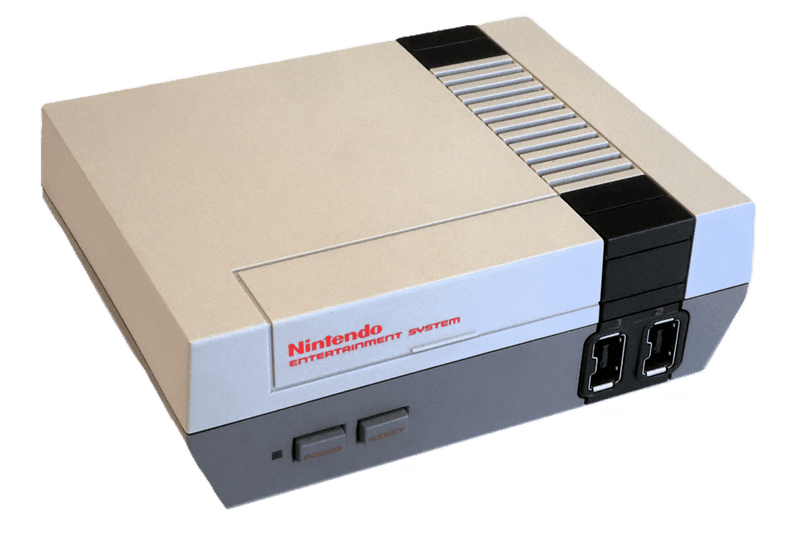
The Nintendo Entertainment System did not just sell games. It reopened the home video game market after the industry crash of 1983, and it did so with a lineup that included Super Mario Bros., Duck Hunt, and The Legend of Zelda.
Kids who had played it at a friend’s house went home and added it to their Christmas list immediately.
The price made it a serious holiday decision. At launch, the NES Deluxe Set retailed for around 199 dollars, which was a significant purchase for most families.
That meant many kids asked for it, fewer received it, and the ones who did felt like they had won something major on Christmas morning.
By the late 1980s, Nintendo held around 70 percent of the U.S. video game market. The NES was not a toy you stumbled into buying.
It was a deliberate, planned Christmas gift that separated households into two very different camps: the ones with a Nintendo, and the ones still waiting.
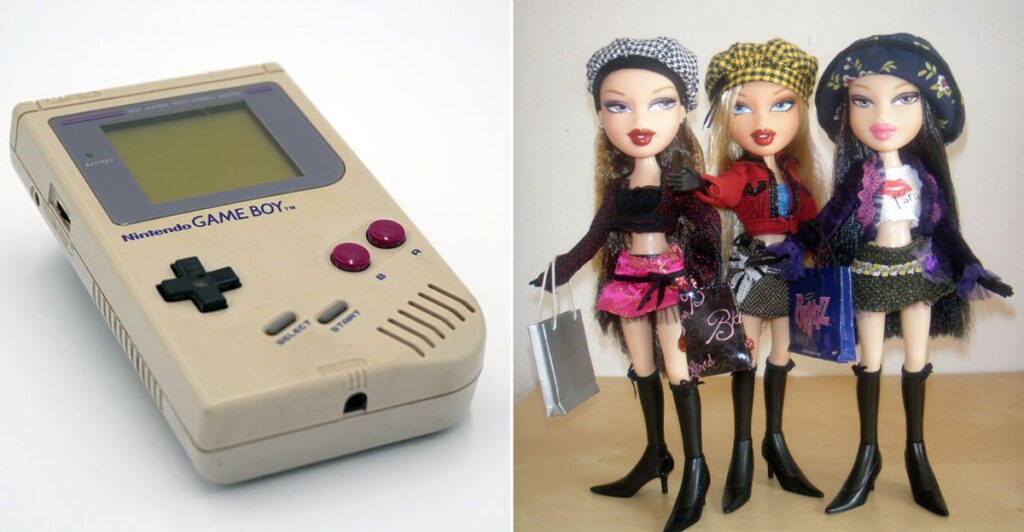
Nintendo Game Boy
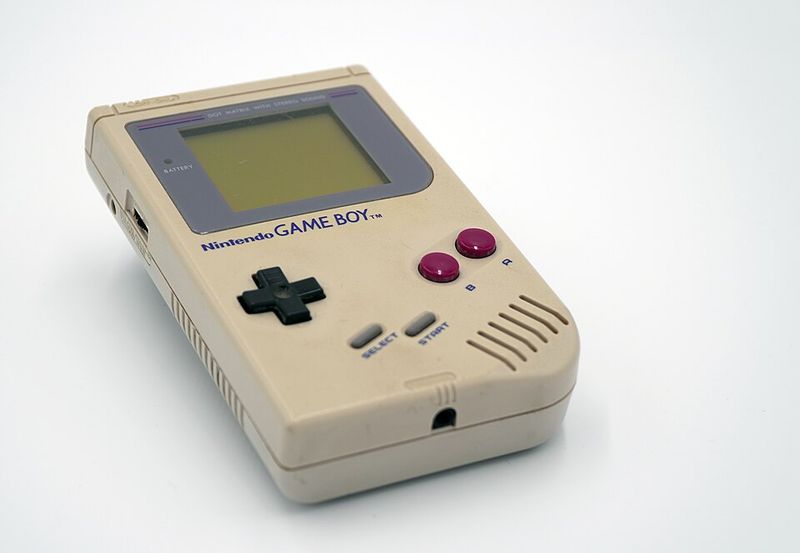
Before the Game Boy, video games belonged to the living room television. Nintendo changed that in 1989 by putting a fully functional game console in a package small enough to carry anywhere.
Kids could play Tetris in the back seat of a car, in bed with the lights off, or anywhere a parent’s patience allowed.
That freedom was the whole pitch, and it worked immediately. The Game Boy sold around one million units in the United States within just a few weeks of launch.
During the holiday seasons that followed, it remained one of the most requested gifts for children who had not yet gotten one.
Nintendo later inducted the Game Boy into The Strong’s National Toy Hall of Fame in 2009, recognizing its lasting cultural impact. For many families in the early 1990s, though, the Game Boy was simply that expensive portable thing their child would not stop talking about from October through December every single year.
Teddy Ruxpin
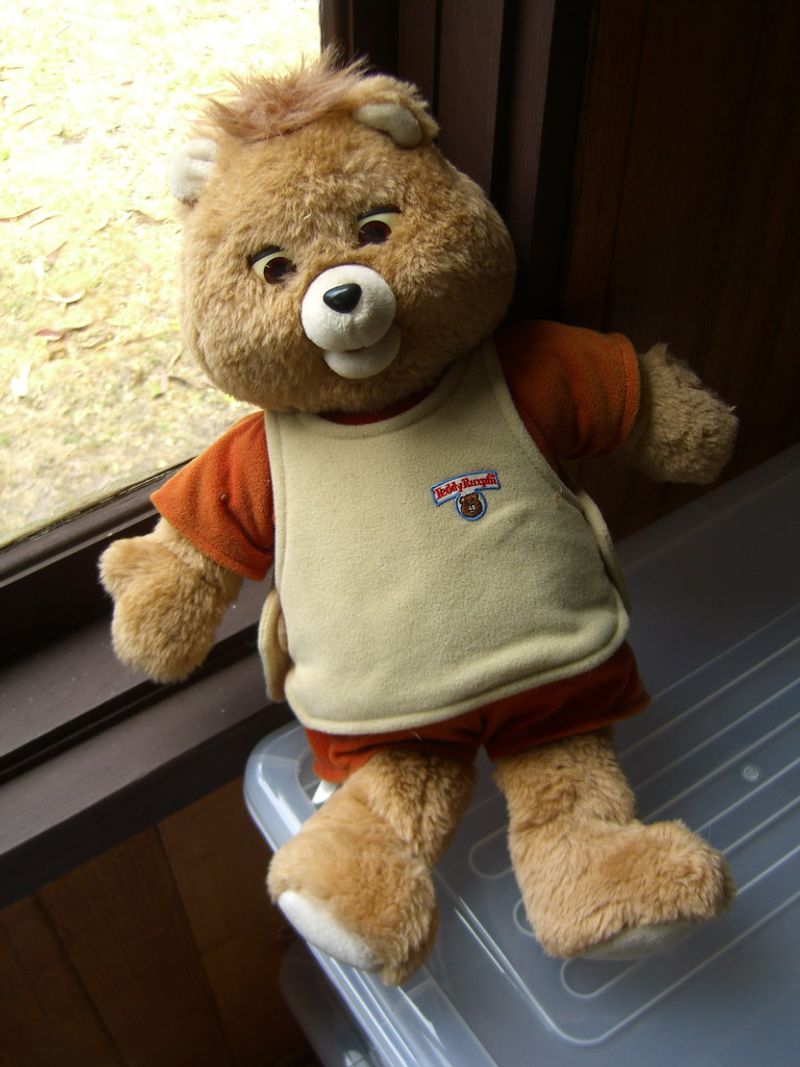
Teddy Ruxpin looked soft and cuddly on the outside, but inside, he was running a cassette player that made his eyes and mouth move in sync with recorded stories. In 1985, that combination of comfort and technology felt genuinely surprising.
A stuffed animal that talked and blinked was not something most kids had seen before.
Worlds of Wonder introduced Teddy Ruxpin at a retail price of around 70 dollars, which was expensive for a plush toy at the time. That did not stop him from becoming the best-selling toy of 1985 and 1986.
Parents who wanted to give their child something memorable that Christmas had a clear option, as long as the store still had one left.
For kids who received Teddy Ruxpin, the experience of sitting with a bear that told stories was genuinely different from anything else under the tree. For kids who did not get one, watching a friend’s bear talk was both amazing and a little heartbreaking.
Transformers Action Figures
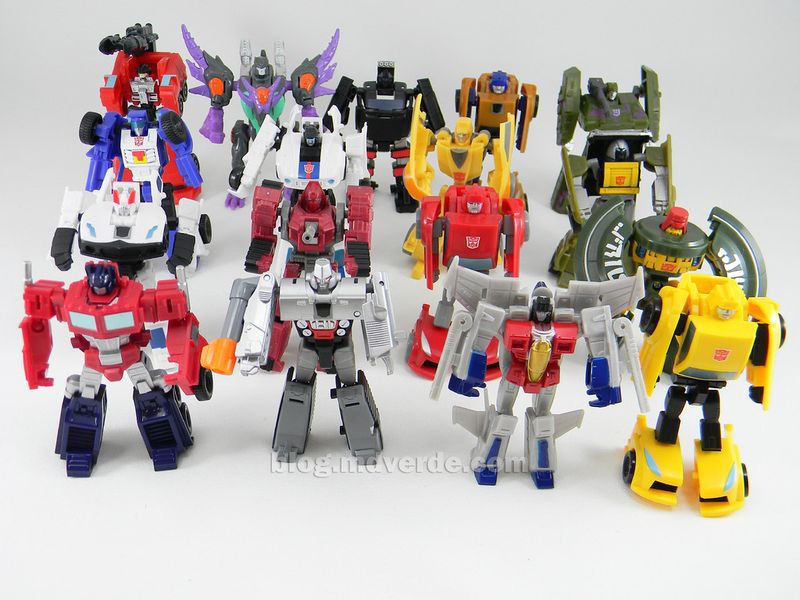
Robots that turn into vehicles, planes, and weapons sound like a concept designed specifically to make kids lose their minds, and in 1984, that is essentially what happened. Transformers launched with a cartoon, a massive toy line, and a simple promise: every figure was two toys in one.
That math was very persuasive to children.
The range of characters made the line feel endless. Kids wanted Optimus Prime, Megatron, Soundwave, Bumblebee, and a dozen others, which meant parents could never buy just one and feel finished.
The most popular figures sold out quickly, and substituting one character for another rarely satisfied a kid who had a specific one in mind.
Transformers were inducted into The Strong’s National Toy Hall of Fame in 2024, confirming what many 1980s children already knew. The toys earned their place in history not just through nostalgia but through a genuine combination of play value and storytelling that kept kids collecting well beyond any single Christmas season.
My Little Pony
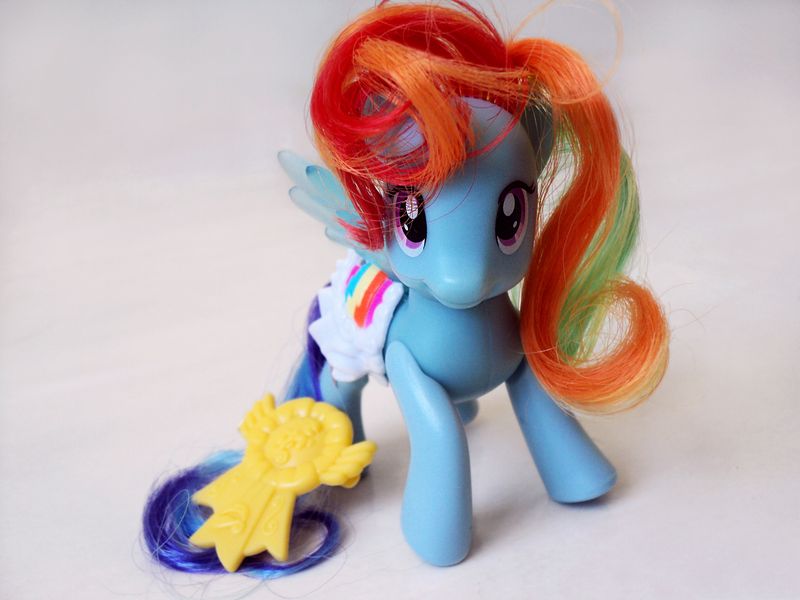
My Little Pony launched in 1983 and immediately gave kids something to collect rather than just play with. Each pony had a different color, name, symbol, and personality, which meant owning one was never really enough.
The collecting instinct was built right into the product design, and it worked beautifully.
Girls across the country added specific ponies to their Christmas lists, not just any pony but the exact one they were missing from their growing lineup. Playsets expanded the world further, giving the toys more context and giving parents more options to buy, though the most popular pieces were not always easy to find.
My Little Pony’s staying power is remarkable. The brand has survived multiple generations, reboots, and cultural shifts, and its 2024 induction into The Strong’s National Toy Hall of Fame honored that endurance.
For kids who grew up in the 1980s, though, the memory is simple: a shelf full of colorful ponies felt like the best possible outcome of any Christmas morning.
Teenage Mutant Ninja Turtles Action Figures
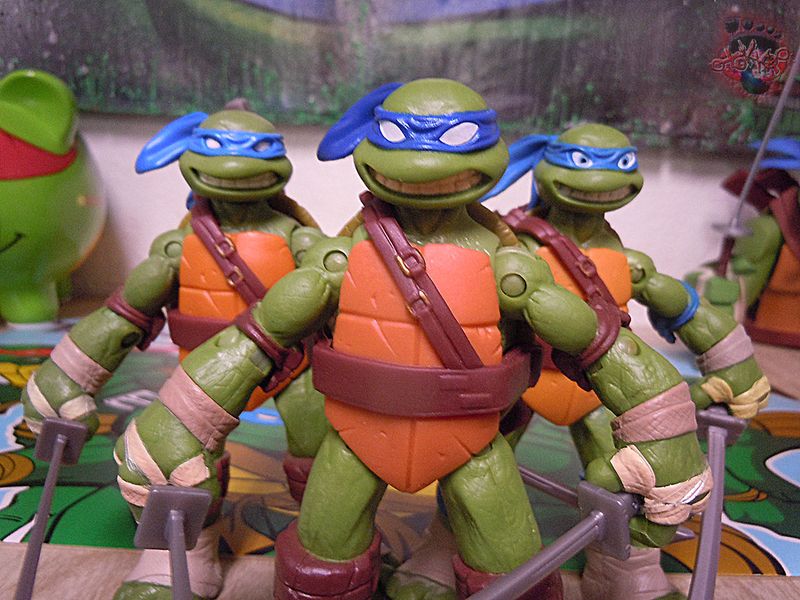
By 1988, Teenage Mutant Ninja Turtles had already taken over Saturday morning cartoons. The action figures followed immediately, and kids who were watching Leonardo and Raphael battle Shredder on television wanted plastic versions of those characters in their hands as soon as possible.
The toy line was expansive and kept growing. Beyond the four main Turtles, there were vehicles, villains, mutant side characters, and playsets.
That depth meant a child’s wish list could be very long and very specific. Getting the right Turtle mattered.
Getting a random villain when your child wanted Splinter did not have the same effect on Christmas morning.
Playmates Toys sold hundreds of millions of Turtle figures over the life of the line. During the peak years of the late 1980s and early 1990s, certain characters cleared store shelves fast.
The TMNT craze remains one of the most complete toy takeovers of that era, covering action figures, clothing, food, games, and two theatrical films.
Beanie Babies
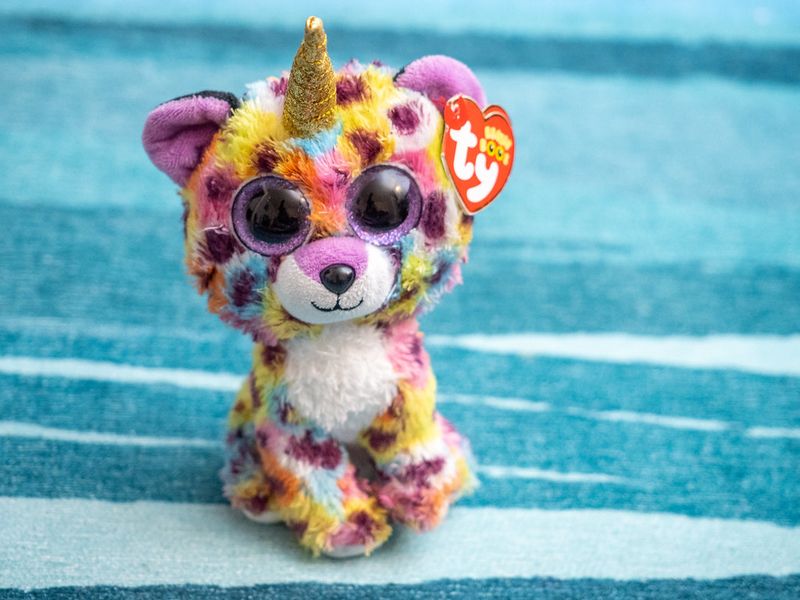
Beanie Babies seemed modest at first glance. Small stuffed animals with pellet filling, heart-shaped tags, and names like Princess and Peanut did not scream holiday emergency.
But Ty Inc. made one very clever decision: retiring certain designs. The moment a Beanie Baby was discontinued, its perceived value jumped, and suddenly a 5-dollar toy became something people hunted seriously.
Kids wanted the cute animals for their collections. Adults started buying them as investments.
That unusual mix of child appeal and adult speculation turned Beanie Babies into one of the strangest toy crazes of the 1990s. Christmas lists got very precise: not just a Beanie Baby, but the specific one a child still needed.
At their peak, Ty was reportedly generating around 1.4 billion dollars in annual sales. For families swept up in the craze, the holidays meant tracking down retired editions and hoping the tag was still in perfect condition.
The collecting obsession was real, even if the investment returns rarely followed.
Pokemon Cards
Pokemon cards were not a toy in the traditional sense, but they functioned like one and caused just as much holiday chaos. By 1999, the trading card game had taken over school lunchrooms, playgrounds, and living room floors across the country.
Kids traded, battled, and competed to build the strongest possible deck.
Holographic cards, especially Charizard, became the most wanted items in any collection. Pulling one from a booster pack felt like winning something real.
That lottery-style excitement made packs a natural Christmas request, but it also meant a child could open ten packs and still not get the card they actually wanted.
Nintendo of America reported that Pokemon had become one of the top-selling toy and entertainment properties in the country by the end of the 1990s. Stores struggled to keep booster boxes and starter decks in stock during the holiday season.
For kids, the dream was the rare holographic card. For parents, the dream was finding any packs at all.
Bratz Dolls
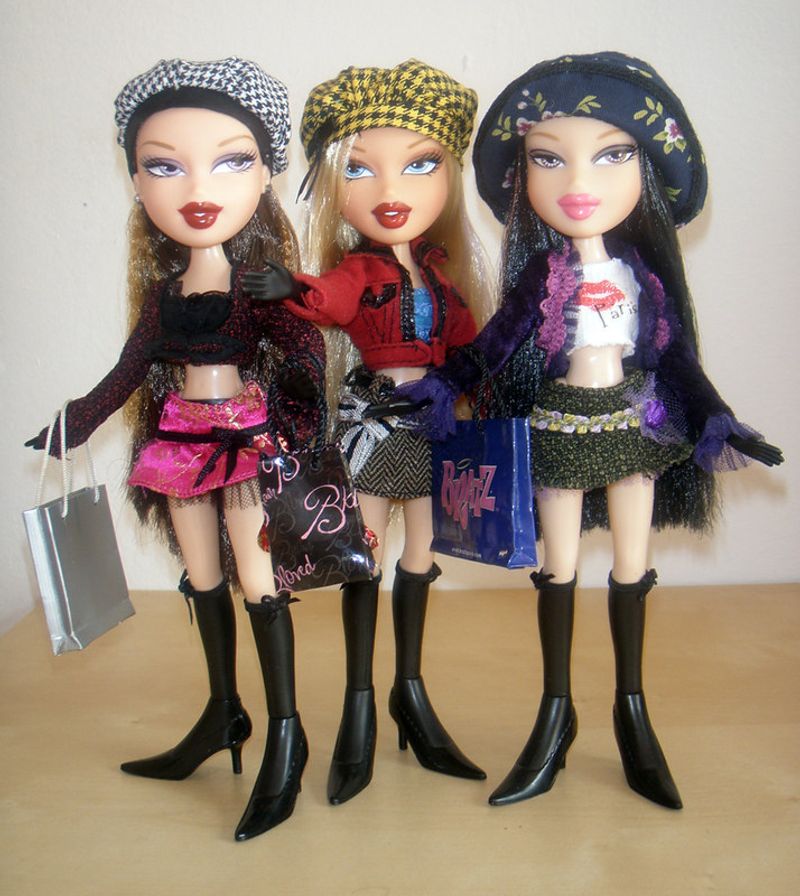
When Bratz dolls arrived in 2001, they did not try to compete with Barbie on Barbie’s terms. They came in with bigger heads, heavier makeup, smaller feet, and a streetwear-influenced style that felt deliberately different.
Kids noticed immediately. The dolls looked like they belonged in a music video rather than a suburban dream house.
MGA Entertainment sold around 125 million Bratz dolls worldwide in the first few years after launch. That number reflected how quickly the line connected with a generation of kids who wanted something with a more current, fashion-forward identity.
Specific characters like Cloe, Jade, Sasha, and Yasmin developed loyal fans who wanted particular outfits and editions.
During the peak holiday seasons of the mid-2000s, the most wanted Bratz sets moved fast. Parents who assumed any version would do sometimes came home with the wrong character or a sold-out playset.
Bratz changed what kids expected from a fashion doll, and that shift showed up clearly every December on store shelves.
Sony PlayStation 2
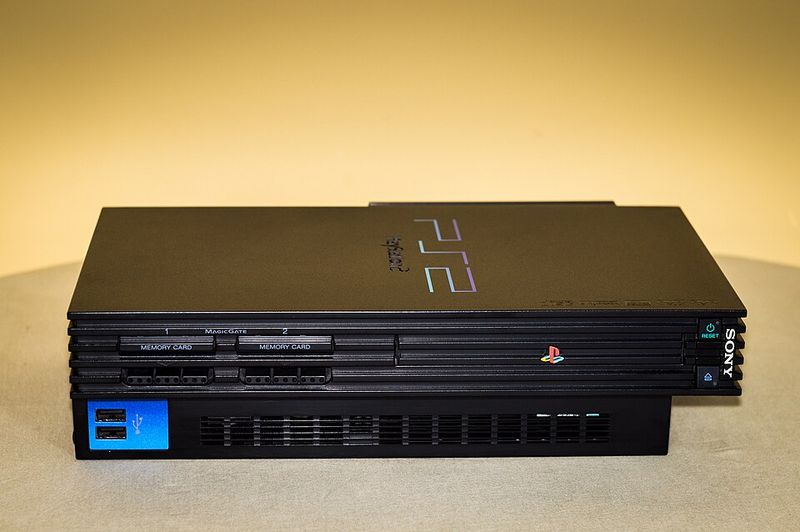
The PlayStation 2 launched in North America on October 26, 2000, which put it directly in the path of Christmas shopping season. Sony’s new console played DVDs in addition to games, which made it feel like two expensive purchases rolled into one reasonably priced box.
Kids and teenagers wanted it badly, and so did plenty of adults.
The problem was supply. Sony faced component shortages that limited the initial North American rollout to approximately 500,000 units, according to reporting from Wired at the time.
That number was nowhere near enough to meet demand. Stores sold out almost immediately, preorder systems collapsed under pressure, and resale prices on secondary markets reached two and three times the original retail cost.
For families who had promised a PS2 that Christmas, the shortage created a real problem. Some kids woke up to an IOU card under the tree.
Others did not get one until well into 2001. The PS2 eventually became the best-selling console of all time, but that first Christmas was a genuinely difficult one for many households.
Xbox 360
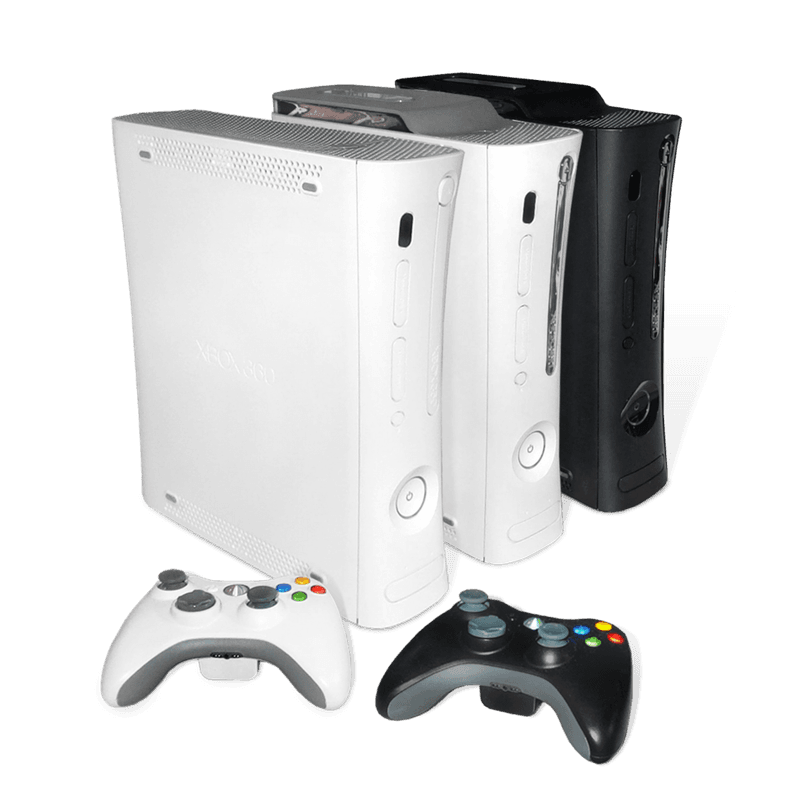
Microsoft timed the Xbox 360 launch for November 22, 2005, landing it just weeks before Christmas with full awareness of what that timing would do to demand. The console offered high-definition graphics, a redesigned controller, and access to Xbox Live online gaming, all of which made it feel like a clear generational leap over anything currently in living rooms.
Availability did not match the excitement. Launch supply was limited, and many retailers received far fewer units than their customer lists required.
Shoppers who lined up overnight sometimes walked away empty-handed. Resale prices on sites like eBay climbed quickly, with some units selling for double or more the suggested retail price of 399 dollars for the premium version.
For teenagers who had made the Xbox 360 their entire Christmas wish that year, the shortage was genuinely painful. Some families paid inflated resale prices to deliver on the promise.
Others waited for restocks that trickled in slowly through January. The 360 was a great console.
Getting one before New Year’s was simply not guaranteed.
Nintendo Wii
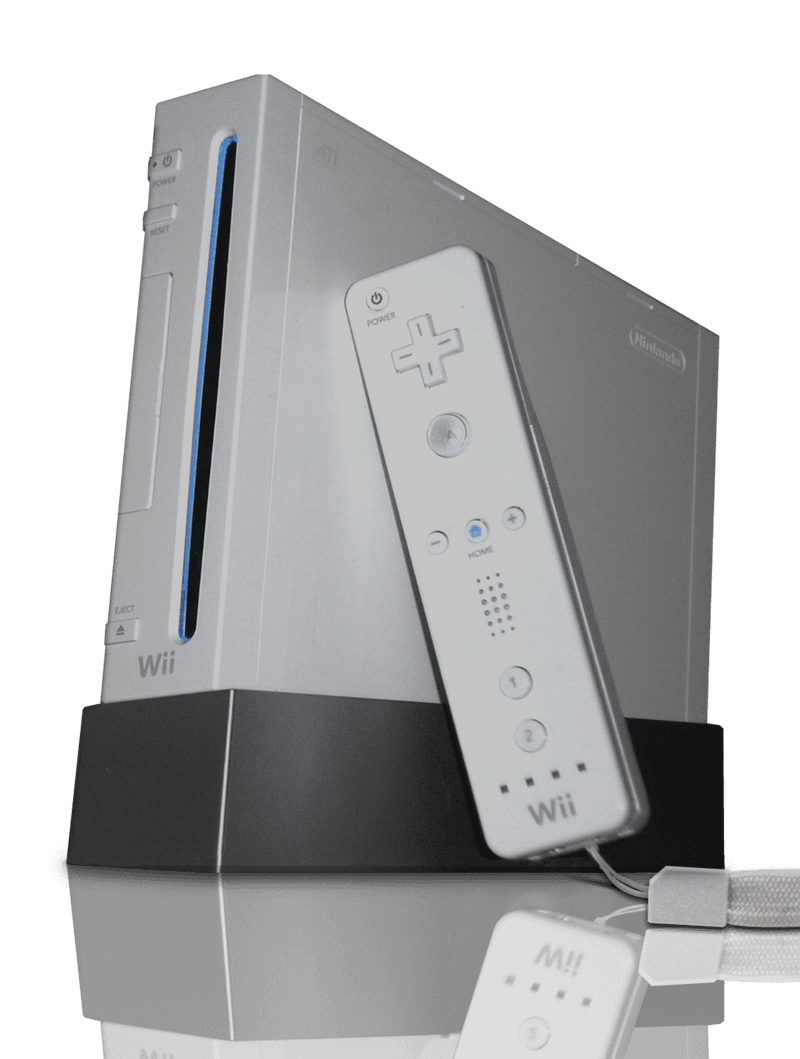
Nintendo’s Wii did something no other major console had managed at that point: it made gaming appealing to people who had never really played games before. The motion-sensing Wii Remote turned bowling, tennis, and boxing into activities that required actual physical movement.
Grandparents played. Parents played.
Kids who had never cared about gaming suddenly wanted in.
That unusually wide appeal created a shortage problem that lasted far longer than a typical launch crunch. Nintendo increased production, but the Wii remained difficult to find throughout the 2007 holiday season.
Wired reported that the company was essentially selling through its entire production output without building meaningful retail inventory.
For families hoping to give the Wii as a Christmas gift, the search was real and sometimes exhausting. Stores received small shipments that sold out the same day.
Online availability disappeared in minutes. The Wii eventually sold over 101 million units worldwide, but during that second Christmas season, getting one before December 25th still felt like a genuine accomplishment.
Hatchimals
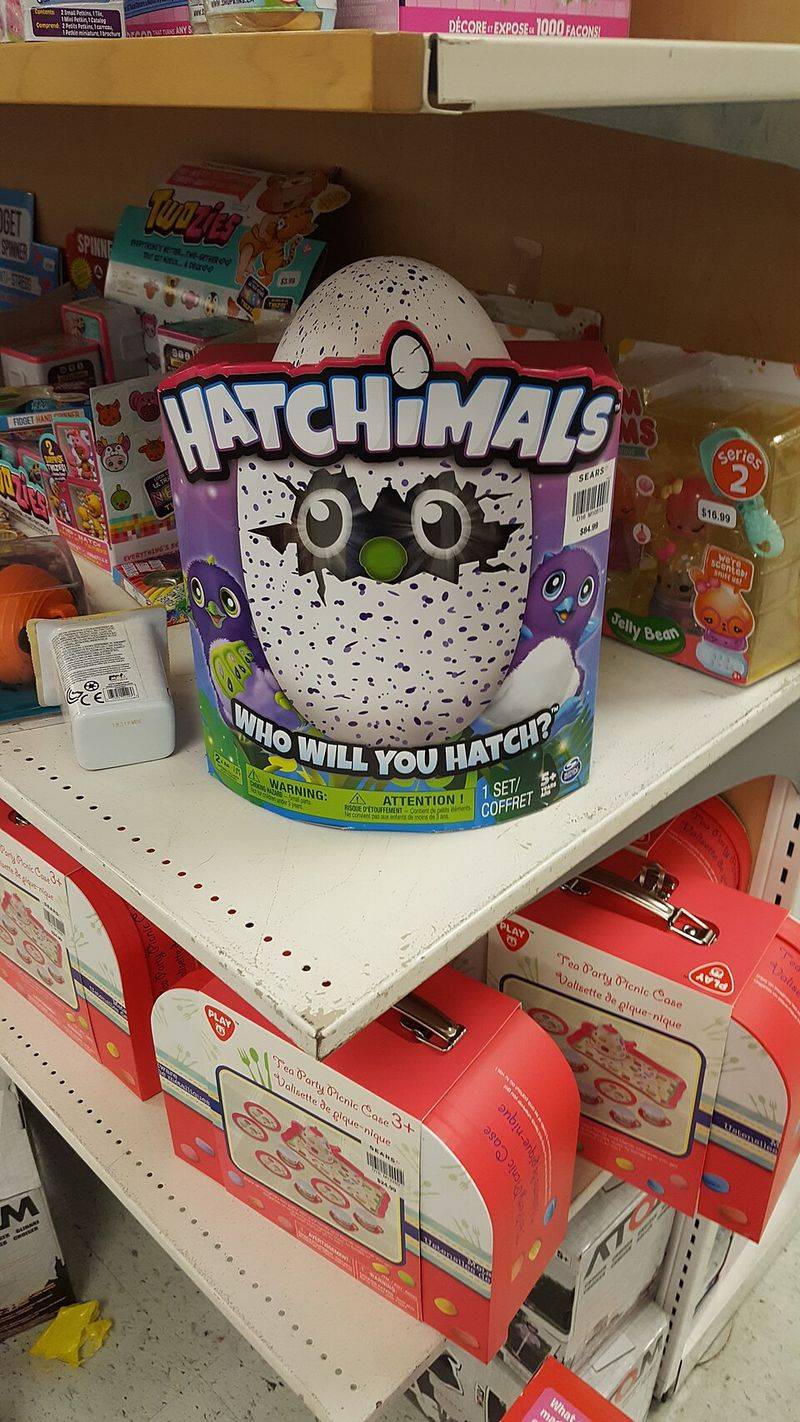
Spin Master built something clever with Hatchimals: a toy whose main event happened before you even saw the actual toy. The egg cracked from the inside as the creature pecked its way out, which turned the unboxing into a genuine moment of suspense.
Kids who watched videos of other kids hatching them immediately wanted their own egg to open.
That viral quality made Hatchimals one of the most talked-about toys of the 2016 holiday season, and also one of the hardest to find. Major retailers including Target, Walmart, and Toys R Us sold out of initial stock quickly.
Spin Master acknowledged the shortage publicly and apologized to parents who could not find them in time for Christmas.
Resale prices reflected the desperation. Hatchimals that retailed for around 50 to 60 dollars were listed online for 150 dollars and higher.
For kids who had seen the hatching video a hundred times and wanted that exact experience on Christmas morning, a substitute gift simply did not land the same way. The egg was the whole point.
Share this story