Cookeville, Tennessee sits in the Upper Cumberland region, and it packs a surprising amount of character into a mid-sized town. You have dramatic waterfalls just minutes from downtown, a railroad depot that doubles as a free museum, and a donut shop that has been feeding locals since 1962.
The outdoor scenery is genuinely rugged, the history runs deep, and the old-school food stops feel like they belong to a different era in the best possible way. Whether you are planning a weekend road trip or just passing through on your way across Tennessee, Cookeville rewards the detour with a mix of natural beauty, local culture, and the kind of small-town charm that is getting harder to find.
Descend Into the Gorge at Cummins Falls State Park
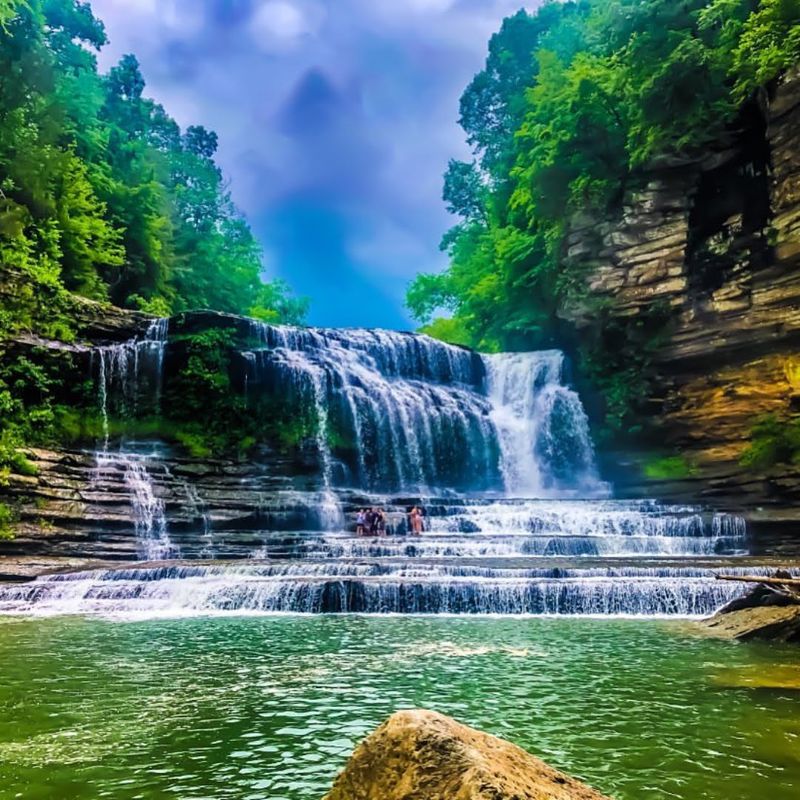
Few waterfall experiences in Tennessee ask as much from visitors as Cummins Falls State Park, and that is exactly what makes it so rewarding. The park sits about nine miles north of Cookeville and covers 306 rugged acres along the Blackburn Fork State Scenic River.
Its centerpiece is Cummins Falls, a 75-foot drop that empties into one of the most photographed natural swimming holes in the entire state.
Getting to the overlook is manageable for most visitors, but descending into the gorge is a different challenge entirely. That route involves steep terrain, uneven rocks, and multiple river crossings, so a gorge-access permit is required before heading down.
Closed-toe shoes are not optional here.
Visitors who prefer a quieter experience can stay above and enjoy the overlook trails, picnic areas, and forest scenery. The park captures the wild, waterfall-filled landscape that defines the broader Cookeville region better than almost any other single stop.
Follow Four Waterfalls Through Burgess Falls State Park
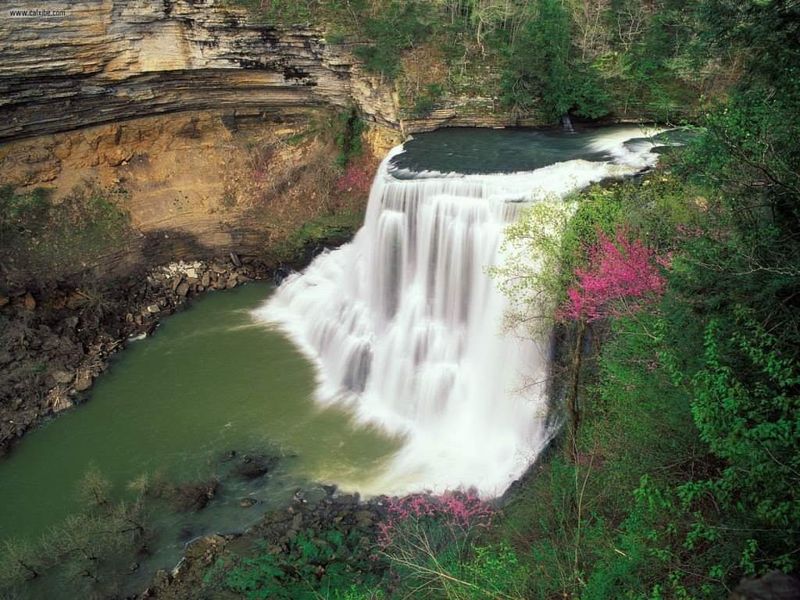
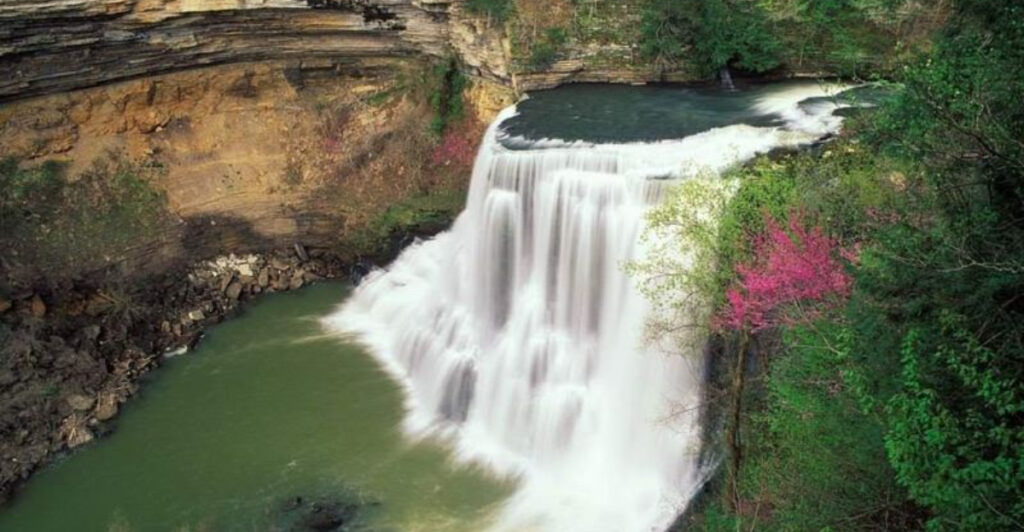
Burgess Falls State Park delivers something most waterfall hikes cannot: a trail that builds anticipation step by step. Located just south of Cookeville, the park follows the Falling Water River as it drops over four separate waterfalls before reaching the grand finale, a powerful 103-foot cascade plunging into a steep limestone gorge.
The riverside trail passes smaller falls and old industrial remnants along the way, giving hikers a sense of history alongside the scenery. The park covers roughly 304 acres and looks especially dramatic after periods of heavy rain, when the river spreads wide across the rock ledges with real force.
Picnic areas and shorter trail options make Burgess Falls State Park easier to work into a day trip than many backcountry destinations. The base of the main falls is not accessible from the standard trail, but the clifftop overlooks provide a perspective that is both safe and genuinely impressive.
This one earns its reputation.
Explore Cookeville’s Railroad Past at the Depot Museum

Built in 1909 as a Tennessee Central Railroad depot, the Cookeville Depot Museum is one of those rare local landmarks that earns its spot on the National Register of Historic Places and still manages to feel approachable. It sits at the heart of the Historic WestSide district and serves as both a cultural anchor and a genuinely interesting place to spend an hour.
Inside, visitors find railroad artifacts, historic photographs, model-train displays, and exhibits that explain how rail service shaped commerce and daily life across the Upper Cumberland. The building itself, with its broad roofline and preserved brick platform, is easy to photograph and hard to miss.
Outside, full-size locomotives and vintage rail cars create an open-air display that connects well with families and train enthusiasts alike. Admission is free, which makes the Cookeville Depot Museum a natural starting point for a longer walk through nearby shops, restaurants, and the surrounding WestSide neighborhood.
Relax Beside the Fountain at Dogwood Park
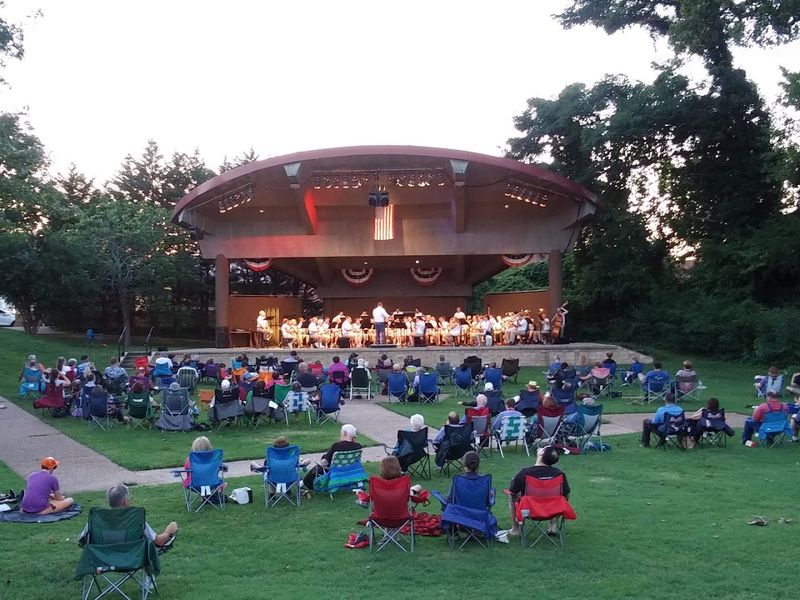
Dogwood Park punches above its weight for a city green space. Located downtown beside the Cookeville History Museum, the park features landscaped lawns, shaded paths, a large fountain, and the Dogwood Performance Pavilion, which hosts concerts, outdoor movies, and community celebrations throughout the warmer months.
Children gravitate toward the fountain area, while adults tend to claim the open lawn for picnics or a quiet break between stops. The park’s central location makes it easy to combine with the Cookeville Depot Museum, local restaurants, and the Historic WestSide district without moving the car between visits.
Spring and summer bring out the park’s best qualities, with green trees framing the fountain and events filling the pavilion schedule. That said, the open layout stays welcoming year-round.
Dogwood Park is not a tourist attraction in the traditional sense; it is simply where Cookeville gathers, which makes it one of the most honest stops on this entire list.
Walk Around the Lake at Cane Creek Park
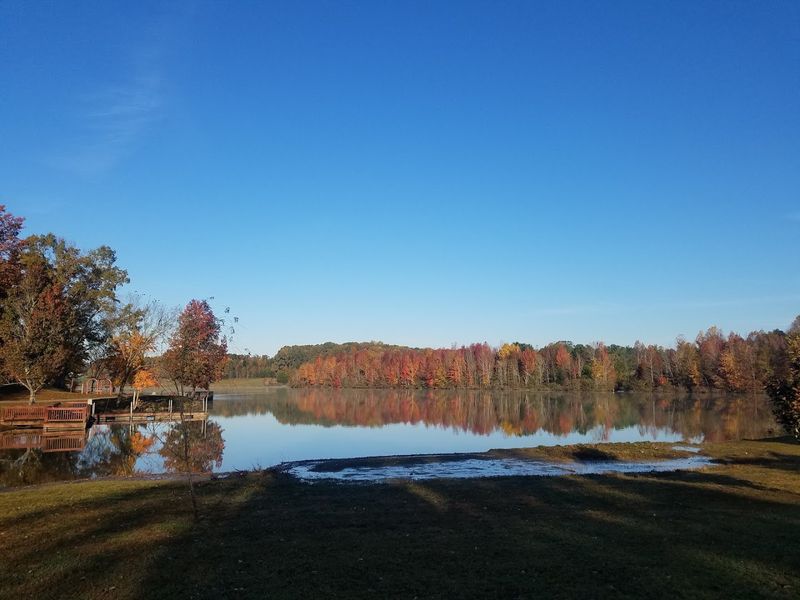
Cane Creek Park is where Cookeville slows down around the water. The large city park surrounds Cane Creek Lake and offers a scenic setting for walking, fishing, paddling, picnicking, and watching the light shift across the shoreline at different times of day.
A paved trail circles much of the lake, giving visitors a reliable route for a morning walk or a relaxed evening stroll without leaving town. The park also includes playgrounds, sports areas, picnic shelters, disc golf, and outdoor pickleball courts, which makes it genuinely useful for both quiet solo visits and active family outings.
Waterfowl are common around the lake, and the combination of open lawns and wooded edges creates a peaceful, spacious feel that is easy to appreciate without any planning. Cane Creek Park is not trying to compete with the dramatic gorges outside Cookeville.
Its appeal is straightforward accessibility, and for travelers who need a simple, beautiful break in the middle of the day, it delivers consistently.
Discover the City’s Story at the Cookeville History Museum

The Cookeville History Museum tells the city’s full story in a format that never feels overwhelming. Sitting beside Dogwood Park in the heart of downtown, the museum walks visitors through a self-guided timeline that begins with the area’s earliest inhabitants and continues through Cookeville’s growth into the community it is today.
Exhibits explore local businesses, schools, civic life, transportation history, and the people who shaped Putnam County across different generations. The front gallery rotates throughout the year, hosting local-history displays, traveling exhibitions, and selections from the museum’s permanent collection, so there is always a chance that repeat visitors will find something they have not seen before.
Admission is free, and the manageable size means a visit rarely requires more than an hour. For travelers who want historical context before exploring the depot, courthouse square, or older neighborhoods, this is the right first stop.
Together with nearby Dogwood Park, it anchors a convenient and rewarding downtown cultural experience in central Cookeville.
Try a Cookeville Tradition at Ralph’s Donut Shop
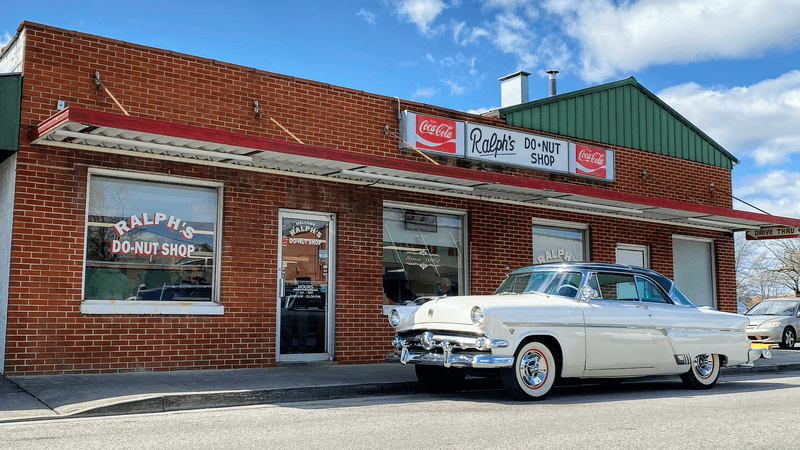
Ralph’s Donut Shop opened in September 1962 inside a building that had previously served as a bus stop. Ralph and Evelyn Smith started with just six counter stools and a straightforward menu, and the shop grew from there without ever losing the neighborhood feel that made it popular in the first place.
Today, Ralph’s is still known for handmade donuts served in a counter-service setup that feels genuinely unchanged. Classic glazed, filled, iced, and specialty varieties fill the display case each morning, and arriving early gives visitors the widest selection and the best sense of the morning energy that has defined the shop for generations.
In 2025, the property was added to the National Register of Historic Places, which adds a layer of official recognition to what locals already knew. Ralph’s Donut Shop is not just a breakfast stop; it is one of Cookeville’s most authentic cultural landmarks, and the donuts are reason enough to show up before the crowd does.
See Cookeville’s Famous Neon Sign at Cream City
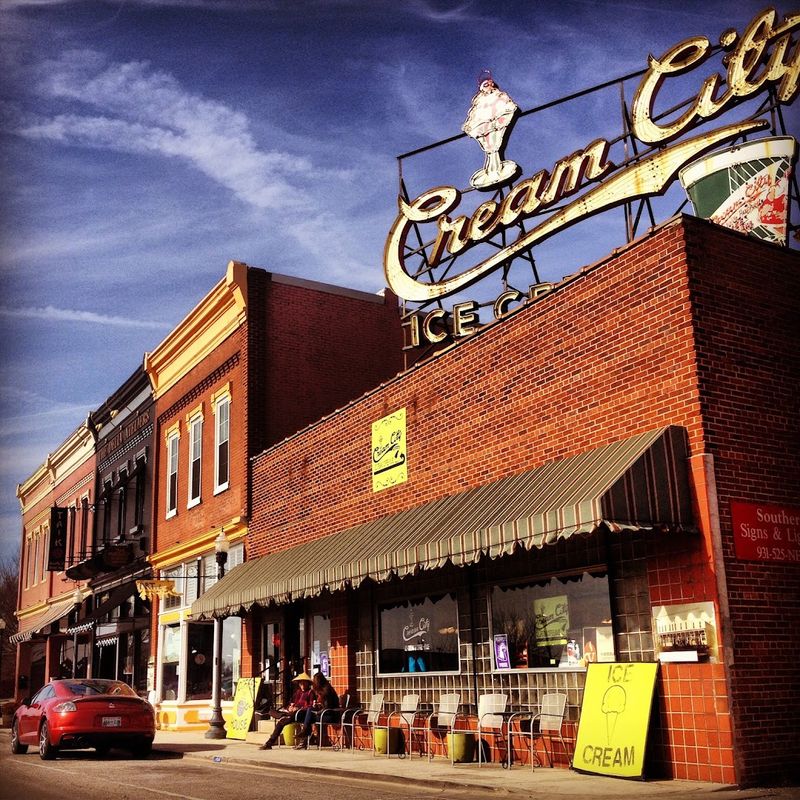
The three-ton neon sign rising above Cream City Ice Cream and Coffee House on West Broad Street is one of the most recognizable sights in all of Cookeville. Installed in 1950 and celebrating its 75th anniversary in 2025, the sign has outlasted decades of change in the neighborhood and still functions as the business’s most effective advertisement.
The Cream City name traces back to a dairy operation dating to the 1890s, and the current ice cream shop preserves that connection to local history. After a fire destroyed the original structure, a new building was constructed on the same site, keeping the story alive without starting over from scratch.
Inside, Cream City serves handmade ice cream, waffle cones, and locally roasted coffee in a cheerful, nostalgic setting that pairs well with a walk through Historic WestSide. Visitors come for dessert and leave with a small piece of Cookeville history.
Few stops on this list deliver that combination as effortlessly.
Catch a Local Production at the Cookeville Performing Arts Center

The Cookeville Performing Arts Center gives the city a cultural identity that reaches well beyond outdoor recreation and food stops. Its Margery Hargrove Auditorium hosts theater, dance, music, and community productions throughout the year, while the award-winning Backstage at CPAC series presents contemporary plays with flexible seating and staging arrangements that feel more intimate than a traditional stage setup.
The center also produces Cookeville Children’s Theatre performances and helps bring Dogwood Shakespeare in the Park to life each early fall in nearby Dogwood Park. That combination of formal productions and outdoor community events gives CPAC a reach that extends beyond its building walls.
Because the schedule changes seasonally, checking current listings before visiting is always a good idea. The downtown location makes it easy to pair a performance with dinner or a museum visit nearby.
For travelers who enjoy discovering community theaters where local residents genuinely show up, the Cookeville Performing Arts Center offers a memorable evening that hiking trails simply cannot replicate.
Share this story