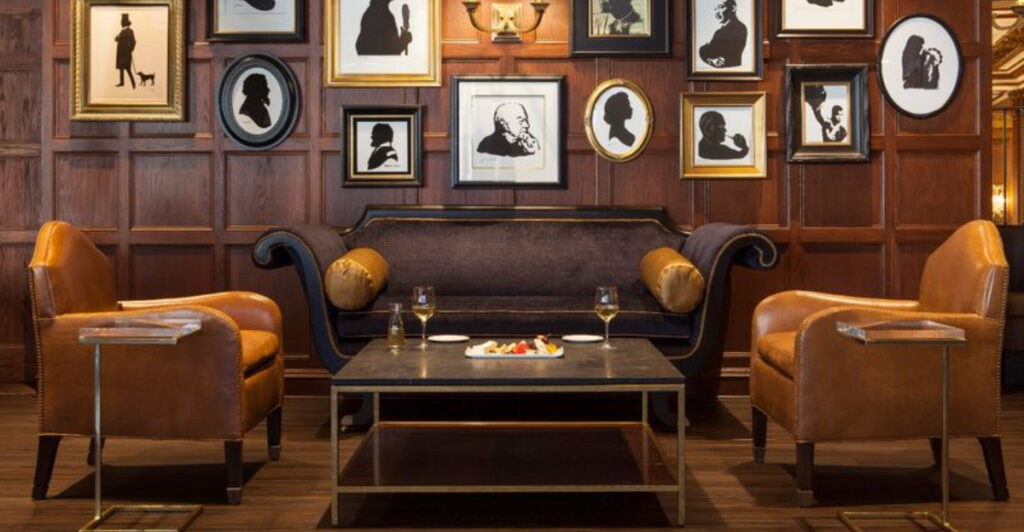
Massachusetts has a way of making history feel personal, and nowhere is that more true than at its oldest restaurants. Some of these places have been feeding travelers, locals, and curious visitors for more than 300 years.
The menus at these spots are not just lists of food. They are chapters in a longer story about who settled this region, what they ate, and why certain traditions never went out of style.
From Boston’s waterfront to the Berkshires to the North Shore, these ten restaurants carry real history in their walls, their kitchens, and their signature dishes. Whether you are a food lover, a history buff, or just someone looking for a meal worth remembering, this list gives you ten good reasons to pull up a chair and stay a while.
Union Oyster House – Boston
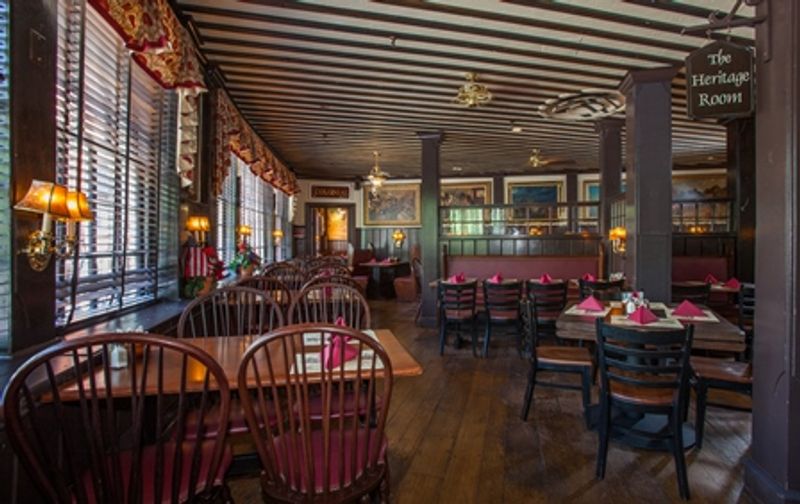
America’s oldest continuously operating restaurant has been open since 1826, and that is not a claim most dining rooms can make. Union Oyster House sits in a building that predates the Revolution itself, and the original curved oyster bar inside is still one of the most recognizable features in all of Boston dining.
Ordering here carries a weight that newer restaurants simply cannot replicate.
Daniel Webster was a regular at that very bar, reportedly consuming dozens of oysters in a single sitting. Today, the menu keeps its focus on New England seafood classics: oysters on the half shell, clam chowder, lobster, and traditional plates that feel right at home in a room that has barely changed in two centuries.
The location near Faneuil Hall makes it easy to combine with other Boston landmarks. But the oyster bar itself is the real draw, a piece of living history you can actually eat at.
Longfellow’s Wayside Inn – Sudbury
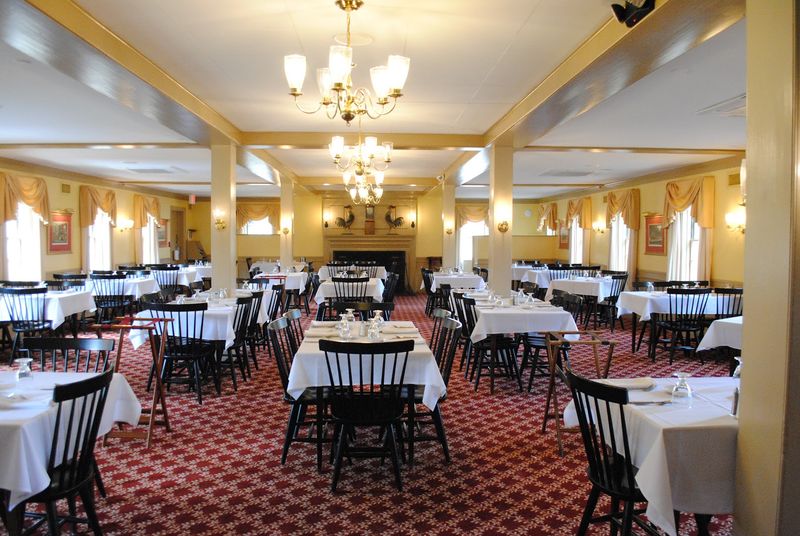
Dating back to 1716, Longfellow’s Wayside Inn in Sudbury holds the title of one of the oldest operating inns in the entire country. The property has welcomed travelers for more than 300 years, and its guest list over the centuries reads like a chapter from an American history textbook.
Henry Wadsworth Longfellow immortalized the inn in his 1863 collection, which gave the property its lasting name.
Henry Ford later took a deep interest in the site, working to preserve and restore it as a living piece of early American life. That layered history shapes everything about a visit here, including the dining experience, which leans into traditional New England hospitality rather than chasing food trends.
The menu fits the setting: hearty, familiar, and rooted in the region. A meal at the Wayside Inn feels less like eating out and more like sitting down inside a story that Massachusetts has been telling for centuries.
Publick House Historic Inn – Sturbridge
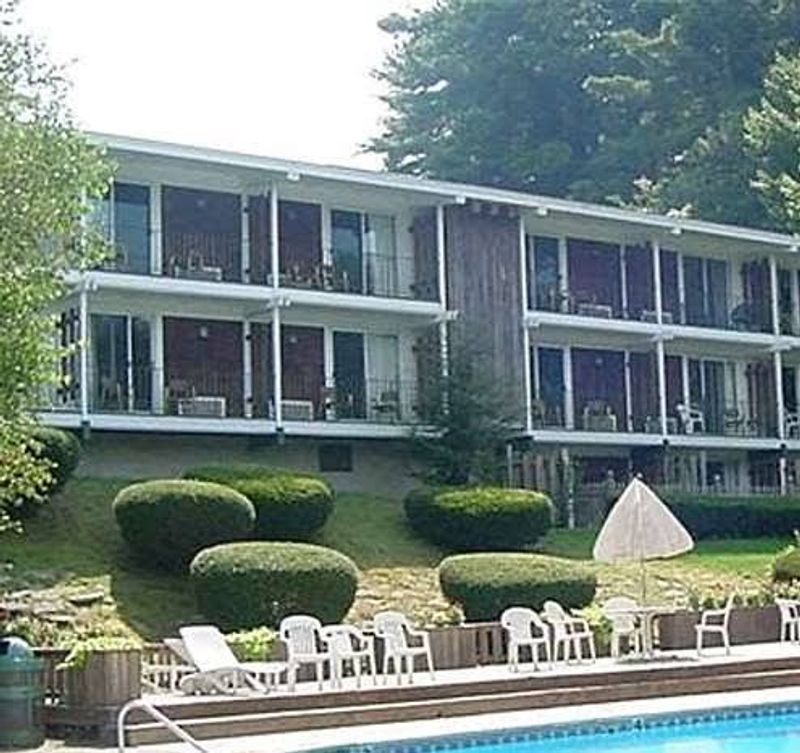
Ebenezer Crafts opened Publick House in 1771 to serve travelers moving along the Boston Post Road, one of the most important travel routes in colonial New England. That origin story still defines the restaurant’s identity today.
The inn describes its cooking philosophy as putting good food out of Yankee ovens, which is a phrase that tells you exactly what kind of experience to expect.
Hearty portions, warm hospitality, and a setting that genuinely reflects old New England road-stop culture are the pillars here. The dining rooms carry the kind of atmosphere that feels earned rather than designed, because the building itself has been doing this job for more than 250 years.
Publick House remains active for dining, lodging, weddings, and events in Sturbridge, making it a flexible destination depending on what kind of visit you are planning. The food makes the most sense once you understand the history behind the building that serves it.
Warren Tavern – Charlestown
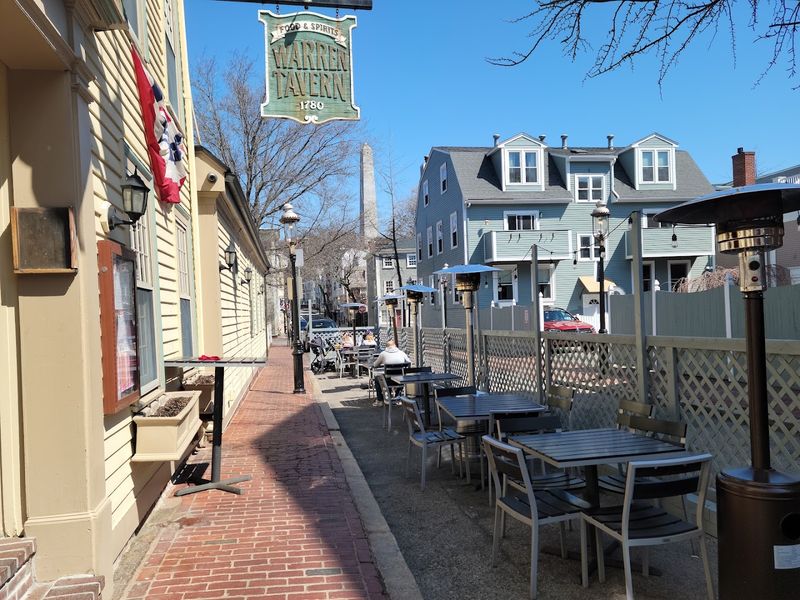
Built in 1780 on the ashes of a neighborhood the British burned during the Revolutionary War, Warren Tavern carries a backstory that most restaurants could only dream of having. The tavern is named for General Joseph Warren, a hero of the Battle of Bunker Hill, and both George Washington and Paul Revere are said to have spent time here in the post-war years.
That Revolutionary-era connection gives the menu an unusual layer of meaning. New England clam chowder, fish and chips, lobster mac and cheese, burgers, and tavern classics land differently when you are eating them inside one of the oldest surviving post-war buildings in Boston.
Warren Tavern is still fully operational today, with lunch, dinner, brunch, takeout, and delivery all available. It functions as a real neighborhood tavern, not a preserved relic.
Charlestown has changed enormously since 1780, but this corner of it has stayed remarkably familiar.
Parker’s Restaurant at Omni Parker House – Boston
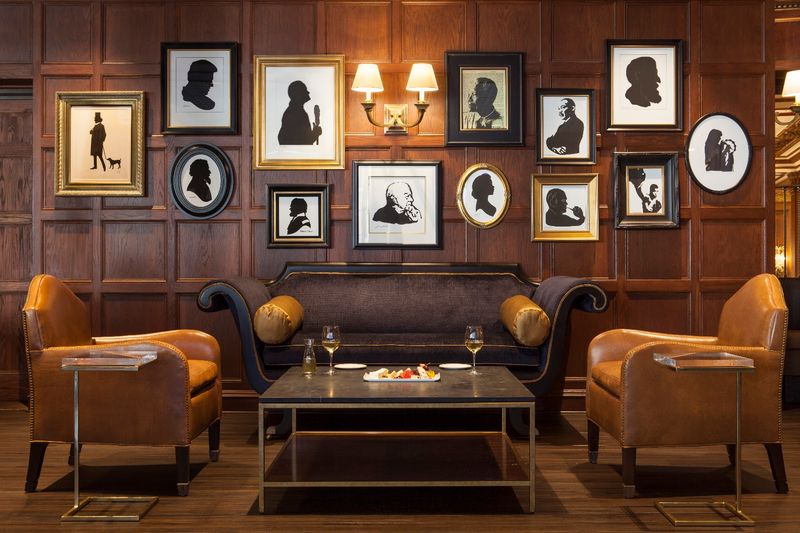
Two of the most famous foods in Massachusetts food history were born in this hotel’s kitchen. Parker House rolls and Boston cream pie are both traced directly to the Omni Parker House, and the restaurant still serves both today.
That kind of menu legacy is rare, and it gives Parker’s Restaurant a place in the story of American cooking that goes well beyond Boston.
The hotel itself has been a fixture of Boston’s dining and social scene since the 19th century, drawing writers, politicians, and visitors who wanted a table at one of the city’s most storied addresses. The current restaurant carries that tradition forward with a menu that honors the property’s classics while serving a modern hotel dining audience.
For anyone interested in food history, ordering a Parker House roll or a slice of Boston cream pie here is not just dessert. It is a direct connection to the kitchen where those recipes first took shape generations ago.
The Red Lion Inn – Stockbridge
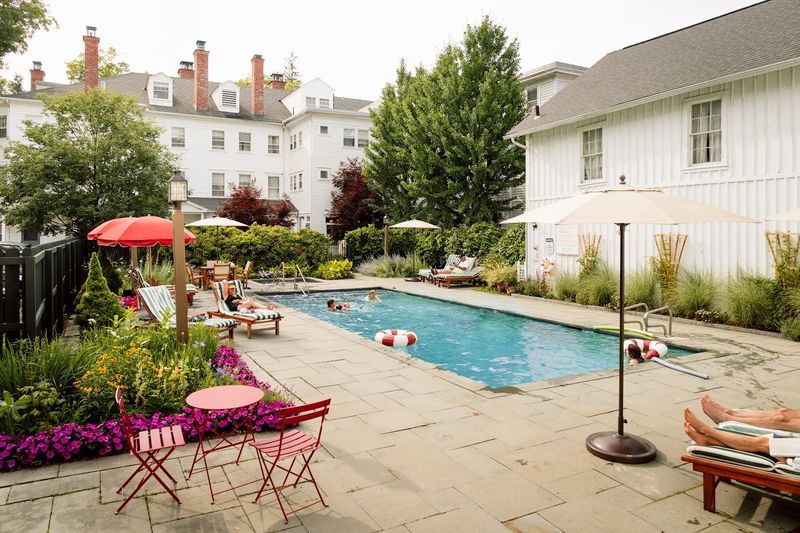
Few restaurants in the Berkshires carry the visual weight of The Red Lion Inn. The sprawling white inn has been part of Stockbridge since 1773, and its main dining room is decorated with crystal chandeliers, antique china, and colonial pewter that make it feel like a formal step back in time.
The setting alone gives the menu a context that modern restaurants spend years trying to manufacture.
The inn currently offers several distinct dining experiences, including the Main Dining Room, Widow Bingham’s Tavern, The Lion’s Den, and the Courtyard. That range means the same property can feel formal or relaxed depending on where you sit and what you order.
The menu blends traditional Berkshires favorites with contemporary New England cooking.
Breakfast, lunch, dinner, and tavern dining are all available, making The Red Lion Inn a full-day destination rather than just a dinner stop. Its longevity in a competitive region speaks for itself.
The Bull Run Restaurant – Shirley
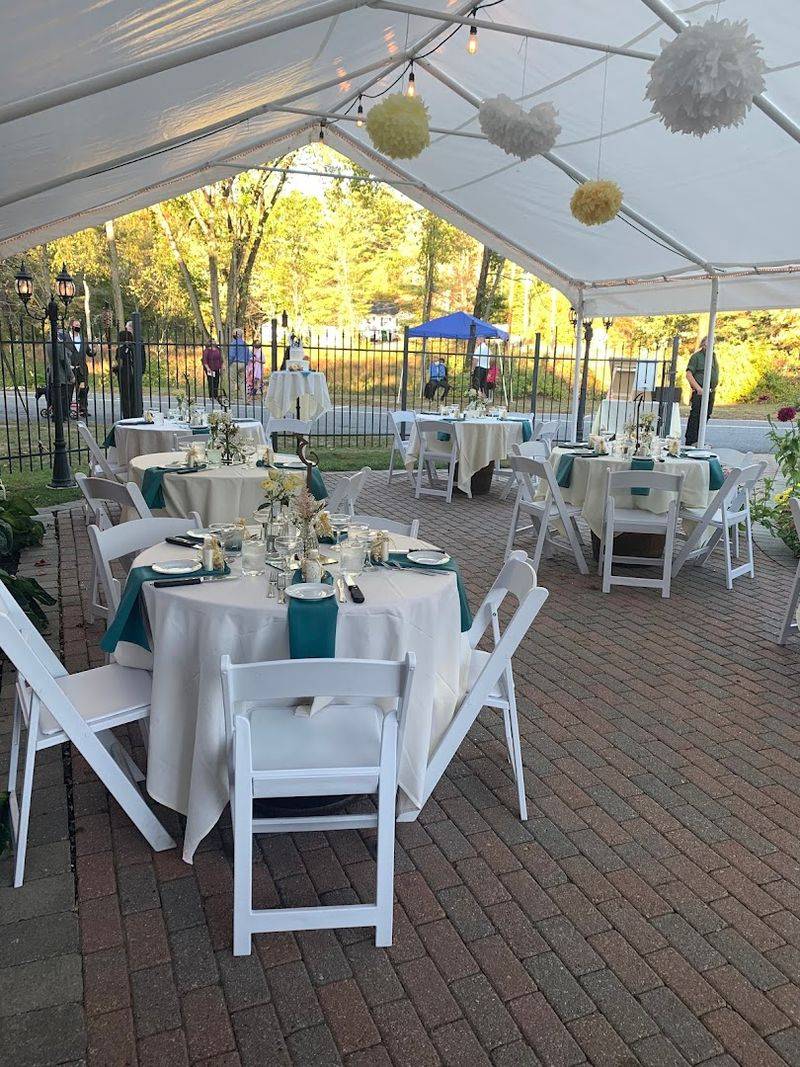
Not every historic restaurant is also a concert venue, but The Bull Run in Shirley manages both roles comfortably. Housed in a restored 18th-century tavern listed on the Massachusetts Register of Historic Buildings, the restaurant has built a reputation as one of central Massachusetts’ more versatile gathering spots.
The old tavern bones give the space a character that newer event venues cannot easily replicate.
The kitchen focuses on modern New England American cuisine with an emphasis on locally sourced ingredients, which means the food feels current even while the setting feels deeply rooted in the past. Current menus cover dinner, Saturday lunch, Sunday brunch, concert menus, and holiday offerings, with the restaurant open Wednesday through Sunday.
The combination of historic atmosphere, live music, and regionally focused cooking makes The Bull Run an interesting stop for visitors who want more than just a standard dinner. The building’s story and the evening’s entertainment tend to arrive at the table together.
Woodman’s of Essex – Essex
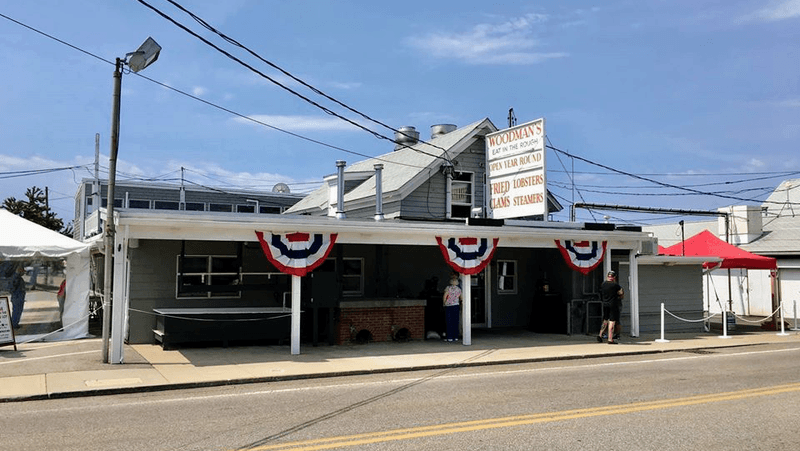
The fried clam as most people know it today has a specific origin story, and that story belongs to Essex. In 1916, Lawrence “Chubby” Woodman is credited with frying the first clam in the style that became a New England staple, and the business he started in 1914 is still serving that same tradition more than a century later.
That is a food invention claim that very few restaurants anywhere in the country can make.
Woodman’s menu centers on fried clams, lobster, clambakes, and classic North Shore seafood, keeping the focus where it has always been. The setting is casual and unpretentious, which fits the history perfectly.
This was never meant to be a formal dining room.
The restaurant is open year-round, with current seasonal hours posted by the business. A plate of fried clams here connects directly to Essex, the North Shore, and the moment one family changed how New England eats seafood.
Santarpio’s Pizza – East Boston
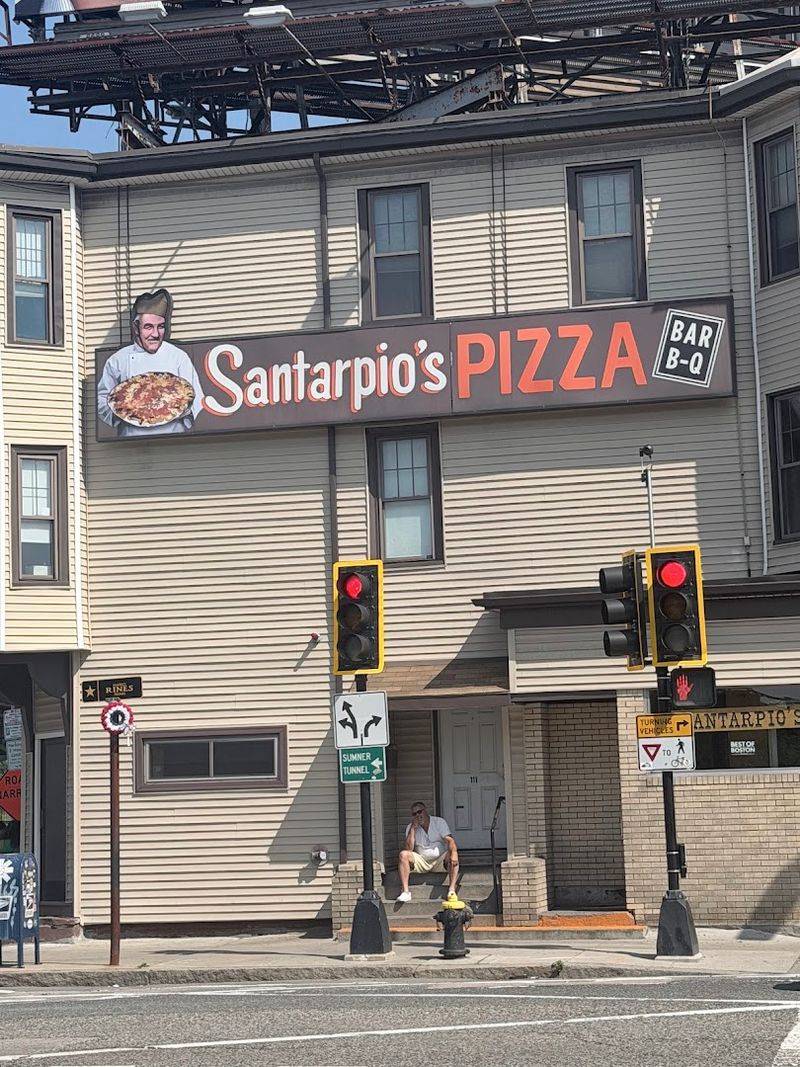
Operating since 1903 means Santarpio’s Pizza in East Boston has outlasted two world wars, multiple recessions, and about a century’s worth of food trends. The restaurant started as a bakery before evolving into the pizza institution it is today, and that old-school East Boston identity is still central to what makes the place feel different from a standard pizza stop.
The menu is famously restrained by modern standards. Pizza and grilled meats carry the show, without the sprawling topping lists or fusion twists that define newer spots.
That simplicity is not a limitation. It is the point.
Santarpio’s built its reputation by staying close to what made it popular in the first place.
The original Chelsea Street location is open every day from 11:30 a.m. to 10 p.m., according to the restaurant’s official site. For anyone curious about how East Boston has eaten for generations, this is one of the most direct answers available.
The Student Prince – Springfield
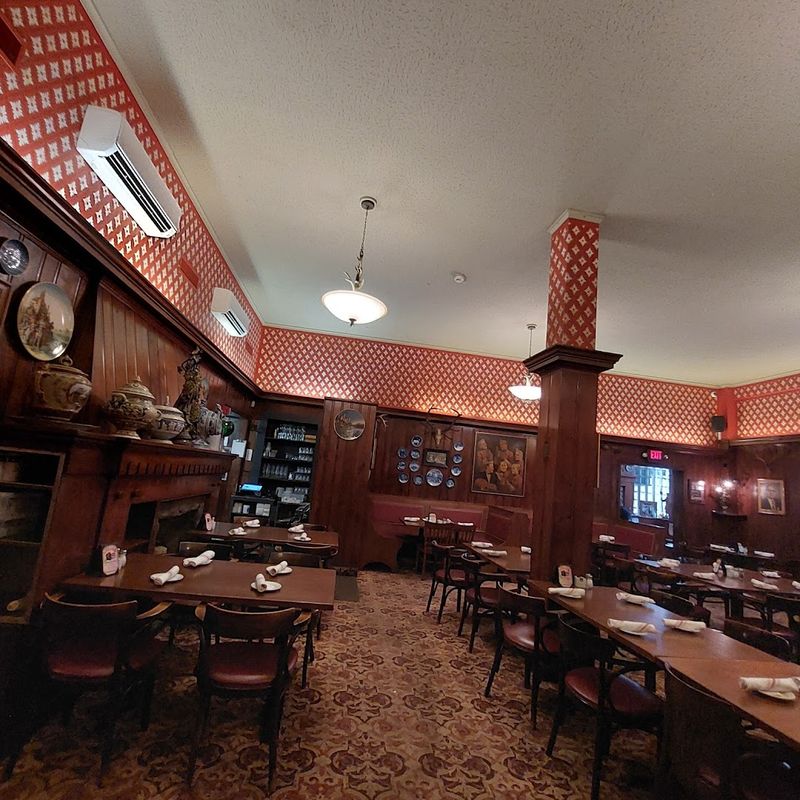
Springfield’s dining scene has a long memory, and The Student Prince has been part of it since 1935. The restaurant’s identity is rooted in German and American comfort food, which sets it apart from the seafood-heavy menus that define much of the Massachusetts dining landscape.
Schnitzel, sausages, and hearty plates have been the focus here for nearly 90 years.
The interior carries an old-world atmosphere that feels genuinely lived-in rather than recreated for effect. The Fort Street location and its connection to the larger “Fort” identity tied to the site’s history add another layer to the experience.
This is not a place trying to look historic. It simply is.
The restaurant’s official site confirms current hours, reservations, private dining, and event options, so it remains an active part of western Massachusetts life. For anyone exploring Springfield’s dining history, The Student Prince offers a distinctly different chapter from anything you would find closer to the coast.
Share this story