What if the secret to a long life was simply where you were born? Across the globe, certain countries have cracked the code on healthy, happy living, and their citizens are reaping the rewards with remarkably long lifespans.
From tiny principalities to sprawling island nations, these places share a mix of great healthcare, smart habits, and enviable lifestyles. Here are 15 countries where people consistently live the longest, and what makes each one so special.
Monaco

Blink and you might miss Monaco, but don’t let its tiny size fool you. This glittering principality on the French Riviera holds a jaw-dropping world record: the highest average life expectancy on Earth, at around 89.3 years.
It’s roughly the size of Central Park in New York City, yet it punches far above its weight in almost every category.
Residents enjoy world-class healthcare that is both accessible and cutting-edge. The Mediterranean climate encourages outdoor activity year-round, and the local diet is rich in fresh fish, olive oil, and vegetables.
Stress levels tend to stay low when your backyard is the sparkling blue sea.
High household incomes also mean people can afford excellent nutrition, regular medical checkups, and comfortable living conditions. Monaco attracts some of the world’s wealthiest residents, and that financial security translates directly into better health outcomes.
Clean air, low crime, and a strong sense of community round out the picture. It’s not just about money, though.
The Monaco lifestyle naturally encourages balance, movement, and enjoyment of life, which turns out to be a pretty solid recipe for reaching a very old age.
Japan
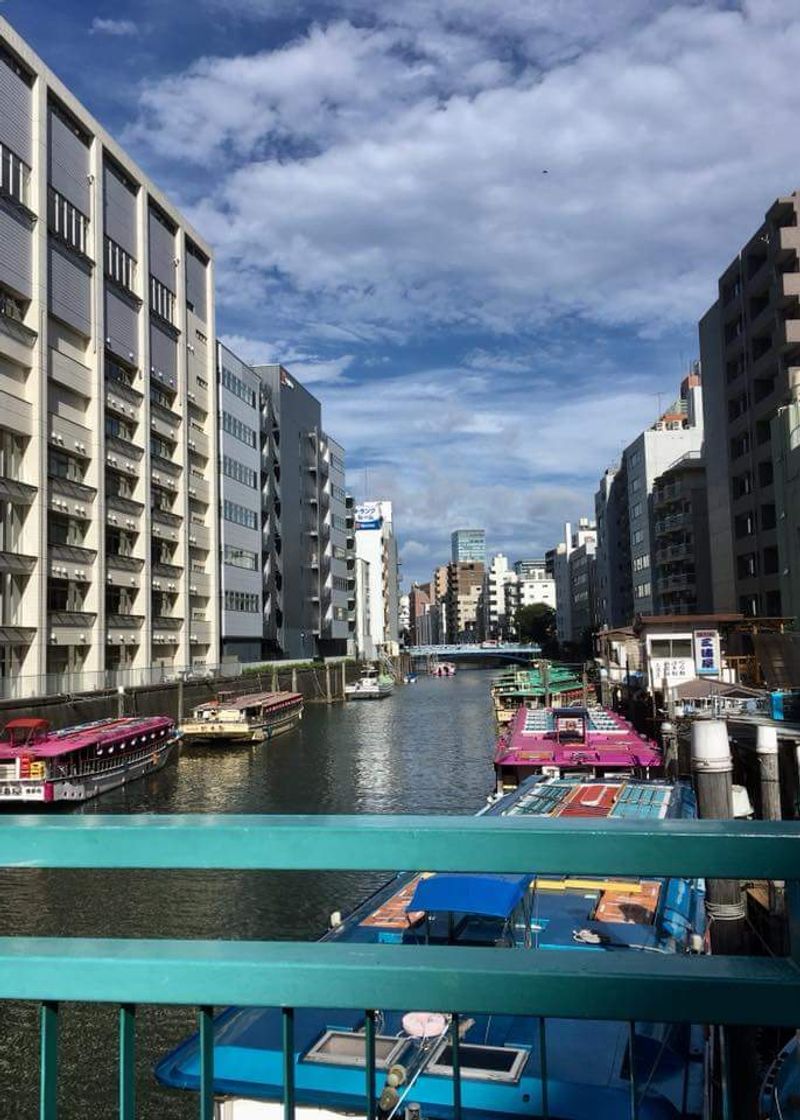
Japan’s relationship with old age is almost legendary. The country is home to more centenarians per capita than almost anywhere else on Earth, and average life expectancy sits above 88 years.
The island of Okinawa alone has been studied by scientists for decades because of its unusually high number of people who live past 100.
Diet plays a starring role in Japan’s longevity story. The traditional Japanese diet is loaded with fish, fermented foods, seaweed, tofu, and green tea, all of which support heart health and reduce inflammation.
Portions tend to be modest, and a cultural practice called “hara hachi bu” encourages eating until you are only 80% full.
Universal healthcare ensures that every citizen has access to regular checkups and early treatment. Physical activity is woven into daily life, whether through walking, cycling, or practicing martial arts well into old age.
Social connection matters too. Japanese culture places deep value on community and family bonds, and loneliness is far less common than in many Western nations.
When you combine smart eating, movement, purpose, and belonging, 88 starts to sound like just the beginning.
San Marino
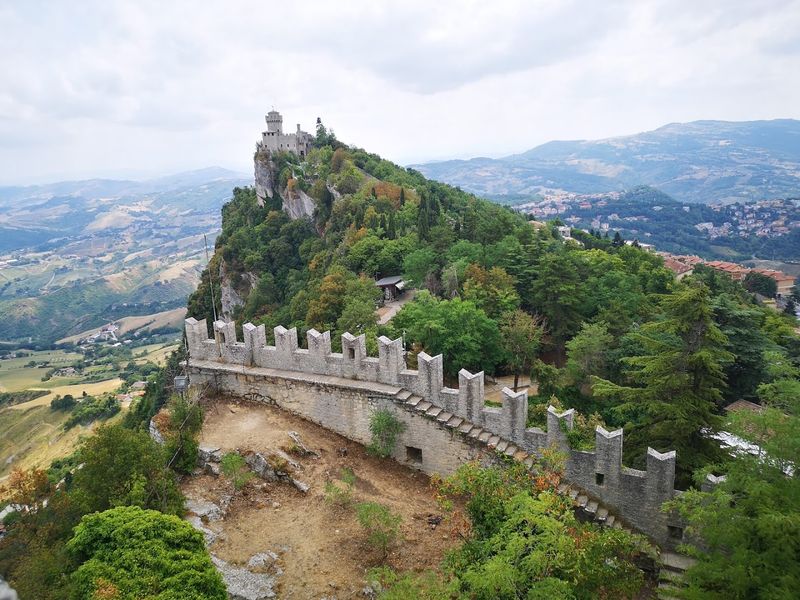
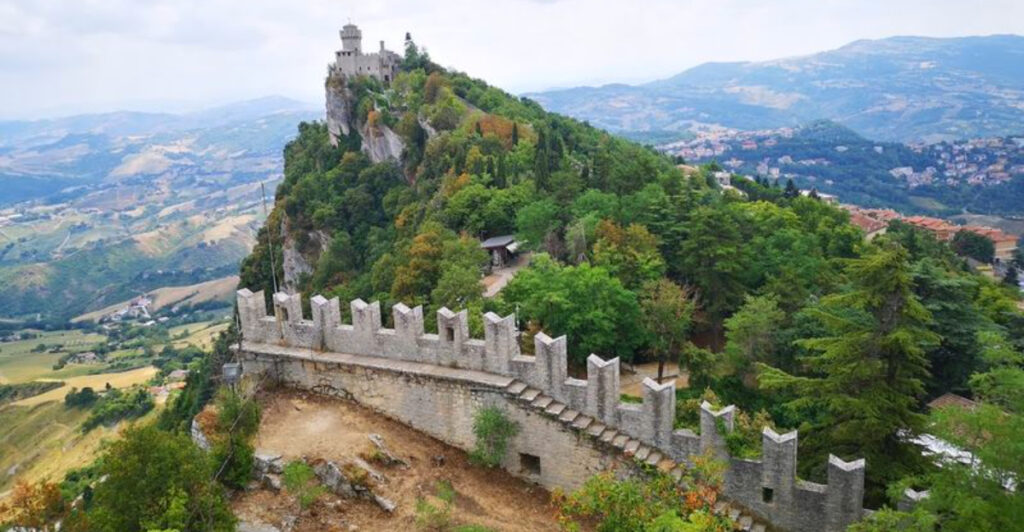
Perched dramatically on top of Mount Titano and completely surrounded by Italy, San Marino is one of the world’s oldest republics and also one of its most long-lived. Residents here average around 88.1 years of life, making this microstate a serious contender in the global longevity rankings.
San Marino benefits enormously from its close ties with Italy, sharing access to Mediterranean cuisine and a relaxed, community-centered lifestyle. Fresh produce, olive oil, and locally sourced ingredients form the backbone of daily meals.
People here tend to eat together, and shared mealtimes are a cultural cornerstone rather than a rushed afterthought.
Healthcare in San Marino is funded by the state and delivers high-quality services to its small population of fewer than 35,000 people. That small scale actually works in residents’ favor.
When a country has fewer people to serve, resources go further and personal care is easier to deliver. Low pollution levels and clean mountain air contribute to excellent respiratory health throughout life.
Strong social ties, low crime rates, and a deeply rooted sense of civic pride also give residents something money can’t buy: a genuine sense of purpose and belonging every single day.
South Korea
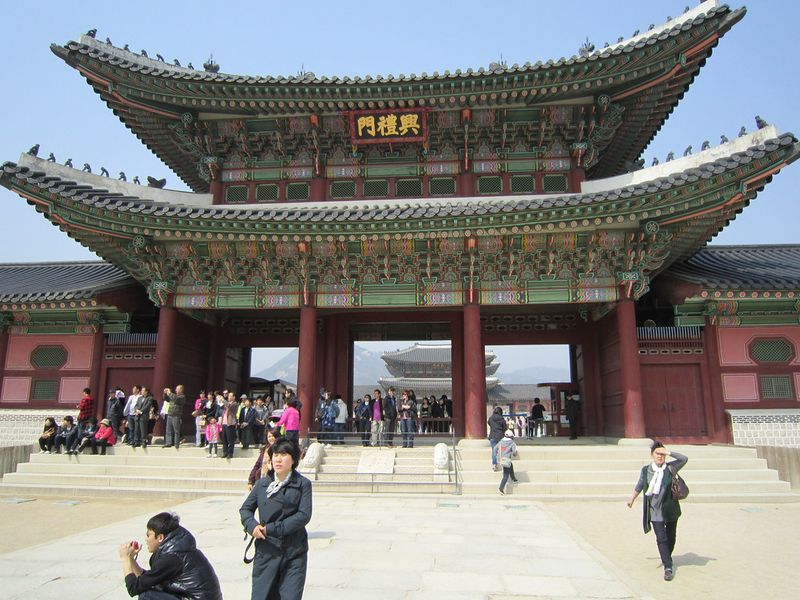
Few countries have transformed as rapidly as South Korea, and that transformation extends all the way to how long its people live. Just a few decades ago, South Korea had one of the lower life expectancies in the developed world.
Today, residents live an average of about 87.6 years, one of the fastest improvements ever recorded by researchers.
Modern healthcare infrastructure deserves significant credit. South Korea has invested heavily in hospitals, medical technology, and preventive care programs.
Cancer screening rates are among the highest in the world, catching problems early when treatment is most effective. The country also has some of the lowest obesity rates among developed nations.
Traditional Korean food is a genuine health powerhouse. Kimchi, a fermented vegetable dish eaten at almost every meal, is packed with probiotics and vitamins.
Vegetables, fish, and fermented soy products dominate the Korean table. Smoking rates, once very high, have dropped sharply thanks to aggressive public health campaigns.
South Koreans also walk a lot. Cities are designed for pedestrians, and public transportation reduces the need for cars.
Combine rapid medical advancement with time-tested dietary wisdom and you get a nation quietly becoming one of the healthiest on the planet.
Spain

Spain runs on a schedule that might seem unusual to outsiders but makes perfect biological sense. Late lunches, afternoon siestas, evening strolls, and dinners that start at 9 pm are not laziness.
They are a lifestyle that reduces stress, encourages social connection, and keeps people physically active throughout the day. Average life expectancy hovers near 87 years.
The Mediterranean diet is Spain’s not-so-secret weapon. Olive oil, fresh vegetables, legumes, seafood, and moderate amounts of red wine form the core of daily eating.
This diet has been scientifically linked to lower rates of heart disease, stroke, and certain cancers. Spanish people also tend to eat slowly and socially, which supports better digestion and mental well-being.
Universal healthcare covers all residents and emphasizes preventive medicine alongside treatment. Spain has a strong network of primary care physicians who build long-term relationships with patients.
Family ties are exceptionally strong in Spanish culture. Grandparents often live near or with their families, staying mentally active and emotionally connected well into old age.
Research consistently shows that social isolation is one of the biggest risks to longevity, and Spain’s culture of togetherness actively fights it every single day.
Singapore
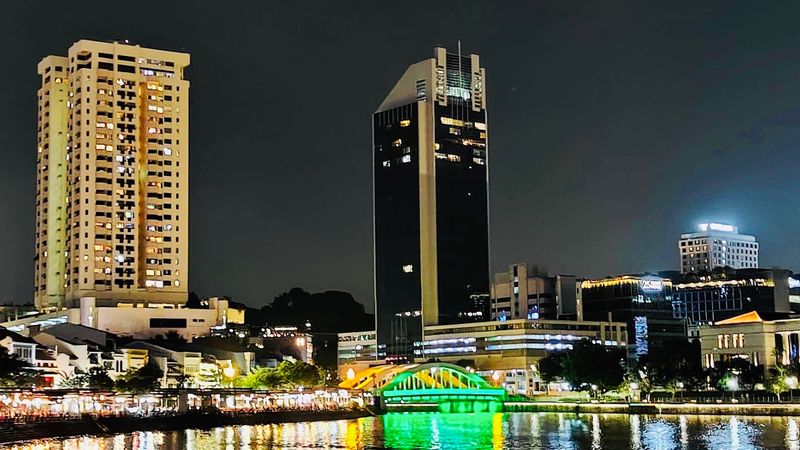
Singapore is a city-state that takes excellence seriously, and public health is no exception. With an average life expectancy of about 86.7 years, Singapore consistently ranks among the world’s top performers, despite being a densely packed urban environment where such outcomes are notoriously hard to achieve.
The government invests heavily in healthcare infrastructure, preventive medicine, and health education. Singapore’s Medisave system encourages citizens to save for medical expenses from a young age, creating a culture of personal health responsibility.
Regular health screenings are affordable and widely promoted, catching chronic conditions before they become serious.
Clean streets, low crime, and world-class sanitation make Singapore one of the safest and most hygienic places to live on Earth. The city is also surprisingly green, with parks, tree-lined streets, and green rooftops woven throughout the urban landscape.
Physical activity is encouraged through excellent public spaces and a culture that values fitness. Singaporeans eat a diverse diet influenced by Chinese, Malay, and Indian traditions, featuring plenty of vegetables, fish, and spiced dishes packed with anti-inflammatory ingredients.
Tight family structures and strong community bonds keep social isolation low. Singapore proves that a well-governed, well-planned city can deliver health outcomes that rival any rural paradise.
France

The French paradox has puzzled nutrition scientists for years. Despite a diet that includes cheese, butter, bread, and wine, France consistently records some of the lowest rates of heart disease in the developed world and an average life expectancy approaching 86.7 years.
Clearly, something is working in their favor.
Part of the answer lies in how the French eat rather than what they eat. Meals are slow, intentional, and social.
Snacking between meals is culturally frowned upon. Portions are modest, even when the food is rich.
This mindful approach to eating prevents overeating and keeps weight in check without the need for fad diets or calorie counting apps.
France’s universal healthcare system is consistently rated among the best in the world. Preventive medicine, mental health support, and specialist care are all accessible to citizens regardless of income.
French cities are highly walkable, and public transportation reduces car dependency, naturally building movement into daily routines. A deep cultural appreciation for pleasure, including good food, good conversation, and leisure time, reduces chronic stress.
Science increasingly confirms that enjoyment and relaxation are genuine health assets. France seems to have understood this truth long before researchers put it in a journal.
Italy
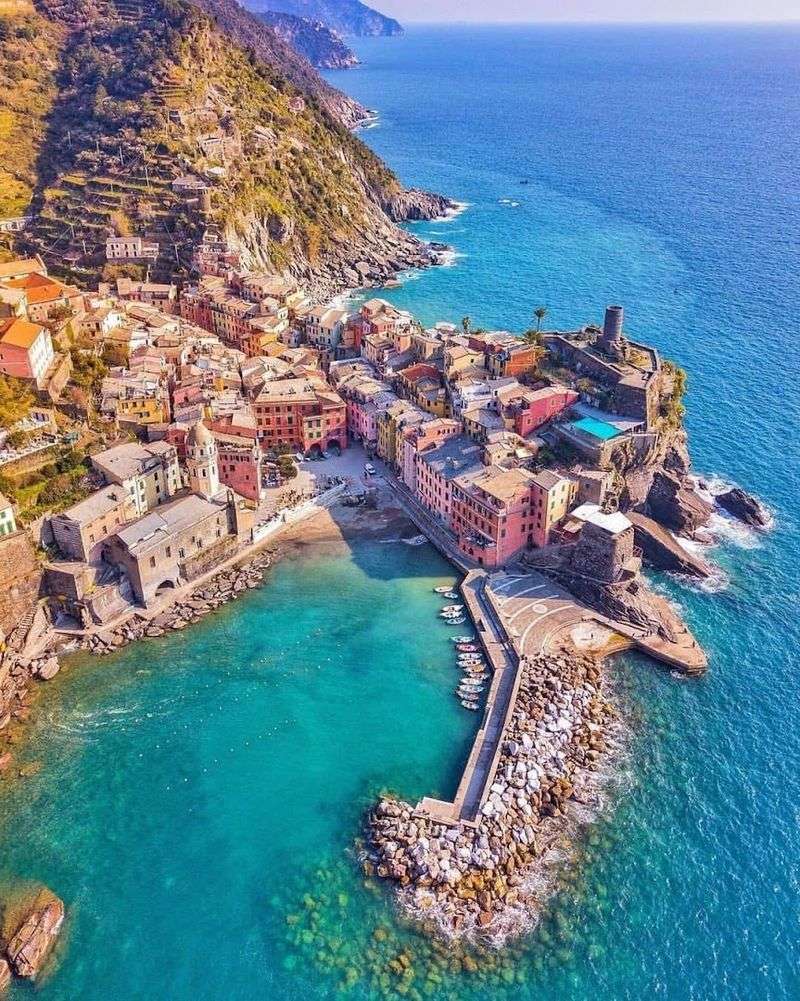
Italy gave the world the Mediterranean diet, and the world has been thanking it ever since. With an average life expectancy of about 86.4 years, Italy continues to rank among the global leaders in longevity.
Sardinia, one of the world’s famous Blue Zones, is home to a disproportionate number of men who live past 100, a phenomenon that has fascinated researchers for decades.
The Italian table is a masterclass in healthy eating. Pasta, despite its reputation abroad, is eaten in modest portions and paired with vegetables, legumes, fish, and olive oil rather than heavy cream sauces.
Fresh, seasonal, local ingredients are the standard, not the exception. Italians shop at markets, cook from scratch, and sit down for proper meals with family.
Walkable towns and villages mean daily movement happens naturally. Sunday lunches that stretch for hours are not just about food.
They are about maintaining deep family and community bonds that science links directly to longer, healthier lives. Italy’s national healthcare system provides universal coverage, and Italians tend to visit their doctors regularly.
Add in a climate that encourages outdoor living and a culture that genuinely values slowing down and savoring life, and 86 years starts to feel almost modest.
Switzerland
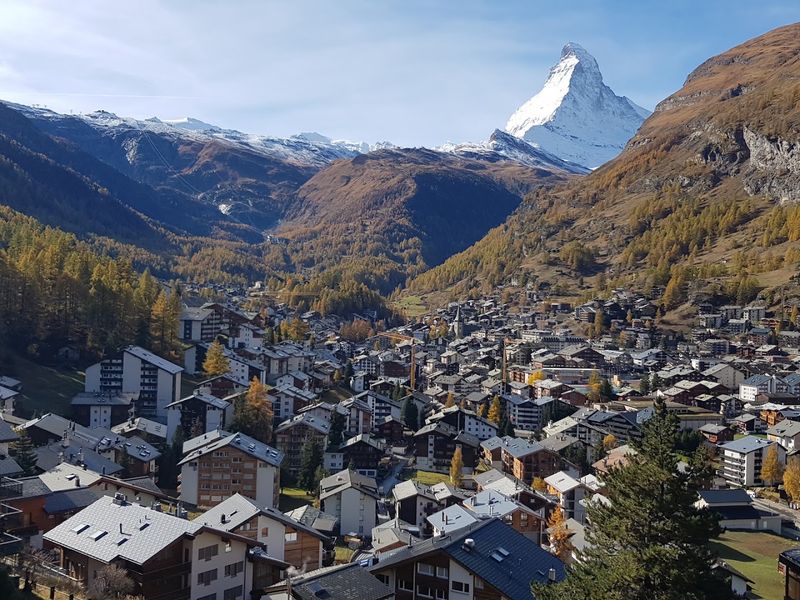
Switzerland might be famous for chocolate and watches, but its most impressive product might be its remarkably long-lived citizens. Average life expectancy exceeds 86 years, and the country consistently places near the top of global health rankings.
It’s a place where quality is not just expected, it is demanded, and healthcare is no exception.
The Swiss healthcare system is among the most sophisticated in the world. While it operates differently from universal systems in neighboring countries, it delivers excellent outcomes through a combination of regulated private insurance and strong government oversight.
Preventive care is taken seriously, and Swiss residents visit doctors regularly for screenings and checkups.
Switzerland’s natural environment plays a powerful supporting role. Clean mountain air, pristine lakes, and extensive hiking and cycling trails make outdoor activity an everyday pleasure rather than a chore.
The Swiss are an active people, and staying fit well into old age is culturally normal. High average incomes mean excellent nutrition and comfortable living standards across the population.
Stress management is also prioritized, with generous vacation time, strong worker protections, and a culture that values balance between professional ambition and personal well-being. Switzerland makes healthy living look effortlessly achievable, even when it is anything but.
Australia
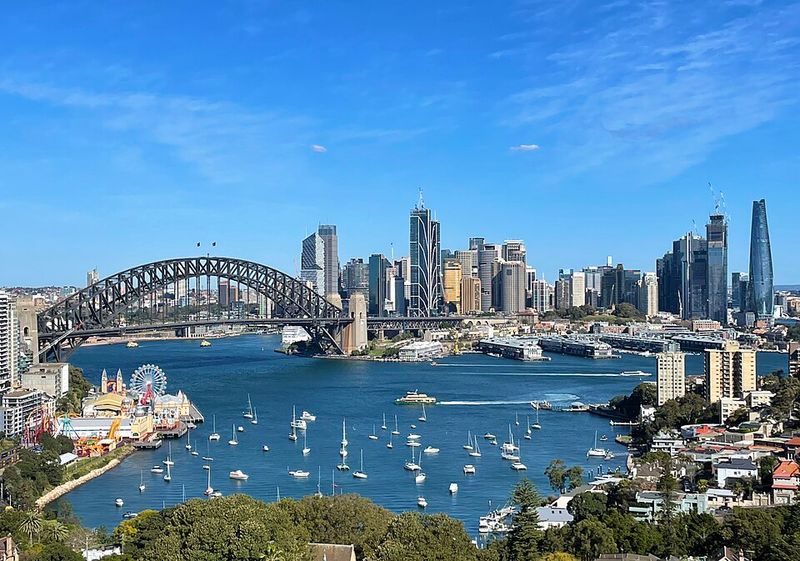
Australia is the kind of place where the lifestyle practically does the health work for you. Sun, surf, wide open spaces, and an outdoor culture that never really switches off all contribute to an average life expectancy of about 86.2 years.
Australians genuinely spend more time outside than most populations, and that habit pays serious dividends over a lifetime.
The public healthcare system, known as Medicare, provides universal coverage and ensures that cost is rarely a barrier to seeing a doctor. Australia has strong programs targeting chronic disease prevention, and smoking rates have fallen dramatically over the past few decades thanks to some of the world’s toughest tobacco regulations.
These policy wins translate directly into longer lives.
Fresh food is abundant and affordable. Seafood, lean meats, tropical fruits, and vegetables are dietary staples, and Australians have increasingly embraced plant-forward eating in recent years.
Physical activity is embedded in daily culture. Whether it’s morning runs, beach swimming, backyard cricket, or weekend hiking, movement is simply part of what Australians do.
Strong immigration from healthy-diet cultures including Mediterranean and Asian countries has also enriched the national food landscape. Australia proves that when good weather, good food, and good healthcare combine, the results can be genuinely extraordinary.
Andorra
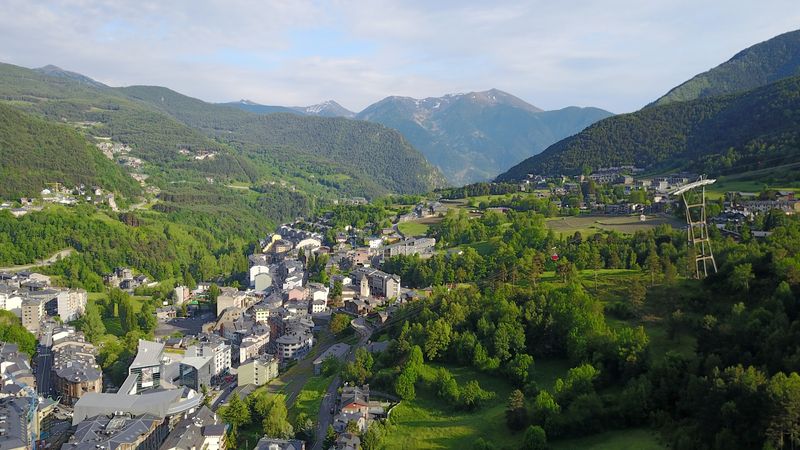
Tucked between France and Spain high in the Pyrenees mountains, tiny Andorra is easy to overlook on a map but impossible to ignore in longevity statistics. Life expectancy here approaches 87 years, a remarkable figure for a country most people couldn’t locate without a hint.
With fewer than 80,000 residents, Andorra operates more like a well-run community than a typical nation.
The mountain environment is both beautiful and beneficial. Clean, crisp alpine air, low pollution, and a physically active culture keep residents fit throughout their lives.
Skiing, hiking, and cycling are not weekend hobbies but year-round ways of life. The natural landscape essentially functions as one giant outdoor gym that nobody has to pay to join.
Andorra benefits from proximity to two of Europe’s healthiest food cultures, French and Spanish, absorbing the best of both Mediterranean and Pyrenean culinary traditions. Fresh produce, quality proteins, and locally sourced ingredients dominate local cooking.
Healthcare is excellent and accessible, drawing on expertise from both neighboring countries. Andorra also has one of the lowest crime rates in the world, meaning residents enjoy a deep sense of personal safety.
That security, often underestimated as a health factor, contributes meaningfully to reduced stress and longer life.
Iceland
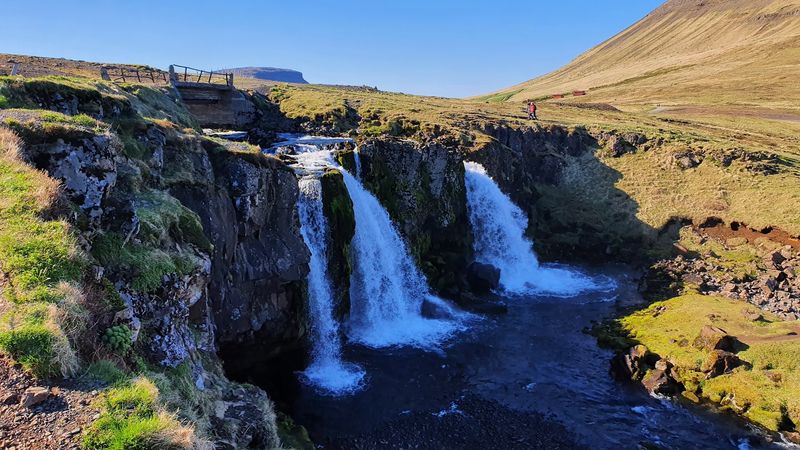
Iceland is a place where the air is so clean it almost feels like a health supplement. This remote North Atlantic island nation combines some of the world’s purest environments with a fiercely active population and a healthcare system that leaves very few people behind.
Its healthy life expectancy figures rank among the very best globally.
Fish is the cornerstone of the Icelandic diet, particularly cod, haddock, and salmon, all rich in omega-3 fatty acids that protect the heart and brain. Lamb raised on open pastures, dairy products, and skyr, a thick protein-rich yogurt, round out a diet that is naturally high in nutrients and low in processed foods.
Iceland’s food culture has stayed remarkably traditional, which turns out to be a significant advantage.
Geothermal hot springs are part of everyday Icelandic life, not just a tourist attraction. Regular use of natural thermal pools promotes relaxation, circulation, and social bonding, all genuine health benefits.
Iceland also ranks consistently as one of the world’s most equal societies, with strong gender equality and robust social safety nets reducing the stress and health disparities that shorten lives elsewhere. Low crime, high trust in public institutions, and a tight-knit national community give Icelanders a powerful psychological foundation for long, healthy lives.
Sweden
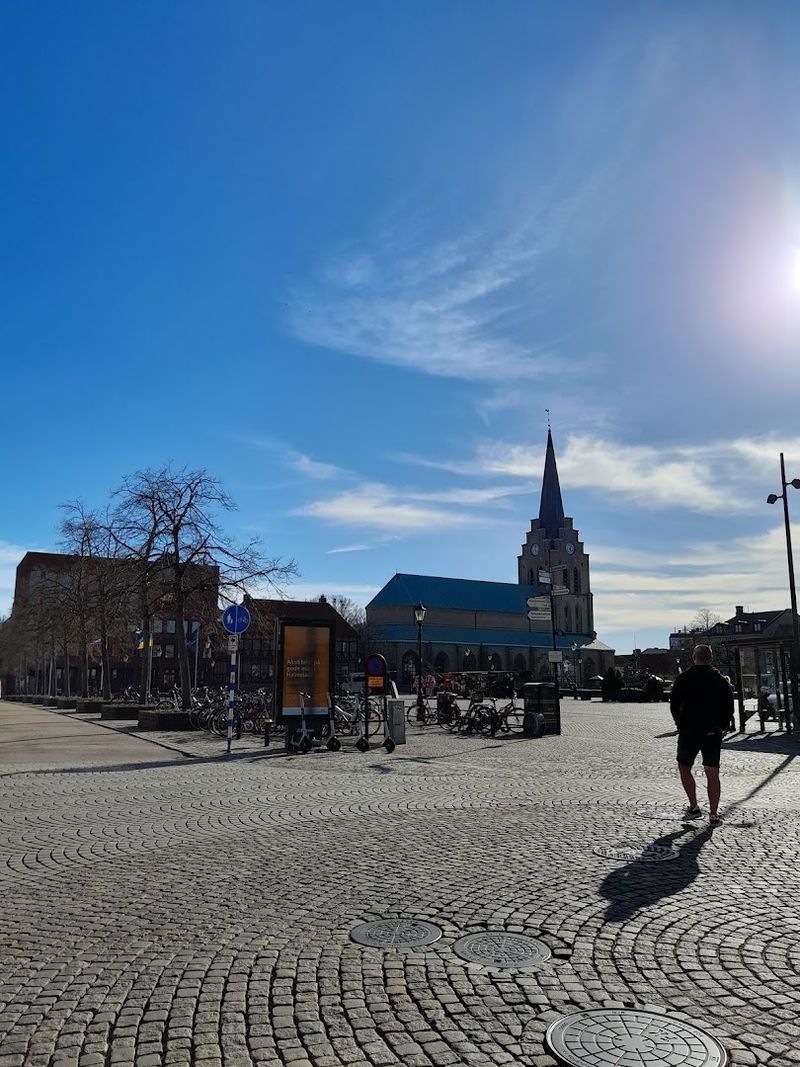
Sweden has built one of the most comprehensive social welfare systems in the world, and the health outcomes speak for themselves. Life expectancy is among the highest in Europe, supported by a healthcare system that prioritizes prevention, early intervention, and equal access for every citizen regardless of income or background.
Swedish people are relentlessly active. Friluftsliv, which roughly translates to open-air living, is a cultural philosophy that encourages spending time outdoors in all seasons.
Swedes hike, ski, cycle, and swim as naturally as they breathe. This lifelong commitment to movement is one of the strongest predictors of healthy aging, and Sweden has essentially made it a national value.
The Swedish diet has evolved significantly in recent decades, moving away from heavy traditional foods toward a pattern rich in whole grains, fish, berries, and vegetables. Wild berries like lingonberries and blueberries, consumed in large quantities, are packed with antioxidants that combat aging at the cellular level.
Sweden also ranks among the world’s least corrupt countries, which means public funds actually reach the healthcare and social programs they are meant for. Low inequality, strong mental health support, and generous parental leave policies reduce chronic stress across all age groups, contributing to a population that ages with remarkable grace and vitality.
Norway
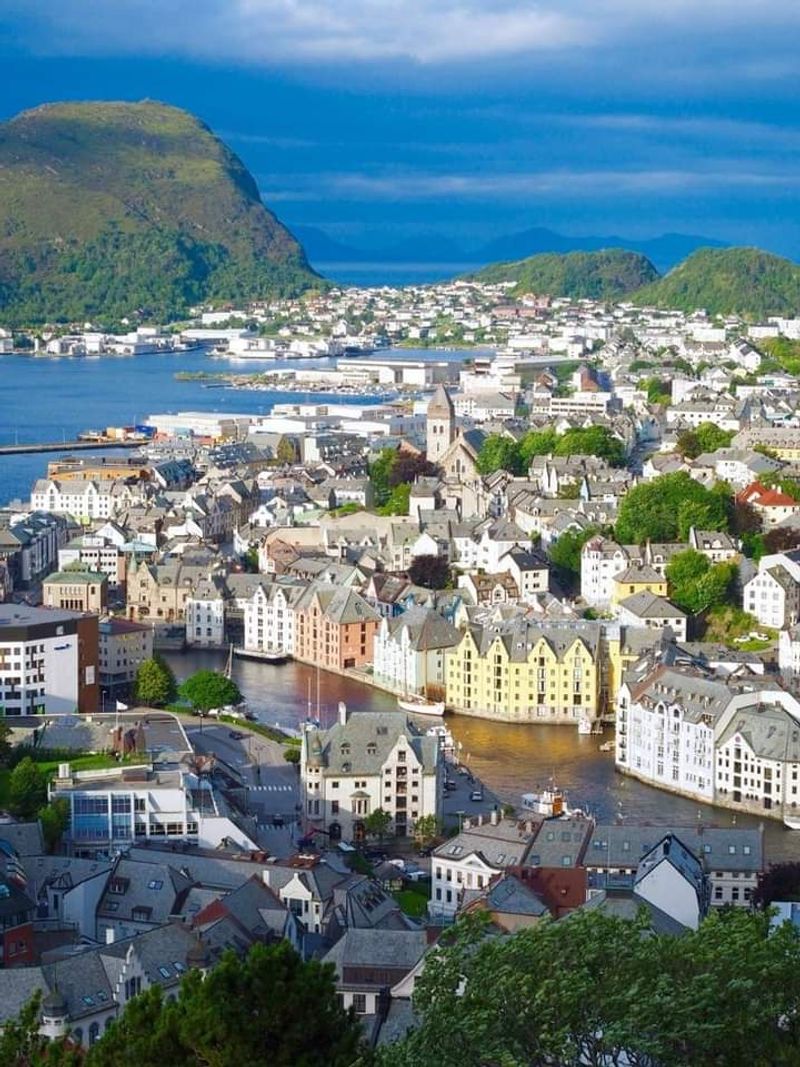
Norway consistently appears near the very top of global rankings for quality of life, happiness, and longevity, and it earns every one of those placements. Universal healthcare, one of the world’s highest average incomes, and a deeply outdoor-oriented culture combine to produce a population that ages well and lives long.
The Norwegian coastline is not just scenery. It is a food source.
Fatty fish like salmon, mackerel, and herring are dietary staples that deliver heart-healthy omega-3s in abundance. Norway also has very low rates of obesity compared to other wealthy nations, partly because physical activity is so deeply embedded in daily and weekend culture that staying sedentary feels almost socially awkward.
Norway’s social safety net is genuinely impressive. Free education, subsidized childcare, generous sick leave, and a robust pension system mean that financial stress, one of the most damaging long-term health threats, is significantly reduced for most citizens.
Mental health is taken seriously, and access to psychological support is widely available. The country also ranks among the world’s cleanest environments, with pristine air quality and unpolluted waterways.
Norway demonstrates that when a society genuinely invests in its people from birth through old age, extraordinary longevity becomes less of an exception and more of an expectation.
Netherlands
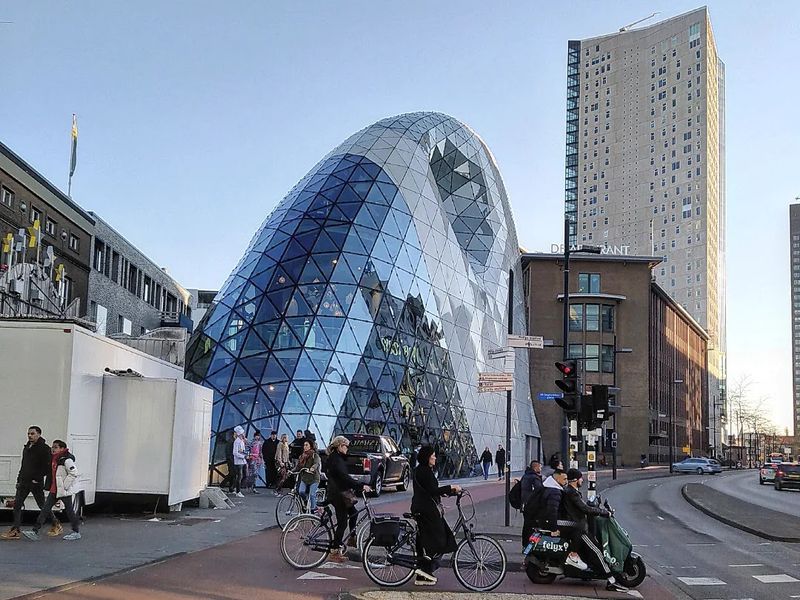
The Netherlands has quietly built one of Europe’s most impressive longevity records, and a significant part of the credit belongs to two wheels. The Dutch cycle more than almost any other nation on Earth, logging billions of kilometers annually.
This daily, low-impact physical activity keeps cardiovascular systems healthy and waistlines in check without anyone having to think of it as exercise.
Beyond cycling, the Netherlands boasts excellent healthcare infrastructure with strong emphasis on preventive care and mental health support. General practitioners serve as trusted long-term partners in health, building relationships with patients over years rather than rushing through appointments.
The system catches problems early and keeps people engaged with their own well-being.
Dutch food culture has shifted dramatically in recent decades toward plant-based and whole-food eating. Farmers markets are popular, fresh dairy products are high quality, and the country has embraced a broader Mediterranean-influenced diet alongside its traditional foods.
The Netherlands also ranks among Europe’s most equal societies, with low poverty rates and generous social programs that reduce health disparities between income groups. Clean waterways, green urban spaces, and a culture that values directness and work-life balance all contribute to lower chronic stress.
The Dutch have essentially engineered longevity into the fabric of everyday life, one bike ride at a time.
Share this story