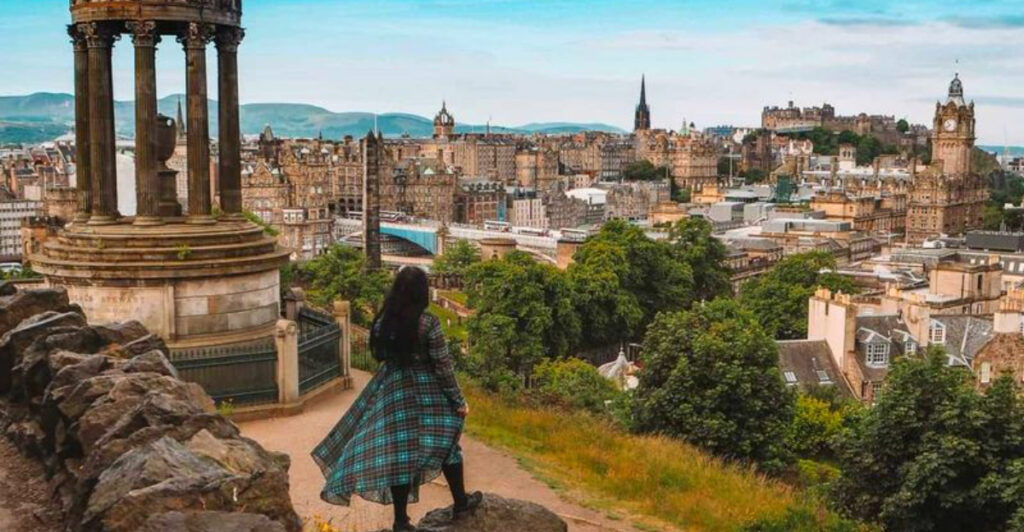
Europe has a magical way of making solo travelers feel right at home, whether you’re sipping espresso at a cobblestone café or watching the sun dip below an ancient skyline. With reliable trains, walkable cities, and friendly locals around every corner, going it alone here feels less like a challenge and more like an adventure.
From Iceland’s volcanic landscapes to Croatia’s sun-drenched coastlines, the continent is packed with destinations that practically beg to be explored on your own terms. Pack your bag, grab your map, and get ready to fall in love with some of Europe’s most stunning spots.
Lisbon, Portugal
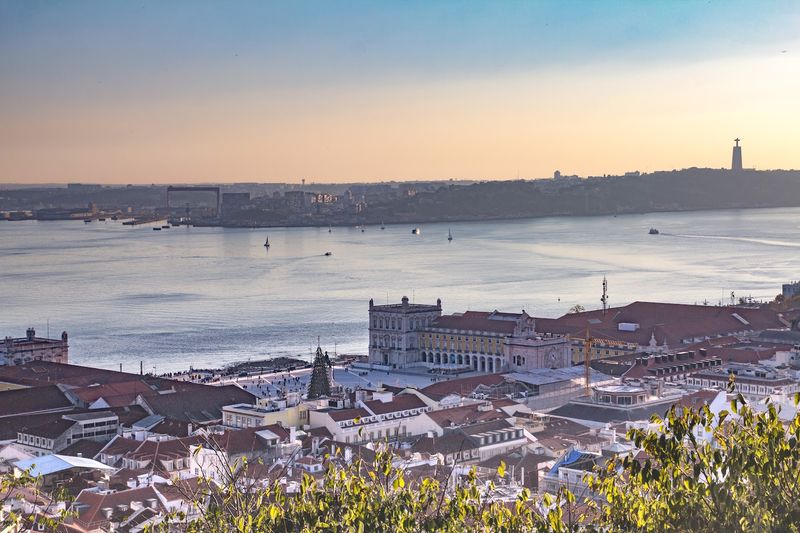
Lisbon is the kind of city that sneaks up on you. You think you’re just going for a weekend, and suddenly you’re on day five, still discovering new neighborhoods.
The city’s famous hills, called miradouros, reward every climb with jaw-dropping views over orange rooftops and the glittering Tagus River.
Solo travelers absolutely thrive here. The hostel scene is one of the best in Europe, and the locals are genuinely warm and welcoming.
Hop on Tram 28 for a classic Lisbon experience, or wander through Alfama’s maze of alleyways where fado music drifts out from tiny restaurants.
Food is a highlight you’ll want to budget time for. Pastel de nata pastries from a local bakery cost almost nothing and taste like everything.
Lisbon’s public transport is affordable and easy to use, making day trips to Sintra or Cascais a breeze. This city has a relaxed, sun-soaked energy that makes solo travelers feel instantly comfortable, never lonely.
Prague, Czech Republic
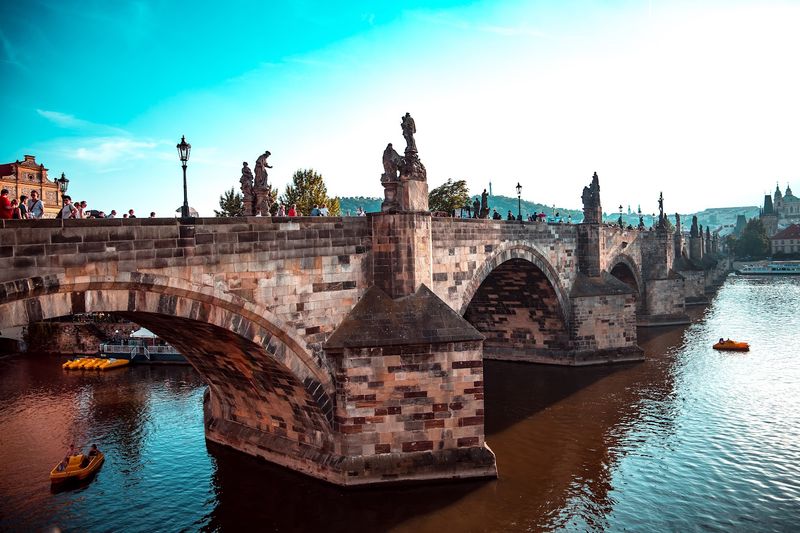
Stepping into Prague’s Old Town feels like walking straight into a storybook. The Gothic towers, cobblestone squares, and centuries-old bridges look almost too beautiful to be real.
The famous Astronomical Clock in Old Town Square draws crowds every hour, but even the busiest corners of the city have quiet side streets waiting to be found.
One of the best things about Prague for solo travelers is how compact and walkable everything is. You can cross the entire historic center on foot in under an hour.
That means more time for spontaneous café stops and less time stressing about logistics.
Budget travelers will also love the prices here. Meals, beer, and accommodation are significantly cheaper than in Western European capitals.
The city has a thriving hostel culture with regular social events, making it easy to connect with other travelers if you want company. Did you know Prague’s Charles Bridge is decorated with 30 Baroque statues?
Each one has its own legend, giving solo wanderers plenty of interesting history to explore between coffee stops.
Reykjavik, Iceland
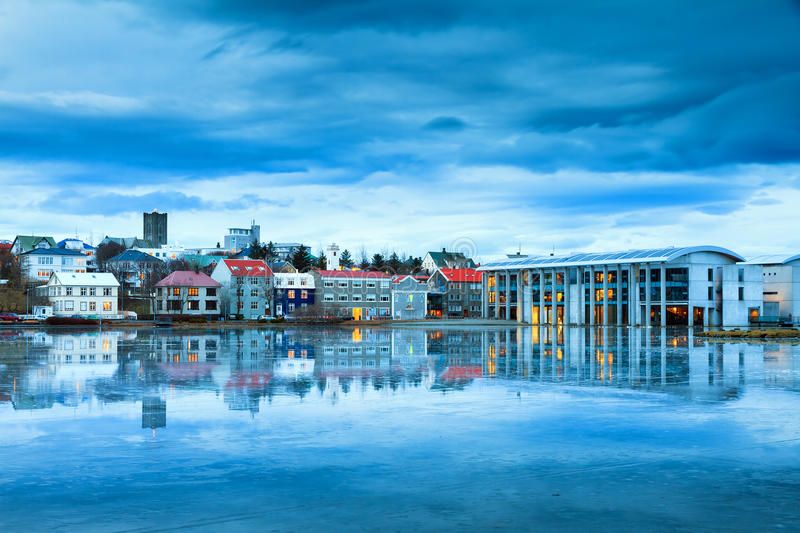
Reykjavik might just be the world’s coziest capital city. With a population of only around 130,000 people, it has a small-town friendliness that makes solo travelers feel safe and surprisingly at ease from the moment they land.
Crime is almost nonexistent, and locals are happy to chat and point you in the right direction.
The city itself is charming and walkable, packed with colorful houses, independent coffee shops, and quirky street art. But Reykjavik’s real power is what surrounds it.
Within a few hours, you can visit roaring waterfalls, soak in geothermal hot springs, walk on a glacier, and watch the Northern Lights shimmer overhead.
Organized day tours depart daily from the city center, making it easy to join a group without needing a car or a travel partner. Iceland consistently ranks as one of the safest countries on the planet, so solo female travelers especially tend to feel confident exploring here.
Fair warning though, Iceland is not cheap. Plan your budget carefully and you’ll have one of the most unforgettable solo trips of your life.
Ljubljana, Slovenia
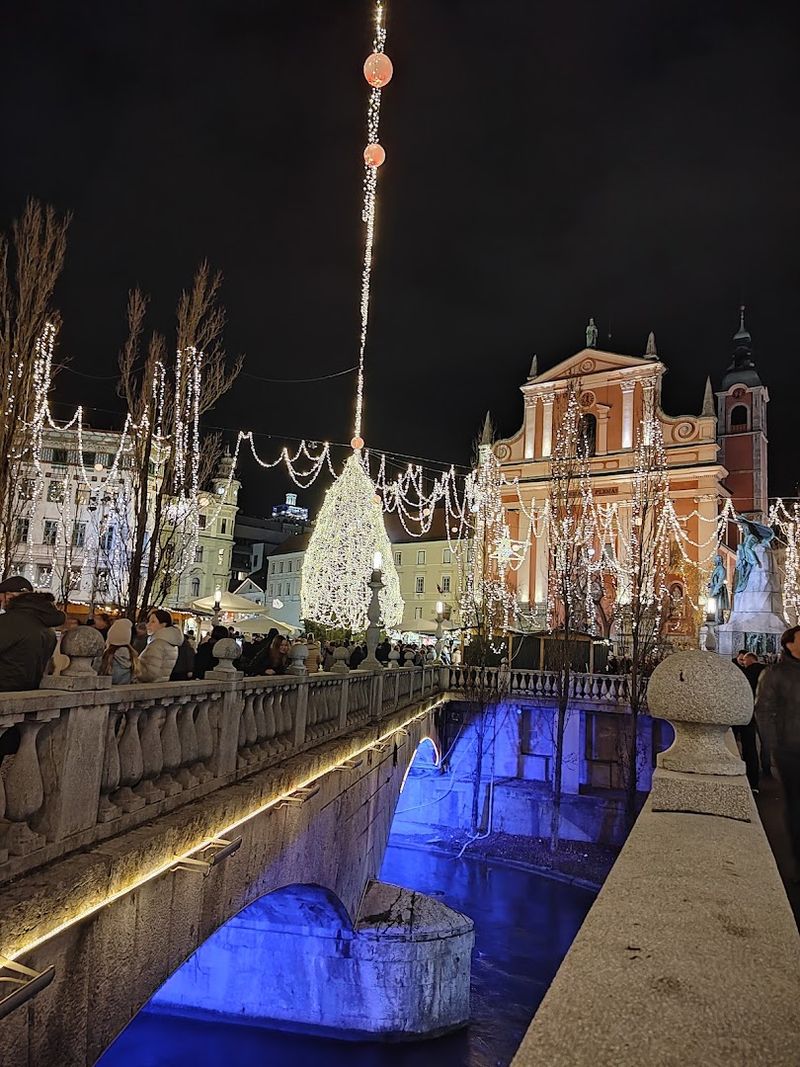
Most travelers fly right past Slovenia on their way to Croatia or Austria, which means Ljubljana remains wonderfully uncrowded and genuinely authentic. Slovenia’s capital is small enough to explore in a day but interesting enough to keep you busy for a week.
The city is also one of Europe’s greenest, with car-free zones, riverside paths, and parks tucked into every corner.
Ljubljana Castle sits on a forested hill right above the old town, and the funicular ride up takes less than a minute. From the top, the view over the terracotta rooftops and the winding Ljubljanica River is absolutely worth every step.
Solo travelers can spend hours wandering the castle grounds without spending much money at all.
The café culture along the riverbank is relaxed and social, making it easy to sit, people-watch, and strike up a conversation. Lake Bled is only 55 kilometers away, making it a perfect day trip.
Slovenia is also remarkably affordable compared to its neighbors, so your travel budget stretches further here. Ljubljana consistently wins awards as one of Europe’s most livable and visitor-friendly small capitals.
Amsterdam, Netherlands
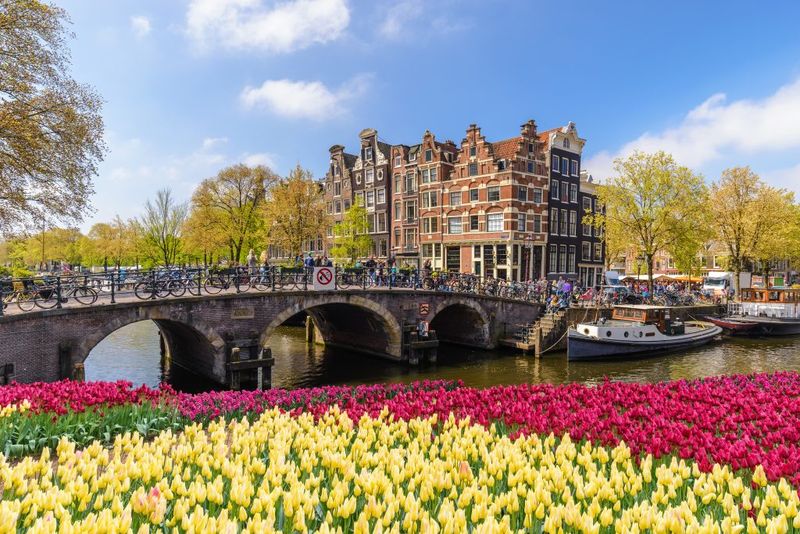
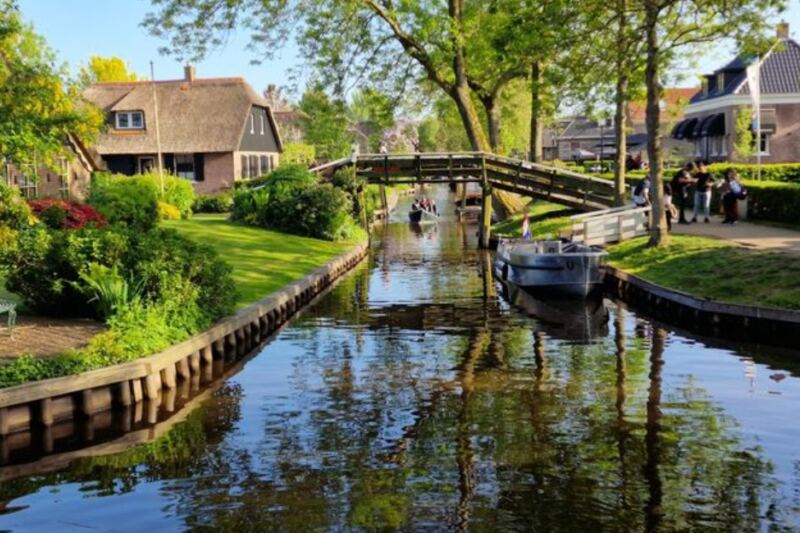
Amsterdam’s canals have a way of making everything look like a painting. The narrow townhouses leaning slightly over the water, the houseboats, the arched bridges, the cyclists weaving confidently through it all.
It’s a city with a personality that’s both easygoing and endlessly interesting, which is great news for anyone exploring alone.
Renting a bike is practically a rite of passage here. For a few euros a day, you can pedal through the Jordaan neighborhood, cruise past the Anne Frank House, and reach Vondelpark without ever sitting in traffic.
Solo travelers find Amsterdam easy to navigate thanks to its logical canal-ring layout and excellent English-speaking locals.
Museum lovers could spend days here without running out of things to see. The Rijksmuseum alone holds over 8,000 objects from the Dutch Golden Age.
The Van Gogh Museum and the Stedelijk for modern art are equally impressive. If you prefer markets, the Albert Cuyp Market is one of Europe’s largest outdoor street markets and an ideal spot to grab lunch on the go.
Amsterdam rewards solo visitors who take their time and stay curious.
Edinburgh, Scotland
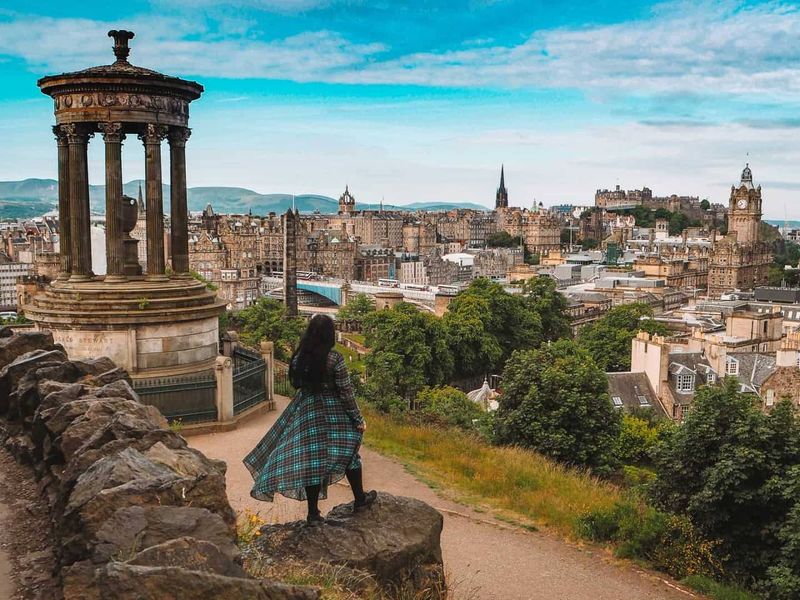
There’s something wonderfully dramatic about Edinburgh that hooks visitors from the moment they arrive. The city rises and falls across ancient volcanic rock, with a medieval castle at the top and a royal palace at the bottom.
Between them runs the Royal Mile, one of Europe’s most historically packed stretches of street.
Solo travelers do exceptionally well here. The compact layout means you can walk from the Old Town’s narrow closes to the New Town’s Georgian streets in about fifteen minutes.
Edinburgh’s pub culture is also famously social, and it’s genuinely easy to start a conversation over a pint of Scottish ale.
The city is home to Arthur’s Seat, an ancient volcano right inside the city limits that offers a rewarding hike with panoramic views as the prize. On a clear day, you can see all the way to the Firth of Forth.
Edinburgh also hosts the world’s largest arts festival every August, the Edinburgh Festival Fringe, which transforms the city into a non-stop carnival of performances and street entertainment. Year-round, Edinburgh has a lively, creative energy that keeps solo travelers thoroughly entertained.
Copenhagen, Denmark
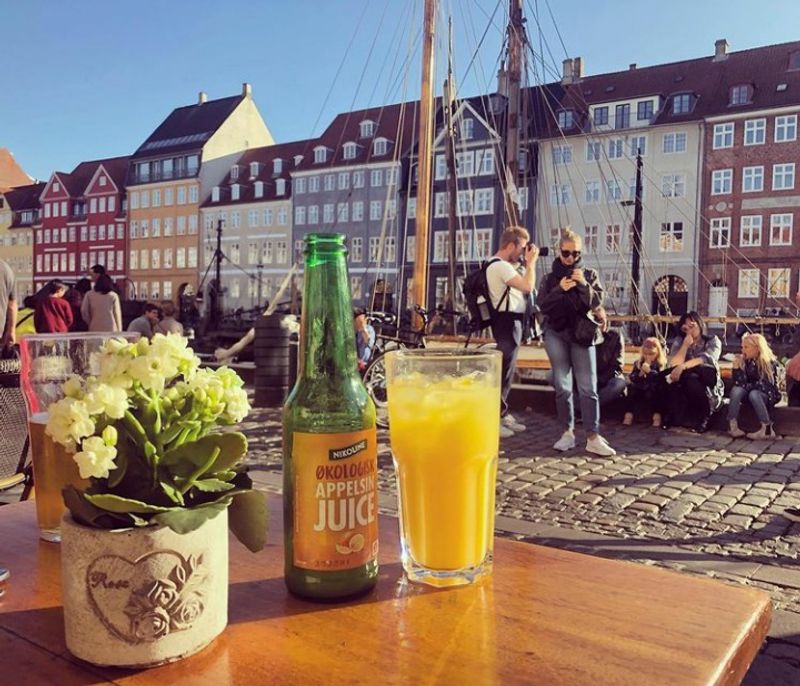
Copenhagen has a reputation for being expensive, and honestly, it’s earned. But what you get in return is a city that feels polished, safe, and genuinely wonderful to explore alone.
The Danes have perfected the art of hygge, that cozy sense of contentment, and it’s contagious. You’ll feel it in the candlelit cafés, the relaxed pace, and the way everyone seems perfectly happy doing their own thing.
Cycling is the main mode of transport here, and the city’s infrastructure makes it a joy for beginners and experienced riders alike. Nyhavn, the famous colorful waterfront district, is a must-see, though the real Copenhagen hides in neighborhoods like Nørrebro and Frederiksberg, where locals actually live and eat.
Copenhagen’s food scene is world-class. The city has more Michelin-starred restaurants per capita than almost anywhere else in Europe.
You don’t need a reservation at Noma to eat brilliantly, though. The city’s food markets and street food stalls offer incredible quality at much friendlier prices.
Public transport is reliable, clean, and easy to use, making longer day trips to the Louisiana Museum of Modern Art a straightforward adventure for solo explorers.
Florence, Italy
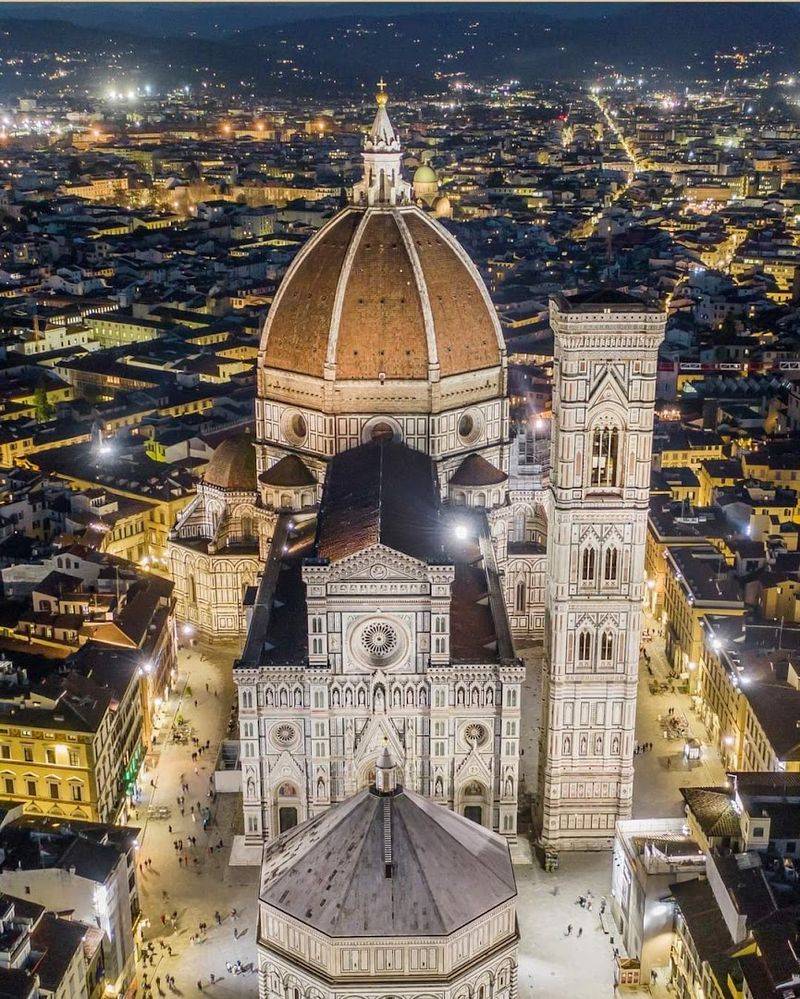
Florence is the kind of place that makes you feel smarter just by walking around. Renaissance masterpieces aren’t locked away in obscure galleries here.
They’re literally built into the walls, streets, and piazzas of everyday city life. The Duomo’s iconic dome has been dominating the skyline since the 1400s and still manages to stop people in their tracks.
Solo travelers benefit enormously from Florence’s compact size. The Uffizi Gallery, Ponte Vecchio, Piazzale Michelangelo, and the Accademia where Michelangelo’s David lives are all within comfortable walking distance of each other.
You can structure your own pace, linger as long as you like, and skip anything that doesn’t interest you.
Eating alone in Florence is a genuine pleasure rather than an awkward experience. Many trattorias have communal seating or bar counters where solo diners are warmly welcomed.
Grab a lampredotto sandwich from a street cart for a truly local lunch experience. Booking Uffizi tickets in advance is strongly recommended to avoid hours-long queues.
Florence also makes a great base for day trips to Siena, San Gimignano, and the Chianti wine region, all easily reached by bus or train.
Zadar, Croatia
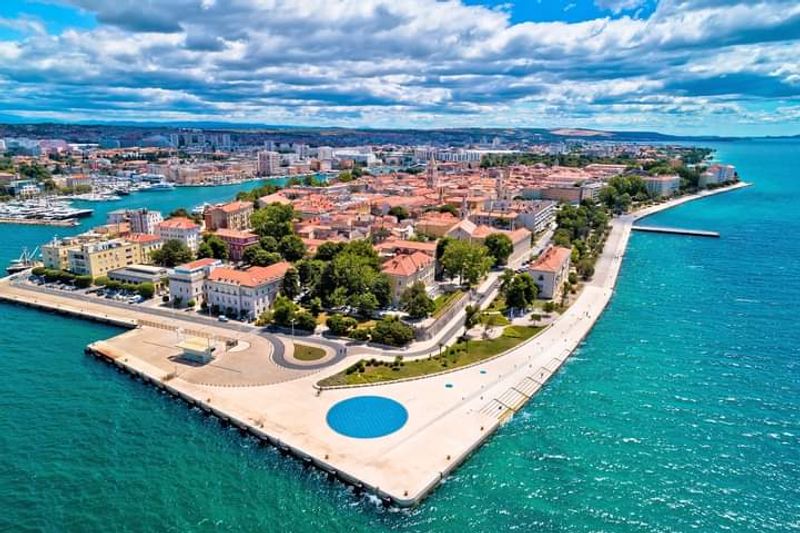
Alfred Hitchcock once called Zadar’s sunset the most beautiful in the world. That’s a bold claim, but standing on the waterfront promenade as the Adriatic turns gold and the Sea Organ hums its eerie, wave-powered melody, it’s hard to argue with him.
Zadar earns its reputation as Croatia’s most underrated city every single day.
Unlike Dubrovnik, which can feel overwhelmed by cruise ship crowds, Zadar has maintained a relaxed local atmosphere. The Old Town sits on a peninsula surrounded by water on three sides, making it naturally contained and extremely walkable.
Roman ruins sit casually next to medieval churches and modern cafés, which gives the city a wonderfully layered feel.
The Sea Organ is genuinely one of Europe’s most unusual attractions. Architect Nikola Basic designed it so that waves push air through pipes beneath the marble steps, creating an ever-changing musical performance.
Nearby, the Sun Salutation installation charges by day and puts on a light show at night. Solo travelers find Zadar refreshingly unhurried.
It’s a city where you can spend an afternoon watching the sea without feeling like you’re missing something. Ferries to nearby islands leave regularly from the harbor.
Vienna, Austria
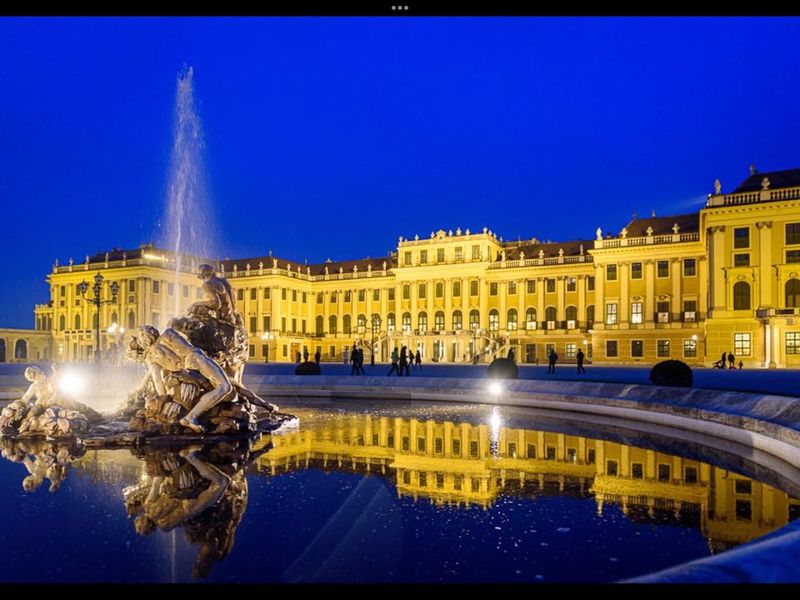
Vienna operates on a level of elegance that feels almost theatrical. Grand boulevards, gilded concert halls, imperial palaces, and coffeehouses that have been serving Melange coffee and Sachertorte for over a century.
The city takes culture seriously, and that seriousness is part of what makes it so deeply satisfying to explore alone.
The famous Ringstrasse boulevard alone could keep a curious solo traveler busy for hours. It’s lined with the State Opera House, the Kunsthistorisches Museum, the Burgtheater, and the Parliament building, all built during the reign of Emperor Franz Joseph I.
The Schonbrunn Palace and its gardens are equally impressive and just a short U-Bahn ride from the center.
Vienna’s coffeehouse culture is actually listed as UNESCO Intangible Cultural Heritage, which tells you everything about how seriously the city takes the art of sitting quietly with a good coffee and a newspaper. Solo travelers fit right into this culture.
Public transport here is exceptional, covering virtually every corner of the city efficiently. Standing-room tickets at the State Opera cost as little as a few euros, making world-class performances surprisingly accessible for budget-conscious independent travelers.
San Sebastian, Spain
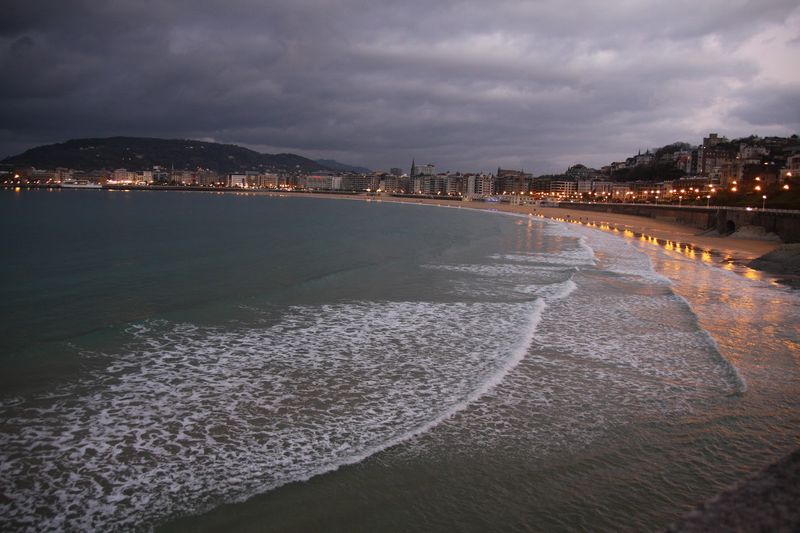
San Sebastian might be the most delicious city in Europe, and that’s not an exaggeration anyone takes lightly in a continent that also contains Paris and Bologna. The Basque city has more Michelin stars per square kilometer than almost anywhere else on the planet.
But you don’t need a reservation at a fancy restaurant to eat extraordinarily well here.
The real magic happens in the pintxos bars of the Parte Vieja, the old quarter. Every counter is loaded with small bites of bread topped with cured meats, seafood, cheese, and creative combinations you won’t find anywhere else.
Solo travelers have a distinct advantage here because hopping between bars alone is completely normal and actually encouraged by locals.
La Concha beach is one of Europe’s finest urban beaches, curving gracefully around the bay with the old town rising dramatically behind it. A morning swim followed by a coffee on the promenade is as close to perfect as a solo morning gets.
Monte Urgull and Monte Igueldo both offer hiking trails with stunning panoramic views. San Sebastian has a confident, unhurried energy that makes solo travelers feel like they belong from the very first pintxo.
Faroe Islands, Denmark
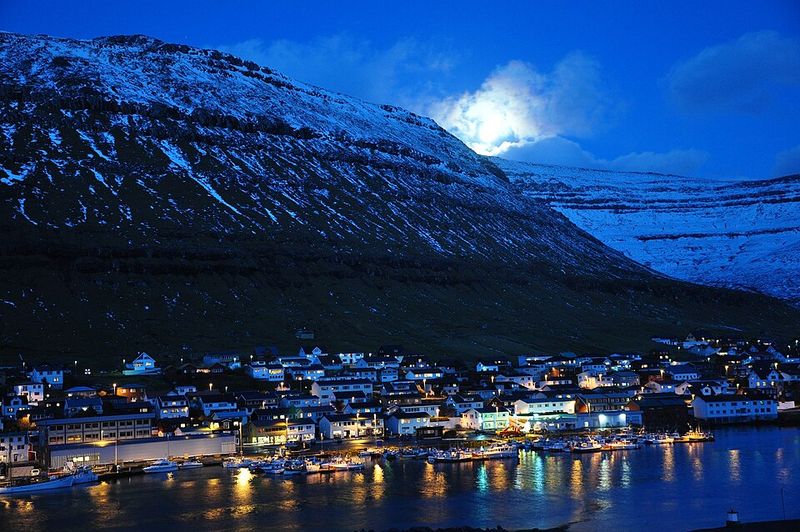
The Faroe Islands look like someone took a fantasy novel’s landscape and made it real. Eighteen volcanic islands jutting out of the North Atlantic, covered in impossibly green grass, carved by waterfalls that drop straight into the sea, and populated by more sheep than people.
For solo travelers seeking genuine solitude and drama, this place is extraordinary.
Torshavn, the world’s smallest capital city, is the starting point for most explorations. It has a surprisingly good café scene and a charming old harbor district called Tinganes with some of the oldest wooden buildings in the North Atlantic.
From here, rental cars or organized tours make the rest of the islands accessible.
Hiking is the main attraction, and trails range from easy lakeside walks to challenging ridge routes above the clouds. The viewpoint at Gasadalur, where a waterfall plunges over a cliff directly into the ocean, is one of the most photographed spots in the North Atlantic.
The Faroe Islands receive far fewer tourists than mainland European destinations, which means trails stay uncrowded and experiences feel genuinely personal. Weather changes fast here, so pack layers and waterproof gear no matter what month you visit.
Budapest, Hungary
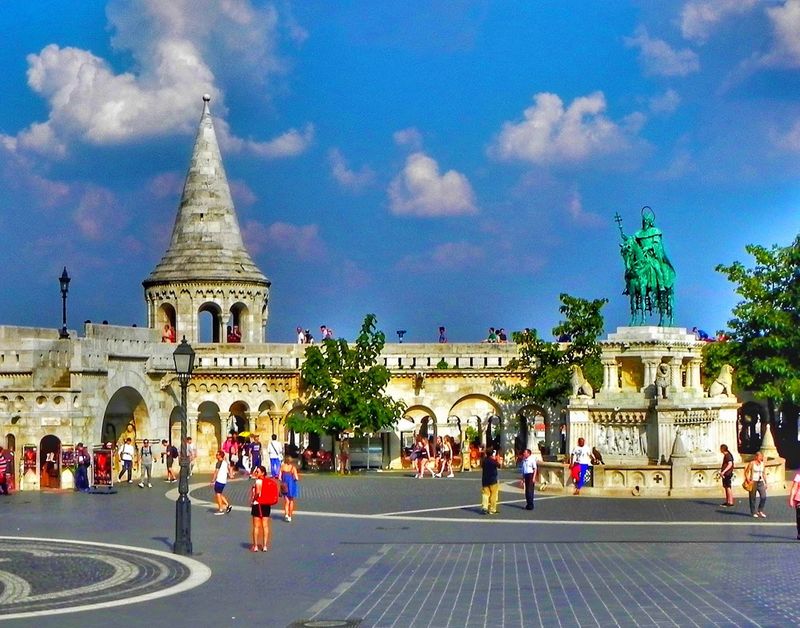
Budapest is two cities in one, literally. Buda and Pest sit on opposite sides of the Danube, connected by a series of gorgeous bridges, and each side has its own distinct personality.
Buda is hilly, historic, and quiet. Pest is flat, energetic, and packed with cafés, ruin bars, and street life that runs well past midnight.
The thermal bath culture here is something no solo traveler should skip. The Szechenyi Baths, built in 1913, are the largest medicinal baths in Europe and a wonderfully social experience.
Soaking in steaming outdoor pools surrounded by Neo-Baroque architecture while locals play chess on floating boards is exactly as surreal and wonderful as it sounds.
Budapest is one of Europe’s most affordable capitals, which means your budget goes a long way. Ruin bars, most famously Szimpla Kert, are unique to Budapest and create an effortlessly social atmosphere where meeting fellow travelers happens naturally.
The Hungarian Parliament Building is stunning from both the river and up close, and the guided interior tours are well worth the modest entrance fee. A sunset cruise on the Danube is one of Europe’s great cheap thrills for solo travelers.
Lake Bled, Slovenia
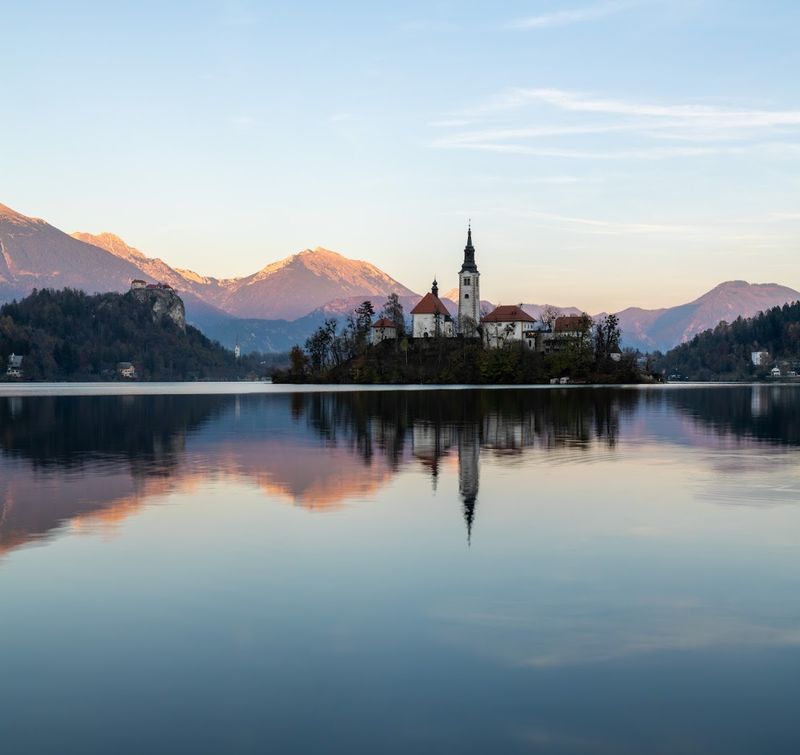
Lake Bled is the kind of place that makes you wonder if you’ve accidentally walked into a screensaver. A medieval castle clings to a cliff above a perfectly blue-green lake.
In the middle of that lake sits a tiny island with a white church. Mountains ring the entire scene.
It’s almost aggressively beautiful, and it’s completely real.
Solo travelers can walk the entire 6-kilometer path around the lake in about two hours, stopping at viewpoints and lakeside benches along the way. Traditional wooden boats called pletnas carry visitors to Bled Island, where climbing the 99 steps to the church and ringing the wishing bell is said to grant your heart’s desire.
No travel partner required for that particular ritual.
Ojstrica and Mala Osojnica viewpoints above the lake offer the classic postcard angles and involve short but rewarding hikes through forest trails. Cream cake, called kremsnita, is the local specialty and absolutely mandatory.
The town of Bled itself has good accommodation options at various price points, from budget hostels to cozy guesthouses. Bled is also an excellent base for exploring Triglav National Park, Slovenia’s only national park and one of the Alps’ best kept secrets.
Madrid, Spain
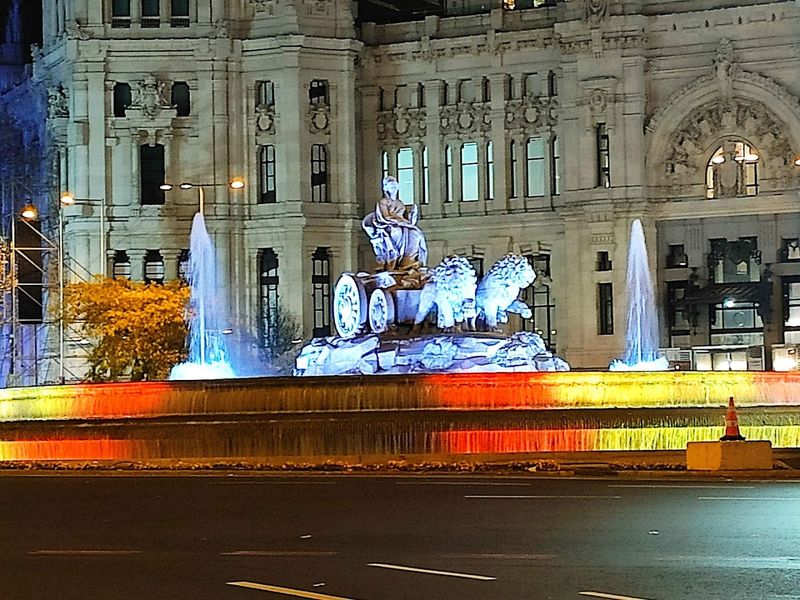
Madrid rewards solo travelers who stay up late. The city doesn’t really wake up for dinner until nine or ten at night, tapas bars fill up around eleven, and the nightlife carries on until sunrise.
If that sounds exhausting, it’s actually the opposite. Madrid’s energy is infectious, and solo travelers find it remarkably easy to fall into the city’s rhythm.
The museum scene here is world-class and genuinely hard to match anywhere. The Prado holds one of the greatest collections of European art on the planet, with masterworks by Velazquez, Goya, and Raphael.
The Reina Sofia next door houses Picasso’s Guernica, one of the most powerful paintings ever made. Both museums are free on certain evenings, which is excellent news for budget travelers.
Getting around Madrid is effortless thanks to one of Europe’s most efficient and affordable metro systems. The city’s plazas, especially Plaza Mayor and Puerta del Sol, are natural gathering points where solo visitors blend seamlessly into the crowd.
The Retiro Park offers a peaceful green escape in the middle of the city. Recent solo travel rankings have placed Madrid at the very top of European destinations, citing safety, transport, food, and pure livability as key reasons why.
Share this story