Europe is packed with jaw-dropping mountain scenery that ranges from snow-capped Alpine giants to fiery volcanic peaks. Whether you dream of riding a cable car above the clouds, hiking through ancient mythology, or watching lava fields cool in the Mediterranean sun, there is a European mountain with your name on it.
These ten peaks represent the very best the continent has to offer, and each one delivers a completely different kind of adventure. Pack your boots, charge your camera, and get ready to look up.
Matterhorn – Switzerland / Italy
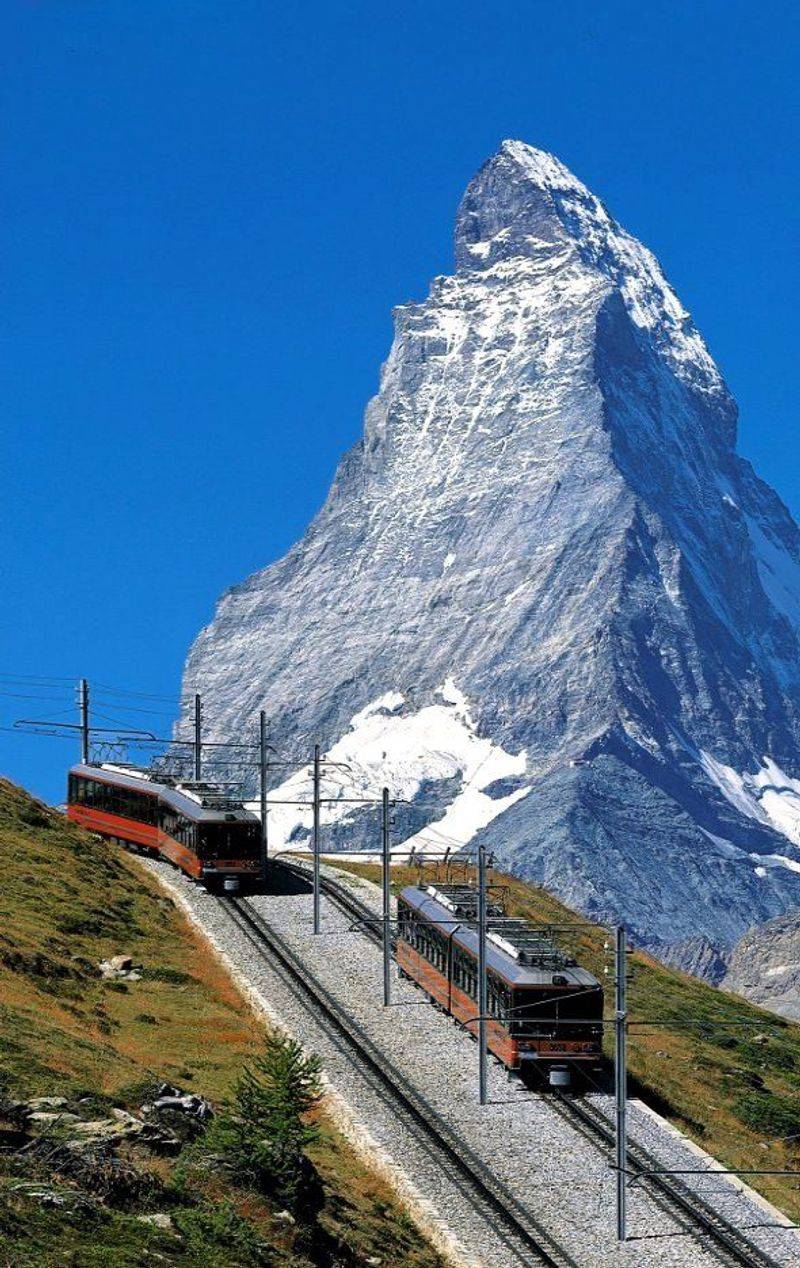
Few mountains on Earth stop people dead in their tracks quite like the Matterhorn. Rising 4,478 meters above the Alps, its near-perfect pyramid silhouette is so striking that a chocolate brand used it as their logo.
That is how famous this peak really is.
The car-free village of Zermatt sits right at its base and serves as the perfect launchpad for exploring the area. Hop aboard the Gornergrat Railway for sweeping panoramic views without breaking a sweat.
The train ride alone is worth the trip.
Serious climbers attempt the Hornli Ridge route each summer, but you do not need ropes and crampons to enjoy the Matterhorn up close. Hiking trails wind through wildflower meadows offering jaw-dropping angles of the peak at every turn.
Winter transforms the region into one of Switzerland’s top ski destinations, with long runs and reliable snow. First-time visitors often say seeing it in person is somehow even more dramatic than every photo they have ever seen of it.
Mont Blanc – France / Italy
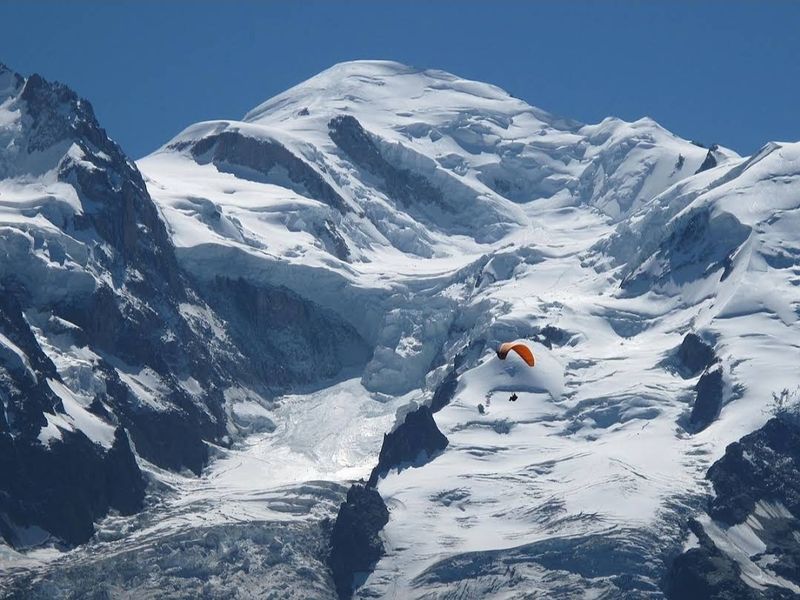
Standing at a whopping 4,808 meters, Mont Blanc holds the title of Western Europe’s tallest mountain, and it wears that crown with serious style. The French call it “the White Mountain,” and once you see those glacier-draped slopes glowing in the afternoon sun, the name makes perfect sense.
Chamonix, the lively town nestled in the valley below, has been a hub for mountaineers and adventurers since the 1700s. The Aiguille du Midi cable car whisks visitors 3,842 meters into the sky in just 20 minutes.
Standing on that platform with clouds swirling below you is genuinely hard to put into words.
Hikers can tackle sections of the famous Tour du Mont Blanc trail, a 170-kilometer route circling the entire massif through France, Italy, and Switzerland. You get three countries in one epic hike.
Paragliding from the surrounding peaks is wildly popular and gives you a bird’s-eye view that photographs can barely capture. Mont Blanc is not just a mountain; it is an entire world unto itself, and every season offers something completely different for visitors willing to show up.
Mount Elbrus – Russia
Surprise! Europe’s actual highest peak is not in the Alps at all.
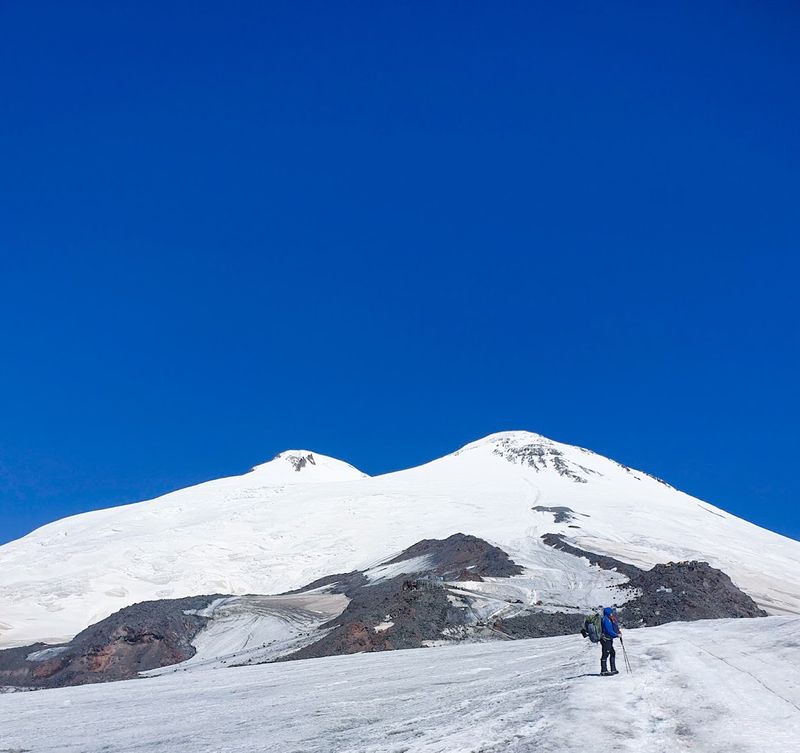
Mount Elbrus, a dormant volcano in Russia’s Caucasus Mountains, soars to 5,642 meters and beats every other European summit by a considerable margin. Climbers chasing the Seven Summits list have this one circled in red.
The mountain has two distinct summits, both blanketed in permanent snow and ice year-round. A gondola system carries visitors up to around 3,800 meters, making the initial ascent far less exhausting than expected.
From there, the views of the surrounding Caucasus range are absolutely breathtaking.
Terskol is the main base town and offers solid accommodation, equipment rental, and experienced local guides. The best climbing window runs from late June through early September when weather conditions are most stable.
Even non-climbers enjoy snowmobile tours and ski runs across the mountain’s vast white slopes during winter months. The local Balkar culture adds a fascinating cultural layer to any visit, with traditional food and warm hospitality waiting in the mountain villages below.
Elbrus rewards the bold and the curious in equal measure, making every visit genuinely memorable.
Tre Cime di Lavaredo – Italy
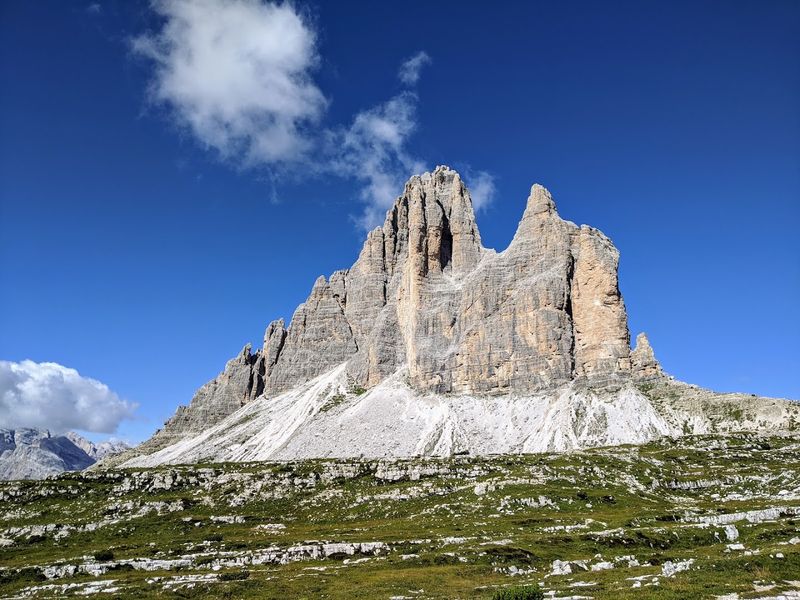
Three massive limestone towers shooting straight up from the earth like nature’s own skyscrapers: that is Tre Cime di Lavaredo in a nutshell. Located in the heart of Italy’s Dolomites, these three jagged spires have inspired climbers, photographers, and daydreamers for well over a century.
The highest tower, Cima Grande, reaches 2,999 meters. The surrounding UNESCO World Heritage landscape is so photogenic that you will fill your memory card before lunchtime.
The famous circular hiking trail around all three peaks takes roughly three to four hours and is manageable for most reasonably fit walkers.
The Rifugio Auronzo road offers vehicle access during summer, putting the trailhead within easy reach even for those without hiking experience. Sunrise and sunset light transforms the pale rock into warm shades of orange and pink, creating scenes that look almost unreal.
Rock climbers from across Europe test themselves on the sheer north faces, some of the most challenging walls on the continent. Winter brings deep snow and a magical silence to the area, though most trails close until spring.
Tre Cime is proof that nature sometimes shows off just a little bit.
Grossglockner – Austria
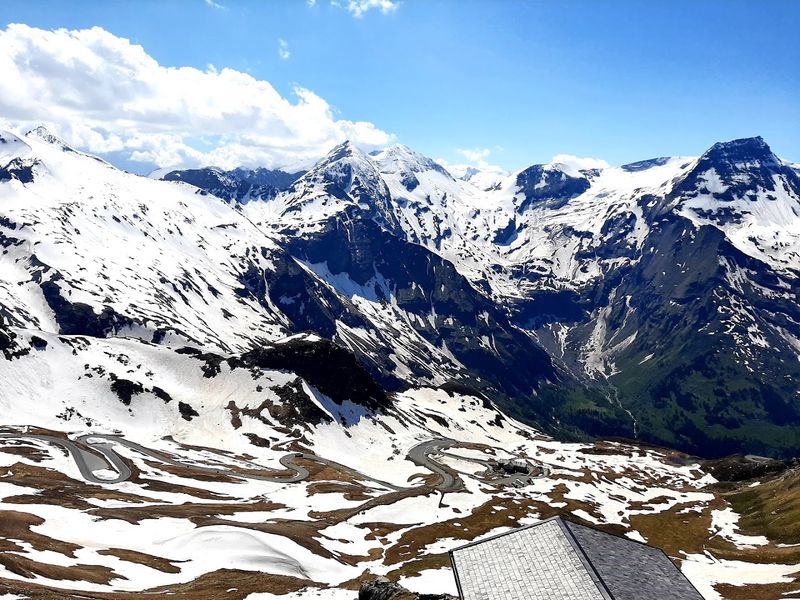
Austria’s crown jewel of mountains punches well above its weight at 3,798 meters. The Grossglockner presides over Hohe Tauern National Park with the quiet authority of a mountain that knows it is the tallest thing for miles.
And the road built to honor it might be just as spectacular as the peak itself.
The Grossglockner High Alpine Road is one of Europe’s most celebrated scenic drives. Stretching 48 kilometers through hairpin bends, alpine pastures, and glacier viewpoints, it delivers non-stop visual drama from the moment you leave the valley.
The Kaiser-Franz-Josefs-Hohe visitor platform gives you a front-row seat to the Pasterze Glacier, Austria’s longest.
Hikers can access well-marked trails from various points along the road, ranging from gentle meadow walks to more demanding ridge hikes. Wildlife sightings are common here: marmots, chamois, and golden eagles all call this national park home.
The village of Heiligenblut, with its striking Gothic church spire framed against the mountain, makes for a classic photograph. Visiting in late summer means you catch wildflowers at their peak while the high road is still fully open.
Grossglockner delivers mountain drama without requiring any serious climbing experience.
Mount Olympus – Greece
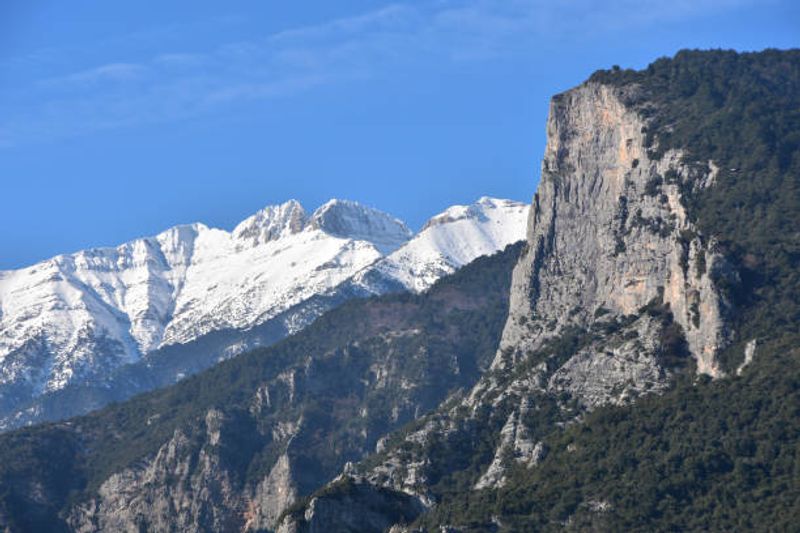
Home of the ancient Greek gods and still one of the most mythically charged places on Earth, Mount Olympus carries its legendary status with effortless cool. Zeus, Hera, Apollo, and the whole divine crew supposedly ruled the universe from these very slopes.
That backstory alone makes every hiking step feel a little more epic.
The mountain reaches 2,917 meters at its highest point, called Mytikas, and sits within Greece’s first national park established back in 1938. Dense forests of black pine and beech give way to rocky alpine terrain as you climb higher.
The biodiversity here is remarkable, with over 1,700 plant species recorded across the mountain’s slopes.
The main hiking base is the village of Litochoro, a charming town with good restaurants and accommodation options for all budgets. Most hikers take two days to summit, staying overnight at one of the mountain refuges perched dramatically on the upper ridges.
The views from the top on a clear day stretch across the Aegean Sea and deep into the Macedonian plains. Olympus rewards those who make the effort with scenery that feels genuinely otherworldly.
Even the ancient gods had excellent taste in real estate.
Zugspitze – Germany
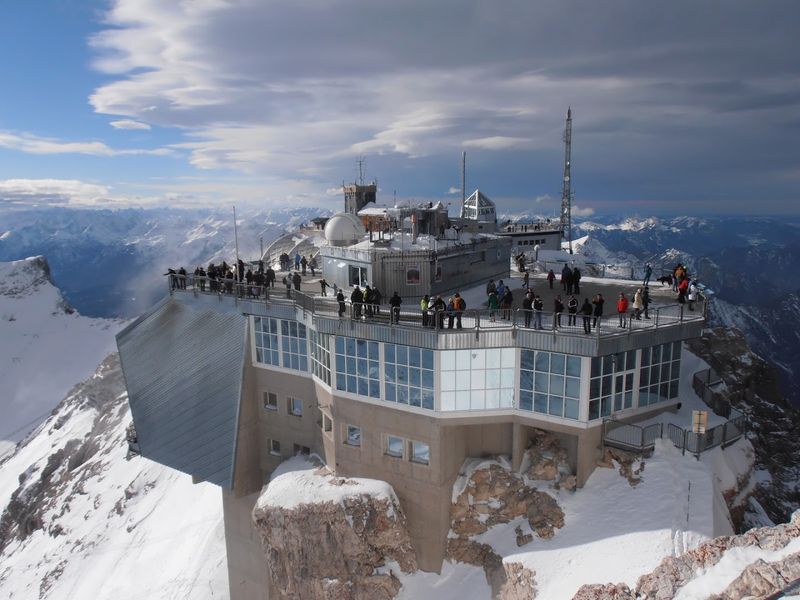
Germany’s highest mountain has a party trick that most peaks can only dream of: on a clear day, you can see four countries from the summit. Standing at 2,962 meters, the Zugspitze sits right on the German-Austrian border and offers one of the most expansive panoramas in the entire Alps.
Getting to the top is half the fun. You can ride the Zugspitze Cog Railway, which tunnels dramatically through the mountain itself, or take the cable car from the Austrian side for a more vertigo-inducing approach.
Either way, the summit arrival feels like a proper event.
The Zugspitzplatt plateau below the peak hosts Germany’s highest ski area, with reliable snow from November through May. In summer, the area transforms into a hiking destination with trails crossing between the German and Austrian sides freely.
The Eibsee lake at the mountain’s base is one of Bavaria’s most beautiful, with crystal-clear turquoise water reflecting the peaks above. A visit pairs perfectly with nearby Garmisch-Partenkirsch, a lively Bavarian town full of character, great food, and traditional architecture.
Zugspitze proves that Germany’s mountain credentials are every bit as strong as its neighbors.
Triglav – Slovenia
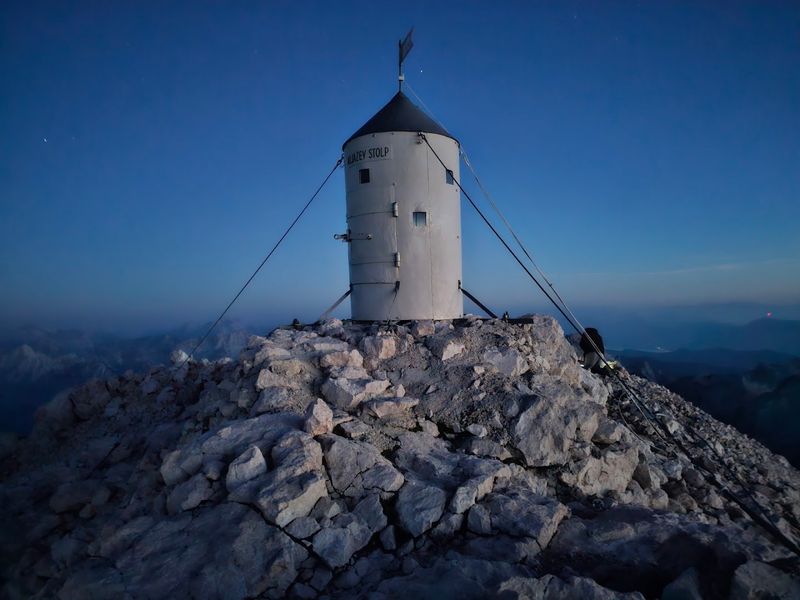
In Slovenia, climbing Triglav is not just a hike. It is practically a national tradition.
The mountain’s three-headed rocky summit, which gave it the name Triglav meaning “three heads” in Slovenian, even appears on the country’s flag and coat of arms. That is how deeply this peak is woven into Slovenian identity.
Rising to 2,864 meters, Triglav anchors Triglav National Park, Slovenia’s only national park and one of the oldest protected areas in the Alps. The surrounding Julian Alps deliver scenery so gorgeous it borders on unfair: emerald rivers, glacial lakes, limestone gorges, and wildflower-covered meadows all packed into one compact region.
The famous Soca River Valley nearby glows an almost electric shade of turquoise, making it a magnet for kayakers and photographers alike. Hikers tackling the summit typically use via ferrata routes equipped with fixed cables and iron pegs for safety.
The effort is real but absolutely achievable for anyone with reasonable fitness and a head for heights. Bled, one of Europe’s most photographed lake towns, sits just a short drive from the park entrance.
Slovenia is one of Europe’s best-kept travel secrets, and Triglav is its magnificent centerpiece.
Mount Etna – Sicily, Italy
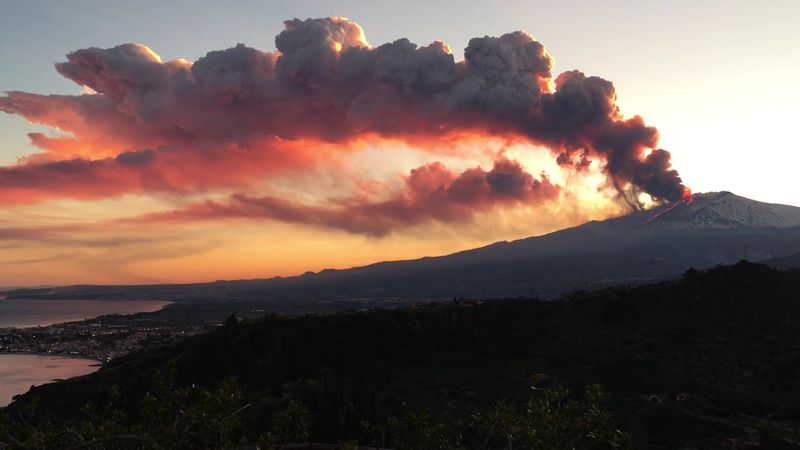
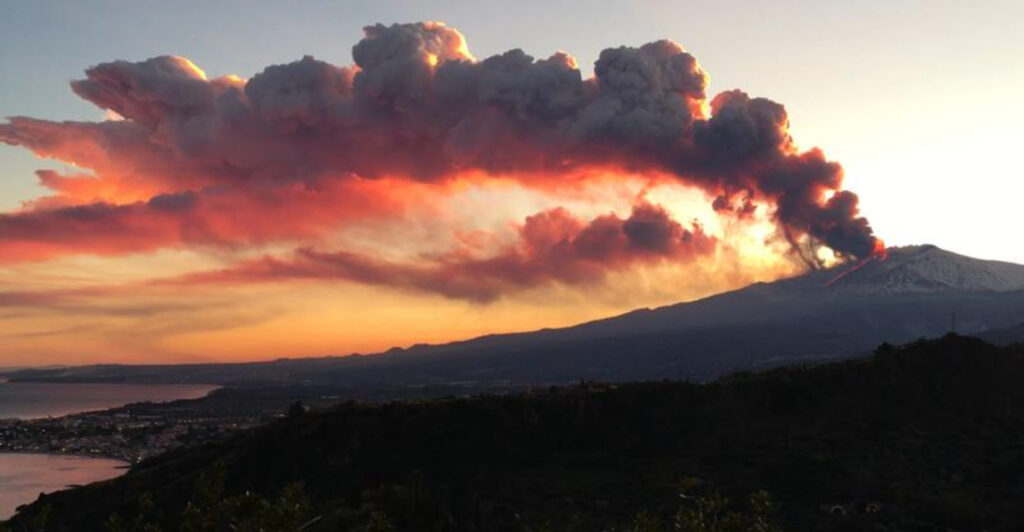
Mount Etna does not just sit there looking pretty. Europe’s largest active volcano regularly reminds everyone in eastern Sicily exactly who is in charge, with eruptions that light up the night sky and send rivers of glowing lava crawling down its slopes.
Living near Etna is essentially choosing to coexist with one of nature’s most dramatic forces.
The volcano stands around 3,350 meters tall, though that number actually changes after major eruptions reshape the summit. Guided tours run year-round, taking visitors by cable car and 4×4 vehicle up to the edge of the craters.
The lunar-like landscape of hardened black lava fields is utterly unlike anywhere else in Europe.
Etna’s fertile volcanic soil makes the surrounding region one of Sicily’s most productive agricultural zones, growing exceptional wines, pistachios, and citrus fruits. The town of Nicolosi serves as a popular base for mountain excursions and has excellent local restaurants showcasing those volcanic-soil flavors.
Sunset from the upper slopes, with the Sicilian coastline glowing orange below and smoke drifting from the craters above, is an experience that stays with you for years. Etna is proof that the most dangerous things are often the most beautiful.
Teide – Tenerife, Spain
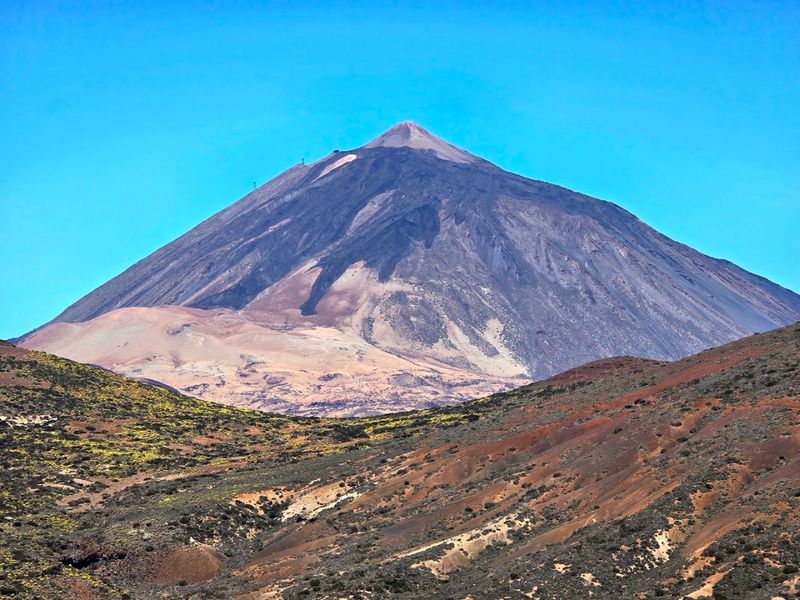
Imagine standing above the clouds on a volcanic peak, surrounded by alien-looking lava fields, with the Atlantic Ocean sparkling far below. That is a Tuesday on Mount Teide.
Spain’s highest mountain rises 3,718 meters above Tenerife and is so massive it can be spotted from neighboring islands on clear days.
Teide National Park, a UNESCO World Heritage Site, wraps around the volcano in a ring of extraordinary volcanic scenery. The cable car carries visitors to 3,555 meters in just eight minutes, depositing them into thin air with panoramic views stretching across the Canary Islands.
A special permit is required to walk the final section to the actual summit.
The park’s diverse rock formations come in shades of red, orange, black, and ochre, making it one of the most colorful mountain landscapes anywhere on the continent. Stargazing here is world-class: Teide sits above much of the atmospheric interference that ruins skies elsewhere, and the park hosts regular astronomy events.
The surrounding island means beach resorts are just an hour’s drive from the summit, giving Tenerife a ridiculous range of experiences in one compact destination. Teide is extraordinary, full stop.
Share this story