Tucked inside a dense Pacific Northwest forest, there is a place where the earth literally heats your bath for you. A short woodland trail leads to a series of steaming, mineral-rich pools that have drawn curious visitors for decades.
The setting is so peaceful that time seems to slow down the moment you step off the trailhead. This is not a resort or a spa, but something far more interesting, and the story behind every pool, every mossy rock, and every seasonal visit is worth knowing before you pack your bag.
Finding the Trailhead: Address, Access, and First Impressions
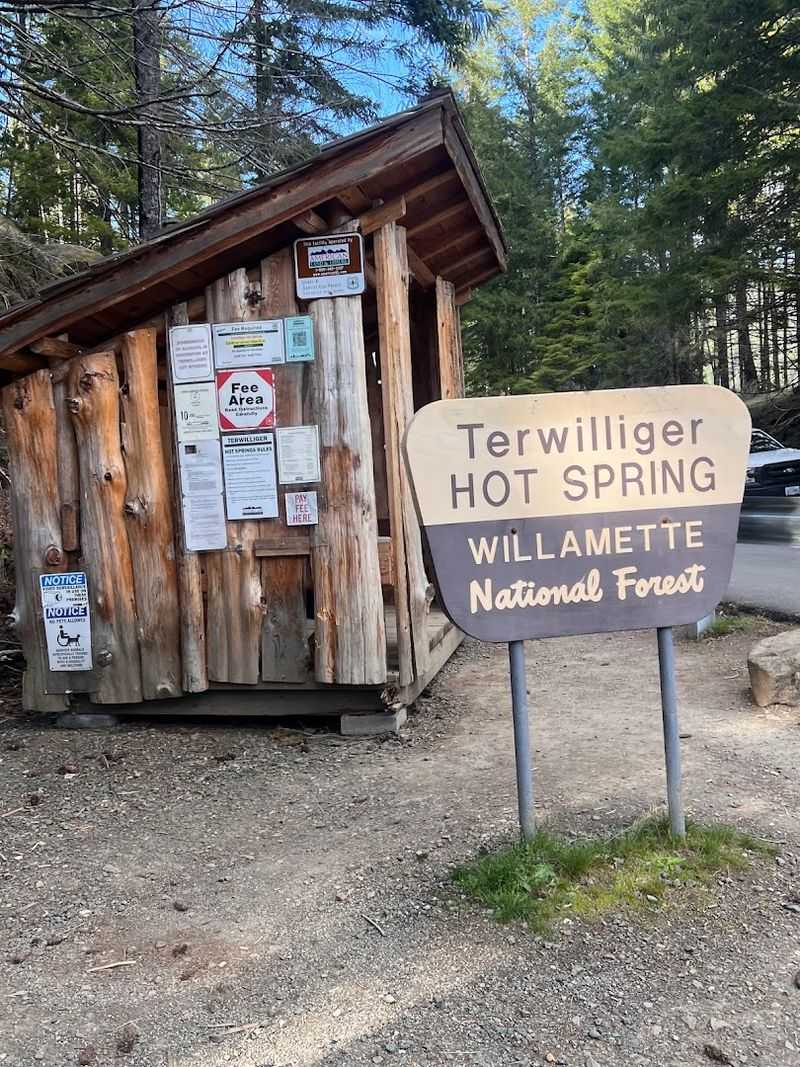
The first thing you notice when you arrive at the Terwilliger Hot Springs Trailhead on Cougar Dam Road in Blue River, Oregon 97413, is how completely the forest swallows the noise of everyday life.
The address sits within the Willamette National Forest, and getting there requires a drive along winding roads that feel increasingly remote the farther you go. Some stretches are gravel, so a vehicle with decent clearance is helpful, though most standard cars make it just fine.
Parking is limited, and that is not an understatement. The lot fills up fast, especially on weekends, and cars that arrive late sometimes end up blocking others.
The ranger station near the entrance is staffed during busy hours, and the rangers there tend to be genuinely friendly and informative. One even joked that the most important rule is to have fun, or visitors get charged double.
The trailhead opens as early as 5 AM most days and closes at 9 PM, giving early birds the best shot at a peaceful experience.
The Short Hike In: A Quarter-Mile That Earns Its Reward
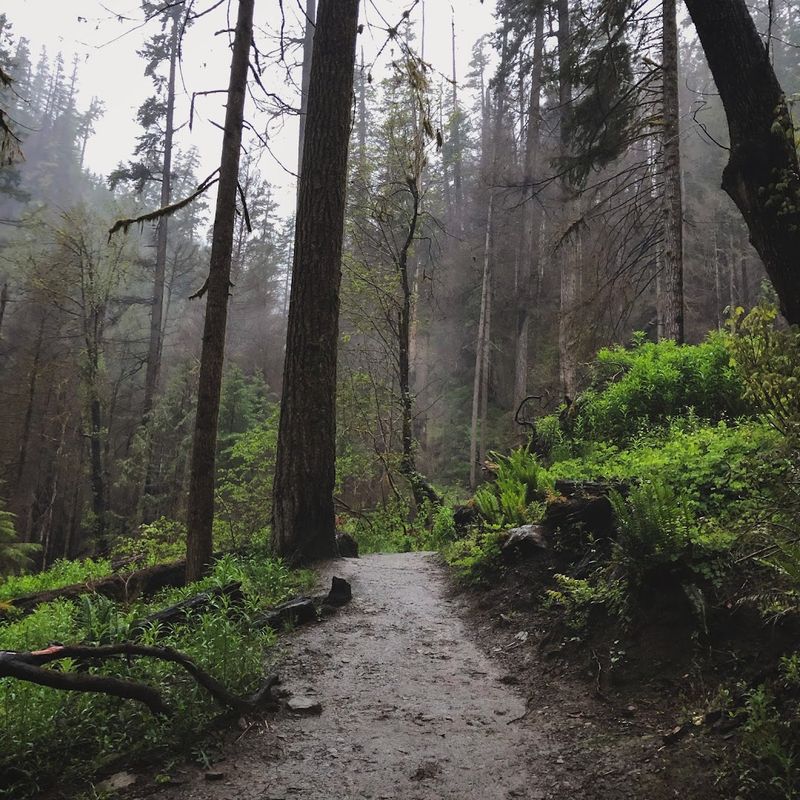
Do not let the trail length fool you into wearing flip-flops. The path to the hot springs is only about a quarter mile, but the terrain is uneven enough that proper footwear genuinely matters.
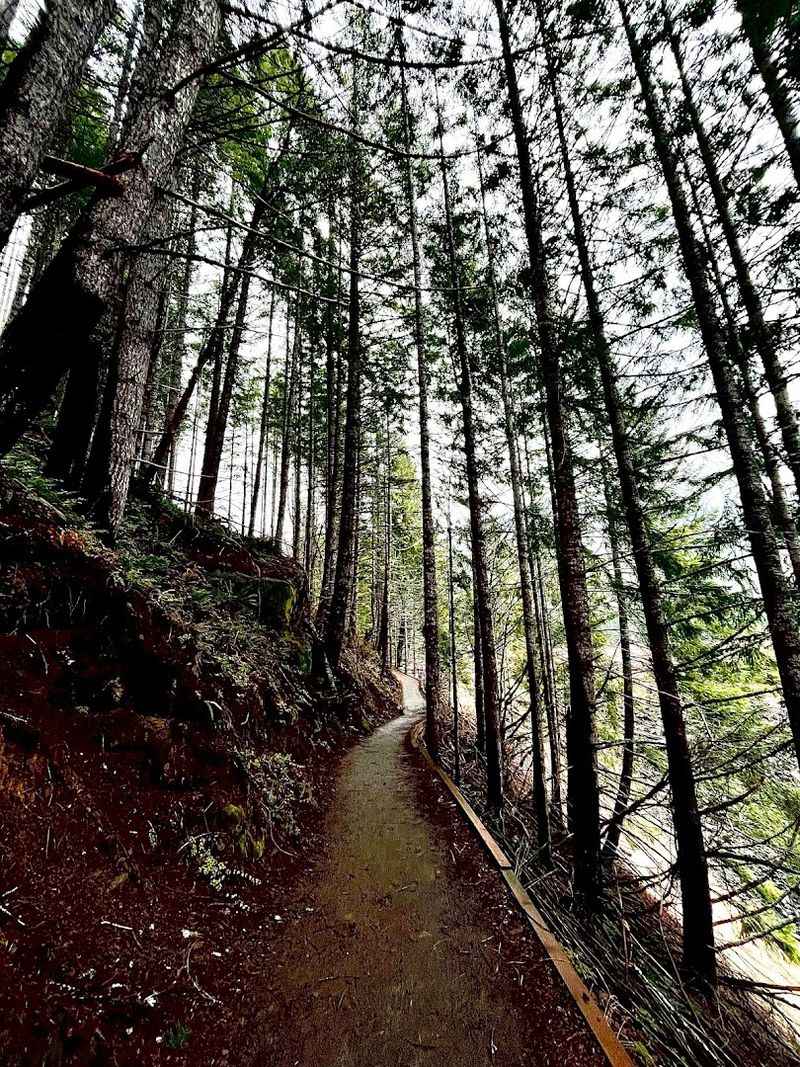
The trail winds through a beautiful stretch of Pacific Northwest forest, with tall conifers overhead and the sound of rushing water nearby. Roots and rocks cross the path in places, and after rain the ground gets slick, so sturdy shoes are the smart call every single time.
The walk itself takes about five minutes at a relaxed pace, and the scenery along the way is worth slowing down to enjoy. Moss covers the rocks, ferns line the edges of the path, and the air carries that clean, earthy scent that only deep forests produce.
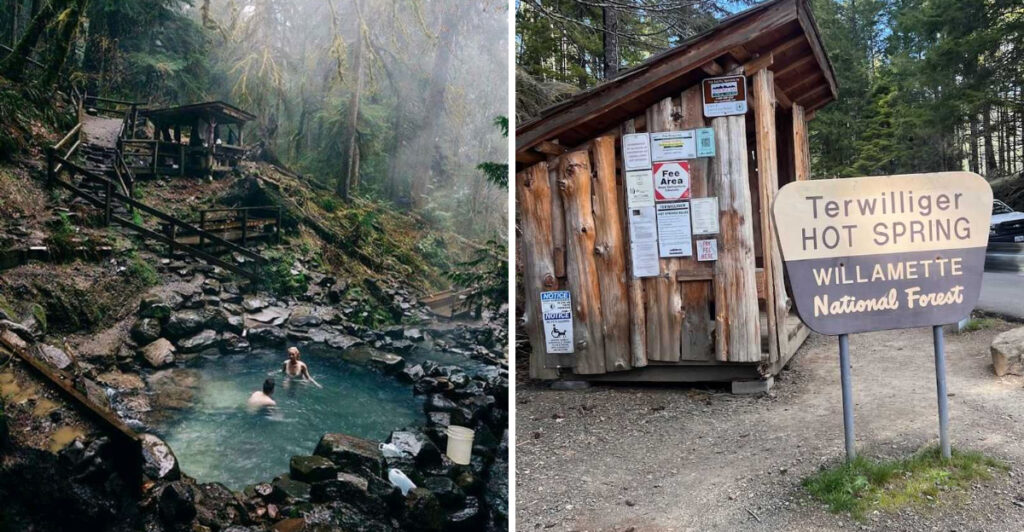
A covered shelter with benches sits near the pools, giving visitors a spot to store belongings and change if needed. There are also vault toilets up the hill from the springs.
The short distance makes the hike accessible to most fitness levels, though the uneven ground means you should still watch your step the whole way.
The Pools Themselves: Temperature, Layout, and Natural Chemistry
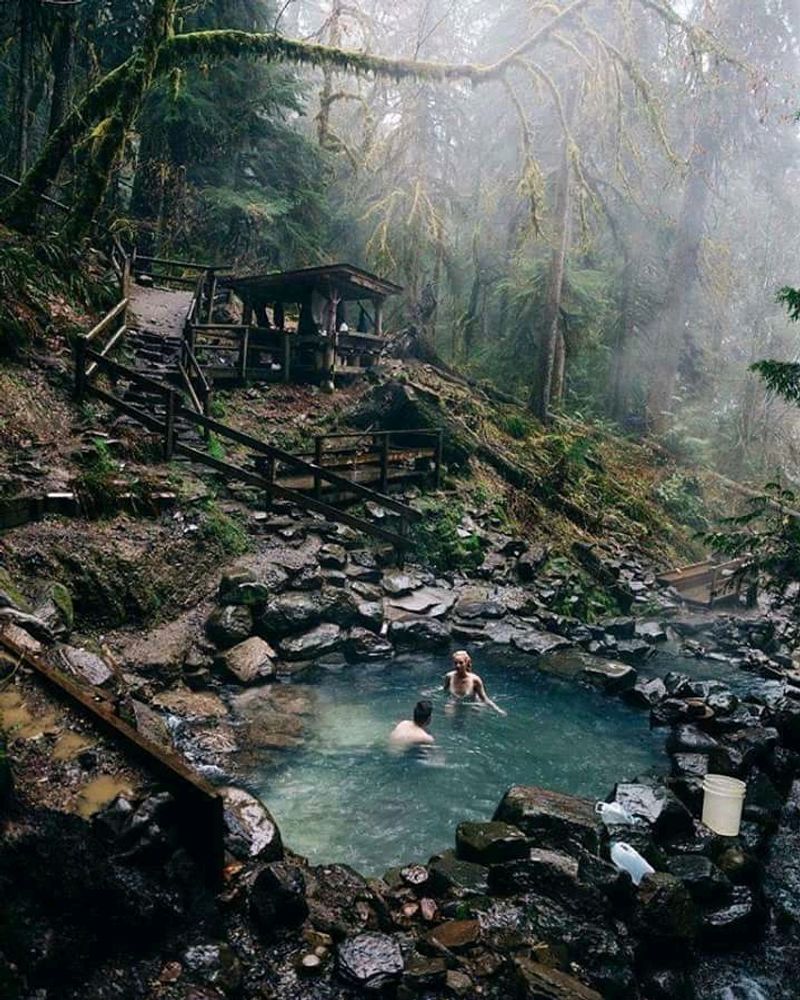
There are several pools at Terwilliger, and they are not all the same temperature. The pools closest to the geothermal source at the top run the hottest, while the ones further down the slope cool off gradually as the water flows away from the spring.
That temperature range is actually one of the most appreciated features of the whole site. Visitors who find the upper pools too intense can move to a cooler one, making the experience comfortable for a wider range of preferences.
The water itself has a mineral quality that feels different from a regular bath or pool. It is softer somehow, and soaking in it for even a short time leaves skin feeling noticeably relaxed.
Some visitors report a mild dizzy feeling after extended soaking, which is a normal response to hot water, so staying hydrated is genuinely important.
Bring plenty of drinking water with you because there is nothing available at the springs. The natural setting around the pools includes boulders, ferns, and tree cover that make the whole scene feel surprisingly wild, even with other visitors nearby.
Clothing-Optional Policy: What to Expect and How to Prepare
Terwilliger Hot Springs has a clothing-optional policy, and that is something worth knowing before you arrive so you are not caught off guard at the trailhead.
The policy is well-established and openly posted, and the atmosphere at the springs tends to be respectful and relaxed. Most visitors approach the situation with a live-and-let-live attitude, and the overall vibe is more peaceful than awkward once you settle in.
Families with children do visit, though the clothing-optional nature of the site is something parents should factor into their decision before bringing kids. Some parents feel completely comfortable with it, while others prefer to visit without children in tow.
The key word in the policy is optional. You are not required to remove clothing, and plenty of visitors choose to keep their swimsuits on.
What matters most is that everyone treats each other with basic courtesy and keeps the atmosphere calm and respectful, which is the standard that the rangers and regular visitors alike seem to take seriously.
Going in with realistic expectations makes the whole experience far more enjoyable, regardless of what you decide to wear.
Entry Fees and Rules: What It Costs to Soak
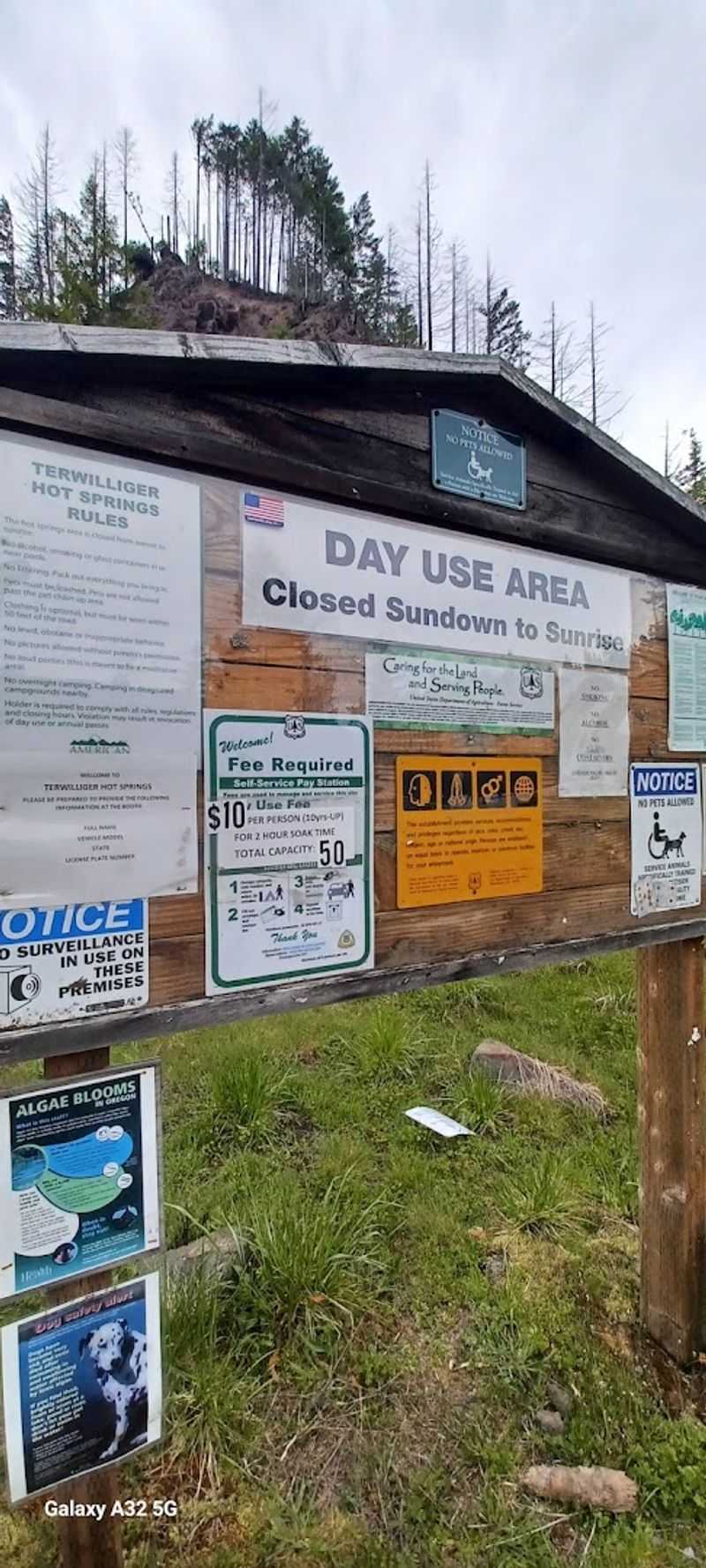
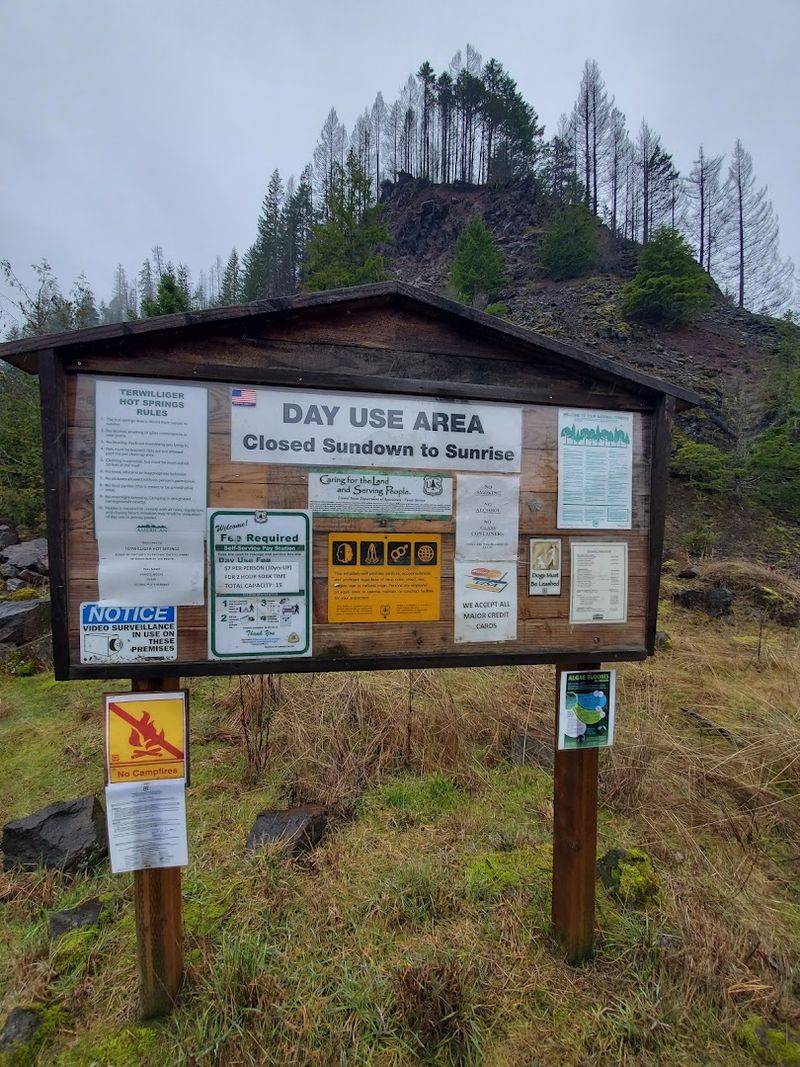
There is an entry fee to visit Terwilliger Hot Springs, and it has changed over the years as the site has been maintained and improved. Current pricing runs around ten dollars per person, though it is worth checking ahead of time since fees can be updated.
The fee system is fairly straightforward. When a ranger is present, you pay at the station.
When no attendant is on duty, there is a self-pay slip system where you fill out a form, keep one piece, place one in your car, and drop your payment in the box.
There is also a time limit of roughly two hours per visit, which helps manage the crowds during busy periods. In practice, most visitors find two hours in hot water is more than enough, and the limit rarely feels restrictive.
No pets are allowed on the trail or at the springs, which is a firm rule rather than a suggestion. The no-pet policy helps keep the environment calm and protects both the wildlife in the area and the experience for other visitors.
Knowing the rules before you arrive keeps the whole visit smooth and stress-free.
Best Times to Visit: Seasons, Crowds, and the Magic of Off-Peak Hours
Weekends at Terwilliger are genuinely packed. The parking lot fills by sunrise, and the pools can get crowded enough that finding a comfortable spot requires patience and a willingness to wait.
Weekday visits are a completely different experience. The trail is quieter, the pools feel more spacious, and the overall atmosphere is calmer.
If your schedule allows a Tuesday or Wednesday visit, you will likely wonder why anyone bothers coming on a Saturday.
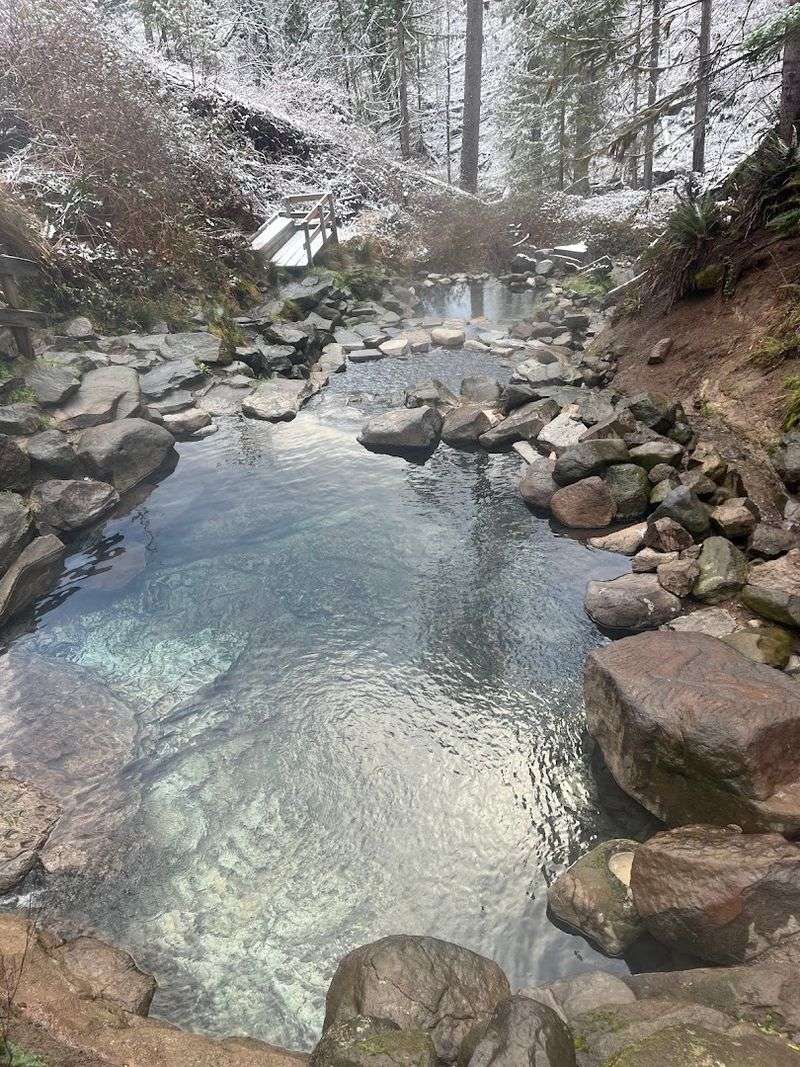
The springs are open year-round, and each season brings its own character. Summer visits mean warm forest air and long daylight hours, while winter visits offer the surreal pleasure of soaking in hot water while snow falls through the trees around you.
Several long-time visitors describe the winter experience as one of the most memorable things they have ever done outdoors.
Early morning is another strong option. The site opens at 5 AM on most days, and arriving close to opening time gives you the best chance of quiet pools and available parking.
The light filtering through the forest canopy in the early hours adds a quality to the whole scene that midday simply cannot replicate.
Wildlife and Nature: The Forest Has More Than Hot Water
The forest surrounding Terwilliger Hot Springs is not just a backdrop. It is an active, living ecosystem, and visitors occasionally get reminders of that in striking ways.
Cougars have been spotted crossing the road near the trailhead, which is a good reason to stay alert and aware of your surroundings, especially during early morning or evening visits. The sighting is rare enough to feel exciting rather than routine, but it is a real possibility in this part of the Willamette National Forest.
Biting insects can also be a factor during warmer months, particularly hornets and biting flies. Bug spray is worth packing between late spring and early fall, especially if you plan to spend time on the trail before getting into the water.
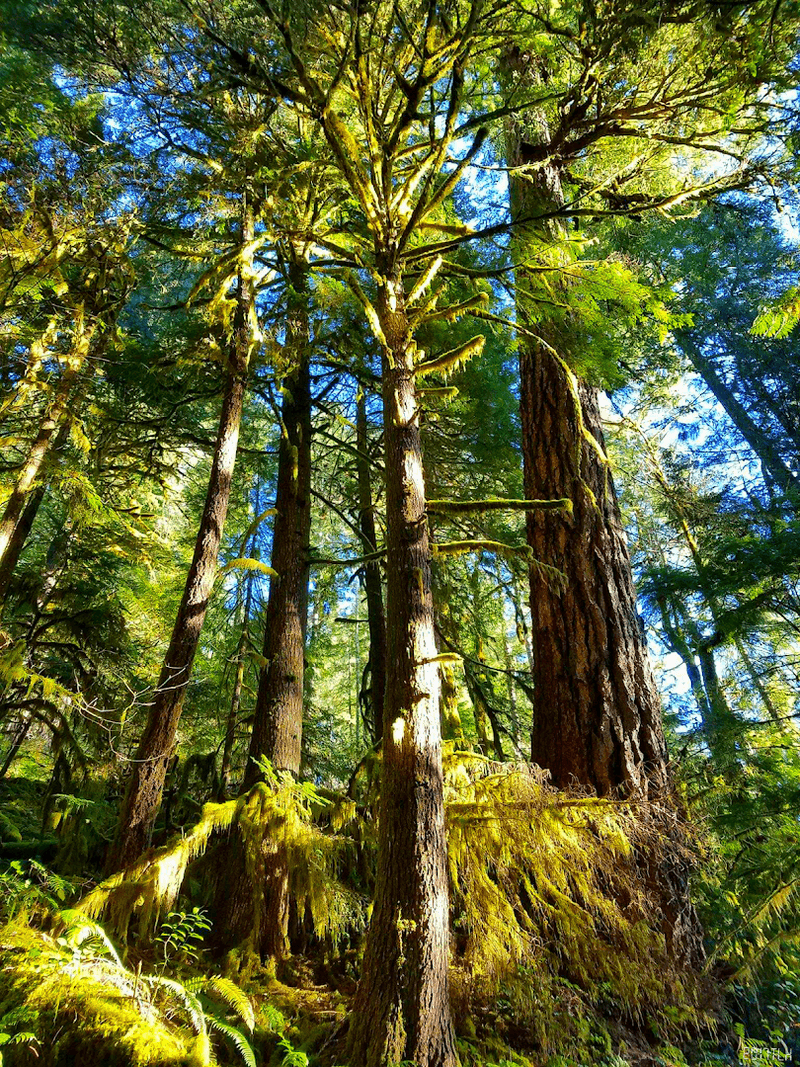
The forest itself is dominated by Douglas fir and western red cedar, with a dense understory of ferns and mosses that makes the whole area feel lush and green even in drier months. Bird sounds fill the canopy overhead, and the creek nearby adds a constant low hum to the background.
The natural environment is a big part of what makes the visit feel like more than just a soak in warm water.
Trail Maintenance and Site Upkeep: Better Than You Might Expect
One of the most consistent things visitors mention about Terwilliger is how clean and well-maintained the site is. For a natural hot springs area in a public forest, the level of upkeep is genuinely impressive.
The trail is kept clear and free of litter, the vault toilets are serviced regularly, and the covered shelter near the pools provides a practical spot for storing gear and clothing. The benches in the shelter area are solidly built and well-positioned.
The site has gone through significant changes over the years. A fire in August 2018 destroyed structures on the trail, forcing a closure that lasted over a year.
When it reopened, the improvements were noticeable, and the rebuilt facilities were better than what existed before the fire.
The road leading to the trailhead has also been improved over time. What was once a largely gravel route now has significant paved sections, making the drive in smoother and more accessible than it was a decade ago.
Rangers and forestry staff clearly take pride in keeping the area in good shape, and that effort shows in the way the site feels when you arrive. A trash can is placed on the way out, which helps keep the trail clean.
Parking Challenges: Plan Ahead or Pay the Price
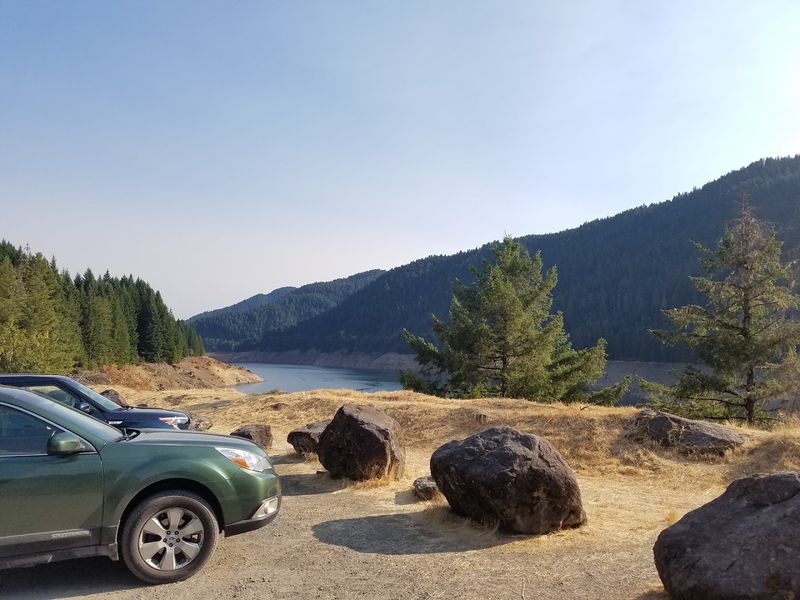
The parking situation at Terwilliger Hot Springs is one of the most talked-about aspects of the visit, and not always in a flattering way. The lot is small, the demand is high, and the combination creates real headaches on busy days.
On popular weekends, cars arrive as early as sunrise and the lot fills quickly. Visitors who arrive late sometimes park in ways that block other cars, which creates a chain reaction of inconvenience that can interrupt an otherwise relaxing outing.
The most practical solution is to arrive early, especially on weekends. Showing up close to the 5 AM opening time on a Saturday is not overkill.
It is actually the move that separates a smooth visit from a frustrating one.
Carpooling is another smart approach. Fewer cars means more available spots for everyone, and it also reduces the stress of watching the lot fill up while you are trying to find a space.
Weekday visits sidestep most of the parking drama entirely. The lot rarely fills to capacity on a Tuesday or Wednesday, and the lower visitor count makes the whole arrival experience noticeably calmer.
A little planning goes a long way here.
The History Behind the Hot Springs: Decades of Visitors and Change
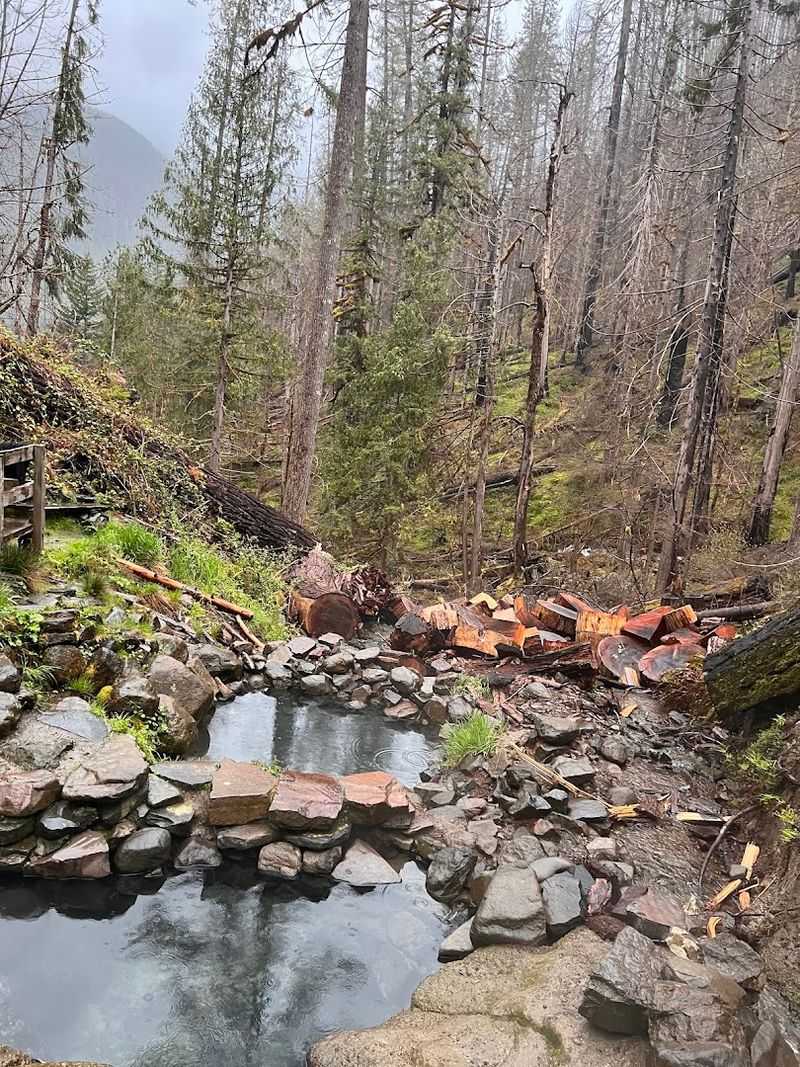
Terwilliger Hot Springs has been drawing visitors for a long time, and the site looks very different today than it did twenty or thirty years ago. Long-time visitors describe a time when there was just a small sign by the side of the road and almost no infrastructure at all.
The transformation into a managed site with fees, rangers, and maintained facilities happened gradually over the years. Some visitors who remember the earlier, more informal version of the place feel a little nostalgic for the rawer experience, while others appreciate the cleaner, better-organized version that exists today.
Some of the cement work added around the pools over the years has drawn mild criticism from regulars who feel it reduces the natural character of the springs. That tension between preservation and improvement is common at popular natural sites, and Terwilliger is no exception.
The 2018 fire was a significant moment in the site’s history, wiping out all existing structures and forcing a full rebuild. The recovery took over a year, and the reopened site came back with better facilities than before.
That resilience says something about how much both the community and the forest service value this particular place.
Hydration and Health Tips: Soaking Smart in Geothermal Water
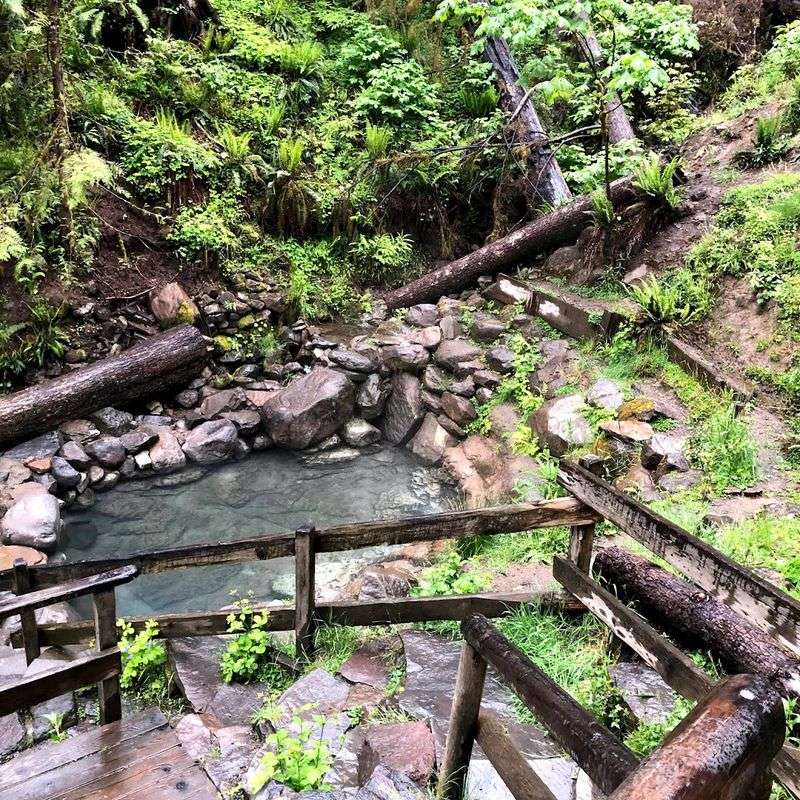
Hot water pulls heat into your body fast, and geothermal springs do it even more effectively than a standard hot tub. The result is that dehydration can sneak up on visitors who are not paying attention, especially on warm days when the air temperature adds to the effect.
Bringing a reusable water bottle is not optional at Terwilliger. There is no water available at the springs, and the nearest place to buy anything is a significant drive away.
Drinking water consistently throughout your visit helps prevent the lightheaded feeling that some visitors experience after extended soaking.
The two-hour time limit that the site enforces is actually a reasonable health guideline in addition to being a crowd management tool. Most people find that ninety minutes to two hours is the natural limit before their body starts signaling that it is time to get out.
Moving between the hotter upper pools and the cooler lower pools is a good strategy for extending your comfortable soak time. It gives your body a chance to regulate temperature and reduces the intensity of the heat exposure.
Eating a light snack before you arrive also helps, since soaking on an empty stomach can amplify the dizzy feeling that hot water sometimes produces.
Why Terwilliger Keeps Drawing People Back: The Lasting Appeal
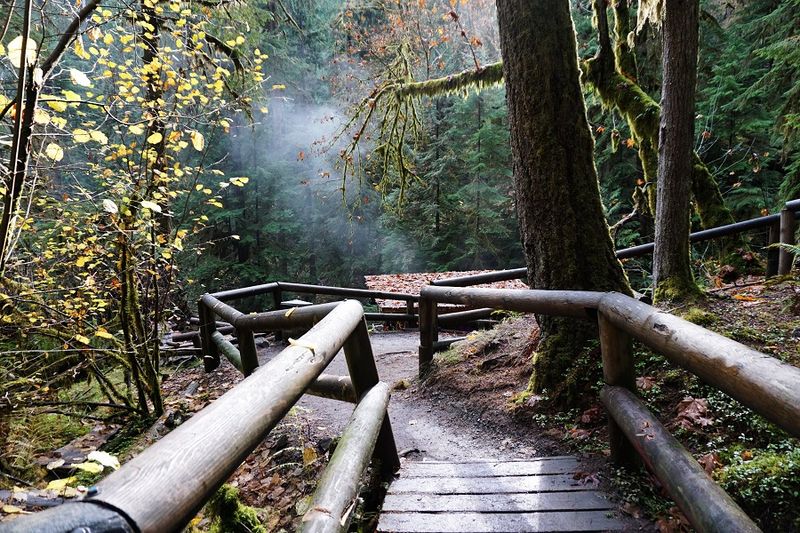
Some places earn repeat visitors through novelty, and some earn them through something harder to name. Terwilliger Hot Springs falls firmly into the second category.
The people who return monthly, seasonally, or whenever life allows are not chasing something new each time.
They are chasing a feeling. The combination of forest air, warm mineral water, and a setting that feels genuinely removed from the noise of daily life creates an experience that is hard to replicate anywhere else in Oregon.
The variety of pools means the experience can feel different depending on which one you choose and what the weather is doing outside. A winter soak while snow drifts through the tree canopy is a completely different experience from a summer afternoon visit, even though the location is identical.
The community of regular visitors also adds to the appeal. The etiquette is generally good, the rangers are personable, and the overall atmosphere rewards people who show up with respect for the place and each other.
That combination of natural beauty, geothermal warmth, and genuine wildness is what keeps Terwilliger Hot Springs on the short list of Oregon destinations that earn their reputation through experience rather than hype.
Share this story