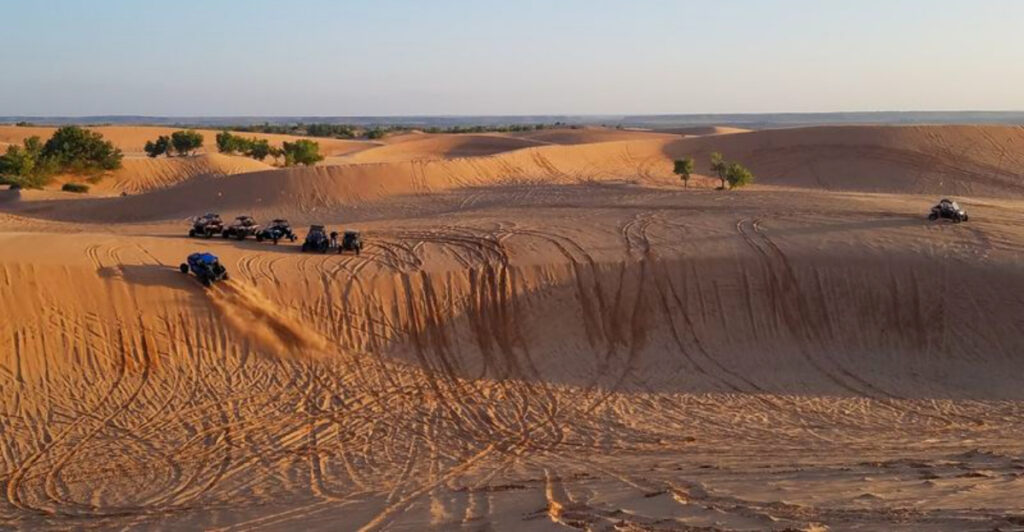
Most people picture flat prairies and wheat fields when they think of Oklahoma, so a stretch of rolling sand dunes rising up to 75 feet tall tends to catch visitors completely off guard. Tucked away in the northwestern corner of the state, this 1,600-acre park draws ATV riders, off-road enthusiasts, and curious families from across the region.
The dunes look like something lifted straight out of the American Southwest and dropped into the Great Plains, and the experience of riding across them is unlike anything else in the state. Whether you are a seasoned off-road rider or a first-timer with sandy ambitions, this place has a way of leaving a serious impression.
Where You Will Find This Sandy Surprise
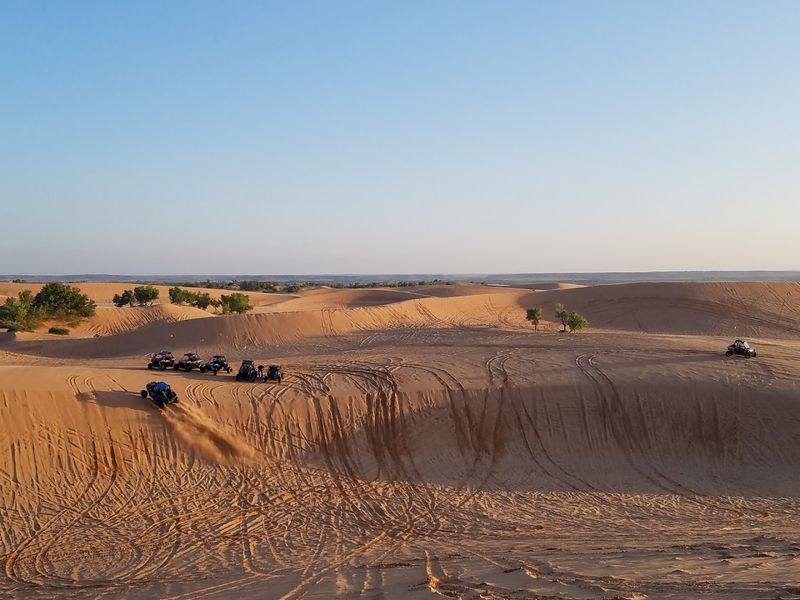
Sand dunes in Oklahoma might sound like a trick question, but Little Sahara State Park at 101 Main St, Waynoka, OK 73860 is the real deal. The park sits in Woodward County in the northwestern part of the state, roughly two hours northwest of Oklahoma City, making it a very doable weekend road trip for most Oklahoma residents.
Waynoka itself is a small, quiet town of just a few thousand people, and the park is essentially the main attraction that puts it on the map. The drive in gives little away at first, with flat grasslands lining the road before the dunes suddenly appear on the horizon.
The park is open 24 hours a day, seven days a week, and you can reach the office at (580) 824-1471 for questions about fees, camping, or vehicle rules. There is a $15 per person entry fee to access the dunes, which most visitors agree is a serious bargain for a full day of riding.
Parking is available near the entrance, and the staff at the park office are known for being helpful and informative.
The Scale of the Dunes Will Genuinely Catch You Off Guard
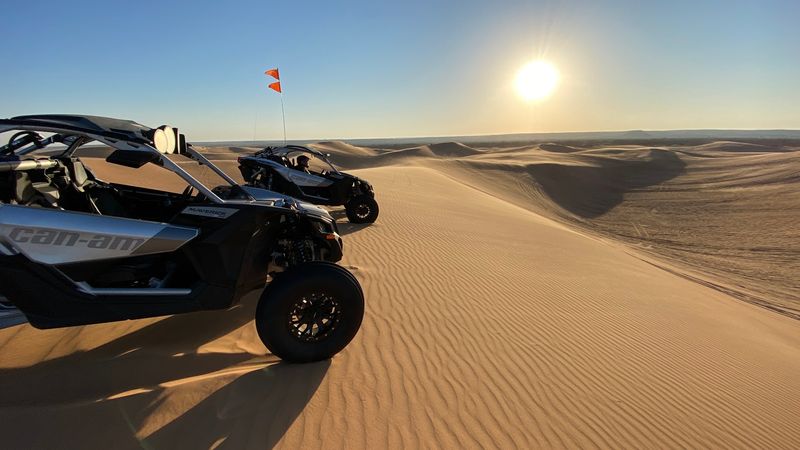
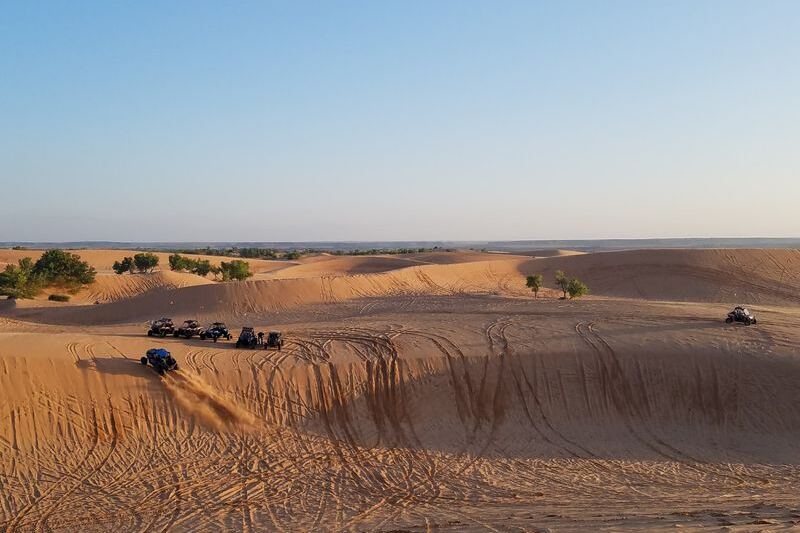
First-time visitors consistently say the same thing after their first look at the dunes: they had no idea they would be this big. The sand formations here rise up to 75 feet high and spread across roughly 1,600 acres, creating a landscape that feels completely foreign compared to the surrounding Oklahoma countryside.
The dunes are not static, either. Wind constantly reshapes them, which means the terrain changes from visit to visit and even hour to hour.
A ridge that was easy to climb last weekend might be a steep wall by the time you arrive on Saturday morning.
That constant shifting is part of what makes the park so exciting for repeat visitors. No two trips are exactly the same, and experienced riders spend years learning how the dunes behave in different wind conditions and seasons.
The fine, pale sand has a smooth, almost powdery texture underfoot, and it catches the light in a way that makes the whole area glow golden in the afternoon. Standing at the base of one of the taller formations and looking up genuinely makes you reconsider everything you thought you knew about Oklahoma terrain.
ATV Riding Is the Heart of the Whole Experience
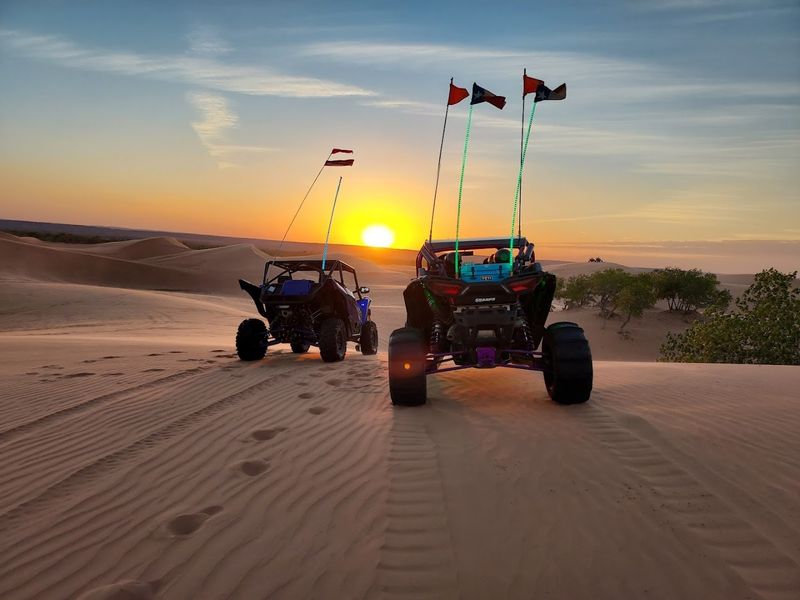
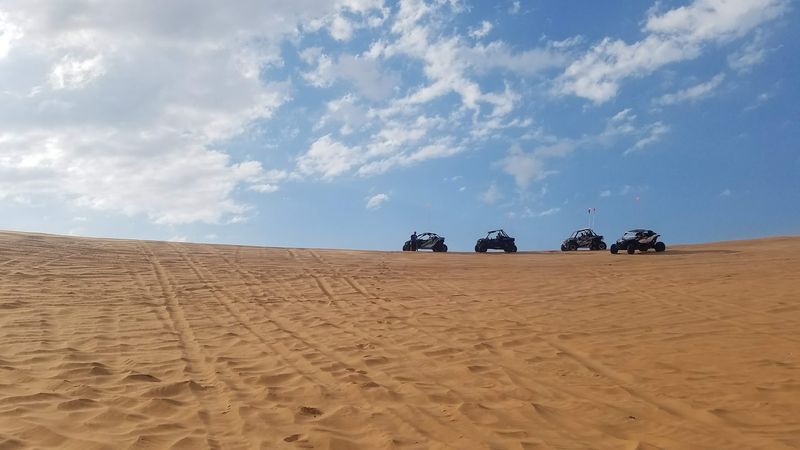
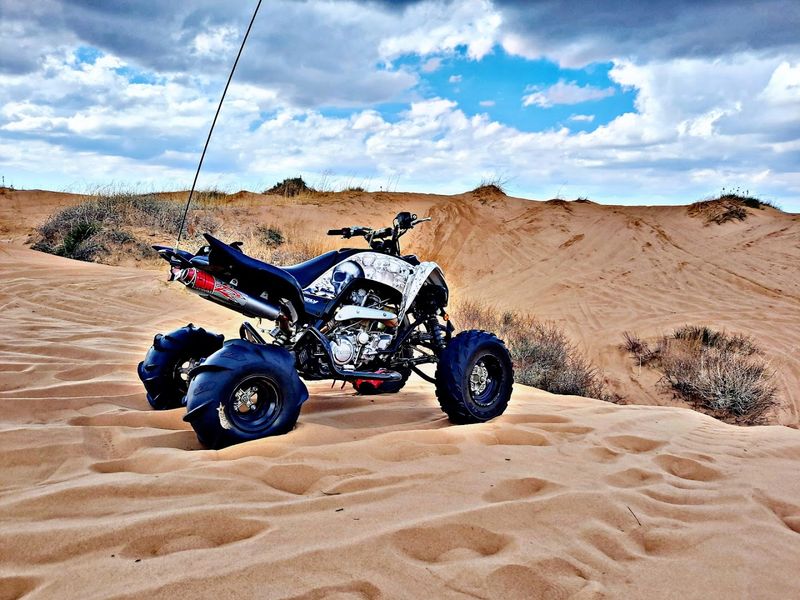
The park is built around off-road riding, and that focus is clear from the moment you arrive. ATVs, side-by-sides, dirt bikes, and four-wheel-drive vehicles are all welcome on the dunes, and the open riding area gives everyone plenty of room to spread out and find their own line through the sand.
Riders of all skill levels show up here, from complete beginners who have never touched a throttle to seasoned veterans who treat the dunes like a personal playground. The terrain naturally accommodates both groups, with gentler slopes on some sections and near-vertical faces on others that will test even experienced riders.
One practical tip that first-timers learn quickly: let some air out of your tires before heading onto the sand. Lower tire pressure dramatically improves traction and flotation, and it can be the difference between a smooth ride and getting buried up to your axles in the first 30 seconds.
Flags are required on all vehicles for safety, since riders cannot always see what is on the other side of a dune crest. The park enforces these rules consistently, and the overall riding environment feels well-organized and surprisingly safe given how wild the terrain can be.
Renting Gear Nearby Makes the Trip Easy for First-Timers
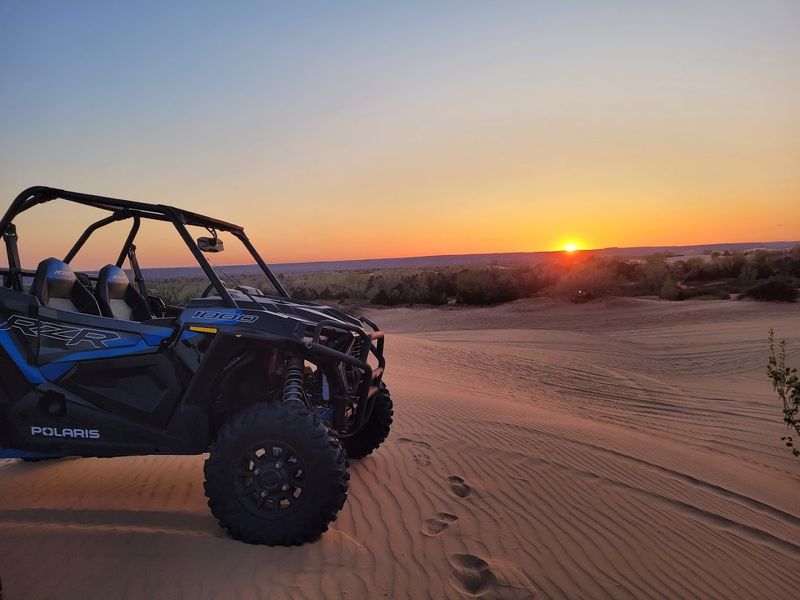
Not everyone rolls up to Little Sahara with a trailer full of off-road equipment, and that is completely fine. Several rental businesses operate near the park, offering ATVs, side-by-sides, and other off-road vehicles by the hour or by the day.
Little Sahara Sandsports, located just down the road from the park entrance, is a popular stop for both rentals and gear.
The staff at these shops are generally experienced riders themselves, and they will walk you through the basics before sending you out onto the sand. They also stock flags, helmets, safety gear, and accessories, so if you forgot something at home, there is a good chance you can pick it up nearby.
Fuel options in the area are limited, so it is worth noting that there are only a couple of places to fill up near the park, and prices can vary noticeably between them. Stocking up on supplies before you arrive in Waynoka is a smart move, since the town has minimal shopping options beyond a Dollar General.
Planning ahead keeps the focus on riding rather than scrambling for basics once you get there, and a little preparation goes a long way toward making the trip run smoothly from start to finish.
Camping Right at the Park Keeps the Adventure Going
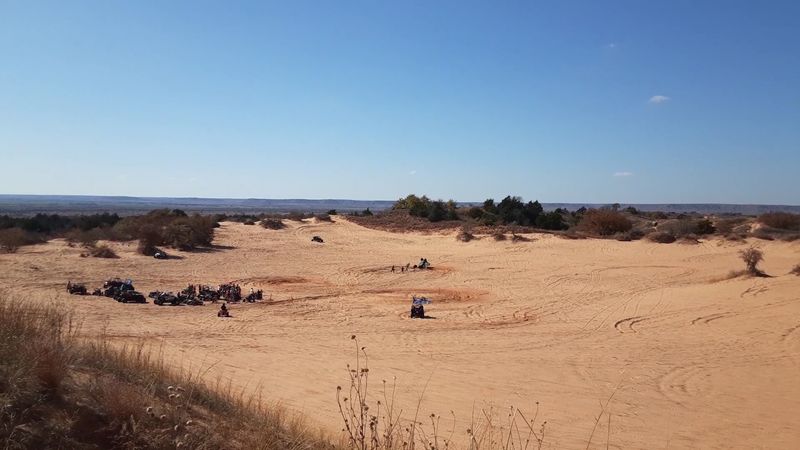
Spending more than just a day at Little Sahara is easy, thanks to the campground on-site. The park offers multiple camping areas, including Buttercup campground with pull-through electric and water hookups, fire rings, picnic tables, and charcoal grills.
Full hookup sites run around $35 per night, while more basic options are available at lower price points.
Clean restroom facilities with showers are within walking distance of most campsites, which is a detail that gets appreciated after a long, sweaty day on the dunes. The showers operate on a coin system, with rates around 50 cents for three minutes or $1.25 for about seven and a half minutes.
They are heated and well-maintained, which makes a real difference when the evening temperatures drop.
The campground does feel a bit compact in some sections, and the sites closest to the entrance are not surrounded by much natural scenery. However, the convenience of rolling out of your tent and being minutes away from the dune entrance more than makes up for the lack of forest views.
Campfires are allowed, and the park office can arrange firewood delivery if you need it, though it is worth calling ahead to confirm availability and cost before planning around it.
The History Behind Oklahoma’s Most Unexpected Landscape
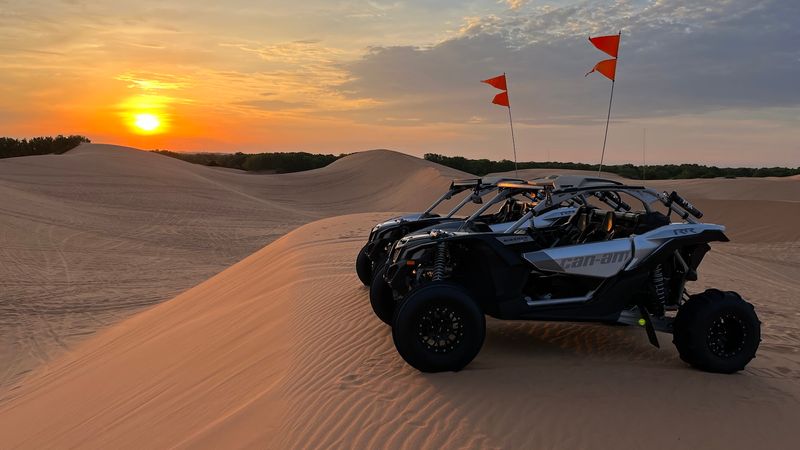
The existence of sand dunes in the middle of the Great Plains is not a geological accident. The dunes at Little Sahara were formed over thousands of years from sand deposited by the Cimarron River, which runs nearby.
Wind picked up the dry, loose sediment and piled it into the formations that visitors ride across today.
The park was established to preserve and manage this rare landscape, which is one of only a handful of significant sand dune areas found on the Great Plains of the United States. The combination of the right soil type, wind patterns, and proximity to the river created conditions that simply do not exist in most parts of the country.
Oklahoma designated it a state park to protect the dunes while also making them accessible for recreation, which turned out to be a smart balance. The park has been drawing off-road enthusiasts for decades, and its reputation has grown steadily as word spread beyond the state’s borders.
Understanding how the dunes formed makes riding across them feel even more meaningful, because you realize you are moving through a genuinely rare piece of natural history that took millennia to build and continues to evolve with every gust of wind that rolls through the region.
Safety Rules That Actually Make Riding More Fun
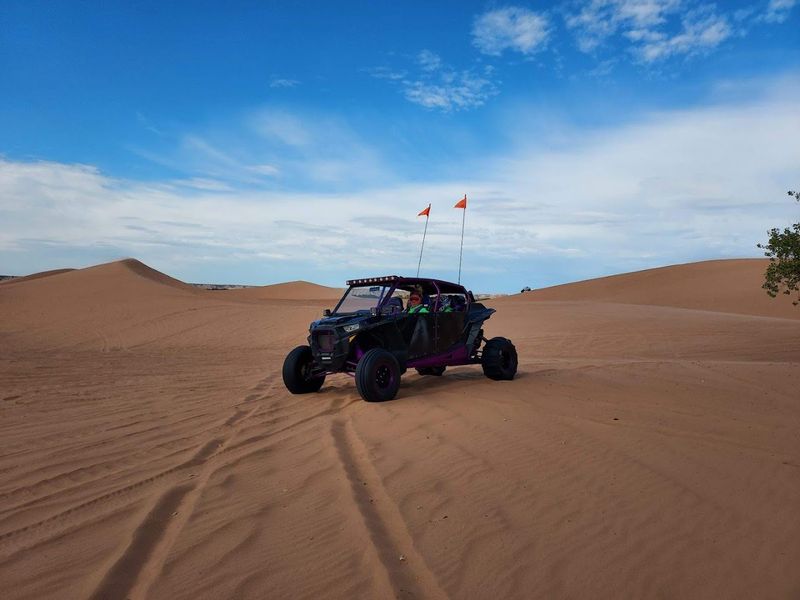
The park takes safety seriously, and the rules in place are designed to keep everyone on the dunes having a good time rather than a bad one. Flags are mandatory on all vehicles, and the requirement exists for a very practical reason: when you are cresting a dune at speed, you cannot see what is on the other side.
A tall flag gives other riders a heads-up that someone is coming.
Helmets are required for younger riders, and while adults are not legally required to wear them, most experienced riders choose to anyway. The park staff check armbands at the entrance and enforce the no-alcohol rule on the dunes consistently, which contributes to a riding environment that feels controlled without feeling overly restrictive.
First-timers should also pay attention to dune etiquette: give other riders space, do not stop on the backside of a dune crest, and always be aware of what is around you. The dunes attract a genuinely mixed crowd of families, seasoned riders, and curious newcomers, and most people are helpful and friendly.
Getting stuck in the sand is a rite of passage here, and dropping your tire pressure to around 15 PSI before heading out is the single most effective tip for avoiding it in the first place.
What to Expect From the Observation Deck
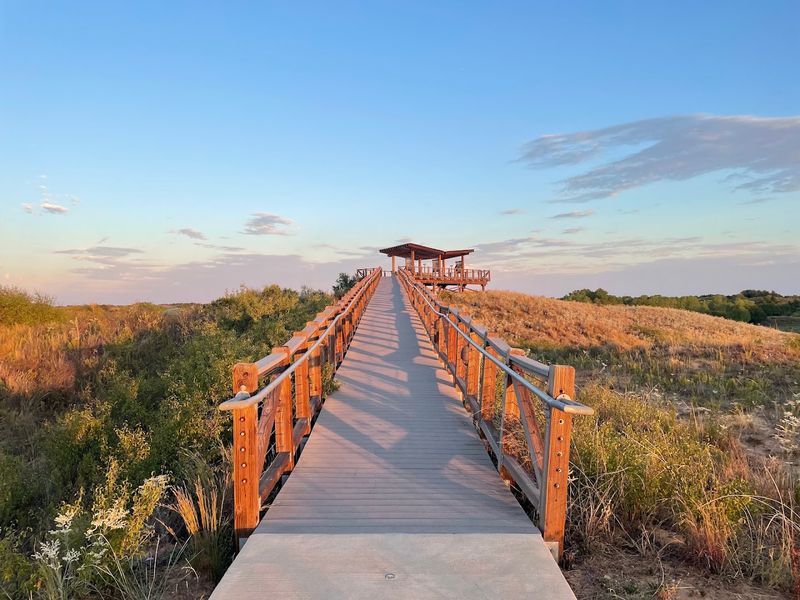
The park does have an observation deck, and it is worth mentioning with full honesty: it offers only a partial view of the dunes. The platform itself is well-built and clean, but its position relative to the sand means you can glimpse the dunes rather than get a sweeping panoramic view of them.
Binocular stations are installed on the deck, though they tend to get filled with sand and may not always be functional.
For visitors who are not riding, the observation deck is the main way to see the dunes without getting behind a wheel. The short path leading up to it passes some interesting native plant life, which is a small but genuine highlight for anyone who appreciates natural flora.
The honest takeaway is that the observation deck is a nice bonus but not a destination in itself. The park is fundamentally designed around active riding, and the viewing area reflects that priority.
Visitors who arrive without a vehicle and expect to explore on foot will likely feel limited, since walking on the active dune area is not permitted for safety reasons. The park is transparent about this, and managing expectations before arrival makes the experience much more enjoyable for everyone, especially those who are coming specifically to ride rather than to sightsee.
The Best Times of Year to Plan Your Visit
Oklahoma weather is famously unpredictable, and the area around Waynoka is no exception. Summer temperatures can push well past 90 degrees Fahrenheit, and the combination of heat, sand, and physical exertion from riding can be genuinely draining.
Wind is a constant companion at the park, and strong gusts can kick up enough sand to make visibility and comfort a real challenge.
Spring and fall are widely considered the best seasons to visit. Temperatures are more comfortable, the wind tends to be milder, and the dunes are still in great shape for riding.
Spring break is one of the busiest periods, so expect larger crowds and a livelier atmosphere if you visit in March or April.
Winter visits are possible since the park is open year-round, and some riders actually prefer the cooler temperatures for longer riding sessions. However, cold snaps and rain can make conditions less than ideal, and the campground experience loses some of its appeal when temperatures drop sharply overnight.
Checking the forecast before heading out is always a smart move, and building some flexibility into your plans accounts for the fact that Oklahoma weather can shift dramatically within a single 48-hour window, as more than a few campers have discovered the hard way.
What to Bring So You Are Actually Prepared
The limited shopping options near Waynoka mean that arriving prepared is not just a suggestion but a genuine necessity. The town has a Dollar General but no full grocery store, and the nearest larger town for supplies is a drive away.
Packing coolers with food, plenty of water, and any medications or personal items before leaving home saves a lot of stress once you arrive.
Sunscreen is non-negotiable during warmer months. The combination of direct sun, reflected light off the sand, and wind can lead to a serious burn faster than most people expect, especially on the first visit when the excitement of riding makes it easy to forget to reapply.
A tire pressure gauge and a portable air compressor are two pieces of equipment that experienced dune riders never leave home without. You will need to drop tire pressure before hitting the sand, and you will need to reinflate before driving on paved roads again.
Goggles are another practical addition, since blowing sand is a constant reality on the dunes. The park office sells some souvenirs and basic items, but their hours are limited to roughly 8 a.m. to 4 p.m., so do not count on them for last-minute supply runs late in the day.
Trails Into Town and Other Ways to Explore
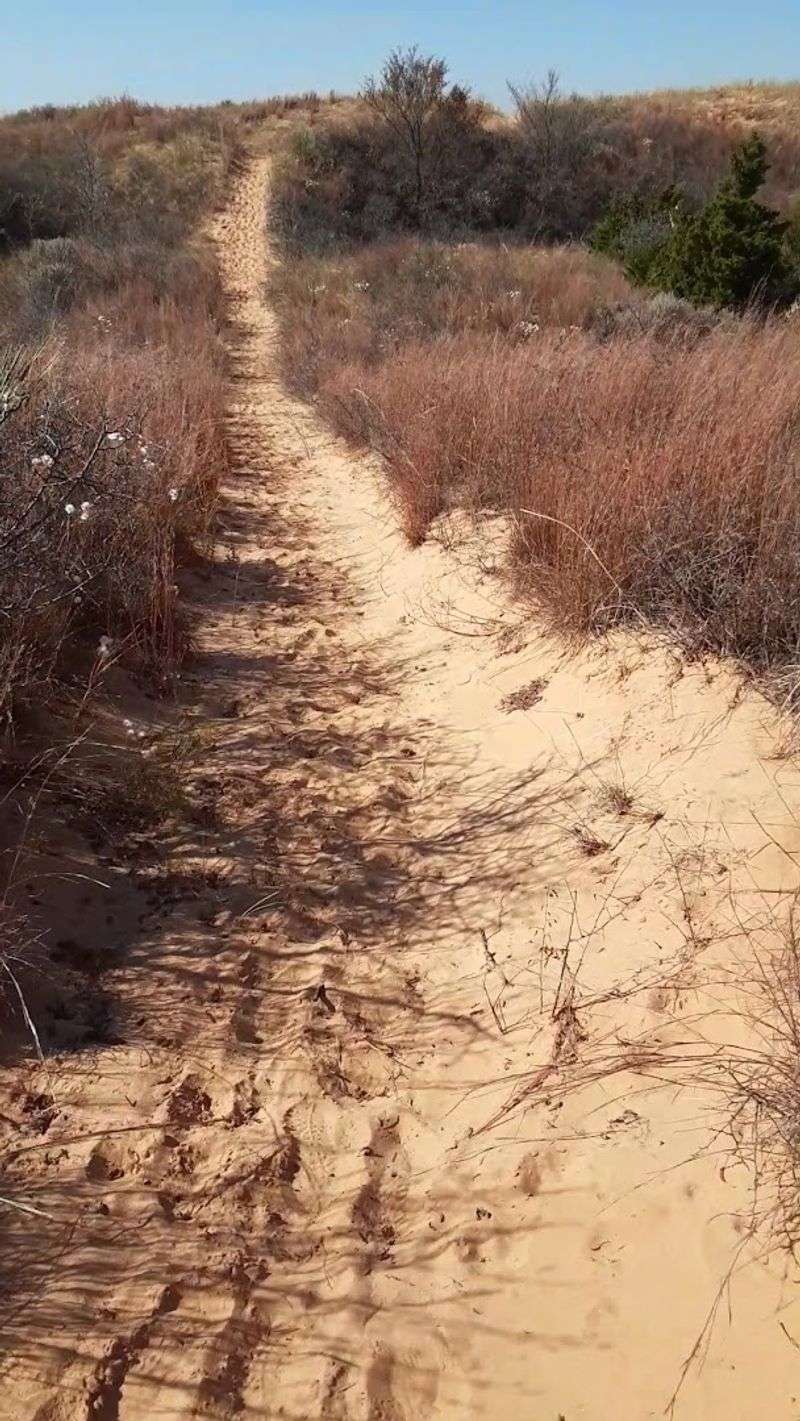
One of the more surprising features of Little Sahara is that you can actually ride trails from the state park all the way into Waynoka without loading your vehicle back onto a trailer. The trail system connects the dune area to town through a mix of sandy paths and brushy terrain, which gives the whole experience a sense of genuine adventure beyond just the main dune bowl.
Waynoka itself is a small town with limited dining options. There is a restaurant and a bar in town, though both keep fairly short hours, so planning meals around their schedules is important.
Stopping in for a bite after a long day of riding has its own charm, and the locals tend to be welcoming toward the park visitors who keep the town’s economy moving.
The trails through the brush can be tricky on certain vehicles, particularly dirt bikes, where narrow paths and vegetation make navigation more demanding than the open dunes. Side-by-sides and wider ATVs handle the trail sections more comfortably.
Exploring beyond the dunes adds a different dimension to the trip and gives riders a chance to experience the broader landscape surrounding the park, which blends sandy terrain with native grassland in a way that feels genuinely unique to this corner of Oklahoma.
Why This Place Stays With You Long After You Leave
There is something about Little Sahara that does not quite fit into any neat category of travel experience. It is not a national park with dramatic overlooks, and it is not a resort with polished amenities.
What it is, though, is genuinely fun in a way that feels refreshingly unfiltered and real.
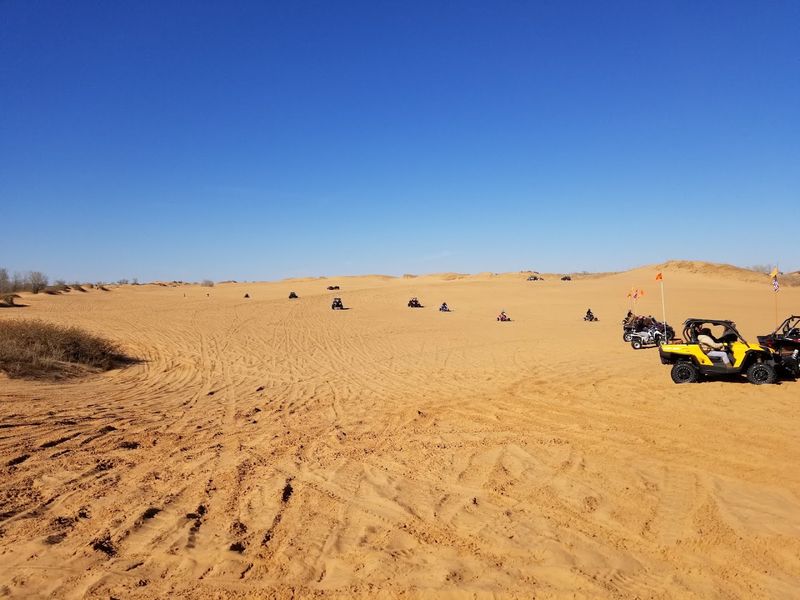
The mix of people you encounter here is part of what makes it memorable. Families with kids on small four-wheelers ride alongside adults on high-powered side-by-sides, and the shared experience of navigating the same dunes creates an easy camaraderie between strangers.
People help each other get unstuck, share tips about which sections of the dunes are riding best that day, and generally look out for one another in a way that feels organic rather than forced.
The memory that tends to stick is not any single ride or jump but the overall feeling of being somewhere genuinely unexpected. Oklahoma does not advertise itself as a sand dune destination, which means discovering Little Sahara feels like stumbling onto something the rest of the world has not fully caught onto yet.
That quiet sense of discovery, combined with the physical thrill of riding across dunes that tower above your head, is exactly why so many visitors end up booking their next trip before they have even packed up their campsite and headed home.
Share this story