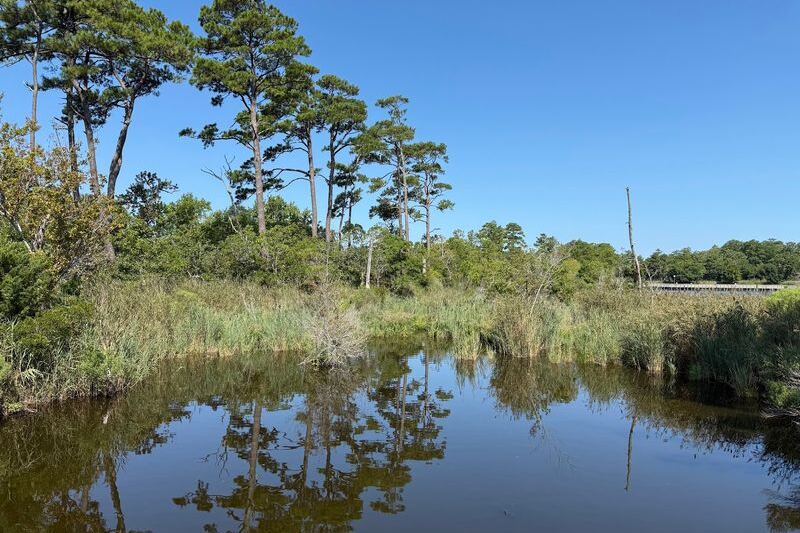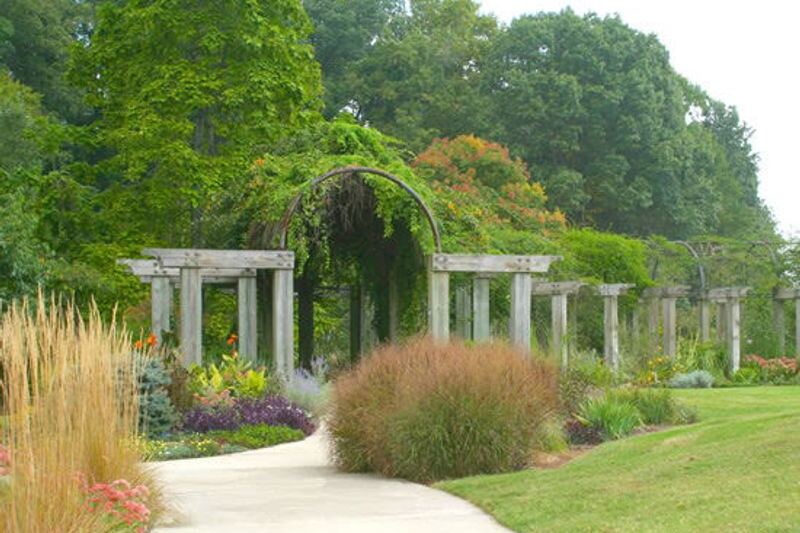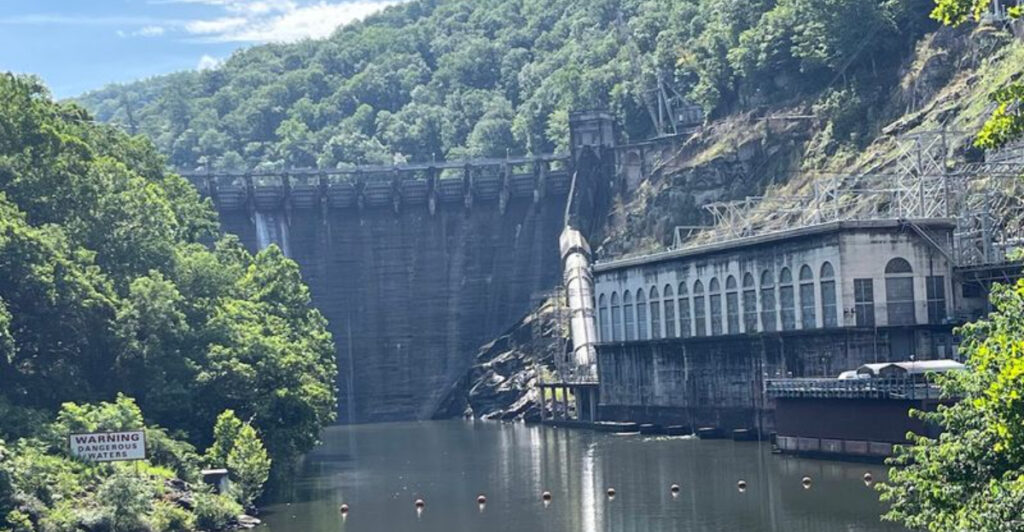
There is a river gorge in western North Carolina so deep and narrow that sunlight only touches the water for a few hours each day. The Cherokee people named it Nantahala, meaning “land of the noonday sun,” and that name alone should tell you everything about how dramatic this place really is.
Spread across more than 530,000 acres in the southern Appalachian Mountains, this national forest packs in 600 miles of trails, cascading waterfalls tucked behind rhododendron thickets, world-class whitewater, and enough wild scenery to keep you busy for a week straight. I visited last fall and honestly had no idea a place this spectacular existed so close to everyday life, so keep reading because I am about to walk you through everything worth knowing.
Where It All Begins: Location, Address, and Getting There
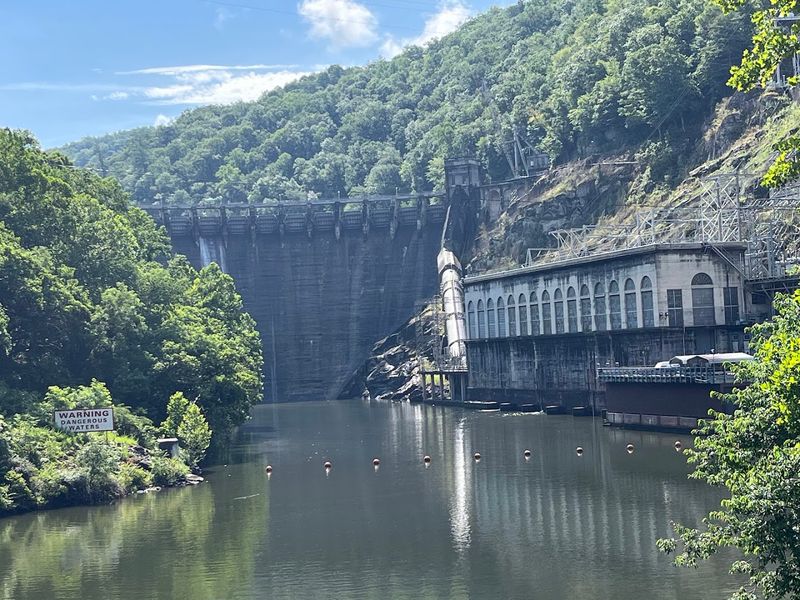
The forest headquarters sits near Bryson City, NC 28713, and the main phone number is (828) 257-4200 if you need to call ahead for conditions or permits. Nantahala National Forest stretches across eight counties in the far western corner of North Carolina, tucked right up against the borders of Georgia and Tennessee.
Getting there is half the fun. Highway 19 winds through the heart of the forest, and for much of that drive, the road runs directly alongside the Nantahala River.
The scenery through the windshield is so good that passengers will be craning their necks the whole way.
The forest is open 24 hours a day, every day of the year, so there is no need to stress about timing your arrival. Bryson City itself is a charming small town with restaurants, gear shops, and lodging options that make it a natural base camp.
Parking areas are spread throughout the forest, and many trailheads have restrooms, gazebos, and informational signage to help you get oriented before you head out.
The Nantahala Gorge: A Canyon Where Sunlight Is a Rare Guest
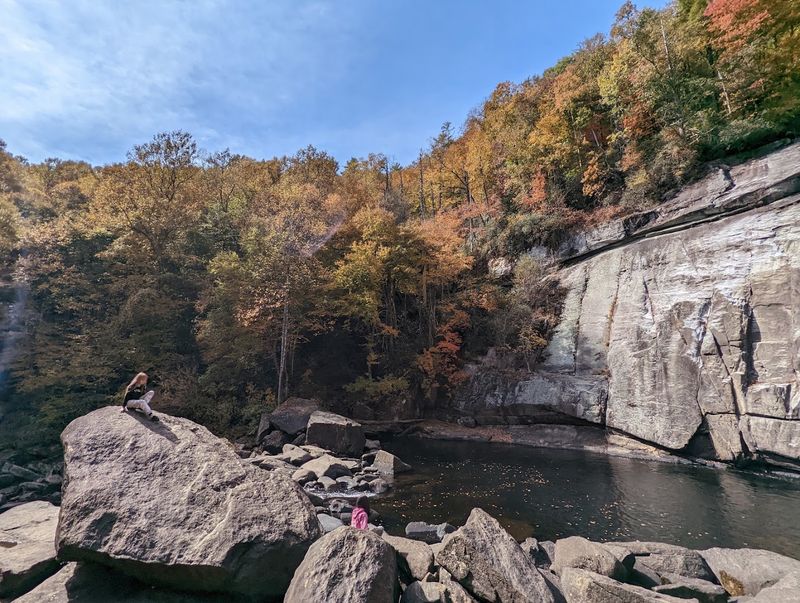
The Nantahala Gorge is the kind of place that makes you stop mid-sentence and just stare. The canyon walls rise so steeply on both sides that the river below sits in shadow for most of the day, with sunlight only breaking through around midday when the sun is directly overhead.
That is exactly where the Cherokee name comes from. Nantahala translates roughly to “land of the noonday sun,” a name earned over centuries of living beside this moody, shadow-filled river corridor.
The gorge runs for about eight miles, and the Nantahala River churns through it at a pace that keeps whitewater paddlers coming back season after season.
Even if you never get near the water, driving or cycling through the gorge is an experience all by itself. The walls are draped in dense forest, mossy boulders line the riverbanks, and the air temperature drops noticeably as you descend.
On a hot summer afternoon, the gorge feels like nature’s own air conditioning system, cool, quiet, and completely separate from the world outside.
600 Miles of Trails: Something for Every Type of Hiker
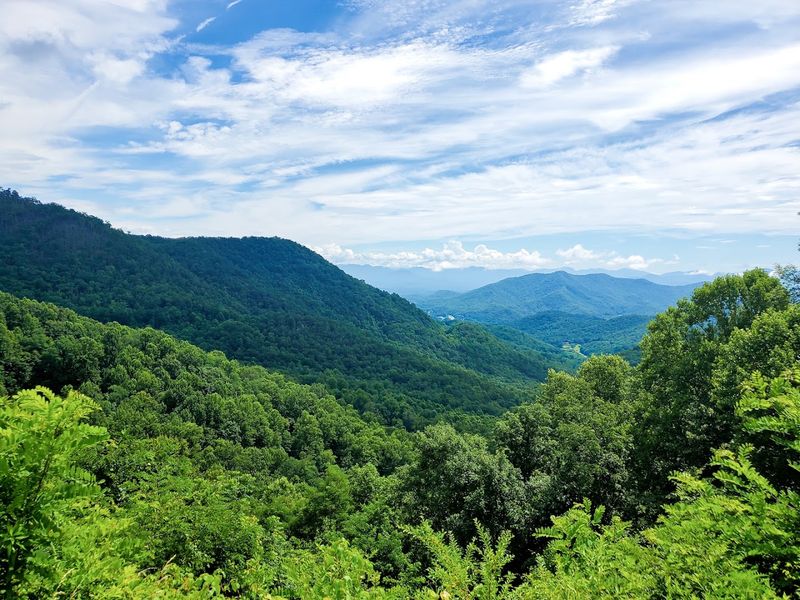
Six hundred miles of trails sounds almost too good to be true, but Nantahala National Forest really does deliver that kind of variety. The network covers everything from flat riverside walks to rugged ridge climbs that test even seasoned hikers, meaning you can match your trail to your energy level on any given day.
The Piny Knob Trail is a crowd favorite for moderate hikers, offering a canopied path with a manageable elevation gain that feels more like a long, peaceful stroll than a workout. On the more challenging end, sections of the Appalachian Trail pass through the forest, giving thru-hikers and weekend warriors alike a taste of genuine backcountry terrain.
One thing I noticed right away was how uncrowded most of these trails feel. You can hike for hours and encounter only a handful of other people, which is a genuinely rare thing in a forest this large and well-known.
Bring a trail map, wear layers since temperatures can shift quickly at elevation, and plan to spend more time than you think you will need because the forest has a way of making hours disappear.
Hidden Waterfalls Worth Every Step of the Hike
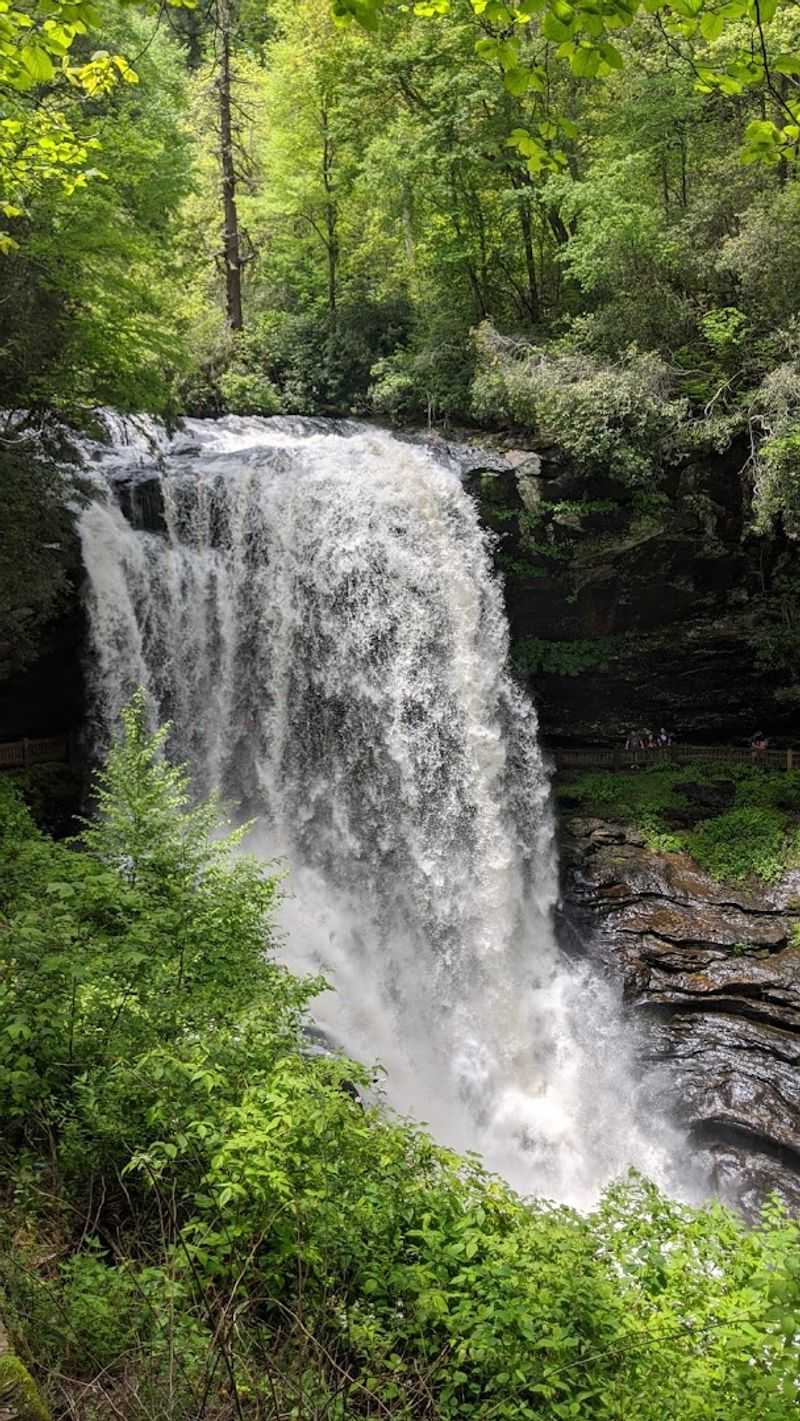
Waterfalls in Nantahala are not hard to find if you know where to look, but many of the best ones feel genuinely secret. Hiking in and finding a cascade that you practically have to yourself is one of those travel experiences that stays with you long after the trip ends.
Whitewater Falls is one of the forest’s most dramatic showstoppers, dropping more than 400 feet and sending a permanent mist into the air that you can feel from the viewing platforms. Dry Falls, near Highlands, gives you something truly unusual: a trail that passes directly behind the curtain of falling water so you walk through without getting soaked.
Both falls have well-maintained viewing areas with multiple platforms at different elevations, so you get several perspectives without needing technical gear. The lower viewing area at Whitewater Falls involves some stairs, but the payoff is a face-level view of the cascades that no photo fully captures.
Volunteers from the US Parks Service are often on-site and are genuinely great sources of local knowledge, so do not hesitate to stop and chat with them before or after your visit.
Whitewater Rafting on the Nantahala River
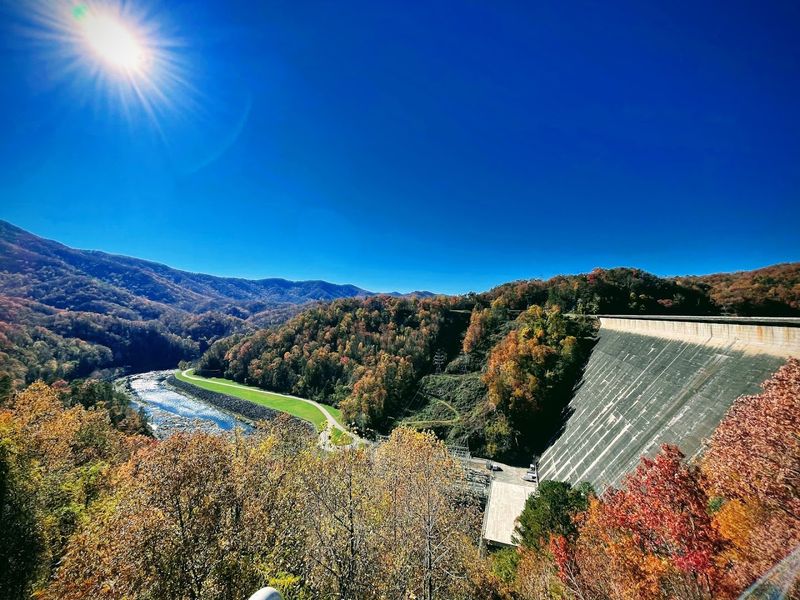
The Nantahala River has built a serious reputation in whitewater circles, and spending time on it quickly explains why. The river runs cold year-round, fed by water released from the bottom of Fontana Lake, and that chill is part of what makes a summer rafting trip feel so refreshing.
The most popular stretch for beginners and families runs about eight miles through the gorge, finishing with Nantahala Falls, a Class III rapid that gives everyone on the raft a proper adrenaline moment right at the end. Several outfitters operate along the river and offer guided trips, equipment rentals, and even instruction for first-timers who have never held a paddle.
What surprised me most was how accessible the whole experience felt. You do not need prior experience to enjoy a guided float, and the scenery along the way, steep canyon walls, overhanging trees, and the occasional great blue heron standing stock-still on a rock, makes even the calmer stretches worth every minute.
The Nantahala Outdoor Center, one of the largest and most respected outfitters in the region, sits right at the end of the gorge run and is a great place to start planning your trip.
Camping Under a Sky Full of Stars
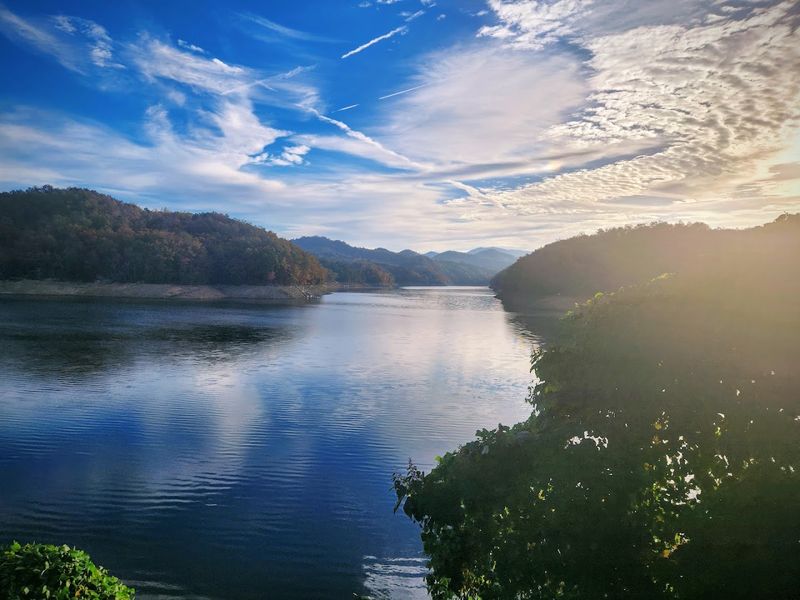
Camping in Nantahala feels like pressing a reset button on your entire nervous system. The forest has developed campgrounds with amenities like restrooms and picnic tables, as well as dispersed backcountry sites for people who want total solitude with nothing but trees and birdsong for company.
At higher elevations, nighttime temperatures drop faster than you might expect, even in summer, so packing an extra layer or two is genuinely useful advice rather than just a precaution. The reward for that slight chill is a night sky that simply does not exist in cities, with the Milky Way arching clearly overhead on cloudless nights.
Cabins are also available for those who prefer a roof over their head. The Nantahala Outdoor Center offers ADA-accessible cabins, including two newer units designed specifically for guests with mobility needs, which is a thoughtful and practical addition that makes the forest accessible to more visitors.
Booking early is strongly recommended, especially for summer and fall weekends when the forest draws visitors from across the Southeast and beyond. Arriving with a reservation in hand rather than hoping for a walk-in spot will save you a lot of stress.
Wildlife, Wildflowers, and the Forest in Every Season
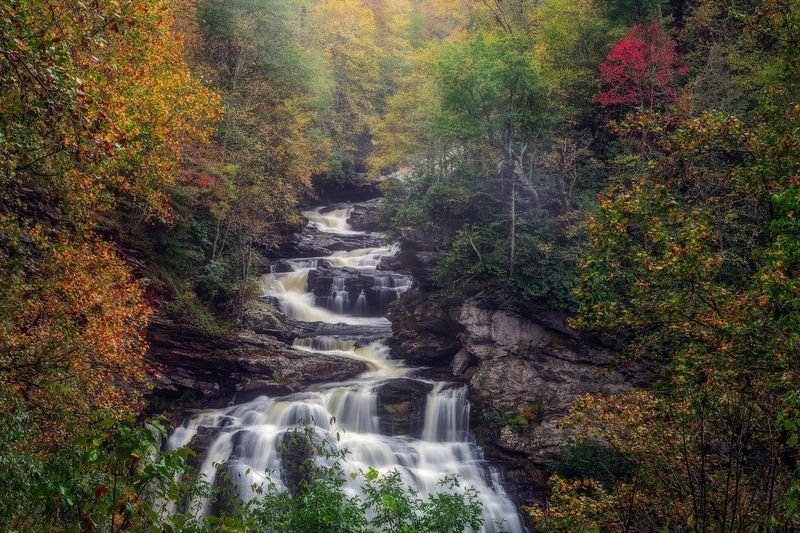
Nantahala earns its classification as a temperate rainforest in certain pockets, and the biodiversity that comes with that distinction is remarkable. Wildflowers carpet the forest floor in spring, rhododendrons bloom in spectacular purple and pink waves through June, and the hardwood canopy shifts through every shade of orange and gold come October.
Wildlife sightings are common enough to feel exciting without being so frequent that they lose their magic. White-tailed deer, wild turkeys, black bears, and elk have all been spotted within the forest boundaries, and the streams host healthy populations of native brook trout that make this a popular fly fishing destination.
Project Healing Waters, a fly fishing organization that works with disabled veterans, has used the Nantahala’s streams as a therapeutic setting, which speaks to how genuinely restorative the environment here can be. The forest also contains a historic 1800s cemetery on one of the mountain ridges, discovered by hikers who ventured off the main trails, adding an unexpected layer of human history to all that natural beauty.
Every season reveals something different, which is exactly why repeat visitors keep coming back.
Biking, Horseback Riding, and Other Ways to Explore
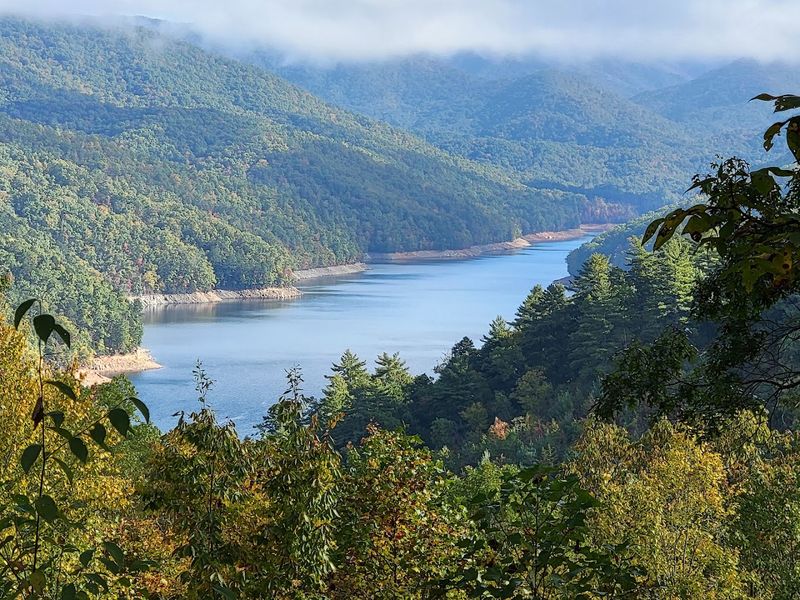
Hiking gets most of the attention, but Nantahala’s trail network is also open to mountain bikers and horseback riders, which changes the experience completely depending on how you choose to move through the forest. The sheer scale of 600 miles means that different user groups can spread out without crowding each other.
Mountain biking in the forest covers a wide range of difficulty, from smooth gravel roads that families can handle comfortably to technical singletrack that demands real skill and focus. The elevation changes across the forest create natural variety, so a single day of riding can take you from dense creek-bottom hollows up to open ridge views in the span of a few miles.
Horseback riding adds a slower, more immersive pace that lets you notice details a faster traveler might miss, the sound of a creek hidden behind a stand of hemlocks, or the way morning fog clings to the valleys below the ridgeline. Several stables near the forest offer guided rides for visitors who do not have their own horses.
Gem mining is another popular activity in the broader region, with natural minerals found throughout the southern Appalachians making for a surprisingly engaging afternoon adventure.
Tips for Planning a Visit You Will Actually Remember
A little planning goes a long way in a forest this large. The Nantahala National Forest website at fs.usda.gov is the best starting point for current trail conditions, campsite availability, and any seasonal closures that might affect your route.
Calling the ranger station at (828) 257-4200 before a big trip is also worth the few minutes it takes.
Fall is arguably the most spectacular time to visit, with the hardwood canopy putting on a color display that draws visitors from across the country. Spring offers wildflowers and rushing waterfalls fed by snowmelt, while summer brings the busiest crowds and the best whitewater conditions on the river.
Winter visits are quieter and genuinely beautiful, though some roads and facilities may have limited access.
Always bring more water than you think you need, especially on longer trail sections where refill points are scarce. A light jacket is useful year-round since the gorge and higher elevations run noticeably cooler than surrounding lowlands.
Cellphone service is spotty throughout much of the forest, so downloading offline maps before you leave town is one of those small preparations that can make a real difference when you are standing at a trail junction trying to figure out which way to go.
Share this story