Before fast-casual chains and trendy tasting menus took over, American restaurants were about something much simpler: big portions, familiar recipes, and tables where everyone felt welcome. The 1970s had a particular magic when it came to food, and a handful of restaurants across the country have somehow held onto it. Some of these places have barely changed their menus in decades, and that is exactly the point. No foam, no fusion, no twelve-ingredient cocktail pairings required.
Just honest, filling, home-cooked food served with the kind of unhurried hospitality that used to be standard. Whether it is a cafeteria-style lunch line in Nashville, a shared-table dinner in Savannah, or a vintage railcar diner tucked along a historic highway, these thirteen spots deliver the real thing. Read on to find a restaurant that might just take you straight back to a kitchen you remember from childhood.
1. Arnold’s Country Kitchen, Nashville, Tennessee
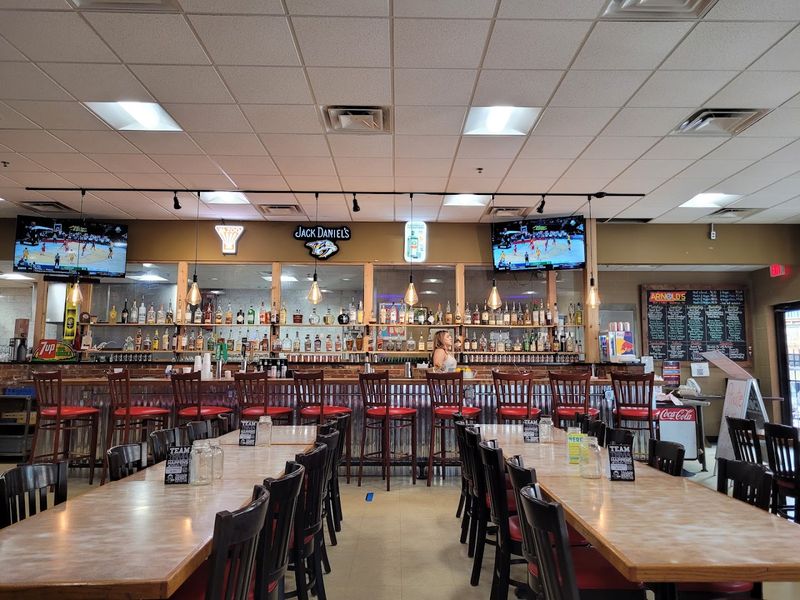
Not every great restaurant needs a reservation system or a social media strategy. Arnold’s Country Kitchen has been proving that point since 1982, running a no-frills cafeteria line that Nashvillians treat with the kind of loyalty usually reserved for family traditions.
Guests grab a tray and make their way down the line, choosing from fried chicken, meatloaf, roast beef, and cornbread alongside a rotating cast of Southern vegetables all made from scratch each morning.
The “meat and three” format is a Nashville institution, and Arnold’s is its most reliable ambassador. Lunch ends when the food runs out, which means arriving early is a practical strategy, not just a suggestion.
Decades of regulars have kept this place exactly what it is: a straightforward, comforting midday meal that costs less than most fast food combos and delivers far more satisfaction. It is old Nashville at its most genuine.
2. Bubba’s Cooks Country, Dallas, Texas
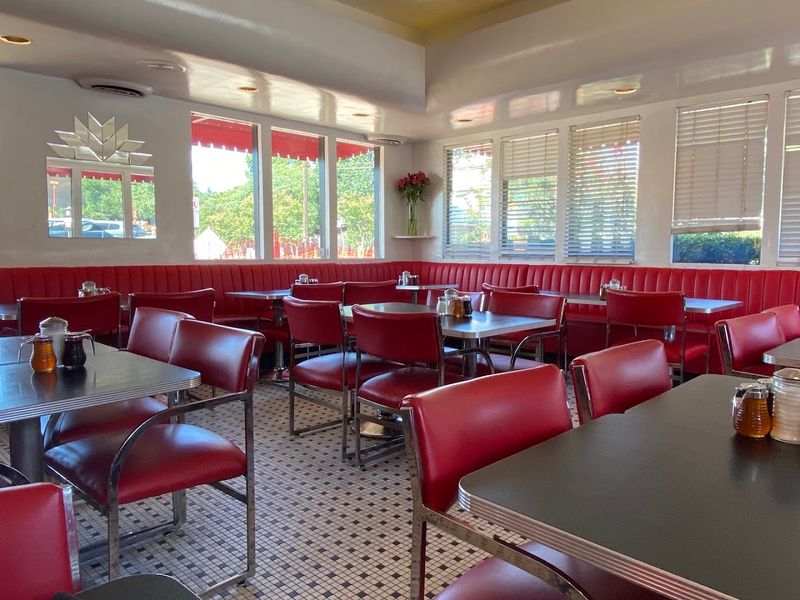
Family recipes tend to get better with age, and Bubba’s Cooks Country has been field-testing that theory since 1981. The fried chicken here follows a formula that has not needed updating in over four decades.
Catfish, chicken fried steak, and buttery rolls round out a menu built entirely around the kind of food that shows up at church potlucks and Sunday dinners. The sides change with the season but always lean toward the classics.
The dining room is casual in a way that feels deliberate rather than neglected. Tables are practical, service is attentive, and the pace of a meal here matches the pace of the recipes: unhurried and purposeful.
Generations of Dallas families have made Bubba’s a regular stop, which tells you more about the food than any review could. When people keep returning for forty-plus years, the kitchen is clearly doing something right. Old-fashioned cooking tends to reward patience.
3. Mary Mac’s Tea Room, Atlanta, Georgia
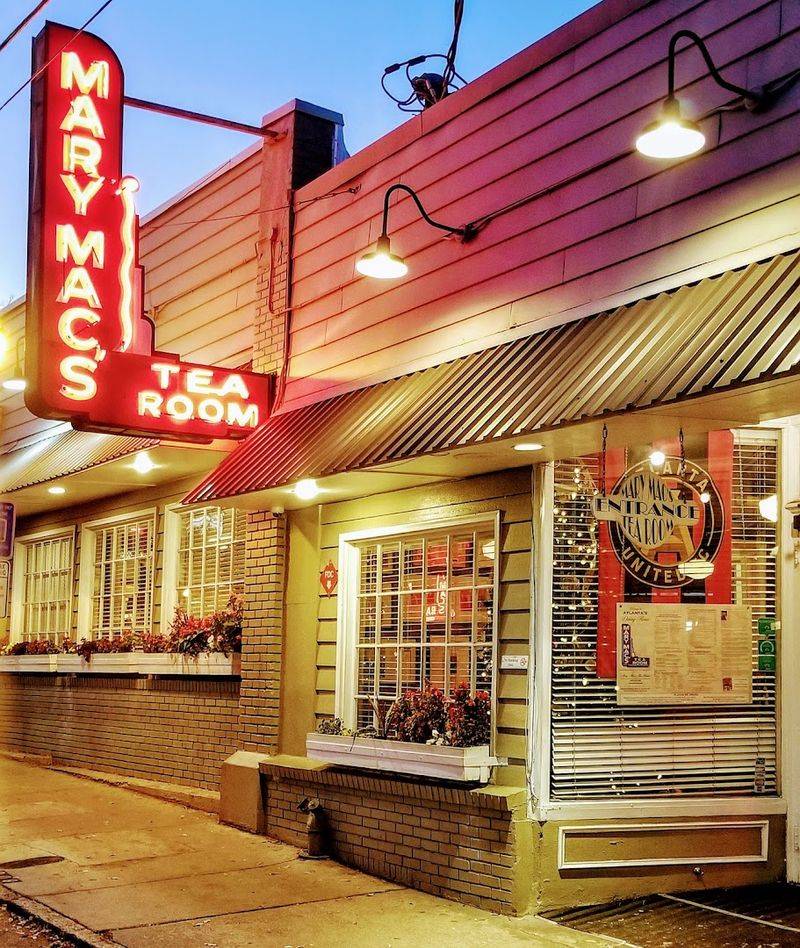
Mary Mac’s Tea Room has a history that doubles as a piece of Atlanta’s social fabric. Opened in 1945, it was one of sixteen “tea rooms” founded by women after World War II as a way to run independent businesses during a complicated economic era.
Today it stands as the last of those original establishments, still serving fried chicken, tomato pie, pot roast, collard greens, and sweet potato soufflé with a consistency that borders on devotion to tradition.
Six dining rooms accommodate the steady flow of visitors, and the staff operates with the kind of warmth that makes a large restaurant feel like someone’s home. Recipes have been adjusted so rarely that longtime regulars notice even minor changes.
The tomato pie alone has earned a near-mythical reputation in Atlanta food circles. Mary Mac’s is the rare institution that has kept its original promise intact across eight decades of service. That is a remarkable track record by any standard.
4. Mrs. Wilkes Dining Room, Savannah, Georgia
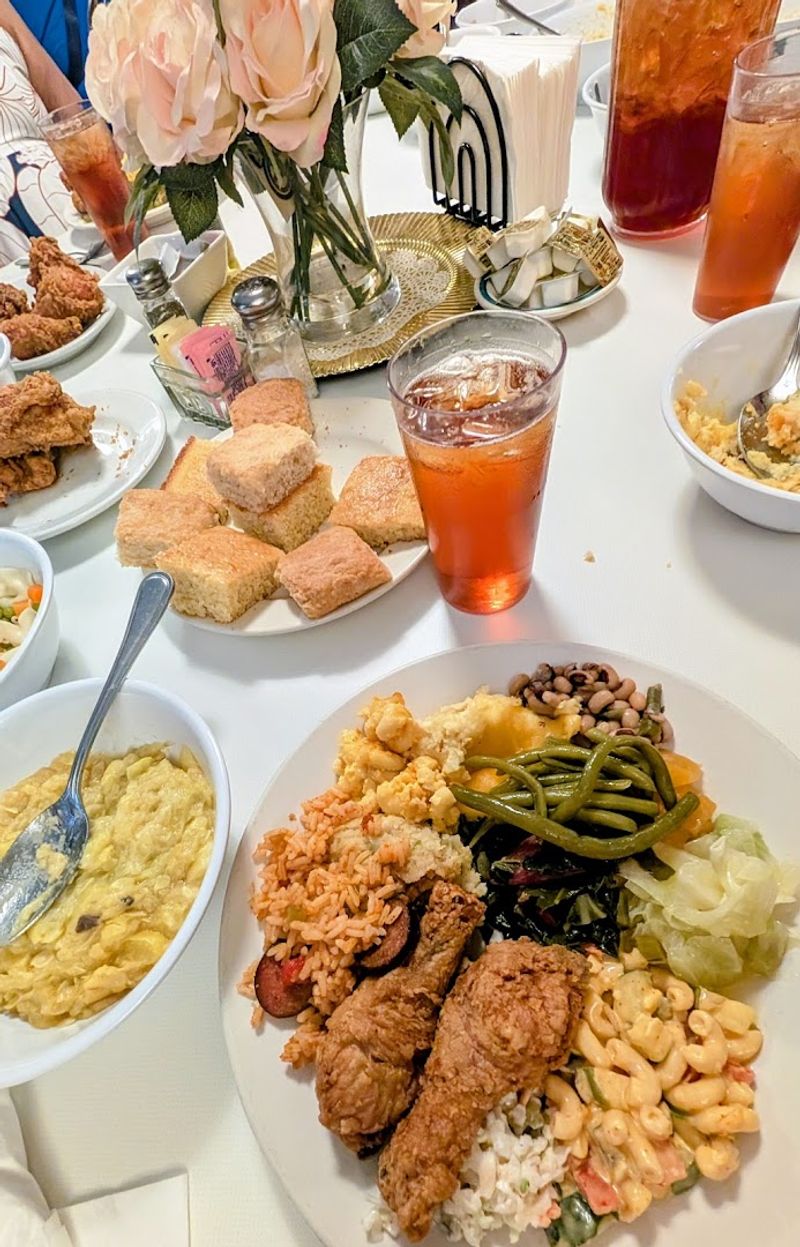
Sema Wilkes started offering boardinghouse meals in 1943, and the approach she established has survived almost entirely intact. Strangers sit together at long communal tables designed for ten, and the food arrives all at once in shared platters and bowls.
There is no printed menu. Instead, a rotating selection of twenty to twenty-five dishes appears daily, covering fried chicken, macaroni and cheese, black-eyed peas, biscuits, cornbread dressing, and whatever vegetables are in season.
Guests are expected to pass dishes to their neighbors and to bus their own plates when finished. Payment has traditionally been cash or check only. These customs are not oversights; they are the whole point.
The communal format turns every meal into a small social event, connecting people who arrived as strangers and leave having shared a table and a conversation. Savannah has no shortage of restaurants, but Mrs. Wilkes offers something most of them cannot replicate: genuine community around food.
5. The Loveless Cafe, Nashville, Tennessee
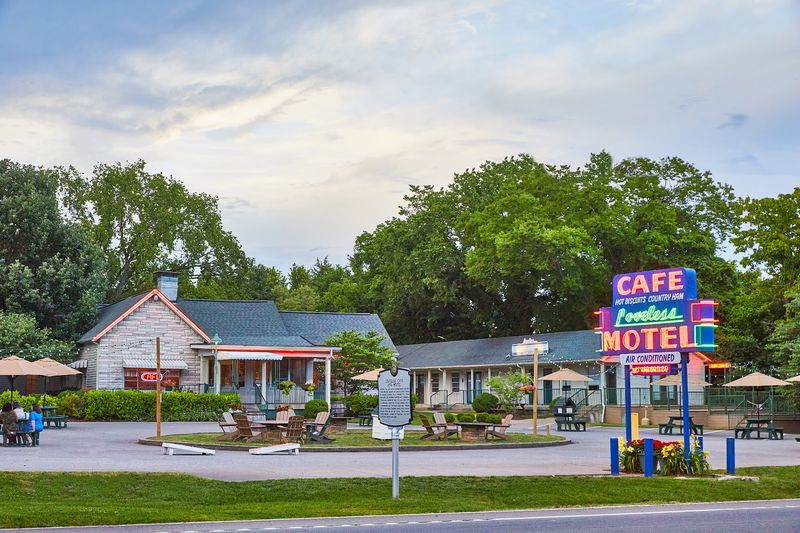
Lon and Annie Loveless started serving fried chicken and homemade biscuits from their home along Highway 100 back in 1951, and the recipes they developed have not been altered since. That kind of stubbornness is worth celebrating.
The biscuits here have earned national attention, described by food writers in terms that suggest they occupy their own category. House-smoked country ham accompanies them, along with preserves, fried chicken, and full Southern breakfasts that draw over half a million visitors per year.
The kitchen reportedly produces around ten thousand biscuits on a busy day, which gives you some sense of the scale of devotion this roadside landmark inspires. The neon sign out front has become one of Tennessee’s most photographed pieces of roadside Americana.
For families who grew up making road trips through Middle Tennessee, The Loveless Cafe was often the agreed-upon stop. That tradition has passed to new generations who show up for the same reasons their grandparents did.
6. Nancy’s Revival, Wilkinsburg, Pennsylvania
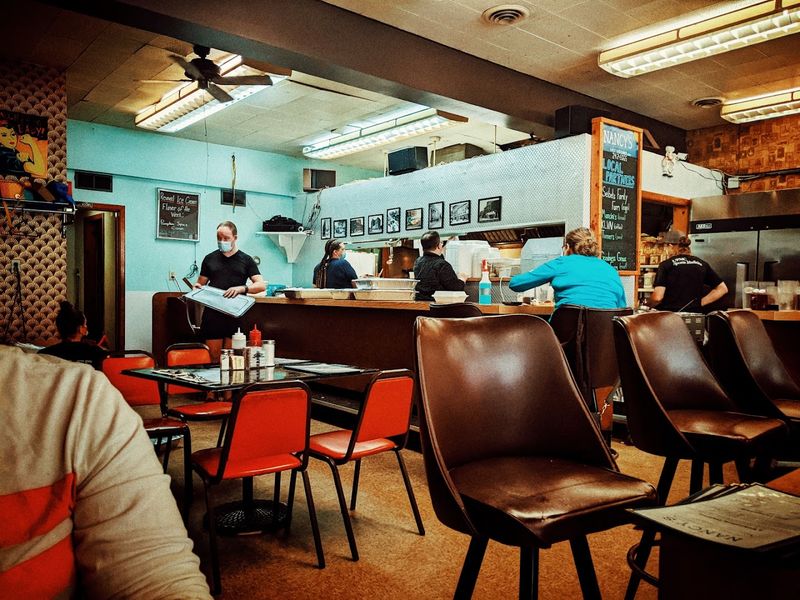
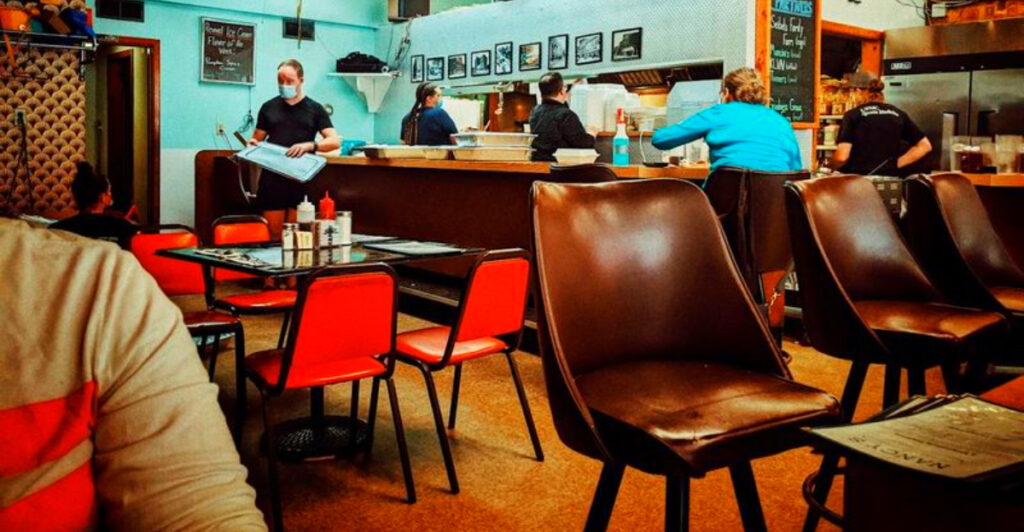
The Bielicki family opened this diner in 1974, and the walls have been collecting community history ever since. Historic photographs still hang in their original spots, documenting decades of neighborhood life in Wilkinsburg with the kind of casual permanence that most restaurants never achieve.
When new owners took over in 2019 and rebranded the place as Nancy’s Revival, they made a deliberate choice to preserve the original booths, wallpaper, and overall character rather than modernize it into something unrecognizable.
The menu reflects that same philosophy. Homemade breakfasts, meatloaf, country fried steak, crepe-style pancakes, and rotating daily specials keep the focus on affordable, filling food prepared without pretension.
Wilkinsburg is a neighborhood with a complicated recent history, and Nancy’s Revival functions as one of its reliable anchors. A diner that has been part of a community for fifty years carries a weight that no amount of rebranding or renovation can manufacture. The food earns the loyalty; the history keeps it.
7. Blue Benn Diner, Bennington, Vermont
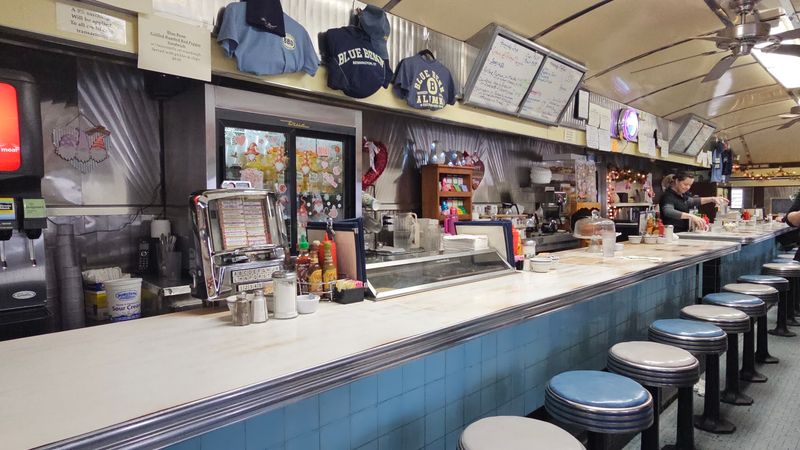
Chrome exteriors, compact interiors, and a menu built on familiar favorites: the Blue Benn Diner in Bennington delivers the classic American railcar diner experience with very few modern modifications.
The building itself is a beautifully preserved vintage structure that draws visitors who are as interested in the architecture as they are in the food. Once inside, the cozy booth seating and counter stools set the scene for meatloaf, hot turkey sandwiches, homemade soups, and freshly baked pies.
Pancakes have developed a loyal following here, with regulars making the Blue Benn a regular weekend stop rather than an occasional curiosity. The portions are honest and the prices reflect the diner’s working-class roots.
Bennington is a small Vermont city with a lot of history, and the Blue Benn fits naturally into that landscape. It functions as a neighborhood institution that also happens to attract visitors from outside the region who want to experience what a real American diner looks and feels like.
8. Modern Diner, Pawtucket, Rhode Island
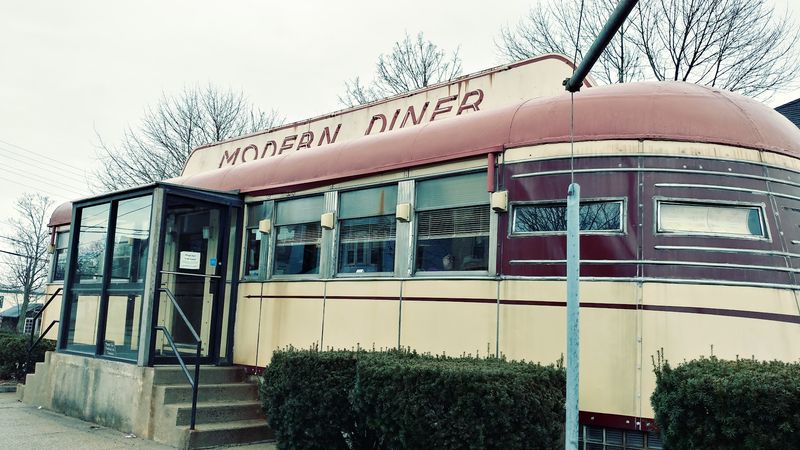
The Modern Diner in Pawtucket operates inside a genuine Sterling Streamliner dining car, a type of prefabricated structure that represents one of the most distinctive chapters in American roadside architecture. The building is the attraction before you even look at the menu.
Counter seating runs the length of the compact interior, a classic configuration that encourages the kind of brief, friendly exchanges with neighbors that define the diner experience at its best.
Hearty breakfasts anchor the menu, with meatloaf, roast turkey, and other diner staples rounding out the options for guests who arrive later in the day. Everything is made in-house, which keeps the quality consistent and the character intact.
Pawtucket is not a city most people put at the top of a road trip itinerary, but the Modern Diner gives it a legitimate reason for a detour. The combination of genuine historic architecture and reliable comfort food makes it one of New England’s most underappreciated dining stops.
9. Mickey’s Dining Car, St. Paul, Minnesota
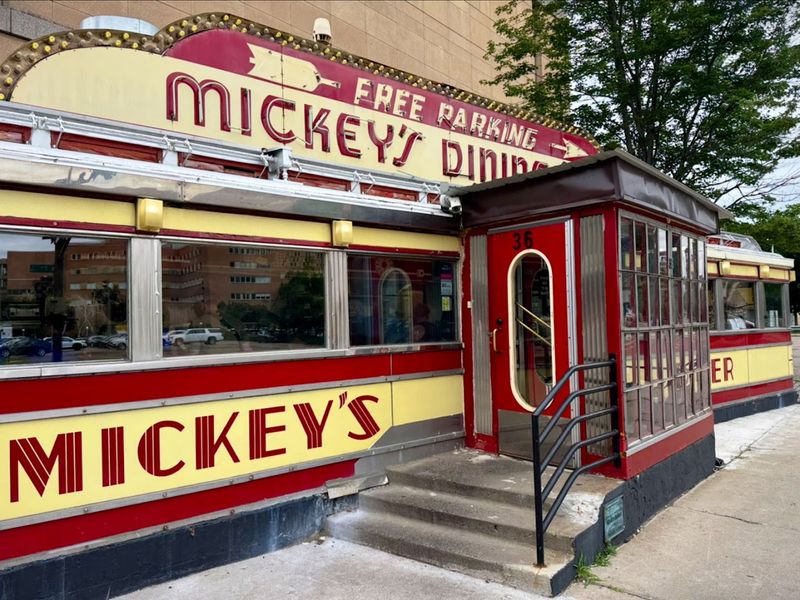
Mickey’s Dining Car arrived in St. Paul by rail in 1939, prefabricated in New Jersey and designed to look like a passenger-train dining car. It has barely moved since, physically or philosophically.
The exterior features yellow and red porcelain steel panels, Art Deco lettering, and a neon sign that earned the building a spot on the National Register of Historic Places in 1983. Inside, stainless steel grills, mahogany paneling, and seating for about thirty-six customers preserve the original layout almost completely.
Burgers, hash browns, omelets, and meatloaf fill a menu that prioritizes economy and familiarity over culinary ambition. The family ownership has remained consistent across generations, which helps explain why the place operates with such a clear sense of identity.
St. Paul has Mickey’s Dining Car the way other cities have famous bridges or historic theaters: as a landmark that represents something specific about the character of the place. It has been open continuously since 1939 and shows no signs of reconsidering that commitment.
10. Route 40 Classic Diner, Grindstone, Pennsylvania
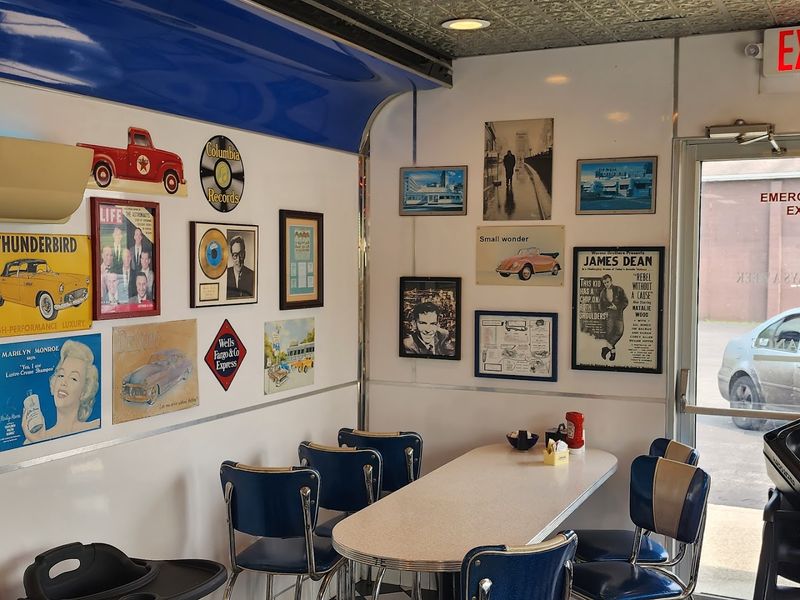
Historic Route 40 once carried millions of travelers across the American interior, and the Route 40 Classic Diner in Grindstone keeps that roadside tradition alive with a setup that reads like a checklist of classic diner details.
Checkered floor accents, booth seating, a counter with stools, and a working jukebox that plays oldies create an environment where the decor and the food reinforce each other. Meatloaf, turkey dinners, country fried steak, mashed potatoes, and homemade desserts anchor a menu built for appetite rather than experimentation.
Portions are generous by any standard, which has made the diner a reliable destination for both locals and travelers making their way through southwestern Pennsylvania. The relaxed pace of service matches the unhurried spirit of the old highway itself.
There is something satisfying about a restaurant that knows exactly what it is and commits fully to that identity. Route 40 Classic Diner is not trying to be anything other than a great roadside diner, and that clarity is precisely what makes it work so well.
11. Mama’s Daughters’ Diner, Dallas, Texas
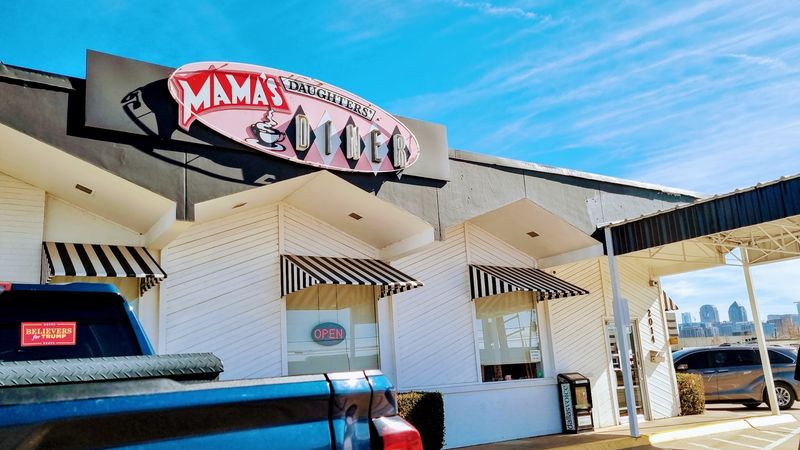
Norma Lee Manis opened this diner in 1958 with a straightforward goal: feed people well and treat them right. More than six decades later, her daughters and grandchildren are still running the place on exactly those terms.
Chicken fried steak arrives with cream gravy that takes no shortcuts. Meatloaf, pot roast, and mashed potatoes fill out a menu that reads like a greatest hits collection from every home kitchen of the 1970s.
The booths are sturdy, the service is direct, and nobody is going to hand you a QR code instead of a menu. Homemade pies rotate through the dessert case with the reliability of a family calendar.
Mama’s Daughters’ has earned its reputation not through reinvention but through consistency. Dallas has changed dramatically around it, and the diner has responded by staying almost entirely the same. That stubbornness turns out to be its greatest quality.
12. Monell’s, Nashville, Tennessee
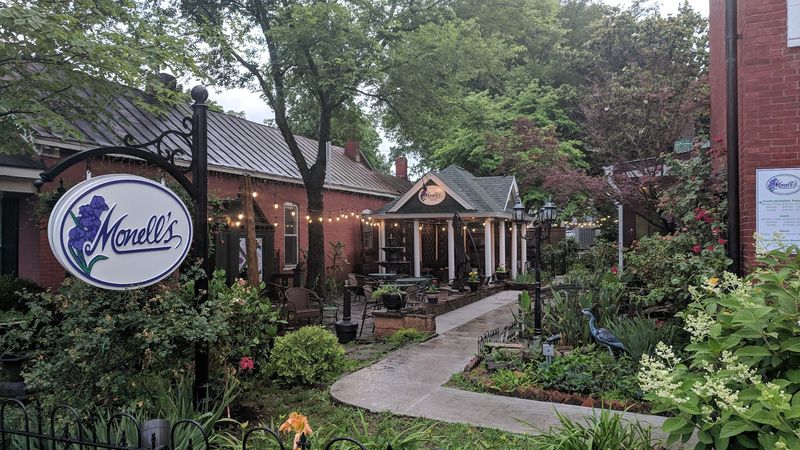
Nashville has no shortage of places to eat, but Monell’s occupies a category mostly by itself. The family-style service model means guests sit at large shared tables and pass bowls of food around rather than ordering individual plates from a menu.
Fried chicken, biscuits, macaroni and cheese, green beans, and rotating seasonal vegetables make their way around the table in a format that turns a restaurant meal into something closer to a family gathering. The food is Southern, the approach is communal, and the result is reliably satisfying.
First-time visitors sometimes arrive unsure of what to expect and leave converted to the format entirely. Sharing food with strangers has a way of producing conversation and good humor that a conventional restaurant setup rarely generates.
Monell’s has built its reputation on this experience rather than on any single dish, which makes it difficult to summarize in a single menu item. The whole is genuinely greater than the sum of its parts, and the parts are already very good.
13. Cracker Barrel Old Country Store, Lebanon, Tennessee
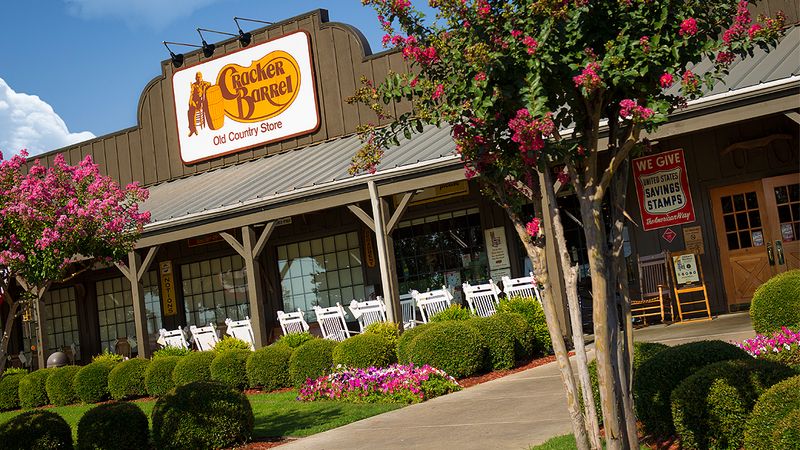
Dan Evins opened the first Cracker Barrel in Lebanon, Tennessee, in September 1969 with a concept that combined a gas station, restaurant, and gift shop into a single roadside stop designed to feel like an old country store. The gas station is gone, but the rest of the idea held up remarkably well.
Chicken and dumplings, meatloaf, country fried steak, and biscuits have remained menu constants since the beginning. The Southern sides rotate slightly with the seasons but always stay within the comfort food playbook that made the original location a success.
Front porch rocking chairs, antique decor covering every wall, checkerboards, and vintage candies in the adjoining store create an environment that references an earlier American era in a very specific and deliberate way. By the end of the 1970s, multiple locations had spread across Tennessee and into neighboring states.
Lebanon remains the original, and visiting it carries a different weight than stopping at a highway location. The founding store is where the whole tradition started, and it still delivers on that original promise with admirable consistency.
Share this story