Idaho is not exactly shy about its mountains. The state is packed with rugged peaks, crystal-clear alpine lakes, and trails that climb high enough to make you forget the rest of the world exists. Whether you are a weekend warrior looking for a manageable half-day hike or a seasoned trekker hunting for a serious summit challenge, Idaho has a trail with your name on it. From the granite spires of the Sawtooth Range to the high desert rock formations of the south, the variety here is genuinely impressive.
Some of these routes are popular enough to fill parking lots by sunrise, while others remain blissfully quiet even in peak season. This list covers 12 of Idaho’s best mountain trails, each one picked for its standout views and unforgettable scenery. Pack your boots, charge your camera, and get ready to see why Idaho hikers tend to be a very smug group of people.
1. Sawtooth Lake Trail, Stanley, Idaho
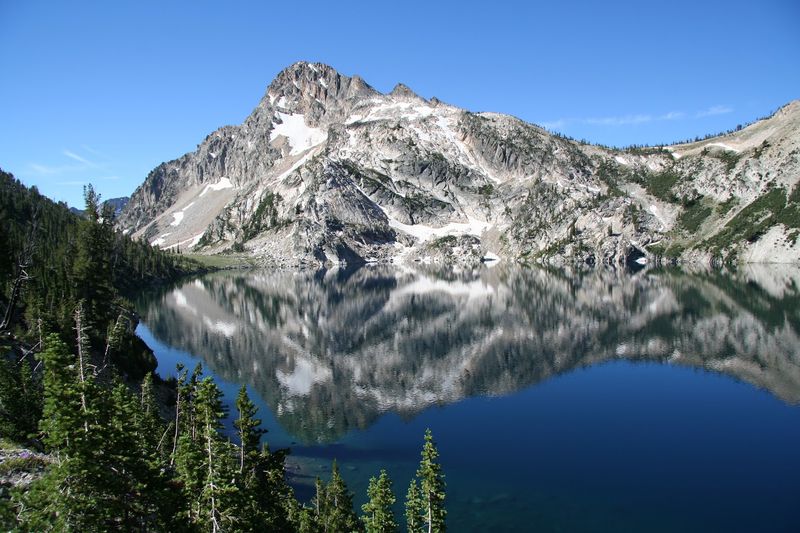
Starting from the Iron Creek Trailhead, this 10 to 10.6 mile roundtrip hike is the kind of adventure that earns serious bragging rights. The elevation gain runs between 1,500 and 1,900 feet, and the trail earns its moderate-to-hard rating once you pass Alpine Lake and the terrain turns rocky with steep switchbacks.
The lower section moves through lodgepole pine forest and open slopes covered in wildflowers, tracing Iron Creek through a valley framed by serrated granite ridges. Mount Regan, towering above 10,000 feet, stands guard over the glacial lake at the end of the route.
For hikers with a sharp eye, remnants of an airplane crash can be spotted near the lake, adding an unexpected historical detail to the scenery. A free wilderness permit is required at the trailhead. Parking fills fast on summer weekends, so an early start is a smart move. July through September offers the most reliable snow-free conditions on this trail.
2. Table Rock Trail, Boise, Idaho
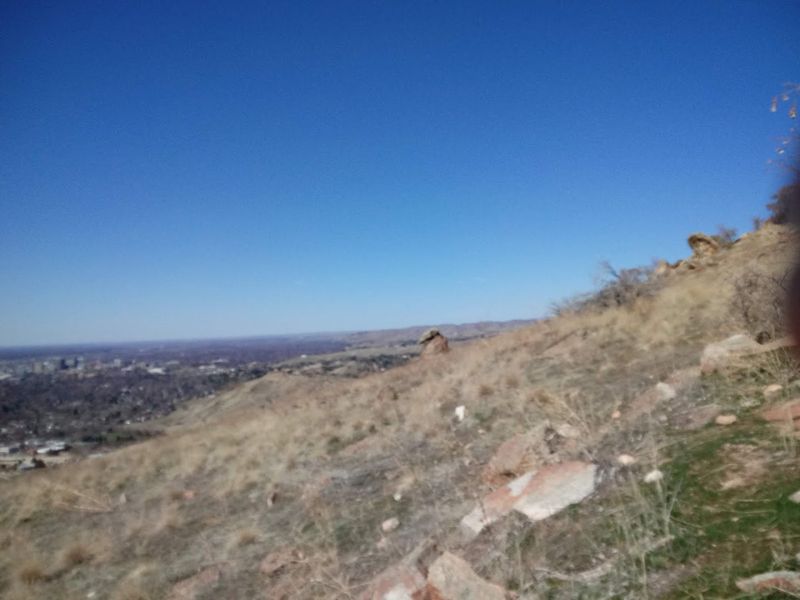
Fifteen million years of volcanic history sit right on the edge of downtown Boise, and Table Rock Trail is the easiest way to reach the top of it. The hike is roughly 3.7 miles roundtrip with about 900 to 1,100 feet of elevation gain, landing you at a summit elevation of 3,650 feet.
The views from the top stretch across downtown Boise, the broad Treasure Valley, and the distant Owyhee Mountains, with snowcapped foothills filling in the gaps. A 60-foot illuminated white cross, installed by the Jaycees club in 1956, marks the summit and is visible from much of the city below.
This trail was historically a ceremonial site for the Northern Shoshone people, adding cultural depth to what might otherwise seem like a casual city hike. The area opens at sunrise and closes at sunset. Dogs and horses are both permitted on the trail. Spring and fall bring cooler temperatures and thinner crowds, making those seasons ideal for a visit.
3. Scotchman Peak Trail, Clark Fork, Idaho
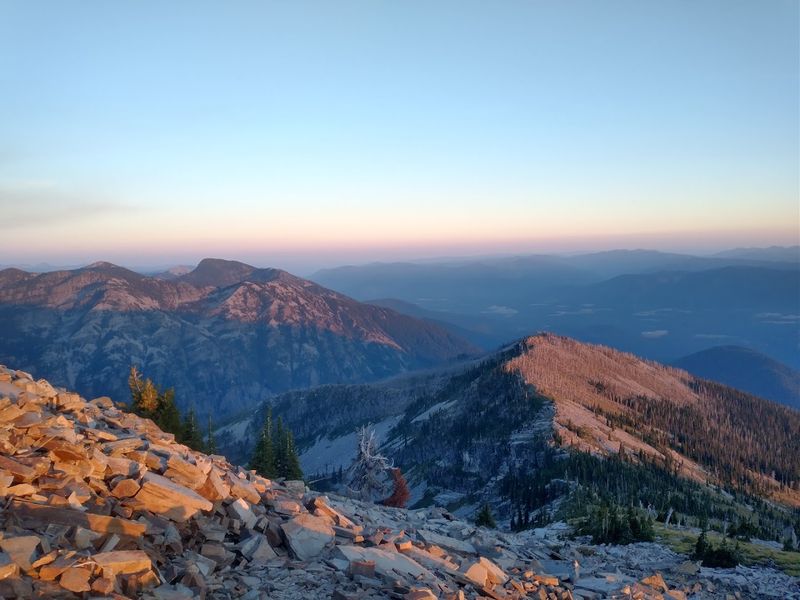
The highest point in Bonner County does not give itself up easily. Scotchman Peak Trail covers about 8 miles roundtrip with a punishing 3,700 feet of elevation gain, climbing steeply through loose rock toward a summit that rewards every difficult step with an extraordinary payoff.
Expansive views of Lake Pend Oreille, the Clark Fork River Valley, and the rugged Cabinet and Selkirk Mountains open up well before the top. On clear days, the scenery extends toward both Montana and Washington, making the summit feel like the center of the entire Pacific Northwest.
A resident herd of mountain goats lives near the upper slopes and frequently approaches hikers looking for salt. Keeping a 100-foot distance is the recommended protocol, and trail ambassadors are sometimes stationed there to assist. No water is available on the trail, so carrying a full supply is essential. Snow can linger on the upper elevation late into summer, and hiking poles are strongly recommended for the steep, rocky descent.
4. Mineral Ridge National Recreation Trail, Coeur d’Alene, Idaho
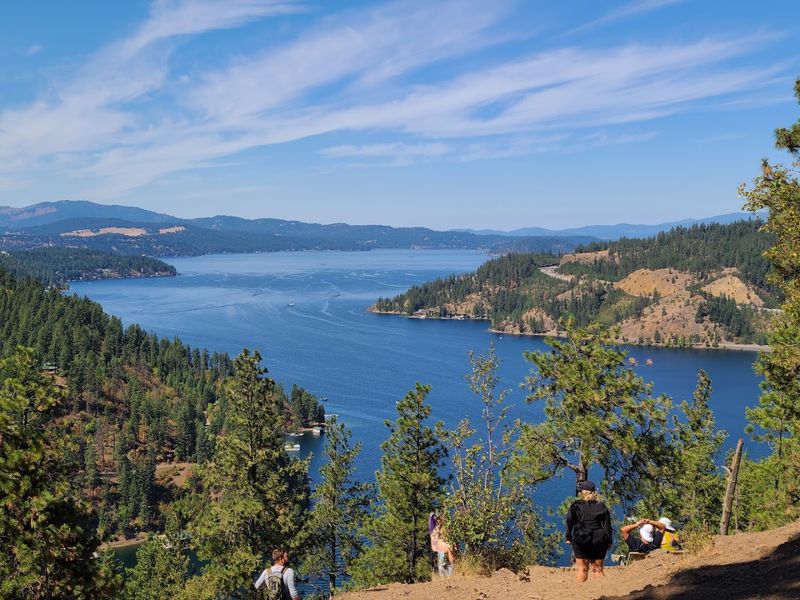
Designated as a National Recreation Trail in 1982, Mineral Ridge holds the distinction of being the first recreation site developed by the Bureau of Land Management in all of Idaho, with construction beginning back in 1963. History aside, the 3.3-mile loop delivers some of the best lake views in the entire region.
The trail climbs 556 to 700 feet through Ponderosa Pine and Douglas Fir forest before opening up to spectacular overlooks of Lake Coeur d’Alene, including Beauty Bay and Wolf Lodge Bay. Twenty-two interpretive stations along the route explain the local plants, animals, and forest ecosystem in detail.
Every winter, up to 150 bald eagles migrate through the area from November to February to feed on spawning kokanee salmon, turning a standard hike into a genuine wildlife event. An abandoned prospecting tunnel is accessible via a short spur trail for those curious about the area’s mining history. The trailhead includes paved parking, picnic shelters, and drinking water. Dogs are welcome on leash.
5. Alice Lake Trail, Stanley, Idaho
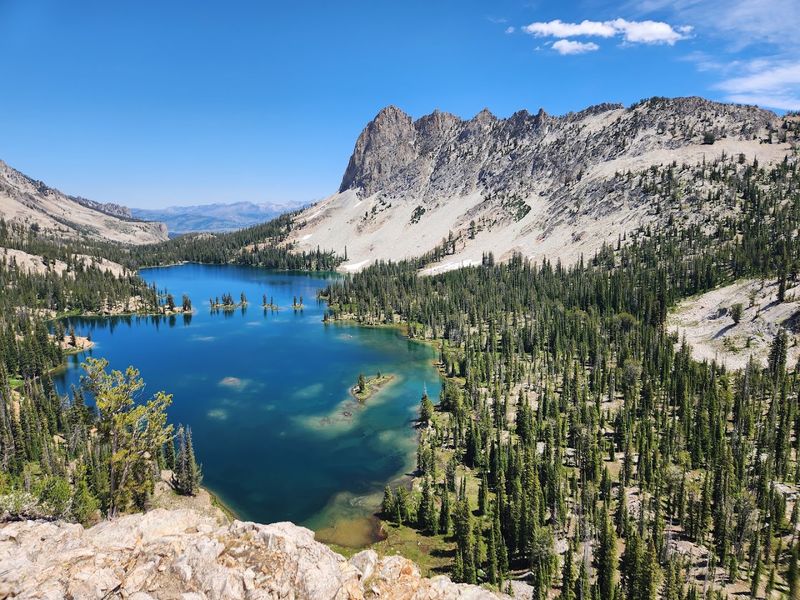
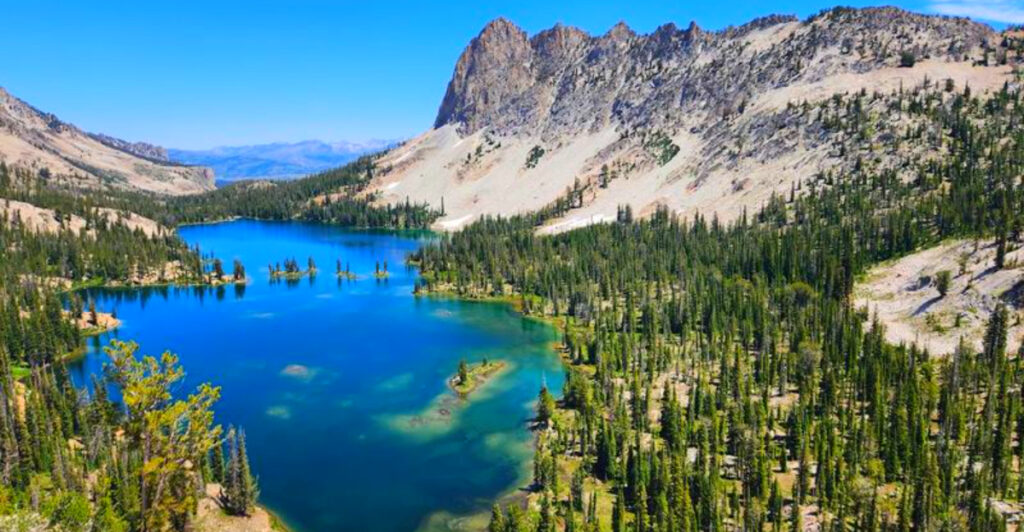
At 8,602 feet above sea level, Alice Lake sits like a hidden reward at the end of one of Idaho’s most satisfying mountain hikes. The trail covers roughly 10.4 to 12 miles roundtrip with about 1,600 feet of elevation gain, making it a solid choice for hikers who want real scenery without technical climbing.
The route winds through lush forests, open alpine meadows, and five stream crossings before the lake finally comes into view. El Capitan, rising to 9,901 feet, dominates the skyline above the water. The geological formation known as the Dragon’s Back adds extra drama to the already striking backdrop.
A free wilderness permit is required and available at the trailhead. Brook trout populate the lake, so anglers often pack a rod alongside their trail snacks. The lake can stay frozen well into early summer, so July through early September is the sweet spot for a visit. Dogs are welcome but must stay on a leash.
6. Mount Borah Trail, Mackay, Idaho
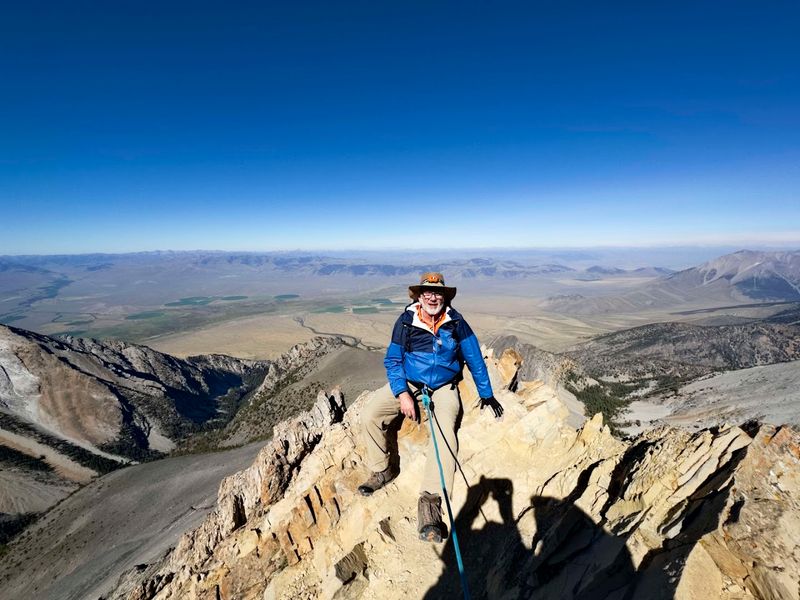
Idaho’s highest peak does not hand out summit certificates, but it probably should. Mount Borah stands at 12,662 feet, and the trail to the top covers 7 to 8.4 miles roundtrip with a staggering elevation gain of around 5,000 feet, starting from a trailhead sitting at 7,500 feet.
The route begins in sagebrush before moving through Bristlecone Pine forest and eventually reaching the infamous Chicken-Out Ridge. This exposed, third-class scramble is where many hikers make the sensible decision to turn around, and there is no shame in that at all.
Those who continue are rewarded with 360-degree views across the Lost River Range from a summit of bare grey limestone. A 1983 earthquake actually raised the peak by seven feet, a geological footnote that makes the climb feel even more dramatic. Most hikers complete the full ascent and descent in 8 to 12 hours. Poles are highly recommended, especially for the steep return trip.
7. Iron Creek To Goat Lake Trail, Stanley, Idaho
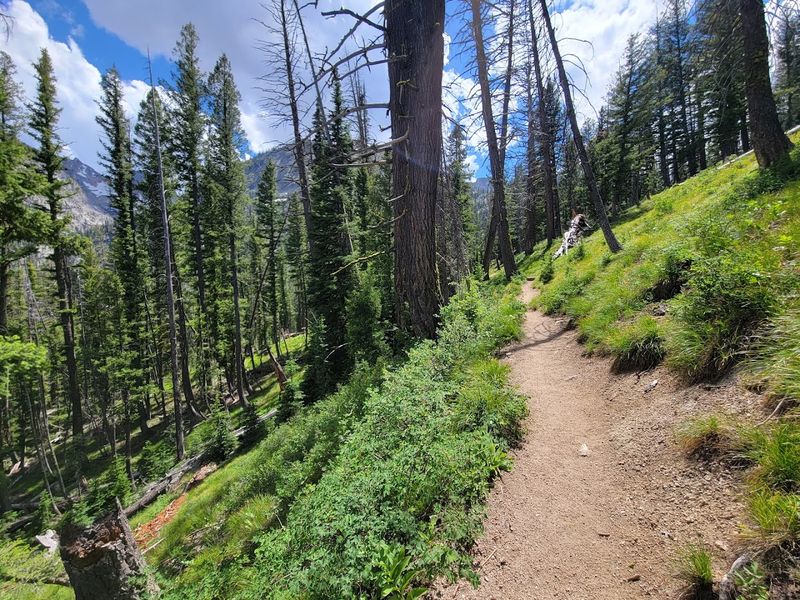
Goat Lake has the kind of color that makes people stop mid-step and question whether they are still in Idaho. The turquoise and emerald-blue water sits beneath towering granite cliffs at the end of an 8 to 9 mile roundtrip trail that earns its difficult rating in the final half-mile scramble.
The elevation gain ranges from 1,615 to 2,869 feet depending on the route, and the upper section involves steep, loose, rocky terrain that requires careful footing and some boulder hopping. Before things get rugged, the trail moves through lush forest, wildflower meadows, and past the picturesque Goat Falls.
Multiple creek crossings add variety to the route, and the water running through them is remarkably clear. A self-issue wilderness permit is required at the trailhead. The trail also passes a junction for Sawtooth Lake, giving ambitious hikers the option to extend their day significantly. Summer weekdays offer a noticeably quieter experience than weekends.
Camping is permitted at the lake for those who want to linger a little longer.
8. Castle Rocks Trail, Almo, Idaho
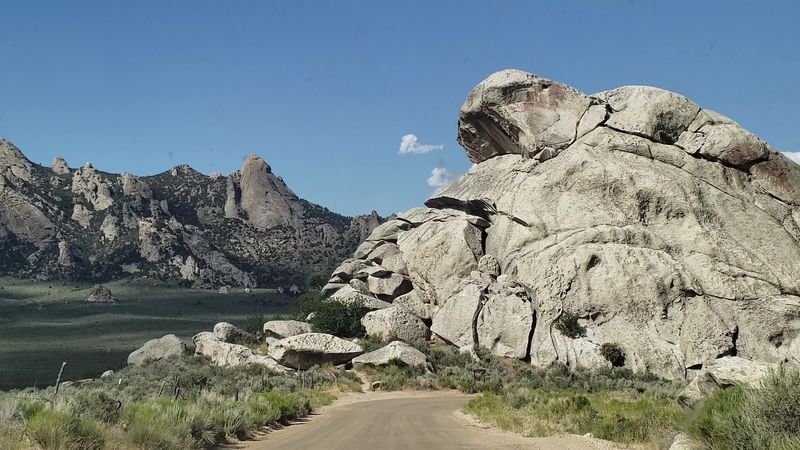
Not every great Idaho hike involves forests and snowmelt. Castle Rocks State Park near Almo offers a completely different kind of mountain scenery, built around towering granite spires, rounded boulders, and high desert terrain that looks like something out of a geology textbook.
The park features several trail options, including the 2-mile Backyard Boulders loop, which provides some of the best views of the ancient rock formations, and a 6-mile Castle Rocks Trail that covers more ground and gains more elevation. The Around the Rock Trail is a 1-mile loop popular with families and casual hikers.
From the higher overlooks, broad views of the Albion Mountains open up, along with sightlines toward Cache and Graham Peaks. Prehistoric pictographs can be spotted along certain sections of the trail, adding a layer of human history to the natural geology. The park is also a well-known rock climbing destination, with anchored routes on many of the granite formations. Glamping yurts are available for overnight stays.
9. Harrison Lake Trail, Ketchum, Idaho
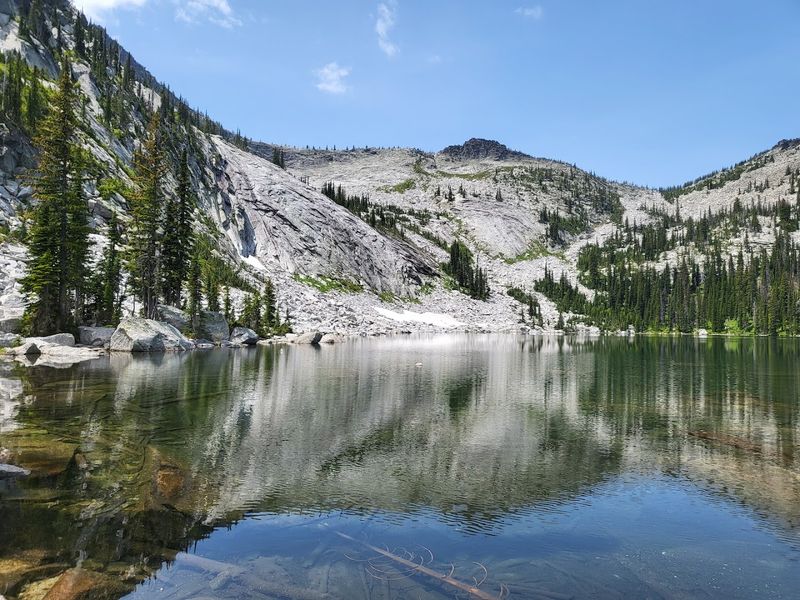
Tucked into the Selkirk Mountains near Bonners Ferry in Boundary County, Harrison Lake is one of those destinations that feels genuinely far from everything, even though the trail itself is manageable for most experienced hikers. Two main approach routes exist: the Myrtle Creek option at 8.3 miles roundtrip and the shorter but steeper Pack River route at around 5 miles.
Elevation gain ranges from 1,300 to 1,567 feet depending on the route chosen. Both paths eventually deliver hikers to a serene alpine lake sitting inside a cirque, with steep mountain walls rising on multiple sides and Harrison Peak providing a dramatic backdrop.
The final section of the trail involves navigating granite slabs and boulder hopping, which adds a bit of adventure to the approach. Bearboxes are available at the lake for food storage, a practical reminder that the surrounding wilderness is very much active. The trail can connect to the Beehive Lakes for a longer loop, though that extension includes off-trail sections. July through October offers the most reliable conditions.
10. Boulder Lake Trail, McCall, Idaho
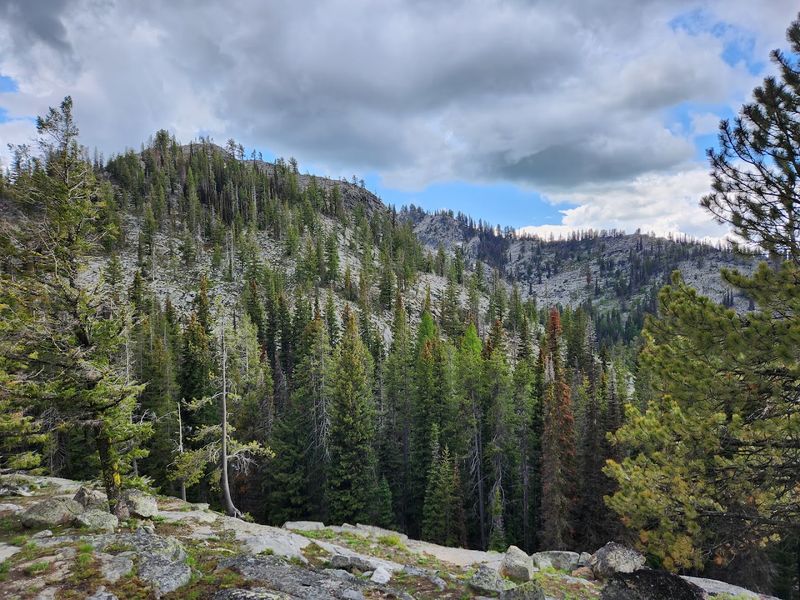
Family-friendly does not have to mean boring, and Boulder Lake Trail in Payette National Forest makes a convincing case for that argument. At 2.4 to 4 miles roundtrip with 710 to 800 feet of elevation gain, the route is genuinely approachable while still delivering scenery that feels like it belongs on a postcard.
The trail climbs gradually through open meadows dotted with wildflowers before hitting a series of steep switchbacks up a granite face just below the lake. The lake itself features a dam that creates a striking infinity-edge effect, and on calm mornings the surrounding rocky ridgelines reflect almost perfectly in the still water.
Wildflowers typically peak in early July, making that a particularly scenic window for a visit. The lake is popular with anglers, and the trail can be linked with Louie Lake via a connecting path to form a longer 6.8 to 7 mile loop. Early season hikers may encounter a creek crossing near the lake due to snowmelt. The trail is generally accessible from June through November.
11. Lookout Mountain Trail, Pierce, Idaho
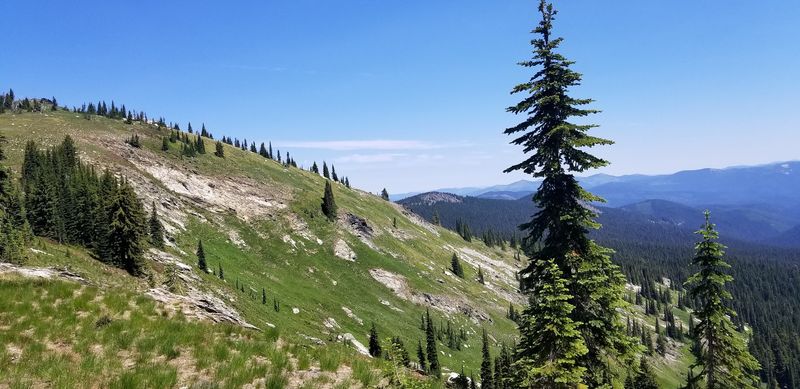
North central Idaho does not always make the highlight reels, which is exactly what makes Lookout Mountain Trail near Pierce such a satisfying find. This quieter route follows a scenic ridgeline through alternating stretches of dense conifer forest and open rocky outcrops, with the views expanding steadily as the elevation increases.
The trail rewards patient hikers who stick with the switchbacks. Each open viewpoint along the upper ridgeline reveals a broader sweep of the surrounding Idaho wilderness, with forested mountain terrain extending in every direction without a building or road in sight.
The relative lack of foot traffic on this trail is one of its genuine strengths. Hikers looking to avoid crowded trailheads and overflowing parking lots will find this route refreshingly calm even during peak summer weekends. The trail surface alternates between packed dirt and exposed rock, keeping the terrain varied without becoming technically difficult. North central Idaho’s forests tend to hold onto cooler temperatures longer into summer, making morning hikes here especially comfortable during July and August.
12. Hyndman Peak Trail, Ketchum, Idaho
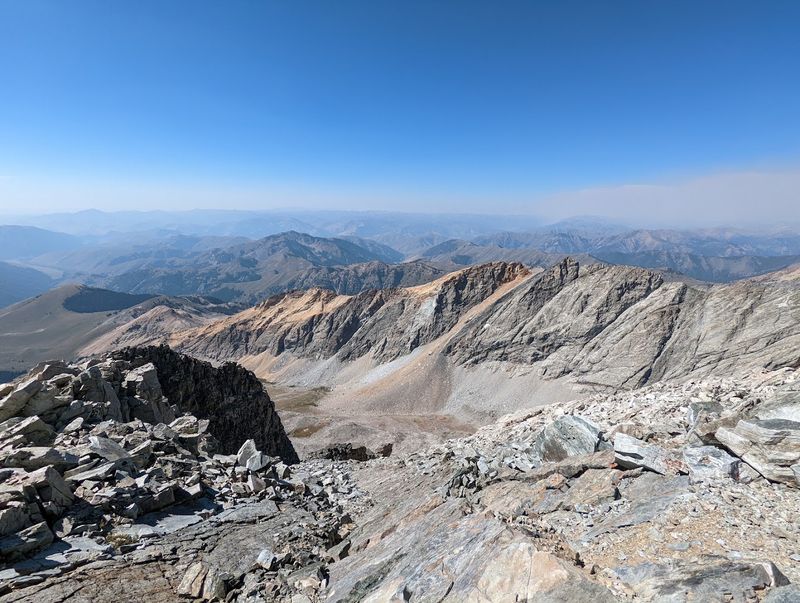
Named after Major William Hyndman, this peak holds the title of highest summit in the Pioneer Mountains and ranks among Idaho’s accessible peaks above 12,000 feet. The trail covers 13 to 14 miles roundtrip with roughly 5,000 feet of elevation gain, making it a serious undertaking that demands an early start and honest self-assessment.
The approach through Hyndman Basin is widely considered one of Idaho’s most beautiful alpine environments. The route crosses creeks, passes through aspen groves, sagebrush flats, and shady canyon sections before the terrain opens into a broad basin ringed by rugged peaks.
Beyond an unnamed lake near the base of the summit, the trail becomes less defined and hikers navigate using cairns and social trails across talus. The primary route follows the East Ridge. The first two miles of flat trail can actually be mountain biked, offering a fun return option after the climb. Camping in Hyndman Basin allows hikers to split the effort over two days.
The summer months are the reliable window for this adventure.
Share this story