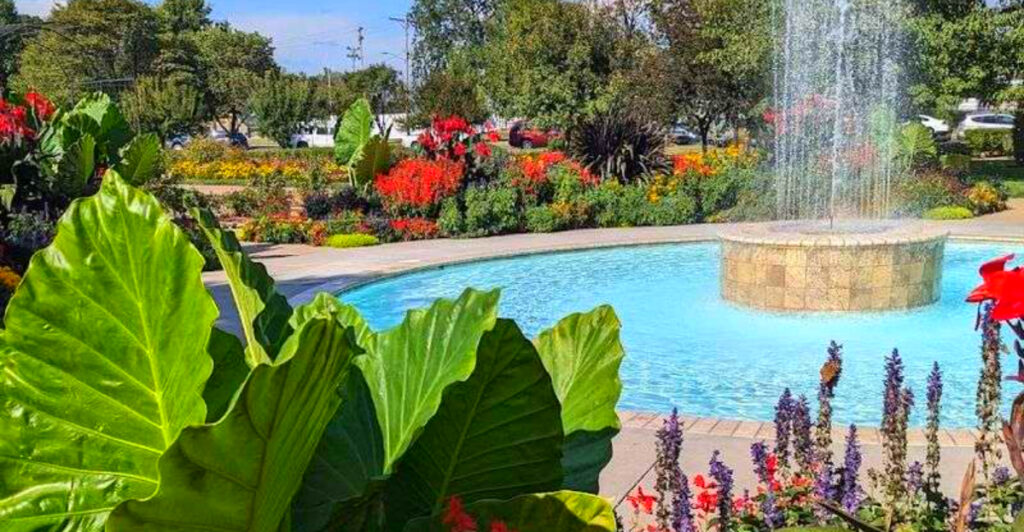
In the heart of Dwight D. Eisenhower’s hometown, a beautifully maintained rose garden fills the air with fragrance, color, and a surprising amount of American history. Visitors come to admire hundreds of blooming roses, stroll beneath historic limestone structures, and relax among peaceful walking paths, but many leave just as fascinated by the presidential stories and New Deal heritage woven throughout the grounds. It’s the kind of place where every season reveals a different reason to linger.
The experience extends far beyond the flower beds. Historic WPA architecture, colorful seasonal displays, Monarch butterflies, annual rose festivals, a charming gazebo, and nearby Eisenhower landmarks make it one of Kansas’ most rewarding small-town attractions. Whether you’re exploring Abilene’s presidential history or simply searching for one of the state’s most beautiful public gardens, it’s easy to understand why visitors happily make the trip.
Here’s why Eisenhower Park Rose Garden has become one of Kansas’ most beloved gardens and a destination that’s well worth adding to your itinerary.
Where History Took Root: The Garden’s Origins and Address
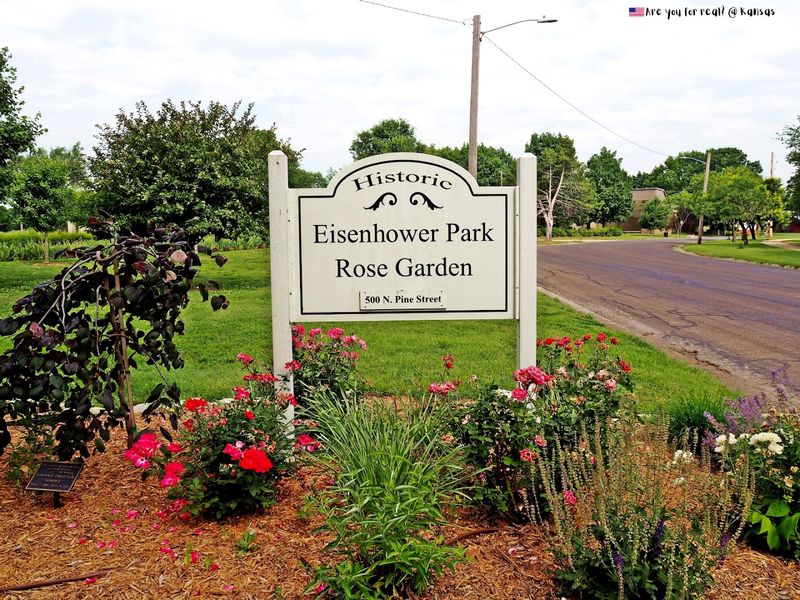
Few public gardens in the American Midwest carry as much historical weight as this one. The Eisenhower Park Rose Garden at 500 Pine Street, Abilene, Kansas 67410, was born out of Franklin D. Roosevelt’s New Deal programs in the 1930s, when the Works Progress Administration funded construction projects across the country to put people back to work.
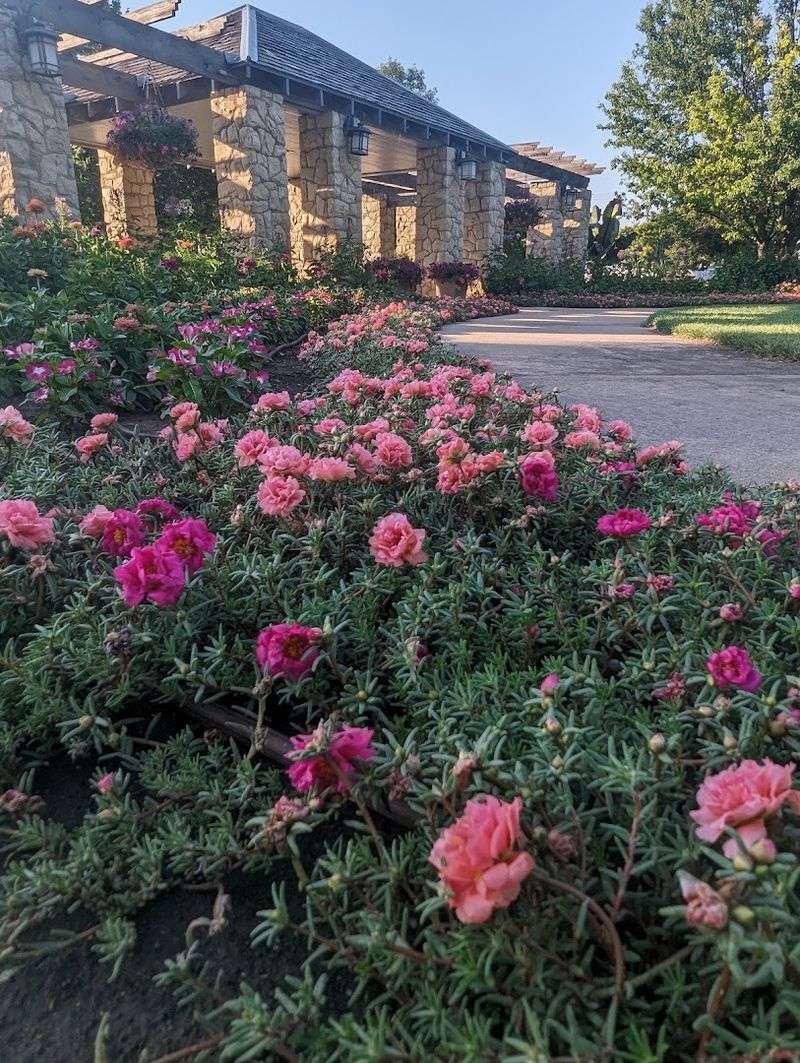
Workers built the garden’s signature limestone structures during that era, including a historic stone arbor and a pergola that still stand today. The 40-acre park that surrounds the rose garden was officially dedicated to Dwight D. Eisenhower in June 1944, a moment that tied this quiet Kansas town permanently to one of its most famous sons.
That dedication was not just a symbolic gesture. It marked Abilene’s deep connection to Eisenhower, who grew up nearby and would go on to become a five-star general and the 34th President of the United States. The garden’s roots, both literal and historical, run remarkably deep.
A Presidential Favorite: Why Roses Were Always Part of the Plan
Roses were not chosen for this garden by accident. Both General Dwight D. Eisenhower and his wife, Mamie, had a well-known fondness for roses, and historical records confirm that roses were always intended to be part of the landscape surrounding the Eisenhower home and the park that bore his name.
By early 1955, rose gardens had already been formally established within the park, cementing the flower’s role as a living symbol of the Eisenhower legacy in Abilene. The choice feels fitting when you walk through the garden today and see how deliberately each bed has been planted and maintained.
There is something quietly personal about a garden designed around a president’s favorite flower. It transforms what could have been a generic public space into something that feels genuinely connected to a real person’s life and preferences. That personal touch is part of what makes visiting here feel different from a standard park stroll.
The Rose Named After a General: A Gift From Across the Atlantic
One of the most fascinating details hidden inside this garden is a specific rose variety called the “General Eisenhower” rose. This particular bloom was not purchased from a local nursery or selected by a park committee. It was a gift from Konrad Adenauer, the Chancellor of West Germany, and it was planted in the north rose garden as a gesture of international goodwill.
Think about that for a moment. A rose named after an American general, given by a German chancellor, growing quietly in a small Kansas town. That is the kind of detail that makes history feel tangible rather than textbook-distant.
The “General Eisenhower” rose adds a diplomatic layer to what might otherwise seem like a simple municipal garden. For visitors who take the time to look for it and read the labels on the plants, it becomes one of those unexpected discoveries that transforms a casual afternoon walk into something genuinely memorable. And there are more surprises like this waiting throughout the grounds.
The Day a Candidacy Was Announced: A Historic Moment in the Park
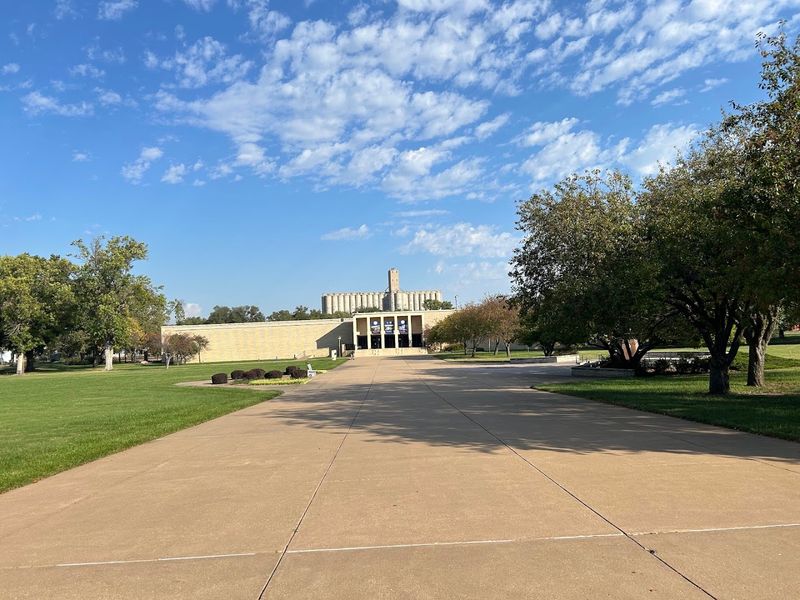
Most rose gardens are peaceful places where nothing particularly dramatic has ever happened. This one is different. On June 6, 1952, General Dwight D. Eisenhower stood in the stadium within Eisenhower Park and announced his candidacy for President of the United States.
That date is worth pausing on. June 6, 1952, was also eight years to the day after the D-Day landings in Normandy, a military operation that Eisenhower himself had commanded. Whether the timing was intentional or coincidental, it added a layer of weight to an already significant moment.
The park stadium where that announcement took place still exists as part of the broader Eisenhower Park grounds. For history enthusiasts, standing in a place where a future president made one of the most important declarations of his public life carries a particular kind of quiet electricity. The rose garden sits nearby, blooming every summer in complete indifference to the political drama that once unfolded just a short walk away.
What the Garden Actually Looks Like Up Close
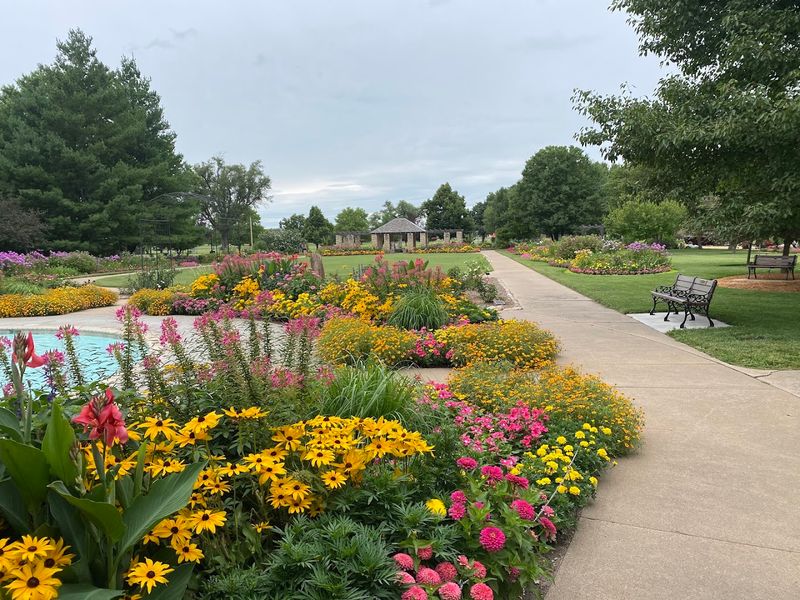
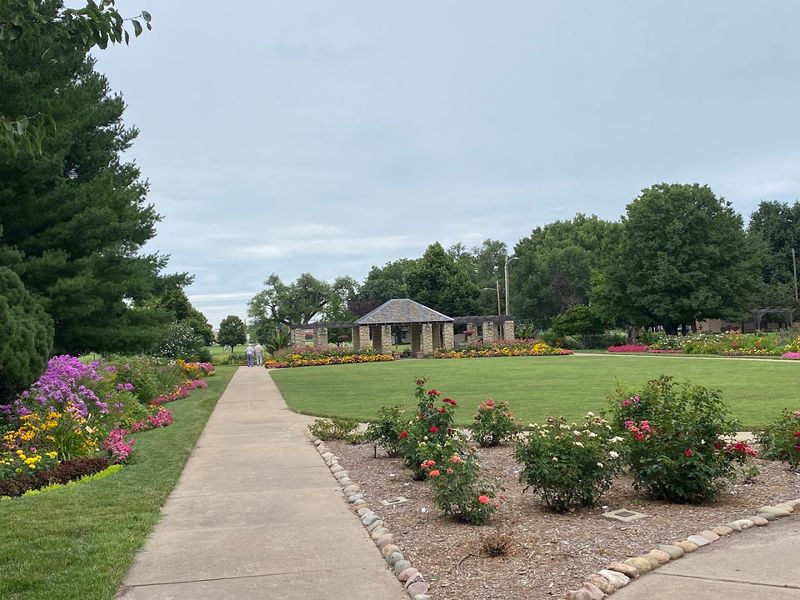
The first thing you notice when you arrive at the rose garden is how intentional everything feels. This is not a wild or loosely arranged space. There is a charming gazebo, a sparkling fountain, a historic stone arbor, and scenic walking paths lined with benches and tables, all arranged to make the most of the flowers surrounding them.
The garden features over 150 different types of roses and more than 500 different varieties of flowers overall, with the color theme of the beds changing from year to year. Beyond roses, colorful irises appear in May and daylilies take over in June, meaning the garden offers a different visual experience depending on when you visit.
The water feature is maintained with obvious care, and the shady seating scattered throughout the grounds makes it easy to slow down and actually absorb the surroundings rather than rushing through. It photographs beautifully at almost any time of day, which explains why it draws so many visitors with cameras in hand.
Petals at Their Peak: The Annual Event Worth Planning Around
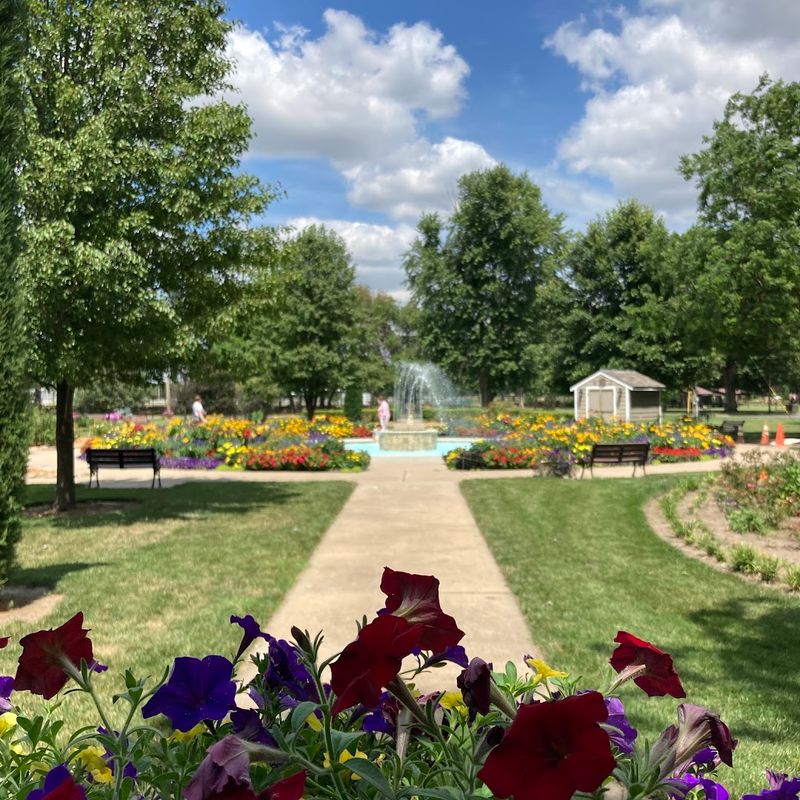
Every year, usually on the third weekend of July, the garden hosts an event called “Petals at Their Peak.” The name is straightforward and accurate. July is when the roses hit their most dramatic display, and the event is designed to celebrate that moment with morning hours that keep things cool and relaxed.
Garden designers are on hand during the event to answer questions and offer planting advice, which makes it genuinely useful for anyone who loves gardening and wants to bring some of that expertise home. The atmosphere is calm rather than crowded, and the morning timing means the light is excellent for photography.
For 2026, the event is scheduled for July 18 and 19, so it is worth marking on a calendar if you are planning a summer road trip through central Kansas. The colorful display does not end when the event does, either. The garden continues to show strong color well into the fall, giving late-season visitors plenty to admire.
Butterflies, Irises, and the Garden Through the Seasons
Late August and September bring one of the garden’s most unexpected pleasures. Monarch butterflies, making their annual migration south, pass through Abilene in significant numbers, and the garden’s plantings are specifically designed to attract them. Watching a Monarch drift between rose beds on a warm September afternoon is the kind of experience that does not require any historical context to appreciate.
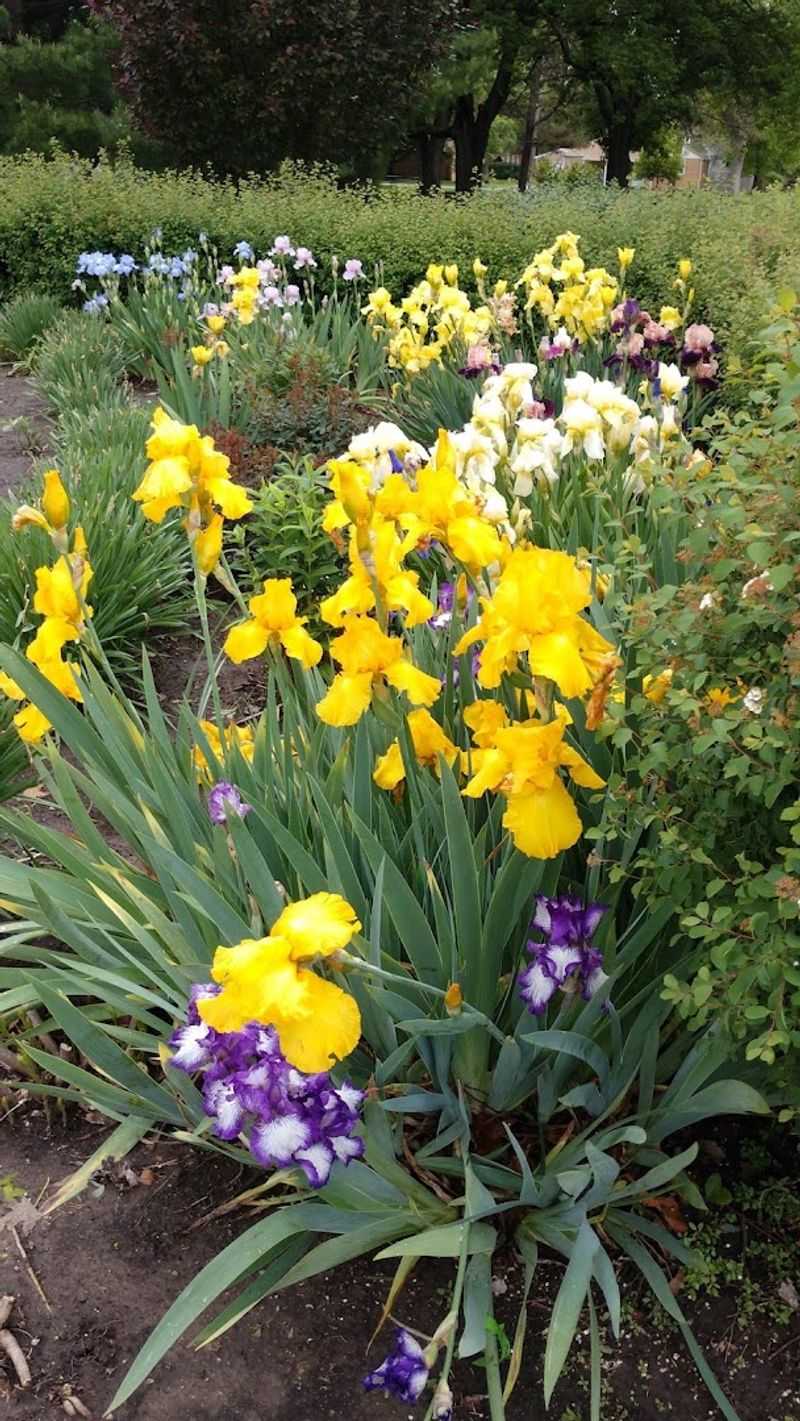
Earlier in the season, the garden offers a different kind of color. Spring flowering trees bloom in April, and the irises take center stage in May before the roses build toward their July peak. The daylilies follow in June, creating a rolling sequence of blooms that rewards repeat visits throughout the warmer months.
That layered seasonal calendar means the garden never looks exactly the same twice. Each visit reveals a different combination of colors and textures depending on the month. The annual color theme for the rose beds also changes, so even longtime local visitors have a reason to come back and see what is new.
The National Register and the Limestone Legacy
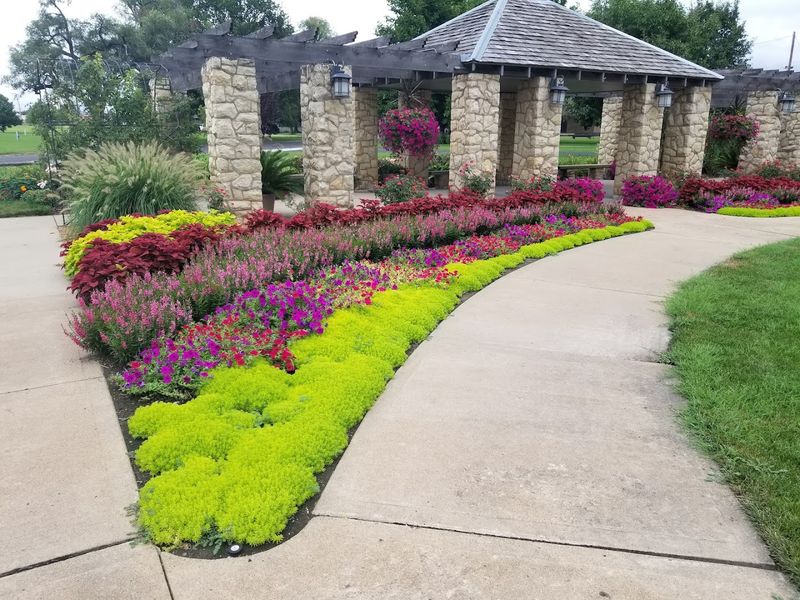
The Abilene City Park Historic District, which encompasses the rose garden and the broader Eisenhower Park, is listed on the National Register of Historic Places. That designation reflects the significance of both the park’s design and its connection to mid-20th-century American history.
The limestone structures built during the WPA era are a big part of why the district earned that recognition. The stone arbor and pergola are not just attractive garden features. They are physical evidence of a federal program that employed thousands of Americans during the Great Depression and left behind public infrastructure that communities still use and enjoy nearly a century later.
Walking through the garden and running a hand along one of those limestone structures connects you to a specific moment in American history in a way that a museum exhibit rarely can. The craftsmanship is still solid, the proportions are still pleasing, and the plants growing around them have had decades to fill in and soften the edges. History, it turns out, can look genuinely beautiful.
The Quirky Neighbors: What Else Is Around the Garden
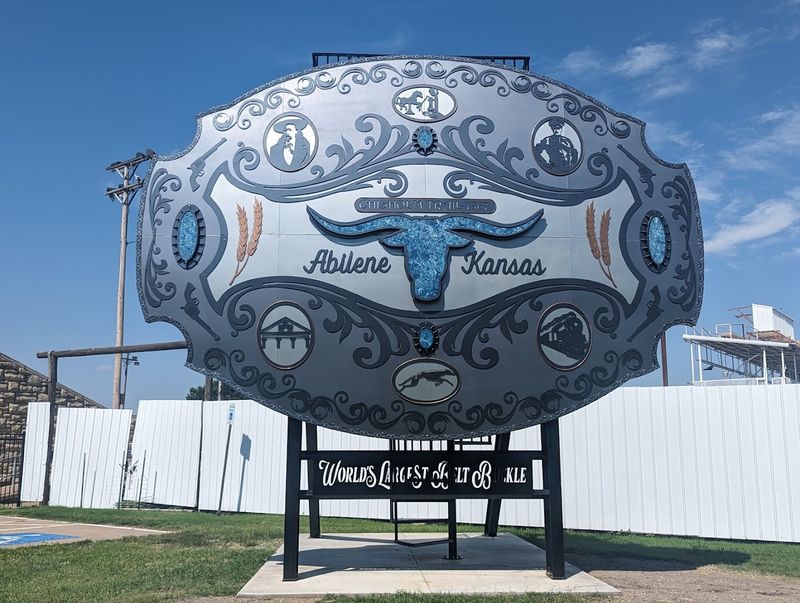
Directly across the street from the rose garden sits one of Kansas’s more cheerfully absurd roadside attractions: the World’s Largest Belt Buckle. Nearby, you can also find the World’s Largest “I Like Ike” Button, a campaign souvenir scaled up to monument proportions in honor of Abilene’s most famous resident.
These two landmarks say a lot about Abilene’s personality. This is a town that takes its history seriously enough to build a presidential library and museum, but also loosely enough to celebrate it with oversized novelty objects. That combination of civic pride and good humor makes the town genuinely enjoyable to explore on foot.
The Eisenhower Presidential Library, Museum, and Boyhood Home are also nearby, making the rose garden a natural starting or ending point for a broader Eisenhower-themed afternoon in Abilene. The garden, the library, and the belt buckle together create an itinerary that is equal parts educational and entertaining, which is a rare and useful combination for travelers of any age.
Practical Details: Hours, Access, and Memorial Options
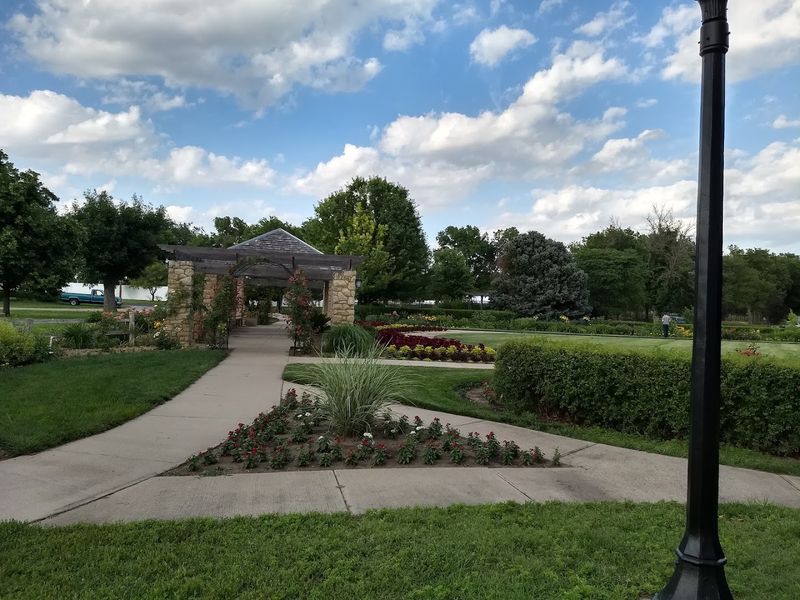
The rose garden is open daily from 6:30 AM to midnight, which gives visitors an unusually wide window to enjoy the space. Early morning visits are especially rewarding during the summer months, when the air is cooler and the light is soft. The garden is free to enter, which makes it an easy addition to any itinerary without any budget concerns.
Restrooms are available on site, and picnic tables are tucked under trees for anyone who wants to bring a lunch and stay a while. Dog waste bags are also provided, so well-behaved dogs are welcome as long as their owners clean up after them. That small detail reflects the community’s investment in keeping the space pleasant for everyone.
For those who want to leave a more permanent mark, the garden offers a memorial program that allows visitors to dedicate a rose bush, a tree, or a bench with a bronze plaque, subject to approval by the Eisenhower Friends of the Park Committee. It is a meaningful way to connect personally to a place with this much history behind it.
Small-Town Pride and the Community Behind the Blooms
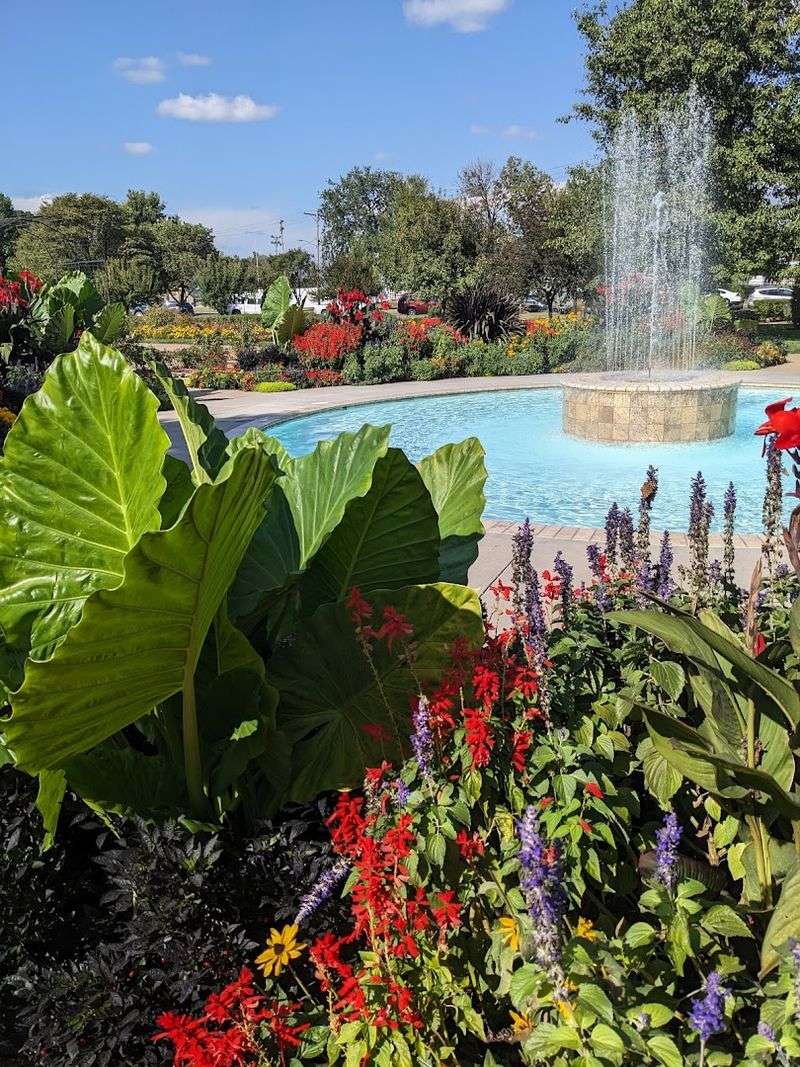
A garden with over 150 rose varieties and 3,000 blooming plants does not maintain itself. The immaculate condition of the Eisenhower Park Rose Garden reflects the sustained effort of a community that genuinely cares about this space. The Eisenhower Friends of the Park Committee oversees the garden’s upkeep and memorial program, and the results of that dedication are visible in every well-trimmed hedge and spotless water feature.
The park also hosts community events throughout the year, including an Old Fashioned 4th of July celebration with tournaments and fireworks, which draws locals and visitors together around the same green space that anchors the neighborhood. That sense of shared ownership gives the garden a warmth that purely commercial tourist attractions rarely achieve.
Abilene is a town of roughly 6,000 people, and the fact that it maintains a garden of this quality says something worth noting about local priorities. The rose garden is not just a tribute to a president. It is a reflection of what a small community can build and sustain when it decides something is worth caring for over the long term.
Share this story