America is home to some of the most breathtaking wildlife on the planet, and you do not have to travel to another country to witness it. From wolf-watched valleys in Wyoming to manatee-filled springs in Florida, the country offers wild encounters that stay with you long after the trip ends.
Whether you are planning a family road trip or a solo adventure, these 13 wildlife experiences are worth putting on your radar. Each one offers something genuinely different, and together they show just how wild and alive this country still is.
Watch Wolves And Bison In Lamar Valley At Yellowstone National Park, Wyoming
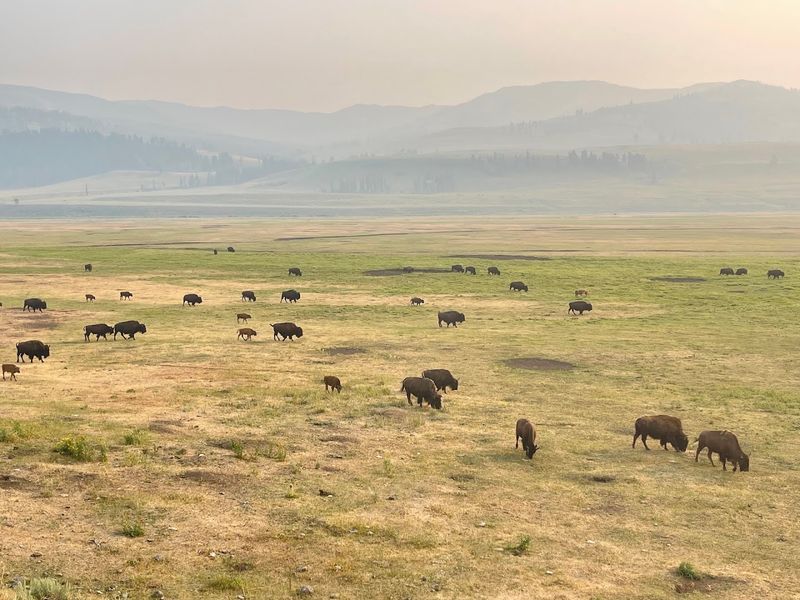
Lamar Valley in Yellowstone National Park is one of those places that makes you feel like you have stepped into a nature documentary. The National Park Service calls Yellowstone’s northern range one of the best wolf-watching locations in the world, and Lamar Valley sits right at the center of that reputation.
Bison herds move across wide open grasslands here throughout the year, and on a good morning, wolves can be spotted moving through the valley with a quality spotting scope. That combination of large predator and massive prey, visible across open terrain, is genuinely rare anywhere in the country.
Visitors must stay at least 100 yards from wolves and bears and 25 yards from all other wildlife. Early morning and evening hours tend to offer the most active wildlife movement.
Bring good optics, dress in layers, and give yourself more time than you think you need.
Ride Into Denali National Park For A Chance To See Alaska’s Big Wildlife
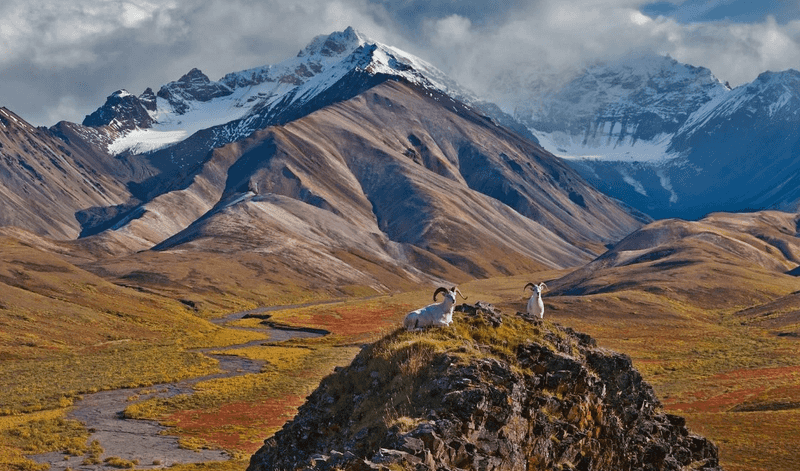
Most national parks let you drive yourself wherever you want, but Denali works differently. During summer, private vehicles are restricted on most of the park road, and the majority of visitors experience the park through guided bus trips led by certified driver-naturalists who stop whenever wildlife appears.
That setup changes the whole experience. Instead of watching the road, you watch the land, and so does your guide.
Grizzly bears, moose, caribou, Dall sheep, foxes, and various birds have all been spotted along the route, though wildlife sightings are never guaranteed in any wild place.
The sheer scale of Denali’s interior adds to the feeling. Animals spotted here often appear small against massive mountain backdrops and open tundra.
Book bus reservations well in advance since they fill up, and pack for cold temperatures even in summer. The distance and effort are genuinely part of what makes this experience memorable.
Take The Shark Valley Tram Through Everglades National Park, Florida
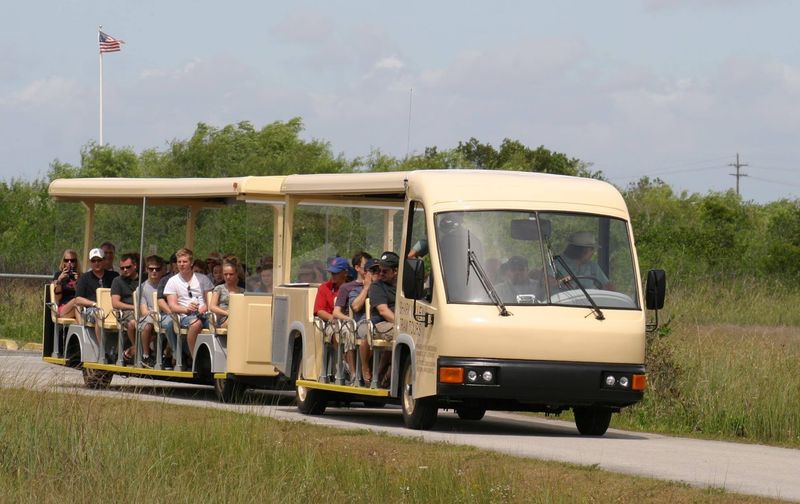
Shark Valley offers one of the most accessible wildlife experiences in any national park in the country. Located off the Tamiami Trail west of Miami, this section of Everglades National Park gives visitors a 15-mile loop road through a freshwater marsh known as the River of Grass.
You can walk, bike, or take a guided two-hour tram ride along the route. The tram stops at the Shark Valley Observation Tower, which offers a wide elevated view across the Everglades that is genuinely hard to describe until you see it.
Alligators, wading birds, turtles, and other native wildlife are commonly spotted close to the road during the tour.
The best visiting season runs from November through April, when water levels and cooler temperatures tend to bring more wildlife activity to visible areas. Reservations for the tram are strongly recommended during that busy stretch.
Biking the loop is also popular for those who prefer to set their own pace.
See Manatees At Crystal River National Wildlife Refuge, Florida
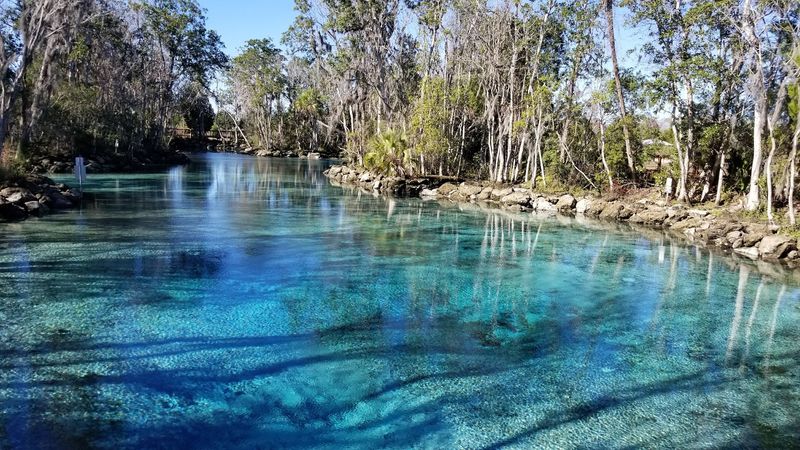
Crystal River National Wildlife Refuge holds a distinction that no other refuge in the country can claim. According to the U.S.
Fish and Wildlife Service, it is the only national wildlife refuge in the United States established specifically to protect Florida manatee habitat. That singular purpose gives the place a focused, meaningful quality that visitors tend to notice.
The refuge has a visitor center and nature store where you can learn about manatees, their behavior, and the ongoing efforts to protect them. Kings Bay and the surrounding spring system are central to the manatee story here, particularly in winter when Gulf temperatures drop and manatees gather in the warm spring waters.
What makes Crystal River special beyond the season is its quieter character. This is slow, careful wildlife viewing, not a high-energy attraction.
Manatees move at their own pace in clear, calm water, and that gentleness is exactly what makes the experience so different from most wildlife encounters on this list.
Drive Wildlife Loop Road At Custer State Park, South Dakota
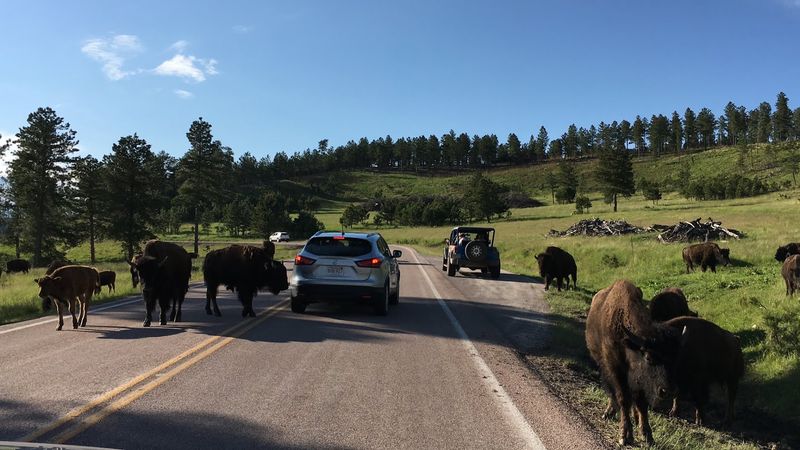
Few wildlife drives in America match the variety that Custer State Park’s Wildlife Loop Road offers across its 18 miles of open grasslands and pine-dotted hills. Bison, pronghorn, deer, elk, coyotes, prairie dogs, wild burros, eagles, and hawks have all been recorded along the route, making it the kind of drive where you genuinely never know what you will see next.
The park also has the Custer State Park Bison Center near the Buffalo Corrals along Wildlife Loop Road, which gives visitors a closer look at the history and management of the park’s bison herd. That context adds real depth to what might otherwise feel like a simple scenic loop.
One thing worth knowing before you go: bison near the road are not a photo opportunity to rush. They are powerful, unpredictable animals, and the safest view is from inside your vehicle.
Move slowly, stay patient, and the road will reward you on its own schedule.
Watch Brown Bears At Brooks Camp In Katmai National Park, Alaska
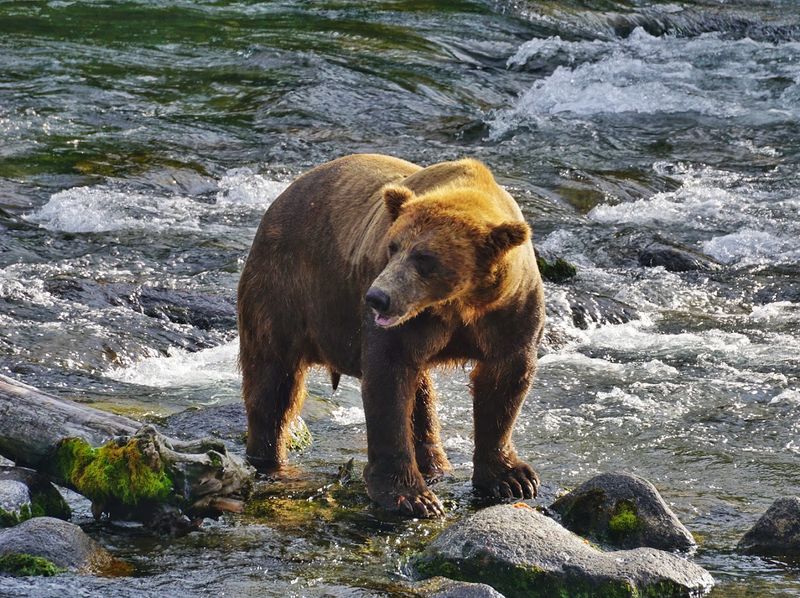
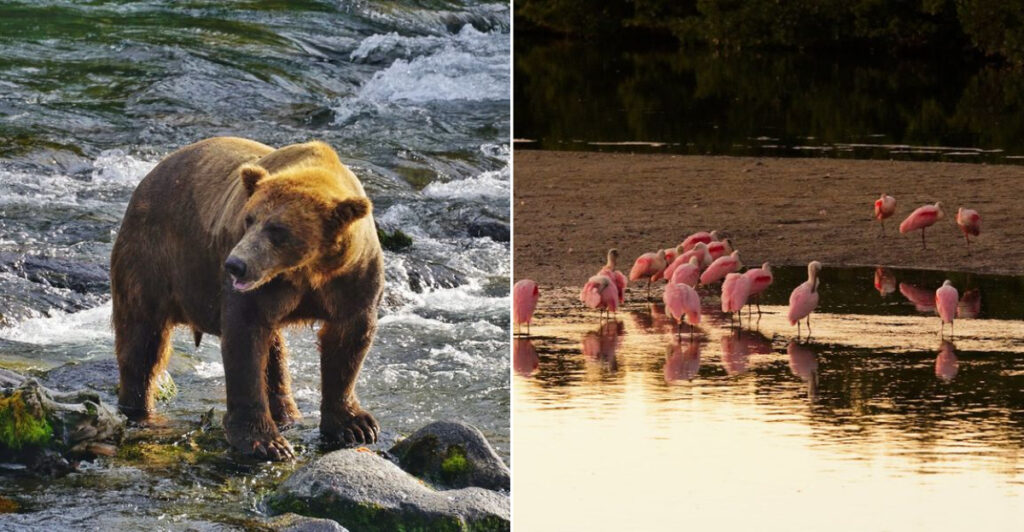
Brooks Camp is the kind of place that wildlife photographers plan years to visit. Katmai National Park and Preserve is world-famous for its brown bear viewing, and Brooks Camp sits at the center of that reputation, positioned near the rivers where bears gather to catch salmon during summer and fall runs.
Getting there is not simple. Brooks Camp typically requires advance planning, permit reservations, and transportation by floatplane or boat.
The National Park Service provides specific guidance for visiting, including safety expectations for being in active bear country, which visitors need to take seriously before arrival.
For those who make the journey, the payoff is something most wildlife experiences cannot match. Watching a bear fish in a wild Alaskan river, surrounded by untouched wilderness, is one of those rare moments that feels genuinely removed from everyday life.
Katmai also lists authorized commercial operators for guided bear-viewing trips if you prefer a structured visit.
Hear The Elk Rut At Rocky Mountain National Park, Colorado
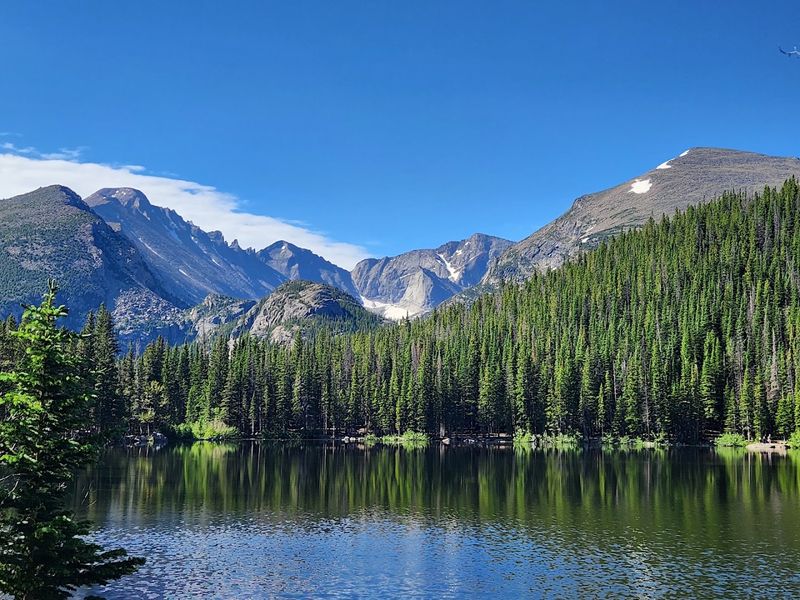
Rocky Mountain National Park is impressive any time of year, but fall brings something that no other season can offer: the elk rut. Bull elk bugle across open meadows during this period, and the sound carries through cool mountain air in a way that feels completely unlike anything in ordinary daily life.
The National Park Service closes specific meadows during the rut season to protect both wildlife and visitors. Areas such as Moraine Park, Horseshoe Park, Upper Beaver Meadows, Harbison Meadow, and Holzwarth Meadow may have access restrictions in place.
These closures exist for good reason, since approaching elk during the rut can be genuinely dangerous.
Visitors can still enjoy excellent elk viewing from established roads and designated trails outside the closed areas. Arrive early in the morning for the best chance of catching active bugling before the day warms up.
This is one of those wildlife experiences that combines sound, scenery, and season in a way that is hard to replicate.
Take A Whale-Watching Trip On Monterey Bay, California
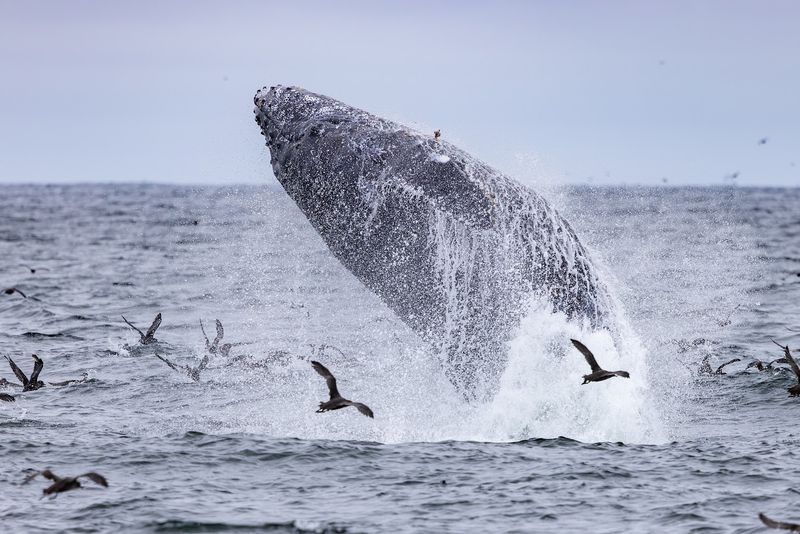
Monterey Bay earns its reputation as one of America’s top whale-watching destinations because the season never fully closes. The depth of Monterey Bay Canyon brings a wide range of whale species close to shore throughout the year, which is not something most ocean destinations can claim.
Monterey Bay Whale Watch, a company owned and operated by marine biologists since 1992, runs daily tours focused on education, research, and conservation. Depending on the season, visitors may have chances to see humpback whales, gray whales, blue whales, or orcas.
Dolphins, sea lions, seals, sea otters, and seabirds are also regular sights on the water.
Even on a calm day when whale sightings feel uncertain, Monterey Bay itself is worth the trip. The scenery, the wildlife variety, and the educational quality of the tours make this a strong choice for anyone visiting the Central California coast.
Book ahead during peak summer months to secure your preferred departure time.
Look For Wild Ponies At Chincoteague National Wildlife Refuge, Virginia
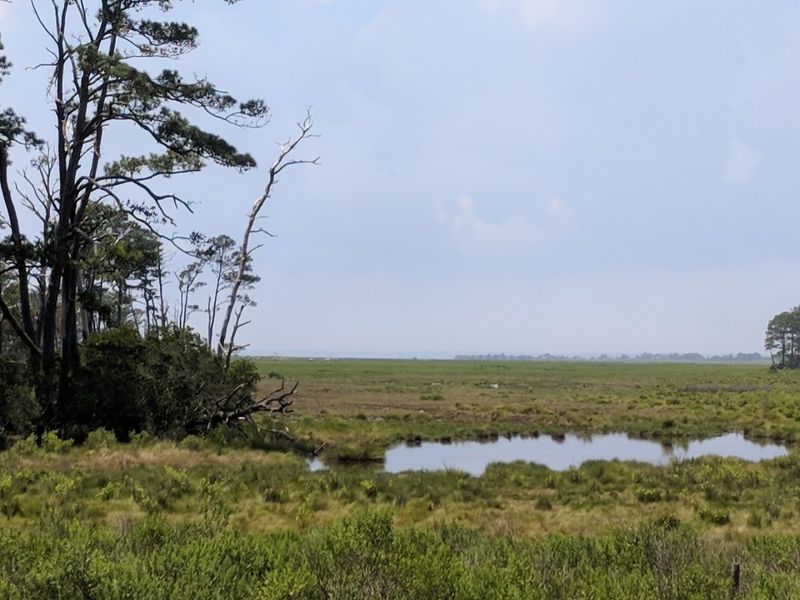
The Chincoteague ponies are one of the most iconic wildlife stories on the entire East Coast, and the refuge that protects their habitat gives visitors a real chance to see them in a natural setting. Assateague Island’s marshes and coastal landscapes provide the backdrop for one of America’s most beloved wild horse populations.
The U.S. Fish and Wildlife Service notes that visitors can look west while driving Beach Road or search for ponies from the overlook along the 1.6-mile Woodland Trail.
Seasonal road, beach, and trail hours apply throughout the year, so checking the current schedule before making the drive matters more than most people realize.
This is not a controlled encounter. The ponies move through the landscape on their own terms, grazing in marshes and wandering coastal areas that feel tied to generations of local history.
Binoculars and a patient attitude will serve you much better than trying to get close. Respect the distance and the experience is far more rewarding.
Watch Thousands Of Cranes At Bosque Del Apache National Wildlife Refuge, New Mexico
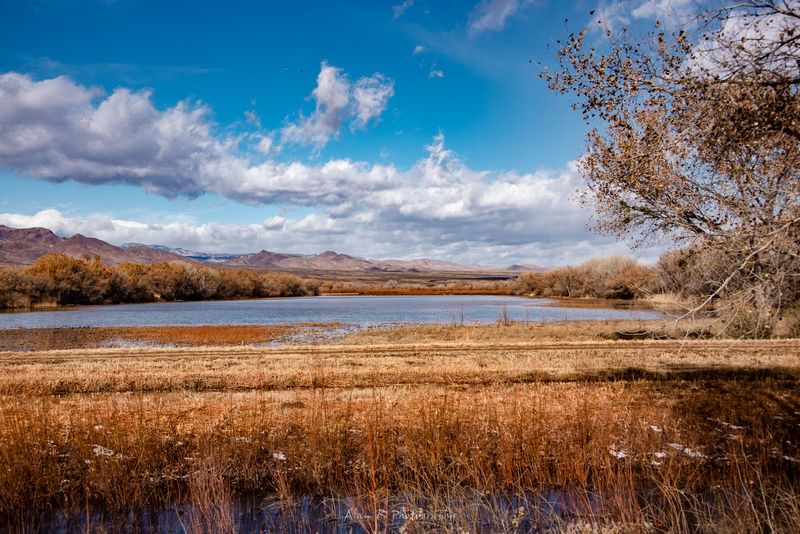
Bosque del Apache National Wildlife Refuge delivers one of the most dramatic wildlife spectacles in the entire Southwest, and it happens every winter. The U.S.
Fish and Wildlife Service describes the refuge as a well-known overwintering location for thousands of cranes, ducks, and geese, with peak activity concentrated from late fall through early spring.
The most memorable moments tend to happen at dawn or dusk when cranes lift off or settle across the wetlands in massive, moving waves. The sound alone is something visitors remember long after leaving.
The refuge recommends checking sunrise times and stopping at the visitor center for the most current roosting and feeding locations, since those areas shift through the season.
Beyond the cranes, the auto tour loop and hiking trails also offer views of hawks, eagles, ravens, coyotes, mule deer, and jackrabbits. The refuge has no admission fee for the auto tour, which makes it an especially accessible stop for anyone traveling through central New Mexico during winter.
Drive Wildlife Drive At J.N. “Ding” Darling National Wildlife Refuge, Florida
Sanibel Island is already a popular Florida destination, but J.N. Ding Darling National Wildlife Refuge gives it an entirely different dimension.
The 4-mile Wildlife Drive runs through mangroves and wetlands and can be driven, hiked, or biked when open, though the road is closed to vehicles every Friday.
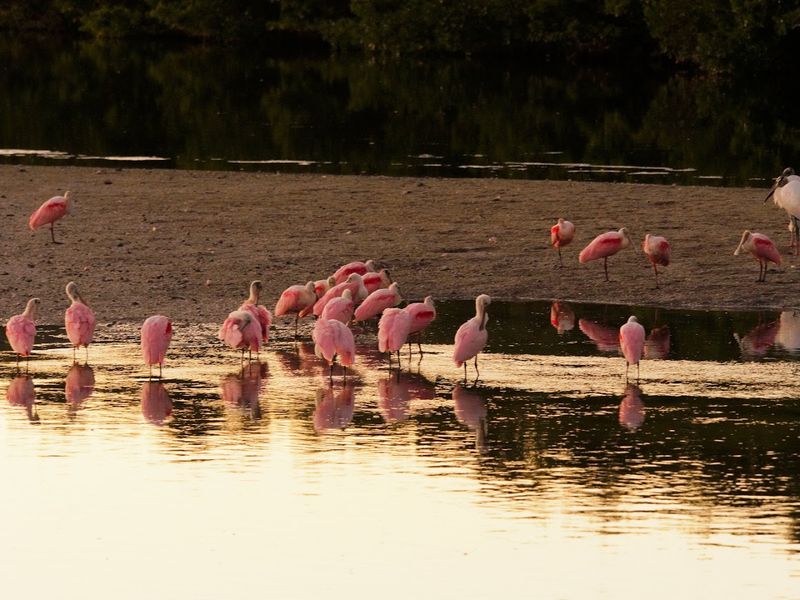
The U.S. Fish and Wildlife Service lists common sightings along the route as a wide variety of wading birds and shorebirds, especially during winter months.
Roseate spoonbills, great blue herons, and anhingas are among the birds regularly seen here. Raccoons, alligators, marsh rabbits, and occasional otters or bobcats round out the wildlife list.
What separates Ding Darling from many other wildlife refuges is how approachable the experience feels. You do not need serious gear or a full day to get something out of it.
Even a slow one-hour drive through the mangroves offers enough close wildlife activity to make the stop genuinely worthwhile. Check seasonal hours before visiting.
Search For Orcas And Marine Life In The San Juan Islands, Washington
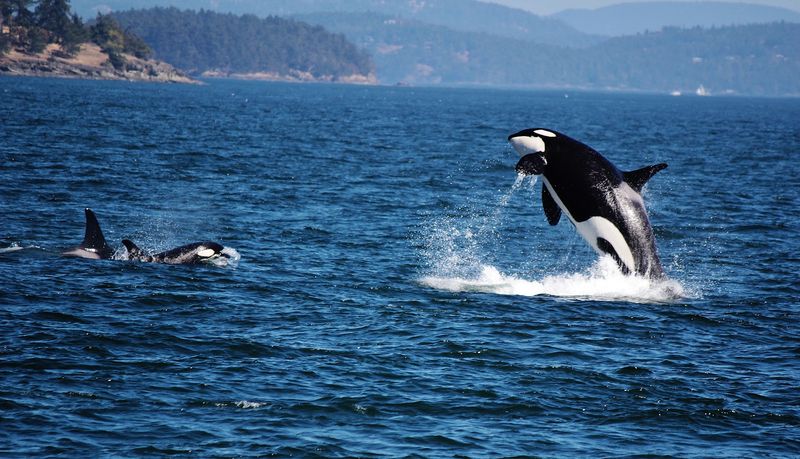
The San Juan Islands sit in the heart of the Salish Sea, and that location gives them access to marine wildlife that most coastal destinations in the country simply cannot match. The San Juan Islands Visitors Bureau notes that the area offers encounters with five types of whales, including two ecotypes of orcas, along with humpbacks, minkes, and gray whales.
Seals, sea lions, otters, porpoises, bald eagles, and more than 150 species of sea and shorebirds also call the area home. Whale sightings are possible year-round, but April through October is generally considered the strongest window, especially for orcas.
Humpback whales are most commonly seen from August through October.
Visitors can experience the islands by boat tour, kayak, or from shore-based viewpoints, each offering a different perspective on the same rich ecosystem. The forested island scenery adds to the experience in a way that feels distinct from open-ocean whale watching.
Plan lodging early since island accommodations book up quickly in summer.
See Tule Elk At Point Reyes National Seashore, California
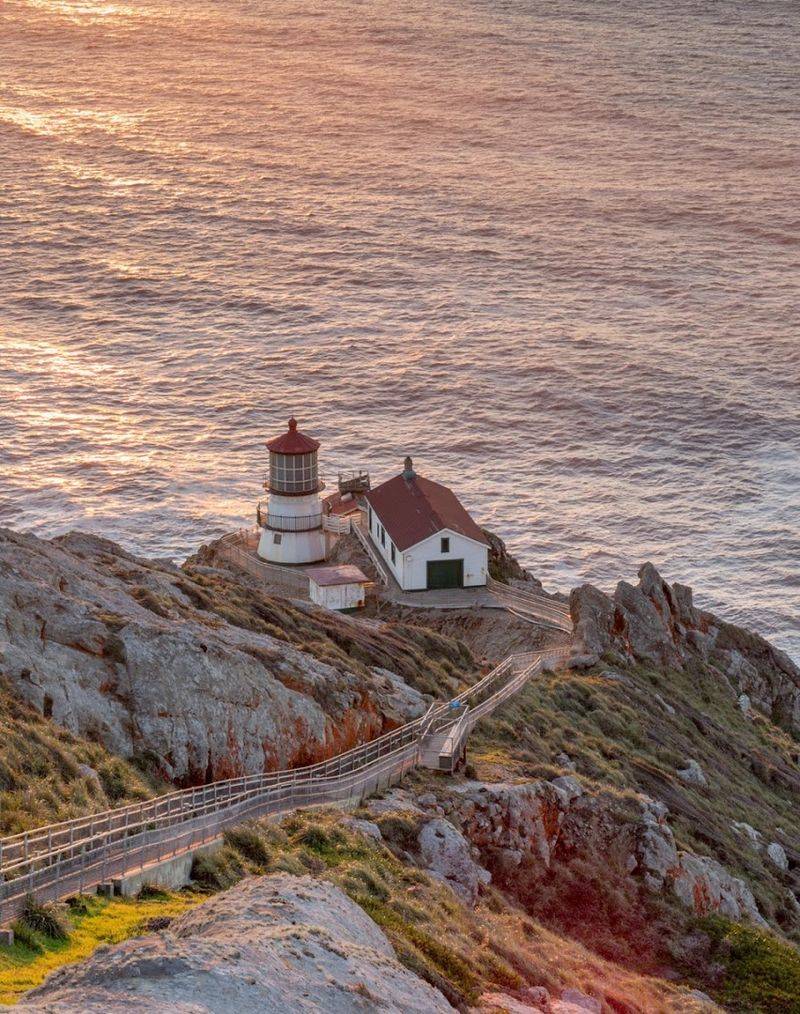
Point Reyes National Seashore carries a conservation story that makes the tule elk experience feel more meaningful than a standard wildlife stop. This native California species once came dangerously close to disappearing entirely, and Point Reyes now supports three separate herds across the park, according to the National Park Service.
Tomales Point is identified as the best location for viewing tule elk, and the Tomales Point population is one of the largest in the state. The trail out to Tomales Point covers roughly 9.4 miles round trip, passing through open coastal grasslands with ocean views that make the hike worthwhile on its own terms.
The landscape frames the elk in a way that feels genuinely wild. Coastal bluffs, ocean wind, and wide open hillsides create a setting far removed from the Bay Area roads that sit just a short drive away.
Use binoculars or a zoom lens and give the animals plenty of space, especially during calving or rut seasons.
Share this story