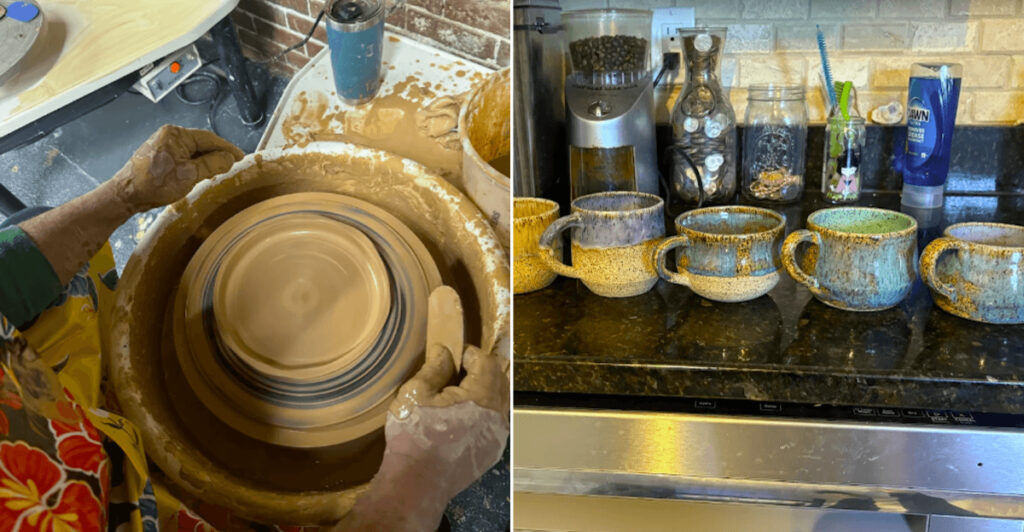
There is a small art studio tucked inside a building in Peabody, Massachusetts, where people walk in as complete beginners and walk out holding something they made with their own hands. No prior experience required, no artistic background needed.
This place has quietly built a reputation as one of the North Shore’s most welcoming creative spaces, offering pottery wheel-throwing workshops, multi-week classes, and even paint nights for anyone curious enough to show up. What makes it stand out is not just the clay or the kilns, but the way the whole experience is designed so that every person leaves with a finished piece they are genuinely proud of.
If you have ever thought about trying pottery but talked yourself out of it, this might be the place that finally changes your mind.
The Story Behind the Studio
Pudgy’s Place was founded by Shahane and Phil, a couple who opened the studio in Peabody with the goal of building a creative space that felt genuinely welcoming to everyone. The name itself carries a personal warmth to it, the kind that signals this is not a corporate chain or a franchise operation.
Shahane is the lead instructor and a working artist with knowledge that stretches across multiple creative disciplines, from ceramics to painting. Phil plays a supporting role in the day-to-day operations, and together they have shaped a studio culture that feels more like a community than a class.
The studio grew out of a real passion for making art accessible, not just to trained artists but to anyone who has ever been curious about creating something by hand. That founding energy still shows up in every workshop they run today, making the whole experience feel personal rather than transactional.
What the Studio Actually Offers
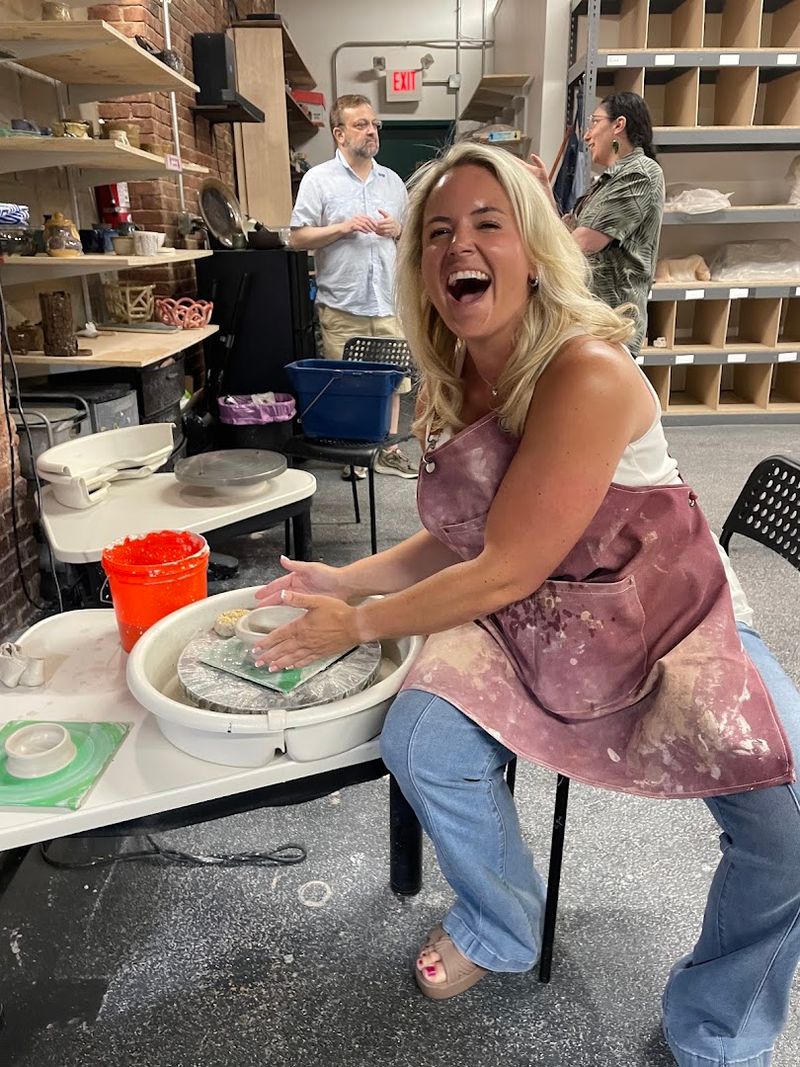
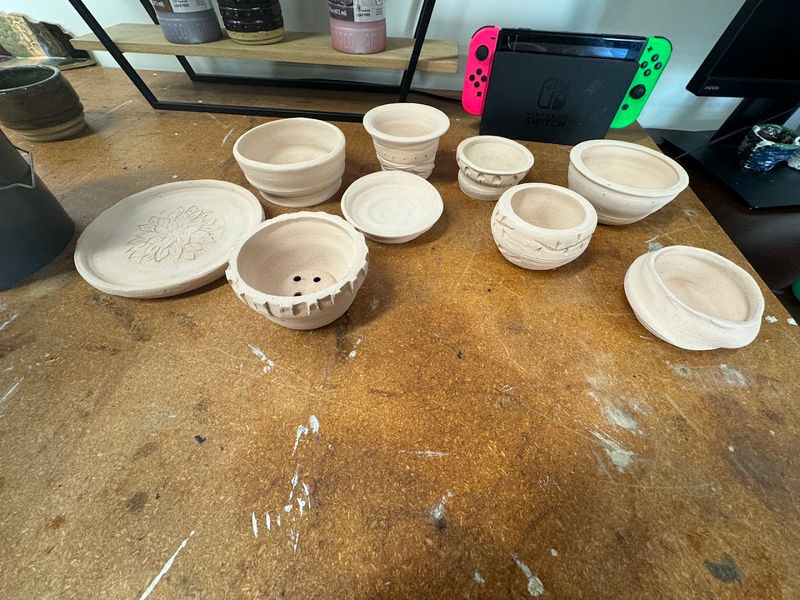
The class menu at Pudgy’s Place covers more ground than most people expect when they first hear the name. Wheel-throwing workshops are the main draw, available as single-day sessions or multi-week courses that run anywhere from four to seven weeks depending on the format.
Beyond the wheel, the studio has hosted paint nights, hand-building sessions, and mixed-media workshops that bring in a different crowd each time. There is also a drop-in day pass option for people who have some experience and want studio time without the structure of a formal class.
Youth clay classes have been added to the schedule as well, running on Sunday mornings and covering both wheel throwing and hand building for younger students. The range of offerings means that whether someone is booking a solo creative outing, a couples activity, or a family afternoon, there is usually something on the calendar that fits the plan.
A Beginner’s First Time at the Wheel
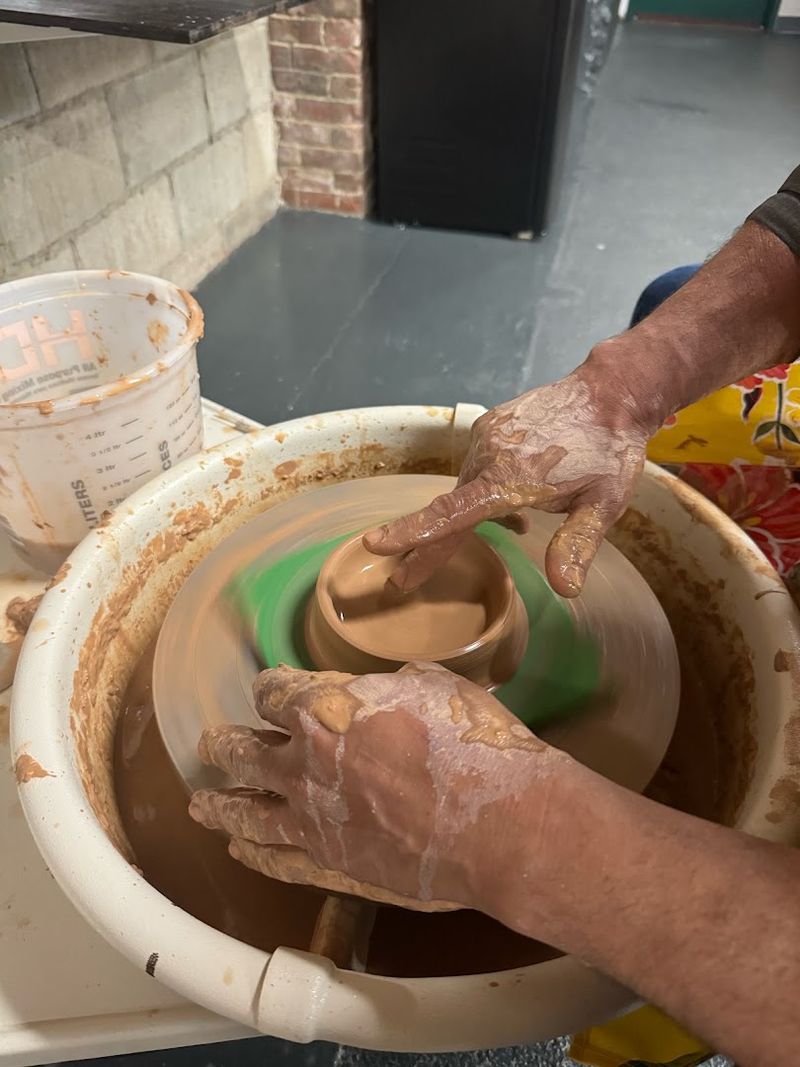
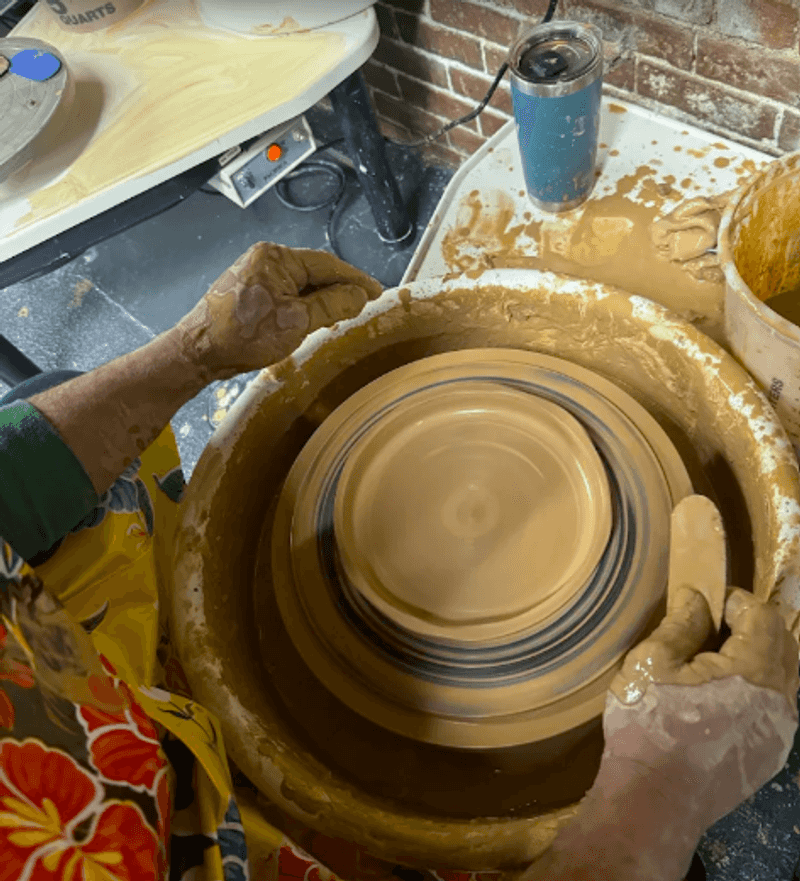
Wheel throwing looks effortless in videos and absolutely humbling in person. That gap between expectation and reality is something Shahane addresses from the very first moments of a beginner workshop, setting honest and encouraging expectations before anyone touches a lump of clay.
The instruction is clear and broken down into manageable steps, which helps first-timers avoid the frustration of feeling lost. When something goes wrong, and something always does, the approach is to show the student how to fix it rather than start over.
That hands-on correction is one of the things that makes the experience feel genuinely educational.
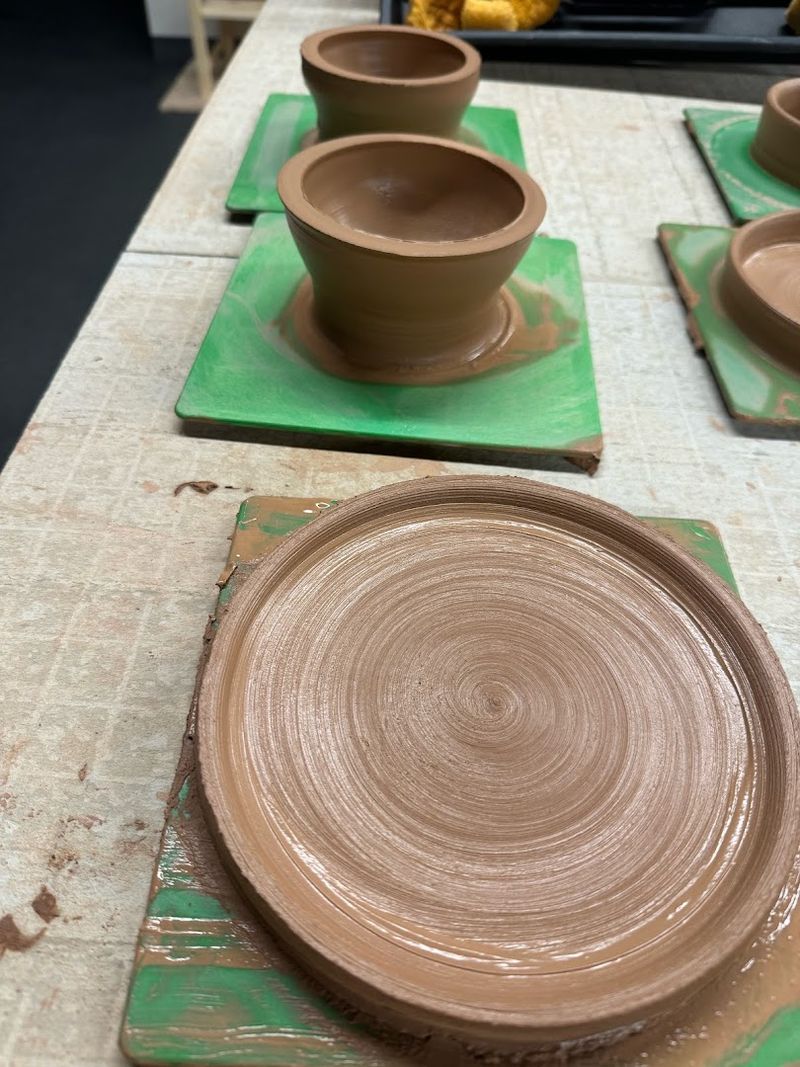
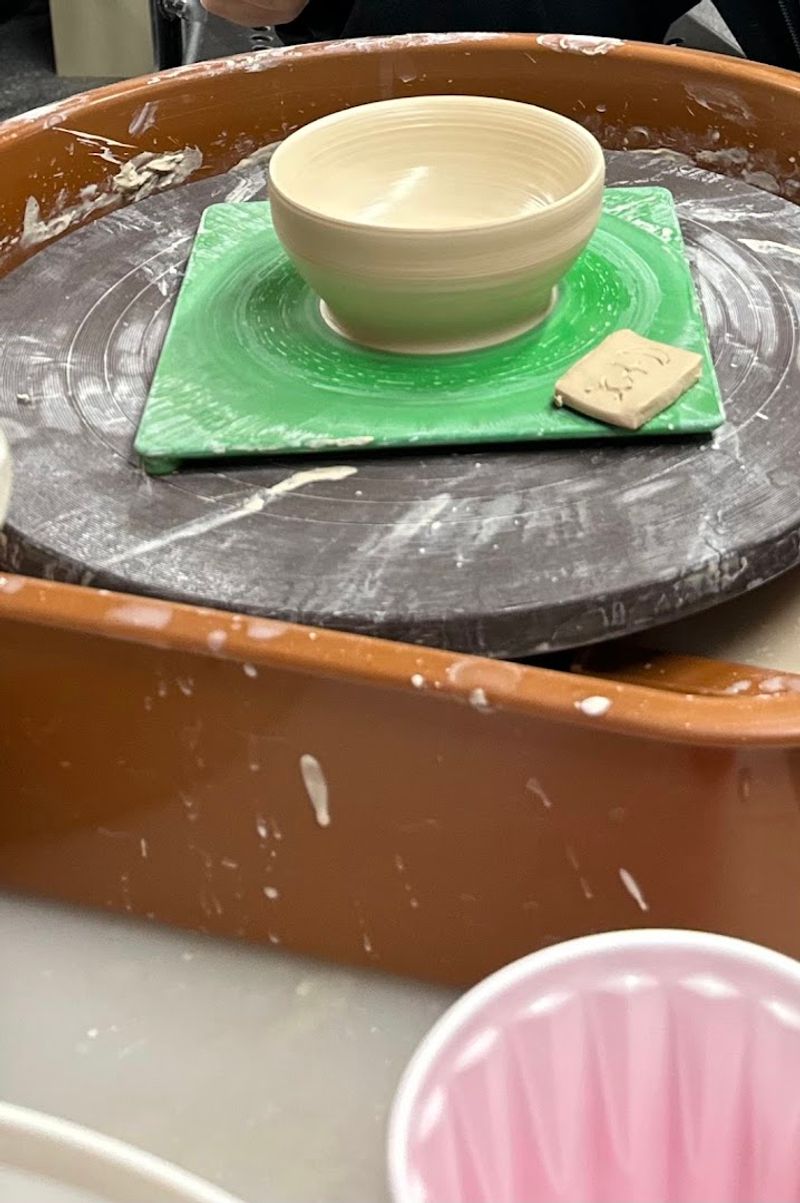
Class sizes are kept intentionally small so that each person gets individual attention throughout the session. By the end of a beginner workshop, most participants have produced at least one bowl or cylinder they can take home after the firing process is complete.
That guarantee of walking away with something real keeps the energy in the room positive from start to finish.
How the Firing and Glazing Process Works
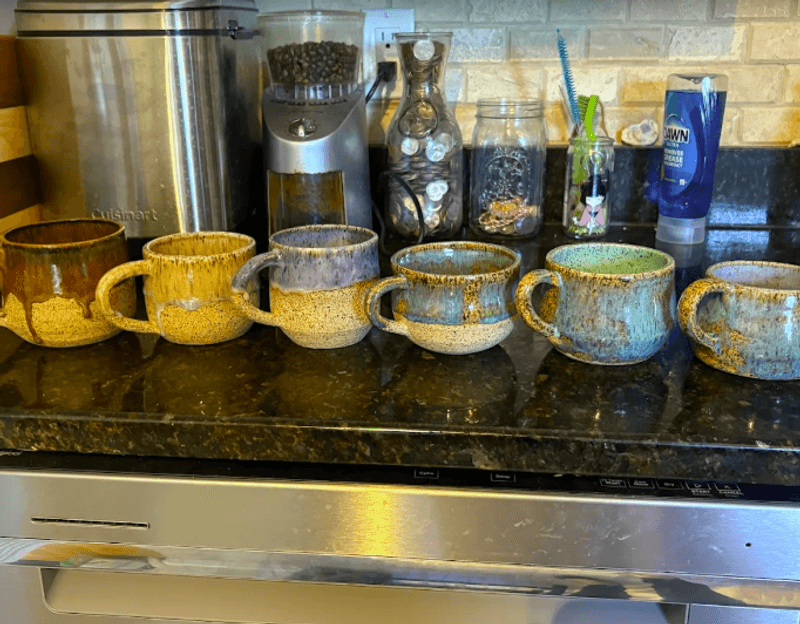
Making the clay piece is only the first part of the pottery process. After a workshop, finished pieces go through a drying period before they are bisque fired in a kiln, which hardens the clay and prepares it for glazing.
Students typically choose their glaze colors before this stage, picking from a range of options available at the studio.
The glaze selection is one of the most enjoyable parts for many participants. The color palette at Pudgy’s Place is broad enough to feel exciting without being overwhelming, and Shahane helps guide people toward choices that will look good after the final firing.
Once the glaze is applied, pieces go back into the kiln for the final firing, which locks in the color and makes the piece food-safe and functional. The whole turnaround takes some time, but finished pieces can be picked up at the studio or, for out-of-town participants, shipped directly to the student’s home address.
The Multi-Week Class Experience
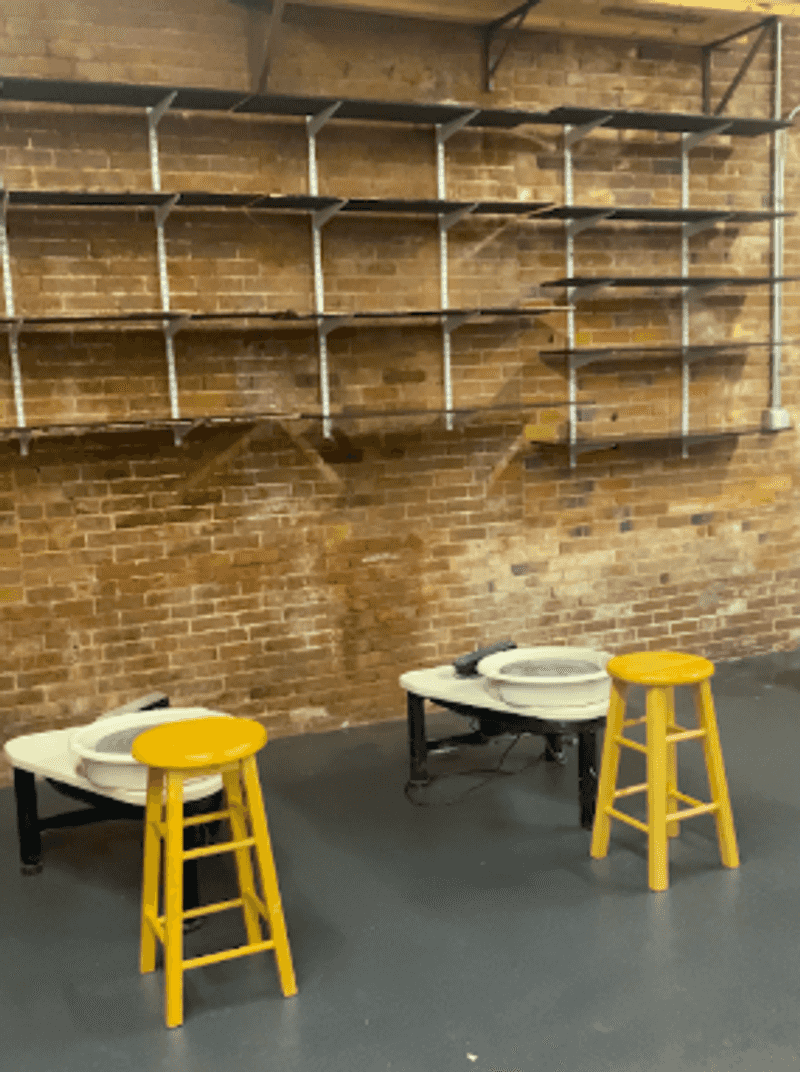
For people who want more than a one-day introduction, the multi-week courses at Pudgy’s Place offer a completely different level of progression. A seven-week wheel-throwing course, for example, covers the foundational principles of working on the wheel and builds on them session by session.
Students who sign up for these longer formats tend to develop a real rhythm with the clay, something that is hard to achieve in a single afternoon. Each class builds on the last, so there is a genuine arc of learning rather than a repeated beginner experience every time you show up.
The multi-week format also creates a sense of community among classmates. People who start as strangers sharing a studio often leave with a shared hobby and a reason to come back.
The structured progression combined with the welcoming environment makes these courses a popular choice for anyone who wants to take pottery seriously as a new creative outlet.
Drop-In Sessions for the More Experienced
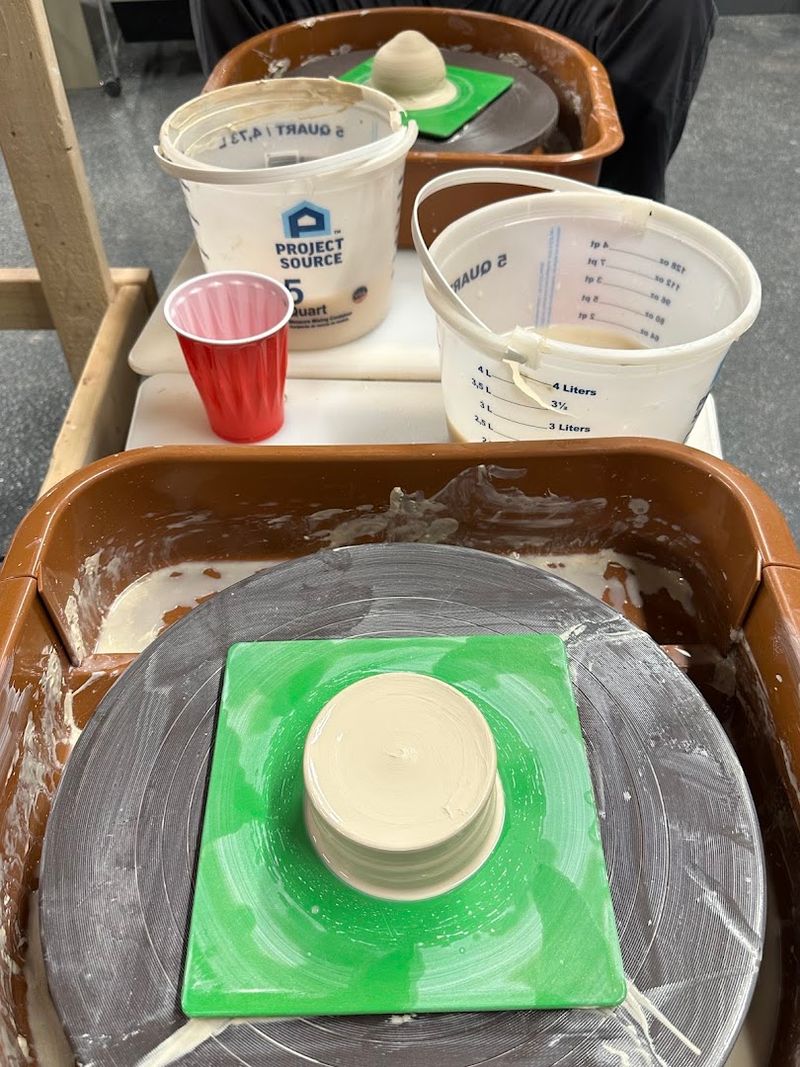
Not everyone who walks through the door at Pudgy’s Place is a total beginner. For students who have already taken a class or two and want to keep practicing, the studio offers drop-in day passes that provide access to the wheels, tools, and materials without the structure of a formal lesson.
This option is particularly good value for people who are in that intermediate stage where they have the basics down but need more repetitions to improve. Studio time is a resource that can be hard to find outside of formal enrollment in a ceramics program, and having a flexible drop-in option fills that gap well.
The day pass format also allows returning students to experiment more freely, trying out new forms or techniques without the pressure of a class timeline. It is an honest acknowledgment that pottery is a skill that requires practice, and the studio has built its schedule to support that ongoing development rather than just one-time experiences.
Paint Nights and Other Creative Workshops
Pottery is the headline act at Pudgy’s Place, but it is not the only creative offering on the menu. The studio has hosted paint nights that bring a completely different crowd and a different kind of energy to the space.
Couples, families, and groups of friends have all come through for guided painting sessions.
The paint night format follows a step-by-step structure led by Shahane, who adapts her instruction style to match the group in front of her. Beginners are encouraged to follow along, while more confident painters are given room to add their own personal touches to the composition.
These events work well as date nights, birthday activities, or just a creative evening out when the usual dinner-and-a-movie routine starts to feel stale. The fact that participants leave with a finished painting, just like pottery students leave with a fired piece, keeps the experience feeling worthwhile and memorable rather than just a way to pass a few hours.
What Makes the Instructor Stand Out
Shahane has built a strong reputation as an instructor who genuinely cares whether each student succeeds. That reputation did not happen by accident.
Her teaching style combines clear technical instruction with a relaxed and encouraging presence that makes even the most nervous beginner feel capable.
One of the things that sets her apart is the attention she pays to the physical mechanics of pottery, including body positioning and injury prevention, which is not always a priority in casual workshop settings. Getting those fundamentals right early makes a real difference in how comfortably students can work at the wheel over time.
She is also knowledgeable across multiple creative disciplines, which means the studio can offer a genuinely varied program rather than just one specialty. Whether the class is wheel throwing, hand building, or painting, the instruction comes from the same place of depth and enthusiasm.
That consistency across formats is a big part of what keeps people coming back to the studio.
Planning Your Visit to Pudgy’s Place
Getting started at Pudgy’s Place is straightforward. The studio website at pudgyproductions.com lists current class offerings, workshop dates, and booking details.
Checking the site before reaching out is the best way to see what is currently scheduled and whether a particular format fits your timeline.
The class sizes are kept small by design, which means popular sessions do fill up. Booking in advance is the practical move, especially for weekend workshops that tend to attract couples and groups looking for a shared activity.
Walk-ins are less reliable than a confirmed reservation.
The studio is listed as open seven days a week, which gives it a flexibility that works well for people with busy or unpredictable schedules. Whether a Tuesday evening class or a Saturday afternoon session fits better, there is usually something available that works.
For anyone on the North Shore or passing through the greater Boston area, a stop at Pudgy’s Place is worth putting on the itinerary.
Where You Will Find This Studio
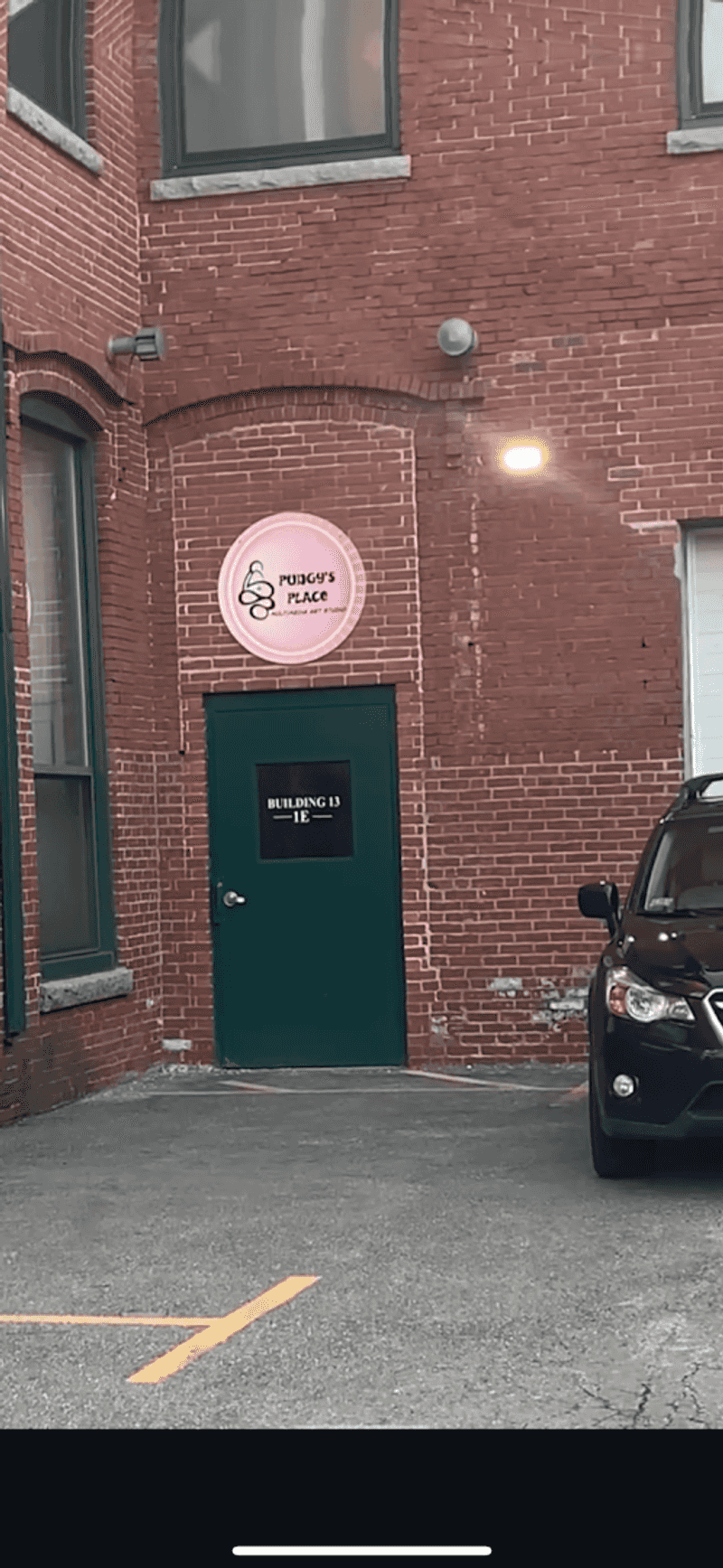
Pudgy’s Place is located at 119R Foster Street, Building 13, Unit 1E, in Peabody, Massachusetts 01960. The address might sound a little industrial at first, but the studio sits inside a workspace complex that is easy to navigate once you know where you are headed.
Parking is available on site, which makes the whole arrival process straightforward. There is no hunting for a spot on a busy street or worrying about meters.
You pull in, park, and head straight to the studio door.
The building itself is accessible and practical, without any of the pretension that sometimes comes with art spaces. The setup works well for people who are coming after work or squeezing in a weekend workshop between errands.
Getting there is easy, and that low-barrier entry is very much part of what Pudgy’s Place is all about from the start.
Share this story