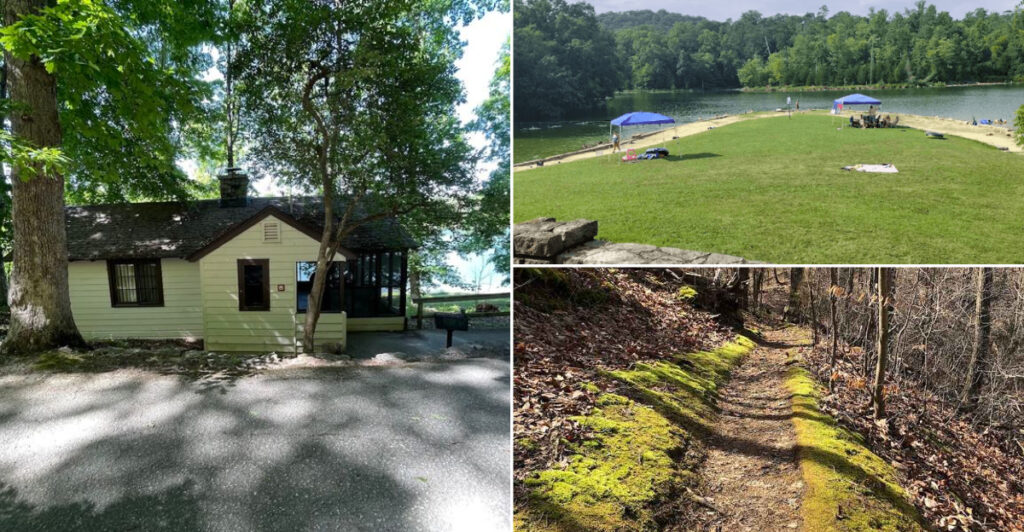
There is a state park in East Tennessee that quietly checks every box a nature lover could want, and most people outside the region have never heard of it. Tucked into the hills north of Knoxville, it sits alongside a clear lake with a sandy beach, a historic grist mill, wooded ridge trails, and rustic cabins that book up fast in summer.
The park draws day-trippers, campers, kayakers, and hikers who keep coming back season after season. This article breaks down everything worth knowing about this surprisingly full-featured park so you can plan a visit that actually delivers.
The Sandy Beach That Sets This Park Apart
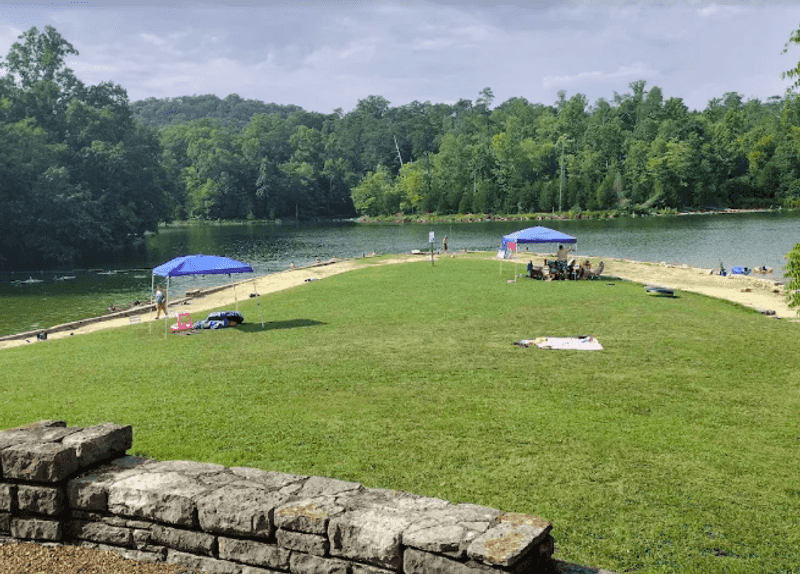
Not every state park in Tennessee can claim a real sandy beach, but Big Ridge pulls it off with a dedicated swimming area that has become one of its most talked-about features. The beach sits along Big Ridge Lake and includes a shallow concrete section that stays around three feet deep, making it a reliable spot for younger kids who are still building confidence in the water.
A large dock extends into the deeper part of the lake, giving stronger swimmers a destination to aim for. The beach area also has grills and picnic tables set up nearby, so a full afternoon of swimming and outdoor eating is easy to pull off without hauling gear far from the parking area.
On busy summer weekends the beach fills up, but the layout is spacious enough that it rarely feels cramped. Restroom facilities near the swimming area are maintained and clean, which makes a real difference on a full-day outing.
A Lake Built for More Than Just Swimming
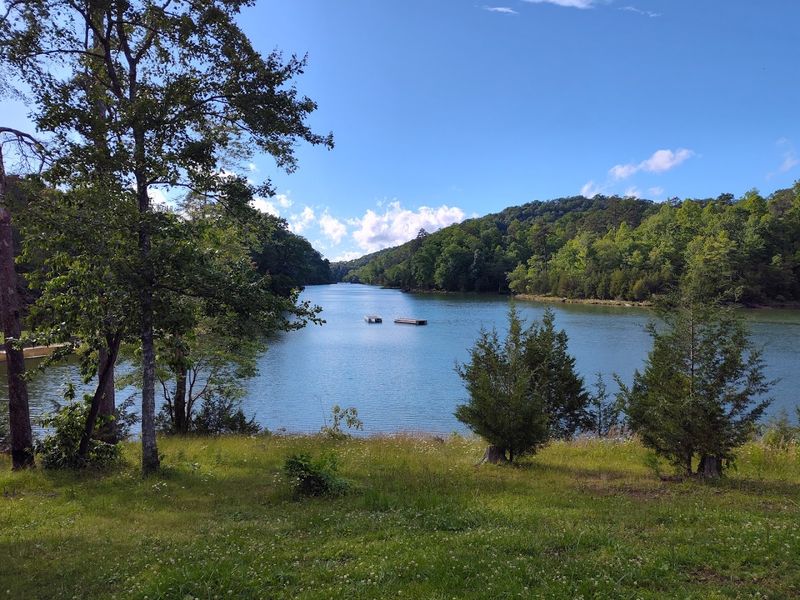
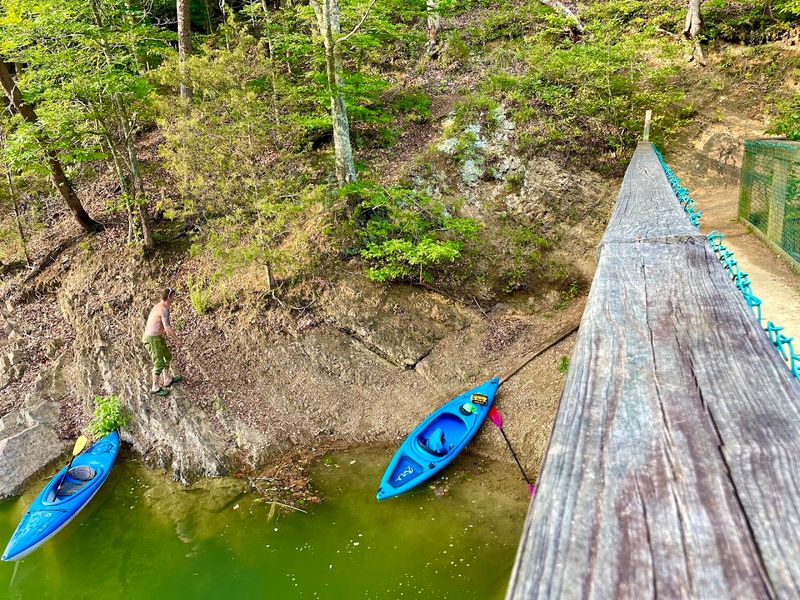
Big Ridge Lake is the centerpiece of the park, and swimming is just one of several ways to use it. The park offers kayak and fishing boat rentals, which means you do not need to bring your own equipment to get out on the water.
Paddling around the lake reveals small coves, forested shorelines, and little islands that you can pull up to and explore on foot.
Fishing is a consistent draw as well. The lake holds a healthy population of bass and other species, and the calm, relatively uncrowded water makes for a relaxed experience compared to the larger recreational lakes in the region.
The surrounding hills reflect off the surface on clear days, giving the lake a distinctly East Tennessee character that feels different from flatland reservoirs. Early mornings on the water are especially worth the effort, when the lake is glassy and the park has not yet filled with the weekend crowd.
Ridge Trails That Actually Challenge You
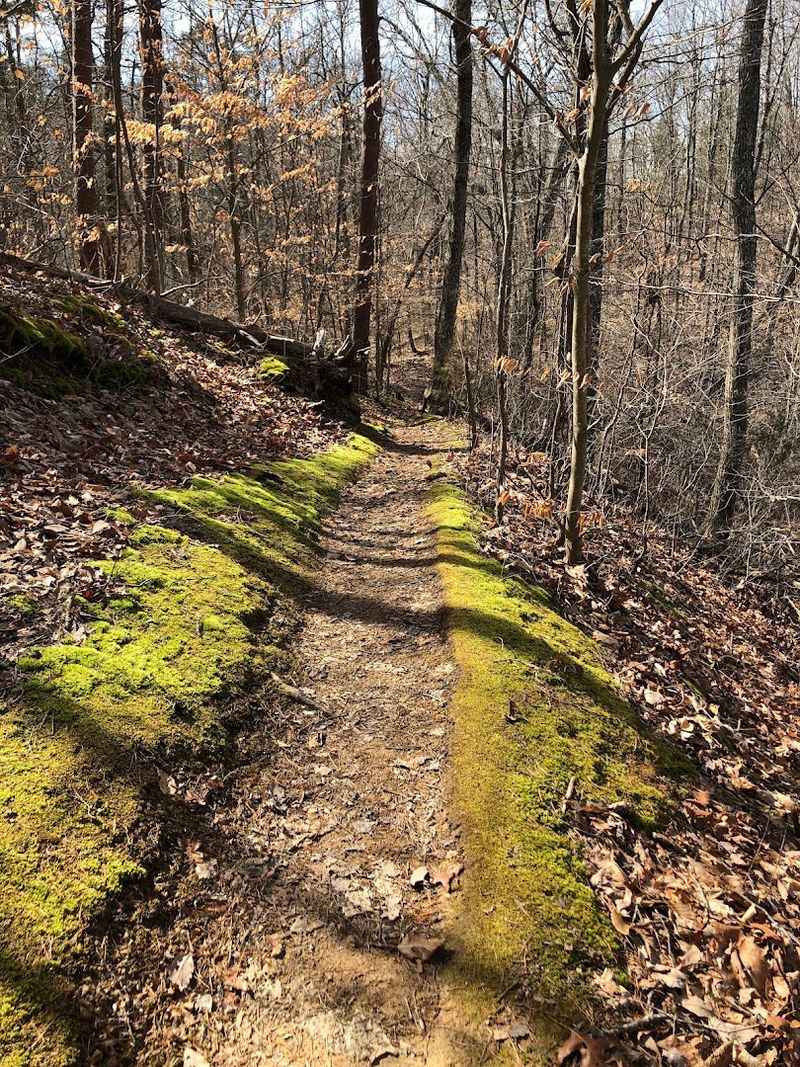
The trail system at Big Ridge covers a range of distances and difficulty levels, with several routes that wind up and over the ridges the park is named for. The Lake Trail is one of the most popular, following the shoreline before climbing toward the Big Ridge Dam, a sturdy structure that offers a solid view of the surrounding forest and water below.
The Ghost House Trail adds a layer of history to the hiking experience. It passes through terrain thick with tree roots and uneven ground, so calling it an easy trail would be generous.
A rating somewhere between easy and moderate is a more honest description, especially for anyone bringing younger kids or less experienced hikers.
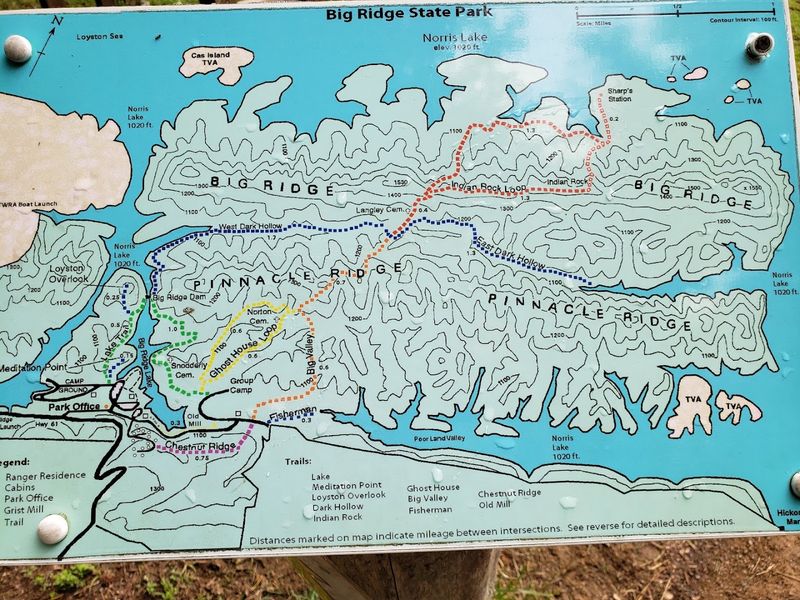
Most trails are well-marked, and the park provides a printed trail information sheet that helps with planning. Hikers who want to string multiple routes together can cover six miles or more without backtracking, which makes the trail network feel genuinely substantial for a park of this size.
The Ghost House Trail and Its Unusual History
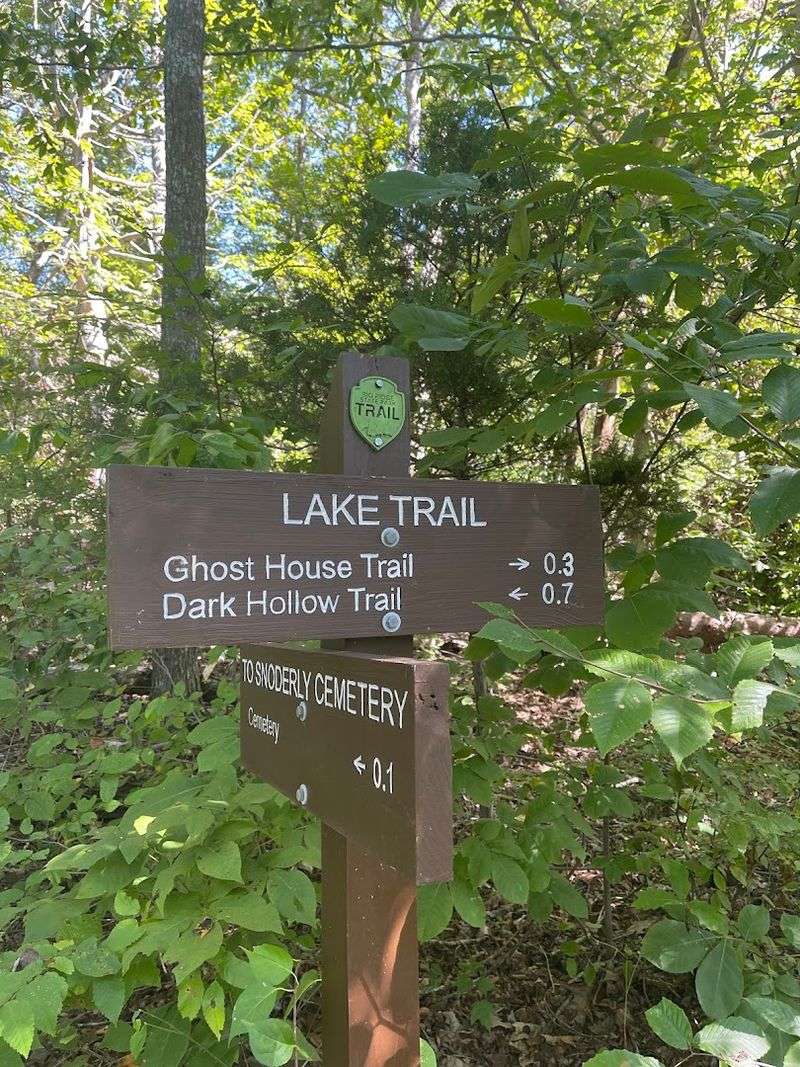
Among all the trails at Big Ridge, the Ghost House Trail carries the most personality. It leads hikers through dense forest to the remnants of a historic structure that was left behind when the surrounding land was developed into a park, giving the route a distinctly eerie reputation that holds up even on sunny days.
Two old cemeteries also appear along the trail, tucked into the woods and marked by weathered stones. Hikers who have done this route in foggy conditions report that the atmosphere turns genuinely atmospheric, with the mist sitting low among the trees and around the old ruins in a way that makes the history feel present rather than distant.
The trail is not long, but the uneven terrain, tree roots, and hilly sections mean it takes more time and energy than the distance suggests. It is the kind of hike that rewards people who slow down and pay attention to what is around them rather than just racing to the turnaround point.
The Historic Grist Mill Worth Photographing
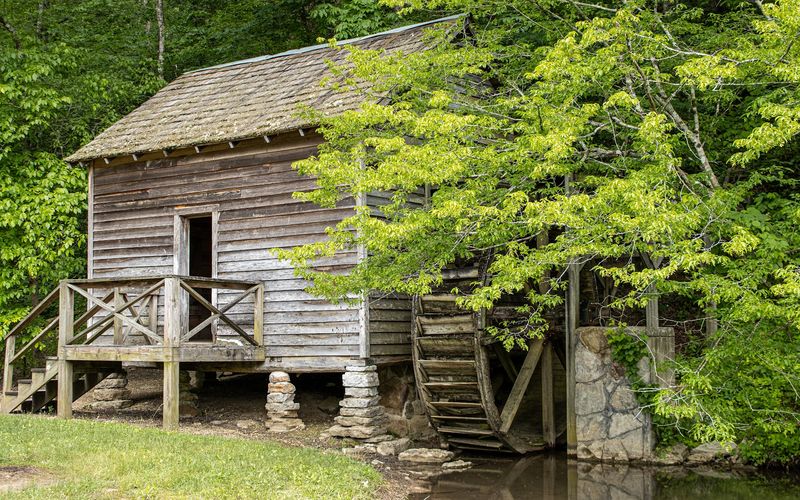
Near the lake sits a replica of the old grist mill that originally operated on this land before it became a state park. The structure is one of the most photographed spots in the park, particularly around sunset when the light hits the wood and water in a way that makes every shot look deliberate.
The original mill was part of a working community that existed in this valley before the lake was created. When the land was flooded and converted for recreational use, the community’s buildings, roads, and daily life disappeared beneath the water and into the woods.
The mill replica stands as a nod to that earlier chapter.
Visitors who take the Old Mill Trail can loop from the mill back toward the cabin area, connecting the historical landmark to the rest of the park in a satisfying way. It is the kind of detail that makes Big Ridge feel like more than just a campground with trails bolted on.
Cabins That Book Up for Good Reason
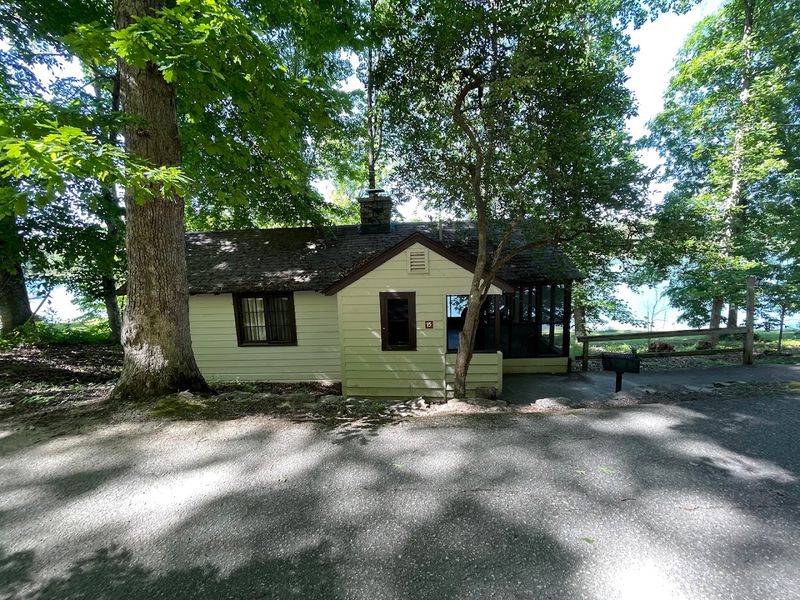
The cabins at Big Ridge offer a middle ground between tent camping and a hotel stay, and they fill up quickly during warmer months. Cabin 15, for example, sleeps up to five people and comes with basic kitchen equipment, though the kitchen space itself is compact enough that most groups end up cooking outside or keeping meals simple.
The beds are on the firmer, bouncier side, which is worth knowing before you arrive with expectations shaped by a mattress store. That said, the cabins are clean, free of any pest evidence, and positioned in a wooded setting that makes waking up feel like a genuine escape from routine.
Parking near the cabins is tight, with most spots along the road rather than in dedicated lots. Some cabins have partial lake views, which adds a noticeable upgrade to the overall experience.
Booking well in advance, especially for summer weekends, is the single most important planning step for anyone set on staying in one.
Wildlife and What You Might See on the Trails
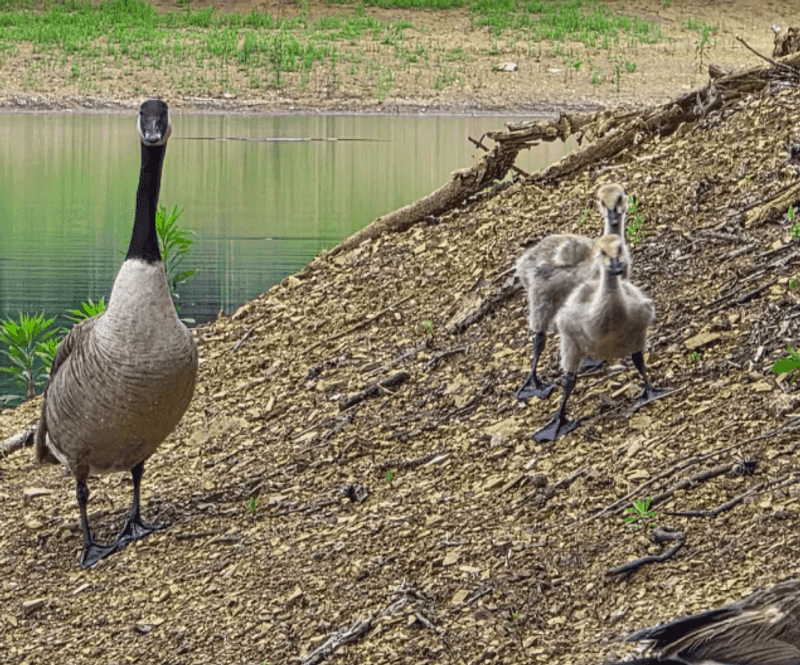
Big Ridge is home to a variety of wildlife that hikers and campers regularly encounter throughout the park. Deer are among the most commonly spotted animals, often visible near the trailheads in the early morning and late afternoon when they move through the forest edges and open areas around the campground.
Turtles are frequently seen along the lake shore and on logs near the water, and herons make regular appearances in the shallower coves. The forest itself supports a full range of songbirds, woodpeckers, and other species that reward anyone who brings binoculars or simply keeps an eye on the canopy while walking.
The park does have poison ivy in some trail sections, particularly after wet stretches of weather when vegetation grows aggressively. Wearing long pants on the more overgrown trails is a practical move.
Knowing what to look for keeps the wildlife experience enjoyable rather than something you regret on the drive home.
Picnic Areas, Playgrounds, and Family Amenities

Big Ridge is set up well for full-day family visits that go beyond hiking and swimming. Shaded picnic areas with grills are spread throughout the park, giving groups a comfortable place to set up for a few hours without fighting the sun.
The grills are in good working condition, and the picnic tables are positioned to take advantage of the natural shade the forest provides.
A playground is available near the swimming area, which gives younger kids an option when they need a break from the water. Baseball and tennis courts, along with a basketball area, round out the recreational options for groups that want more than just nature trails.
The combination of amenities makes the park a strong choice for family reunions, birthday outings, or any group that includes people with different interests. Not everyone in a group needs to hike or swim for the day to work, which is a practical advantage that not every state park can offer.
Day Trip vs. Overnight Stay: Which Works Better
Big Ridge works well as a day trip from Knoxville, which is only about 25 miles away. A day-tripper can reasonably fit in a swim at the beach, a hike on one or two trails, lunch at a picnic table, and a walk past the grist mill before heading home without feeling rushed.
The park is compact enough that you can cover the highlights in a single afternoon.
An overnight or multi-day stay opens up the experience considerably. Renting a kayak, fishing the lake at different times of day, hiking trails you skipped on day one, and simply spending an evening around a campfire adds layers that a quick visit cannot replicate.
Five-day stays have been known to feel too short.
The decision often comes down to what the group wants. For a relaxed introduction to the park, a day trip is a low-commitment way to find out if Big Ridge is worth a longer return visit, and for most people, it is.
Tips for Getting the Most Out of Your Visit
A few practical details make a noticeable difference at Big Ridge. Arriving early on summer weekends, especially if the beach is the main goal, helps secure a good picnic spot before the park fills up.
Weekday visits offer a significantly quieter experience across the board, from the campground to the trails to the swimming area.
Picking up a printed trail map from the park office is worth doing before heading out, since cell service in parts of the park can be unreliable. The map includes distances, difficulty ratings, and points of interest that help with planning a route that matches the group’s energy level.
RV campers with longer rigs should take the campground loop carefully, as some turns are tight for vehicles over 30 feet. Cabins should be reserved well ahead of time through the Tennessee State Parks booking system.
The park website at tnstateparks.com/parks/big-ridge has current availability, fees, and seasonal information that keeps changing throughout the year.
Where Big Ridge State Park Actually Is
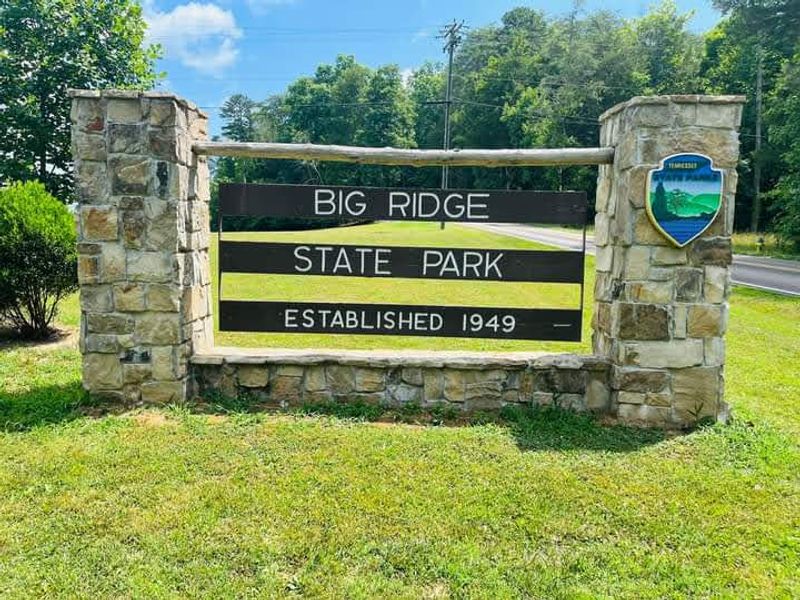
Big Ridge State Park sits at 1015 Big Ridge Park Rd, Maynardville, TN 37807, in Union County, about 25 miles north of Knoxville in East Tennessee. The drive in follows a winding two-lane road through thick forest before the park opens up around the lake.
Union County is one of the quieter corners of the region, which works in the park’s favor. There are no big commercial strips nearby, no chain restaurants at the gate, just trees, hills, and the kind of road that signals you are getting somewhere worth going.
The park covers roughly 3,687 acres, making it large enough to feel genuinely wild in spots while still being organized and easy to navigate. First-time visitors often say the layout is more intuitive than they expected, with clear signage pointing toward the beach, trailheads, campground, and cabin area from the moment you arrive.
Share this story