Few wildlife experiences compare to spotting a bear roaming freely in its natural habitat. Whether you are an avid nature lover or simply curious about the wild, national parks across the United States offer some of the most remarkable bear-watching opportunities on the planet.
From Alaska’s salmon-rich rivers to California’s towering forests, these parks give visitors a front-row seat to some of nature’s most powerful animals. Pack your binoculars, respect the wildlife, and get ready to explore the best places to see bears in the wild.
1. Yellowstone National Park, Wyoming, Montana and Idaho
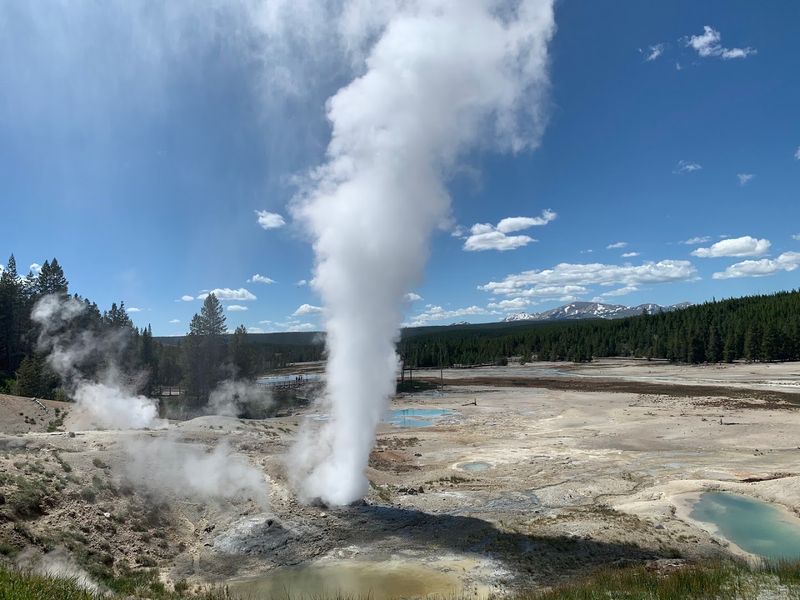
Yellowstone is arguably the most famous wildlife-watching destination in the lower 48 states, and bears are a big reason why. The park is home to both grizzly bears and black bears, giving visitors a rare chance to spot two species in a single trip.
Lamar Valley and Hayden Valley are considered the best spots, especially at dawn and dusk when bears are most active.
With around 700 grizzly bears in the Greater Yellowstone Ecosystem, sightings are more common here than almost anywhere else in the contiguous United States. Rangers and volunteer bear-watchers often set up spotting scopes along roadsides, making it easier for visitors to find bears from a safe distance.
Spring is an especially exciting time, when mothers emerge from dens with their cubs. Yellowstone rewards patience with unforgettable moments in nature.
2. Glacier National Park, Montana
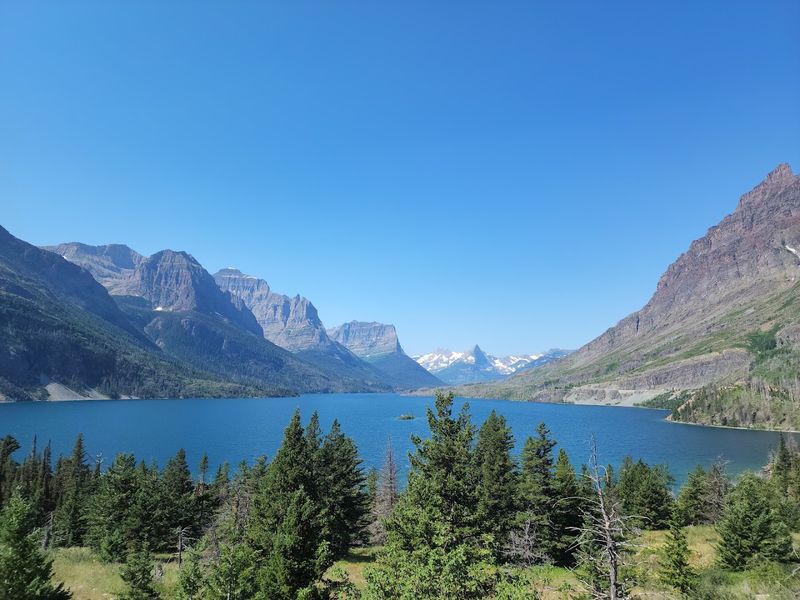
Glacier National Park has earned the nickname “Crown of the Continent” for good reason. Its rugged mountains, pristine valleys, and wild rivers create a perfect habitat for both grizzly and black bears.
The park supports one of the densest grizzly bear populations in the lower 48 states, making encounters surprisingly common for attentive hikers.
The Many Glacier area and the North Fork region are particularly well-known for bear activity. Early morning hikes along trails like Grinnell Glacier offer a real chance of spotting a grizzly digging for roots or grazing on berries.
Glacier also offers bear safety education programs, which are strongly recommended before hitting the trails. Always carry bear spray and hike in groups for added safety.
The combination of stunning scenery and abundant wildlife makes Glacier a truly unforgettable destination for any wildlife enthusiast.
3. Katmai National Park and Preserve, Alaska
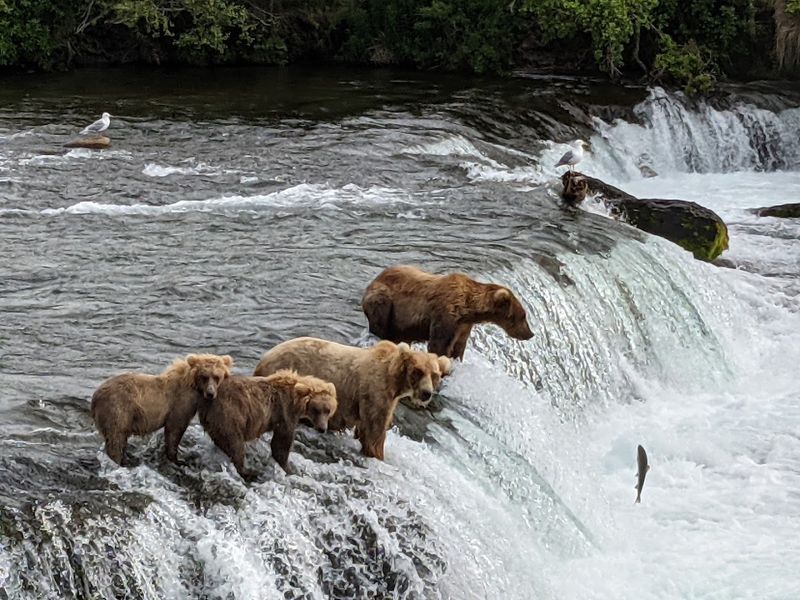
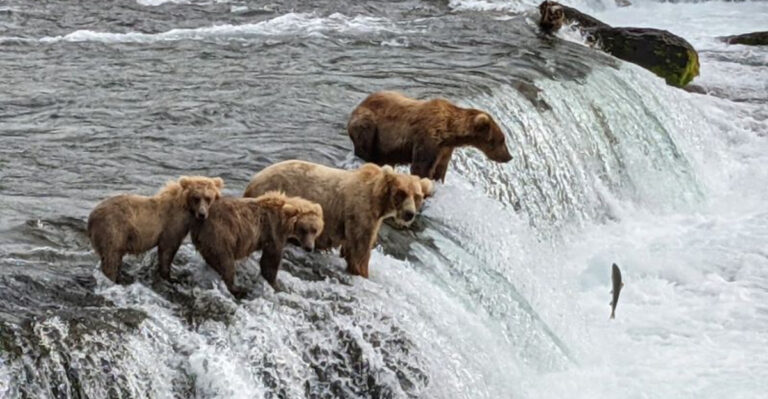
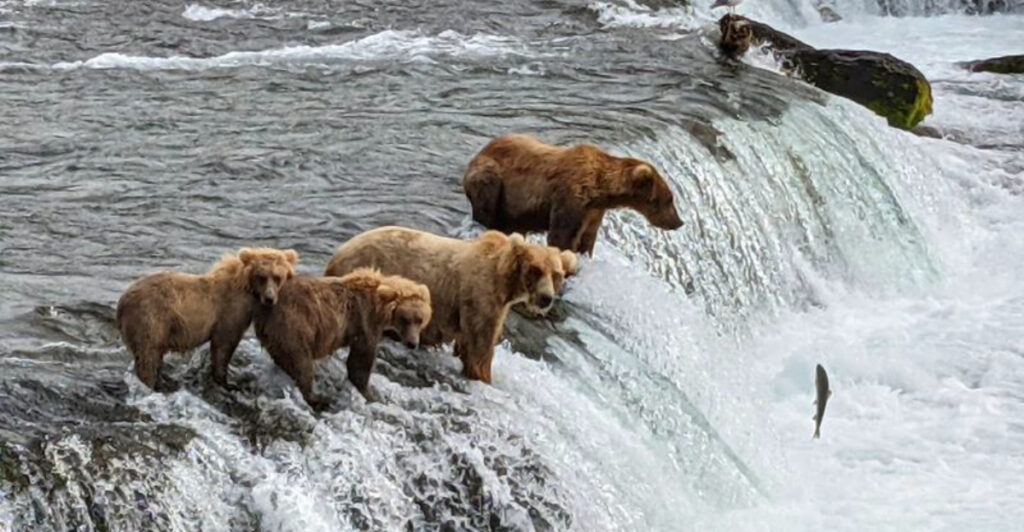
Every summer, something almost unbelievable happens at Brooks Falls in Katmai National Park. Brown bears gather by the dozens to catch sockeye salmon leaping upstream, creating one of the most iconic wildlife spectacles on Earth.
At peak season in July, it is not uncommon to see 60 or more bears fishing side by side along the river.
Katmai is home to one of the largest protected populations of brown bears in the world, with over 2,200 bears roaming the park. The famous Fat Bear Week contest, held each fall, celebrates bears bulking up before hibernation and has become a beloved annual tradition.
Visitors can watch from elevated platforms at Brooks Camp, keeping a safe distance while getting remarkably close views. Katmai is truly in a class of its own for bear watching.
4. Denali National Park and Preserve, Alaska
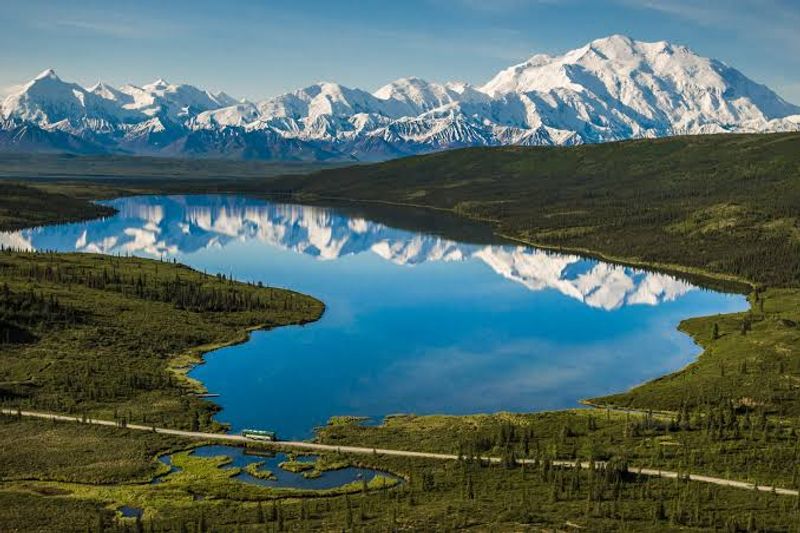
Denali National Park stretches across 6 million acres of pristine Alaskan wilderness, and its wide-open tundra makes for surprisingly easy bear spotting. Unlike dense forests where bears can disappear in seconds, Denali’s rolling plains allow visitors to watch grizzlies from a considerable distance without losing sight of them.
The park is home to roughly 300 to 350 grizzly bears.
Only one road cuts through the park, and private vehicles are restricted beyond a certain point. Visitors ride buses operated by the park service, and drivers double as wildlife guides who stop whenever animals are spotted.
Grizzly bears are commonly seen digging for ground squirrels, grazing on berries, or just ambling across the open landscape. The backdrop of North America’s tallest peak adds a jaw-dropping visual element to every sighting.
Denali offers a truly wild Alaskan experience unlike anywhere else.
5. Great Smoky Mountains National Park, Tennessee and North Carolina
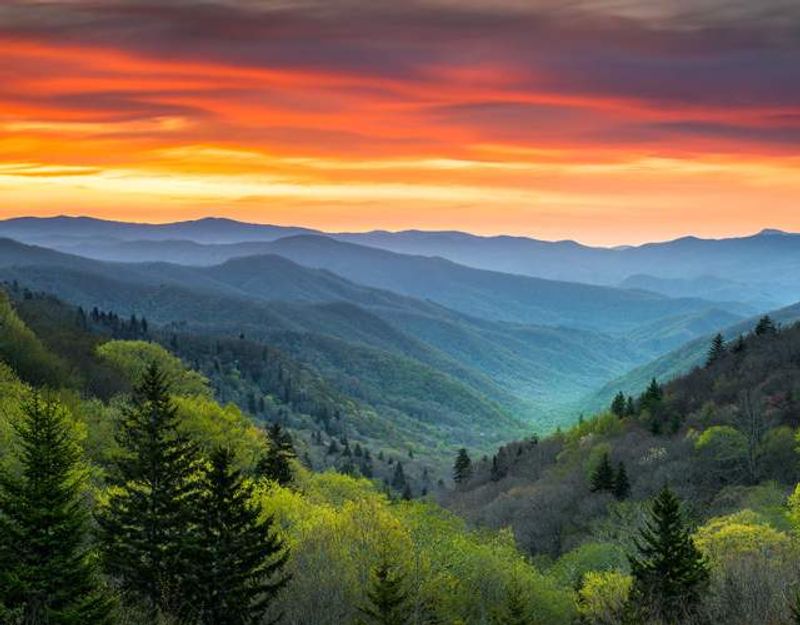
With an estimated 1,500 black bears roaming its forests, Great Smoky Mountains National Park has one of the highest bear densities of any national park in the eastern United States. That works out to roughly two bears per square mile, which means sightings here are genuinely frequent.
Cades Cove and Cataloochee Valley are among the top spots for bear watching.
Black bears in the Smokies are active year-round, though spring and fall offer the best chances of spotting them as they search for food. The park receives over 12 million visitors annually, making it the most visited national park in the country, yet its bears remain wild and free-roaming.
Rangers work hard to keep bears from becoming habituated to humans, so proper food storage is strictly enforced. Watching a bear move through the misty mountain forest here feels like stepping into another world entirely.
6. Lake Clark National Park and Preserve, Alaska
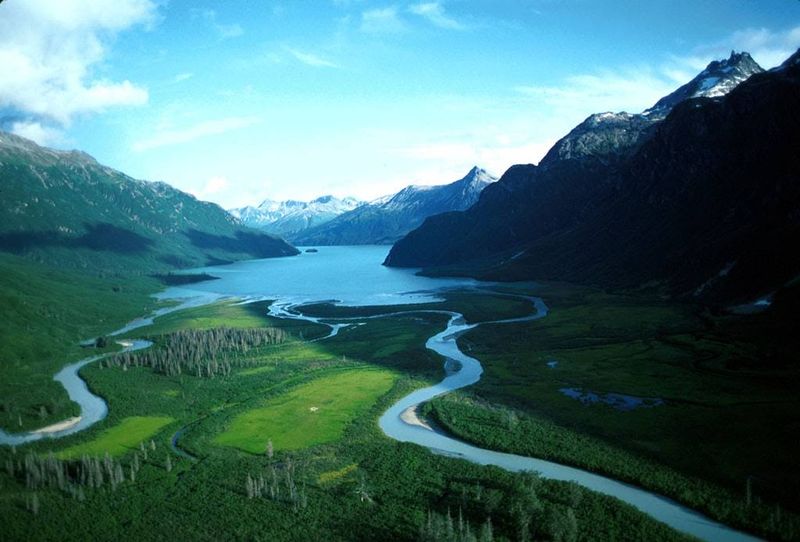
Lake Clark National Park is one of Alaska’s best-kept secrets for wildlife lovers. Located across Cook Inlet from Anchorage, the park is only accessible by small plane or boat, which keeps crowds low and wildlife encounters remarkably authentic.
Brown bears congregate along the coastline during summer months, feeding on sedge grass and clams before the salmon runs begin.
The area around Silver Salmon Creek is especially popular with photographers and wildlife guides, who lead small group tours to watch bears up close in a responsible and respectful way. Seeing a mother bear with cubs playing on the beach against a backdrop of volcanic peaks is a sight that stays with you forever.
Because access requires planning and a flight, visitors tend to be dedicated wildlife enthusiasts who appreciate the extra effort. Lake Clark rewards that commitment with truly extraordinary bear encounters.
7. Grand Teton National Park, Wyoming
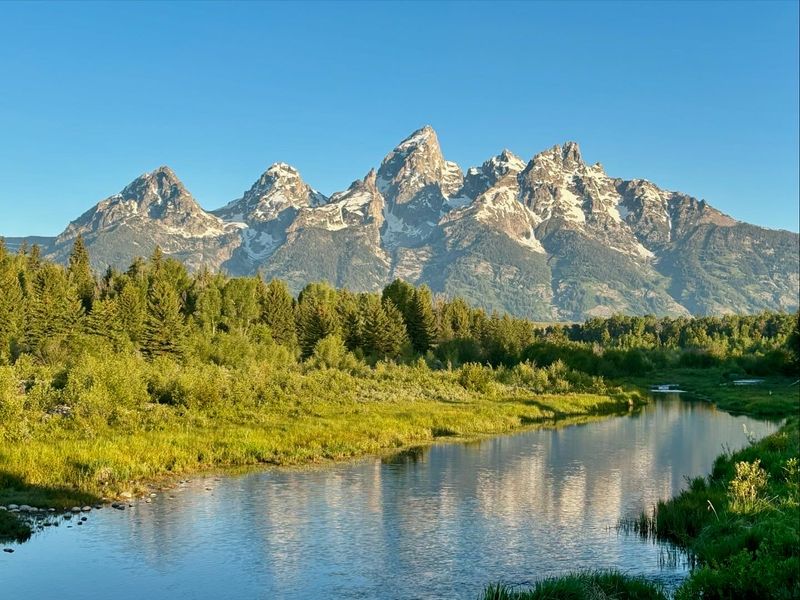
Sharing its border with Yellowstone, Grand Teton National Park benefits from the same thriving grizzly bear population that has made the Greater Yellowstone Ecosystem famous worldwide. The Tetons’ open valleys and river corridors give grizzlies plenty of room to roam and give visitors excellent sightlines for watching them.
Willow Flats and the Oxbow Bend area are top spots for early morning wildlife viewing.
Black bears also live in the park, particularly in forested areas near the base of the mountains. Spring is a magical time here, when bears emerge hungry and move through the landscape searching for winter-killed elk, roots, and early berries.
The jagged skyline of the Teton Range behind a foraging grizzly creates one of the most photographed wildlife scenes in North America. Grand Teton consistently delivers world-class wildlife experiences within a stunningly beautiful setting that few parks can match.
8. Olympic National Park, Washington
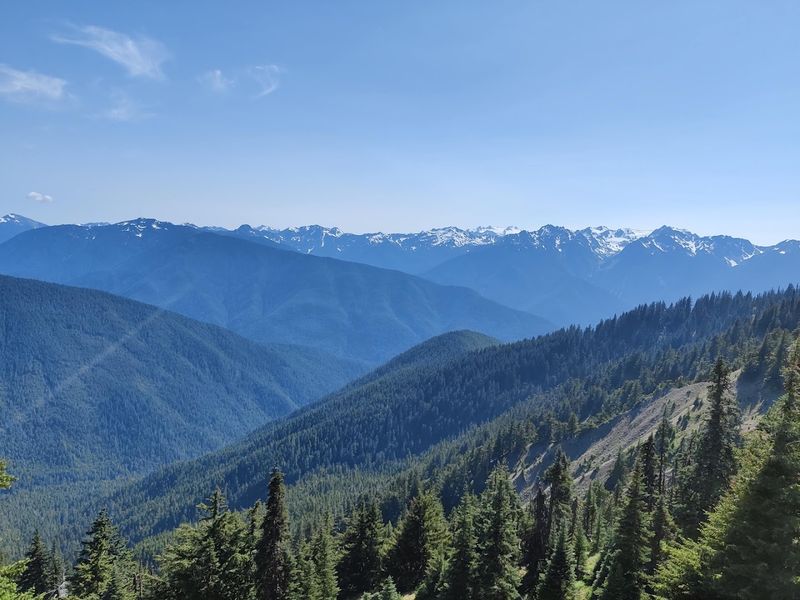
Olympic National Park is one of the most ecologically diverse parks in the country, encompassing rugged coastline, alpine meadows, and the famous Hoh Rain Forest all in one place. Black bears thrive across all of these ecosystems, making sightings possible in a surprisingly wide variety of landscapes.
The Hoh Rain Forest, Hurricane Ridge, and the Sol Duc Valley are among the best areas to watch for them.
Olympic is home to an estimated 3,000 to 5,000 black bears, one of the highest concentrations in Washington State. Bears here tend to be active in the early morning and late afternoon, often seen foraging for berries, insects, or roots along trail edges.
Because the park sees fewer visitors than some other major parks, encounters here feel especially personal and wild. Exploring Olympic’s ancient forests while keeping an eye out for bears makes every hike feel like a genuine adventure.
9. Sequoia National Park, California
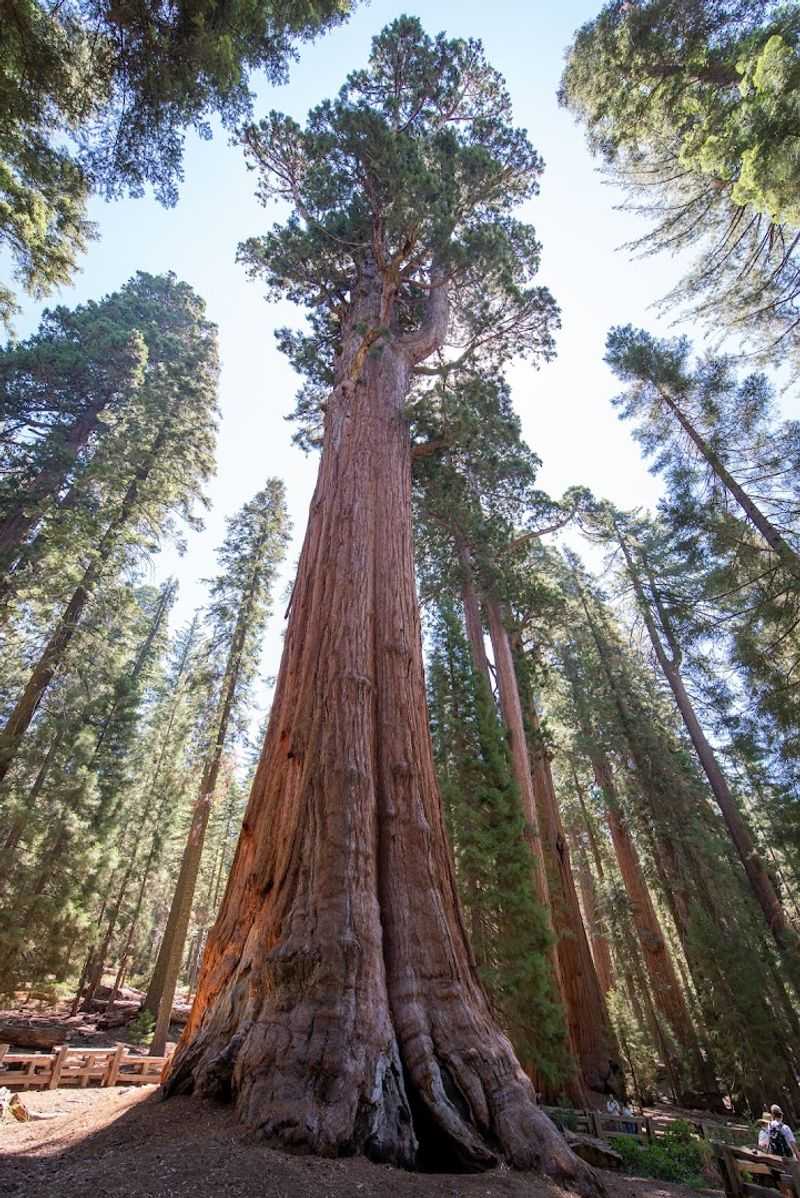
Standing among the largest living things on Earth while a black bear wanders past is an experience that is hard to put into words. Sequoia National Park is home to a healthy population of black bears, and the combination of ancient forests, meadows, and river valleys gives them plenty of territory to explore.
Grant Grove and the Giant Forest area are particularly active zones for bear sightings.
Sequoia’s bears are known for being clever and resourceful, and the park has strict food storage regulations to prevent human-bear conflicts. Visitors are required to use bear canisters or approved storage boxes at all campsites.
Bears here are often spotted in the morning near meadow edges or along the Marble Fork of the Kaweah River. Watching a bear move silently through a grove of trees that have stood for thousands of years adds a humbling, almost timeless quality to the encounter.
10. Kings Canyon National Park, California
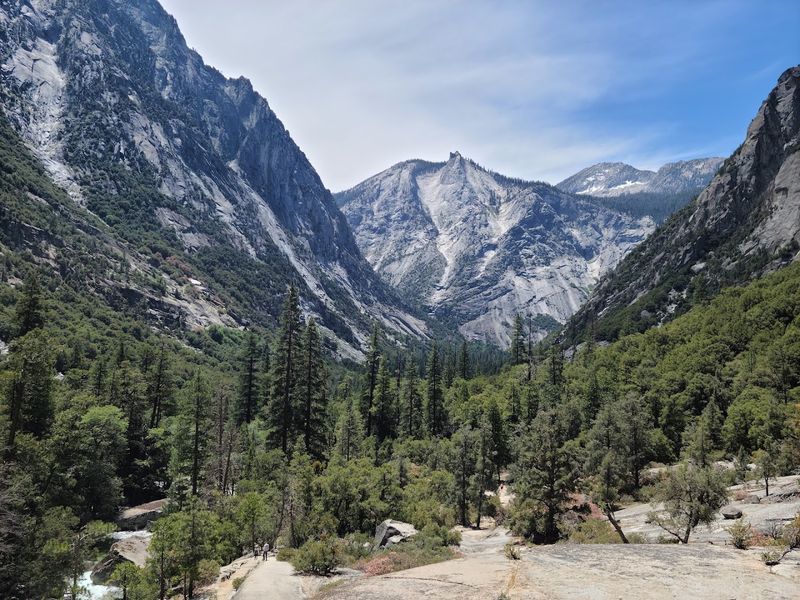
Kings Canyon National Park sits right next to Sequoia and is jointly managed with it, but it has its own distinct personality. The park’s deep granite canyons, carved by ancient glaciers and powerful rivers, create a dramatic and wild landscape that black bears call home year-round.
Zumwalt Meadow and the Kings River corridor are reliable spots to watch for bear activity.
Bears in Kings Canyon are especially active during late summer and fall, when they enter hyperphagia, a phase of intense eating to build up fat reserves before winter. During this period, a single bear can consume up to 20,000 calories per day, so they are constantly on the move and relatively easy to spot.
The park’s lower visitor numbers compared to nearby Yosemite mean wildlife encounters feel more personal here. Kings Canyon offers a raw, canyon-carved beauty paired with genuine wilderness encounters that outdoor enthusiasts truly appreciate.
11. North Cascades National Park, Washington
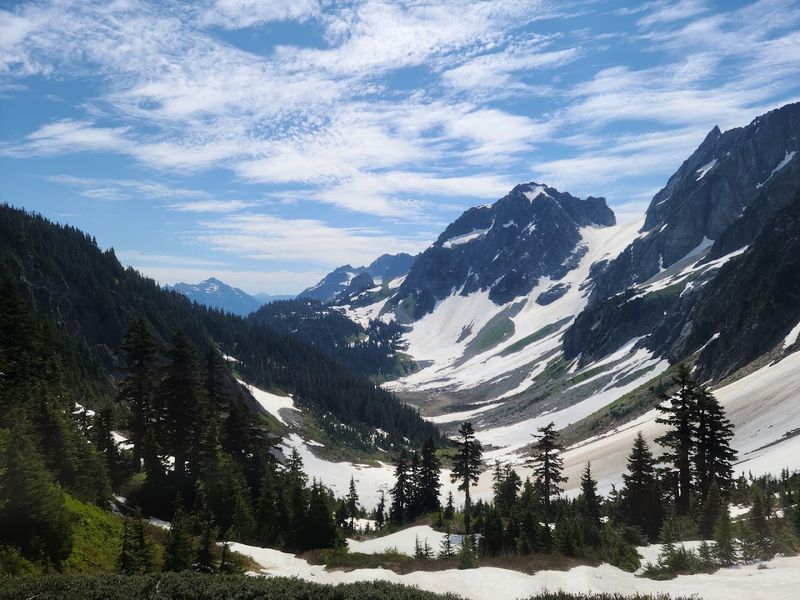
North Cascades National Park is one of the least visited major national parks in the United States, and that remoteness is exactly what makes it so special for wildlife watchers. The park’s rugged peaks, dense forests, and glacier-fed rivers support a thriving population of black bears.
Because the terrain is wild and largely undeveloped, bear sightings here feel genuinely raw and unscripted.
The Cascade Pass trail and the Stehekin Valley are among the best areas to spot bears, particularly in late summer when berry crops ripen across the hillsides. Black bears in the North Cascades are shy by nature and tend to move away quickly when they detect humans, so quiet, early morning hikes give the best chances of a sighting.
The park’s dramatic scenery, with over 300 glaciers, makes every outing worthwhile even on days when bears stay hidden in the brush.
12. Yosemite National Park, California
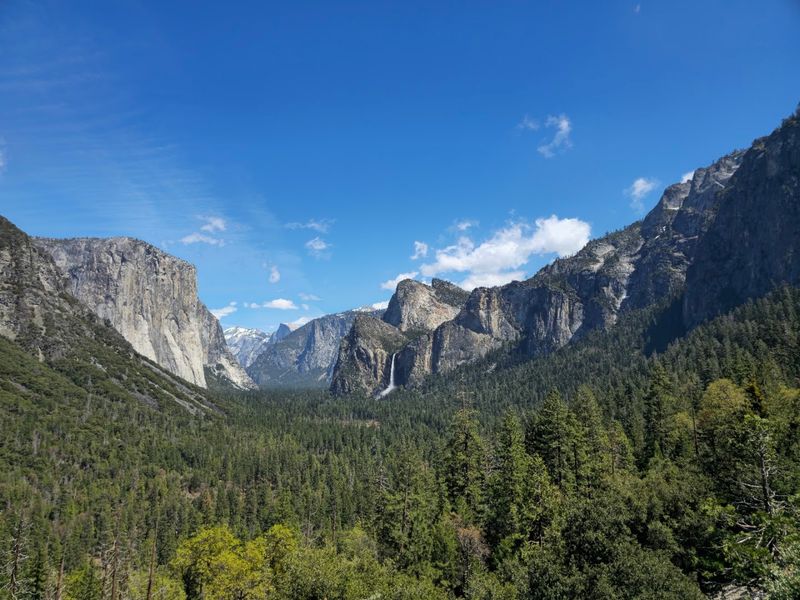
Yosemite National Park is one of the most recognizable places in the world, and its resident black bears are every bit as famous as its towering granite cliffs. The park is home to around 300 to 500 black bears, and sightings are reported throughout the year.
Yosemite Valley, Tuolumne Meadows, and the Wawona area are especially productive spots for catching a glimpse of them.
Yosemite has one of the most comprehensive bear management programs of any national park, born from decades of experience dealing with human-bear interactions. Food storage regulations are strictly enforced, and bear-proof lockers are available at campgrounds and trailheads throughout the park.
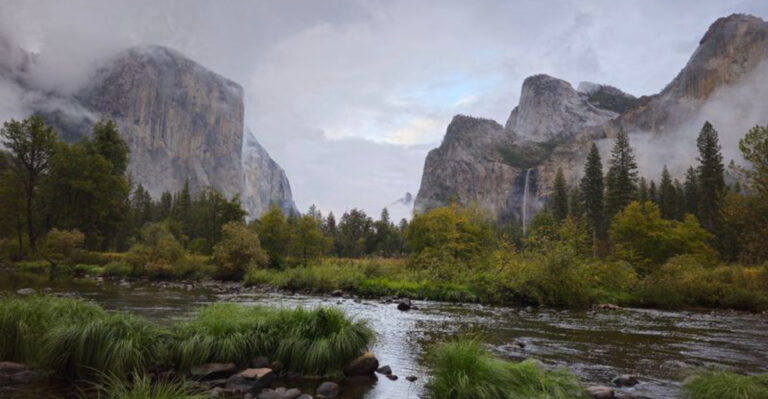
Spotting a black bear strolling across a meadow with El Capitan towering in the background is one of those quintessential American wilderness moments. Yosemite proves that even in a well-visited park, wild nature has a way of making its presence powerfully known.
Share this story