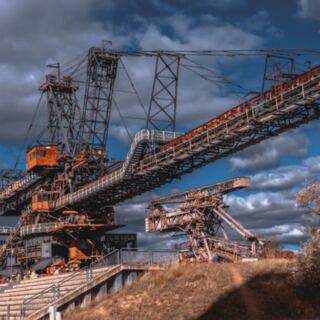
There is a park in central Ohio where you can stand on top of a converted smokestack and look out over what was once one of the region’s busiest industrial sites. The ground beneath your feet used to shake with the heat and noise of a working glass factory.
Today, that same land holds peaceful lakes, winding trails, outdoor sculptures, and a landscape unlike anything most Ohio visitors have ever seen. The transformation is so complete and so thoughtfully designed that it almost feels like two different worlds occupying the same space at the same time.
From Factory Floors to Open Skies: The History Behind the Land
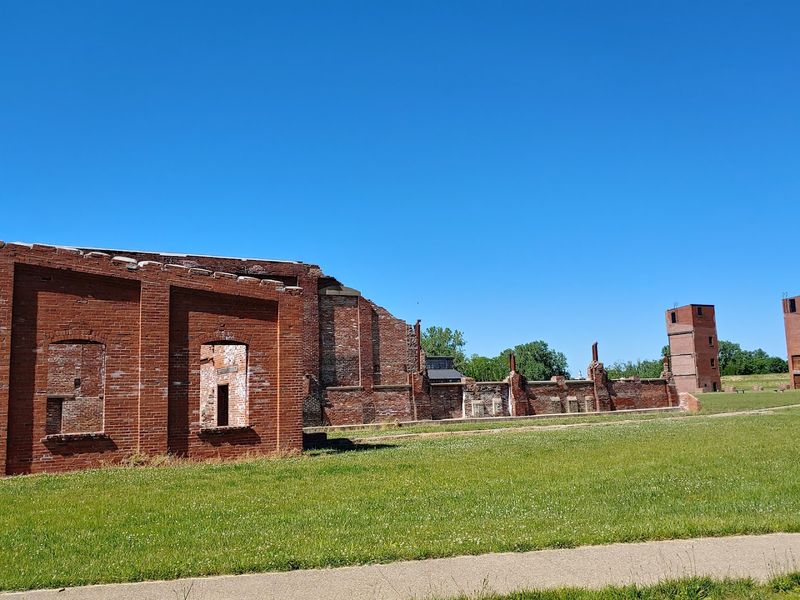
Not many parks can claim they were built on the bones of an industrial giant, but this one can. The site at 10 Pittsburgh Ave, Mt Vernon, OH 43050, known as Ariel-Foundation Park, sits on land that once housed a glass manufacturing operation that dominated the area for decades before closing in the late 1990s.
PPG Industries, a major name in the glass industry, operated on this property for much of the twentieth century. When the factory finally shuttered, the land sat abandoned, a sprawling reminder of an era that had passed.
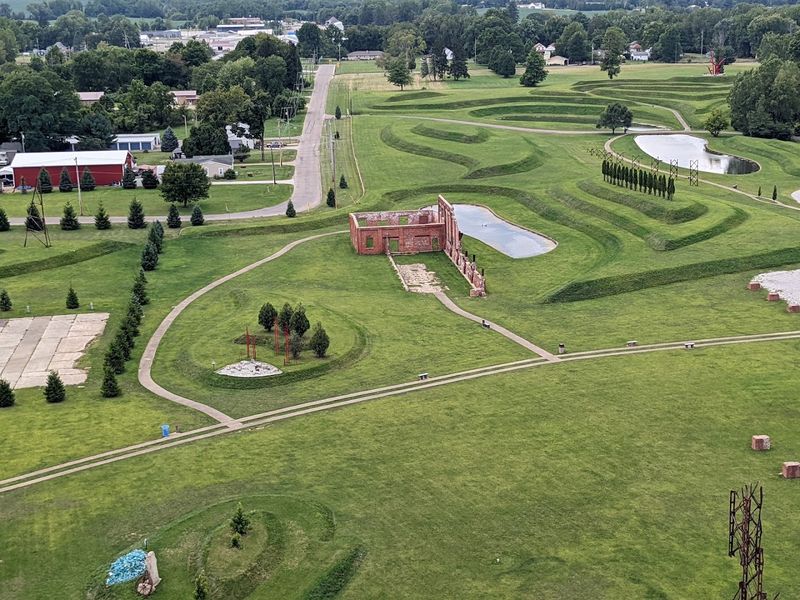
Rather than demolish everything and start fresh, community leaders and visionaries chose a different path. They turned the industrial ruins into a 250-acre public park that honors the factory’s legacy while creating something entirely new for future generations to enjoy.
The Observation Tower That Used to Be a Smokestack
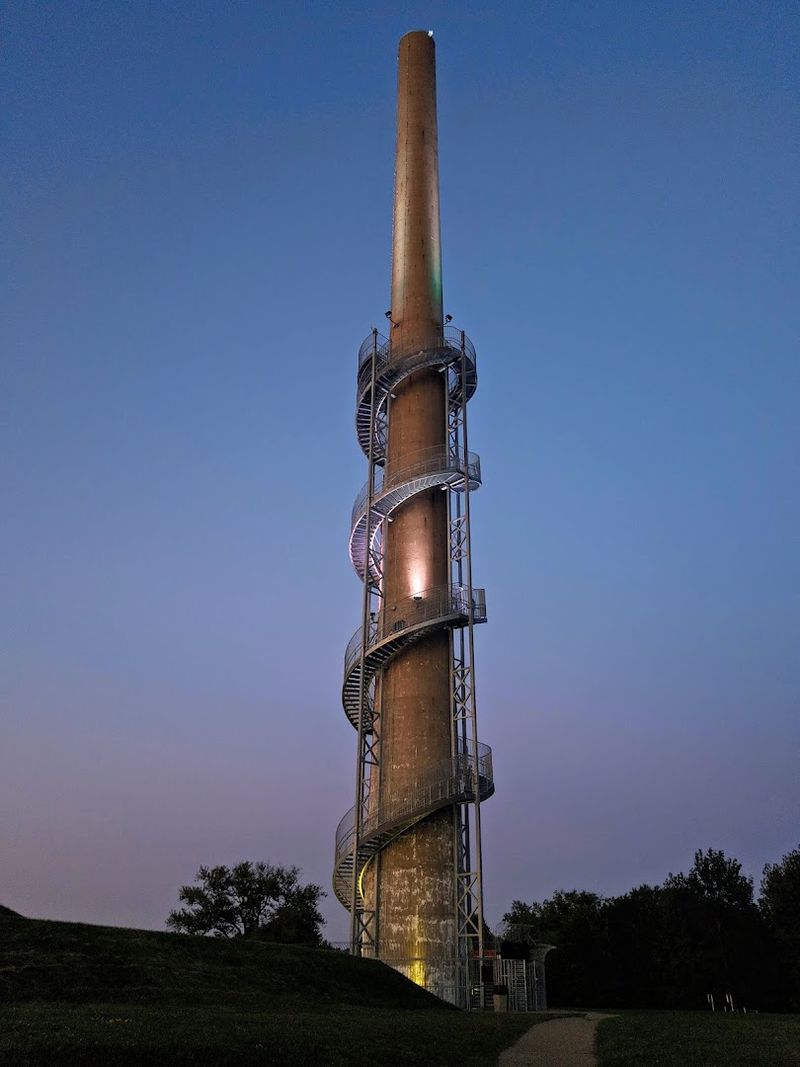
The smokestack is the first thing that grabs your attention when you arrive. Standing tall above the park, this former industrial chimney from the 1950s has been transformed into a climbable observation tower that rewards anyone willing to make the climb.
The stairs wrap around the outside of the structure, and yes, you can see straight down through the grating if you dare to look. At the top, the view of the entire 250-acre park spreads out in every direction, giving you the best possible sense of how the land has been reshaped.
The tower closes around dusk, so plan your visit accordingly. Visitors who make the climb during golden hour get a particularly striking view of the lakes below catching the last light of the day.
It is worth every step of the workout you will feel afterward.
The River of Glass That Stops Visitors in Their Tracks
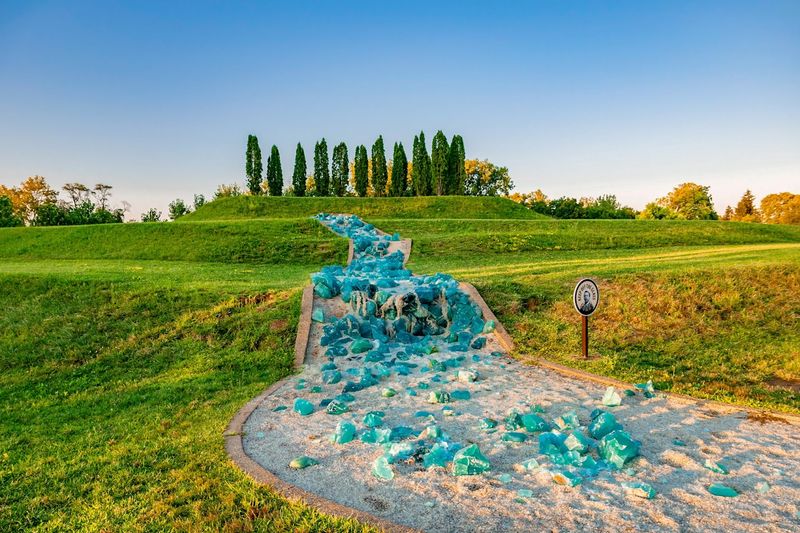
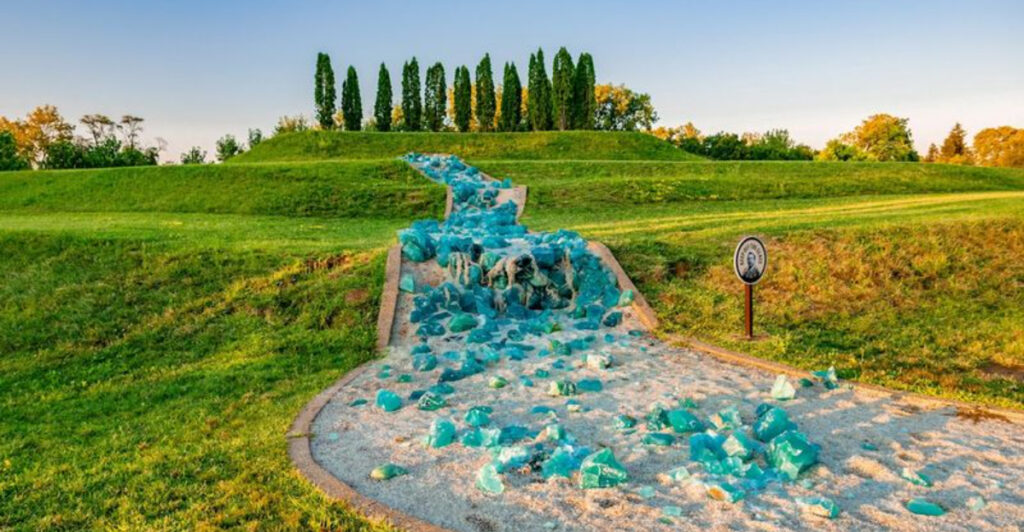
One of the most talked-about features of the park is the River of Glass, a striking landscape installation made from glass cullet, which is the term for crushed or recycled glass used in the manufacturing process.
It winds through part of the park like an actual river, catching light and shifting color depending on the time of day and the angle of the sun. The effect is genuinely mesmerizing, and it serves as a direct, beautiful tribute to the glassmaking industry that once defined this land.
Standing next to it, you get a real sense of what the designers were going for: a way to honor the material that built this community without simply leaving a pile of rubble behind. The River of Glass manages to be both industrial history lesson and genuine work of public art at the same time.
A Landscape That Blends Ruins with Natural Beauty
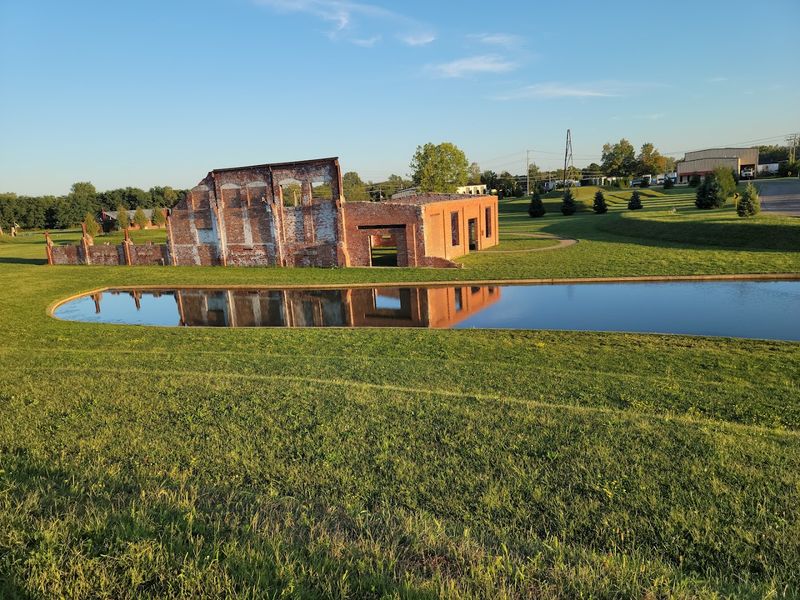
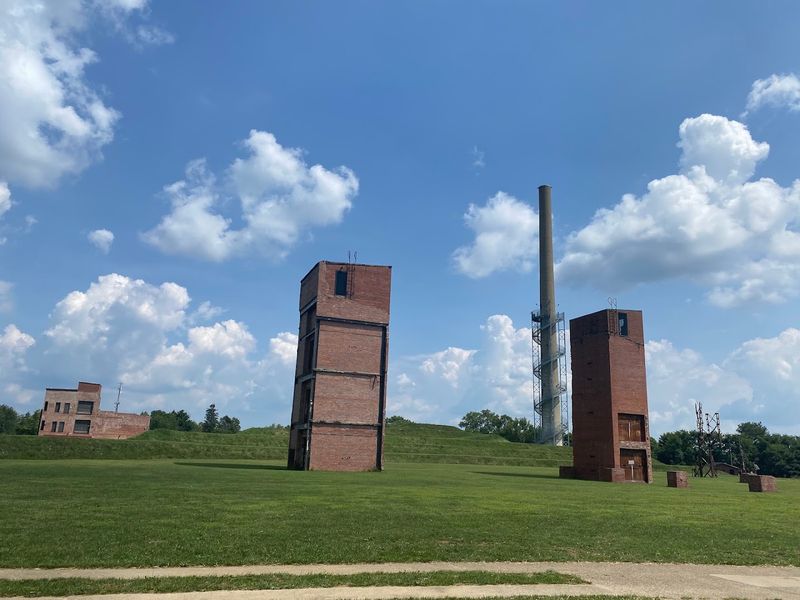
Walking through Ariel-Foundation Park feels like exploring two different timelines simultaneously. Brick walls and steel beams from the old factory stand alongside carefully planted trees, manicured paths, and calm lakes that reflect the sky above.
The design team made a deliberate choice not to hide the industrial past. Instead, the ruins are treated as features, framed by landscaping in a way that makes them feel intentional rather than forgotten.
Metal sculptures crafted from repurposed materials appear throughout the grounds, each one adding another layer to the story the park is telling.
What makes this approach so effective is that it never feels like a museum frozen in time. The park is alive with people walking, jogging, fishing, and simply sitting on benches by the water.
The ruins give the place character without making it feel heavy or somber.
The Tree of Life Labyrinth and Its Quiet Invitation
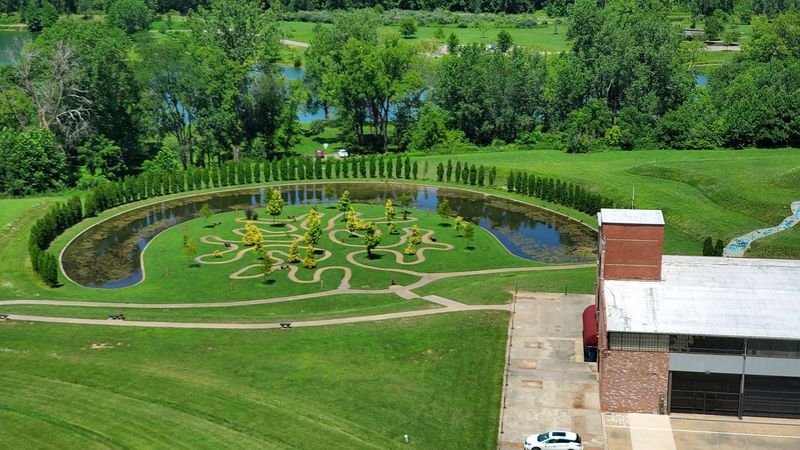
Tucked within the park’s varied terrain is the Tree of Life labyrinth, a feature that tends to surprise first-time visitors who did not expect to find something so contemplative in the middle of an industrial heritage site.
The labyrinth offers a slower, quieter way to move through part of the park. Walking its path gives you a moment to step back from the visual excitement of the ruins and sculptures and simply be present in the space.
It is the kind of feature that rewards repeat visitors, since it feels different depending on the season and your mood.
The juxtaposition of the labyrinth against the industrial backdrop is part of what makes the park’s design so layered. Whoever planned this space understood that people need more than spectacle.
They also need places to breathe, reflect, and simply wander without a destination in mind.
Lakes and Ponds That Most First-Time Visitors Never Expect
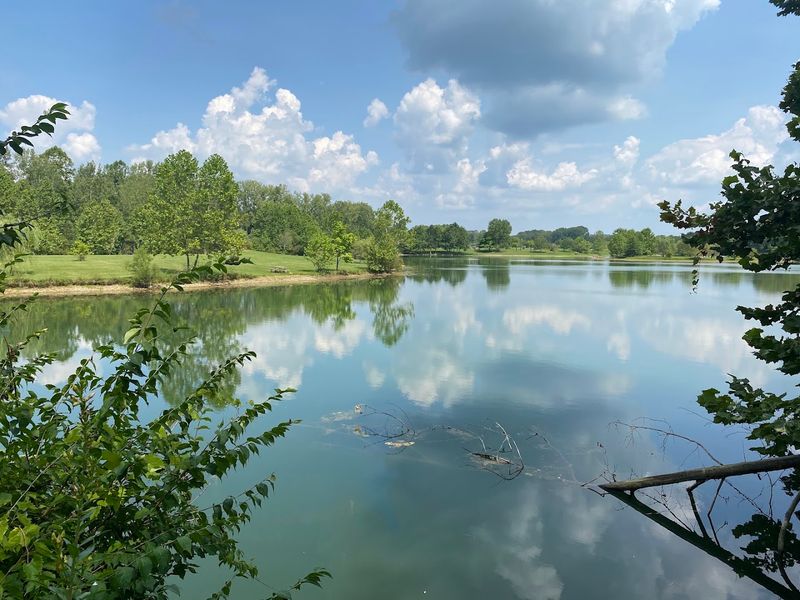
Most people arrive expecting ruins and trails. The lakes catch them completely off guard.
Ariel-Foundation Park contains multiple lakes and ponds scattered across the property, and they transform the atmosphere of the park entirely.
Swing benches sit along the shoreline in several spots, making it easy to settle in and stay longer than planned. The ponds are regularly stocked, which means fishing is a genuine activity here, not just an afterthought.
On calm mornings, the water mirrors the surrounding hills and old factory structures in a way that is genuinely beautiful.
The lakes also attract wildlife, and patient visitors have reported spotting birds of prey perched on some of the park’s sculptural steel features. The combination of water, open sky, and industrial art creates a setting that photographers and nature lovers both find equally compelling, often for entirely different reasons.
Paved Trails That Make the Park Accessible to Almost Everyone
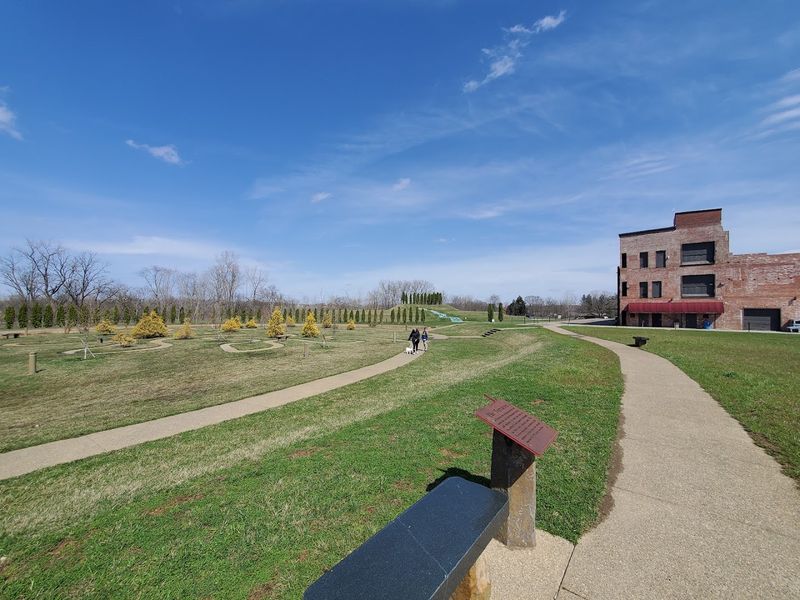
One of the most thoughtful aspects of the park’s design is that nearly all the trails are paved. This is not a minor detail.
It means that strollers, wheelchairs, and visitors with mobility considerations can access most of the park without difficulty.
Walking the perimeter comes in at just under a mile, but the full experience expands considerably once you start climbing the terraced paths, ascending the observation tower, and wandering off the main loop to explore individual features. Visitors who commit to seeing everything tend to log around three miles of walking by the time they are done.
The trail system is well-signed throughout, so getting lost is unlikely, though getting distracted is almost guaranteed. Every bend in the path seems to reveal another sculpture, another preserved structure, or another view of the lake that makes you want to stop and stay a while longer.
Signage That Turns a Walk Into an Outdoor History Lesson
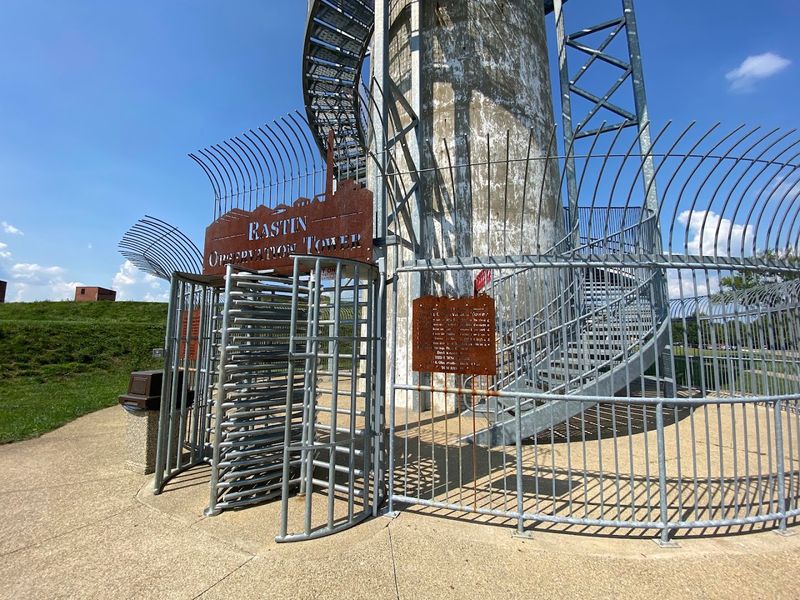
The signage throughout Ariel-Foundation Park is genuinely exceptional, and that is not something you can say about most public parks. Each sign is designed to explain the history of a specific feature, structure, or artifact without overwhelming visitors with information.
The signs are made from metal and blend into the industrial aesthetic of the park rather than looking like generic park placards. They tell the story of the glassmaking industry, the specific role this site played in that history, and the community effort that went into transforming the land into what it is today.
Reading every sign along the way turns a casual walk into something closer to a self-guided history tour. Kids who might not normally gravitate toward history tend to engage with the material here because the context is right in front of them, visible and tangible rather than confined to a textbook page.
Public Art Made from the Factory’s Own Materials
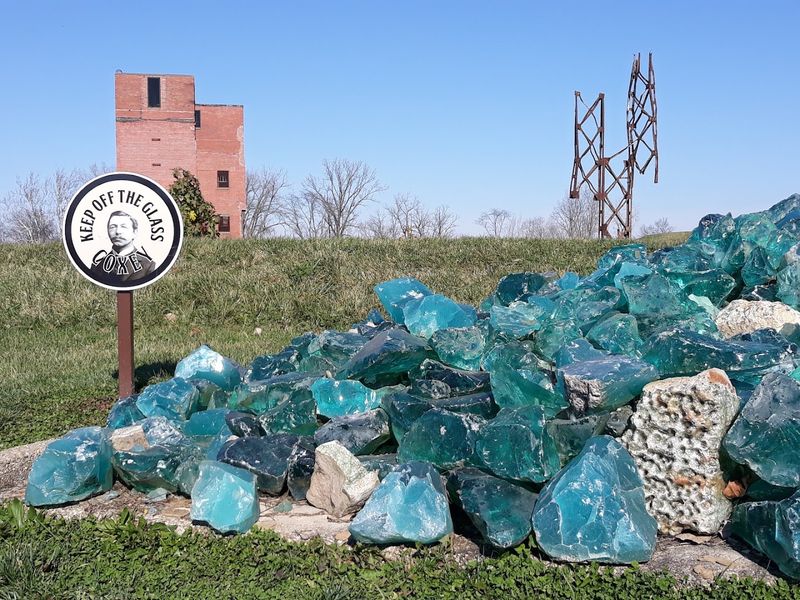
The artwork spread across Ariel-Foundation Park is not decorative in the conventional sense. Most of it was created using materials salvaged directly from the factory site, which gives every piece a direct, unbreakable connection to the land it stands on.
Steel I-beams have been twisted and shaped into sculptural forms. Brick from original factory walls has been incorporated into new structures.
Glass, the material that defined this place for decades, appears in installations throughout the grounds in ways that feel both artistic and historically respectful.
The result is a collection of public art that could not exist anywhere else, because the materials themselves are specific to this place and this story. Photographers tend to spend a significant amount of time here, and it is easy to understand why.
Every piece offers a different composition depending on the light, the season, and the angle from which you approach it.
The Small Museum That Adds Another Layer to the Visit
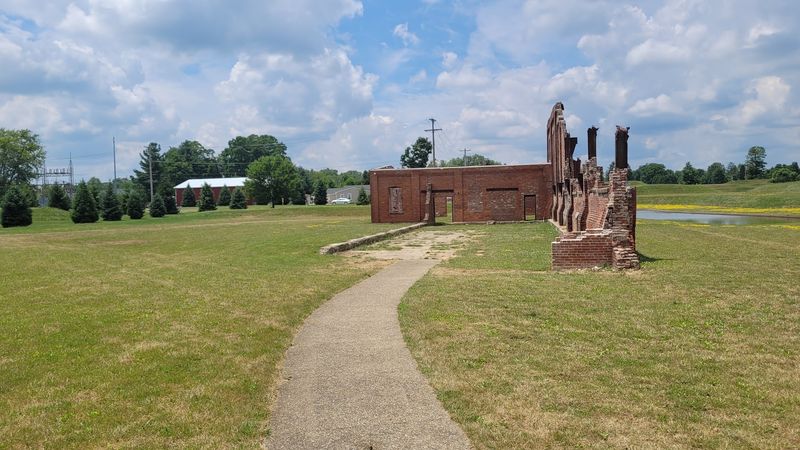
On the grounds of the park, there is a small museum dedicated to the history of the glass factory and the industrial heritage of the site. It is not a large facility, but the exhibits inside add meaningful context to everything you see while walking the trails.
The museum is not always open, so checking ahead before your visit is a smart move if you specifically want to go inside. That said, even when the museum is closed, the outdoor experience is rich enough to stand entirely on its own.
For visitors who are genuinely curious about the PPG connection and the broader history of glassmaking in Ohio, the museum offers details that the outdoor signage does not cover. It is the kind of small, community-run space that rewards curiosity and tends to leave visitors with a deeper appreciation for what they are standing on.
Events, Concerts, and Community Gatherings on the Grounds
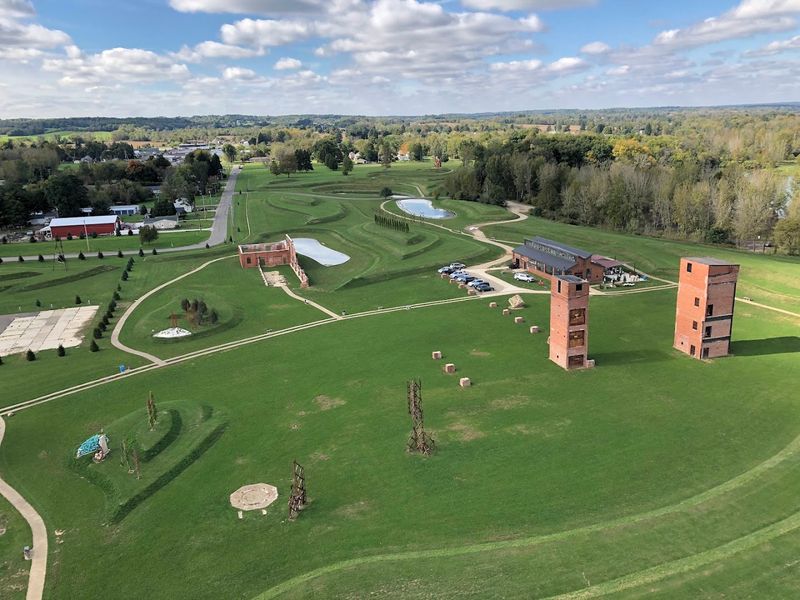
Ariel-Foundation Park is not just a place to walk through and admire. It functions as a genuine community gathering space, hosting outdoor concerts, events, and gatherings throughout the year.
The event center on the grounds sits near the river end of the property and provides a venue that is unlike anything you would find in a conventional park setting.
The industrial backdrop makes the event center particularly appealing for certain types of occasions. The combination of preserved factory architecture, open sky, and carefully designed landscaping creates an atmosphere that photographs beautifully and feels genuinely memorable in person.
Fireworks events have been held here, and the outdoor concert setup takes advantage of the natural acoustics and open space that the former factory grounds provide. Checking the park’s event calendar before visiting is worth the effort, since catching a live event here adds an entirely different dimension to the experience.
Wildlife and Nature That Has Reclaimed the Industrial Site
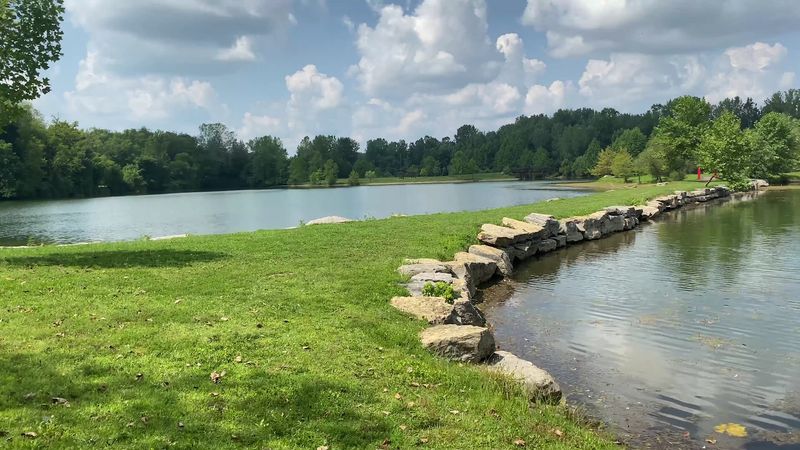
There is something quietly remarkable about watching nature reassert itself on land that was once all concrete, steel, and industrial heat. At Ariel-Foundation Park, the wildlife is a genuine part of the experience, not just background scenery.
Geese are a regular presence near the water, sometimes in numbers that require a bit of navigating around. Birds of prey have been spotted perching on the park’s sculptural steel features, which creates a striking visual contrast between natural and man-made.
The stocked ponds attract herons and other waterbirds alongside the anglers who come to fish.
The park’s open meadow areas, tree lines, and lakeshores create a range of microhabitats that support a surprising variety of species. For visitors who bring binoculars, the park offers genuine wildlife-watching opportunities that most urban and suburban parks cannot match.
The combination of habitat diversity and relative quiet makes it a rewarding stop for nature observers.
Visiting Tips That Will Help You Get the Most Out of Your Trip
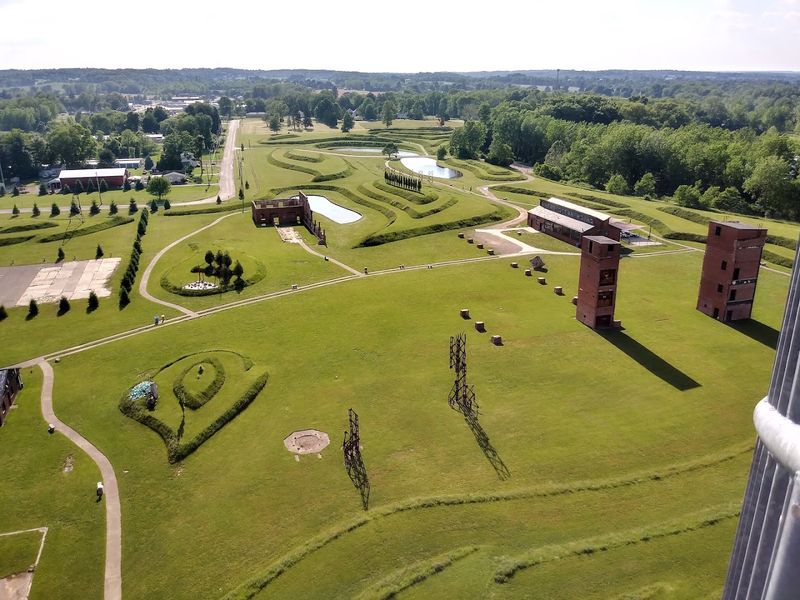
The park is open every day from 7 AM to 11 PM, which gives visitors a generous window to explore at their own pace. Morning visits offer softer light for photography and tend to be quieter, while late afternoon visits reward you with dramatic shadows across the ruins and a golden glow on the lakes.
Bringing water is strongly recommended, especially on warmer days. The park does have at least one water fountain, but the grounds are largely sun-exposed, and the walking adds up faster than you might expect.
Comfortable shoes matter here, particularly if you plan to climb the observation tower or the terraced paths.
Pets are welcome on a leash, and the paved trails make the park genuinely manageable for dogs of most sizes. Parking is available in several areas around the property, so arriving by car is straightforward without much searching for a spot.
Why the Park Feels Different from Every Other Ohio Green Space
Ohio has no shortage of parks, but very few of them ask you to think about where you are standing and what happened there before you arrived. Ariel-Foundation Park does that from the moment you walk in.
The industrial ruins are not hidden or minimized. They are the point.
The park works because it does not try to be something it is not. It does not pretend the factory never existed, and it does not wallow in nostalgia either.
Instead, it finds a middle ground that feels genuinely respectful of the past while being fully committed to the present and future.
That balance is difficult to achieve in public space design, and the fact that this community pulled it off on a 250-acre former industrial site makes the whole thing even more impressive. It is the kind of place that earns repeat visits because there is always something new to notice.
What to Explore Nearby After Your Visit to the Park
Mt Vernon has more to offer than the park alone, and spending a little time in the surrounding area rounds out the visit nicely. The downtown district sits close enough to the park that stopping in after your walk feels like a natural next step rather than a separate trip.
Local spots for picking up food before or after your park visit are easy to find in town, and the community has a genuine small-town character that feels unhurried and welcoming. The area also puts you within reasonable driving distance of Hocking Hills, which is one of Ohio’s most celebrated natural destinations and a worthy addition to any central Ohio itinerary.
Taking the time to explore both the park and the town gives you a fuller picture of what Knox County has to offer. Mt Vernon is the kind of place that rewards slowing down rather than rushing through on the way to somewhere else.
Share this story