Popular travel destinations around the world are hitting a breaking point. Millions of visitors each year are straining historic cities, natural landmarks, and local communities in ways that are hard to ignore.
To fight back, governments and local authorities are rolling out bold new rules designed to slow the flood of tourists and protect what makes these places worth visiting. Here are ten destinations leading the charge.
Venice, Italy
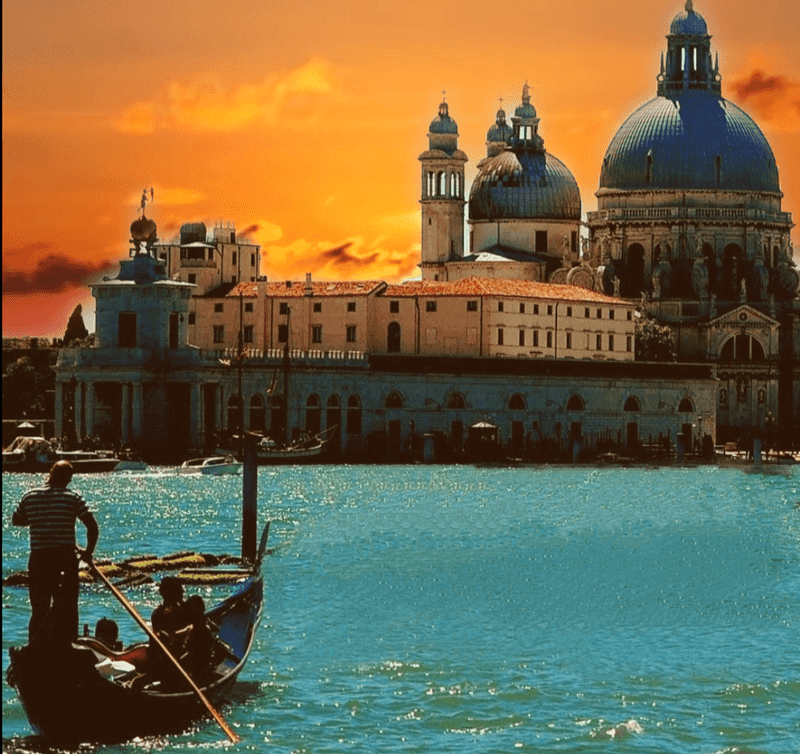
Paying to enter a city might sound strange, but Venice is making it work. Since 2024, day-trippers visiting on busy dates must register online and pay an entry fee before setting foot in the historic lagoon city.
The fee is not enormous, but the goal is not to get rich. It is to make visitors think twice before showing up unplanned on the most crowded days.
Venice welcomes around 20 million visitors per year, yet only about 250,000 people actually live there full time. That gap has caused serious problems, from overcrowded bridges to rising costs that push locals out of their own neighborhoods.
The new system targets day visitors specifically because they tend to add the most congestion without contributing much to the local economy through hotels or restaurants.
The reservation system has already shown early signs of working. Crowd levels on peak days dropped noticeably after the fee was introduced.
Visitors who plan ahead still get to enjoy the magic of the canals, the architecture, and the food. Venice is not closing its doors.
It is just asking people to knock first.
Barcelona, Spain
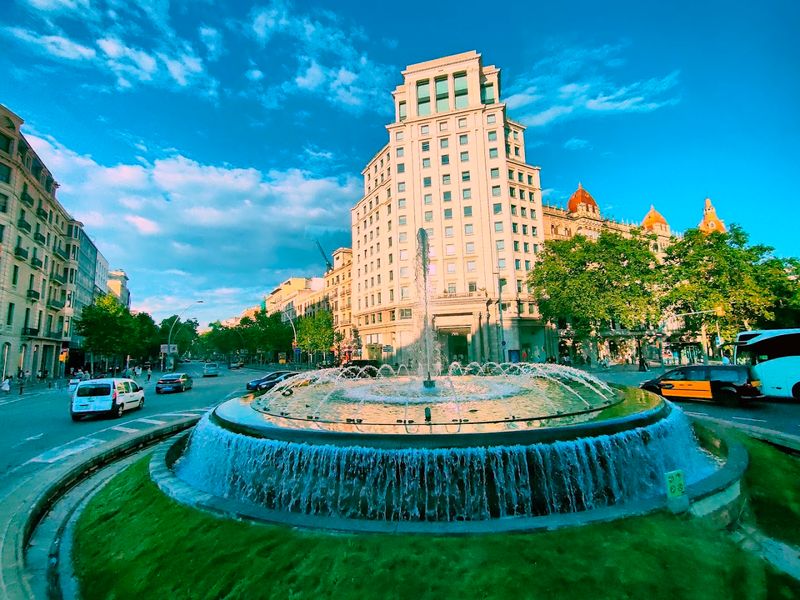
Barcelona is done being polite about overtourism. The city has been tightening the screws for years, and the new rules are some of the boldest yet.
Cruise ship arrivals are being capped, tourist taxes have gone up, and short-term vacation rentals are facing stricter controls than ever before.
The pressure on residential neighborhoods has been a major flashpoint. Locals have staged protests holding signs that read “tourists go home,” which is a pretty clear signal that something needed to change.
Families who have lived in the city for generations are being priced out as landlords convert apartments into tourist accommodation instead of renting to residents.
City officials are not trying to kill tourism. Barcelona’s economy depends on it.
But they are trying to redirect visitors away from the most saturated spots and toward a broader experience of the city. Longer stays, deeper exploration, and spending money at local businesses rather than big chain restaurants are all part of the vision.
The message to travelers is simple: visit, but visit thoughtfully. Barcelona has plenty to offer beyond the Sagrada Familia and the beach, and the new rules are nudging people to find out.
Amsterdam, Netherlands
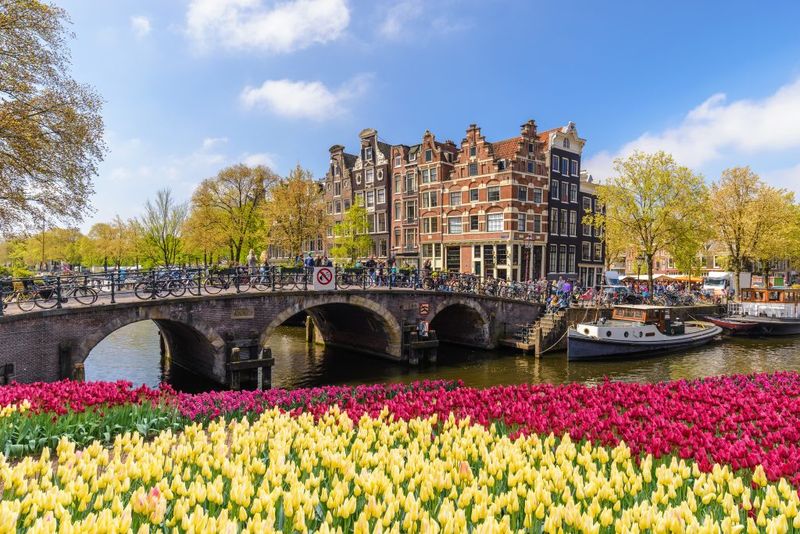
Amsterdam has had enough of the party crowd. For years, the Dutch capital earned a reputation as a destination where anything goes, and that reputation attracted exactly the kind of visitors the city wishes it had not.
Now, Amsterdam is fighting back with a toolbox full of new rules.
Tourist taxes have been raised to among the highest in Europe. Short-term rental platforms like Airbnb face tight restrictions that limit how many nights per year a property can be listed.
New hotels are banned from opening in large sections of the city center. Large tour groups are being discouraged from clogging the narrow streets around famous landmarks.
Cruise ships are also feeling the squeeze. Amsterdam has moved to reduce the number of large vessels docking in the city, citing noise, pollution, and the sheer volume of day visitors they deposit at once.
The city is also running campaigns to attract a different kind of traveler. Instead of bachelor parties and budget weekenders looking for cheap thrills, Amsterdam wants visitors who come for culture, history, and the genuinely excellent food scene.
The city is quirky, creative, and full of surprises. It just wants guests who appreciate that.
Kyoto, Japan
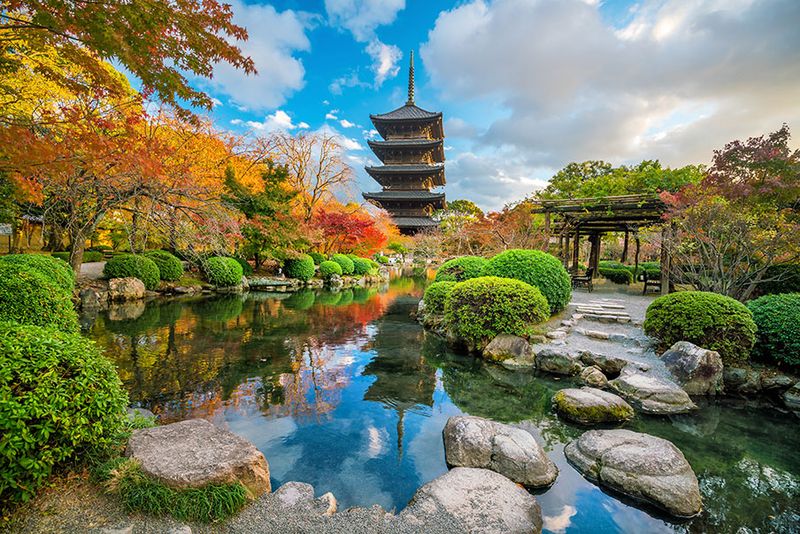
Kyoto is a city where centuries of tradition live side by side with modern life, and the locals would very much like to keep it that way. Overcrowding in historic districts has become a serious issue, with tourists wandering into private alleys, blocking residents, and sometimes harassing geisha trying to go about their work.
The Gion district now has restrictions in place that limit access to certain streets. Signs and barriers direct visitors away from private residential lanes that had become unofficial photo hotspots.
Authorities have also launched campaigns encouraging tourists to explore lesser-known neighborhoods, spreading the foot traffic more evenly across the city.
One clever move has been to promote Kyoto’s off-season months, when temples and gardens are just as beautiful but far less crowded. Autumn foliage and early spring cherry blossoms are magical, but winter visits offer a quieter, more authentic experience that many travelers end up preferring.
Kyoto is not trying to become less popular. It is trying to become more livable for the 1.4 million people who call it home.
Visitors who respect the local customs and venture beyond the standard tourist trail tend to leave with a much richer experience anyway.
Mount Fuji, Japan
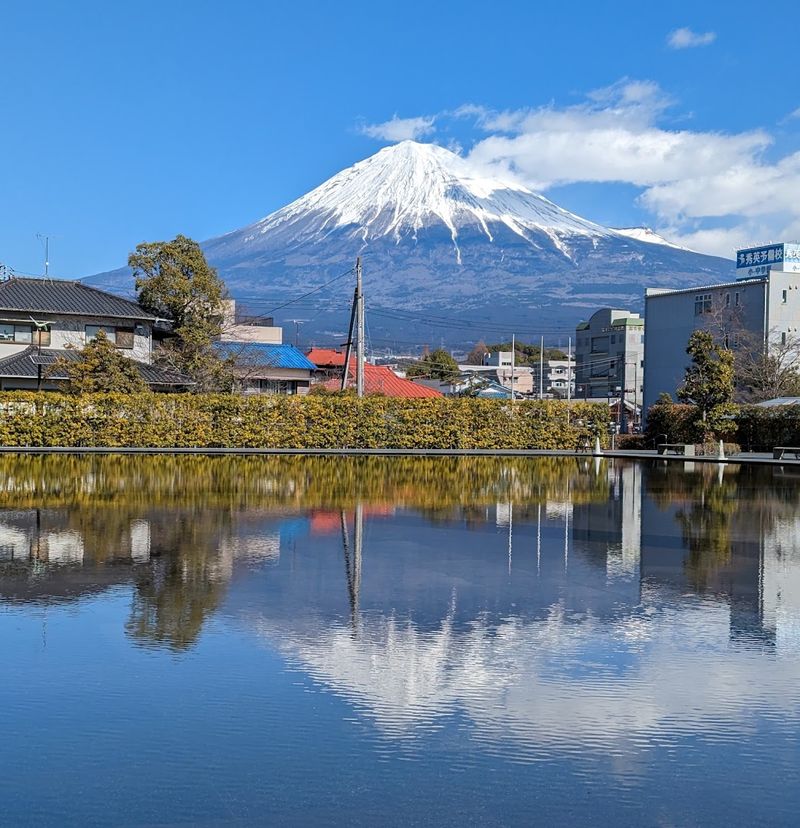
Mount Fuji is Japan’s most iconic symbol, and it was being loved nearly to death. Hikers were leaving behind enormous amounts of trash, cutting corners on safety gear, and attempting the climb in the middle of the night wearing flip-flops.
Yes, really. The mountain had become less of a sacred natural landmark and more of a chaotic tourist free-for-all.
Authorities responded with a firm set of new rules. The Yoshida Trail, the most popular climbing route, now has a gate that closes at night to prevent dangerous after-dark ascents.
Daily visitor caps limit how many people can start the climb each day. A climbing fee is charged per person, and reservation systems are in place to manage the flow of hikers throughout the season.
The changes have already made a visible difference. Trails are cleaner, the experience is safer, and the mountain feels more like the spiritual place it has been for Japanese culture for thousands of years.
Climbers who plan ahead and follow the guidelines are rewarded with a genuinely extraordinary experience. Reaching the summit of Fuji at sunrise, with the clouds stretched out below you, is one of those moments that stays with a person forever.
Sardinia, Italy
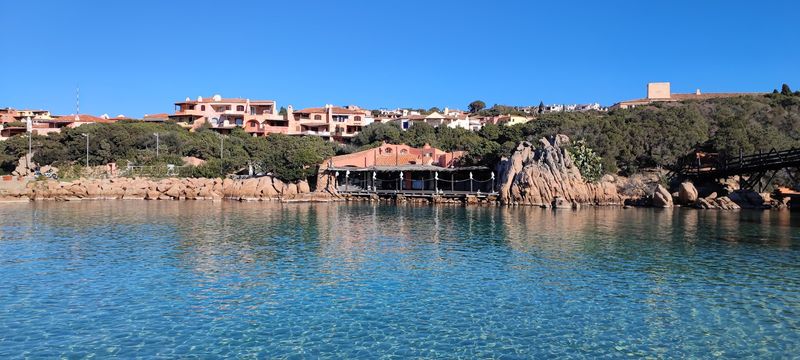
Sardinia’s beaches are the stuff of travel magazine dreams. The water is impossibly turquoise, the sand is powdery white, and the coastline looks like it belongs on a postcard.
The problem is that everyone knows it, and for a while, everyone was showing up at once.
Beaches like La Pelosa and Cala Goloritzé are now protected by booking systems that require advance reservations. QR codes are scanned at entry points, daily attendance is capped, and rangers monitor the beaches to make sure numbers stay within safe limits.
Visitors who show up without a reservation are turned away, no exceptions.
The reasoning behind the rules is straightforward. These are delicate coastal ecosystems with fragile sand dunes, rare plant life, and nesting areas for protected bird species.
Too many feet, too much sunscreen washing into the water, and too much general human activity was doing measurable damage. Since the booking systems were introduced, environmental monitoring has shown clear signs of recovery in several areas.
Travelers who book ahead still get to experience some of the most beautiful beaches in the Mediterranean. They just have to do a little planning first, which honestly makes the whole trip feel more intentional and rewarding.
Cannes, France
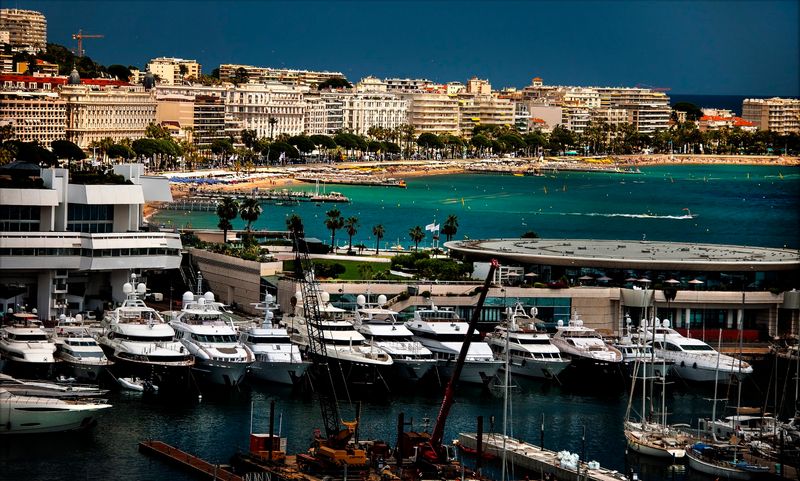
Cannes is famous for red carpets, film festivals, and the kind of glamour that makes other cities slightly jealous. But behind the glittering surface, the city has been grappling with a very unglamorous problem: too many cruise ships dumping too many passengers onto its streets at once.
The city has introduced daily caps on the number of cruise passengers allowed to disembark in Cannes. When a single ship can carry 5,000 or 6,000 passengers, the math gets overwhelming fast.
Narrow streets, boutique shops, and local restaurants simply cannot absorb that kind of sudden surge without everything grinding to a halt.
Cannes is joining a growing club of European port cities that are rethinking their relationship with the cruise industry. The ships bring visitors, but those visitors tend to spend far less per day than hotel guests who stay longer and explore more deeply.
By limiting the daily passenger count, Cannes hopes to attract a better balance of travelers who actually contribute to the local economy rather than just walking the Croisette for an afternoon and heading back to the buffet. It is a calculated move, and early results suggest other French coastal towns are watching closely to see how it plays out.
Palma de Mallorca, Spain
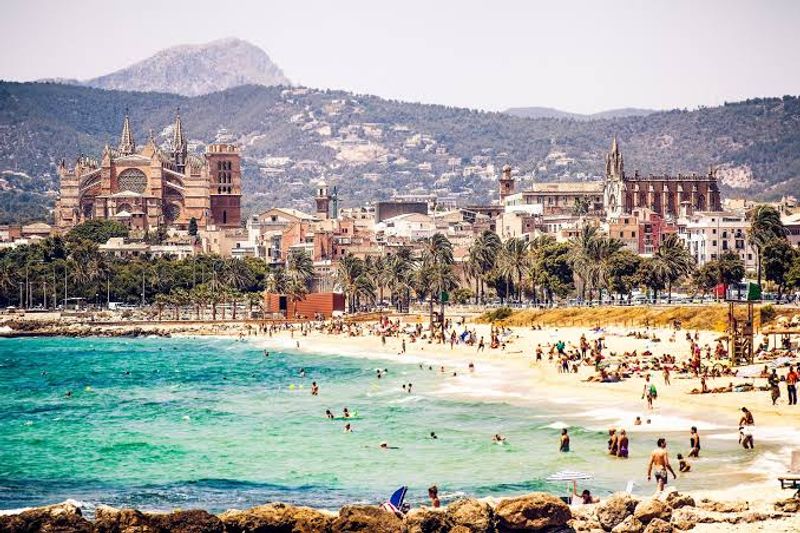
Mallorca has a reputation as a sun-soaked paradise for European holidaymakers, but Palma, its capital city, is tired of being treated like a theme park. The historic center has been overwhelmed by guided tour groups shuffling through ancient streets in packs of 30 or more, creating bottlenecks and drowning out the city’s quieter charms.
New rules now cap the size of guided tour groups in the historic center, limiting them to smaller, more manageable numbers. Short-term tourist accommodations face tighter regulations, and city officials have been vocal about their intention to prioritize residents over visitors when the two interests clash.
That is a bold stance for a city whose economy has long leaned heavily on tourism revenue.
What makes Palma’s approach interesting is the focus on quality over quantity. Officials want visitors who stay longer, spend more thoughtfully, and engage with the city beyond the cathedral and the seafront.
The local food scene, the art galleries tucked into old courtyards, and the network of cycling paths through the surrounding countryside are all being promoted as alternatives to the standard tourist circuit. Palma is betting that a calmer, more curated visitor experience will ultimately be better for everyone, locals and travelers alike.
Machu Picchu, Peru
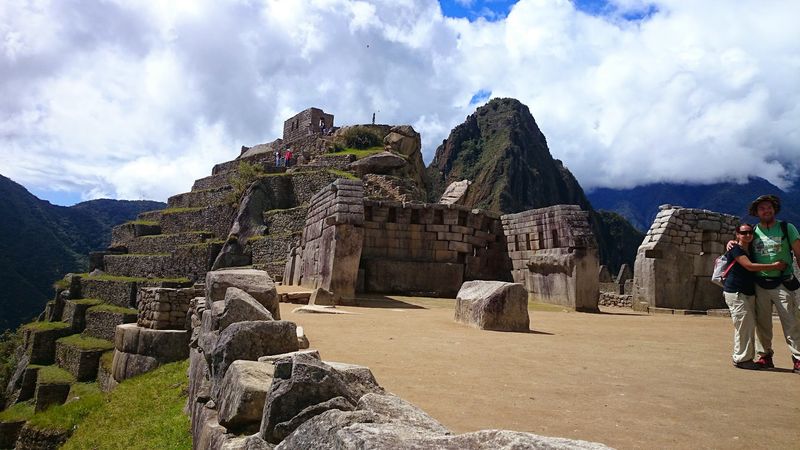
Machu Picchu sits at nearly 8,000 feet above sea level, wrapped in cloud forest and mystery. It is one of the most extraordinary places on earth, built by the Inca civilization over 500 years ago and rediscovered by the outside world in 1911.
It is also one of the most visited archaeological sites on the planet, and that popularity has come at a cost.
Peru has tightened access significantly in recent years. Timed-entry tickets must be booked in advance, and visitors are assigned fixed circuits that route them through the site in a structured way.
Daily attendance limits are strictly enforced, and rangers are stationed throughout the ruins to make sure people stay on designated paths and do not touch or climb the ancient stonework.
The rules feel strict until you see why they exist. Foot traffic was literally wearing down the centuries-old stone pathways, and uncontrolled crowds were making it impossible for archaeologists to continue conservation work.
The new system has slowed the physical degradation of the site measurably. Visitors who book early and follow the guidelines still get to stand among the ruins with the Andes stretching out in every direction.
That experience is worth every bit of advance planning it takes to get there.
Bali, Indonesia
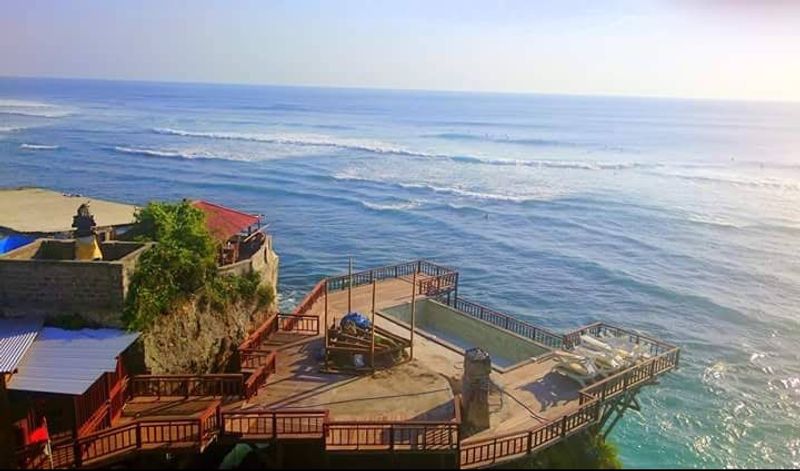
Bali has long been one of the most spiritually rich travel destinations in the world. The island’s Hindu culture, intricate temple ceremonies, and deep sense of community are the very things that draw millions of visitors each year.
They are also the things that were being quietly damaged by the sheer volume of people arriving without much understanding of local customs.
Indonesia introduced a tourism levy for international visitors arriving in Bali, which took effect in 2024. The fee is modest but symbolic.
It signals that visiting Bali comes with a responsibility, not just a right. Cultural behavior guidelines have been published and distributed widely, covering everything from appropriate dress at temples to rules about sacred sites that are not meant for tourist photography.
Enforcement of existing regulations has also been stepped up. Visitors who have been caught behaving disrespectfully at sacred locations have faced deportation, and those cases have been publicized as a deterrent.
Bali is not trying to close itself off from the world. The island thrives on the exchange between cultures.
But it is asking visitors to show up with awareness and genuine respect rather than treating the island like a backdrop for social media content. That seems like a very reasonable request.
Share this story