Few places capture the spirit of America quite like a historic downtown. Brick-lined Main Streets, beautifully preserved storefronts, locally owned shops, classic diners, and centuries-old architecture create an atmosphere that invites visitors to slow down and explore.
From the rolling hills of Illinois to the coastal charm of South Carolina, these downtown districts celebrate local history while remaining vibrant gathering places for their communities. Get ready to discover some of the most memorable small-town downtowns the country has to offer.
Galena, Illinois
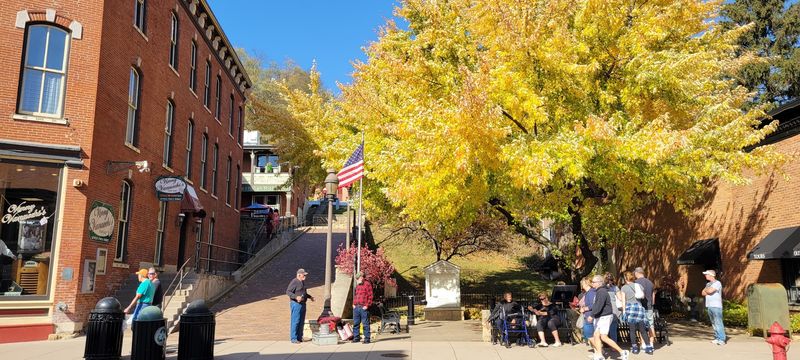
Walk down Galena’s Main Street and you might feel like you’ve accidentally stepped into a history textbook, except this one has better coffee shops. More than 100 historic buildings line the street, housing boutiques, art galleries, restaurants, and cozy cafes.
The town’s hilly terrain and brick architecture give it a storybook quality that’s genuinely hard to find anywhere else in the Midwest.
Galena was once one of America’s most prosperous cities, largely thanks to the lead mining boom of the 1800s. At its peak, the town was more prominent than Chicago.
That legacy shows in the grand Federal and Italianate-style buildings that still stand proud today.
Ulysses S. Grant called Galena home before becoming president, and his preserved house is one of the town’s top attractions.
Visitors can tour the home and learn about his life before the Civil War. Between the architecture, the local shops, and the rolling river bluffs, Galena delivers a small-town experience that’s genuinely unforgettable.
Plan to spend at least a full day exploring.
Franklin, Tennessee
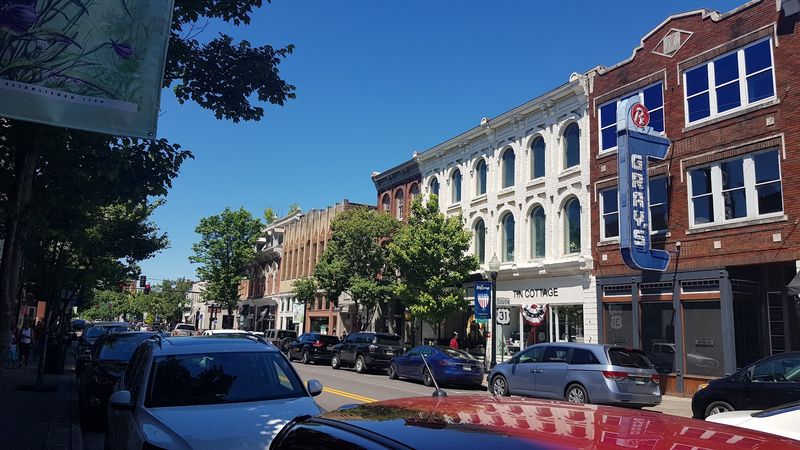
Just south of Nashville sits a downtown so charming it almost feels unfair to the rest of Tennessee. Franklin’s Main Street is packed with beautifully restored Civil War-era buildings that now house independent boutiques, farm-to-table restaurants, and specialty coffee shops.
The town strikes a rare balance between preserving history and staying genuinely lively.
Franklin was the site of the Battle of Franklin in 1864, one of the Civil War’s bloodiest engagements. Several historic sites and museums around town help visitors understand that difficult chapter of American history.
The Carter House and Carnton Plantation are especially worth a visit for history enthusiasts.
Beyond the history, Franklin’s downtown hums with energy year-round. Farmers markets, outdoor festivals, and community events fill the calendar from spring through fall.
Main Street’s walkable layout makes it easy to pop in and out of shops, grab a bite, and soak up the atmosphere without ever needing a car. Franklin proves that a town can honor its past while building something vibrant for the future.
It’s a must-stop destination for anyone road-tripping through middle Tennessee.
Marietta, Ohio
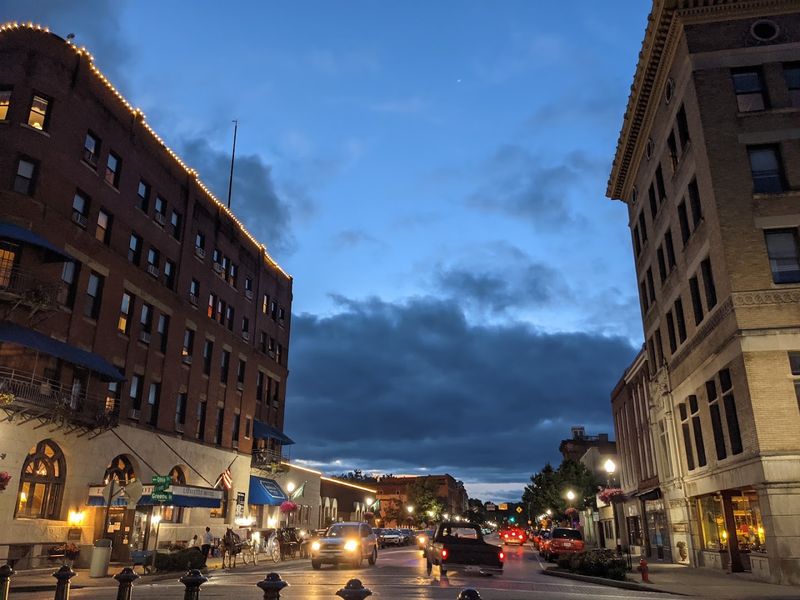
Ohio’s oldest city wears its age like a badge of honor, and honestly, it earned every wrinkle. Founded in 1788 as the first permanent settlement in the Northwest Territory, Marietta’s downtown is a living timeline of American history.
Brick streets, ornate Victorian buildings, and riverfront parks make exploring this town feel like an outdoor history museum, minus the roped-off exhibits.
The Ohio River has always been central to Marietta’s identity. Sternwheeler boats once crowded the riverbanks during the town’s commercial heyday, and the legacy of that river culture still shapes the community today.
The Campus Martius Museum offers fascinating exhibits on early pioneer life and the town’s founding era.
Marietta’s Harmar Village neighborhood adds another layer of charm, with antique shops and locally owned restaurants tucked into historic buildings just across a pedestrian bridge. The town’s walkability makes it ideal for a leisurely afternoon of exploration.
Craft breweries and farm-fresh eateries have brought new energy to the historic core without disturbing its classic character. If you appreciate American history served with a side of good food and scenic river views, Marietta should be near the top of your travel list.
Fredericksburg, Texas
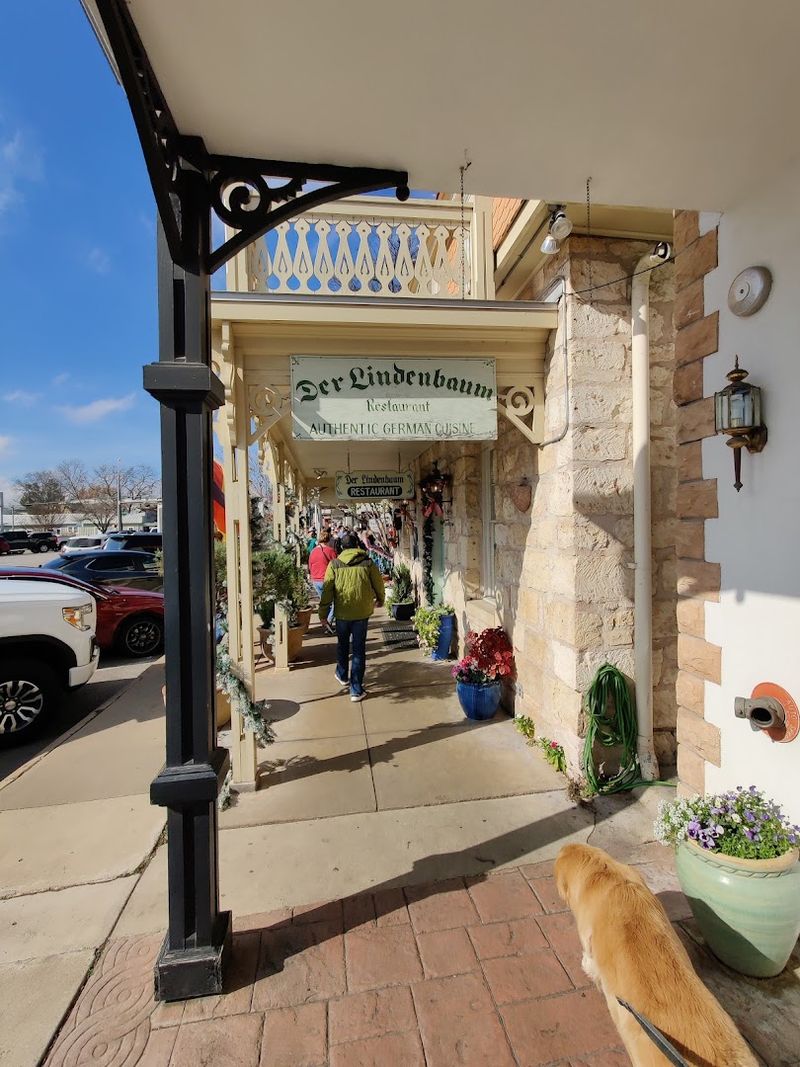
Somewhere between a German village and a Texas road trip, Fredericksburg carved out an identity entirely its own. German immigrants settled this Hill Country town in 1846, and their cultural fingerprints are still visible in the limestone architecture, traditional bakeries, and annual festivals that draw visitors from across the state.
The result is a downtown that feels genuinely unlike anything else in Texas.
Main Street stretches for nearly a mile and is lined with more than 150 shops, tasting rooms, restaurants, and galleries. Texas wine country surrounds the town, and many local wineries have tasting rooms right on Main Street, making it easy to sample the region’s growing wine scene without leaving downtown.
The National Museum of the Pacific War, honoring Fleet Admiral Chester Nimitz, is one of the country’s finest military museums and sits right in the heart of town.
Weekends in Fredericksburg get busy, and for good reason. The combination of great food, local shopping, Hill Country scenery, and deep historical roots creates an experience that appeals to nearly everyone.
Peach season in summer draws especially large crowds eager to sample locally grown fruit from roadside stands. Fredericksburg rewards slow, unhurried exploration.
Beaufort, North Carolina
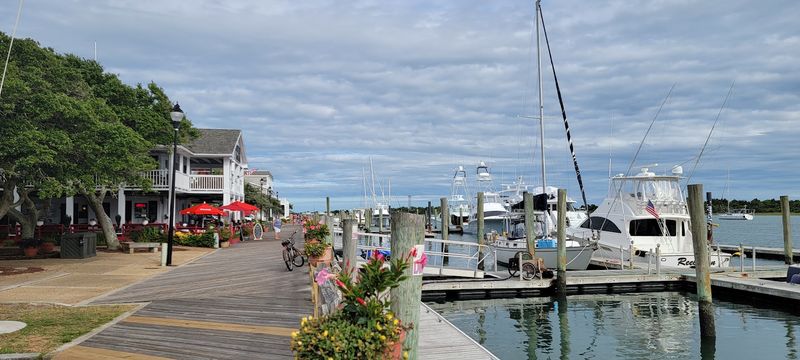
There’s a particular kind of quiet that settles over Beaufort’s waterfront in the early morning, when the boats are still and the old homes along Front Street glow in the soft coastal light. North Carolina’s third-oldest town has been welcoming visitors since the early 1700s, and its historic district reflects centuries of maritime heritage with remarkable grace.
This is a town that has never tried too hard to impress, which is exactly why it does.
Front Street runs along the harbor and offers some of the prettiest waterfront walking in the entire state. The Old Burying Ground, dating to 1731, is one of the most atmospheric historic cemeteries in the South and is worth a quiet stroll.
The North Carolina Maritime Museum nearby provides excellent context for the region’s seafaring history, including exhibits on Blackbeard the pirate, who reportedly frequented these waters.
Beaufort’s downtown is compact and completely walkable, with locally owned restaurants, specialty shops, and galleries clustered near the water. Fresh seafood is practically a requirement here, and the town delivers on that front with aplomb.
Wild horses visible on nearby Shackleford Banks add an extra layer of magic to any visit. Beaufort is a coastal gem that never feels overcrowded or overdeveloped.
St. Augustine, Florida
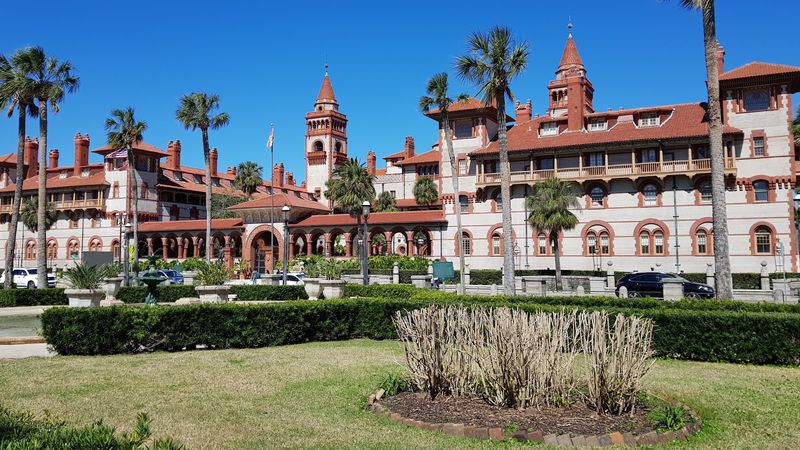
Founded by Spanish explorers in 1565, St. Augustine holds the title of the oldest continuously inhabited European-established settlement in the entire United States. That’s not just a fun trivia fact; it’s something you feel the moment you set foot on the city’s narrow, centuries-old streets.
The air practically hums with history here, and the architecture backs it up at every turn.
The downtown historic district is a compact, walkable treasure chest of Spanish Colonial buildings, wrought-iron balconies, and lively plazas. St. George Street, the main pedestrian corridor, is lined with locally owned shops, bakeries, and restaurants housed in buildings that predate the American Revolution.
The Castillo de San Marcos, a 17th-century Spanish fort built from coquina stone, stands as one of the most remarkable historic structures in North America.
St. Augustine manages to be both a serious history destination and a genuinely fun place to spend a few days. Ghost tours, horse-drawn carriage rides, and waterfront dining add a festive energy to the historic core.
The Flagler College campus, housed in a stunning Gilded Age hotel, is free to tour and absolutely worth seeing. Few American cities pack this much history into such a walkable, enjoyable space.
Concord, North Carolina
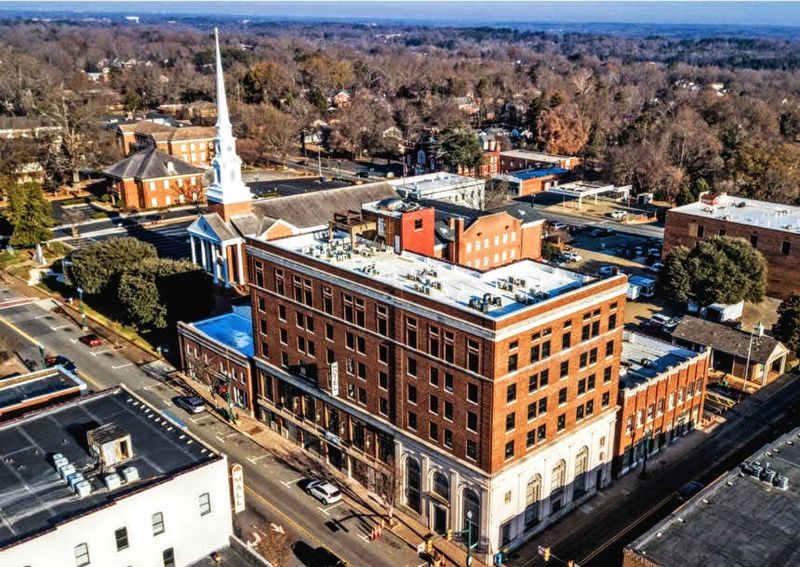
Concord’s Union Street has pulled off something that many small towns only dream about: a genuine downtown revival that kept its soul intact. The historic storefronts along Union Street have been thoughtfully restored, and the mix of local restaurants, craft breweries, boutiques, and public art installations gives the district a fresh, creative energy without erasing its small-town roots.
It’s the kind of place that makes you want to wander without a plan.
Cabarrus County’s seat has deep roots in textile history, and several restored mill buildings now house creative businesses and event spaces. Murals and sculptures appear throughout the downtown corridor, making a casual walk feel like an art tour.
The Cabarrus Arts Council keeps the creative scene active with rotating exhibits and community events year-round.
Concord sits just northeast of Charlotte, making it an easy day trip from the city but worlds away in atmosphere. The proximity to Charlotte Motor Speedway brings race fans to the area, but Union Street’s charm appeals to a much broader crowd.
Local food options range from Southern comfort classics to craft cocktail bars, and the weekend farmers market adds a neighborly energy to the whole scene. Concord is a downtown comeback story worth celebrating.
Natchitoches, Louisiana
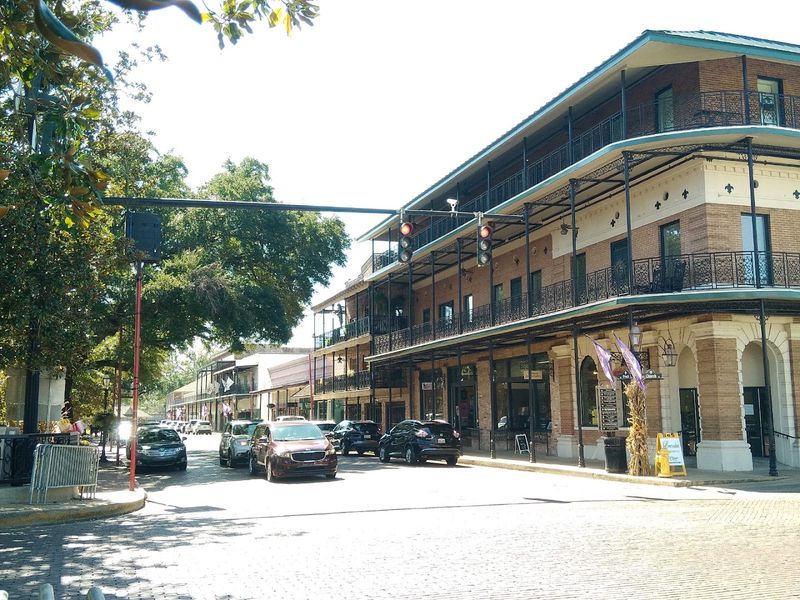
Louisiana has no shortage of places dripping with history and atmosphere, but Natchitoches might be the most overlooked gem of the bunch. Founded in 1714 as the oldest permanent European settlement in the Louisiana Purchase territory, this small city on the Cane River has a downtown so picturesque it was used as the filming location for the movie Steel Magnolias.
The wrought-iron balconies and brick-paved Cane River Lake shoreline are genuinely that cinematic.
Front Street runs along the riverbank and is lined with historic Creole-style buildings housing restaurants, shops, and art galleries. The scent of Natchitoches meat pies, the town’s beloved savory pastry, tends to drift through the air and is nearly impossible to resist.
Local bakeries and cafes have been serving these hand-held treats for generations, and they’re as delicious as advertised.
The town’s Christmas Festival of Lights, held each December, is one of Louisiana’s most beloved seasonal events, drawing visitors from across the state to see the Cane River illuminated with thousands of lights and fireworks. Beyond the festivals, Natchitoches rewards curious visitors with plantation tours, Native American heritage sites, and excellent Creole cuisine.
It’s a town that earns its place on any serious road trip through the Deep South.
Hermann, Missouri
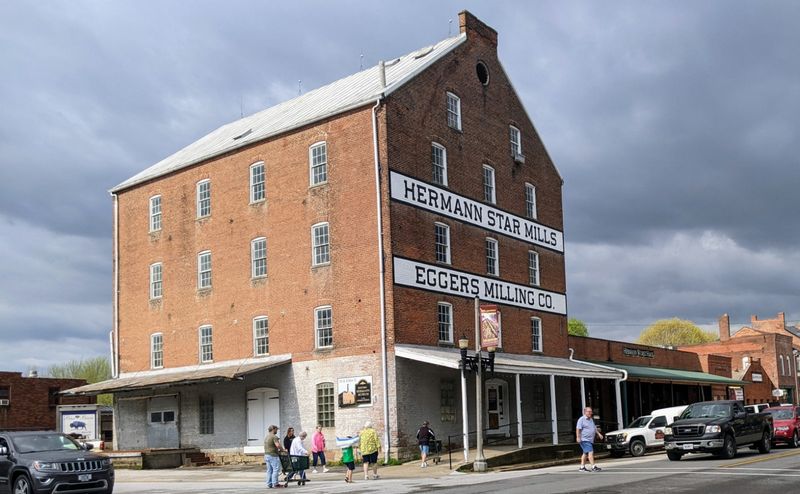
Hermann, Missouri smells like grape vines and fresh bread, and that combination alone might be enough to justify the drive. German immigrants settled this Missouri River town in the 1830s with a specific goal: to create a community that preserved their language, culture, and traditions.
Nearly two centuries later, the brick storefronts, traditional festivals, and thriving wine industry suggest they succeeded spectacularly.
The town sits along the Missouri River surrounded by rolling hills that have proven ideal for growing grapes. Hermann is considered the birthplace of Missouri wine, and the region’s wineries were actually producing award-winning bottles before Prohibition temporarily shut things down.
Today, the wine industry has fully rebounded, and tasting rooms are a central part of the downtown experience.
Hermann’s historic architecture is remarkably intact, with dozens of 19th-century buildings lining the main commercial streets. The German School Museum and the Historic Hermann Museum offer well-curated looks at the immigrant community that built this town from scratch.
Maifest and Oktoberfest celebrations draw large crowds and fill the streets with music, food, and community spirit. Hermann is the kind of town that rewards repeat visits because there’s always another winery to discover or a back street to explore on foot.
Bardstown, Kentucky
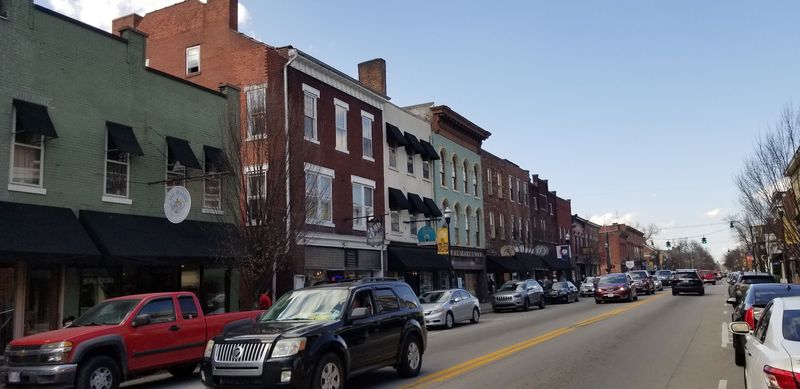
Bardstown’s courthouse square is the kind of place that makes you stop mid-step just to take it all in. The Federal Hill mansion, elegant brick storefronts, and a stunning historic courthouse create a downtown scene that feels like it was designed by someone who genuinely loved American architecture.
Add bourbon to the mix and you’ve got something truly special.
Known widely as the Bourbon Capital of the World, Bardstown sits at the heart of Kentucky’s whiskey country. Several major distilleries operate nearby, and the town’s downtown reflects that heritage through bourbon-themed restaurants, tasting rooms, and the excellent Oscar Getz Museum of Whiskey History.
The Kentucky Bourbon Festival each September turns the entire town into a celebration of the state’s most famous export.
Beyond the bourbon, Bardstown has a rich Civil War history and a deeply rooted Catholic heritage, including the Basilica of Saint Joseph Proto-Cathedral, one of the oldest Catholic churches west of the Allegheny Mountains. My Old Kentucky Home State Park, the inspiration for Stephen Foster’s beloved song, sits just outside downtown and draws visitors year-round.
Bardstown’s combination of architectural beauty, cultural depth, and world-class whiskey makes it one of Kentucky’s most rewarding small-town destinations. Come thirsty for both history and good bourbon.
Madison, Indiana
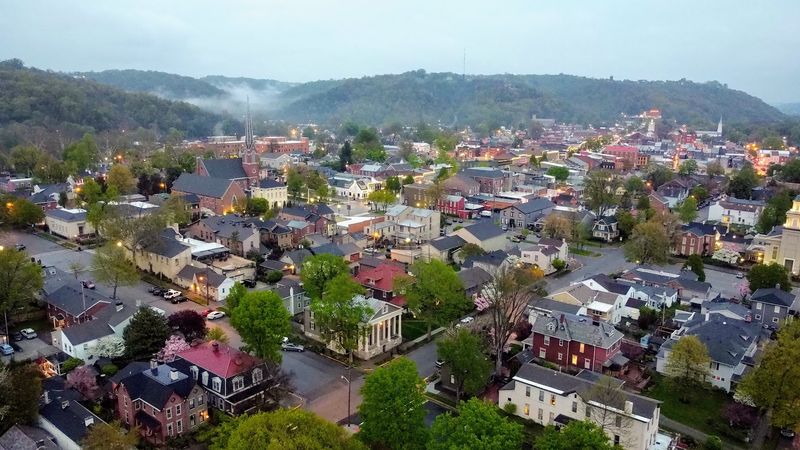
Madison, Indiana holds a distinction that most American towns can only dream about: its entire downtown is a National Historic Landmark District. That designation covers hundreds of buildings dating from the early 1800s, representing one of the largest and best-preserved collections of 19th-century architecture in the entire country.
Strolling through Madison feels less like sightseeing and more like walking through a living architectural encyclopedia.
Perched above the Ohio River, Madison thrived as a commercial hub in the antebellum era, and that prosperity left behind a remarkable built environment. Greek Revival, Federal, Italianate, and Victorian-style buildings line the streets in an impressive variety that keeps architecture lovers occupied for hours.
The Lanier Mansion State Historic Site, a stunning Greek Revival estate overlooking the river, is one of Indiana’s finest historic properties.
Madison’s downtown has been carefully revitalized with locally owned restaurants, galleries, antique shops, and boutiques filling those landmark buildings with new life. The Ohio River waterfront adds scenic beauty to every visit, and the town hosts a popular regatta each summer that draws boating enthusiasts from across the region.
Madison proves that historic preservation and community vitality aren’t mutually exclusive. It’s a downtown that takes its history seriously while keeping things genuinely fun for visitors.
Nevada City, California
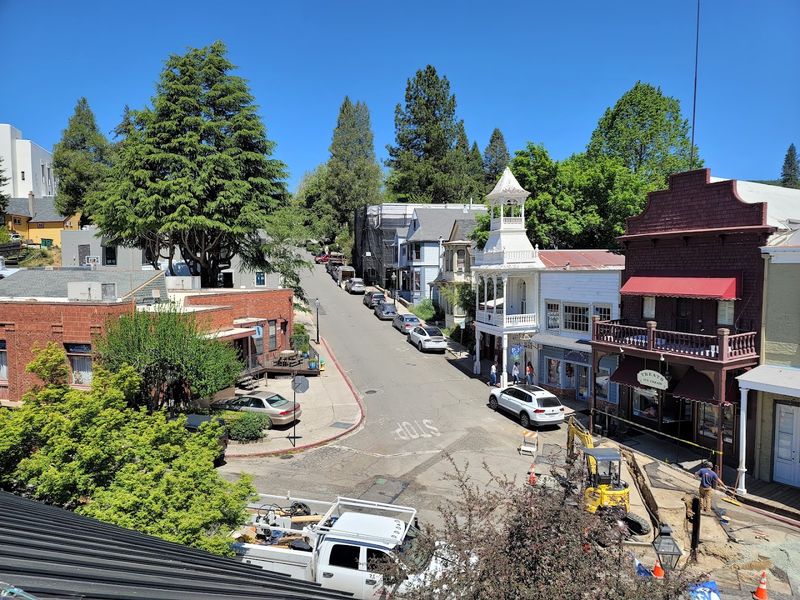
Gold fever built Nevada City, and good taste kept it alive. When California’s Gold Rush brought thousands of fortune seekers to the Sierra Nevada foothills in the 1850s, Nevada City grew into one of the region’s most prosperous mining towns.
The wealth generated during that era funded an impressive collection of Victorian buildings that still define the downtown streetscape today, giving the town an almost theatrical quality.
Nevada City’s Broad Street and Commercial Street are lined with gas lamp-style streetlights, ornate brick facades, and wooden storefronts that have changed remarkably little since the 19th century. Independent bookstores, art galleries, theaters, and locally owned cafes fill these historic spaces with genuine character.
The Nevada Theatre, built in 1865, is California’s oldest operating theater and continues to host live performances throughout the year.
The town has long attracted artists, writers, and creative types drawn to its atmosphere and natural surroundings. The Yuba River and surrounding national forest make Nevada City a year-round outdoor destination as well.
Holiday season transforms the downtown into a Victorian Christmas wonderland complete with carolers and candlelight. Nevada City wears its Gold Rush heritage proudly but has built a cultural identity that goes far beyond its mining origins.
It’s one of California’s most distinctive and rewarding small-town destinations.
Abingdon, Virginia
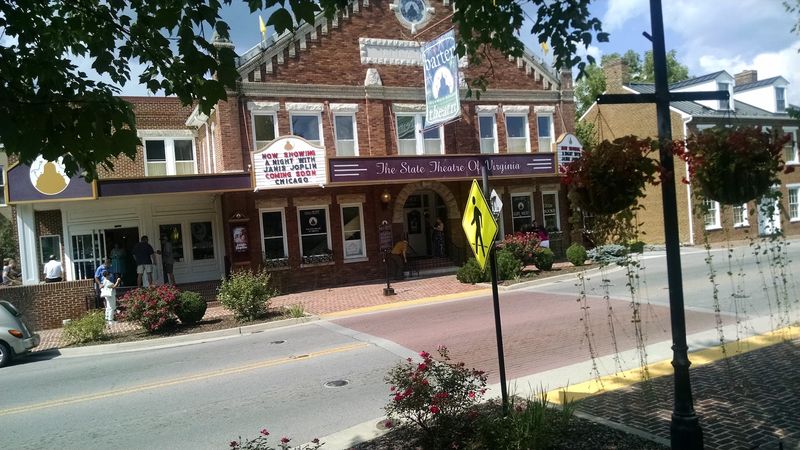
Abingdon has been welcoming travelers since the days of the Wilderness Road, and the town has clearly gotten very good at it over the past few centuries. Settled in the 1770s, this southwest Virginia town features a historic downtown that blends Colonial architecture, independent businesses, and serious cultural credentials into one exceptionally walkable district.
The combination of history and arts makes Abingdon stand out even in a state full of remarkable small towns.
The Barter Theatre, founded in 1933 during the Great Depression when audiences paid for admission with produce and livestock, is now Virginia’s official state theater. It remains one of the oldest and most respected professional theaters in the country and anchors Abingdon’s cultural identity.
The Martha Washington Inn, a grand antebellum hotel that served as a Civil War hospital, adds further historical gravitas to the downtown scene.
Abingdon sits along the Virginia Creeper Trail, a popular rail-trail that draws cyclists and hikers from across the region. The trail’s trailhead is right in the historic downtown, making it easy to combine outdoor adventure with cultural exploration.
Independent bookstores, artisan shops, and farm-to-table restaurants fill the historic storefronts with local flavor. Abingdon is the kind of town that quietly exceeds every expectation, rewarding visitors who take the time to explore its many layers.
Lindsborg, Kansas
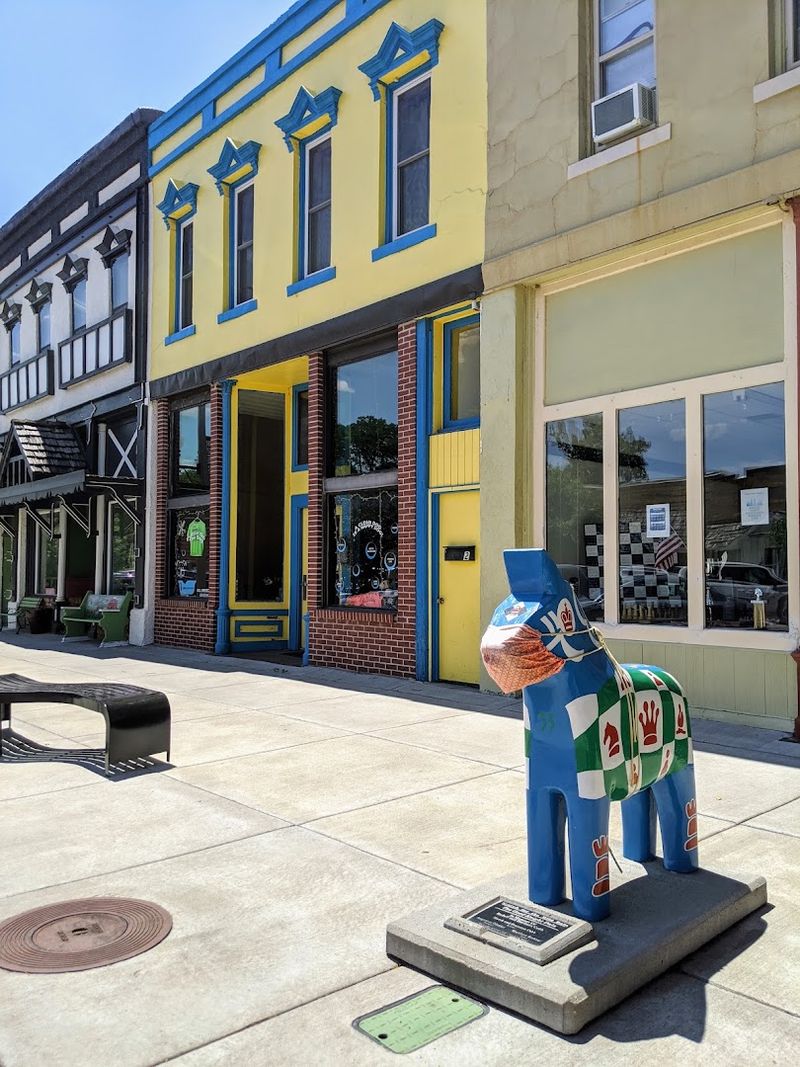
Driving into Lindsborg, Kansas, you might do a double-take when you spot the giant painted Dala horses lining the streets and Swedish folk art decorating nearly every storefront. Known proudly as Little Sweden USA, this small central Kansas town has maintained its Scandinavian heritage with remarkable commitment since Swedish immigrants first settled here in the 1860s.
The result is one of the most visually distinctive and genuinely fun downtowns in the entire Great Plains region.
Main Street is a cheerful parade of color, with specialty shops selling Swedish imports, handcrafted goods, traditional textiles, and locally made foods. The Birger Sandzen Memorial Gallery, dedicated to the Swedish-American impressionist painter who lived and worked in Lindsborg, is one of the finest small art museums in Kansas.
Public art installations and painted murals appear throughout the downtown, making a simple walk feel like a curated gallery experience.
Lindsborg’s Midsommar and Svensk Hyllningsfest festivals bring the community together in joyful celebration of Swedish traditions, drawing visitors from across the region. Bethany College, a small liberal arts school founded by Swedish immigrants, adds an academic energy to the town.
The combination of cultural pride, artistic tradition, and small-town warmth makes Lindsborg an unexpectedly delightful stop on any Kansas road trip. It’s a town that knows exactly who it is.
Georgetown, South Carolina
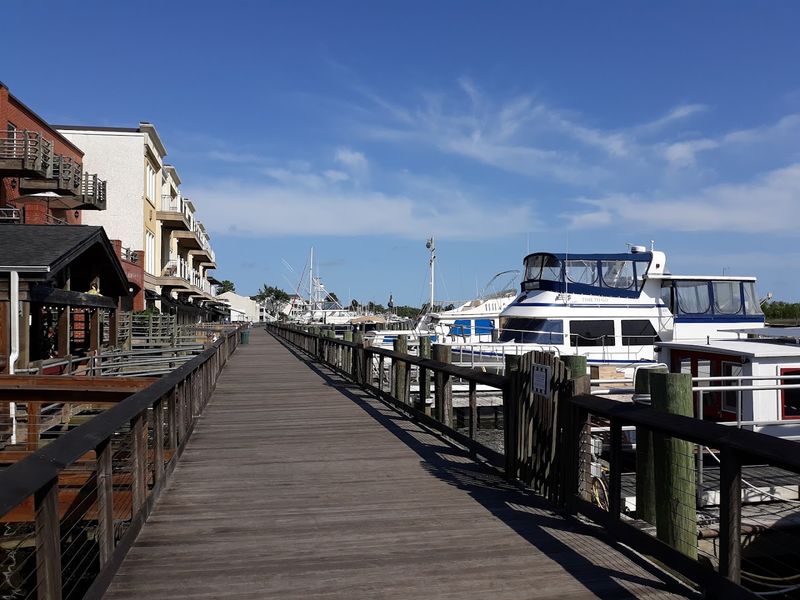
Georgetown sits quietly between Myrtle Beach and Charleston, and somehow that in-between location has helped it stay wonderfully unhurried and genuine. South Carolina’s third-oldest city overlooks Winyah Bay at the confluence of five rivers, giving its historic downtown a scenic waterfront setting that larger cities would envy.
The Harborwalk stretches along the bay, offering breezy strolls past fishing boats, waterfront restaurants, and views that genuinely stop you mid-sentence.
Georgetown’s historic district contains blocks of beautifully preserved antebellum homes, rice plantation-era warehouses, and 18th-century commercial buildings that reflect the town’s once-enormous wealth as a rice-producing center. At its peak in the early 1800s, Georgetown’s rice plantations produced nearly half of all the rice grown in the United States.
The Rice Museum on Front Street tells this story with thoughtful exhibits on the Gullah Geechee culture and the enslaved people whose labor built the region’s economy.
Front Street’s walkable corridor of shops, galleries, and eateries captures the relaxed Lowcountry spirit perfectly. Local seafood restaurants serve up fresh shrimp and fish caught just offshore, and the pace of life here feels genuinely slower in the best possible way.
Georgetown rewards travelers who skip the crowded resort towns and seek out something more authentic. It’s a Lowcountry gem that earns every bit of the attention it deserves.
Share this story