 Unearth The Voyage
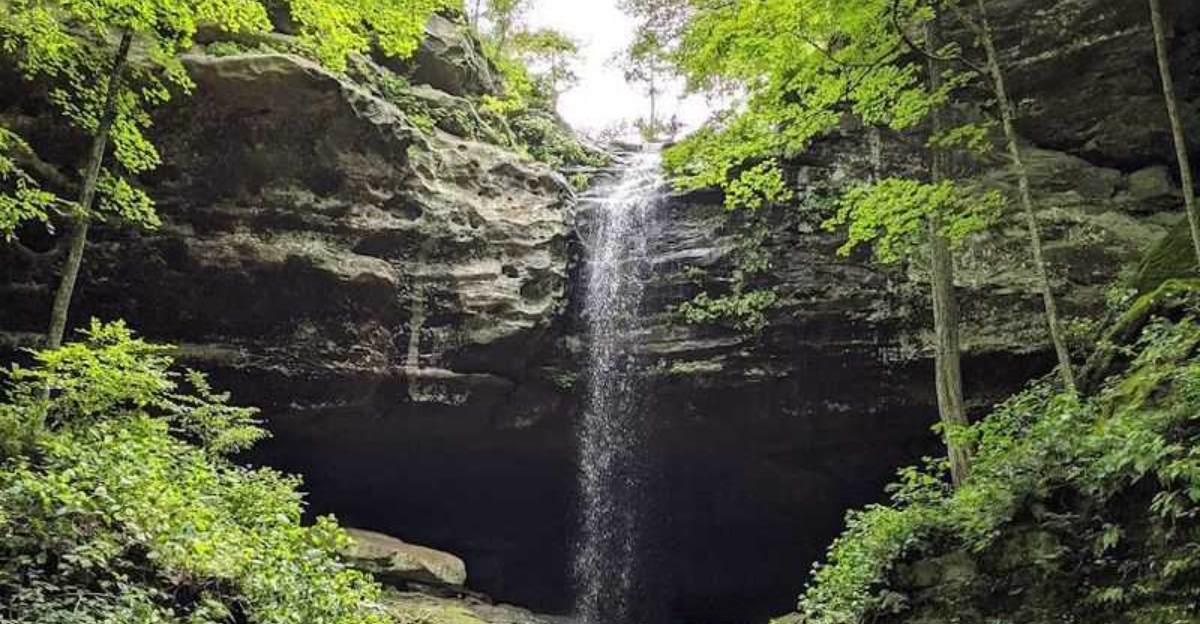
There is a place in southern Illinois where towering sandstone bluffs close in around you, ferns carpet the canyon floor, and a 100-foot waterfall waits at the end of a trail so short you will barely break a sweat reaching it. I had no idea this park existed until a friend casually mentioned it, and now I cannot stop thinking about it.
The rock formations alone are worth the drive, and the waterfall is the kind of payoff that makes you feel like you stumbled onto a movie set. Keep reading, because what this park offers goes well beyond one impressive waterfall.
Where to Find This Hidden Canyon Park
Ferne Clyffe State Park sits at 90 Goreville Rd, Goreville, IL 62939, tucked into the rolling hills of Johnson County in southern Illinois. The park is open 24 hours a day, every day of the week, which makes spontaneous visits completely possible.
You can reach the park office at +1 618-995-2411 if you need information before heading out.
The drive to get here is part of the experience. Southern Illinois has a quiet, unhurried quality that feels completely different from the rest of the state, and the landscape starts hinting at something special long before you reach the entrance.
Thick forests line the roads, and small hills begin to rise around you as you get closer to Goreville.
The park covers 2,430 acres in total, which gives it enough room to hold multiple trail systems, camping areas, a fishing lake, and still feel like there is always a quiet corner waiting for you. First-time visitors are often surprised by how much is packed into one address.
The Illinois Department of Natural Resources manages the park, and their website at dnr.illinois.gov has current trail maps and camping reservation details worth checking before your trip.
The Story Behind the Park’s Name
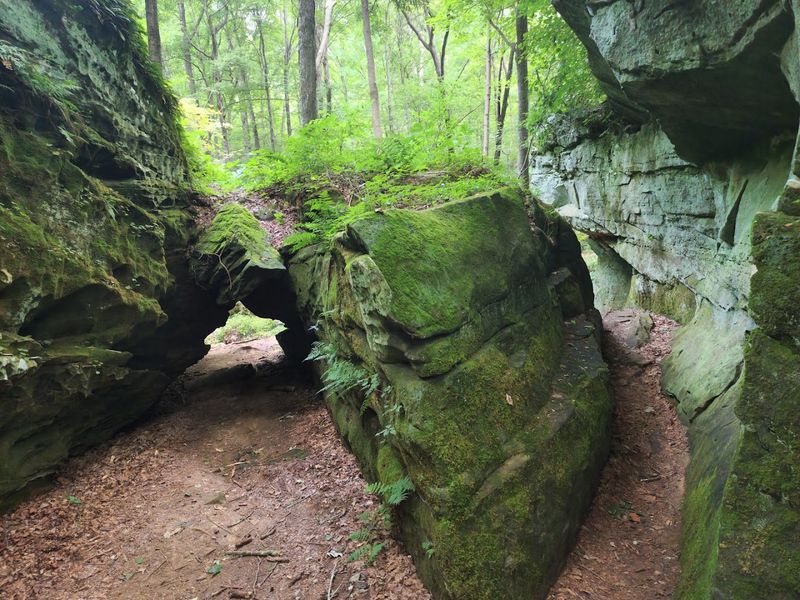
The name Ferne Clyffe is not a typo or an old-fashioned spelling quirk. It comes directly from the abundance of ferns that grow along the canyon walls and rocky creek beds throughout the park.
Walk any of the trails here after a rain and you will see why early visitors felt the name was completely obvious.
The “clyffe” part is an archaic spelling of “cliff,” which makes the full name essentially mean “fern cliff.” That combination of soft plant life growing out of hard rock is one of the defining visual contrasts of the park. It gives the place a layered, almost ancient feeling that is hard to describe but easy to feel when you are standing inside one of the hollows.
The park became part of the Illinois state park system in 1929, making it one of the older protected natural areas in the state. Decades of conservation have allowed the fern populations to thrive undisturbed.
The riverbed areas are also home to a surprising number of tiny frogs, which you can spot hopping between rocks near the creek crossings. That small detail alone made my visit feel genuinely wild in the best possible way.
Big Rocky Hollow Trail and the 100-Foot Waterfall
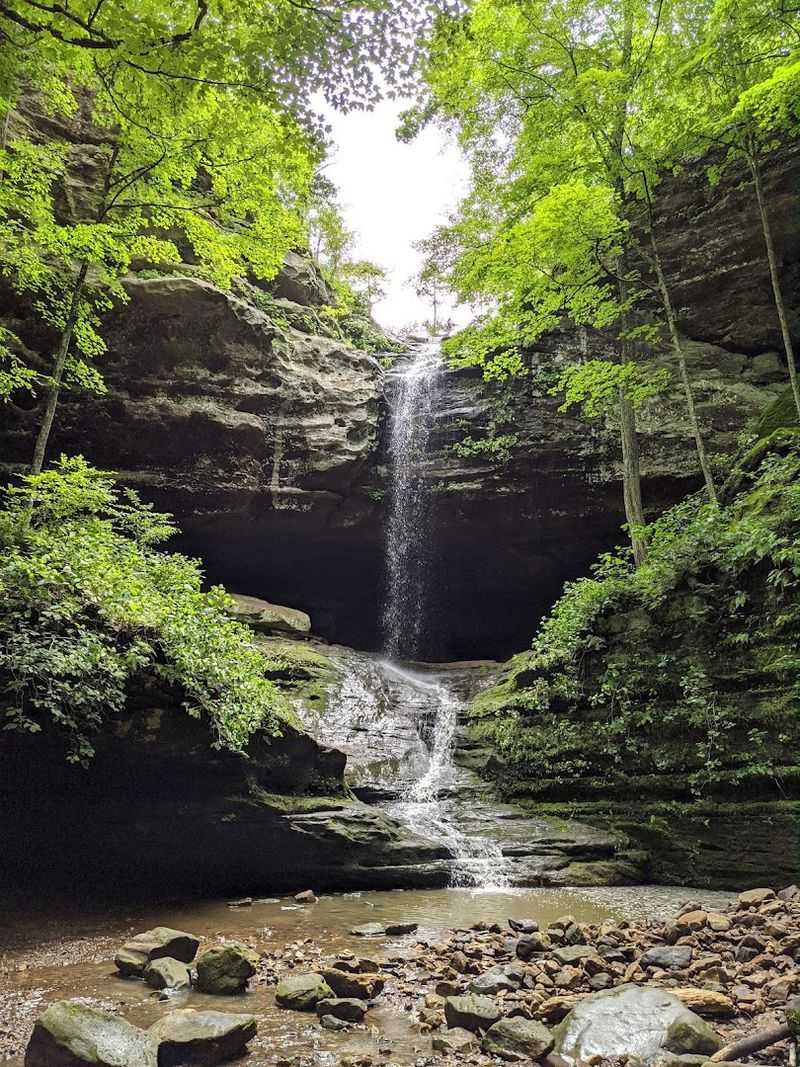
The trail that gets the most attention here is Big Rocky Hollow, and it earns every bit of that attention. The path leads you through a narrow canyon where sandstone bluffs rise steeply on both sides, creating a corridor that feels more like a natural hallway than an outdoor trail.
Tall trees grow along the rim above, and their canopy filters the light into something soft and green.
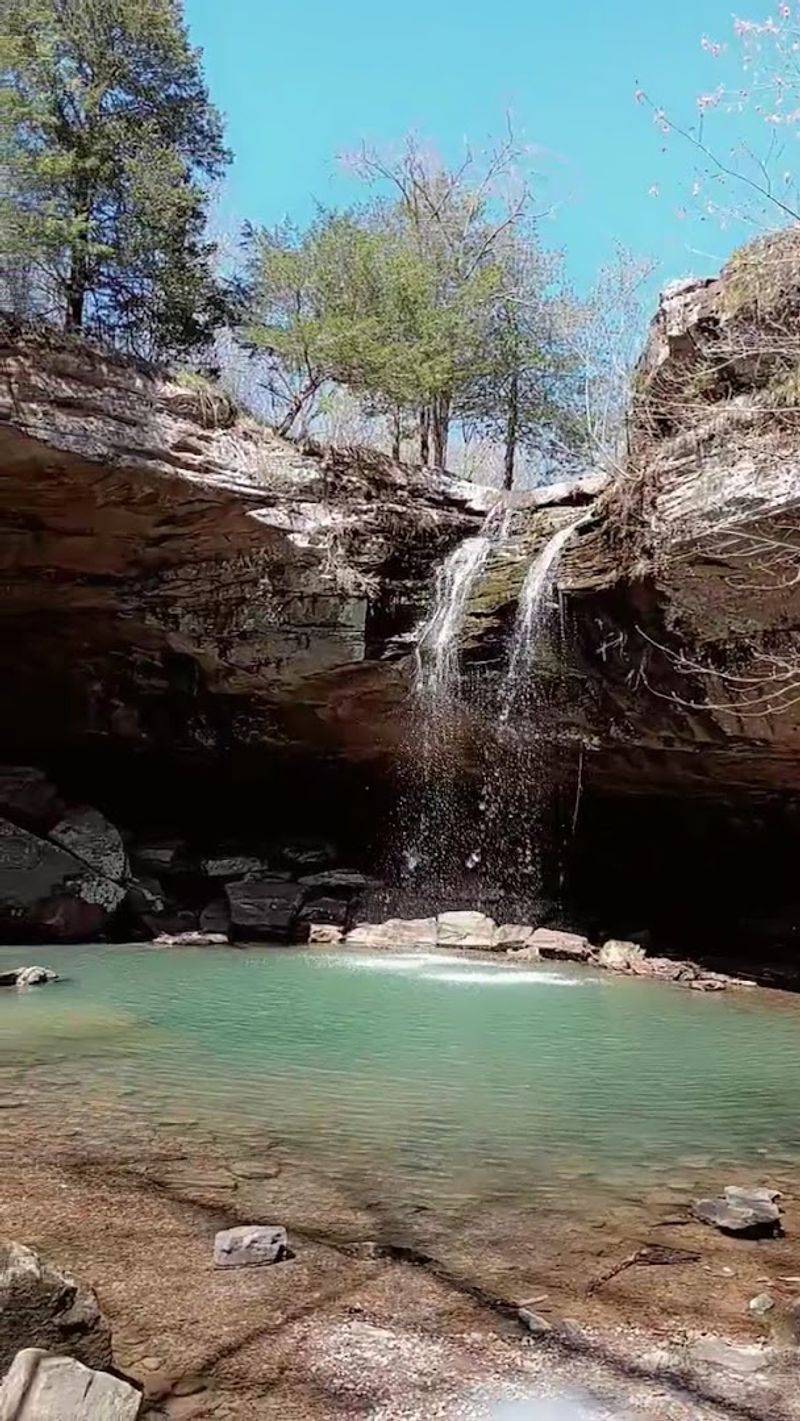
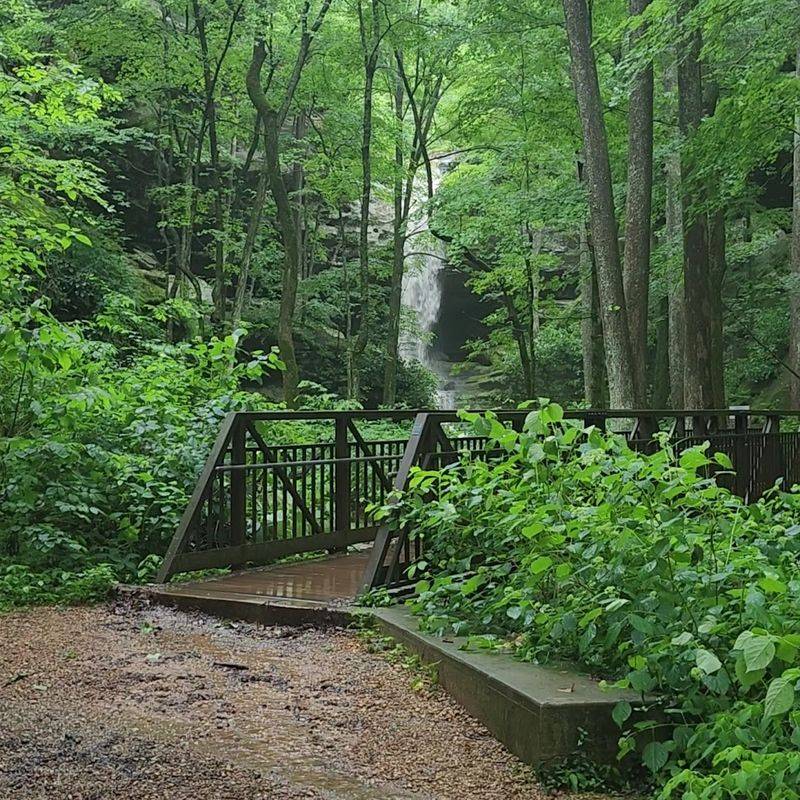
The waterfall at the end drops roughly 100 feet down a sheer rock face, and the impact it creates at the base sends a cool mist outward that you can feel before you even see the falls. After a recent rain, the flow is strong enough to fill the entire canyon with sound.
During dry stretches, the falls slow to a trickle, but even then the rock formations and the canyon walls make the walk completely worthwhile.
The trail itself is short, which surprises most first-time visitors who expect a long haul for such a dramatic payoff. The path is wide and relatively easy to follow, though some sections require stepping over rocks near the creek.
Visiting after a day of rain is the single best tip anyone can give you for this trail.
Rock Formations That Look Like They Belong in a Fantasy Novel
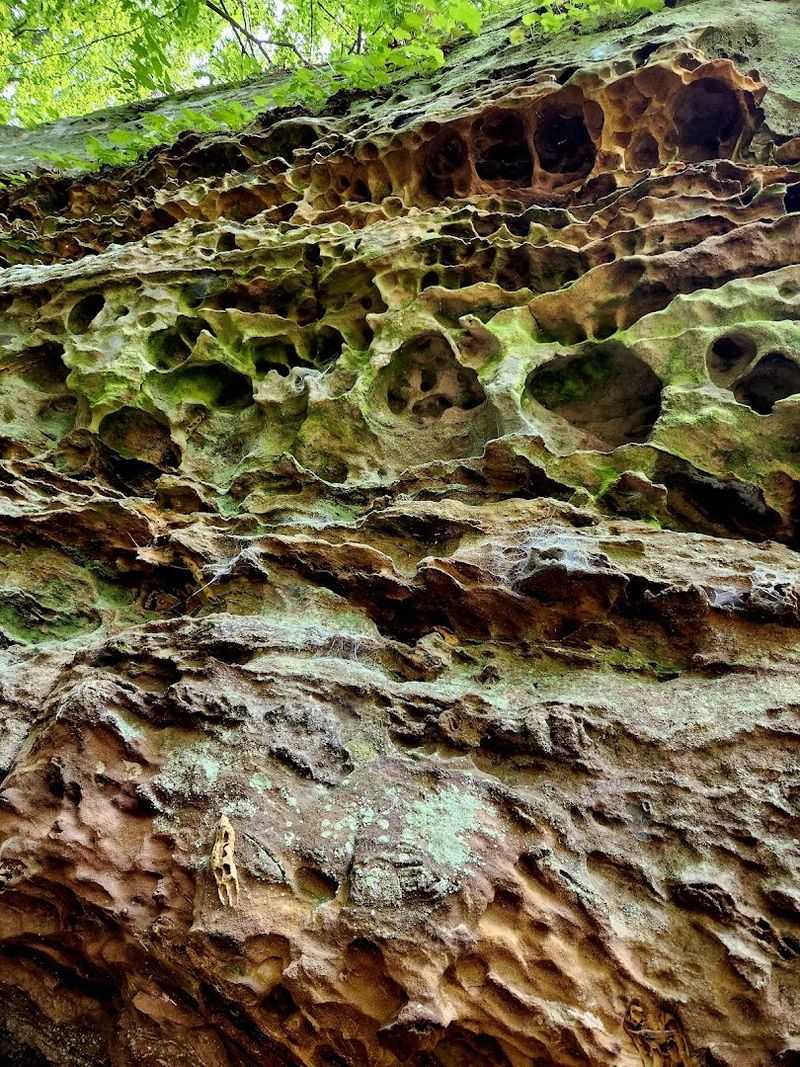
Beyond the waterfall trail, Ferne Clyffe holds a collection of rock formations that stop you mid-step. Boat Rock is one of the most photographed spots in the park, a massive sandstone formation that juts out at an angle and creates the impression of a ship’s hull rising from the forest floor.
Pyramid Rock nearby has a similarly striking profile that looks almost intentional from certain angles.
Small caverns and crevices appear throughout the Boat Rock area, and a clear-water creek runs through the hollow below. That creek is excellent for rock hounding, which means you can spend an hour turning over stones looking for interesting specimens without feeling like you are wasting time.
The combination of geological variety packed into a short walk is genuinely impressive.
The sandstone throughout the park has been shaped by centuries of water erosion, which is why so many of the formations have smooth, curved surfaces with deep horizontal lines running through them. Those lines record thousands of years of sediment layering, and once you notice them you cannot stop spotting them everywhere.
Geology does not have to be a classroom subject when the evidence is this visually striking and within arm’s reach.
Trail Options for Every Kind of Hiker
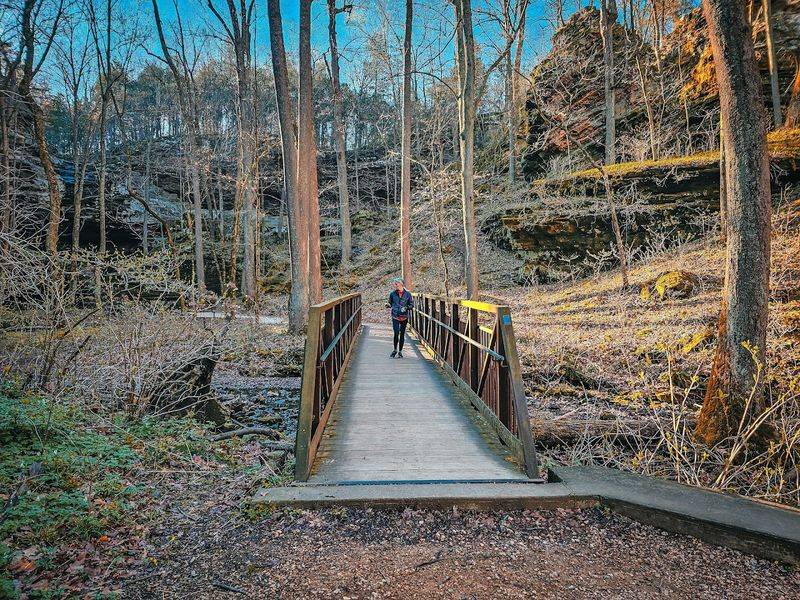
One of the things that makes Ferne Clyffe work for such a wide range of visitors is the variety of its trail system. The park has around 18 miles of trails spread across multiple routes, ranging from easy, flat walks to moderately challenging paths that involve climbing over rocks and navigating uneven terrain.
You are not locked into one experience here.
The Waterfall Trail and Round Bluff Nature Trail are popular choices for visitors who want scenic payoff without too much physical effort. The Blackjack Oak Trail sits close to the campground area and offers a solid overlook that rewards the short climb with a broad view of the surrounding forest.
For those who want something more demanding, the longer trails push deeper into the park and cross terrain that keeps you paying attention.
Trail markers are generally clear, though a few junctions benefit from a quick map check before you commit to a direction. Downloading the trail map from the DNR website before arriving is a practical move, especially if your phone signal is unreliable in the park.
Wearing sturdy shoes matters here because the rocky sections are real and flat sneakers tend to make them feel harder than they need to be.
Rock Climbing at an Unlikely Illinois Destination
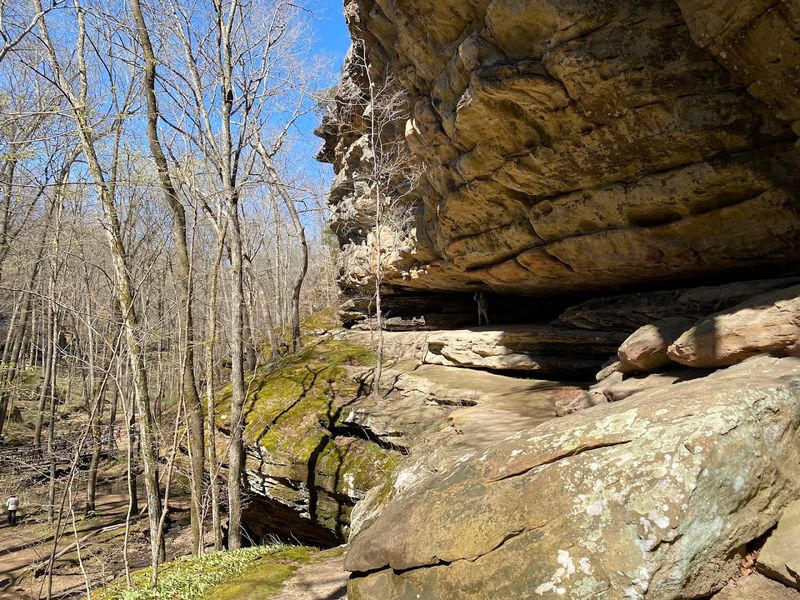
Most people do not associate Illinois with rock climbing, and that assumption sells Ferne Clyffe completely short. The park has designated areas for climbing along its sandstone cliff lines, and the quality of the rock and the variety of routes attract climbers who make the trip specifically for this activity.
The bluffs here are not towering alpine walls, but they offer enough challenge to make a day of climbing genuinely satisfying.
The sandstone has good texture for climbing, with natural holds created by the erosion patterns that shape the rock throughout the park. Beginners can find routes that build confidence without requiring advanced gear or technical skills, while more experienced climbers have options that push their abilities further.
The setting itself adds to the experience, with forest views opening up as you gain height on the cliff face.
Day trips to the cliff lines are common, but spending a night at the campground and climbing the next morning is a combination that makes the most of the location. The park’s 24-hour access means early morning starts are completely possible, and the cooler temperatures before midday make the rock feel better underhand.
Southern Illinois has more climbing resources than most people expect, and Ferne Clyffe is one of the strongest arguments for that point.
Camping Options From Primitive to Electric Hookup
The camping setup at Ferne Clyffe covers a wide range of preferences, which is part of why the park draws repeat visitors who want more than a single day trip. Primitive campsites are tucked into the woods along one of the park roads and feel genuinely secluded despite being easy to access.
Self check-in is available around the clock, and the cost runs about eight dollars per night for primitive spots.
Each primitive site comes with a picnic table and a burn pit, and firewood is available from roadside stands near the park entrance for around five dollars per bundle. The Deer campsite area serves RV and camper visitors with electric hookups, shower facilities, and accessible water.
That combination of amenities makes it a comfortable base for families or anyone who prefers not to rough it completely.
A few reviewers have noted that the campsite roads can be confusing to navigate on arrival, so checking the site map before dark is a smart move. The sites are relatively close together in the electric area, which is worth knowing if you value quiet evenings.
The primitive section, by contrast, has a much more secluded feel and tends to attract visitors who are there for the trails first and comfort second.
The Fishing Lake and Quieter Corners of the Park
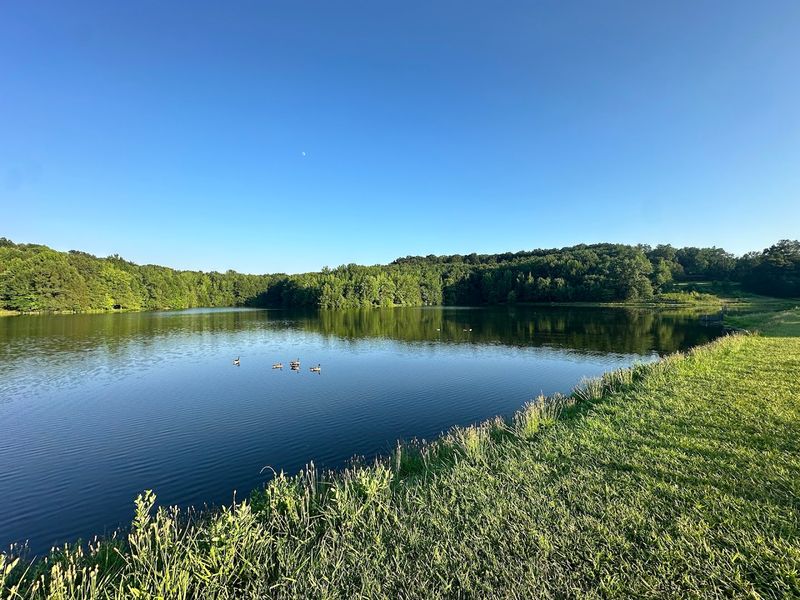
Not every visit to Ferne Clyffe has to involve a strenuous hike or a technical climb. The park includes a small lake that is open for fishing, and the calm water makes it a genuinely peaceful spot to spend an hour or two.
No boats are allowed on the lake, which keeps the surface quiet and gives it a reflective stillness that is easy to appreciate even if you did not bring a fishing rod.
A walking path circles the lake, and the loop is flat and easy enough for visitors of any fitness level. The surrounding trees provide shade along most of the path, and the sound of the water carries a kind of quiet that is hard to find anywhere near a city.
Families with young children find the lake area particularly useful as a low-pressure stop between more active parts of the visit.
Picnic areas are spread throughout the park, and several of them sit near enough to the lake to make a relaxed lunch feel like a proper outdoor event. Playgrounds are also available for younger visitors who need a break from walking.
These quieter sections of the park often go unmentioned in trail-focused reviews, but they add a genuine sense of completeness to the overall experience that makes a full day here feel well-rounded.
Best Times to Visit and What to Expect Each Season
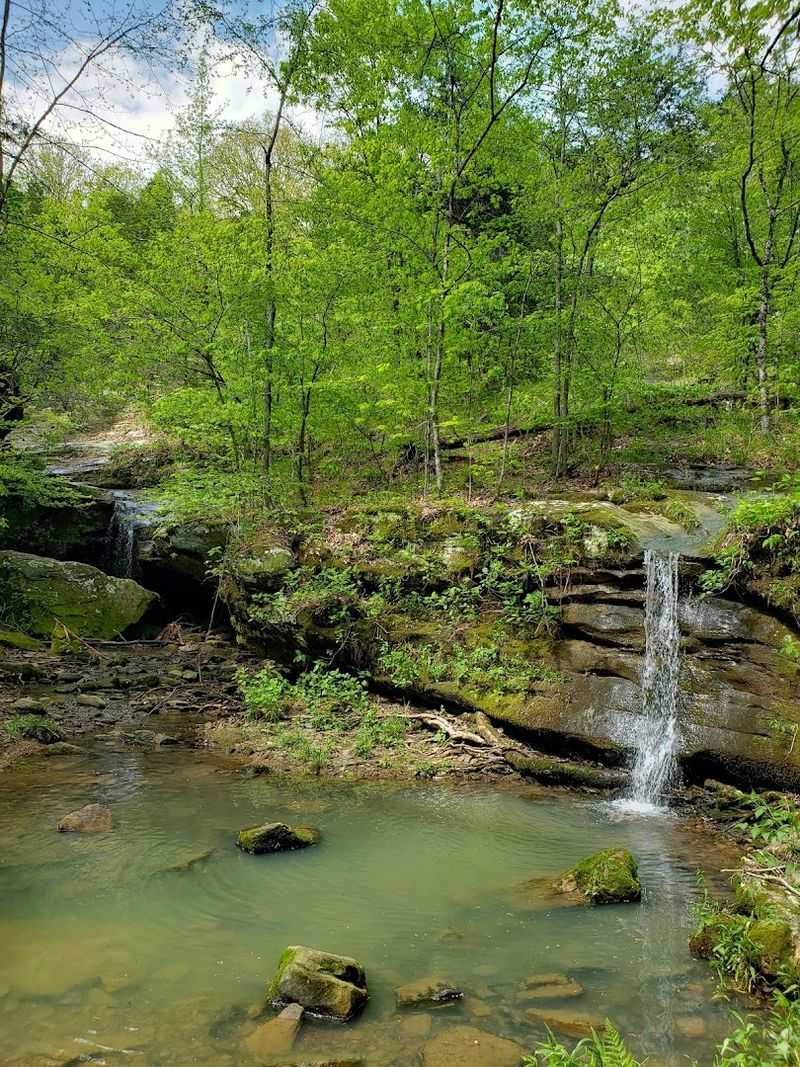
Timing a visit to Ferne Clyffe makes a real difference in what you experience. Spring is widely considered the best season for waterfall viewing because snowmelt and spring rains keep the flow strong and consistent.
The park also greens up quickly in spring, and the contrast between fresh ferns and pale sandstone is at its most vivid during those months.
Summer brings full canopy cover, which keeps the canyon trails shaded and cooler than you might expect for southern Illinois. Crowds are manageable compared to more famous parks, though holiday weekends fill the campgrounds faster.
Fall is spectacular for foliage, and the combination of colored leaves against the rock formations creates a visual layering that photographs well and feels even better in person.
Winter visits are possible and have their own appeal, particularly after a cold snap when ice forms along the cliff faces and the waterfall freezes into sculptural shapes. The park’s 24-hour access makes off-season visits completely practical.
Regardless of when you go, checking recent rainfall before the waterfall trail is always worth doing, since a dry stretch of weather can reduce the falls to a slow seep while a single good rain can restore them to full dramatic flow within hours.
Practical Tips Before You Make the Drive
A few practical details can make the difference between a smooth visit and an avoidable frustration. The park is open every day of the year with no gate hours to worry about, which gives you flexibility in your planning.
Phone signal inside the park can be inconsistent depending on your carrier, so downloading the trail map and saving the park’s phone number before you arrive is a reliable habit.
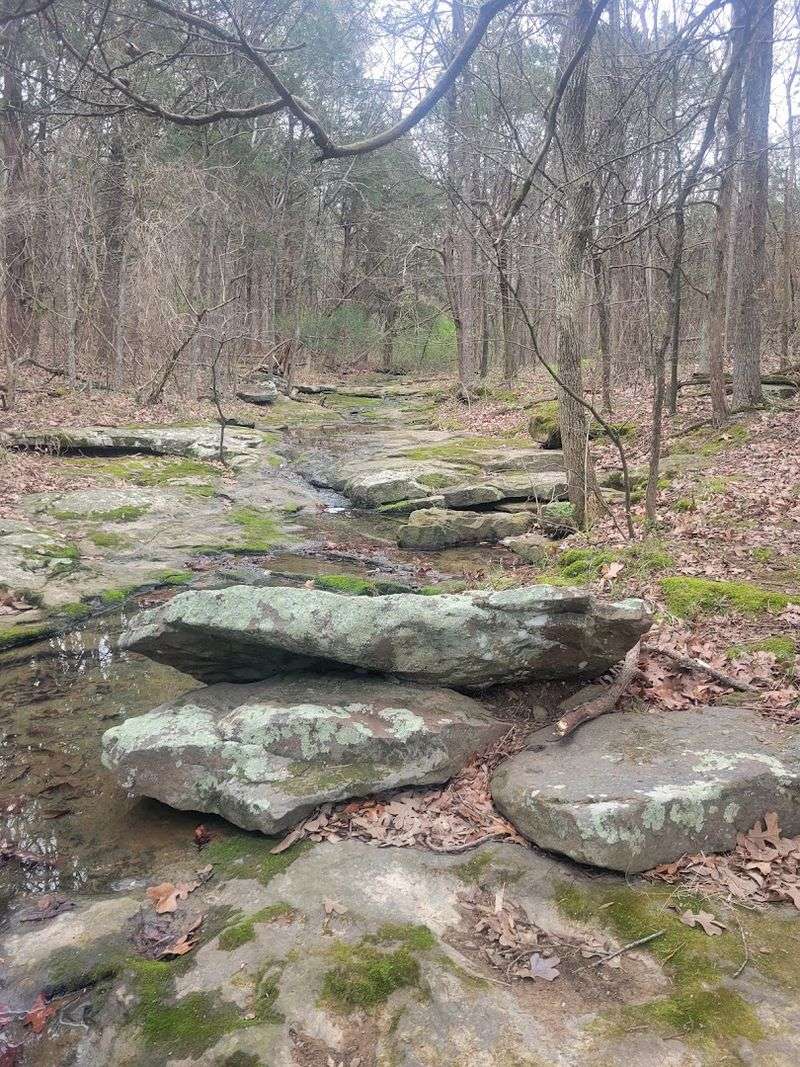
Footwear matters more here than at many other parks. The rocky trail sections near the waterfall and along the hollow paths have uneven surfaces that reward ankle support and grip.
Flat-soled shoes work fine on the paved and gravel areas but become noticeably less comfortable once you hit the rocky creek crossings.
Water is available at several points in the park, which is genuinely helpful on warm days. Bringing a reusable bottle and refilling it on the trail is an easy way to stay comfortable without carrying a heavy pack.
Bug spray is worth packing from late spring through early fall, particularly near the creek areas where insects tend to gather. The park’s rating of 4.8 stars across more than 2,000 reviews reflects a consistency of quality that makes the drive from anywhere in the region feel like a well-placed bet.



