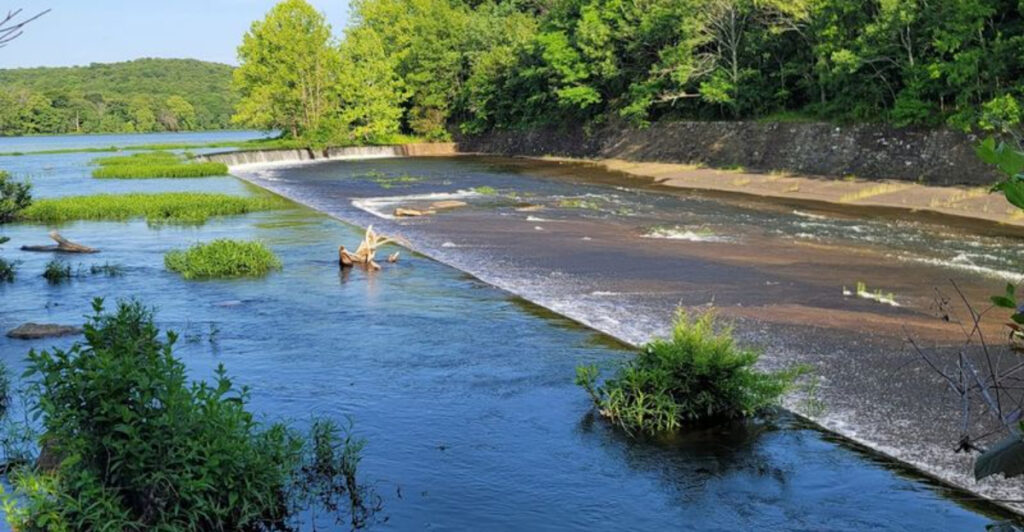
There is a trail in eastern Oklahoma that earns its name the hard way. Eighteen miles of rocky ridgelines, forested hills, and creek crossings wind through one of the state’s most underrated state parks, and the whole adventure kicks off with a crossing over a genuine swinging bridge above a rushing stream.
The Ankle Express Trail at Greenleaf State Park near Braggs, Oklahoma, is the kind of hike that rewards people who show up ready to work. From boulders and fallen timber to sweeping lake views and wildlife around every bend, this trail has personality to spare.
Where the Trail Begins: The Park Address and Setting
Greenleaf State Park sits at 12022 Greenleaf Rd, Braggs, OK 74423, tucked into the rolling hills of eastern Oklahoma in Muskogee County. The park wraps around the shores of Greenleaf Lake, a quiet reservoir that gives the whole landscape a calm, reflective quality on still mornings.
The Ankle Express Trail starts near the park’s main trailhead, which hikers can reach after stopping at the welcome center to pick up a day-use pass. Staff there are genuinely helpful and can point you toward the correct trailhead parking area before you set off.
Eastern Oklahoma does not get the same outdoor attention as some western states, but the terrain here surprises people. The hills are real, the forest is dense, and the lake adds a scenic layer that flat-state trails simply cannot match.
The park phone number is +1 918-487-5622, and the park opens at 9 AM daily, so early starters will want to plan their arrival accordingly. Arriving close to opening time on a weekday practically guarantees a quiet trailhead all to yourself.
The Full 18-Mile Loop and What Makes It Challenging
Eighteen miles is not a casual Sunday stroll, and the Ankle Express Trail makes sure you know that within the first hour. The loop travels through the hills surrounding Greenleaf Lake, gaining and losing elevation repeatedly as it crosses ridgelines and drops into creek drainages.
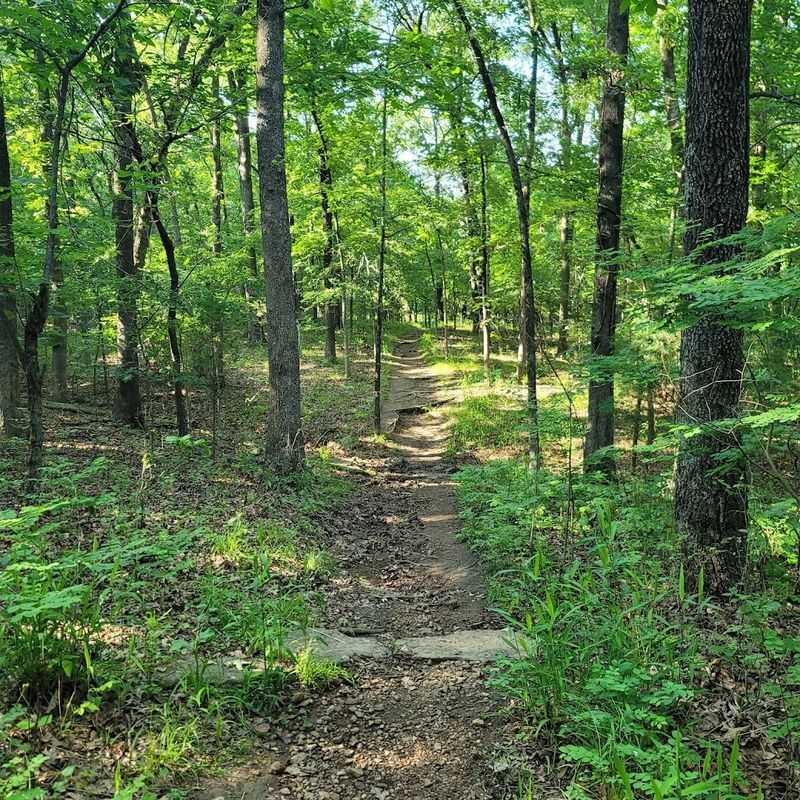
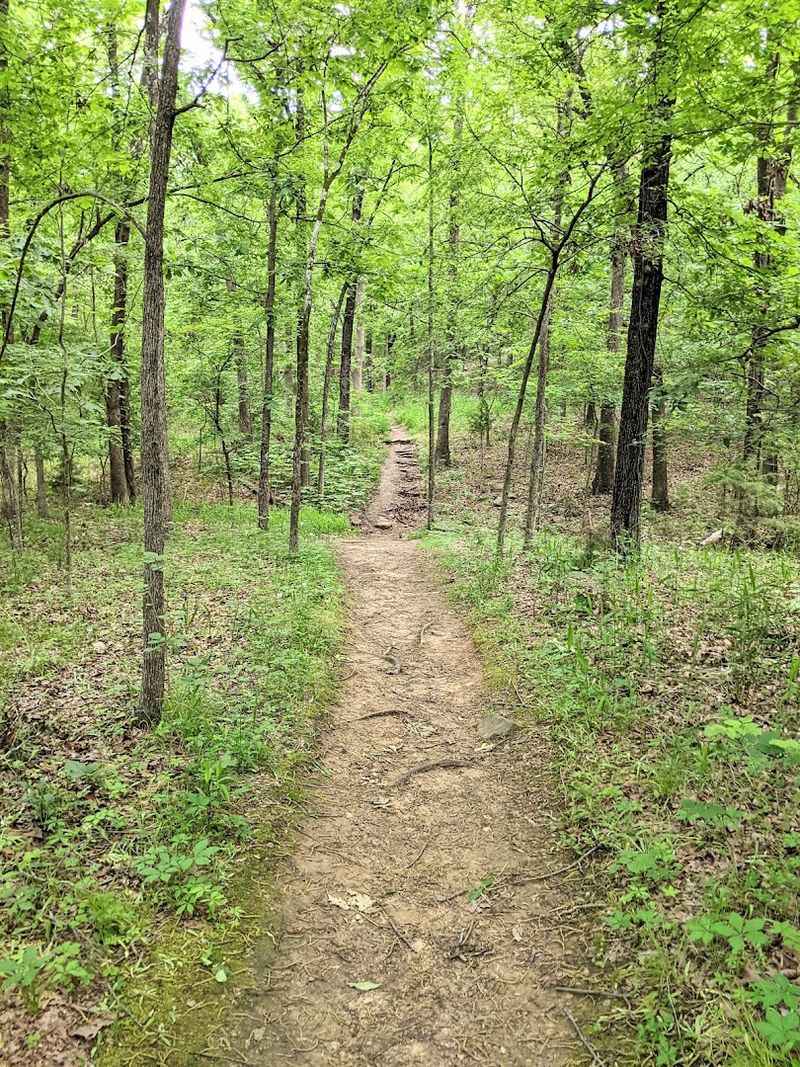
The trail earns its difficulty rating through rocky stretches loaded with loose stones, boulders that require careful footing, and sections where fallen trees force you to climb over or duck under obstacles. Hikers who underestimate the terrain often find their ankles working overtime, which may explain the trail’s colorful name.
The full loop is typically split into a lower segment and an upper segment, with the swinging bridge serving as the natural dividing point between the two. Completing the entire 18 miles in a single day is possible for fit hikers with an early start, but many people break it into an overnight backpacking trip using the primitive campsites in the northern section.
The upper segment, in particular, rewards patience with some of the most dramatic ridge views the park has to offer.
The Famous Swinging Bridge: A Highlight Worth Every Step
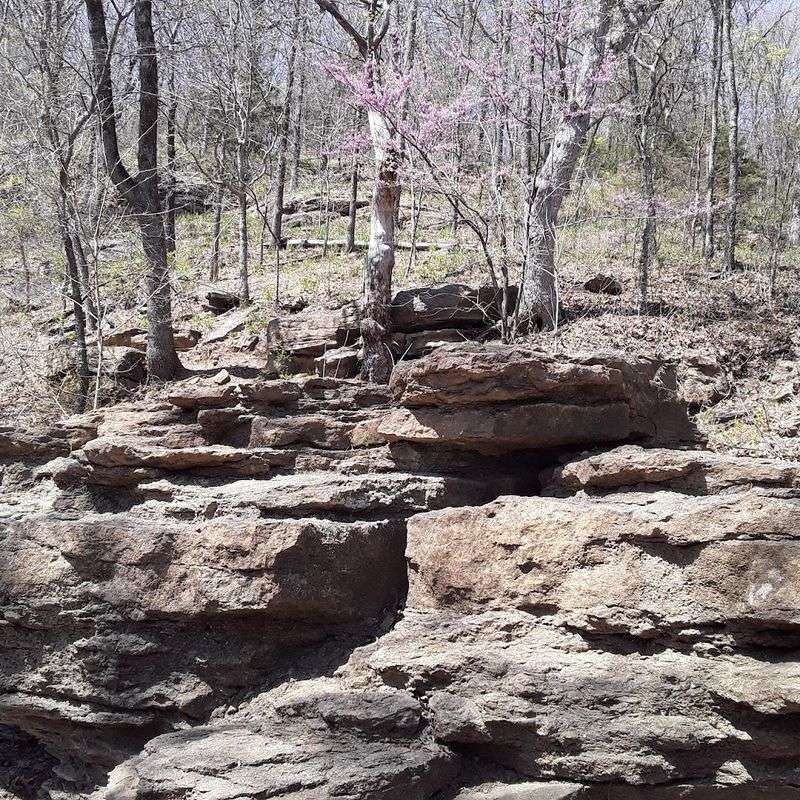
About halfway through the lower segment, the trail delivers its most talked-about feature: a swinging bridge that spans a rocky creek below. The bridge sways noticeably underfoot, which either thrills or terrifies hikers depending on their comfort with heights and movement.
The structure is made of wooden planks suspended by cables, and crossing it gives you a view straight down into the creek bed below. On a clear day, the water catches the light in a way that makes stopping mid-crossing feel completely worth the slight wobble beneath your boots.
It is worth noting that as of early 2025, the bridge has reported damage on one side, and park staff have restricted access to the upper trail segment as a result. Before making the drive out to Braggs, a quick call to the park at +1 918-487-5622 is the smartest move you can make.
The lower segment to the bridge remains accessible and still offers plenty of scenery, wildlife, and rocky terrain to keep any hiker satisfied during the closure period.
Trail Markings: Where They Help and Where They Disappear
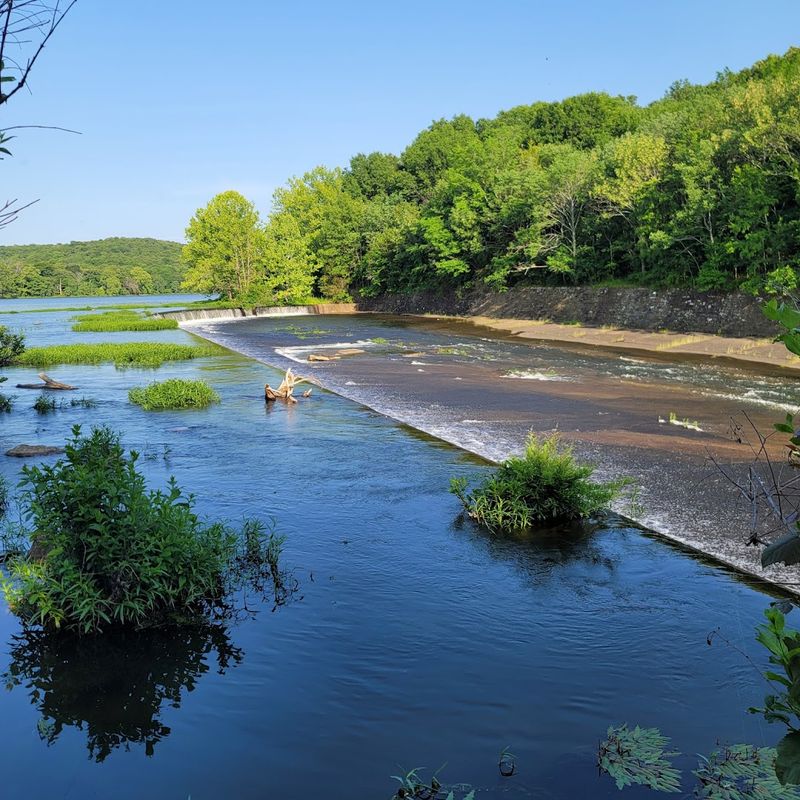
The lower segment of the Ankle Express Trail is marked well enough that most hikers can follow it confidently without a navigation app. Blazes on trees and occasional signage keep you oriented through the denser forest sections and along the creek crossings below the bridge.
Cross the swinging bridge, though, and the story changes fast. The upper segment has a reputation for sparse or missing trail markers, and hikers who rely on visual blazes alone have found themselves turned around in the hills more than once.
Downloading the AllTrails map for this trail before leaving home is not optional if you plan to hike beyond the bridge.
A fully charged phone, a portable battery pack, and a downloaded offline map are the three items that make the biggest difference on this trail. Cell service in the valley sections near the lake can be unreliable, and the hills do not always cooperate with GPS signals.
Old-school hikers can also carry a printed topo map of the area as a backup. The trail rewards preparation, and the upper hills are genuinely beautiful once you have your navigation sorted out.
Wildlife Along the Route: Deer, Turkeys, and More
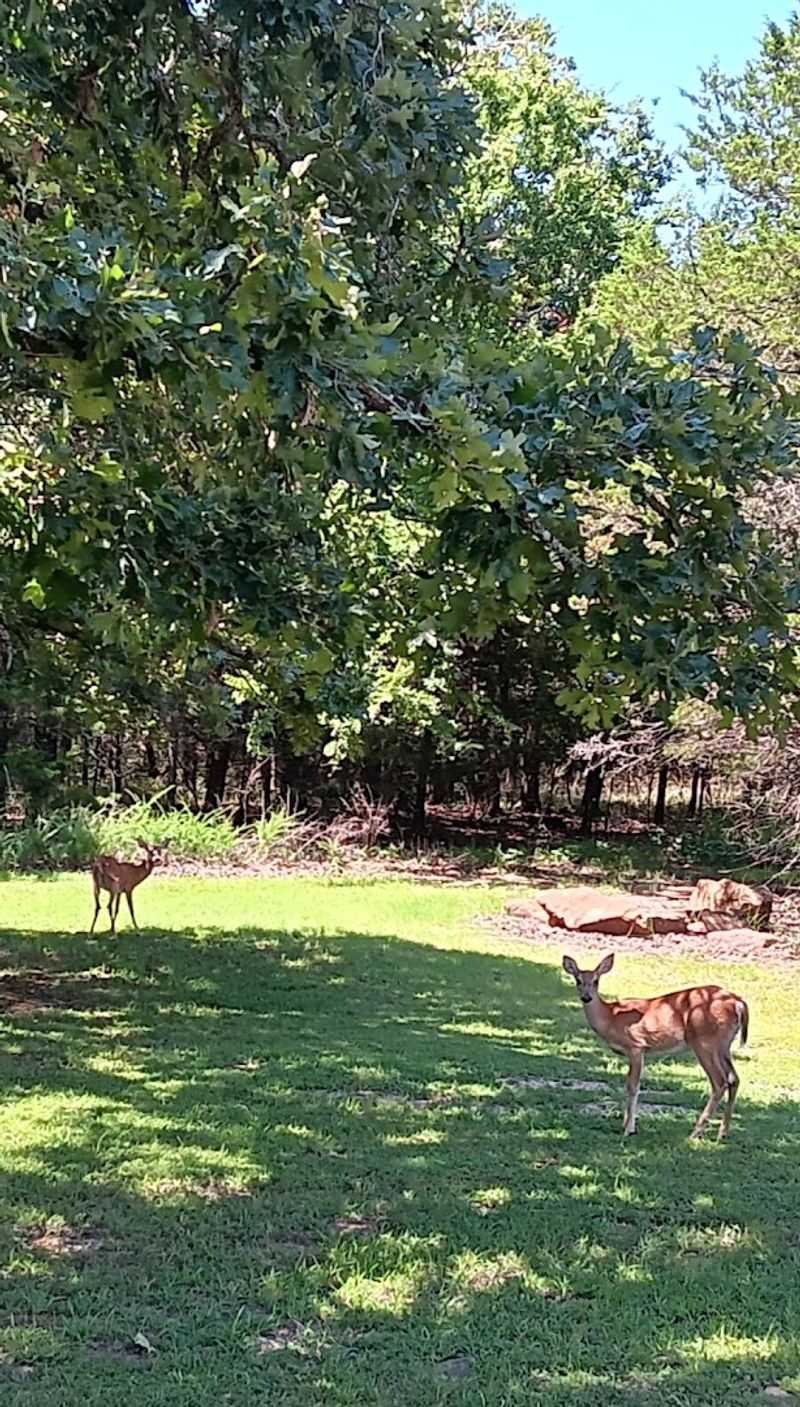
The hills around Greenleaf Lake hold a healthy population of white-tailed deer, and seeing them on the Ankle Express Trail is more likely than not on a quiet morning. Deer tend to move through the tree lines at dawn and dusk, and their tracks along the muddy creek crossings are a reliable sign that you are sharing the trail with more than just other hikers.
Wild turkeys are another common sighting, especially in the open ridge areas where the forest thins out. They move in small groups and scatter noisily when surprised, which can startle even experienced hikers the first time it happens.
Squirrels, songbirds, and the occasional armadillo round out the cast of characters you might meet along the way.
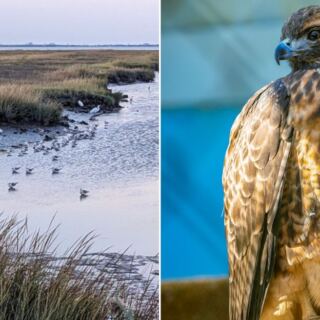
Fishing herons sometimes stand motionless along the creek edges near the lower trail, hunting in the shallow water with impressive patience. The lake itself, visible from certain high points on the loop, attracts waterfowl year-round.
Hikers who move quietly and avoid talking loudly tend to spot the most wildlife, so keeping conversation low on the trail pays off in unexpected and genuinely memorable encounters throughout the hike.
The Views of Greenleaf Lake From the Hills Above
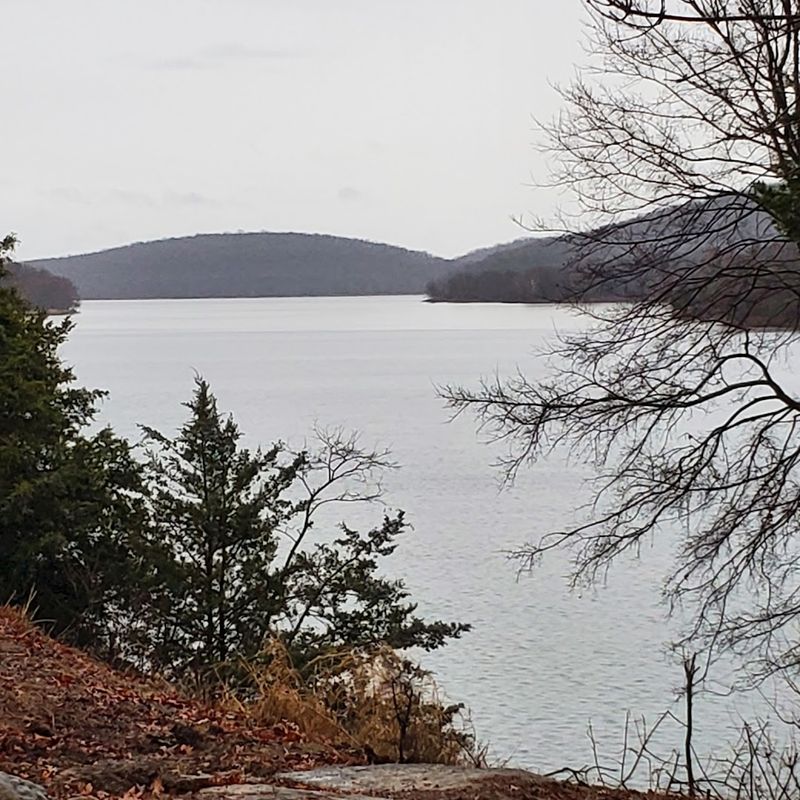
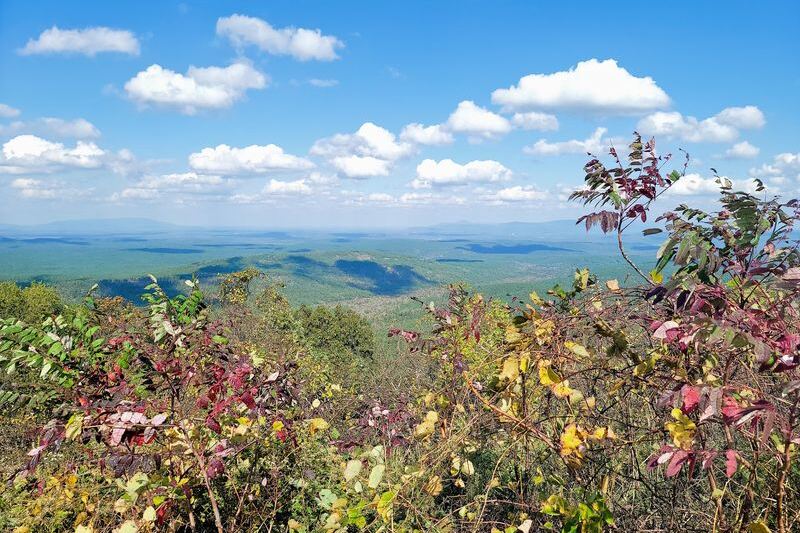
The Ankle Express Trail climbs high enough in several spots to reward hikers with open views across Greenleaf Lake below. The lake sits quietly in the valley, its surface reflecting the sky on calm days and rippling with texture when the wind picks up across the hills.
These hilltop moments feel earned after the boulder scrambles and log crossings that lead up to them. A short rest at one of the natural overlooks with a snack and a water bottle is one of the most satisfying parts of the whole hike.
The contrast between the dense canopy of the trail and the sudden openness of a lake view never gets old.
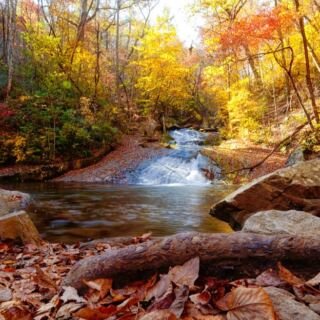
Early morning hikers sometimes catch fog sitting low over the water, which turns the lake into something that looks more like a painting than a real place. Autumn brings another visual reward entirely, as the surrounding hills shift from green to orange and red across the hardwood forest.
Spring wildflowers line the lower segments of the trail, adding color at ground level while the new leaves fill in overhead. Every season on this loop offers something worth stopping to notice.
Camping Options: From Primitive Sites to Comfortable Cabins
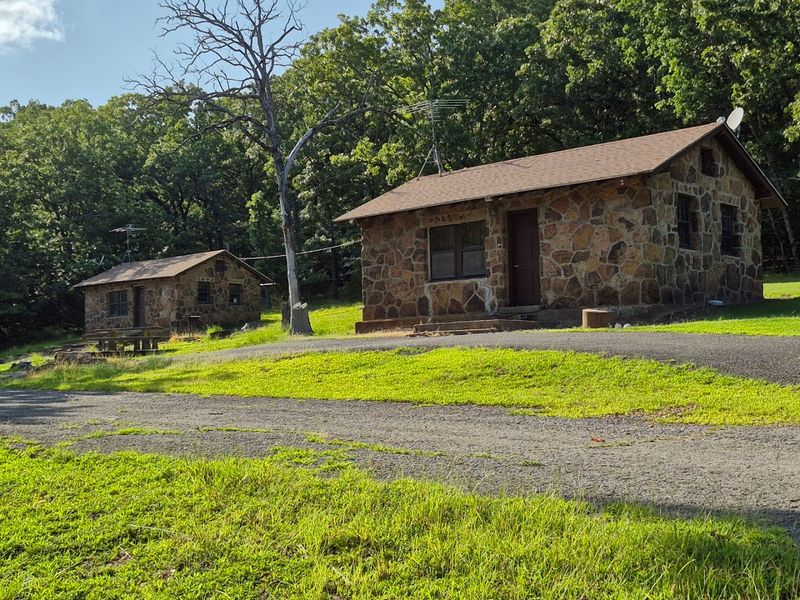
Backpackers tackling the full 18-mile loop have the option of using primitive campsites in the northern section of the trail, which makes the hike feel like a proper wilderness overnight rather than a day trip. These sites are basic, with no water or electric hookups, so carrying everything you need is part of the deal.
For hikers who prefer a softer landing, Greenleaf State Park offers RV sites, tent camping areas, and rustic cabins built by the Works Progress Administration during the 1930s. The cabins have thick stone walls and fireplaces, and they hold up beautifully against cool Oklahoma nights.
Several cabin sizes are available, so solo travelers and larger groups both have options that fit their needs.
The Gobbler Ridge campground area draws repeat visitors who appreciate the wide cement slabs, composite picnic tables, and genuinely spotless bathrooms and showers. Deer Creek campground offers a steeper, more secluded feel, and the site fills up on holiday weekends.
Booking in advance through the park’s reservation system is strongly recommended for spring and summer visits, since the most popular sites disappear quickly once the warm weather arrives.
Best Time to Hike the Ankle Express Trail
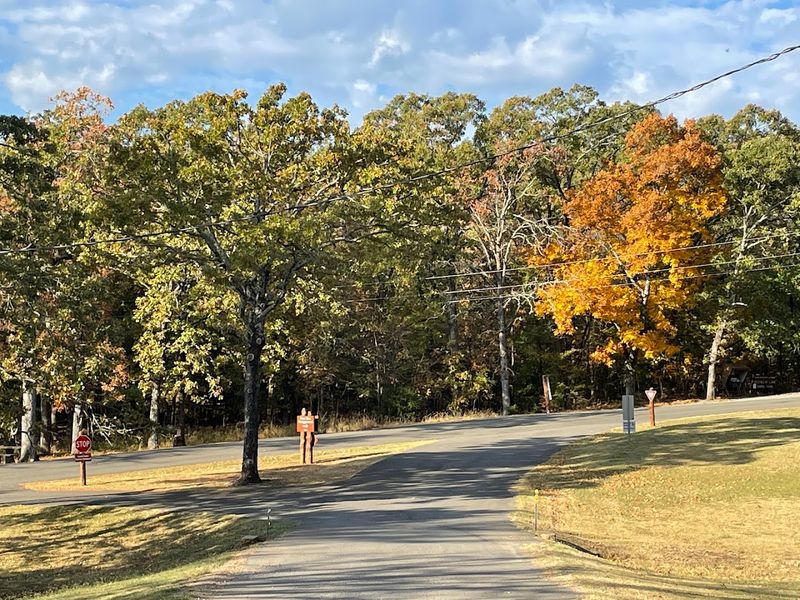
Spring and fall are the two seasons that make the Ankle Express Trail feel like it was designed specifically for hiking. Temperatures in April, October, and November stay comfortable enough for long miles, and the forest looks its best when either blooming or changing color around you.
Summer hiking is possible but demands early starts and serious hydration planning. Oklahoma summers push temperatures well above 90 degrees Fahrenheit, and the rocky terrain on the upper segment holds heat in a way that makes afternoon miles genuinely uncomfortable.
Carrying at least two liters of water per person is a minimum for any summer attempt on this trail.
Winter offers a quieter experience with reduced crowds and bare trees that actually open up views that disappear behind summer foliage. The rocky sections can become slippery after rain or frost, so traction devices or trekking poles add a useful layer of safety on cold-weather visits.
One thing to check before any visit is the current status of the swinging bridge, since that closure has been affecting trail access for some time and there is no confirmed repair timeline as of early 2025.
Gear Essentials for a Rocky, Root-Covered Trail
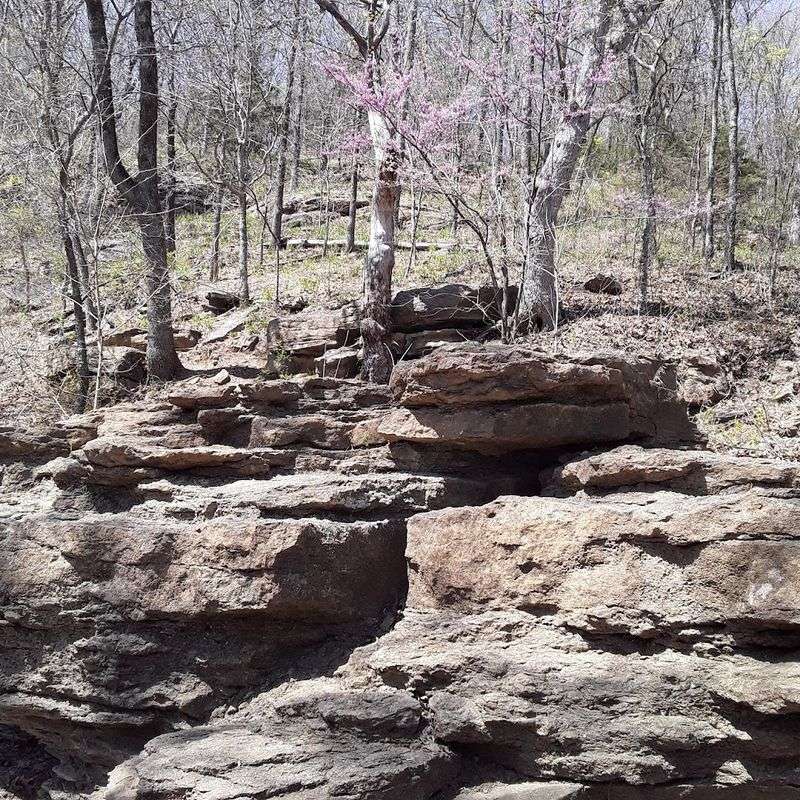
The Ankle Express Trail is not the place to test out a brand-new pair of sneakers. The rocky terrain, loose stones, and root-covered sections demand footwear with solid ankle support and a grippy outsole.
Mid-height hiking boots with a stiff midsole make the boulder sections noticeably more manageable and protect against the rolled ankles that give the trail its name.
Trekking poles are worth bringing along, especially for the descents after ridge crossings where loose rock tends to accumulate. They take pressure off the knees on steep downhills and provide balance when hopping across creek crossings on wet stones.
A lightweight pair folds down small enough to strap to a pack when the terrain flattens out.
Navigation tools matter more on this trail than on most. A downloaded offline map on your phone, a portable battery charger, and a basic compass are the three items that separate confident hikers from confused ones on the upper segment.
Snacks with a good balance of carbohydrates and protein help maintain energy across the full distance. Sunscreen and a hat are smart additions for the open ridge sections where the tree cover thins out considerably.
How to Make the Most of a Visit to the Full Park
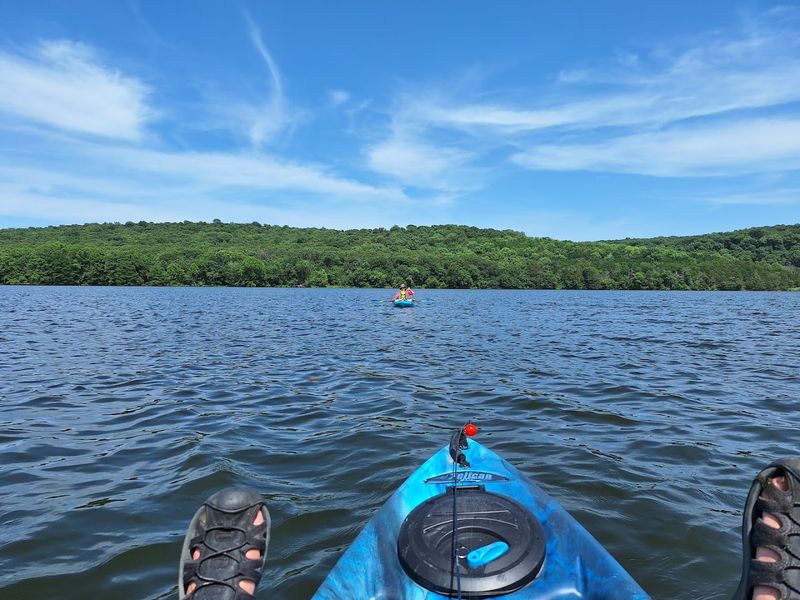
The Ankle Express Trail is the headline act, but Greenleaf State Park has enough supporting features to fill an entire weekend. The lake offers kayaking, canoeing, and fishing, and the park’s marina and general store stock basic supplies and rental equipment so you do not need to arrive with everything already loaded in your car.
A splash pad and water slide near the main entrance area make the park a natural choice for families with younger kids who might not be ready for 18 miles of rugged trail. Putt-putt golf and paved walking paths with benches add casual recreation options for rest days between harder hikes.
The welcome center staff consistently stand out in visitor accounts for being friendly, knowledgeable, and genuinely interested in helping guests make the most of their time in the park. Rangers on staff keep the facilities well maintained, and the cleanliness of the bathrooms and showers gets mentioned so consistently in visitor feedback that it has basically become a park trademark.
Plan to spend at least two nights to do the trail and the lake justice, and leave a buffer day for whatever surprise the park decides to throw at you.
Share this story