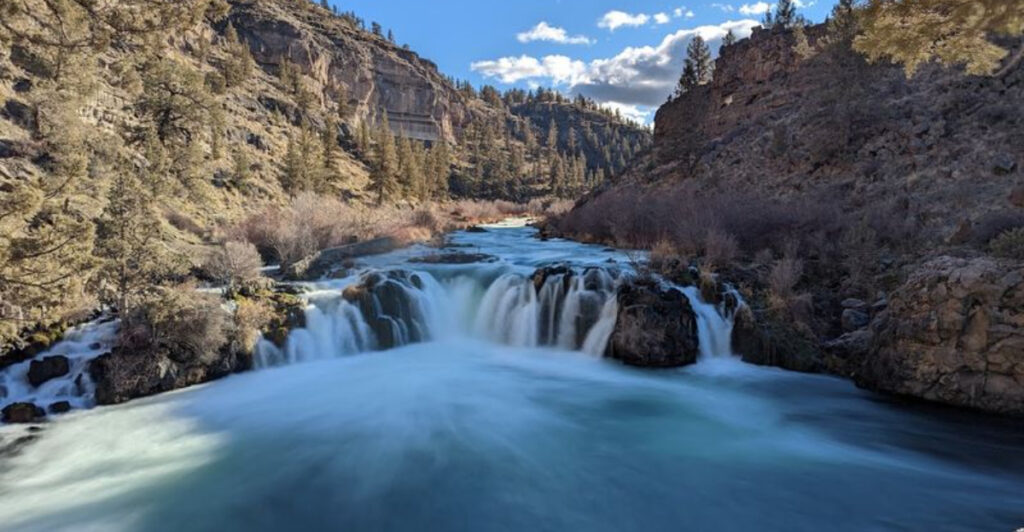
There is a spot in central Oregon where the desert suddenly cracks open, revealing a canyon carved from volcanic rock in shades of rust, gold, and deep brown. A waterfall drops roughly 20 feet into a cold, clear pool that practically begs you to jump in.
The trail to reach it is just half a mile long, yet it feels like a passage into a completely different world. Whether you are a casual hiker, a thrill-seeker eyeing the cliff jump, or someone who just wants to sit beside moving water and breathe for a while, this place has your name written all over it.
Where Exactly You Are Going
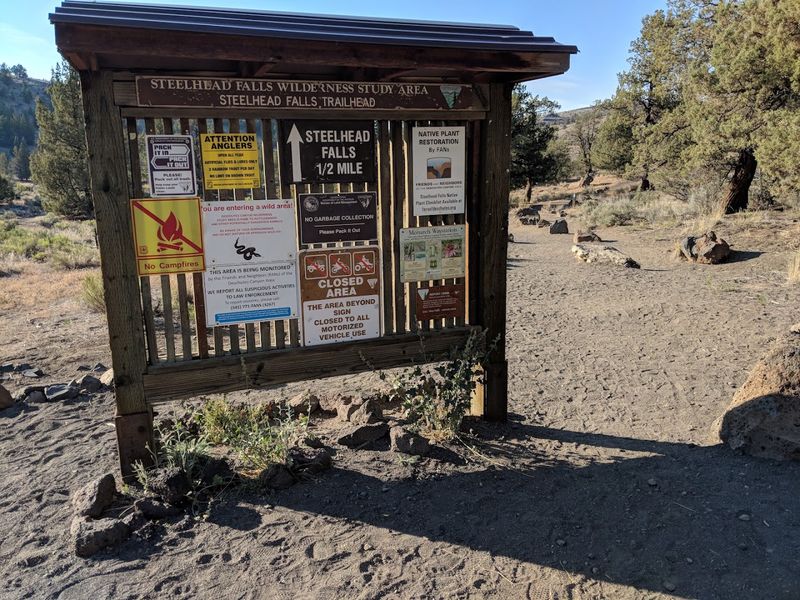
The trailhead sits on Southwest River Road near Terrebonne, Oregon, managed through the Bureau of Land Management’s Prineville District Office at 3050 N.E. 3rd Street, Prineville, OR 97760. You can reach the office at (541) 416-6700, and more trail details are posted at blm.gov/visit/steelhead-falls-trail.
The falls are about 25 minutes from Smith Rock State Park and roughly 45 minutes from Bend, making this a very doable day trip from either location. The drive out is mostly paved, but the final half mile turns into a gravel road dotted with some serious potholes.
Take that last stretch slowly to protect your vehicle’s suspension. Once you reach the parking area, you will find a basic restroom, informational signs, and space for a decent number of cars.
On hot summer weekends, that lot fills up fast, so arriving early in the morning is a genuinely smart move. The trailhead is open 24 hours a day, every day of the year, and there is no parking fee to worry about.
The Desert Canyon Setting That Stops You in Your Tracks
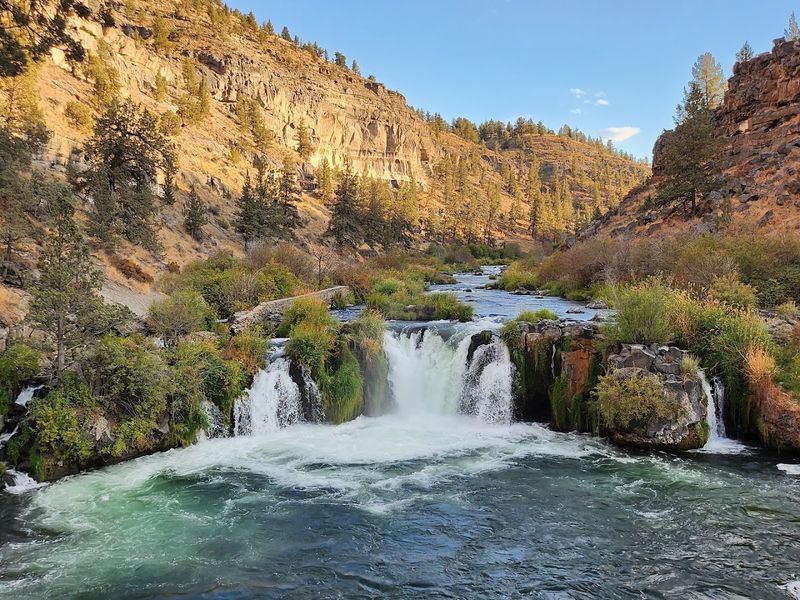
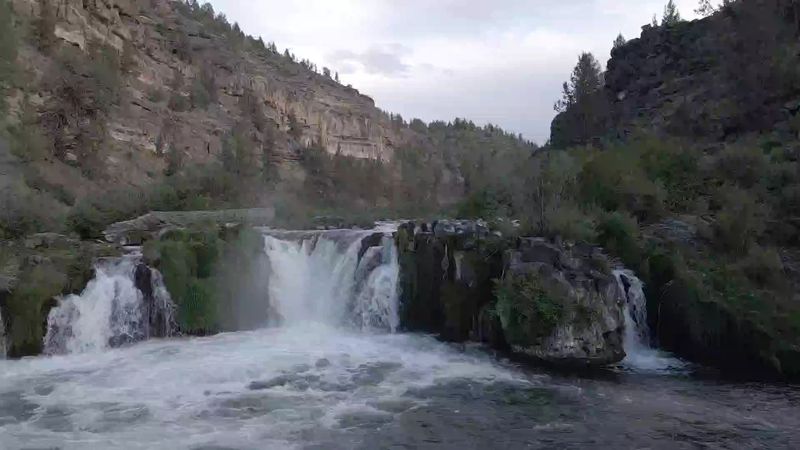
The canyon surrounding Steelhead Falls is one of those places that genuinely catches you off guard. You are walking through classic Oregon high desert, all sagebrush and juniper, and then the land drops away to reveal these dramatic walls of layered volcanic rock in burnt orange, deep red, and dusty tan.
The Crooked River carved this canyon over thousands of years, and the results are spectacular. Rock formations jut out at odd angles, and the river below runs a striking shade of emerald green that seems almost too vivid to be real.
The scent of juniper fills the air along the trail, which adds a calming quality to the whole experience.
Old juniper trees cling to the canyon walls, their twisted trunks adding character to the already dramatic scenery. Wildflowers pop up in surprising places, especially in spring and early summer.
The geology alone is worth the trip, and more than one visitor has spent a long stretch of time simply watching the way light moves across the canyon walls at different times of day.
The Waterfall Itself: Cold, Loud, and Completely Worth It
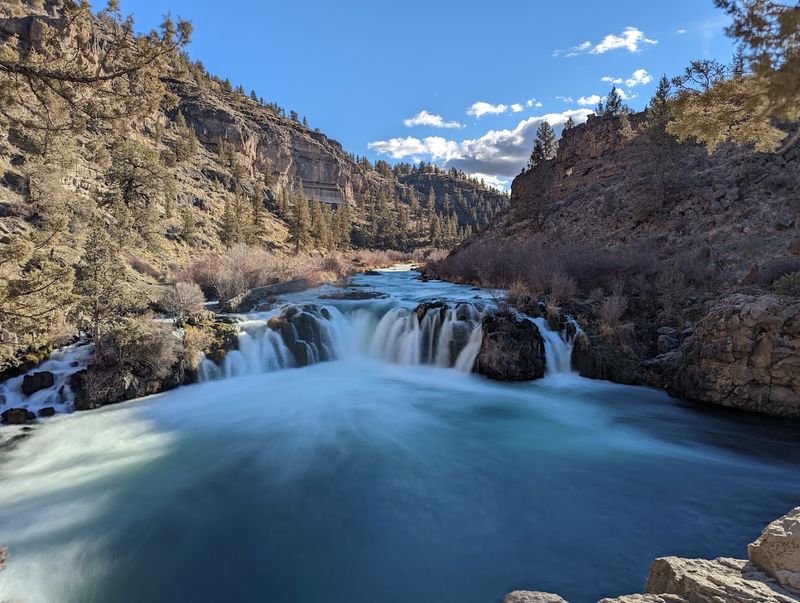
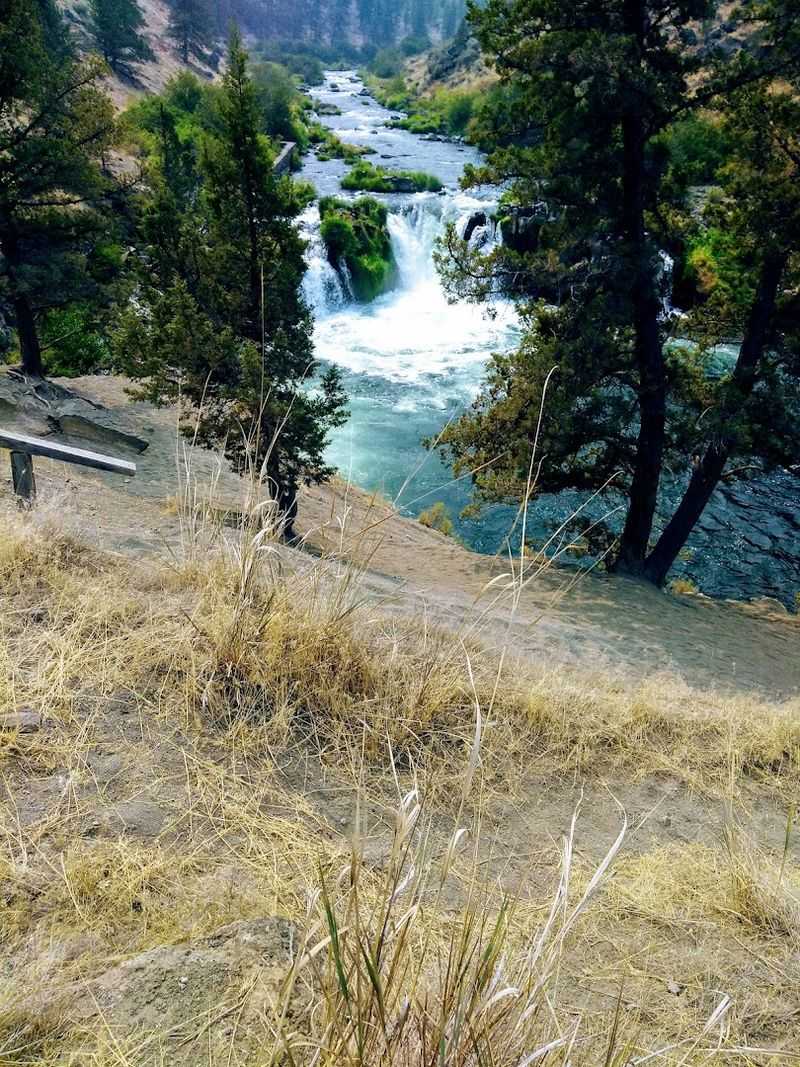
Steelhead Falls drops roughly 15 to 20 feet into a churning pool at the base of the canyon, and the roar of the water reaches you on the trail before you ever see it. When you round the final bend and the falls come into view, it is one of those moments that makes the steep descent feel completely worthwhile.
The water splits into several streams near the top of the drop, creating a layered, dynamic effect that changes slightly depending on the season and flow rate. In summer, the main channel narrows but still puts on a strong show.
After winter rains or spring snowmelt, the whole falls becomes significantly more powerful and dramatic.
The pool at the base is cold even on the hottest days, which is part of what makes it so refreshing. The water is remarkably clear, and you can see the rocky bottom several feet down.
One particularly enthusiastic visitor reportedly spent close to an hour just watching the falls, completely absorbed by the movement of the water and the way it has shaped the surrounding rock into smooth, curved formations over centuries.
The Trail Down: Short, Steep, and a Little Sandy
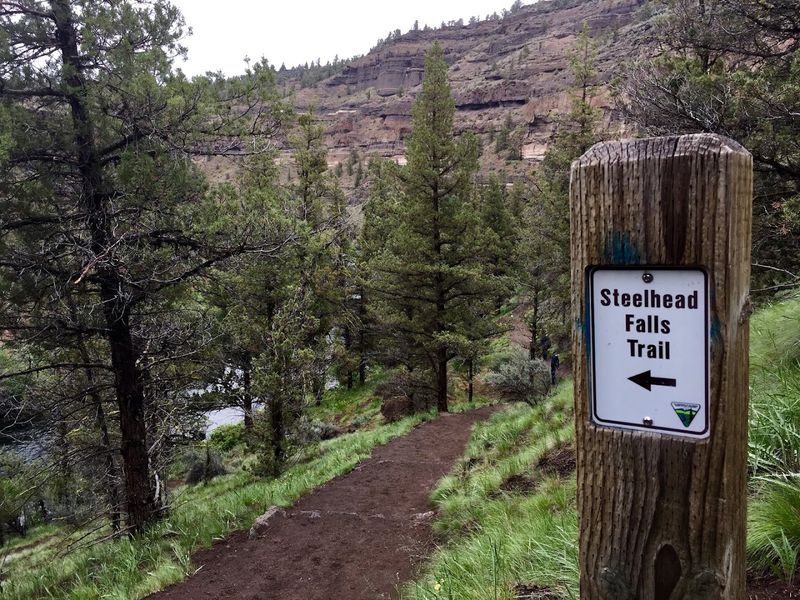
The trail from the parking lot to the falls covers about half a mile, and most of that distance involves a noticeable descent into the canyon. The path is well-defined and easy to follow, but it is not exactly a casual stroll on flat pavement.
Sandy soil and loose gravel pebbles make certain sections a bit slippery, especially on the way back up when your legs are already tired. Wearing proper hiking shoes or trail runners with good grip makes a real difference here.
Flip flops and casual sneakers are not the move, no matter how short the trail looks on paper.
A trekking pole or hiking stick is genuinely helpful for the return climb, particularly in warmer months when the trail can get dusty and soft. The trail is narrow in spots, but hikers generally do a good job of stepping aside for people heading in the opposite direction.
The whole round trip, including time at the falls, can be done comfortably in one to two hours, though most people end up staying longer than they planned once they see what is waiting at the bottom.
Swimming in the Pool Below the Falls
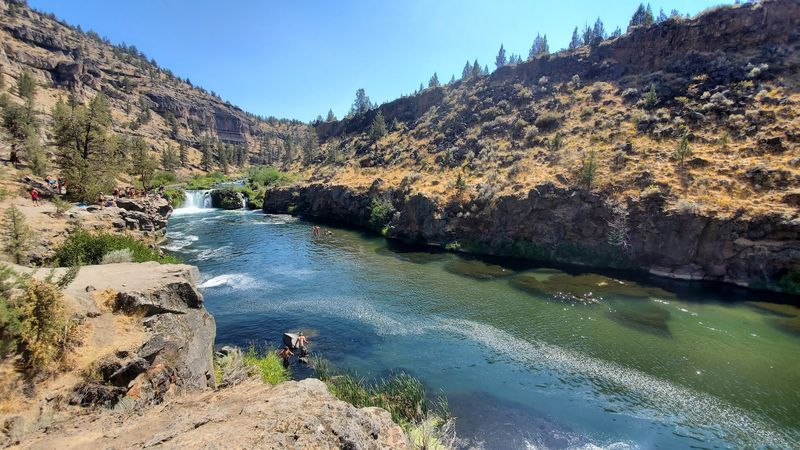
The swimming hole at the base of Steelhead Falls is the main event for a lot of visitors, and it absolutely delivers. The pool is deep enough for a proper swim, and the cold temperature of the water provides instant relief on a hot central Oregon afternoon.
The water clarity is something special. You can look down and see the rocky bottom with surprising detail, and the emerald tint of the river gives the whole area a vivid, almost surreal quality.
Flat rocks along the edges make natural seating spots for people who want to dip their feet in before committing to a full swim.
The current near the base of the falls moves quickly, so it is worth being aware of your surroundings and not swimming too close to the drop itself. The calmer sections of the pool away from the main cascade are the best spots for a relaxed swim.
Dogs are welcome at this spot, but the fast-moving water near the falls requires extra attention if your four-legged companion is the adventurous type. Pack a towel, some snacks, and plan to stay a while.
Cliff Jumping: The Brave Person’s Bonus Activity
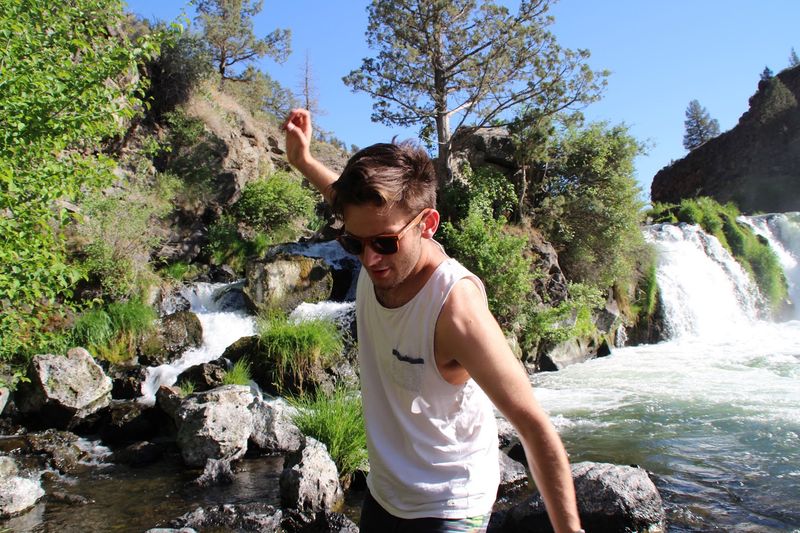
Right next to the waterfall, a large rock formation rises above the pool and serves as the go-to launch point for cliff jumpers. The jump has become a signature part of the Steelhead Falls experience, and on a warm summer day, there is usually a small crowd working up the courage to take the plunge.
The height is enough to get your heart rate up without being completely terrifying, and the cold water at the bottom delivers a jolt that you will absolutely feel from head to toe. Reports mention a tightrope strung between rocks near the area as well, which adds an extra layer of adventure for those who want it.
A few practical notes before you jump: wearing shoes is a smart idea since you have a hike back up afterward, and having a spotter nearby is always a good call. Jumping near the actual waterfall is not recommended because of the unpredictable currents right at the base.
The shock of cold water is real, so go in prepared for that sensation. For those who prefer to watch rather than participate, the cliff jumping is genuinely entertaining to observe from the rocky banks below.
Wildlife and Nature Along the River
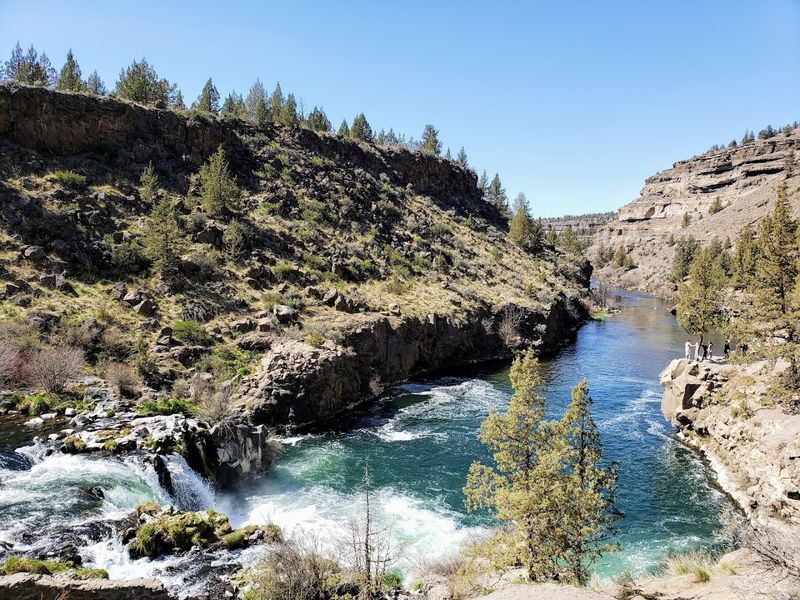
The Crooked River canyon is home to a surprisingly active cast of wildlife, and a slow walk along the trail rewards patient observers. Lizards dart across sun-warmed rocks with impressive speed, birds of various species call from the canyon walls, and the occasional river otter has been spotted moving through the water below.
Nesting birds use the rocky ledges of the canyon walls throughout spring and early summer, and watching them navigate the vertical terrain is genuinely fascinating. The juniper trees along the trail also attract a variety of smaller birds that are worth pausing to observe.
Wildflowers appear in unexpected pockets along the path, adding splashes of color to the otherwise earthy desert palette.
The river itself supports a healthy fish population, which is part of why the trail is named after steelhead trout. Fishing is possible along certain stretches of the river, though the falls area tends to attract more swimmers than anglers.
The natural soundscape of the canyon, water rushing, birds calling, wind moving through the junipers, creates an atmosphere that feels genuinely removed from everyday life. A pair of binoculars tucked into your pack is worth the extra weight here.
Extending the Hike Beyond the Falls
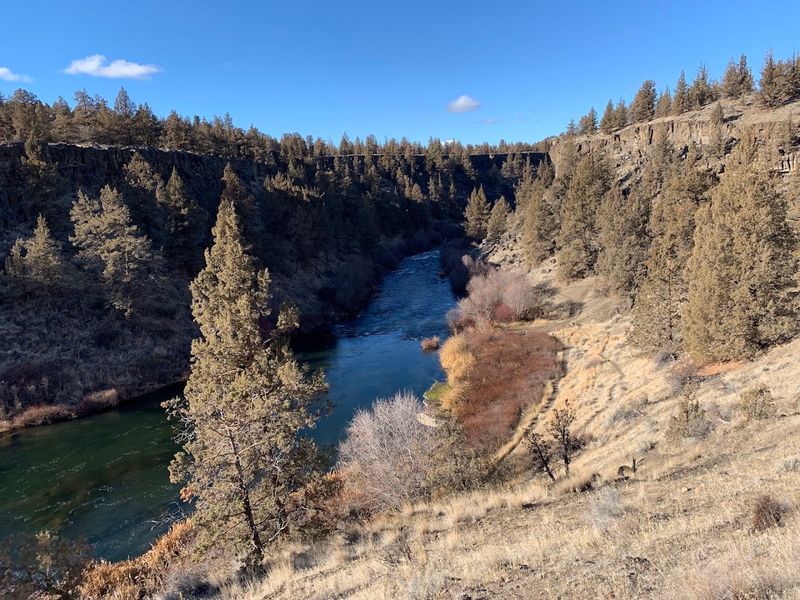
Most visitors stop at the falls, take a swim, and head back up, but the trail continues in both directions and rewards those who keep moving. Heading north from the falls adds roughly another mile of canyon scenery, including more river views, dramatic rock formations, and quieter stretches of trail where you are unlikely to encounter many other people.
The trail south from the trailhead leads past several campsites and continues toward Folley Waters, another scenic stretch of the Deschutes River corridor. That southern extension adds a couple more miles of walking through equally beautiful desert canyon terrain.
The full round trip, if you explore both directions, can reach close to four miles or more depending on how far you push.
The trail does narrow and become rockier as you move further from the falls, and in a few spots it appears to disappear entirely beneath rock piles. Keep moving in the same general direction and the path reappears.
The extended hike is worth doing for the solitude alone. The canyon scenery does not diminish the further you go, and the light on the rock walls in the late afternoon is particularly striking from the more remote stretches of the trail.
Best Time to Visit for the Full Experience
The falls are accessible year-round, but the experience changes significantly depending on when you show up. Summer is the most popular season, with warm temperatures making the swimming hole and cliff jump the main draws.
Arriving early on a summer morning, before 9 a.m. if possible, is the best way to beat the crowds and claim a good spot on the rocks.
Spring brings higher water flow, which makes the falls more dramatic and the canyon greener. Wildflowers are at their peak from April through June, and the trail is less dusty during this time.
The cooler temperatures make the hike itself more comfortable, even if the water is too cold for most people to swim in comfortably.
Winter visits offer a completely different atmosphere. The trail is quieter, the dust is gone, and the packed dirt actually provides better traction than the dry sandy surface of summer.
One visitor described a winter trip as surprisingly enjoyable, with the falls just as beautiful and the absence of crowds making the whole experience feel more personal. Fall sits somewhere in the middle, with pleasant hiking temperatures and the added bonus of softer light that makes the canyon colors look especially rich.
Practical Tips for the Drive and Parking
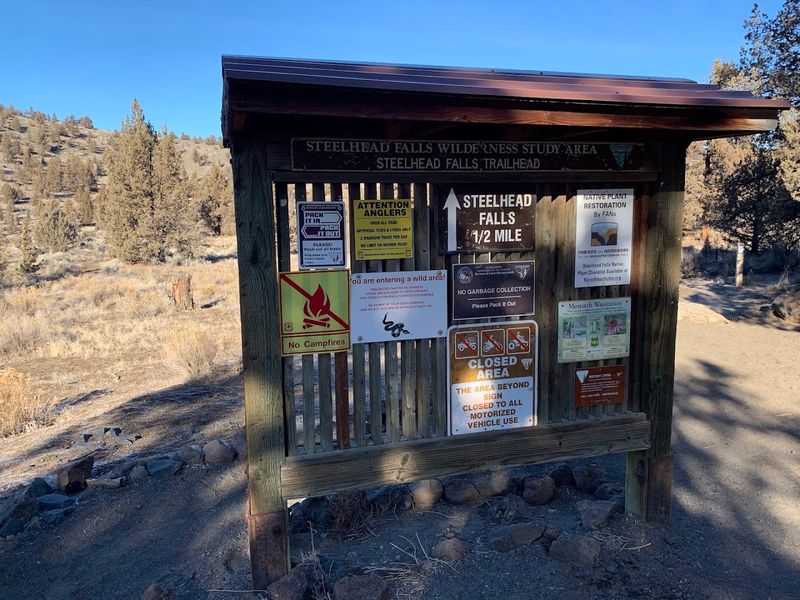
The road situation to Steelhead Falls is something every visitor should know about before they go. Most of the drive is on paved road, but the final half mile transitions to unpaved gravel that is rough and dotted with potholes significant enough to cause real damage to low-clearance vehicles driven carelessly.
Slowing down on that gravel stretch is not optional advice, it is a genuine necessity. A regular car can handle it just fine at a careful pace, but going fast risks bent wheels or worse.
A vehicle with slightly higher clearance makes the whole approach considerably less stressful.
The parking lot at the trailhead is free and fits a reasonable number of vehicles, but it fills up quickly on hot summer days and busy weekends. Arriving before 9 a.m. on those days almost guarantees you a spot.
A basic restroom is available at the trailhead, which is worth knowing since there are no facilities near the falls themselves. There are also no trash cans at the site, so packing out everything you bring in is part of the deal.
Hand sanitizer and a small trash bag are two items worth tossing in your daypack before you leave home.
What to Bring for a Comfortable Visit
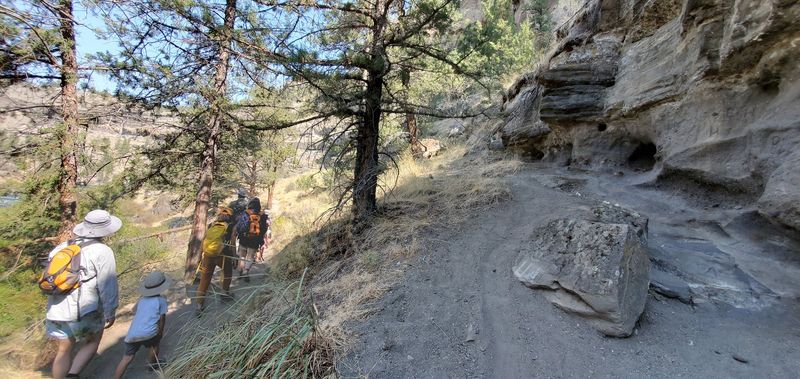
A little preparation goes a long way at Steelhead Falls, mostly because the site is wonderfully undeveloped and that means you need to bring what you need rather than relying on any on-site conveniences. Water is the most important item, full stop.
The hike is short but the sun in central Oregon is intense, and the return climb is more demanding than it looks on the way down.
Proper footwear is the second most important thing. Hiking shoes or trail runners with decent grip handle the sandy, gravelly trail much better than casual shoes.
If you plan to cliff jump, wearing your shoes into the water and keeping them on for the hike back up is a practical move that most experienced visitors recommend.
Sunscreen, a hat, and snacks round out the basics. If you plan to picnic near the water, be aware that red ants have been spotted in the area, so setting up on a rock rather than on the ground is a smarter choice.
A dry bag or waterproof pouch for your phone is worth having if you plan to swim. Dogs are welcome, but bring waste bags since there are no trash facilities anywhere on the trail.
Why This Spot Keeps Drawing People Back
There is something about Steelhead Falls that makes people want to return. The combination of a quick trail, a dramatic waterfall, cold swimming water, and a canyon that looks like it belongs in a painting creates an experience that is hard to find anywhere else in the region.
It checks multiple boxes at once, and that is genuinely rare.
The setting feels remote even though it is only 20 minutes from Redmond and not far from the busier attractions of the Bend area. That contrast, desert solitude this close to a city, is a big part of the appeal.
The trail draws a mix of hikers, swimmers, photographers, and people who simply need a few hours away from a screen and a schedule.
The canyon has a way of resetting your perspective. The sound of the falls, the smell of juniper, the sight of that emerald water cutting through volcanic rock, it all adds up to something that feels genuinely restorative.
Many visitors describe it as the kind of place they think about on ordinary days and plan to revisit as soon as the calendar allows. Once you make the trip, that reaction will make complete sense.
Share this story