West Virginia has a way of surprising people. Most visitors expect mountains and maybe a few hiking trails, but what they find is a state packed with underground caverns, Cold War secrets, steam-powered train rides, and national park adventures that genuinely impress both kids and grandparents. The Mountain State sits in a sweet spot where outdoor thrills and fascinating history overlap at almost every turn. Whether your crew is obsessed with wildlife, history, geology, or just wants to ride a mine cart underground, there is something here that will get everyone off their phones and fully engaged.
This list covers 13 of the best attractions across West Virginia, chosen specifically because they deliver real fun for all ages. Prepare to be genuinely surprised by how much this underrated state has to offer.
1. New River Gorge National Park and Preserve, Glen Jean, West Virginia
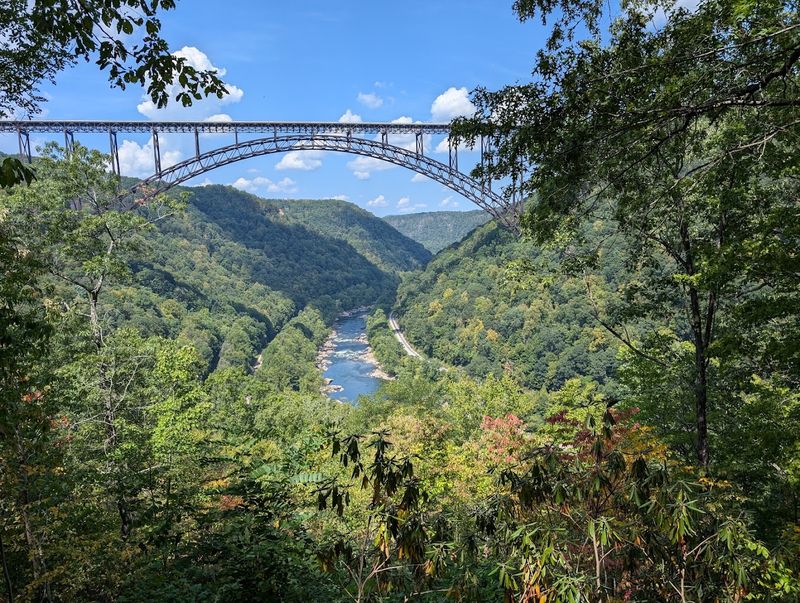
America’s newest national park became official in December 2020, and it has been making up for lost time ever since.
The centerpiece is the New River Gorge Bridge, a 3,030-foot steel structure that stands 876 feet above the river below.
Families with young children can explore accessible trails like the Sandstone Falls Boardwalk or the flat Grandview Rim Trail, which delivers sweeping panoramic views without requiring serious hiking boots.
Older kids and adults can push further with Class III to Class V whitewater rafting on the Lower New River, rock climbing routes, or mountain biking.
Each October, Bridge Day turns the normally vehicle-only bridge into a pedestrian walkway for one of West Virginia’s biggest annual festivals.
Year-round Bridge Walk tours let visitors traverse a catwalk directly beneath the roadway for a perspective most people never forget.
2. Blackwater Falls State Park, Davis, West Virginia
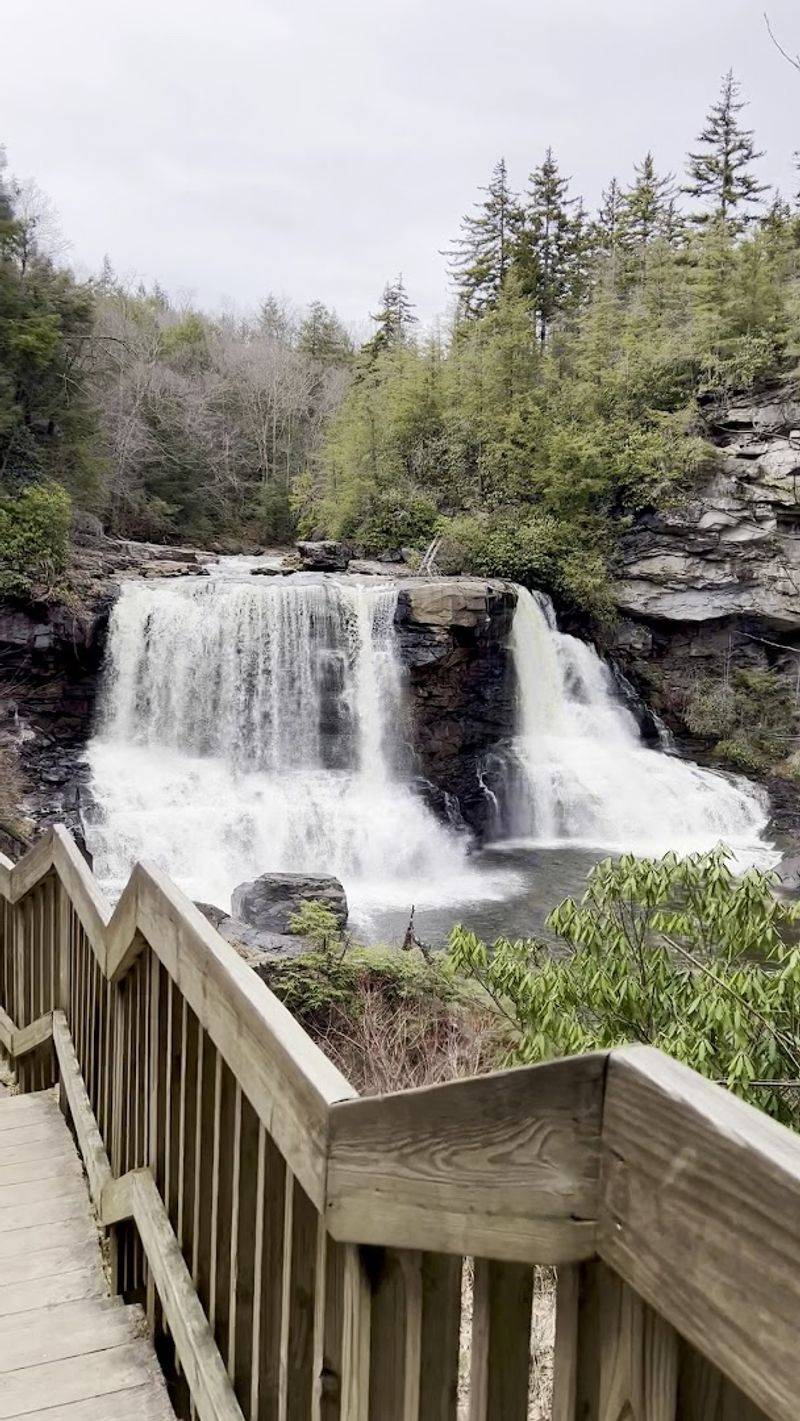
Named for the dark, tea-colored water caused by tannic acids from fallen leaves, Blackwater Falls is one of the most photographed natural landmarks in the entire state.
The main falls drop roughly 57 feet into Blackwater Canyon, and boardwalks lead visitors to multiple viewing platforms that work well for everyone from toddlers to grandparents.
Beyond the waterfall, the park offers more than 20 miles of trails ranging from easy loop walks to longer ridge routes with views of the canyon below.
Cross-country skiing and sledding bring families back in winter, while fall foliage turns the whole park into a patchwork of red, orange, and gold.
The park’s Pendleton Lake is a favorite spot for fishing and paddleboating during warmer months.
No matter when you visit, the landscape looks completely different from the last time, which makes repeat trips genuinely worthwhile.
3. Cass Scenic Railroad State Park, Cass, West Virginia
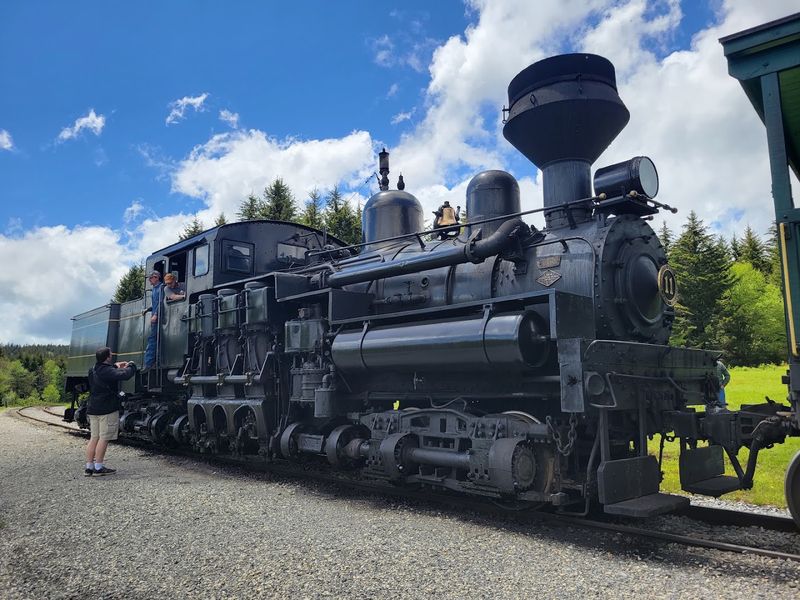
Few experiences in West Virginia match the novelty of riding a restored Shay steam locomotive up into the Allegheny Mountains on original logging-era tracks.
Cass Scenic Railroad dates back to 1901 and once served the timber industry that shaped this region’s economy for decades.
Today, excursion trains carry families through dense hardwood forests, past mountain meadows, and up to Bald Knob, the third highest peak in West Virginia at 4,842 feet.
The open-sided rail cars give everyone an unobstructed view, and the journey takes roughly four hours round trip depending on which excursion you choose.
The historic town of Cass itself is worth exploring, with original company houses now available as vacation rentals and a small museum covering the railroad’s history.
Kids who have never seen a working steam engine up close tend to spend the first ten minutes with their mouths open.
4. The Greenbrier Bunker Tour, White Sulphur Springs, West Virginia

Beneath one of America’s most elegant resort hotels lies a concrete government facility that remained classified for nearly 30 years.
The Greenbrier Bunker was constructed between 1958 and 1961 under the cover of a resort renovation project, designed to house all 535 members of Congress in the event of a nuclear emergency.
The facility covered 112,000 square feet and included a power plant, water purification system, medical clinic, decontamination chambers, and a broadcast studio where officials could address the nation.
Its existence was exposed by a Washington Post journalist in 1992, after which the government officially decommissioned it.
Guided tours now take visitors through the dormitories, the Governor’s Hall meeting room, and the equipment areas that once sat ready for activation.
Older children find the spy-novel quality of the whole story genuinely gripping, and most adults leave with far more questions than they arrived with.
5. West Virginia State Wildlife Center, French Creek, West Virginia
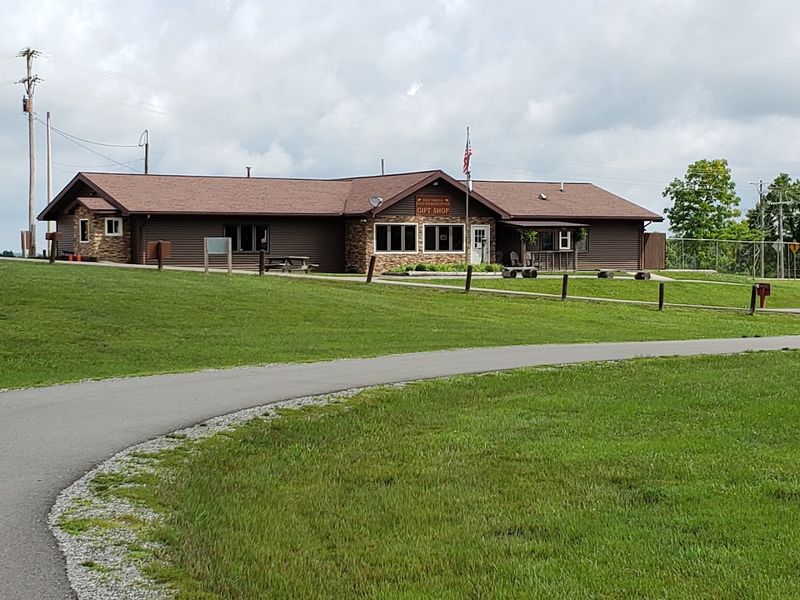
The West Virginia State Wildlife Center is essentially a living catalog of the animals that call this state home, and it covers more than 300 acres of rolling countryside.
Visitors walk a paved loop trail that passes through large naturalistic enclosures housing black bears, elk, bison, white-tailed deer, river otters, bobcats, and the rarely seen Eastern mountain lion.
The relaxed pace encourages families to linger at each habitat, read the informational panels, and watch the animals behave in ways that feel far more natural than a typical zoo setting.
Admission is very affordable compared to most major wildlife facilities, making it an easy choice for families on a budget.
The Center also runs educational programs focused on West Virginia’s native species and conservation efforts, adding real depth to what might otherwise feel like a casual walk.
Spotting a bison from five feet away through a fence rail has a way of recalibrating your sense of scale.
6. Lost World Caverns, Lewisburg, West Virginia
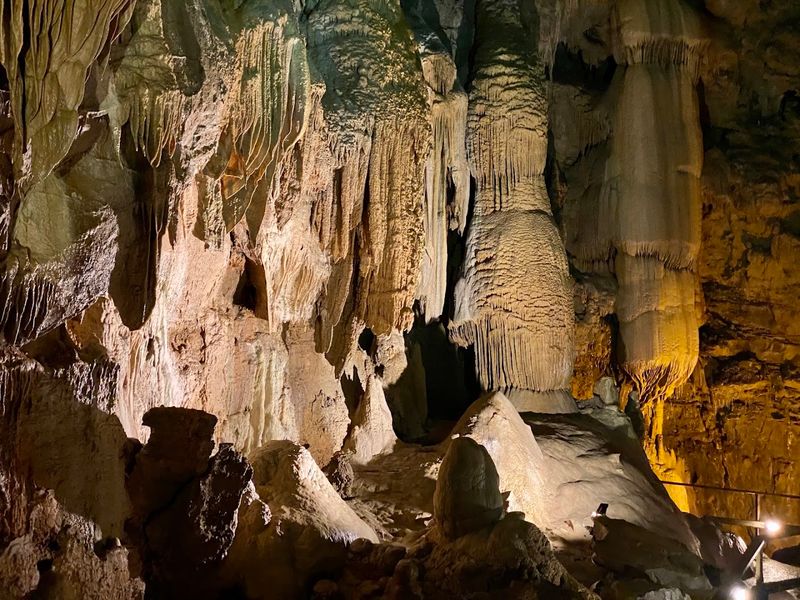
About 40 feet below the streets of Lewisburg, a series of underground chambers hold some of the most dramatic cave formations in the eastern United States.
Lost World Caverns was only opened to the public in 1973, but the formations inside have been growing for millions of years.
The Goliath stalagmite towers roughly 30 feet tall and measures about 20 feet in circumference, making it one of the largest known cave formations in West Virginia.
Self-guided tours follow a paved, well-lit path through the main chamber, and the route is accessible enough for most age groups without requiring any special equipment.
For visitors who want more adventure, a wild cave tour is available that takes small groups into undeveloped sections of the cavern system.
The temperature inside hovers around 52 degrees year-round, so a light jacket is a genuinely good idea regardless of the season outside.
7. Beckley Exhibition Coal Mine, Beckley, West Virginia
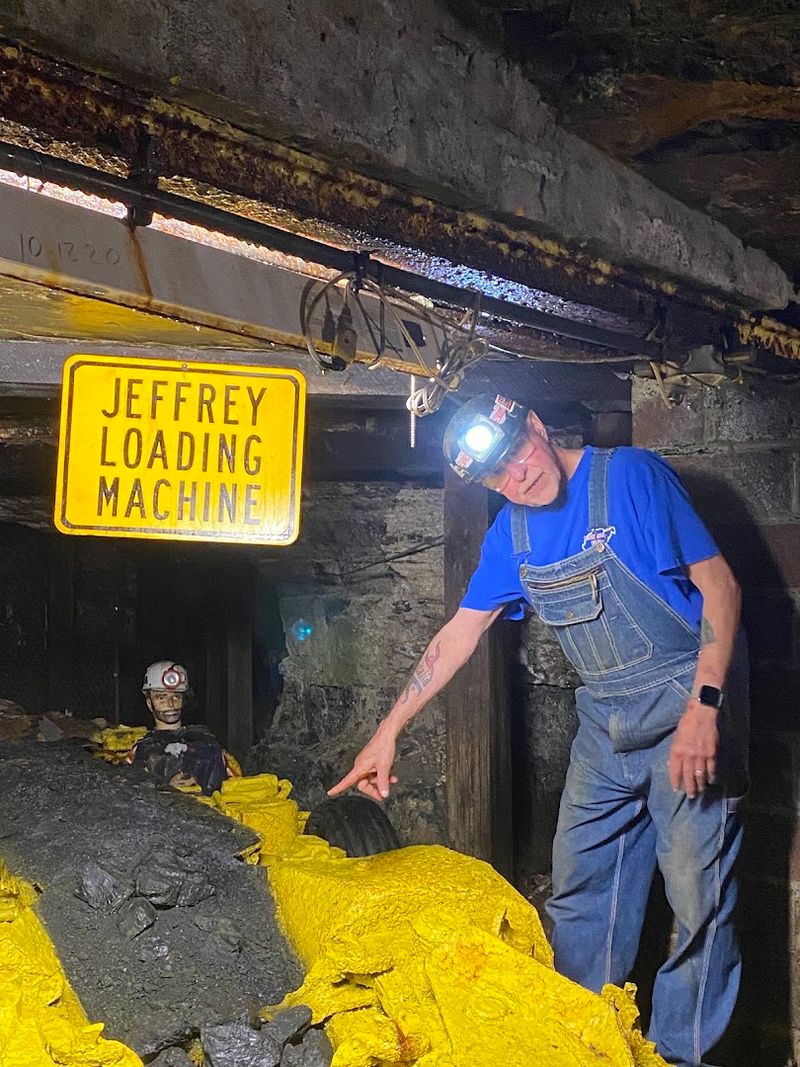
Coal mining shaped the identity of southern West Virginia more than almost any other industry, and this attraction puts that history directly in your hands.
At the Beckley Exhibition Coal Mine, visitors board a real mine rail car and travel underground through passages that were actively mined in the early 20th century.
The guides are retired coal miners or their descendants, which means the stories they tell carry a weight and specificity that no scripted tour could replicate.
The underground tour covers about 1,500 feet of passage and includes equipment demonstrations that show how mining methods changed from hand tools to mechanized systems over the decades.
Above ground, the restored coal camp includes a company store, superintendent’s house, and a museum building where visitors can explore exhibits about Appalachian culture and the broader history of the industry.
Kids who normally find history boring tend to change their minds the moment that mine car starts moving.
8. Harpers Ferry National Historical Park, Harpers Ferry, West Virginia
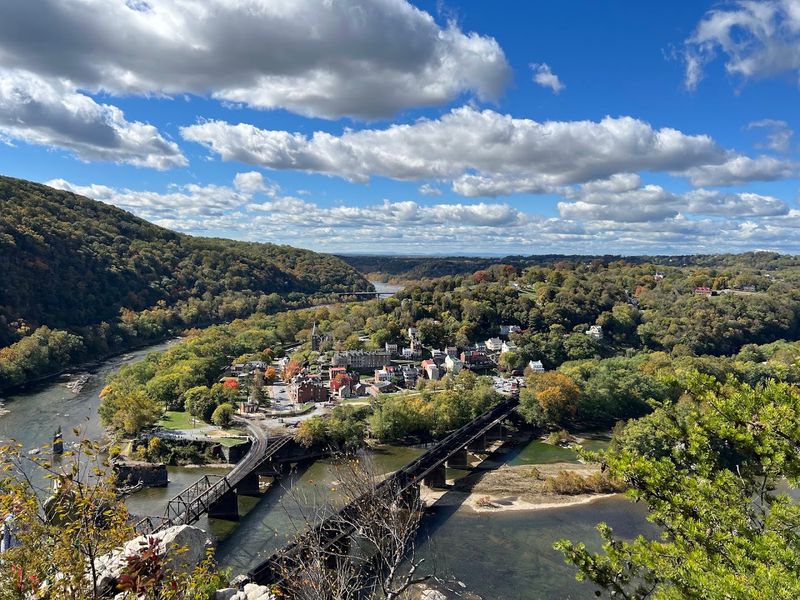
Three states meet at Harpers Ferry, two rivers converge here, and the town itself played a pivotal role in events leading up to the Civil War.
John Brown’s 1859 raid on the federal armory here is the most famous episode in the town’s history, but there is far more to explore beyond that single event.
The Lower Town historic district contains more than a dozen museum buildings, each focusing on a different chapter of Harpers Ferry’s story, from its role as an industrial center to its significance during the war itself.
A short hike up Maryland Heights provides one of the most photographed views in the region, looking down at the confluence of the Potomac and Shenandoah Rivers with the town nestled between them.
The preserved 19th-century streetscape means kids are essentially walking through a living history exhibit without needing to sit still for a lecture.
Admission to the national historical park covers access to all museum buildings and most trail areas.
9. Seneca Rocks Discovery Center, Seneca Rocks, West Virginia
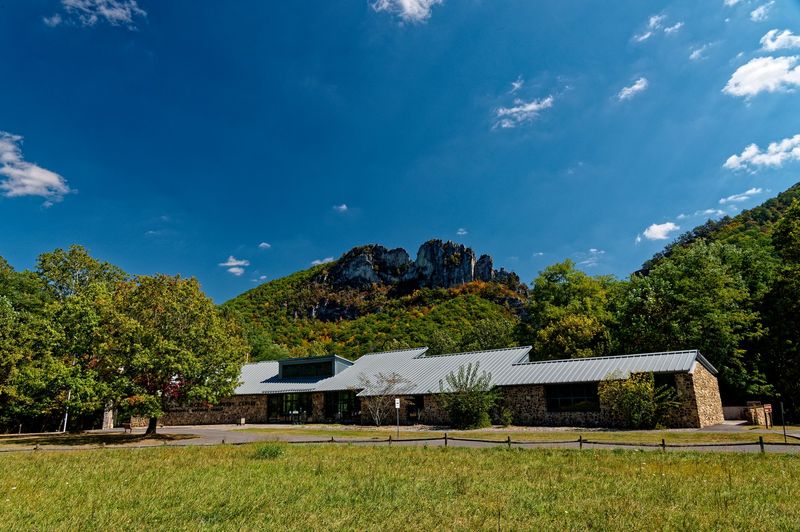
The twin quartzite fins of Seneca Rocks rise nearly 900 feet above the valley floor, and they are visible from miles away before you even reach the parking area.
Formed roughly 460 million years ago and shaped by glacial activity, these rock formations are considered some of the most technically challenging climbing routes in the eastern United States.
The Discovery Center at the base offers well-designed exhibits covering local geology, the history of rock climbing at Seneca Rocks, and the surrounding Spruce Knob-Seneca Rocks National Recreation Area.
A moderate 1.3-mile trail climbs to a viewing platform just below the summit, rewarding hikers with a panoramic view of the Seneca Creek valley below.
Certified climbing guides operate nearby and offer introductory sessions for beginners who want to try the rock face without going in completely unprepared.
Even a 30-minute stop at the Discovery Center is worth the time, especially for geology-curious kids.
10. West Virginia Botanic Garden, Morgantown, West Virginia
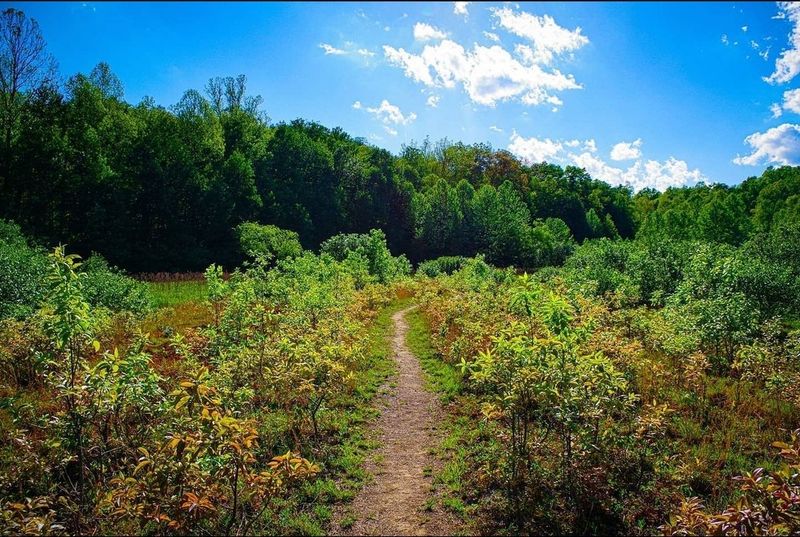
Just a few miles from West Virginia University’s main campus, a 90-acre garden has been quietly growing into one of the most pleasant outdoor spaces in the region.
The West Virginia Botanic Garden features more than three miles of walking trails that wind through themed garden sections, native woodland, wetland boardwalks, and open meadow areas planted with pollinator-friendly species.
Children tend to gravitate toward the pond areas where frogs, turtles, and dragonflies are reliably present during warmer months.
Adults who appreciate native plant landscaping will find a thoughtfully curated collection that reflects the natural flora of the Appalachian region rather than relying on imported ornamentals.
The garden is run as a nonprofit and relies heavily on volunteer involvement, which gives it a community-focused character that larger botanical institutions sometimes lack.
Admission is free, which makes it an easy choice when you want a relaxed morning outdoors without planning too far in advance.
11. Trans-Allegheny Lunatic Asylum, Weston, West Virginia
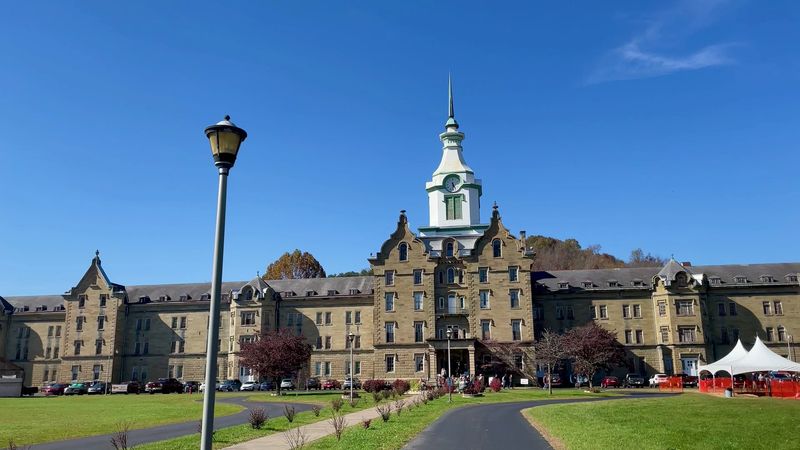
The Trans-Allegheny Lunatic Asylum is one of the largest hand-cut sandstone buildings in North America, and its sheer physical scale is the first thing that stops visitors in their tracks.
Construction began in 1858 and continued through the Civil War, during which the building briefly served as a military hospital for both Union and Confederate soldiers at different points.
Daytime history tours cover the building’s remarkable architecture, its original design based on the Kirkbride Plan for mental health treatment, and how care approaches evolved across more than a century of operation.
The asylum housed patients from 1864 until it closed in 1994, and the guided tour traces that entire arc with specificity and historical context.
Families with older children will find the architectural history and the evolving story of mental health treatment genuinely thought-provoking rather than simply sensational.
The building is listed on the National Register of Historic Places and remains one of West Virginia’s most distinctive structures.
12. Clay Center for the Arts and Sciences, Charleston, West Virginia
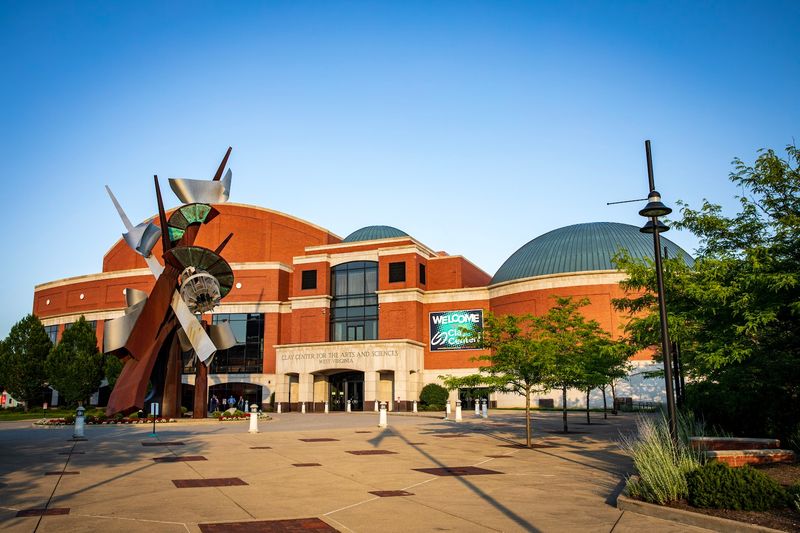
Charleston’s most versatile cultural venue manages to be a science center, art museum, planetarium, and performing arts facility all at once, and somehow pulls it off without feeling scattered.
The Avampato Discovery Museum component of the Clay Center features interactive science and technology exhibits specifically designed to keep children actively engaged rather than just reading labels on display cases.
The ElectricSky Theater runs planetarium and giant-screen film presentations that work equally well for curious six-year-olds and adults who last thought about astronomy in college.
The art museum side of the building holds a permanent collection focused on American art alongside rotating exhibitions that bring nationally recognized work to West Virginia.
The Clay Center’s performing arts theater hosts Broadway touring productions, symphony concerts, and family-friendly performances throughout the year.
Combining a science museum visit with a planetarium show and a walk through the art galleries makes for a genuinely full afternoon without ever leaving the building.
13. Oglebay Good Zoo, Wheeling, West Virginia

Tucked inside the 1,700-acre Oglebay Park, the Good Zoo punches well above its weight for a facility of its size, holding accreditation from the Association of Zoos and Aquariums.
The zoo is home to more than 50 species including red pandas, cheetahs, red wolves, kangaroos, and a popular barnyard area where younger children can interact directly with domestic animals.
Conservation education runs through almost every exhibit, with clear information about each species’ status in the wild and what the zoo does to support breeding and protection programs.
The surrounding Oglebay Park adds considerable value to any visit, offering formal gardens, a golf course, a glassblowing museum, and multiple playgrounds within walking distance of the zoo entrance.
During the winter holiday season, the park hosts an elaborate lights display that draws visitors from multiple states.
A full day at Oglebay, splitting time between the zoo and the park, is one of the better family day trips in northern West Virginia.
Share this story