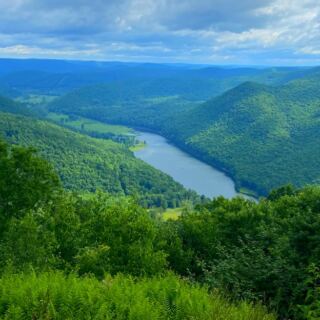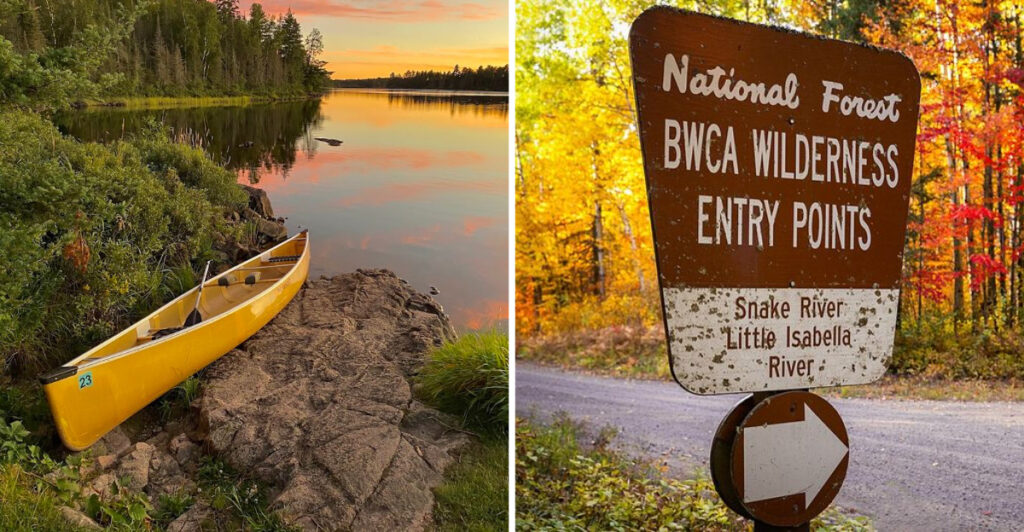
There is a place in northern Minnesota where you can paddle for days and never hear a car, a phone, or a crowd. The water is so clear you can see straight to the bottom, and the sky at night is packed with more stars than most people ever get to see in their lifetime.
More than 1,200 lakes and streams connect across more than a million acres of protected land, creating one of the most remarkable canoe routes in the entire country. Once you understand what makes this place so special, it is very hard not to start planning a trip.
What the Boundary Waters Actually Is
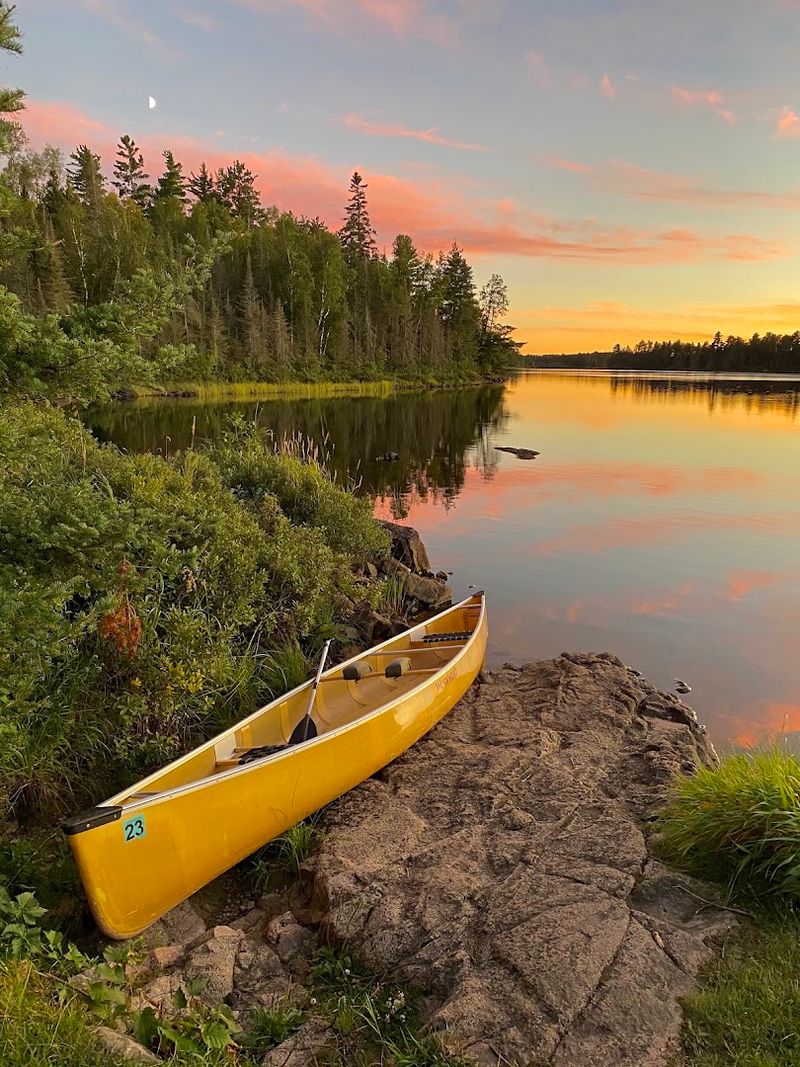
Most people have heard the name, but few outside the Midwest truly grasp the scale of what it represents. The Boundary Waters Canoe Area Wilderness, located in the Superior National Forest in northern Minnesota, is one of the most visited wilderness areas in the entire United States.
It stretches across more than one million acres along the Canadian border, encompassing over 1,200 lakes and streams that flow into each other through a web of portage trails. The area is federally designated as wilderness, which means no motorized vehicles, no roads, and no permanent structures inside most of the zone.
That level of protection is rare. It keeps the land wild in a way that feels genuinely different from a typical state park or campground.
Paddlers from across the country return here year after year specifically because nothing else quite compares to it.
The Art of Portaging Between Lakes
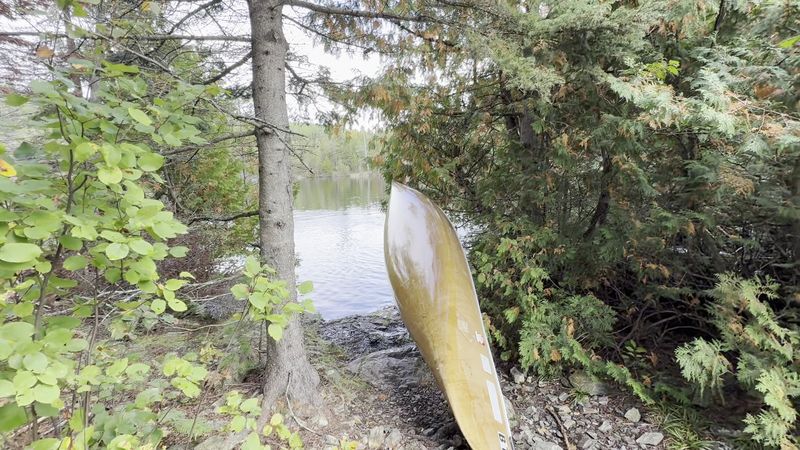
Portaging is the practice of carrying your canoe and gear overland from one body of water to the next, and in the Boundary Waters, it is simply part of the journey. Some portages are short and easy, measured in just a few rods, while others stretch much longer and require real physical effort.
The reward for that effort is access to lakes that fewer people ever reach. The farther you portage, the quieter and more remote your experience tends to be.
Many paddlers say the toughest carries lead to the most memorable campsites.
Portage distances in the BWCA are traditionally measured in rods, an old unit equal to about 16.5 feet. A portage of 40 rods is manageable for most beginners, while anything over 200 rods starts to test even experienced paddlers.
It is part challenge, part adventure, and completely worth it.
Fishing in Some of Minnesota’s Cleanest Water
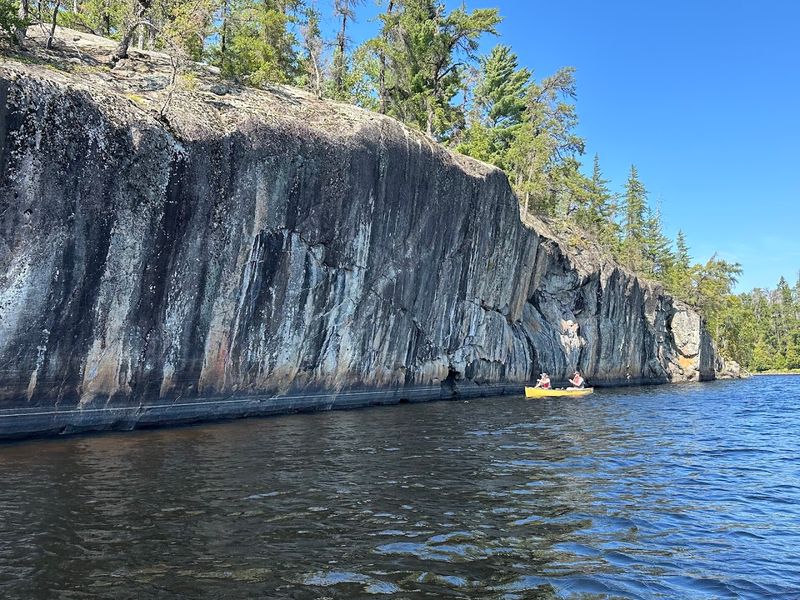
The fishing in the Boundary Waters is the kind that gets talked about for years. Walleye, northern pike, smallmouth bass, and lake trout are all found throughout the system, and the water quality here is exceptional.
No motorboat traffic churning up the bottom means the lakes stay remarkably clear.
Catching walleye and cooking it fresh over a campfire that same evening is one of those experiences that sticks with you long after the trip ends. The flavor is noticeably different when the fish goes from the water to the pan in under an hour.
A Minnesota fishing license is required, and certain lakes have specific regulations, so checking the rules before your trip is a smart move. Many entry-level paddlers are surprised to discover that even without elaborate gear, the fishing here can be genuinely productive from the very first day on the water.
Wildlife That Shows Up When You Least Expect It
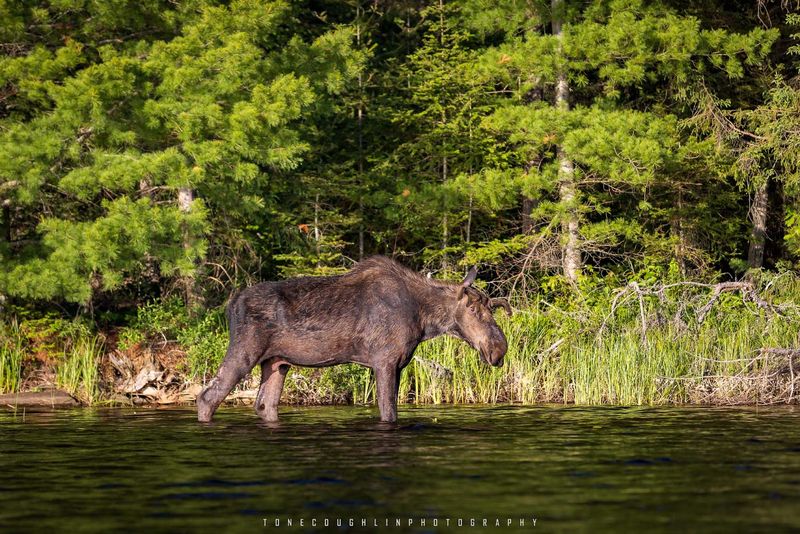
One of the quiet thrills of paddling the Boundary Waters is never quite knowing what you might see around the next bend. Moose are spotted regularly, often wading in shallow bays early in the morning.
Bald eagles are common overhead, and loons call out across the water at dusk in a sound that feels completely tied to the north woods.
Wolf sightings do happen, though they are genuinely rare. People who encounter a wolf in the BWCA tend to describe it as one of the most unexpected moments of their entire trip.
Black bears also move through the area, which is why proper food storage is not optional here.
The wildlife feels wild because it is. There are no feeding stations or viewing platforms.
Animals appear on their own schedule, and that unpredictability makes every sighting feel like something truly earned rather than arranged.
Camping Under Some of the Darkest Skies in the Midwest
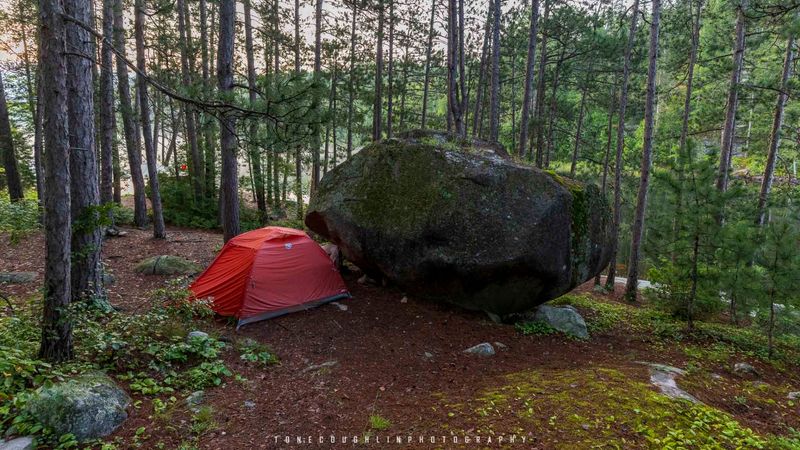
Light pollution is nearly nonexistent deep inside the Boundary Waters. On a clear night, the Milky Way stretches fully across the sky in a way that is genuinely hard to describe to someone who has only ever seen a few dozen stars at once.
The darkness here is the kind that takes a moment to adjust to.
Northern lights sightings are also possible, particularly in late summer and fall when solar activity picks up. Seeing the aurora from a canoe in the middle of a quiet lake is the sort of thing that ends up being the main story people tell when they get back home.
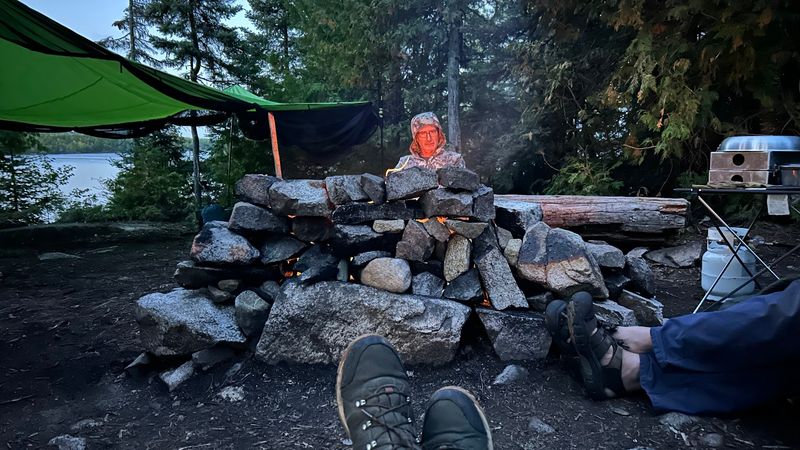
Campsites throughout the BWCA are equipped with fire rings and open-air pit latrines, keeping things simple but functional. The absence of electricity is not a drawback here.
Most paddlers say the lack of screens and signals is exactly the point of coming in the first place.
How the Permit System Works
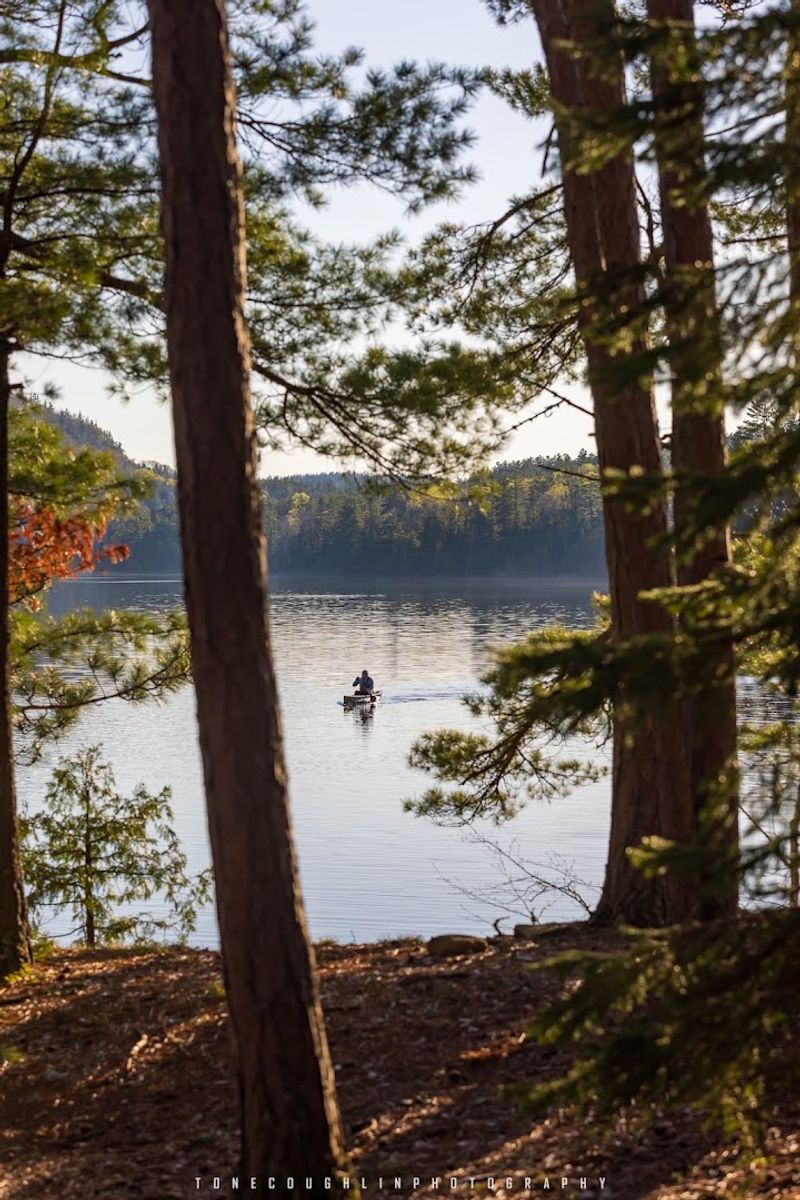
Getting into the Boundary Waters requires a permit, and understanding how the system works before you go saves a lot of frustration. The BWCA uses a quota system to limit the number of groups entering through each entry point on any given day.
This is what keeps the wilderness feeling like actual wilderness rather than a crowded campground.
Permits for the most popular entry points during peak summer weekends can fill up months in advance. Reservations open in the winter for the following summer season, so planning early is genuinely important if you have a specific route in mind.
Self-issued permits are available for some entry points and certain times of year, which gives more flexibility to spontaneous travelers. The permit system is managed through the U.S.
Forest Service, and the reservation process can be completed online. A small fee applies, and a valid Minnesota fishing license is needed separately if you plan to fish.
The Leave No Trace Culture That Defines This Place
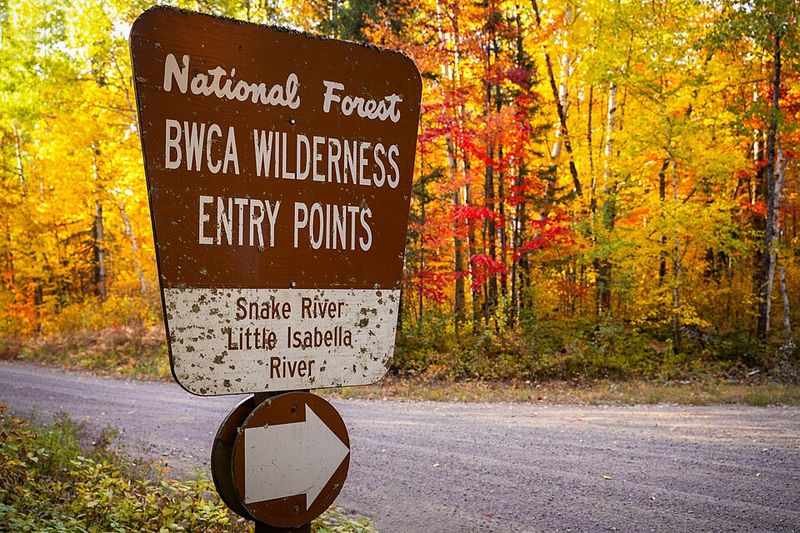
The Leave No Trace ethic is taken seriously in the Boundary Waters in a way that genuinely shapes the culture of the place. Glass and cans are prohibited inside the BWCA entirely.
Everything you carry in, you carry out, including all food waste, packaging, and gear.
That commitment to minimal impact is a big reason why the water stays so clean and the campsites remain usable year after year. Visitors who pack out not just their own trash but occasionally the litter left by others are a common sight, and that kind of community care is part of what makes the BWCA feel different from other recreation areas.
Campfire practices are also regulated. Fires are only permitted in designated fire rings, and during dry conditions, fire bans can go into effect quickly.
Bringing a camp stove as a backup is always a smart call, especially for trips planned during late summer.
Planning Your Route Before You Launch
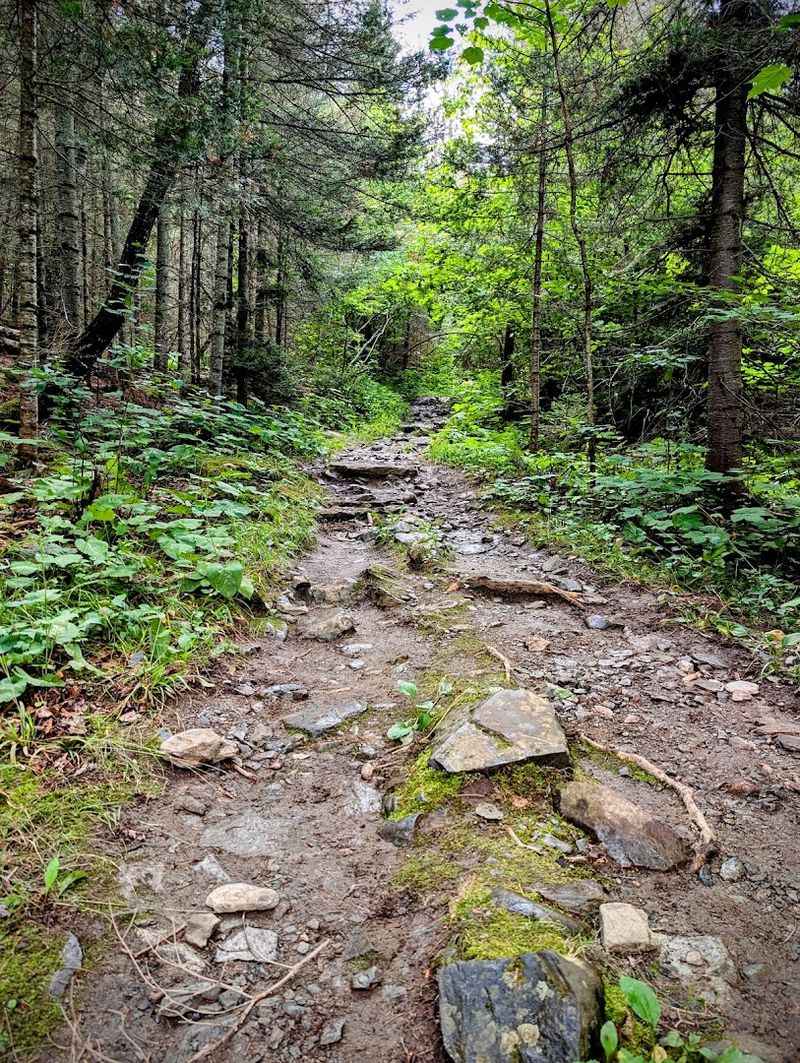
Route planning is genuinely one of the most enjoyable parts of a BWCA trip, and it also happens to be one of the most important. The system of lakes and portages is complex enough that going in without a solid map and a basic plan can turn a fun adventure into a stressful one quickly.
McKenzie Maps and Fisher Maps are two commonly used resources among BWCA paddlers. These waterproof maps show portage distances, campsite locations, and lake depths, making them practical tools rather than just general guides.
Most experienced paddlers recommend planning no more than two or three portages per day, especially for first-timers carrying full camping gear. Building in a layover day at a campsite you enjoy gives the trip breathing room and allows for fishing, swimming, or simply watching the lake without any schedule at all.
That unhurried pace is part of what keeps people coming back.
The Town of Ely as Your Gateway Into the Wild
Most paddlers heading into the Boundary Waters pass through the small town of Ely, Minnesota, which sits just outside the wilderness boundary and has built its entire identity around canoe country. Outfitters here can set you up with everything from rental canoes and paddles to fully guided multi-day trips with all gear provided.
For first-time visitors, renting from an Ely outfitter rather than hauling your own gear from home is often the more practical choice. Many outfitters also offer canoe-in meal planning services, which simplifies the logistics of multi-day trips considerably.
The town itself has a character that feels genuinely connected to the wilderness nearby. Coffee shops, gear stores, and local restaurants line the main street, giving paddlers a comfortable place to resupply or decompress after days in the backcountry.
Spending a night in Ely before or after a trip has become a tradition for many BWCA regulars over the years.
What to Expect From the Weather
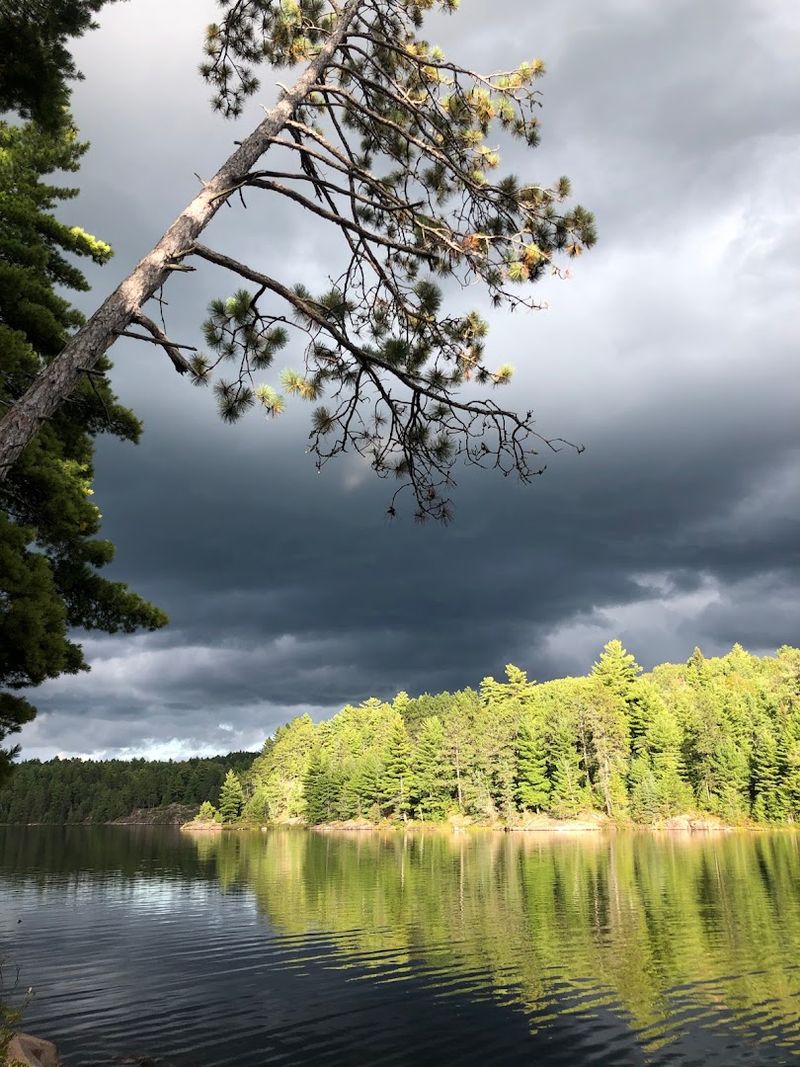
Weather in the Boundary Waters can change fast, and paddlers who underestimate northern Minnesota conditions tend to have a harder time than those who come prepared. Summer temperatures are generally pleasant, but afternoon thunderstorms roll through with very little warning during July and August.
Wind is the other major factor on open water. Large lakes in the BWCA can build serious wave action during windy conditions, making paddling both difficult and potentially unsafe.
Experienced paddlers learn to read the sky and plan crossings of big water early in the morning before wind picks up.
Fall trips, particularly in September and early October, offer stunning foliage and dramatically fewer crowds. Bug pressure also drops significantly compared to peak summer.
Cold nights are common in fall, so layering properly becomes more important. Many seasoned BWCA visitors consider September their favorite month to be out on the water.
The History and Federal Protection Behind the Wilderness
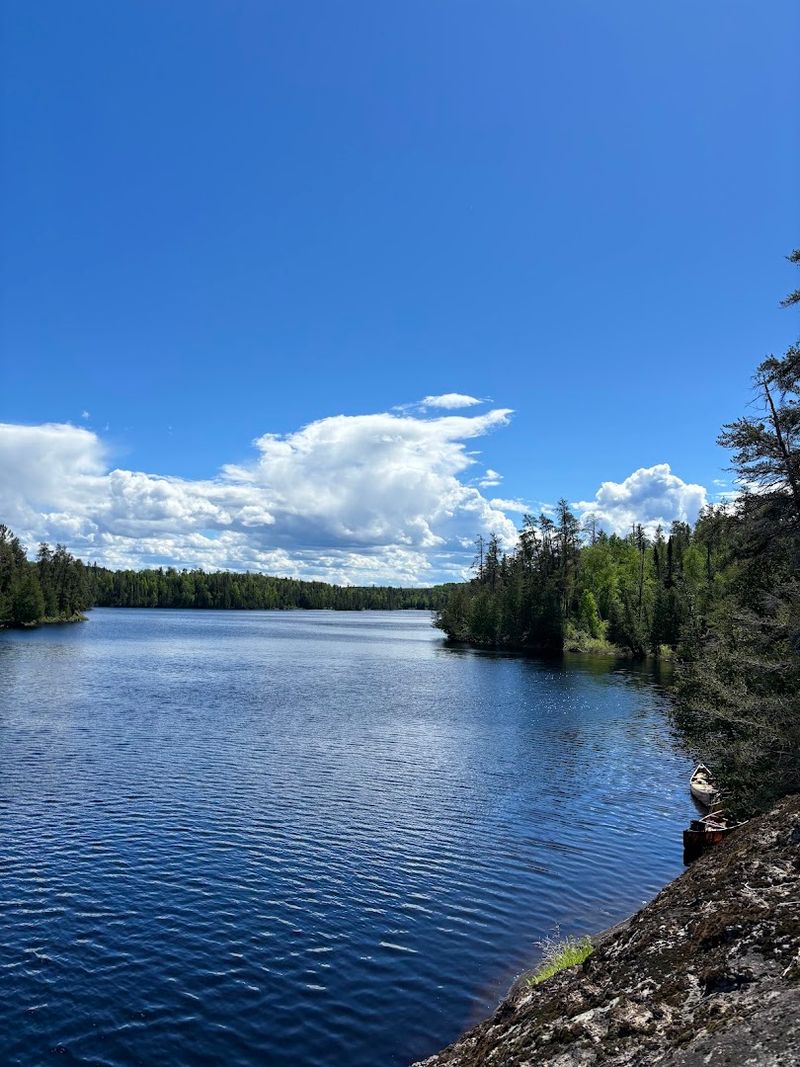
The Boundary Waters did not become a protected wilderness area overnight. The land has been paddled and lived on for thousands of years, with Indigenous peoples including the Ojibwe using these waterways long before European explorers arrived.
The voyageurs, French-Canadian fur traders, later traveled these same routes as part of the continental fur trade network.
Federal protection for the area grew over the twentieth century, with the Wilderness Act of 1964 playing a key role in shaping modern management. The BWCA as it exists today was formally established through the Boundary Waters Canoe Area Wilderness Act of 1978, which set the rules around motorized use and commercial activity that still govern the area.
That legal protection has been tested multiple times by mining and development interests over the decades. Conservation groups and local advocates have worked consistently to maintain the wilderness designation, and the debate over land use in the region continues to be an active one.
Why People Keep Coming Back Year After Year
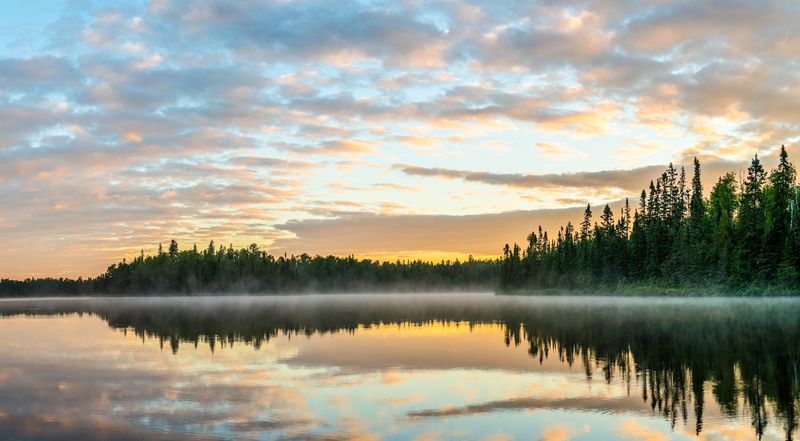
There is something about the Boundary Waters that gets into people in a way that is hard to explain to someone who has never been. Families make it an annual tradition.
Pairs of friends plan the same route every few years just to see how it feels different each time. Solo paddlers come to think and reset in a place where no one can reach them.
The combination of physical challenge, natural beauty, and genuine disconnection from everyday life creates an experience that feels rare. Most destinations offer scenery.
The BWCA offers solitude, effort, and the specific satisfaction of having earned your campsite by paddling and carrying your way to it.
People who grew up coming here with parents bring their own kids back decades later. That multi-generational pull says more about the place than any single trip report could.
The Boundary Waters is the kind of wilderness that stays with you long after you drive home.
Share this story