There is a modest two-story house on a quiet street in northern Minnesota where one of the most influential musicians in American history grew up, practiced his first chords, and began shaping the voice that would eventually change popular music forever. Most people drive past it without a second glance, but for those who know what happened inside those walls, stopping feels almost mandatory.
Bob Dylan lived in this Hibbing home from 1948 to 1959, during the years that formed his identity, his curiosity, and his restless creative spirit. What makes this place genuinely remarkable is not just the connection to a Nobel Prize-winning songwriter, but the extraordinary effort one man has made to preserve it exactly as it was.
A House That Shaped a Legend
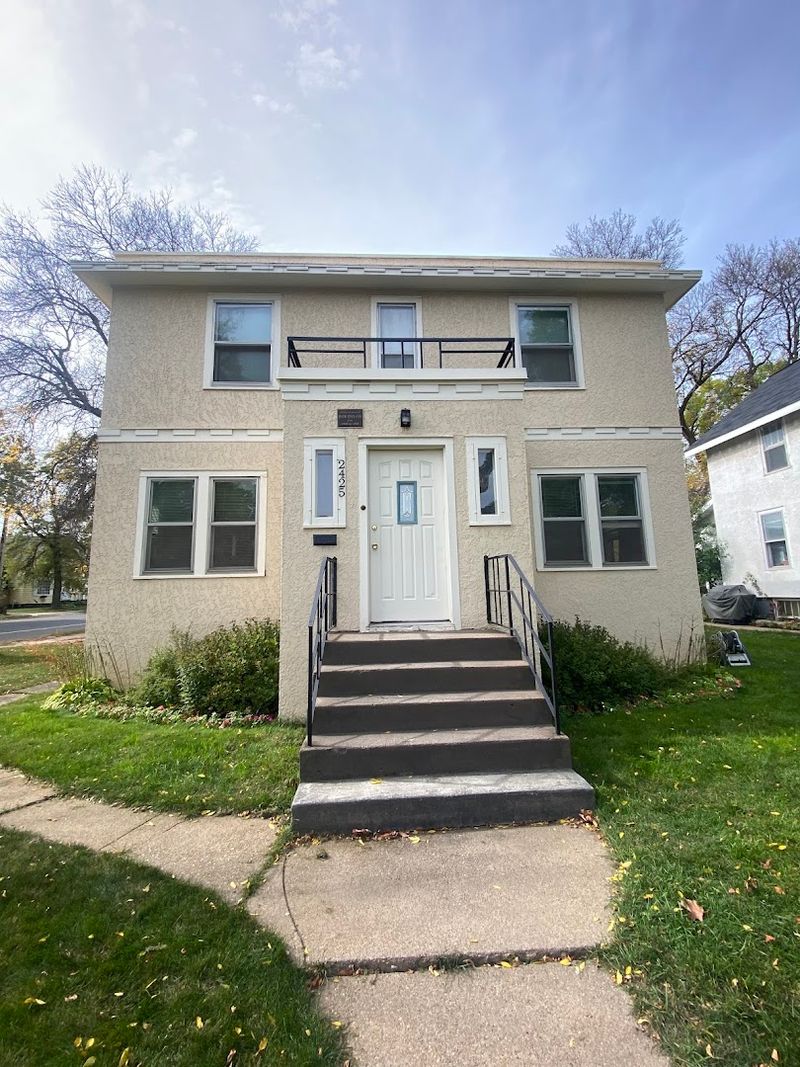
Most landmarks tied to music legends are polished museums with velvet ropes and gift shops. This one is different in every possible way.
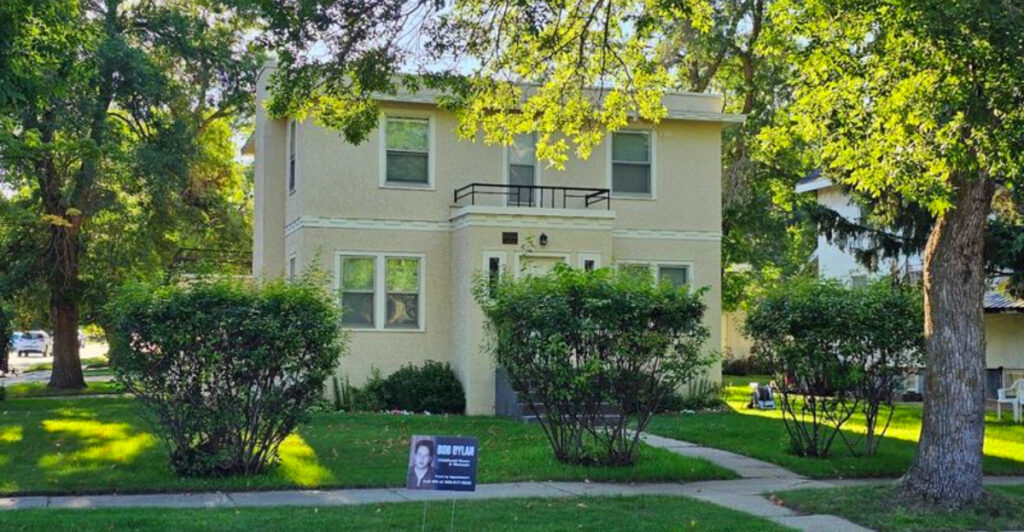
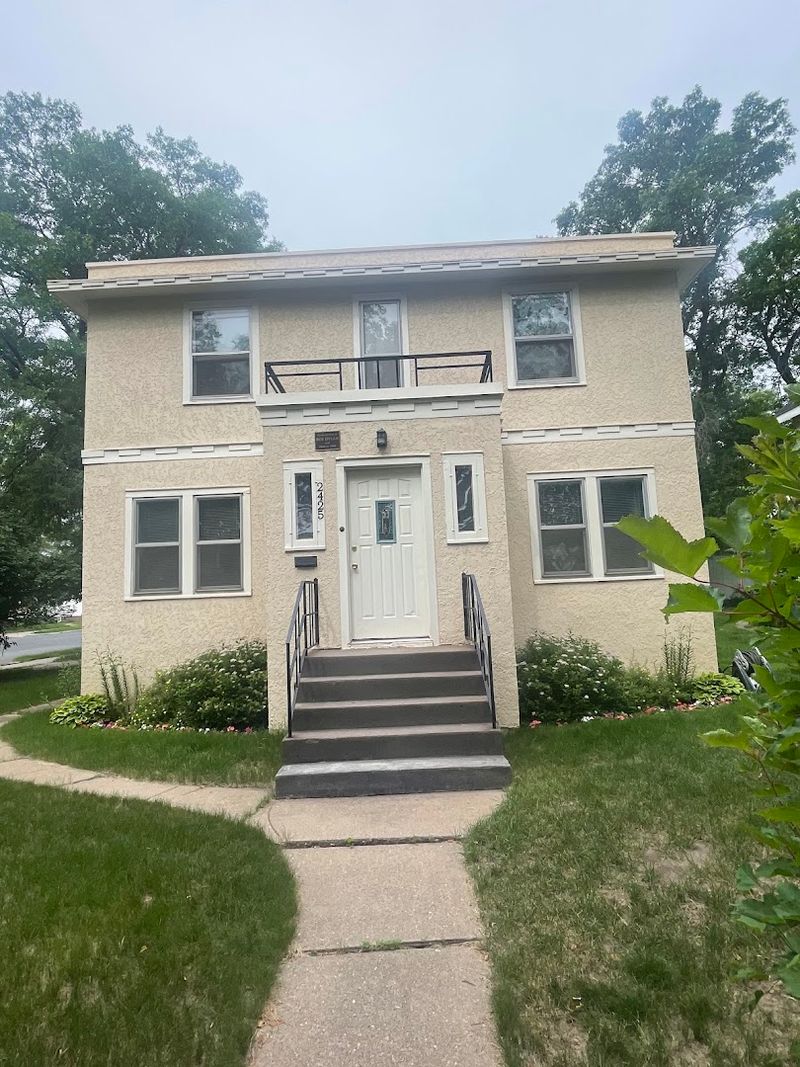
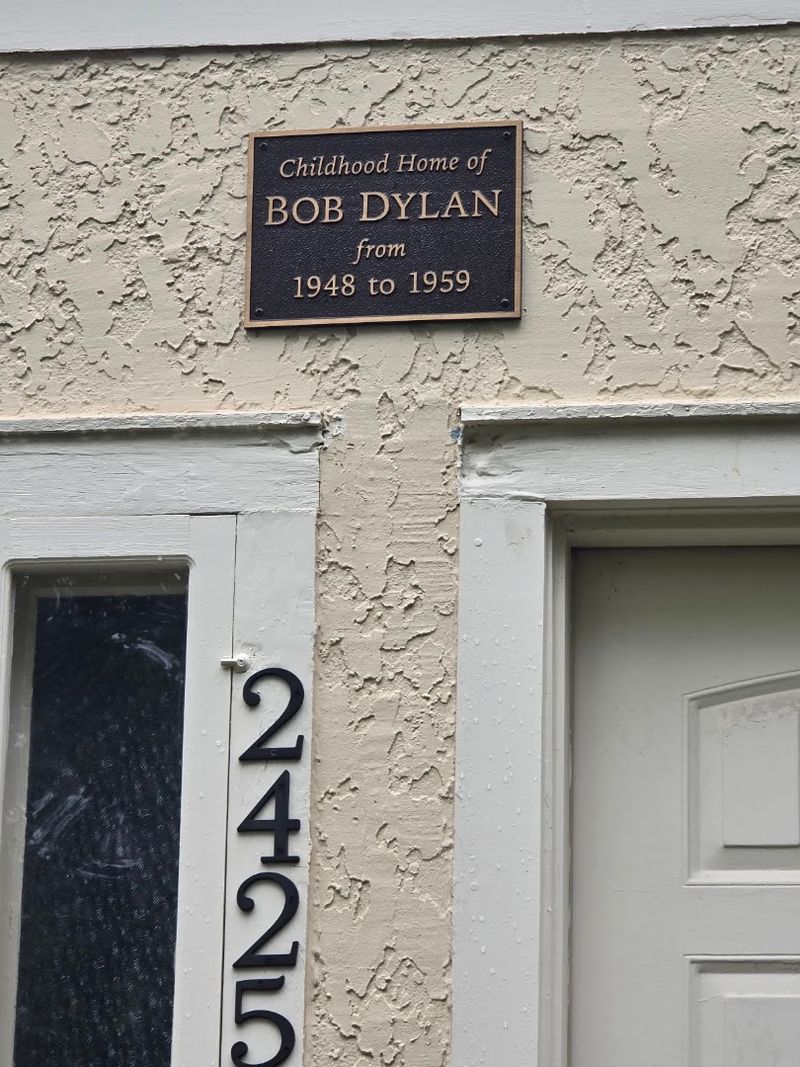
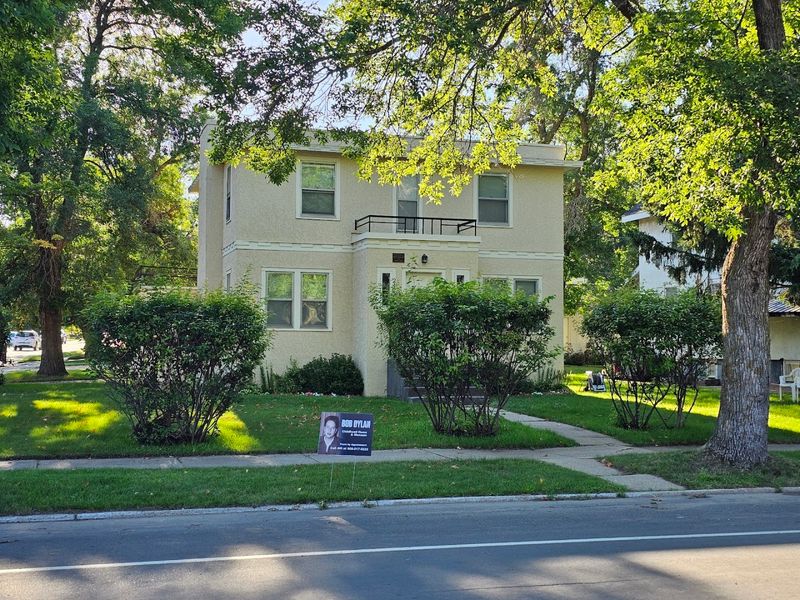
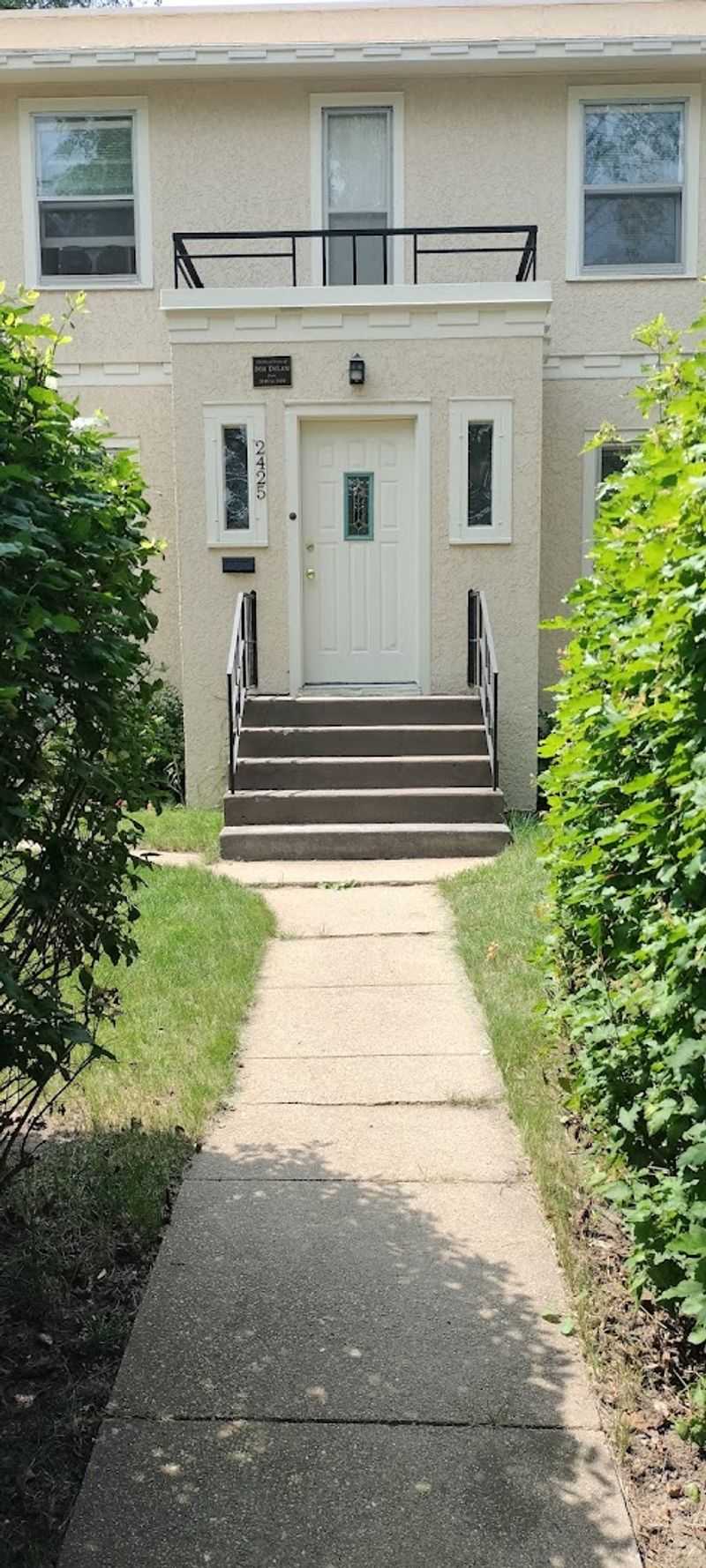
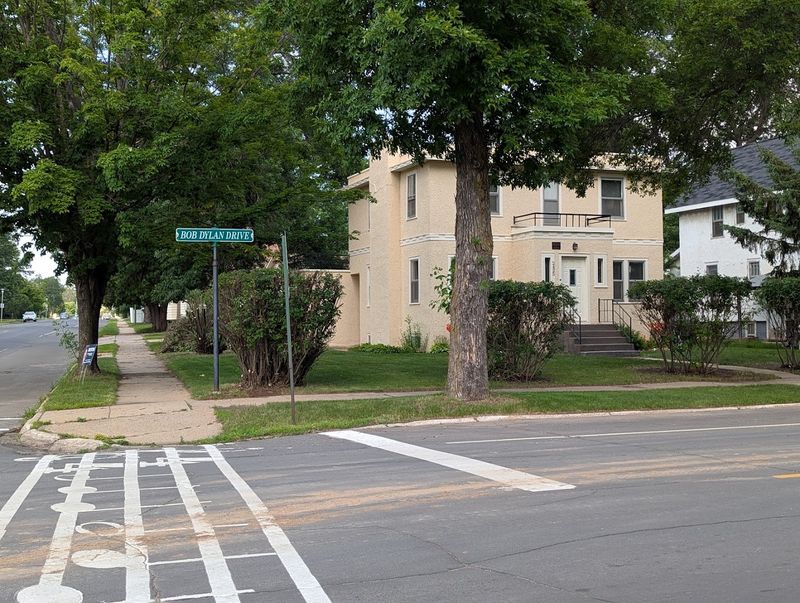
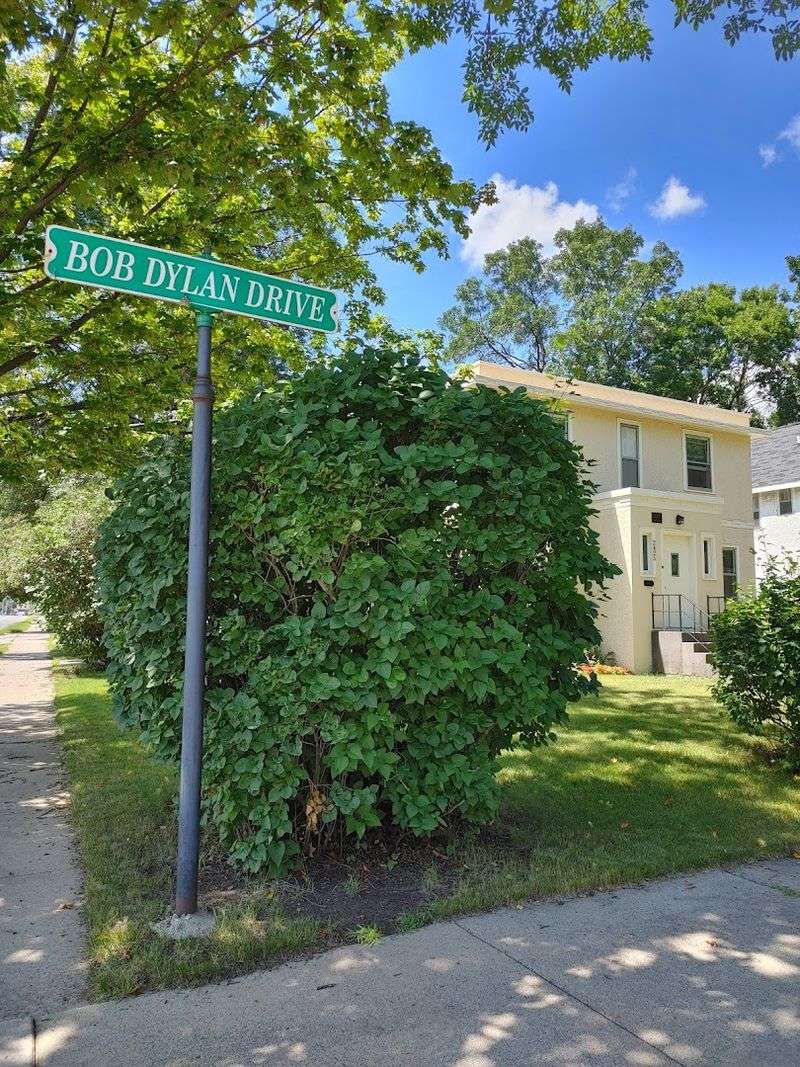
Bob Dylan’s childhood home at 2425 7th Ave E, Hibbing, Minnesota, 55746, sits quietly on a residential block, looking much like any other house on the street.
Dylan and his family moved here in 1948 when he was around seven years old, and he lived under this roof until he left for college in 1959. Those eleven years were formative in every sense of the word.
He absorbed music, developed his first creative instincts, and began figuring out who he wanted to become.
The house is not a flashy attraction. It is a real, lived-in piece of American history that rewards the curious traveler willing to seek it out.
Who Is Bill Pagel and Why Does He Matter
Behind every great preservation story, there is usually one person who cared enough to make it happen. At this home, that person is Bill Pagel, the owner and self-described curator of the property.
Pagel is widely regarded as one of the most dedicated Bob Dylan collectors and historians in the world. He purchased the home with a clear mission: restore it as accurately as possible to reflect the period when the Dylan family actually lived there.
His personal knowledge of Dylan’s life, combined with years of collecting rare artifacts and memorabilia, makes him uniquely qualified for the task.
Visitors who have spent time with him consistently describe the experience as something far beyond a standard tour. His stories are specific, his passion is obvious, and his connection to the subject runs genuinely deep.
The house without Bill would be just a house.
How the Tour Actually Works
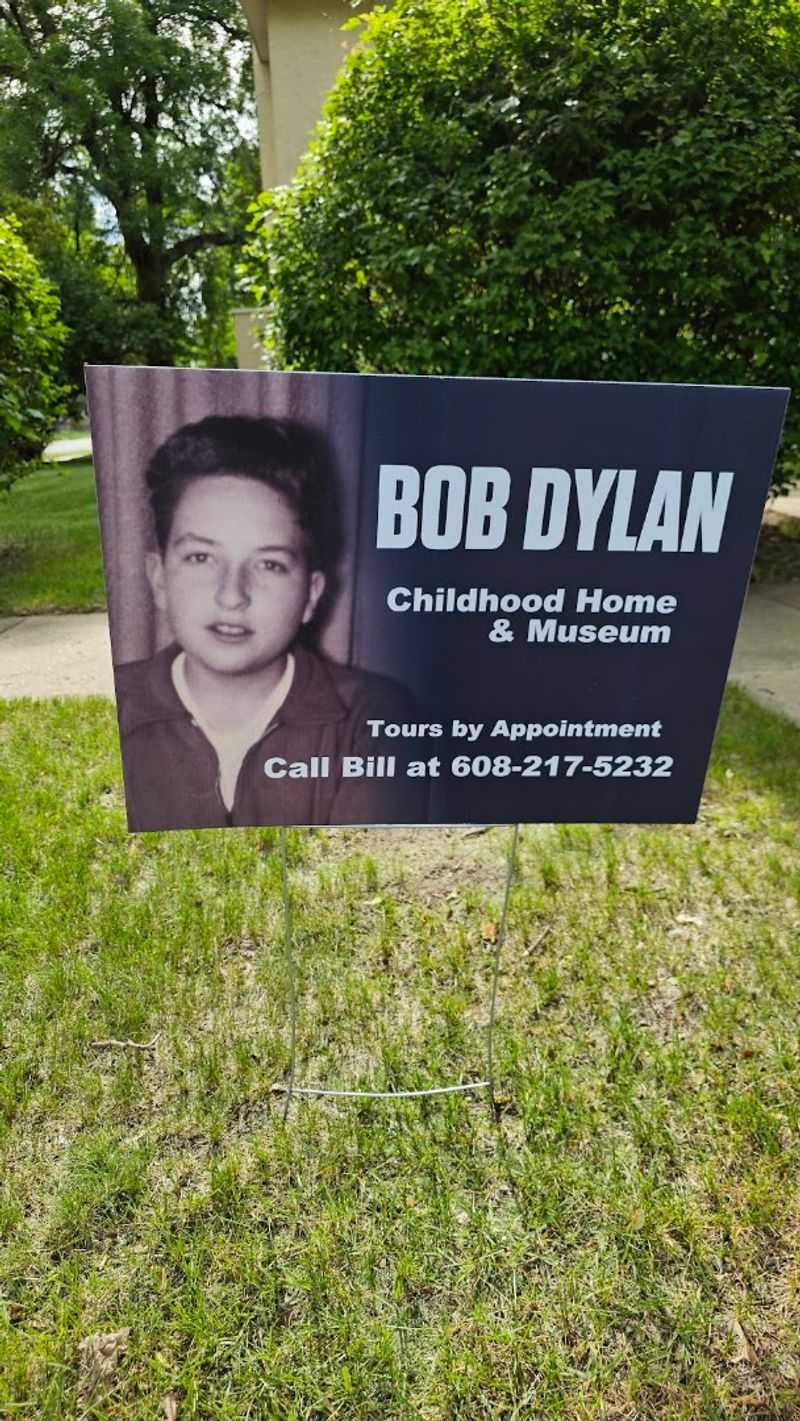
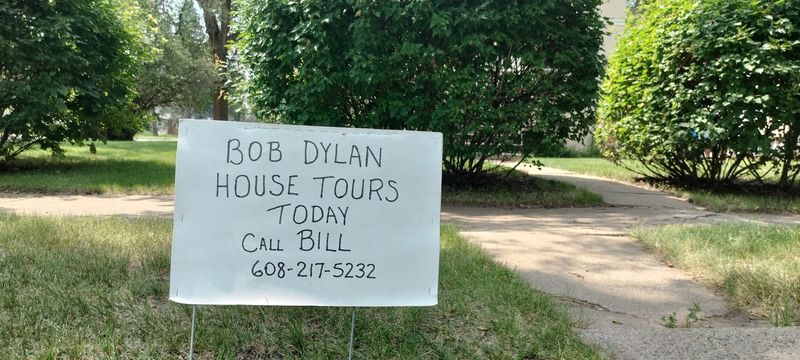
Visiting this home requires a little more effort than pulling into a parking lot and buying a ticket. On days when tours are available, a sign appears in the front yard with a phone number.
You call, you make arrangements, and if timing works out, you get a personal walkthrough.
The entire experience is built on a donation model. There is no fixed admission price, which keeps things accessible while allowing visitors to contribute toward the ongoing restoration work.
Some visitors have reported arranging a tour within an hour of calling.
It is worth noting that tours are not available every day, so planning ahead matters. A quick call before making the drive to Hibbing is strongly recommended.
The effort involved actually adds something to the visit. By the time you step through the front door, you already feel like you earned it.
What the Living Room Feels Like
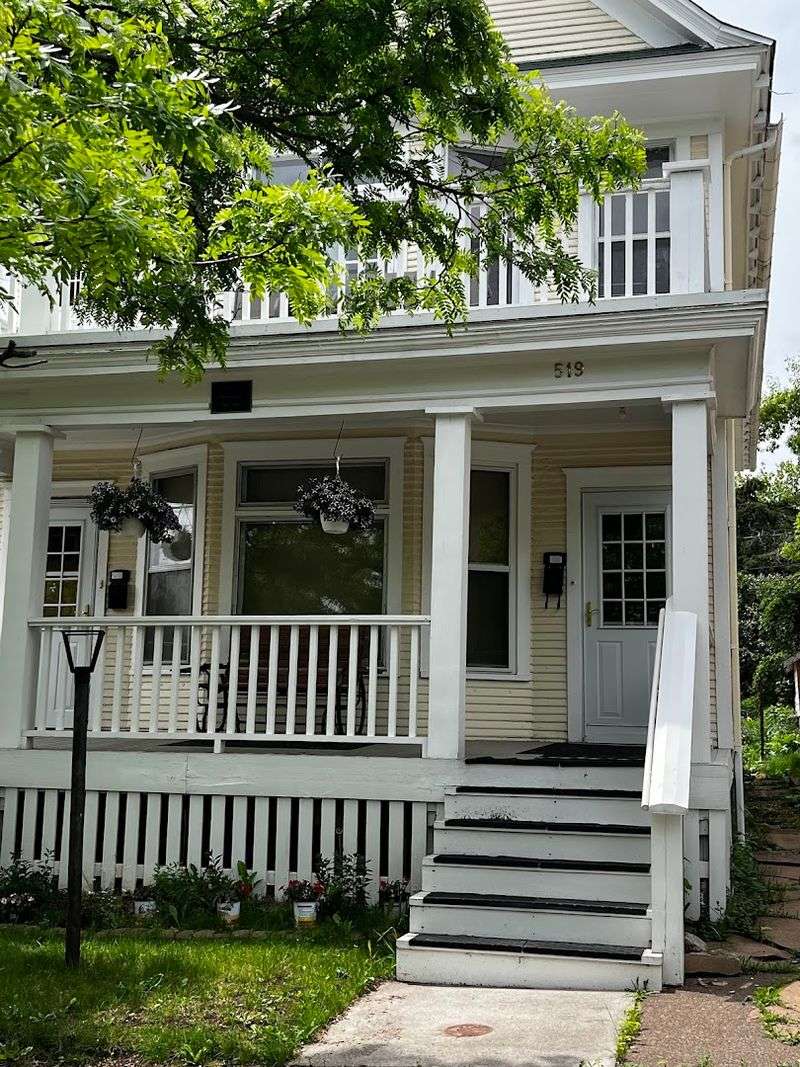
Walking into the living room is one of those moments that takes a second to fully register. The furniture, the layout, and the objects in the space are all chosen to reflect what the room would have looked like during the years Dylan’s family lived here.
A vintage television set sits in the room, the kind of heavy, boxy set that defined mid-century American homes. Small details throughout the space reinforce the sense that time has been carefully folded back to a specific era.
Visitors have described feeling genuinely transported rather than simply informed.
Bill has worked to ensure the room communicates something emotional, not just historical. You are not looking at a recreated display.
You are standing in the actual space where a young boy sat, listened to the radio, and began absorbing the sounds that would later reshape American music.
The Basement and Its Surprises
Several visitors have specifically mentioned the basement as a highlight of the tour, and it is easy to understand why. Basements in mid-century American homes often served as the creative and social spaces for teenagers, and this one carries that energy.
Bill has used the lower level to display additional artifacts and memorabilia connected to Dylan’s early years. The collection includes items that have rarely, if ever, been seen publicly, making the basement feel like a genuine discovery rather than a standard exhibit.
There is something about being underground, surrounded by objects from another era, that shifts the atmosphere entirely. The basement does not feel like a museum basement.
It feels like a space where something actually happened, where a young musician worked things out in private before the world ever heard his name. That feeling is hard to manufacture and harder to forget.
The Artifacts You Would Not Expect to See
One of the genuine surprises of this tour is the quality and rarity of what Bill has assembled. These are not reproduction prints or generic era props.
The collection includes items with direct connections to Dylan’s actual life and career, some of which have never been displayed in any public institution.
Bill’s decades of collecting have given him access to materials that most museums could not acquire. His personal relationship with Dylan’s history, and in some cases with people who knew Dylan personally, has shaped a collection that feels authentic in a way that commercial exhibits rarely achieve.
A visitor whose father-in-law played drums with Dylan in his first high school band, the Shadow Blasters, made the trip specifically because of that personal connection. The artifacts inside this house have that kind of gravitational pull for people whose lives have intersected, even at a distance, with Dylan’s story.
The No-Photography Policy Inside
Most visitors arrive expecting to photograph everything, so learning that cameras and phones are not permitted inside the house can initially feel like a disappointment. More than one person has admitted that reaction before quickly changing their mind.
Without a screen between you and the experience, something shifts. You actually look at things.
You pay attention to details you would otherwise scroll past later. The no-photography rule forces a kind of presence that is increasingly rare in travel.
Bill’s reasoning reflects his broader approach to the property. This is not a content opportunity.
It is a place of genuine historical significance, and he treats it accordingly. Several visitors have described the policy as one of the things that made the visit feel more special rather than less.
You carry the memory in your head rather than your camera roll, which turns out to be a surprisingly satisfying way to experience something meaningful.
Hibbing High School Just Down the Road
A few blocks from the house sits Hibbing High School, where Dylan spent his teenage years and formed his first band. The school itself is a remarkable building, far grander than you would expect for a town of Hibbing’s size, and it carries its own layer of history worth exploring.
The high school has a sign commemorating Dylan’s Nobel Prize in Literature, which he received in 2016. It is one of the few public acknowledgments in Hibbing that connects the town to one of its most famous former residents.
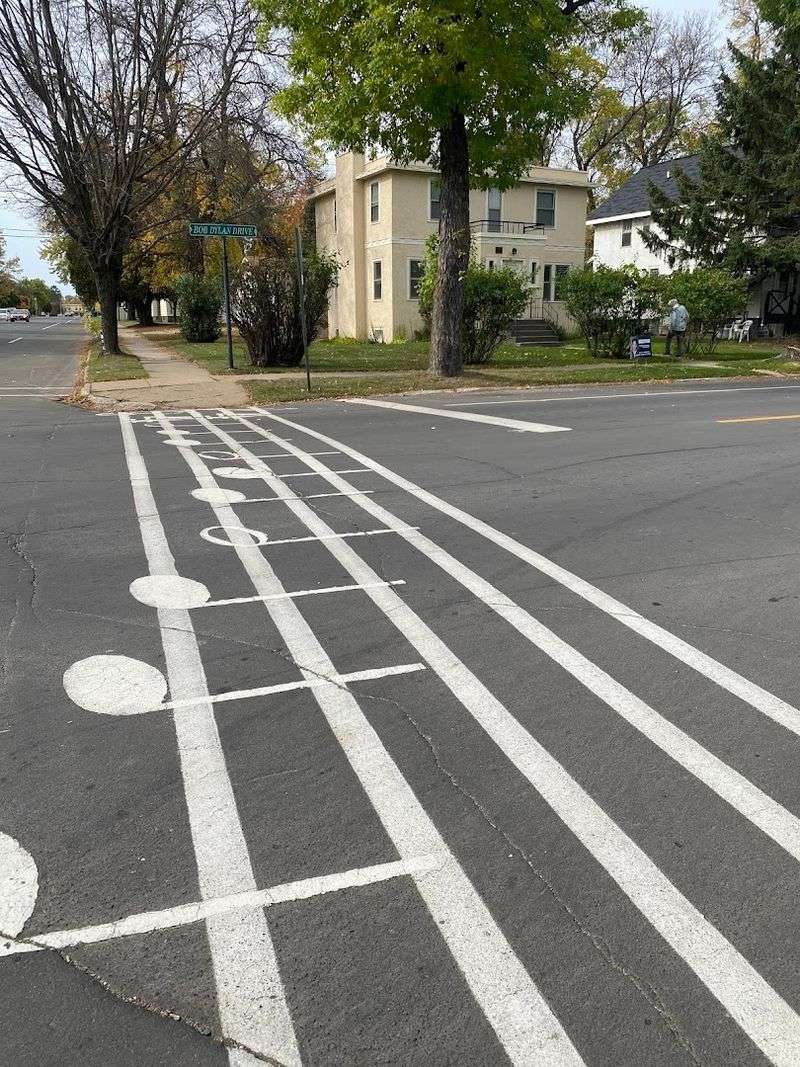
The intersection near the home reportedly features a painted tribute to one of Dylan’s most enduring songs.
Combining a visit to the childhood home with a walk past the high school creates a more complete picture of Dylan’s early years. You begin to understand the geography of his adolescence, the blocks he walked, the spaces he moved through before everything changed.
Dylan’s Years in Hibbing, 1948 to 1959
Robert Allen Zimmerman, who would later rename himself Bob Dylan, moved to Hibbing with his family as a young child and spent the bulk of his formative years in this northern Minnesota town. The years between 1948 and 1959 were the years that shaped him.
Hibbing is an Iron Range town with a working-class identity, and that background left a clear mark on Dylan’s artistic sensibility. He grew up surrounded by the rhythms of a community built around industry, immigration, and perseverance, all themes that would eventually surface in his songwriting.
He began playing music as a teenager, forming bands and performing locally before leaving Minnesota for the University of Minnesota in Minneapolis. The house on 7th Avenue was the constant in those years, the place he returned to, the space where the earliest version of Bob Dylan took shape in private before the world took notice.
What the Exterior Tells You Before You Go Inside
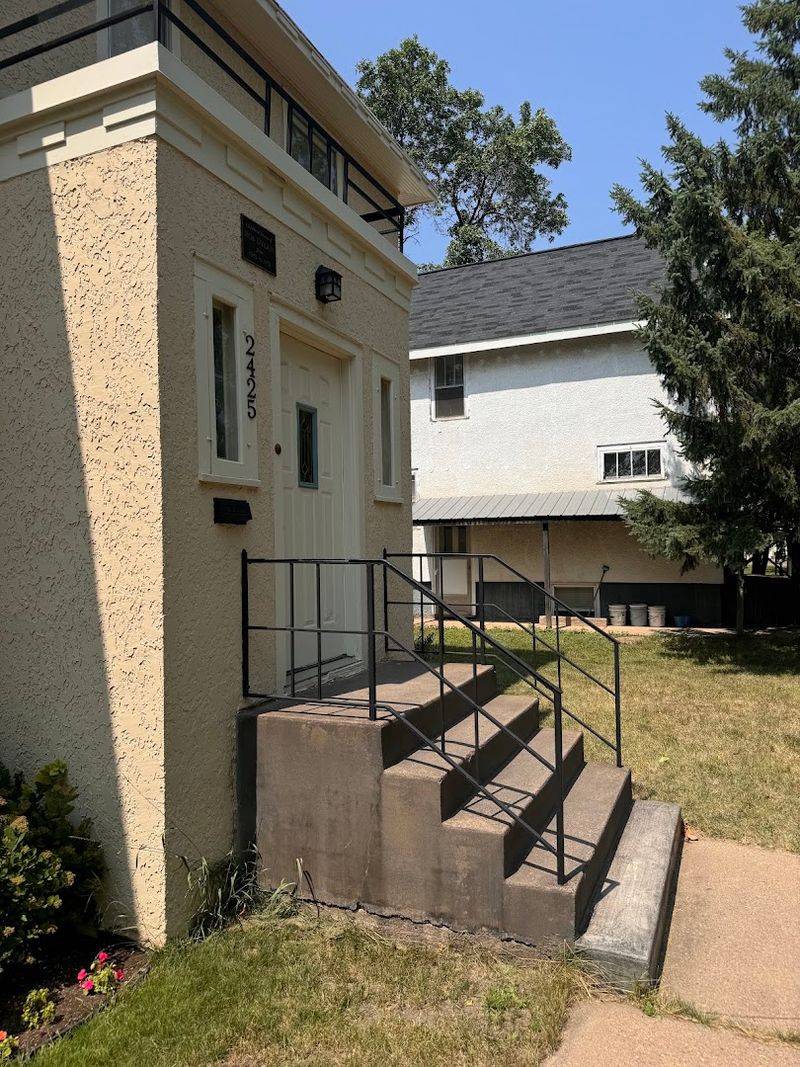
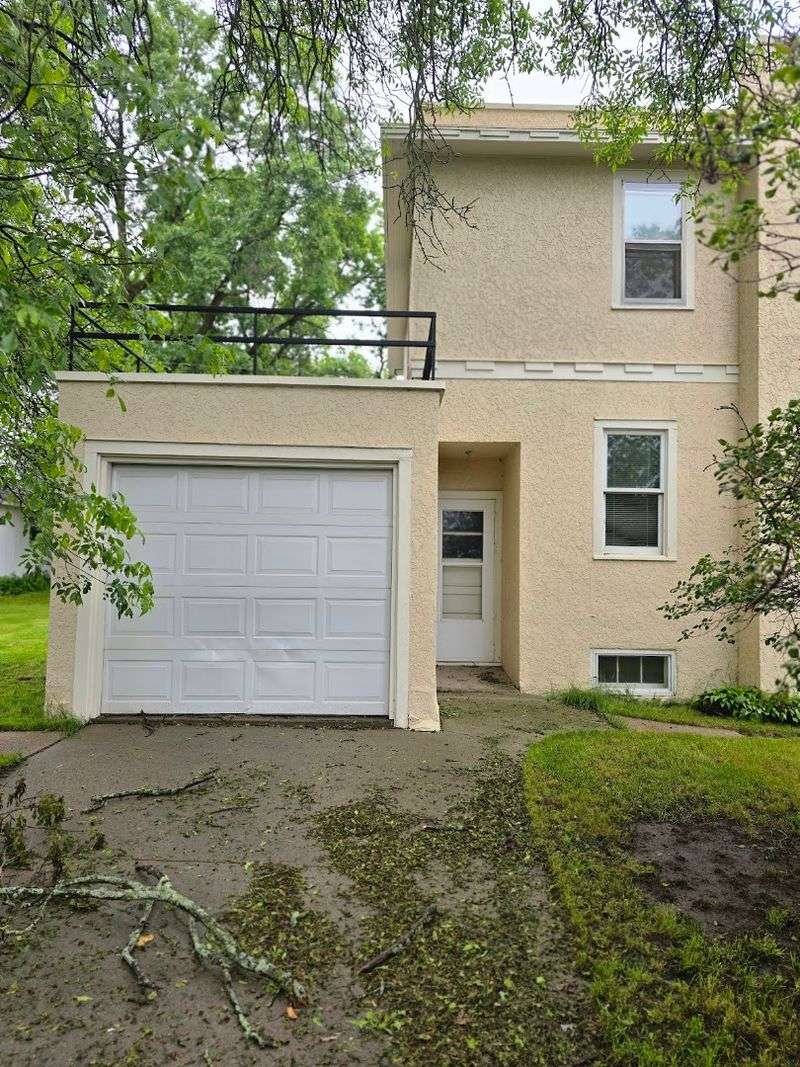
Even before you make the call and arrange a tour, standing in front of the house delivers something. The building is unpretentious and residential, the kind of home that blends into its neighborhood without demanding attention.
That ordinariness is part of what makes it striking.
There is no grand monument, no bronze statue, no oversized historical marker. A small sign in the yard is often the only indication that this address carries any particular significance.
For visitors who arrive knowing the full weight of what happened here, that modesty feels almost poetic.
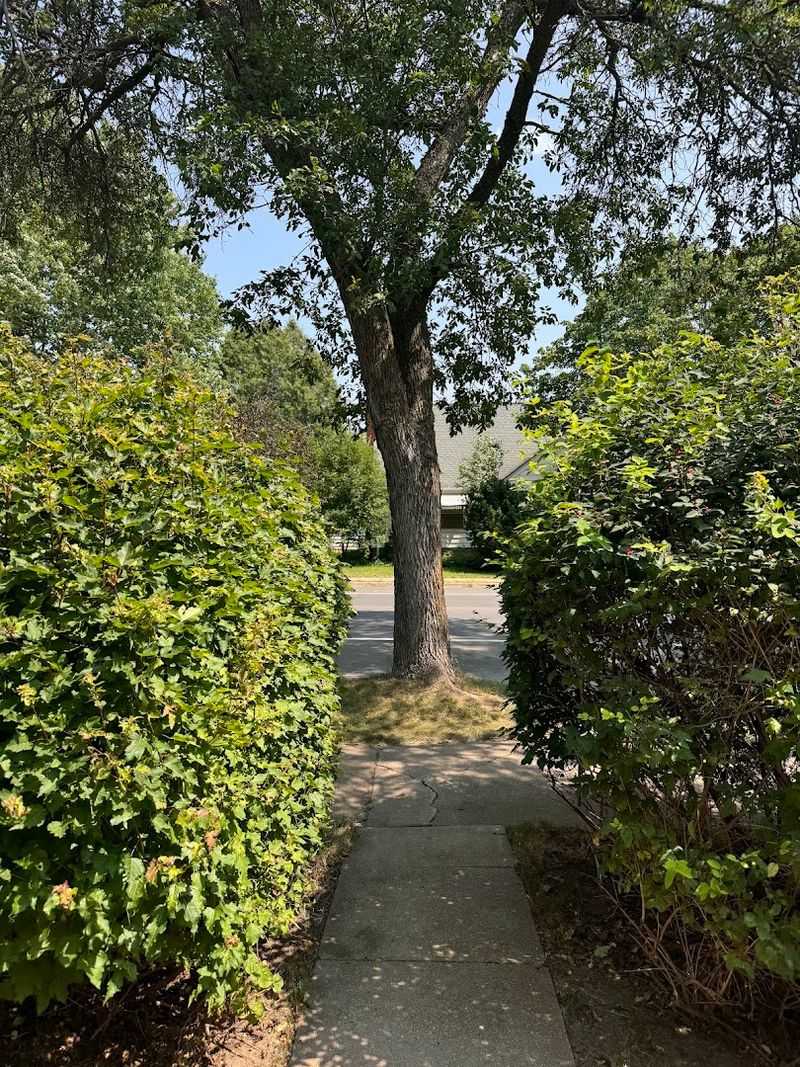
The surrounding neighborhood is quiet and residential, with mature trees and the kind of unhurried atmosphere that characterizes small-town Minnesota. You can walk around the exterior, take photographs outside, and spend a few minutes just absorbing the setting before the tour begins.
Sometimes the outside of a place tells you everything about what is waiting within.
A Labor of Love That Keeps Going
Restoring a private home to a specific historical period is not a weekend project. Bill Pagel has committed an enormous amount of time, money, and personal energy to making this property as historically accurate as possible, and the work is ongoing.
The donation model that funds tours goes directly toward continued restoration efforts. Every visitor who contributes is essentially helping preserve a piece of American cultural history that no government agency or major institution has stepped in to protect.
There is something quietly powerful about that arrangement.
Visitors who have returned after an earlier trip report visible changes and improvements each time. The house is not a finished product.
It is an active project driven by one person’s belief that this place deserves to be treated with care and seriousness. That ongoing commitment gives the home a living quality that most static historical sites cannot replicate.
The Shadow Blasters and Dylan’s First Band
Before Bob Dylan became Bob Dylan, he was a teenage musician in Hibbing trying to figure out rock and roll. His first band, the Shadow Blasters, was one of several groups he played with during his high school years, and the story of those early performances is part of what makes this house feel alive.
One visitor who toured the home mentioned that her father-in-law had been Dylan’s first drummer in the Shadow Blasters. That kind of personal connection to history, just one degree of separation from someone who sat in a room with a teenage Dylan, gives you a sense of how recent and real this story actually is.
The artifacts and stories Bill shares during the tour include details about those early musical experiments. Hearing about a teenage boy practicing in a small Minnesota town makes the later legend feel more human and more earned.
Why Dylan Fans Make the Pilgrimage
People travel from across the country and beyond to stand in front of this house, and the reasons vary more than you might expect. Some are lifelong Dylan devotees who have followed his music for decades.
Others are newer fans drawn in by films, documentaries, or recent cultural moments.
The 2024 biographical film about Dylan’s early life brought a fresh wave of visitors to Hibbing, with several people mentioning they came directly after watching it. That kind of renewed interest in an artist’s origins says something meaningful about how Dylan’s story continues to resonate across generations.
What every visitor seems to share is the desire to connect with something real. In an era of digital everything, standing in the actual space where a person grew up and became who they were carries a weight that no streaming service can replicate.
Hibbing delivers that weight quietly and without ceremony.
Practical Tips Before You Make the Drive

Getting the most out of a visit to this home requires a bit of preparation. The tour is only available when Bill is present and a sign is posted in the yard, so calling ahead before making the trip is genuinely important.
Showing up without checking first can mean a long drive for an exterior-only visit.
The home is a private residence, which means standard visitor expectations do not apply here. No gift shop, no scheduled daily hours, no online ticketing.
It operates on personal connection and mutual respect, which is part of what makes it special.
Visitors sensitive to mold should be aware that some reviewers have noted a musty smell inside the house, a natural result of an older building mid-restoration. Bringing a small donation to contribute toward the ongoing work is both appreciated and appropriate.
The experience itself is unlike anything a standard tourist attraction can offer.
What You Take Home From Hibbing
There is no souvenir shop at the end of this tour. What you leave with is harder to package but more lasting than anything on a shelf.
The experience of standing inside the rooms where Bob Dylan grew up, hearing stories from someone who has dedicated years to understanding that history, stays with you in a specific way.
Hibbing itself is a small Iron Range city with its own character and history, and the Dylan home fits naturally into the fabric of a town that does not oversell itself. The absence of commercial polish is actually one of the most refreshing things about the visit.
For anyone who cares about American music, American history, or simply the idea that ordinary places can produce extraordinary people, this house on 7th Avenue is worth every mile of the drive. Some places just have something, and this one absolutely does.
Share this story