Africa is a continent so vast and varied that it could make any travel bucket list feel embarrassingly short. From ancient monuments that predate most world civilizations to wild landscapes where nature still runs the show, the continent holds some of the most jaw-dropping sights on Earth.
The 15 destinations in this article are not just pretty places to photograph. Each one carries a story, a record, or a natural feature so remarkable that it genuinely earns the label of wonder.
Whether you are a history buff, a wildlife enthusiast, or simply someone who enjoys a good adventure, this list has something worth adding to your plans. Get comfortable, because after reading this, your travel wishlist is about to get a serious upgrade.
1. Pyramids of Giza – Egypt
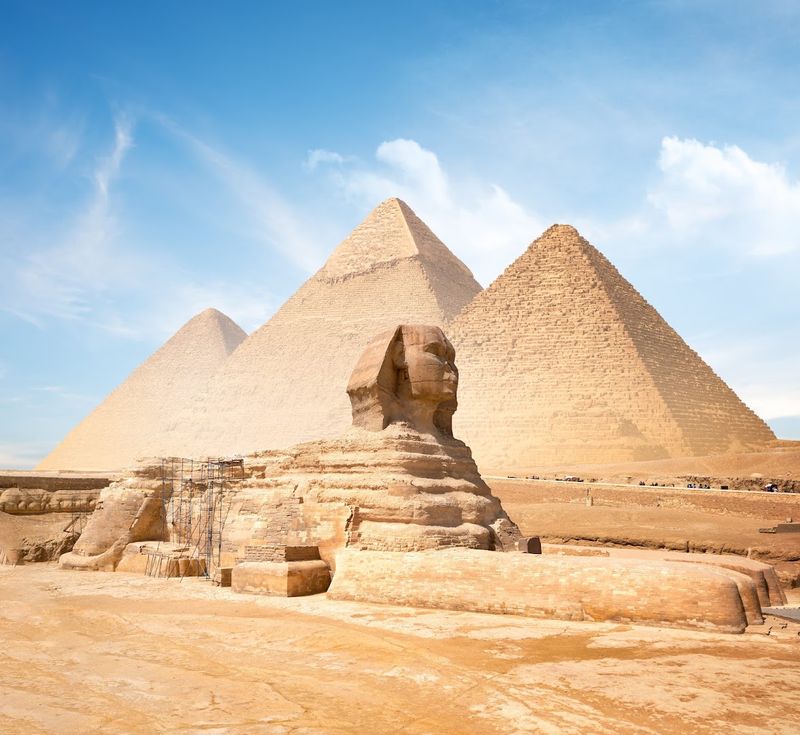
Built over 4,500 years ago without the help of modern machinery, the Pyramids of Giza remain one of the most studied and least fully explained structures in human history. The Great Pyramid of Khufu held the record as the tallest man-made structure on Earth for more than 3,800 years.
That is a record that stood longer than most civilizations have even existed.
The site includes three major pyramids, the iconic Sphinx, and a series of smaller tombs and temples. Visiting at sunrise gives you the best light for photos and fewer crowds than midday.
Many visitors are surprised by how close the pyramids are to Cairo, making them accessible as a day trip from the city.
Hiring a licensed guide is strongly recommended, as the history here is layered and endlessly fascinating. The Giza Plateau is a place where ancient ambition is permanently written in stone.
2. Victoria Falls – Zambia & Zimbabwe
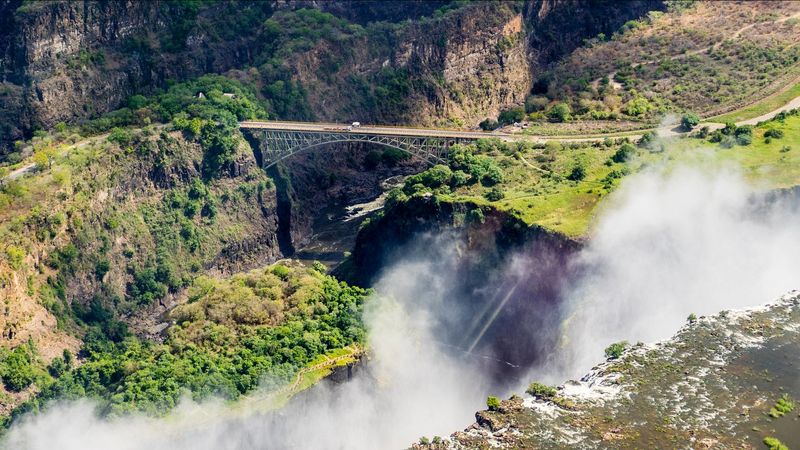
Locally known as Mosi-oa-Tunya, which translates to the smoke that thunders, Victoria Falls is the largest waterfall in the world by combined width and height. The main falls stretch about 1,708 meters wide and drop roughly 108 meters into the Batoka Gorge below.
No photograph fully captures the scale of what you see in person.
The falls can be viewed from both the Zambian and Zimbabwean sides, and each offers a different perspective. The Zimbabwean side provides a more panoramic frontal view, while the Zambian side gets you much closer to the water.
Visiting during the high-water season between February and May means maximum flow but also significant mist that can drench you quickly.
Adventurous visitors can walk across the border bridge between the two countries for a truly unique experience. Victoria Falls is one of those rare places that exceeds expectations every single time.
3. Serengeti National Park – Tanzania
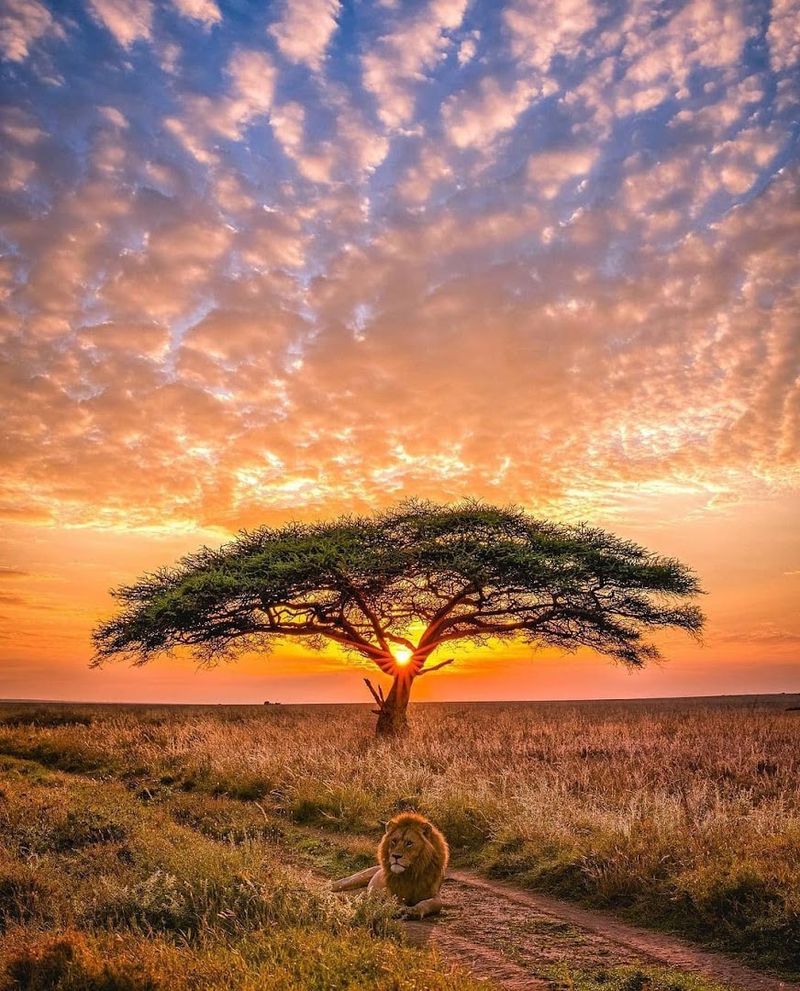
The Serengeti hosts the largest overland animal migration on the planet, with over 1.5 million wildebeest, hundreds of thousands of zebras, and countless gazelles moving in a continuous annual cycle. This is not a one-time event.
The migration happens year-round, with different phases occurring in different areas of the park depending on the season.
The park covers nearly 15,000 square kilometers of open savanna, woodlands, and riverine forest. It is also one of the best places in Africa to see the Big Five: lion, leopard, elephant, buffalo, and rhinoceros.
Game drives here are reliable because wildlife density is exceptionally high throughout the year.
The central Seronera area is accessible year-round, while the northern Mara region is best visited between July and October for dramatic river crossings. Serengeti is the kind of place that turns first-time safari visitors into lifelong Africa enthusiasts.
4. Ngorongoro Crater – Tanzania
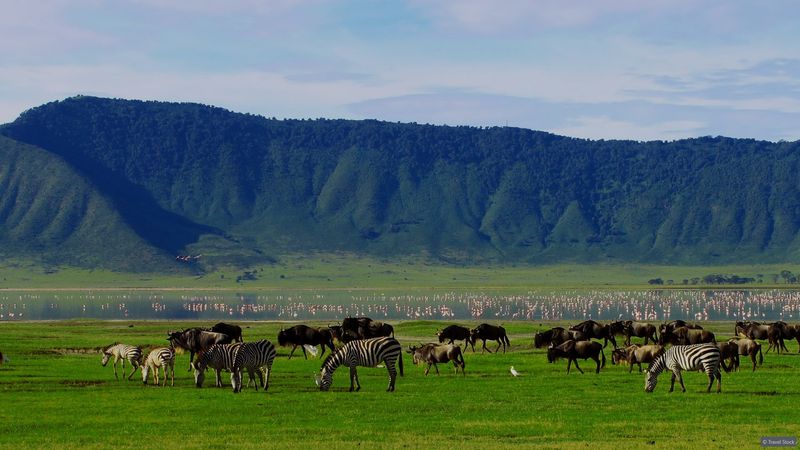
The Ngorongoro Crater is the world’s largest intact volcanic caldera, stretching about 19 kilometers across and sheltering a self-contained ecosystem on its floor. Formed when a massive volcano collapsed inward roughly 2.5 million years ago, the crater now acts as a natural enclosure for one of Africa’s densest concentrations of wildlife.
Around 25,000 large animals live permanently within the crater, including lions, elephants, hippos, flamingos, and one of Africa’s last remaining populations of black rhinoceros. Because the crater walls make escape difficult, wildlife is unusually easy to spot compared to open savanna parks.
Game drives here rarely disappoint.
The Ngorongoro Conservation Area is also home to the Maasai people, who continue to graze their cattle within the protected zone. Visitors often combine a crater visit with a trip to Olduvai Gorge nearby, where some of the earliest human fossils ever found were excavated.
This crater is basically a wildlife highlight reel.
5. Mount Kilimanjaro – Tanzania
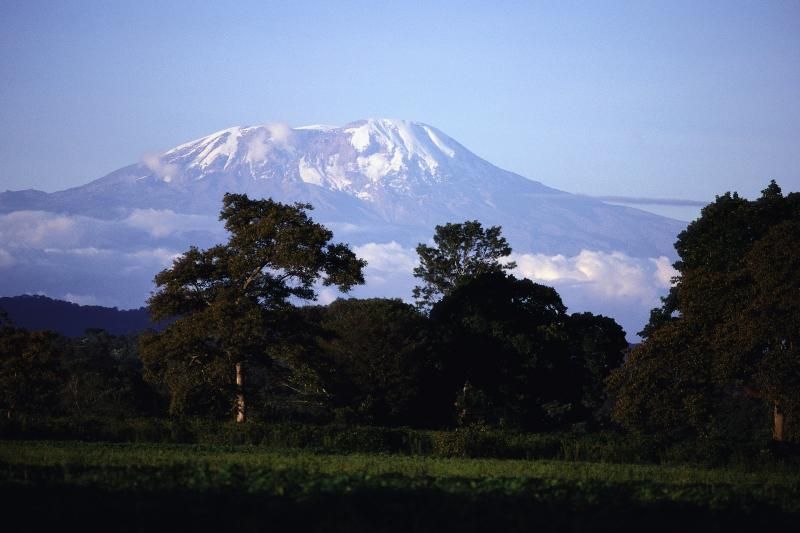
At 5,895 meters above sea level, Mount Kilimanjaro is the highest peak in Africa and the tallest free-standing mountain in the world. Unlike many major peaks, Kilimanjaro does not require technical climbing skills, which makes it accessible to fit and determined trekkers without mountaineering experience.
The mountain has five distinct ecological zones: cultivated farmland, rainforest, heath and moorland, alpine desert, and the arctic summit zone. Each zone looks dramatically different from the last, making the climb feel like traveling through multiple climates in a single trip.
The Marangu and Machame routes are the most popular, with Machame often preferred for its scenery.
Altitude sickness is the biggest challenge on Kilimanjaro, and acclimatization days are built into most itineraries for good reason. Success rates improve significantly when trekkers choose longer routes and take the ascent slowly.
Reaching Uhuru Peak at sunrise is an experience that stays with you permanently.
6. Okavango Delta – Botswana
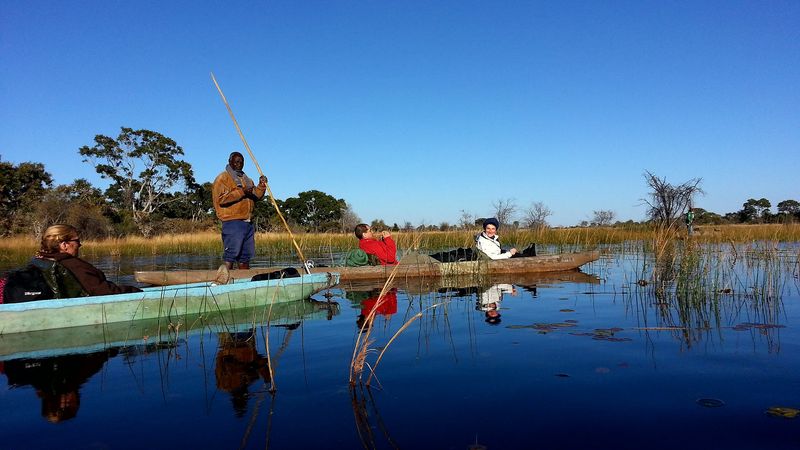
The Okavango Delta is one of the most unusual geographic features on Earth. Unlike most rivers, the Okavango does not flow to the sea.
Instead, it fans out across the Kalahari Desert in Botswana and creates a vast inland delta that covers roughly 15,000 square kilometers during peak flood season.
This seasonal flood transforms dry land into a network of channels, islands, and lagoons that attract enormous concentrations of wildlife. Elephants, lions, wild dogs, leopards, hippos, and hundreds of bird species depend on this ecosystem.
The delta is a UNESCO World Heritage Site and is widely regarded as one of Africa’s finest wildlife destinations.
Getting around the delta is done primarily by traditional dugout canoe, called a mokoro, or by small motorboat and light aircraft. Luxury camps and budget camping options both exist here.
The Okavango proves that sometimes the most extraordinary places are the ones where the river simply decided not to leave.
7. Namib Desert & Sossusvlei – Namibia
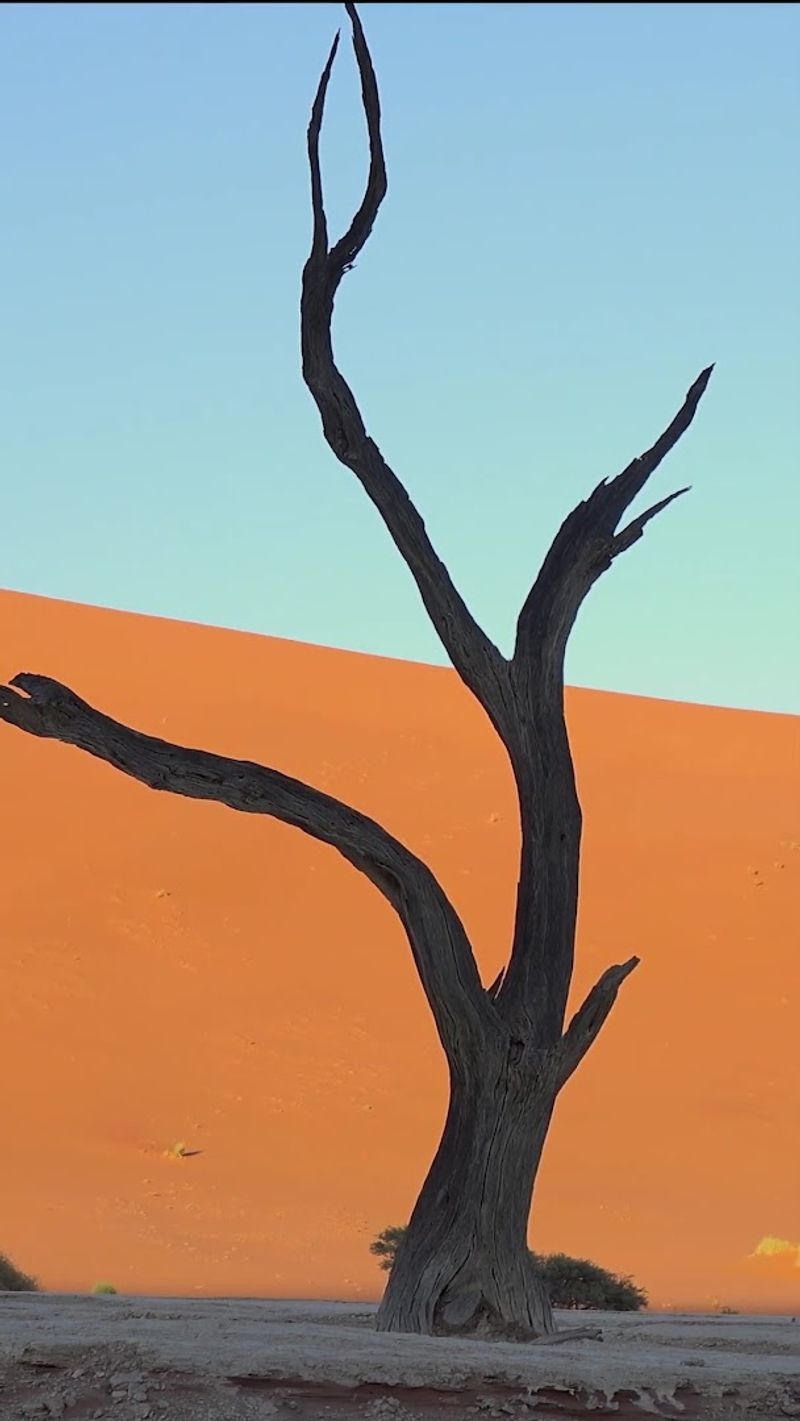
The Namib Desert is considered the oldest desert on Earth, with an estimated age of 55 to 80 million years. Sossusvlei, located within the Namib-Naukluft National Park, contains some of the tallest sand dunes in the world.
Dune 45 and Big Daddy regularly exceed 300 meters in height, and their deep orange and red tones come from iron oxide in the sand.
Deadvlei, a nearby white clay pan, is one of the most photographed locations in Africa. Ancient camel thorn trees that have stood there for around 900 years create a surreal, otherworldly scene against the towering dunes.
The trees are no longer living but have not decomposed due to the extreme dryness of the environment.
The best time to visit is at sunrise, when temperatures are manageable and the light creates dramatic contrasts on the dunes. Climbing the dunes barefoot is easier on the way up than most people expect.
Sossusvlei is a landscape that looks edited but is entirely real.
8. Bwindi Impenetrable National Park – Uganda
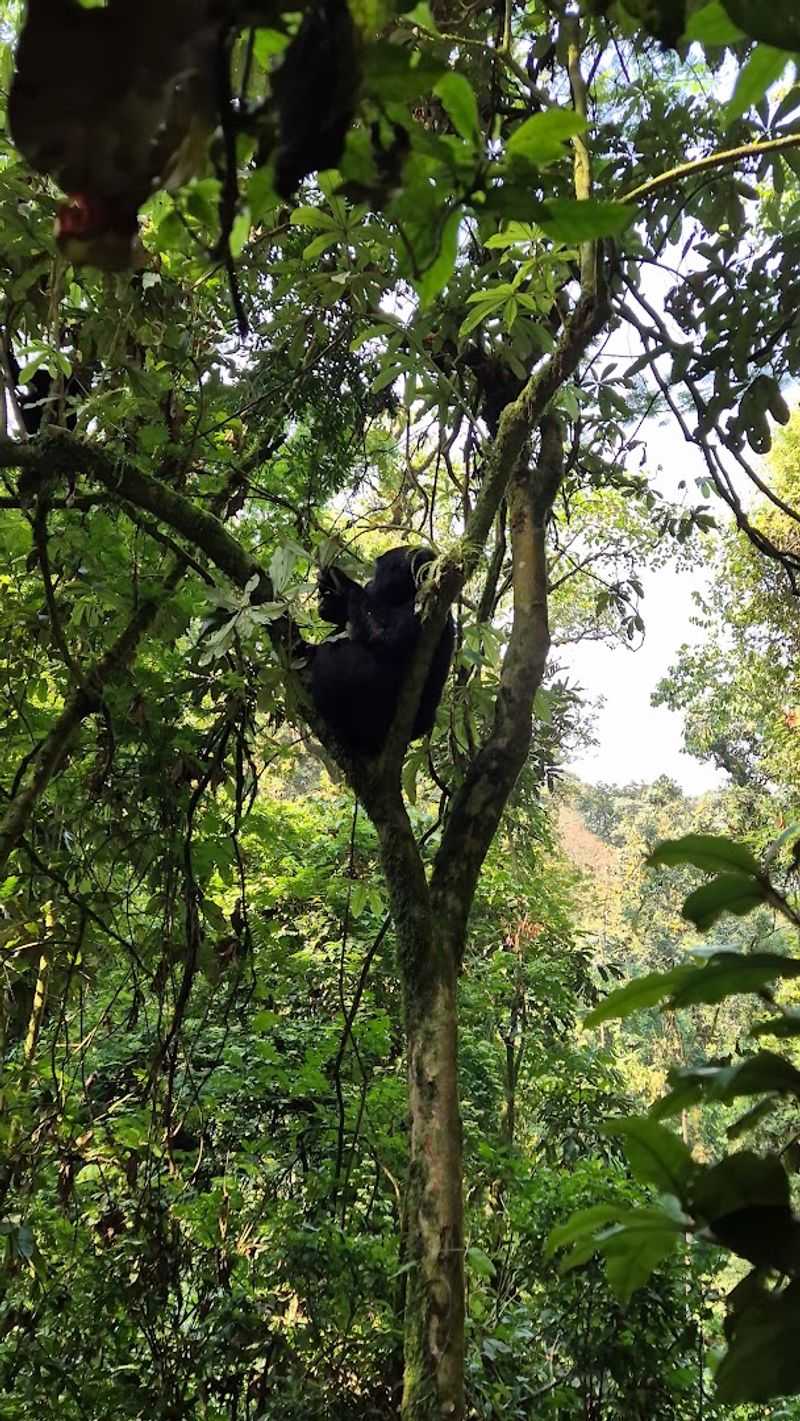
Bwindi Impenetrable National Park is home to roughly half of the world’s remaining mountain gorilla population, making it one of the most important conservation sites on the planet. The park shelters around 459 individual gorillas across multiple habituated family groups, and trekking to observe them in their natural habitat is considered one of Africa’s most extraordinary wildlife experiences.
The forest itself is ancient, having survived the last ice age as a refugium for plants and animals. It covers 331 square kilometers of dense montane forest in southwestern Uganda.
The terrain is steep and the vegetation is thick, which explains the name. Treks can last anywhere from one hour to eight hours depending on where the gorilla groups are located that day.
Permits are required and should be booked well in advance, as daily visitor numbers are strictly limited to protect the gorillas. Spending one hour with a gorilla family in the wild is a genuinely perspective-shifting experience.
9. Avenue of the Baobabs – Madagascar
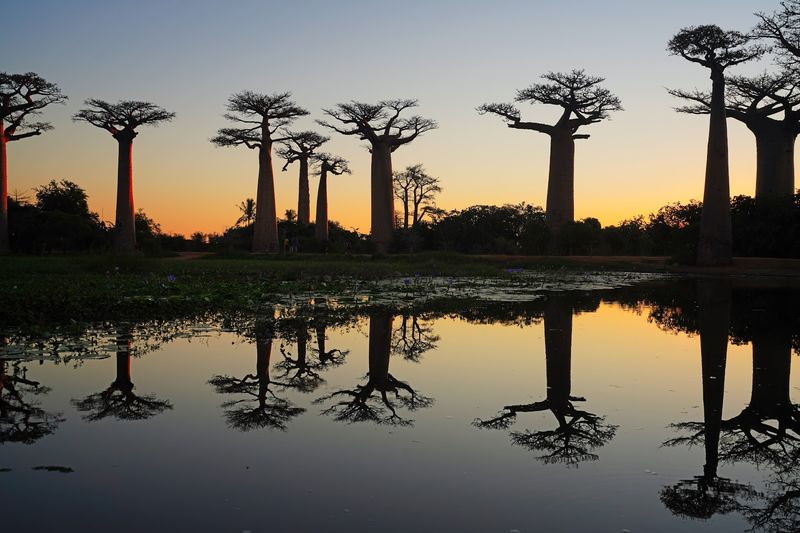
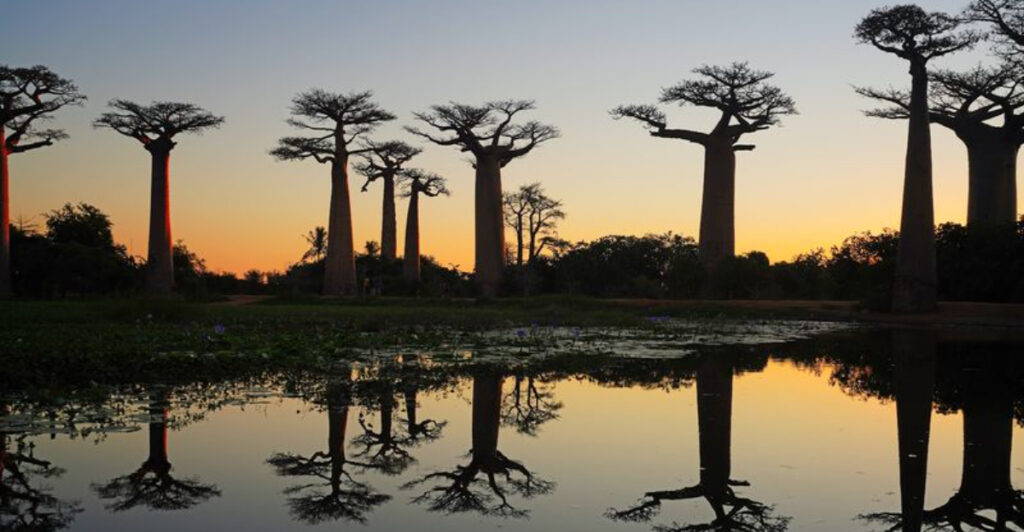
Madagascar split from mainland Africa around 165 million years ago, and the Avenue of the Baobabs is one of the most visually striking reminders of how unique this island’s natural heritage truly is. The avenue is a dirt road lined with giant baobab trees, some of which are estimated to be over 800 years old and can reach heights of 30 meters.
These trees are remarkable for their unusual shape: a thick, barrel-like trunk topped with a relatively small crown of branches. Baobabs store water in their trunks, which is what gives them that distinctive swollen appearance.
The avenue stretches for about 260 meters near the town of Morondava on the western coast of Madagascar.
Sunrise and sunset are the best times to visit, as the low light creates dramatic shadows along the road. The avenue is currently being considered for UNESCO World Heritage listing.
Visiting feels like wandering into a landscape that belongs in a nature documentary.
10. Simien Mountains National Park – Ethiopia
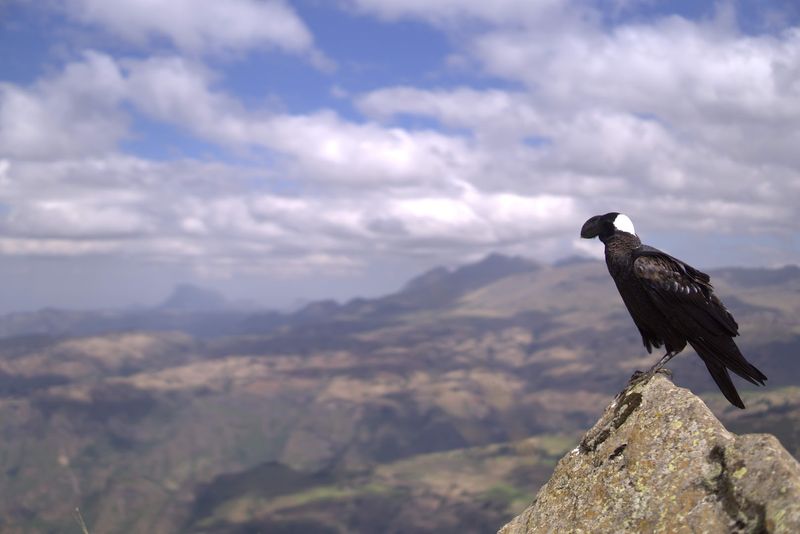
The Simien Mountains in northern Ethiopia were formed by volcanic activity around 40 million years ago and have since been carved by erosion into one of Africa’s most dramatic highland landscapes. Cliffs drop vertically for hundreds of meters, and the plateau rises above 4,500 meters at its highest points.
Ras Dashen, the tallest peak, reaches 4,550 meters, making it the fourth highest mountain in Africa.
The park is a UNESCO World Heritage Site and is one of the few places on Earth where you can observe gelada baboons, a species found nowhere else in the world. Ethiopian wolves and Walia ibex also live here, both of which are critically endangered.
Wildlife encounters are a regular part of trekking in the Simiens.
Multi-day trekking routes allow visitors to explore the highlands thoroughly, with camping or lodge stays available along the way. The landscapes here are so dramatic that the Simiens are sometimes called the roof of Africa.
11. Fish River Canyon – Namibia
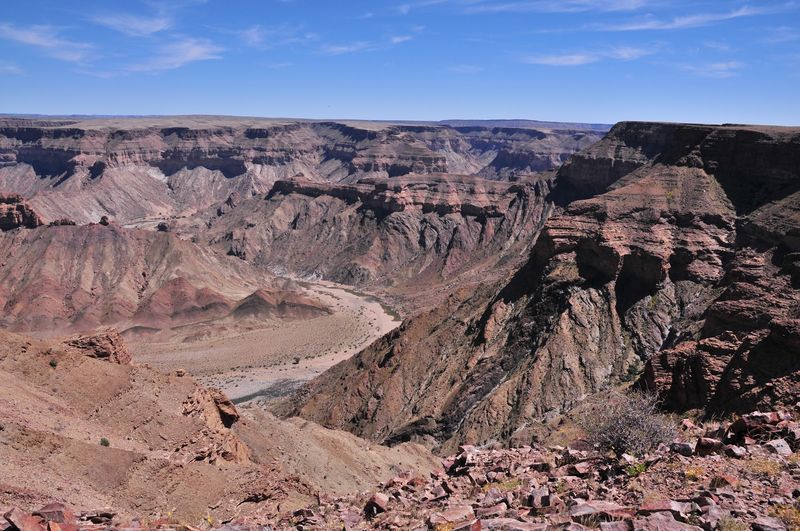
Fish River Canyon in southern Namibia is the largest canyon in Africa and the second largest in the world after the Grand Canyon. It stretches approximately 160 kilometers in length, reaches up to 27 kilometers in width, and plunges to a depth of around 550 meters at its deepest point.
The canyon was formed over millions of years through a combination of tectonic activity and erosion by the Fish River.
The main viewpoint at Hobas provides a sweeping panorama of the canyon’s upper section and is easily accessible by vehicle. The most adventurous way to experience the canyon is the five-day hiking trail along the canyon floor, which covers about 85 kilometers and is only open between May and September due to extreme heat during other months.
The trail is considered one of the toughest multi-day hikes in Africa, requiring a medical certificate to participate. Few experiences in Namibia rival standing at the canyon rim and realizing just how small you are.
12. Blyde River Canyon – South Africa
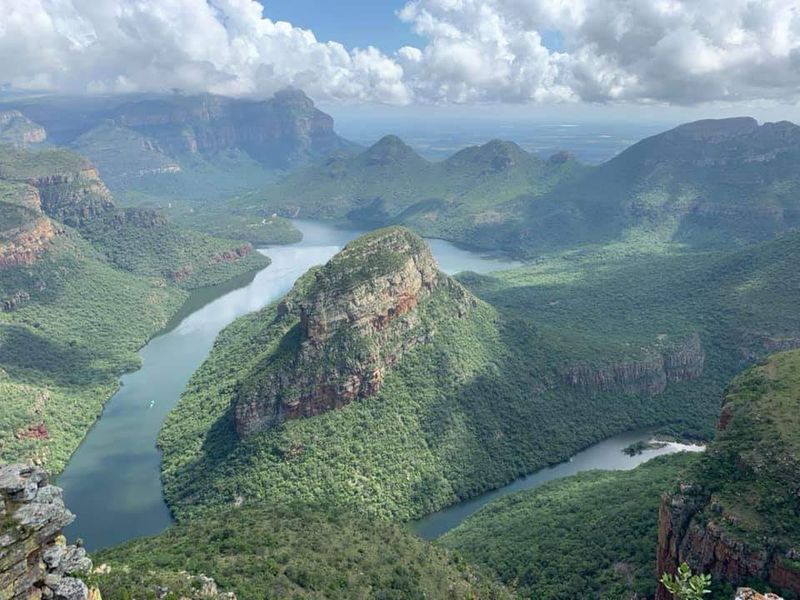
Blyde River Canyon in Mpumalanga, South Africa, is the third largest canyon in the world and the largest green canyon on Earth, meaning its walls are covered in lush subtropical vegetation rather than bare rock. It stretches about 26 kilometers in length and reaches depths of up to 800 meters.
The canyon forms part of the Panorama Route, one of South Africa’s most scenic road trips.
The Three Rondavels are the canyon’s most iconic feature: three cylindrical rock formations that rise dramatically above the Blyde Dam reservoir below. Their name comes from their resemblance to the traditional circular huts used by local communities.
God’s Window, another viewpoint along the route, offers views across the lowveld stretching all the way to Mozambique on clear days.
Bourke’s Luck Potholes, located at the northern end of the canyon, are cylindrical rock formations carved by water erosion into swirling patterns. The Panorama Route can be driven in a day, though two days allows for a more relaxed experience.
13. Volcanoes National Park – Rwanda
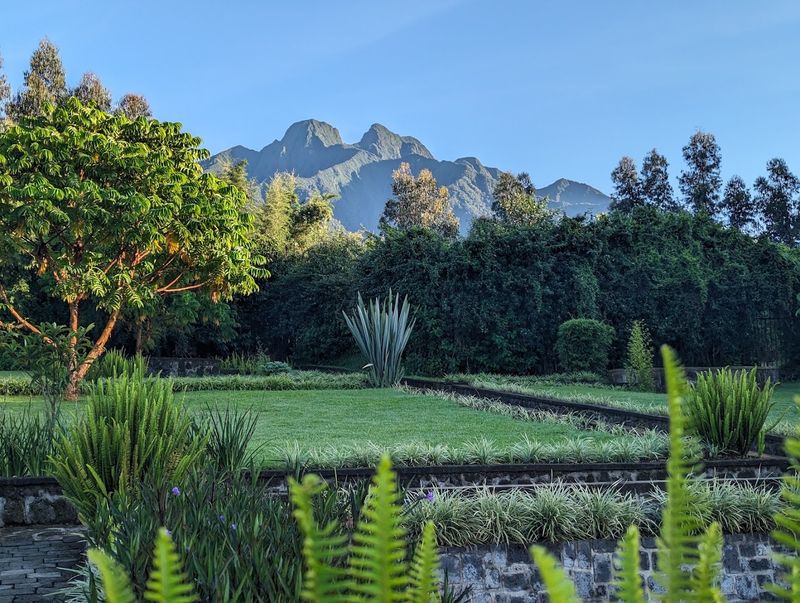
Volcanoes National Park in Rwanda sits within the Virunga Massif, a chain of eight volcanoes straddling the borders of Rwanda, Uganda, and the Democratic Republic of Congo. The park covers 160 square kilometers and protects a significant portion of the mountain gorilla’s remaining habitat.
It was here that the late primatologist Dian Fossey conducted her landmark research on mountain gorillas in the 1960s and 1970s.
Gorilla trekking is the main draw, but the park also offers golden monkey trekking, volcano hikes, and visits to Dian Fossey’s research camp and grave at Karisoke. Hiking Mount Bisoke to its crater lake is a popular full-day excursion that offers outstanding views of the surrounding Virunga volcanoes.
Rwanda’s gorilla trekking permits are among the most expensive in Africa, but the government uses the revenue directly for conservation and community development. The country’s commitment to protecting its wildlife has made Rwanda a model for responsible tourism across the continent.
14. Sahara Desert (Erg Chebbi) – Morocco
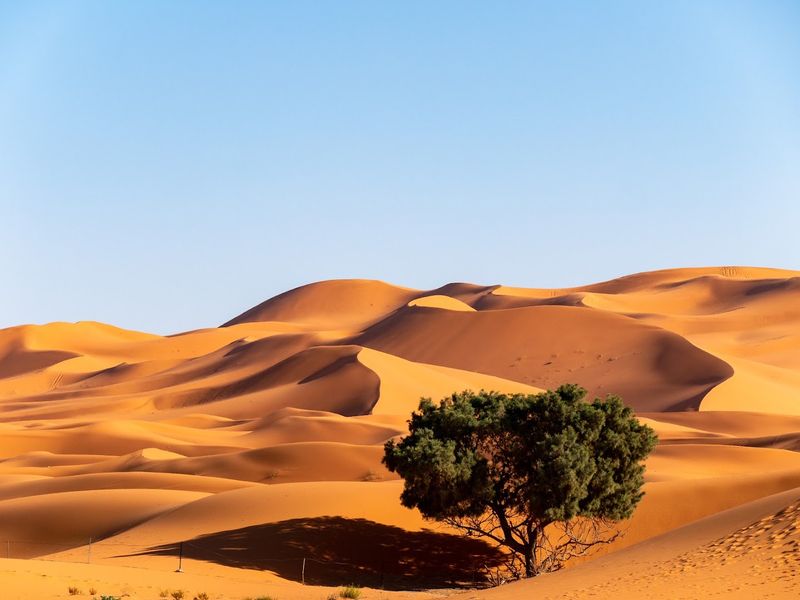
Erg Chebbi near the town of Merzouga in southeastern Morocco is one of the most accessible sections of the Sahara Desert and one of the most visually impressive. The dunes here rise up to 150 meters and stretch for approximately 22 kilometers in length.
Their deep orange color intensifies at sunrise and sunset, which is when most visitors choose to be out in the dunes.
Camel treks into the desert are the classic way to experience Erg Chebbi, with overnight stays in traditional Berber camps a popular option. These camps range from basic to genuinely luxurious, offering the chance to spend a night under one of the clearest and most star-filled skies you will ever see.
Sandboarding is also available for those who prefer a more active experience.
The town of Merzouga is the main base for visiting Erg Chebbi and offers a range of accommodation options. The Sahara covers over 9 million square kilometers across North Africa, but Erg Chebbi makes it beautifully personal.
15. Red Sea Coral Reefs – Egypt
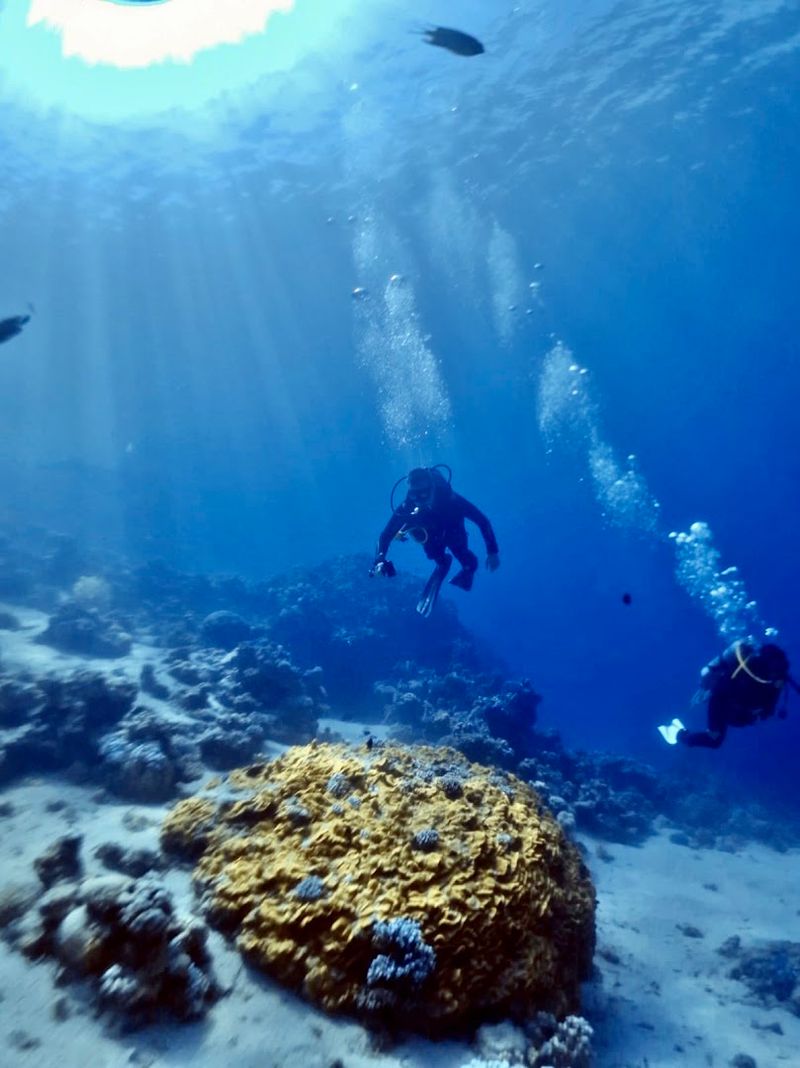
The Red Sea is home to some of the most biodiverse coral reef systems in the world, and Egypt’s stretch of coastline along the northwestern Red Sea is among the most accessible and well-developed for visitors. The reefs here support over 1,200 species of fish, with roughly 10 percent of those found nowhere else on the planet.
The water clarity in the Red Sea is exceptional, with visibility often exceeding 30 meters.
Popular diving and snorkeling destinations include Sharm el-Sheikh, Hurghada, and Dahab, each offering a different character and range of dive sites. The SS Thistlegorm, a British cargo ship that sank in 1941, is considered one of the top wreck dives in the world and lies within reach of Sharm el-Sheikh.
Beginners and experienced divers alike find the Red Sea accommodating.
Snorkeling directly from the beach is possible at many Egyptian resorts, making the reefs accessible even without scuba certification. Few places on Earth offer this level of marine biodiversity this close to shore.
Share this story