 Unearth The Voyage
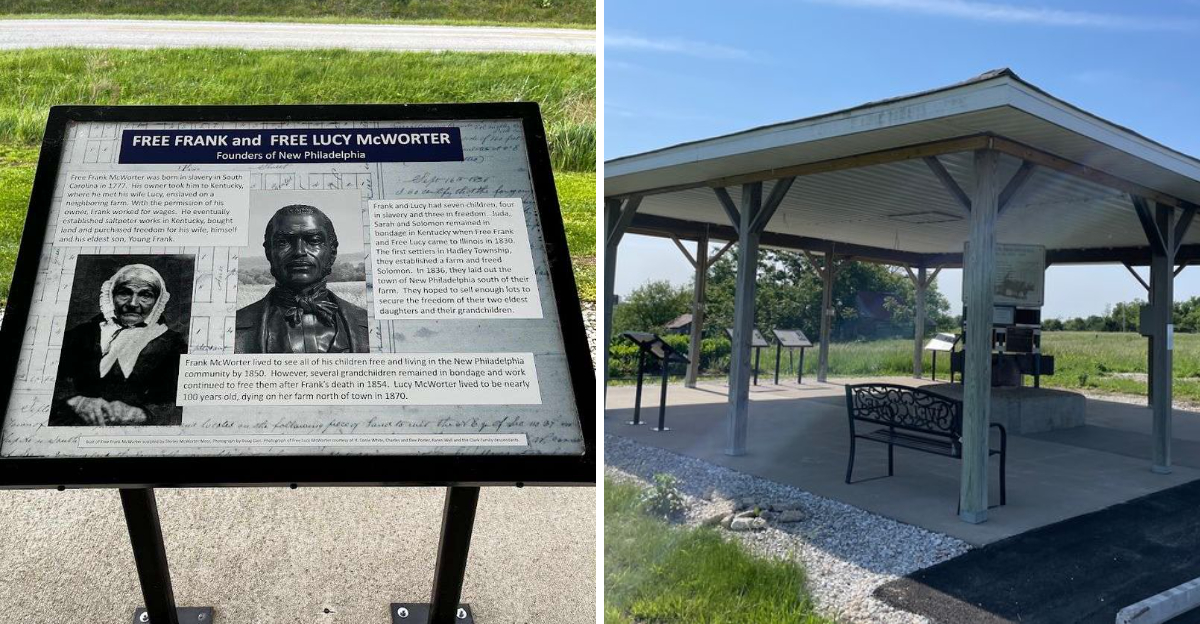
There is a quiet field in western Illinois that holds one of the most remarkable untold stories in American history. A formerly enslaved man purchased his own freedom, then used his savings to plat and register an entire town, becoming the first African American in the United States to do so.
That town was New Philadelphia, founded in 1836 by Free Frank McWorter. Today, New Philadelphia National Historic Site stands on that very ground, preserving not just a place, but a legacy of determination, community, and resilience that most history books never got around to mentioning.
Stick around, because this story is absolutely worth knowing.
Where It All Happened: The Site’s Location and Setting
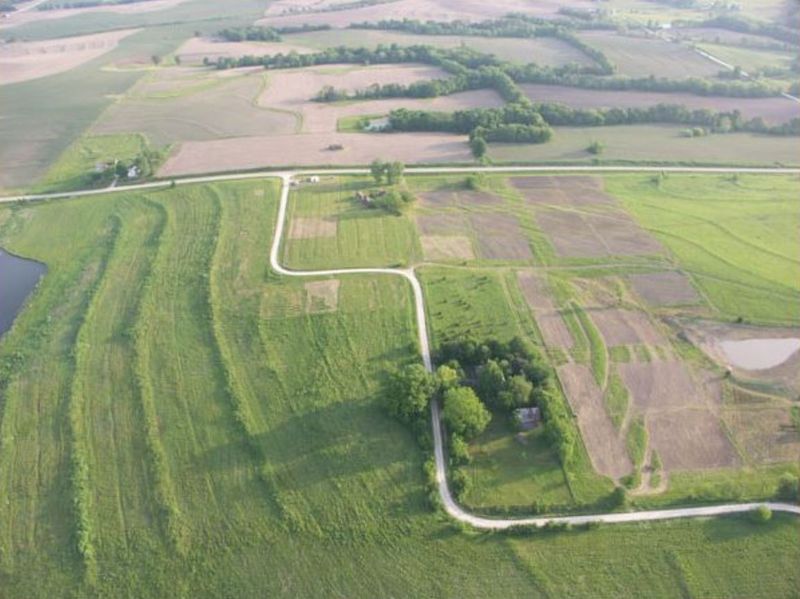
The address is 29766 306th Lane in Barry, Illinois 62312, and the drive there already sets the tone. Rolling farmland stretches in every direction, and the quiet of western Illinois wraps around you the moment you step out of the car.
The site sits less than 2,000 feet from Interstate 72, which means it is genuinely easy to reach during a road trip. Despite the highway’s proximity, the grounds feel calm and unhurried, with prairie grasses swaying and the occasional deer crossing the field.
A small parking area greets visitors, followed by a covered pavilion filled with exhibits. Mowed grass pathways trace the original streets of the town, with period-accurate street signs marking where roads once carried horse-drawn wagons.
The National Park Service manages the site, and you can reach them at 573-880-3120 or visit nps.gov for current hours and updates.
The landscape may look simple at first glance, but every square foot carries the weight of a story that changed what was possible for African Americans in pre-Civil War America. Standing there, it is hard not to feel the significance of the ground beneath your feet.
Free Frank McWorter: The Man Behind the Town
Free Frank McWorter was not handed a single advantage in life, yet he built something no African American had done before him. Born into slavery around 1777 in South Carolina, he eventually convinced his enslaver to let him hire out his own labor during off-hours, and he saved every cent he earned.
He used those savings to purchase his own freedom in 1819, and then kept saving to free members of his family over the following decades. He ultimately purchased the freedom of 16 family members, a staggering achievement that required years of careful, determined financial planning.
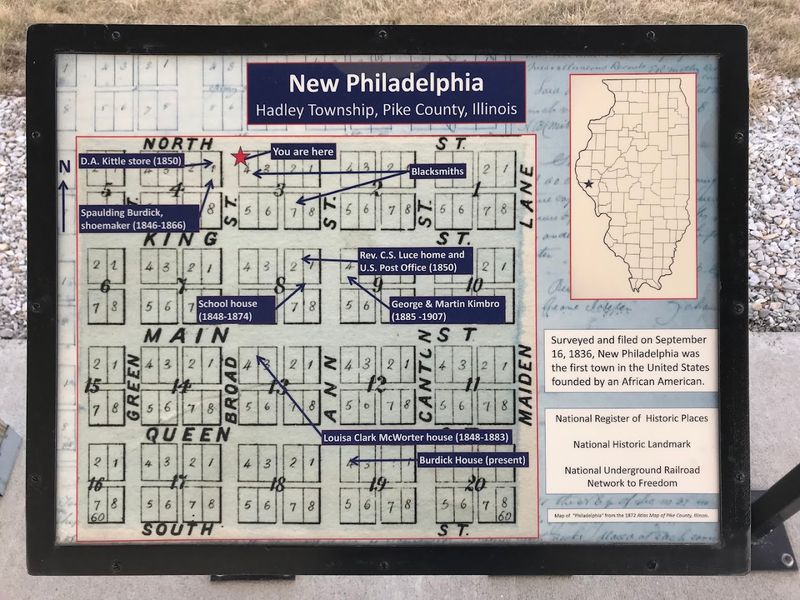
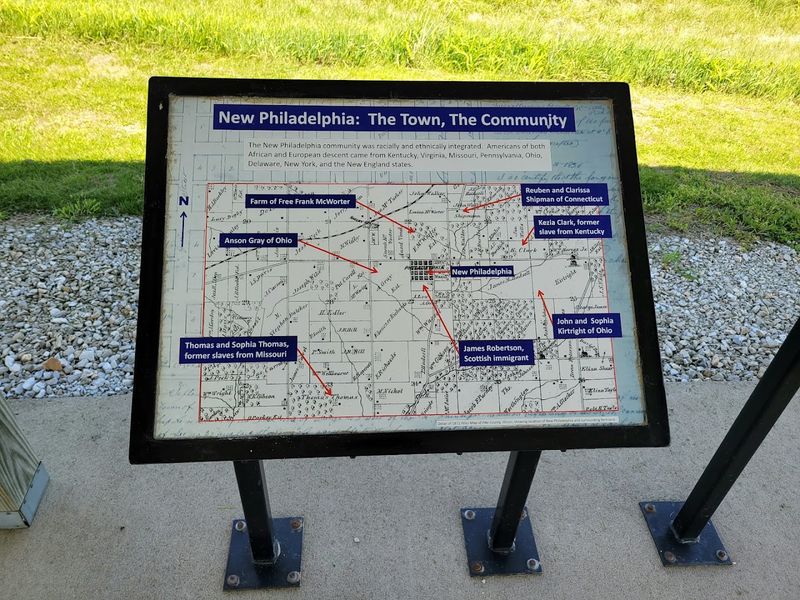
In 1836, he platted and registered the town of New Philadelphia in Pike County, Illinois, becoming the first African American in U.S. history to officially plat and register a town. The town was not a small personal homestead; it was a full 42-acre community designed to attract other freed Black Americans seeking a place to build their lives.
His story is one of extraordinary perseverance. Free Frank turned an impossible starting point into a foundation that supported an entire community, and his legacy now anchors a National Historic Site that carries his vision forward.
The Pavilion: Your First Stop on the Grounds
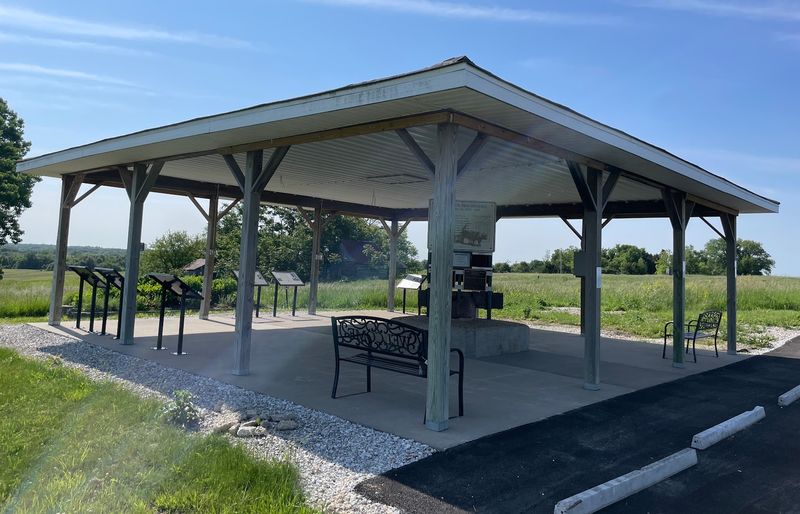
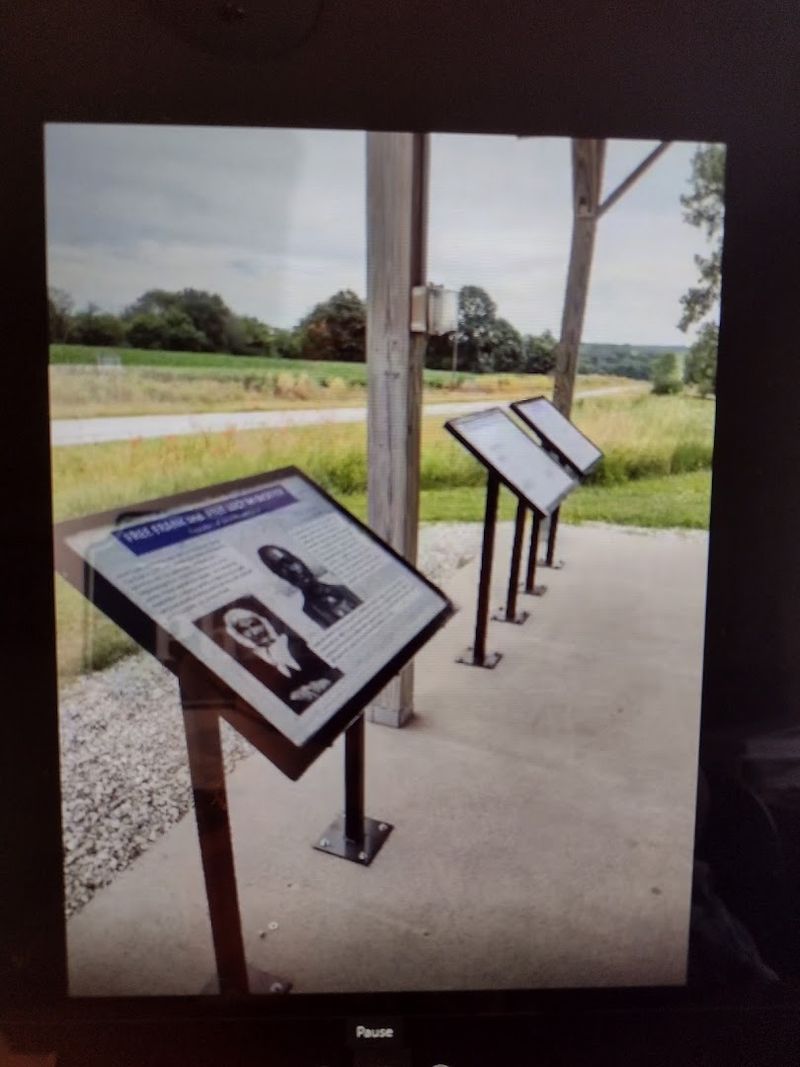
The pavilion is the heart of the visitor experience at New Philadelphia, and it punches well above its modest size. Covered and open-air, it houses a series of well-designed exhibit panels that walk you through the full history of the town and the McWorter family in clear, engaging language.
Brochures are available at a kiosk near the pavilion entrance, and the National Park Service app offers an audio tour that pairs perfectly with a walk along the mowed pathways. The pavilion is accessible to visitors of all mobility levels, making it a reliable stop for everyone in your group.
Two shaded benches sit beneath the kiosk structure, giving you a comfortable spot to read through the materials before heading out onto the trail. From the pavilion, you can already see the remaining historic structures on the property, the surrounding prairie grasses, and often a bit of local wildlife moving through the field.
The exhibits do not shy away from the harder parts of this history, including the racial barriers that eventually contributed to the town’s decline. It is a short but genuinely moving introduction that makes the walk that follows feel much more meaningful.
Walking the Original Streets of New Philadelphia
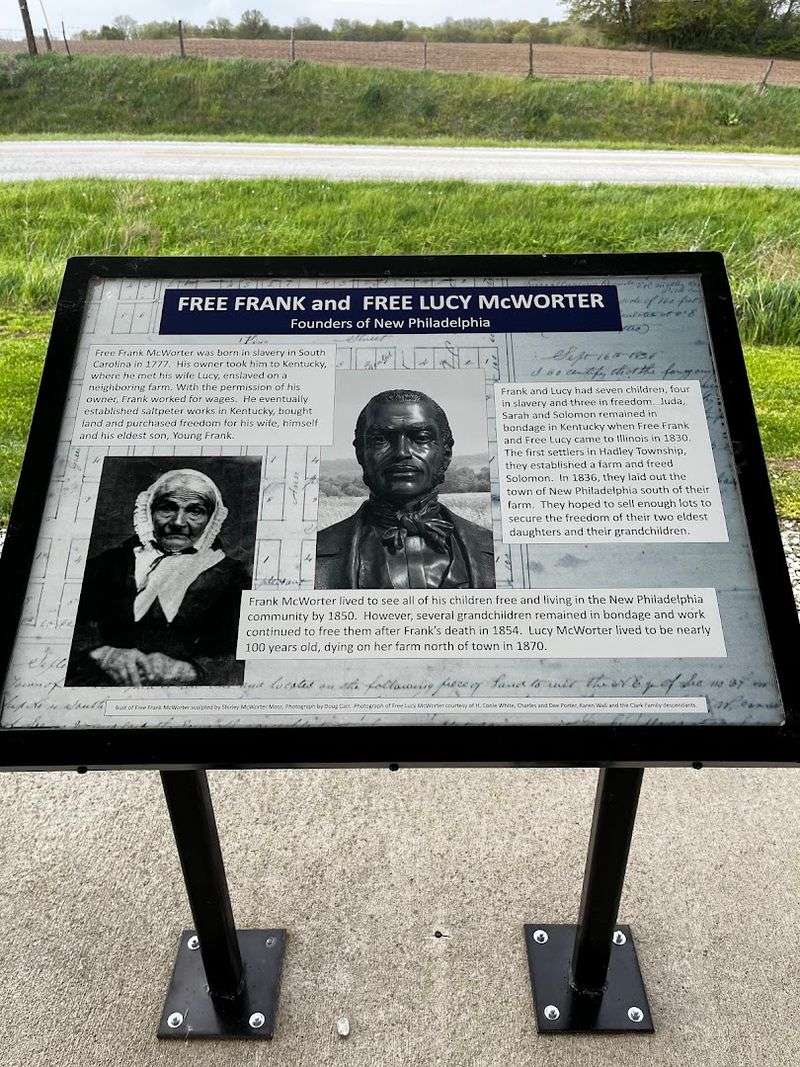
One of the most quietly powerful features of this site is the way the original street grid has been brought back to life through careful groundskeeping. Grass pathways are mowed along the routes of the old town streets, and small street signs have been erected to mark the original road names.
The walking loop covers roughly a quarter mile, which makes it manageable for most visitors and easy enough to complete in about 20 to 30 minutes at a relaxed pace. Along the way, informational signs explain what once stood at various points throughout the former town.
A few historic structures remain on the property, including three complete buildings and a partial fourth, giving the site a tangible physical connection to its past. The NPS app’s audio tour adds another layer to the experience, filling in details about daily life in New Philadelphia during its peak years in the mid-1800s.
The trail also passes through a small butterfly garden, which adds a surprising burst of color to the prairie setting. Benches are placed along the route, so there is no need to rush through.
This is the kind of walk that rewards slowing down and paying attention to what is no longer there.
The Town’s Rise: A Community Built from Scratch
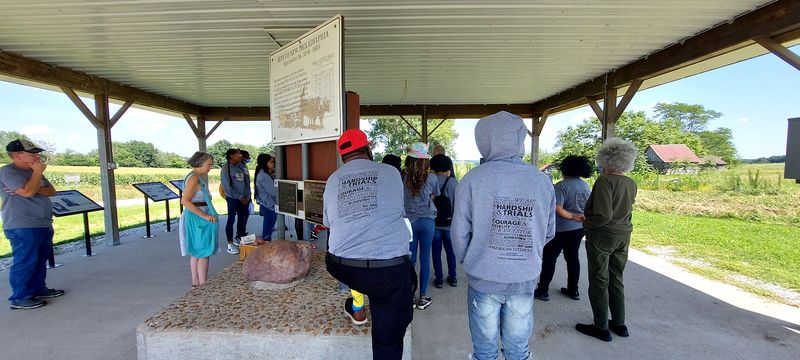
New Philadelphia was never meant to be a private homestead. Free Frank McWorter designed it as a real, functioning town with platted lots available for purchase by anyone, Black or white.
At its peak, the community included residents of both races living and working alongside each other, which was genuinely rare for rural Illinois in the 1840s and 1850s.
The town covered 42 acres and included a variety of businesses and trades. Blacksmiths, farmers, and merchants set up shop, and families built homes along the streets that are now traced by those mowed grass pathways.
The McWorter family remained at the center of the community throughout its most active years.
Education was a priority for many of the African American families who settled there. Several family members pursued teaching, though racial restrictions in the region often forced them to seek employment in larger cities like Quincy and Chicago, which gradually pulled families away from the community.
By 1885, roughly a quarter of the original town had been converted back to farmland, and the settlement continued to shrink through the early 1900s. New Philadelphia flourished for more than 50 years, which is a remarkable run for a town founded against such significant odds.
The Railroad That Rerouted History
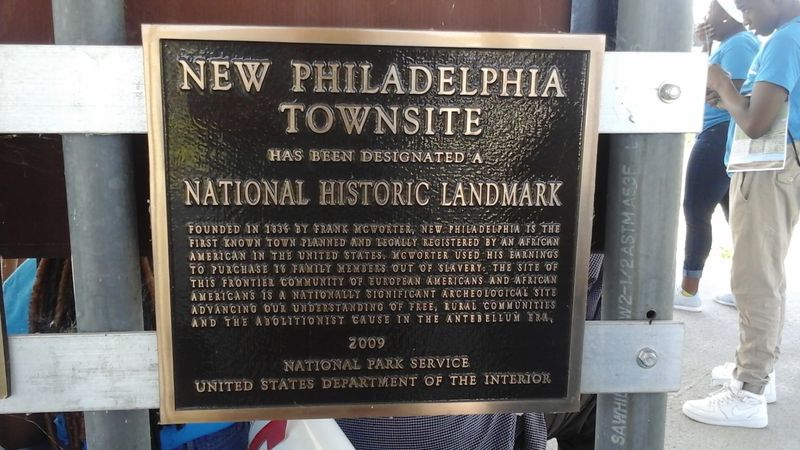
The story of the railroad’s role in New Philadelphia’s decline is one of the most striking chapters in the town’s history. When railroad companies began planning routes through western Illinois, the land around New Philadelphia appeared to be a natural path for the tracks.
Rather than route the line through a town founded by and associated with African Americans, the railroad’s backers chose to spend considerably more money rerouting the tracks to bypass New Philadelphia entirely. The financial logic made no sense on paper, but the racial motivation behind the decision was clear.
Without a rail connection, the town lost the economic momentum that a station would have brought. Businesses that might have expanded or new residents who might have arrived never materialized, and the community gradually contracted over the following decades.
It is worth noting, as the site’s historical record makes clear, that the railroad bypass was not the sole cause of the town’s decline. Families followed opportunities elsewhere, educated residents moved to cities where their credentials were actually recognized, and broader social pressures shaped the community’s trajectory.
Still, the deliberate rerouting stands as a vivid example of how racial bias shaped economic outcomes in 19th-century America, and it is one of the lessons the site communicates with quiet but unmistakable clarity.
Archaeology Beneath the Surface
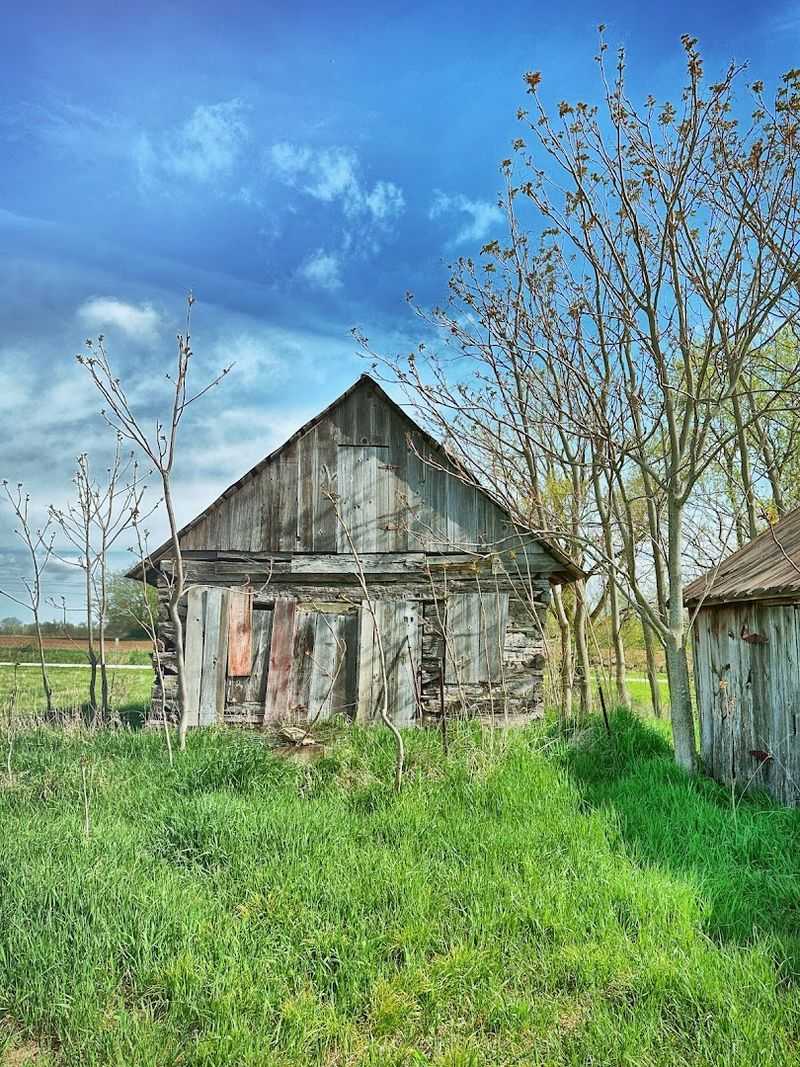
What makes New Philadelphia particularly valuable to historians and archaeologists is that the site was largely untouched for decades after the town faded. That means the ground holds a remarkable record of everyday life from the 1800s, waiting to be carefully uncovered.
Archaeological work at the site has helped researchers understand what daily life actually looked like in New Philadelphia, filling in details that written records alone cannot provide. Artifacts recovered from excavations have helped paint a picture of a functioning, diverse community rather than just an abstract historical concept.
The National Park Service continues to develop the site, and visitors who follow the progress of ongoing research will find that new information regularly emerges. Some areas of the original town, including access to the McWorter Cemetery, remain privately owned and have not yet been incorporated into the national site.
Advocates and historians have noted that expanding NPS access to more of the original 42-acre footprint would allow for a fuller telling of the story. Funding and archaeology go hand in hand here, and the site’s future development depends on continued investment in both.
For a history enthusiast, knowing that the ground itself still holds undiscovered layers of this story makes a visit feel like arriving at the beginning of something, not just the end of it.
Getting Your National Park Passport Stamp
National Park passport collectors, take note: the stamp for New Philadelphia National Historic Site is not available at the site itself. You will need to make a short four-mile drive west to the town of Barry, Illinois, where the stamp can be obtained at either the local library or city hall.
Barry is a small, welcoming town, and the detour adds almost nothing to your travel time. The library also holds an extensive collection of information about New Philadelphia and Free Frank McWorter, making it a worthwhile stop in its own right, especially if you want to go deeper into the history than the on-site exhibits allow.
The site does not have a junior ranger program or a staffed ranger station at the grounds, which is something regular NPS visitors should know before arriving. What it does have is a well-maintained kiosk with brochures and a QR code that connects you to the NPS app for the audio tour.
For passport book collectors working their way through the NPS system, New Philadelphia is a newer addition and a genuinely satisfying one to add to the collection. The stamp represents a story that most visitors say they had never heard before stopping here, which makes it one of the more meaningful additions to any passport book.
Wildlife, Prairie Grasses, and the Natural Setting
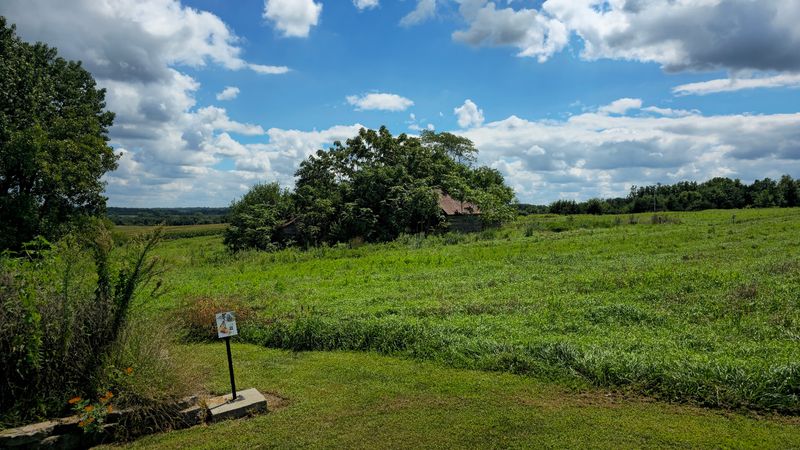
The grounds at New Philadelphia are not just historically significant; they are genuinely pleasant to spend time in. Prairie grasses grow across much of the site, and the open landscape creates a peaceful atmosphere that feels a world away from the highway just a short distance off.
White-tailed deer are a common sight on the property. During one visit in spring 2026, a visitor spotted four deer during a single stop, which is a nice bonus for anyone who enjoys a bit of wildlife watching alongside their history lesson.
A small butterfly garden adds color and life to the trail, attracting pollinators and giving the site a gentle, living quality that complements the historical narrative. The combination of mowed pathways and natural prairie growth makes the setting feel both maintained and wild at the same time.
One practical note: tick warnings have been posted at the site, particularly during warmer months. Wearing long pants and checking yourself after the walk is a smart move, especially if you are visiting between late spring and early fall.
The quiet natural setting is part of what makes New Philadelphia memorable. There is something fitting about a place this historically significant also being this calm and unhurried, as if the land itself is asking you to slow down and really listen.
Planning Your Visit: Practical Tips and What to Expect
New Philadelphia National Historic Site is a place that rewards visitors who arrive with realistic expectations and genuine curiosity. The site is not a large, fully developed national park with a visitor center, restrooms, or a gift shop.
It is a meaningful, well-maintained historic landmark that tells a big story through thoughtful exhibits and a short walking trail.
The parking area can fit a modest number of vehicles, so arriving early on busy weekends is a good idea. The pavilion is open and accessible to all visitors, and the mowed grass trail is manageable for most people, though the uneven terrain may present challenges for those with significant mobility limitations.
The NPS app is worth downloading before you arrive, as the audio tour significantly enriches the experience of walking the old street grid. Cell service in the area is generally adequate for streaming the tour, but downloading content ahead of time is always a safe backup plan.
Plan for about 30 to 45 minutes on-site, then add the short drive to Barry for the passport stamp and the library’s additional exhibits. The site is free to visit and open year-round.
A stop here fits naturally into a road trip along I-72 and leaves most visitors saying they are glad they made the detour.



