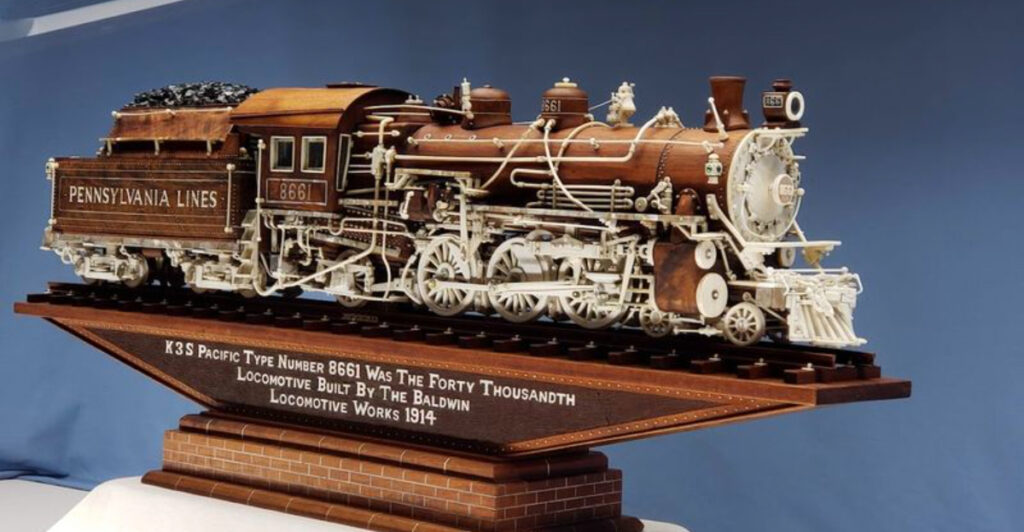
Somewhere in a small Ohio town, a self-taught carver spent decades recreating the entire history of the steam engine in wood and ivory, using nothing but hand tools and sheer determination. His finished pieces are so detailed that moving parts actually move, gears turn, and pistons pump, all carved from a single block of material.
No glue. No screws.
Just skill that most people refuse to believe is even possible until they see it with their own eyes. That is exactly what waits for you at one of Ohio’s most quietly extraordinary museums.
The Man Behind the Carvings
Ernest “Mooney” Warther was not a trained artist. He grew up in Dover, Ohio, dropped out of school as a young child, and taught himself everything he knew about carving using nothing more than pocket knives and raw curiosity.
What he created over his lifetime stunned everyone who saw it.
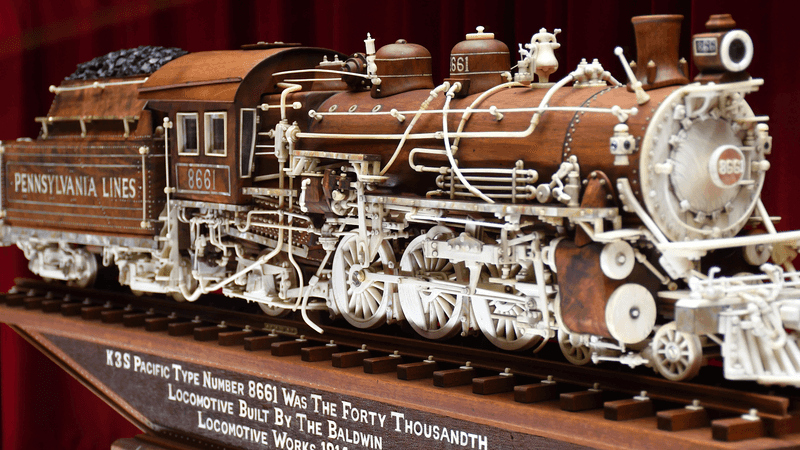
Warther was born in 1885 and began carving almost as soon as he could hold a knife. He worked in the local steel mill by day and carved by night, turning scrap walnut, ivory, and ebony into objects of breathtaking precision.
His story is genuinely one of the most remarkable self-made artistic journeys in American history.
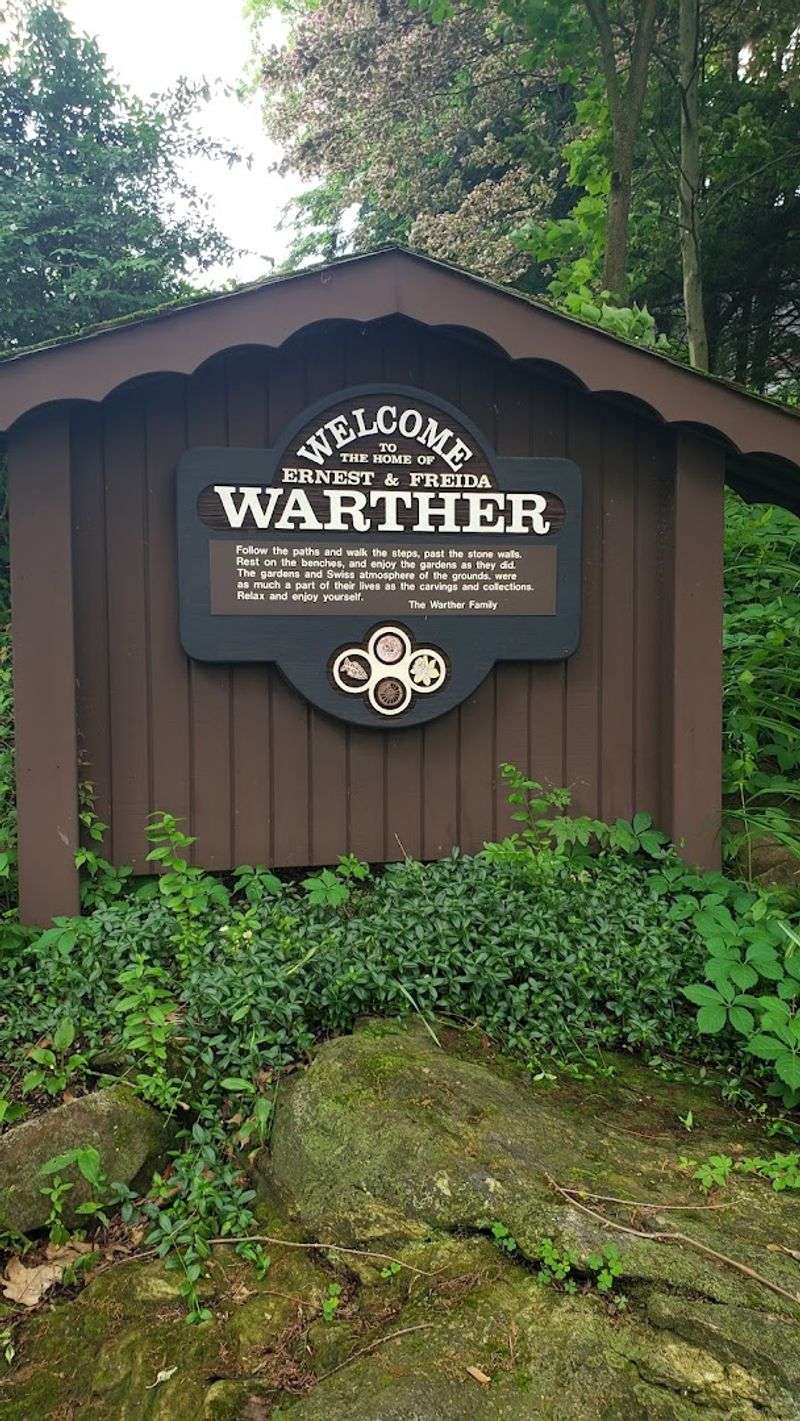
The Ernest Warther Museum and Gardens at 331 Karl Ave, Dover, OH 44622 preserves his legacy in full. Touring this place feels less like visiting a museum and more like stepping into someone’s deeply personal life’s work.
A Collection That Traces the Steam Engine’s Entire History
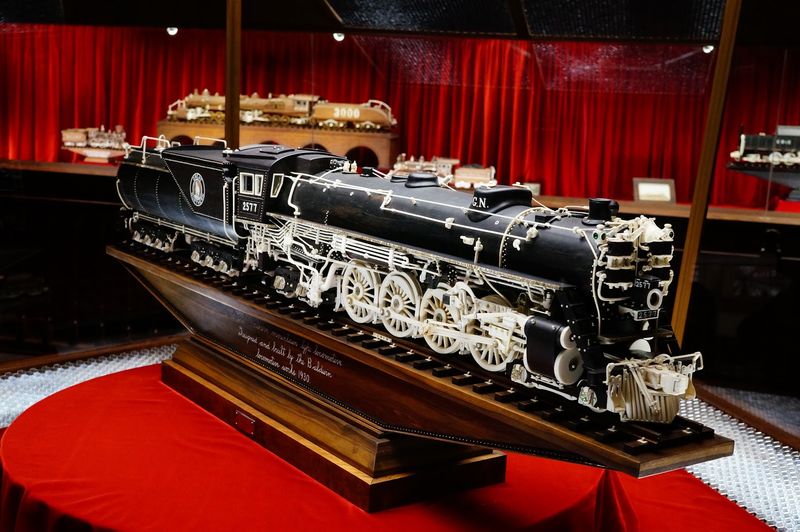
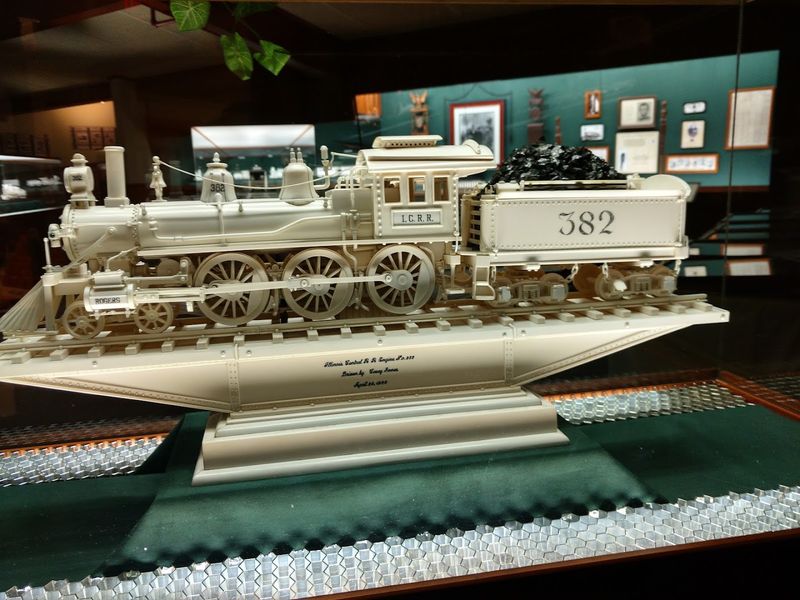
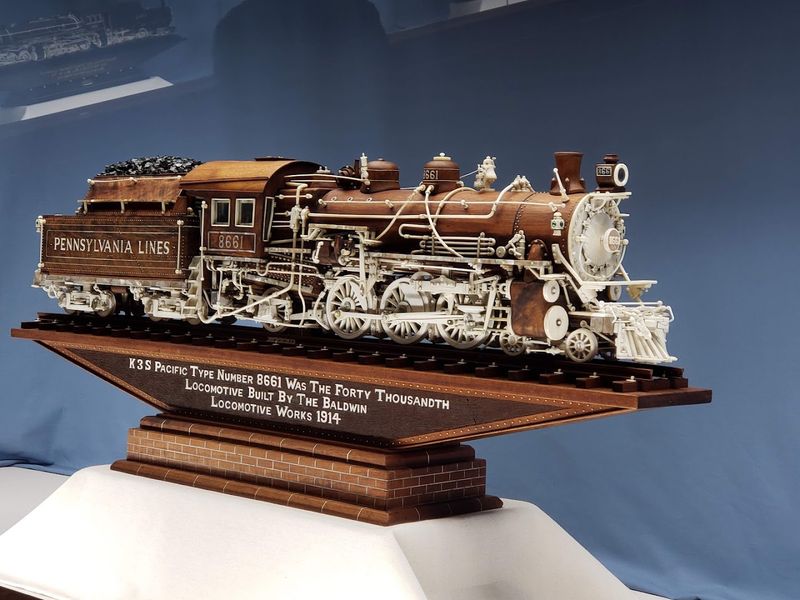
The centerpiece of the Warther Museum is a collection of carved steam locomotives that traces the history of the steam engine from its earliest origins to the modern era. Each piece was carved entirely by hand, with no power tools involved at any stage of the process.
Warther carved over 64 working models of steam-powered trains and engines, each one historically accurate down to the smallest mechanical detail. The moving parts actually function, and watching a carved wooden piston move inside a carved wooden cylinder is the kind of thing that makes you question what human hands are truly capable of.
Every model is a different chapter in transportation history, and Warther researched each one carefully before picking up a knife. The collection is widely regarded as one of the most thorough carved tributes to the steam age ever assembled by a single person.
What Makes the Carvings Technically Impossible to Believe
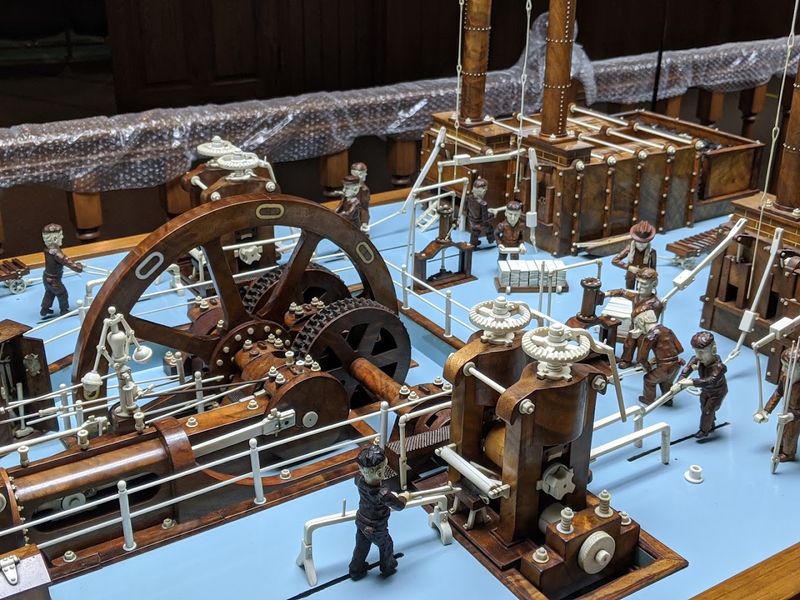
The technical side of Warther’s work is where things get truly mind-bending. Many of his carvings feature moving parts that were carved directly from a single piece of material, meaning there are no hidden joints, no fasteners, and no assembly involved.
The pieces simply exist as one continuous carved object.
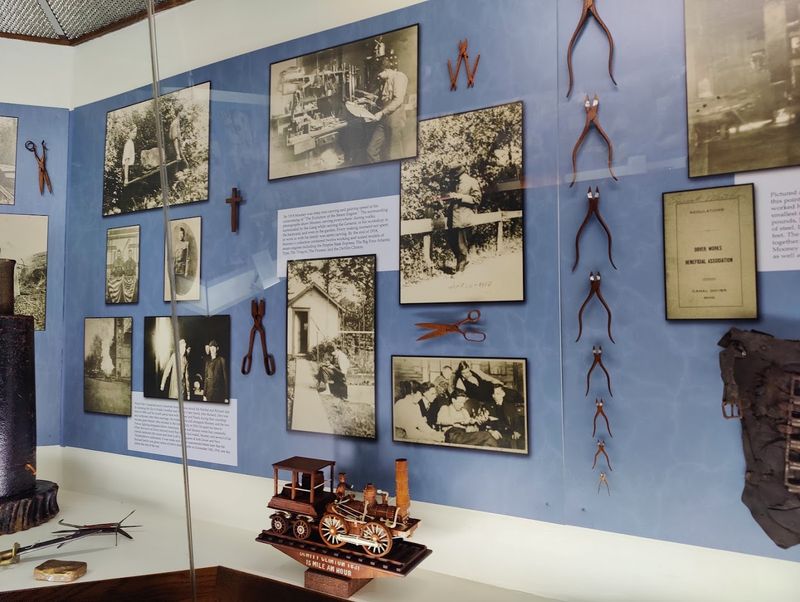
Some of his plier carvings, which he would give away to visitors and children, were carved from a single piece of wood in just minutes. A chain of linked loops, each loop separate and fully moveable, all cut from one block without ever breaking a link.
Watching a demonstration of this technique, even in video form, is genuinely startling.
The locomotives take this skill to an almost unimaginable level. Tiny valves, drive rods, and wheels all function as they would on a real engine, yet every component was shaped by one man with hand tools alone.
The Gardens That Surround the Museum
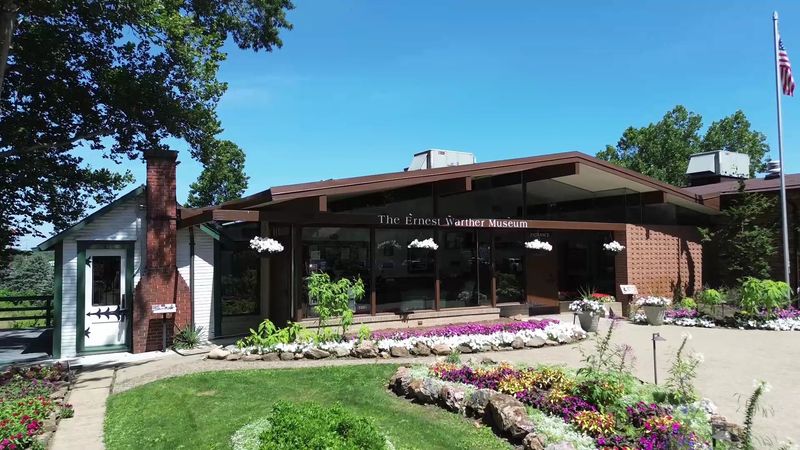
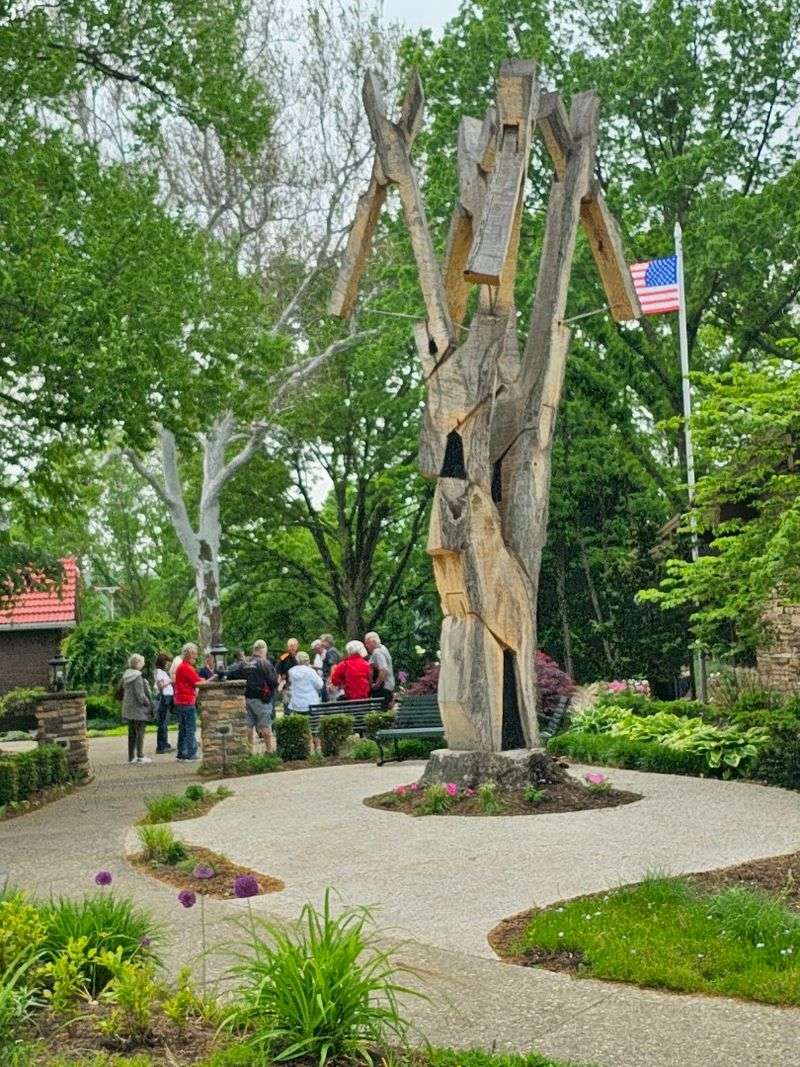
The grounds around the museum are a genuine surprise. Well-maintained gardens wrap around the property, creating a setting that feels more like a private estate than a public attraction.
Seasonal flowers line the walkways, and the overall atmosphere is calm and unhurried.
Walking the grounds between the museum buildings gives you a sense of the Warther family’s pride in their home and community. The property has been cared for with the same attention to detail that Warther brought to his carvings, and that consistency is noticeable the moment you arrive.
The gardens are not just decorative. They connect the various buildings on the property and give visitors a natural breathing space between exhibits.
Many people spend time outside simply taking in the surroundings before or after their tour, and the setting makes the whole visit feel more personal and less rushed than a typical museum trip.
The Button House and Frieda Warther’s Remarkable Collection
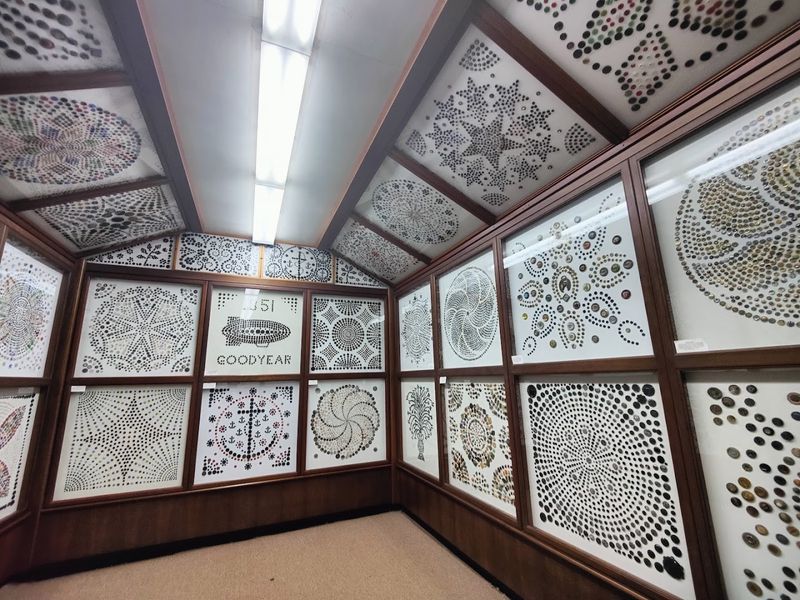
Ernest Warther was not the only collector in the family. His wife, Frieda, spent years accumulating one of the most extraordinary button collections anyone has ever seen.
The Button House on the museum property is dedicated entirely to her work, and it stops visitors in their tracks.
Frieda arranged her buttons into elaborate patterns and pictures, creating visual artwork from what most people would consider ordinary household objects. The sheer number of buttons on display is staggering, and the creativity she brought to organizing them makes the collection genuinely artistic rather than just archival.
The Button House is a wonderful reminder that the Warther story is really about two people, not one. Frieda’s collection stands on its own merits, and spending time in that building adds a completely different emotional layer to the visit.
It is one of those exhibits that tends to stay with people long after they leave.
Guided Tours That Bring Everything to Life
Taking the guided tour at the Warther Museum is one of those decisions you will not regret. The docents know the Warther story deeply, and they share details about Ernest’s life, his methods, and his personality that simply do not come through from reading exhibit labels alone.
The tour moves through the main museum building and covers the history of each major carving, explaining the real locomotives that inspired them and the techniques Warther used to recreate them. Guides often demonstrate the kind of hand carving Warther practiced, giving visitors a live sense of how demanding the work actually was.
Groups tend to be small, which means there is usually room to ask questions and linger over the pieces that catch your attention. Visitors who skip the guided option and do a self-tour often leave wishing they had taken the tour instead, based on how much richer the experience becomes with context.
The Warther Knives and the On-Site Cutlery Shop
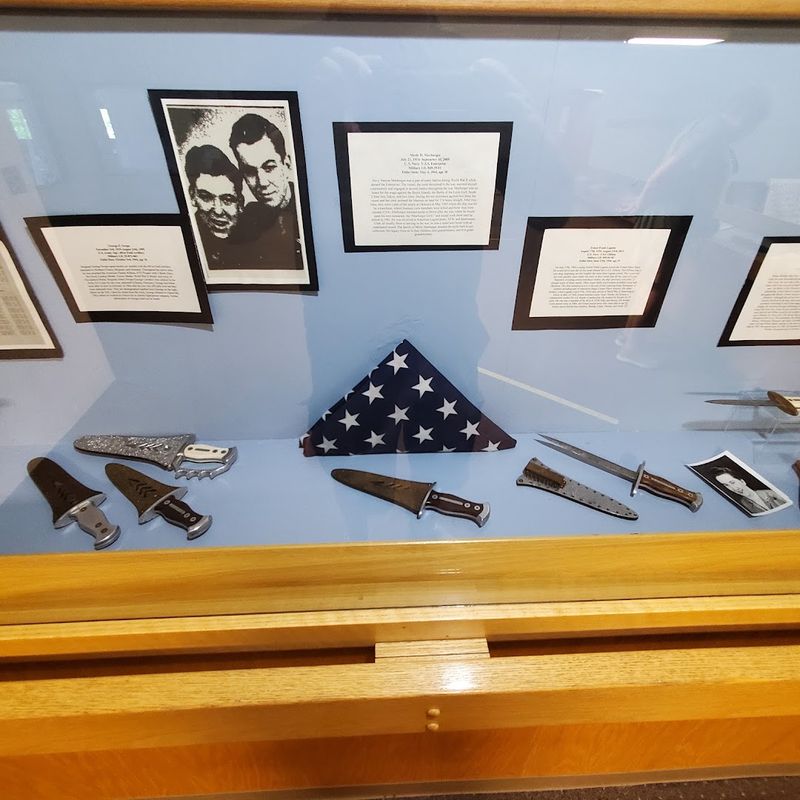
Right next to the museum sits the Warther Cutlery shop, where the family’s knife-making tradition continues to this day. Ernest Warther’s passion for precision extended to blade work, and the knives produced under the Warther name have earned a loyal following over many decades.
The shop sells kitchen knives crafted with the same care and attention to detail that defined Ernest’s carving work. Many visitors who came only to see the museum end up walking out with a knife or two, and some families have been buying Warther knives for multiple generations.
Watching the knife-making process through the shop window is an added bonus. Seeing craftspeople work with their hands, shaping and finishing blades using traditional methods, connects naturally to the spirit of the museum itself.
The whole property carries a consistent thread of handmade excellence that makes the knife shop feel like a natural extension of the Warther story.
The Historic Warther Home on the Property
The museum property includes the original Warther family home, and walking through it adds a deeply human element to the visit. This was not a wealthy household.
The Warthers lived modestly, and the home reflects the working-class roots that shaped everything Ernest created.
Seeing the space where Warther actually lived and worked makes the carvings feel even more extraordinary. He was not working from a professional studio with unlimited resources.
He was a mill worker carving at a kitchen table, driven entirely by passion and an almost compulsive need to create.
The home is preserved with care, and the furnishings and personal items on display help visitors connect with the Warthers as real people rather than historical figures. Many people find this part of the visit unexpectedly moving, particularly those who come in expecting only to see impressive woodwork and leave having learned something about what dedication actually looks like.
Arrowhead Collection and Other Surprising Exhibits
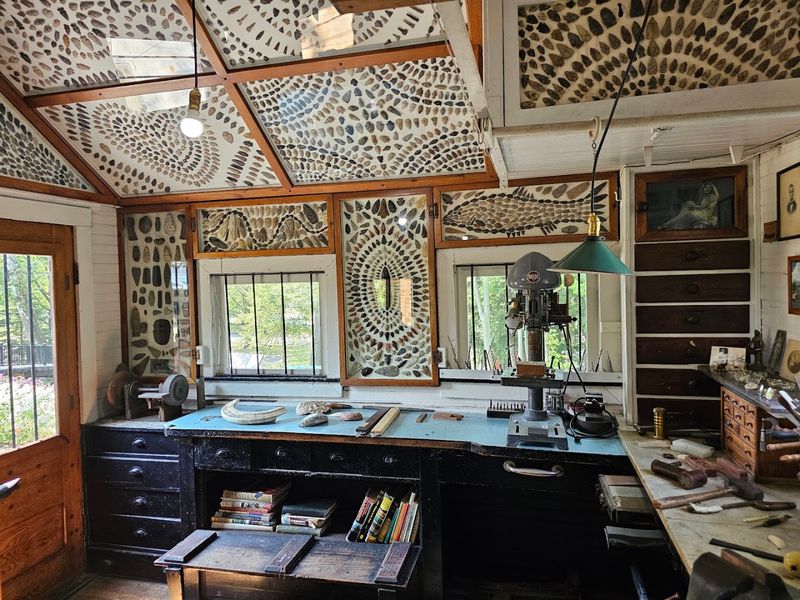
Most visitors arrive expecting to see train carvings and leave having discovered a museum far broader than its main attraction. One of the more unexpected exhibits is an arrowhead collection that Warther assembled over the years, featuring Native American stone tools and points mounted and displayed with real care.
The arrowheads speak to Warther’s wider curiosity about history and craftsmanship across cultures. He was drawn to any object that showed what human hands could make, and the arrowhead collection reflects that same sensibility that drove his carving work.
There is also a notable penny collection on display, featuring coins spanning from the late 1700s through the early 1900s. These smaller exhibits might be easy to rush past, but they reward the visitors who slow down.
Each one adds another dimension to the Warther story and reinforces how deeply this family was connected to the idea of preserving history through objects.
The Warther Christmas Tree Festival
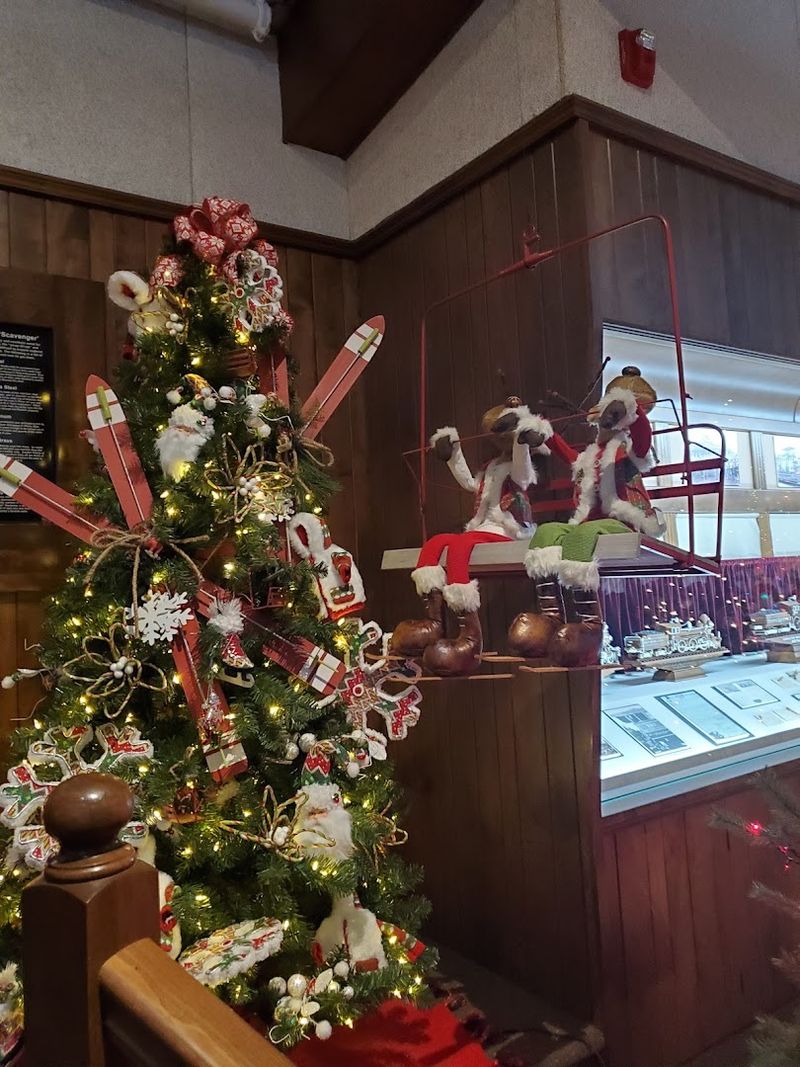
During the winter season, the Warther Museum hosts a Christmas Tree Festival that draws visitors from across the region. The event transforms the museum into a holiday display, with decorated trees filling the space alongside the permanent carving collection.
Admission for the festival has historically been offered at a reduced rate, with proceeds going to charitable causes. The combination of the holiday atmosphere and the extraordinary carvings creates an experience that feels unlike any other seasonal event in the area.
The festival is a great example of how the museum stays connected to its community throughout the year rather than operating as a purely historical institution. Families who might not visit during the regular season often make the Christmas festival their annual tradition, and many people who discover the museum through the holiday event return during warmer months to take the full guided tour and see everything the property has to offer.
Why the Carvings Stand Apart From Any Other Wood Art
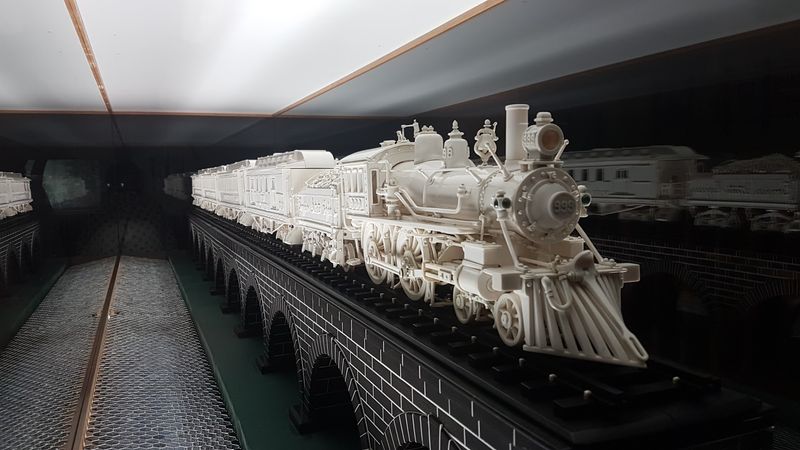
Wood carving as an art form has a long history, but what Warther did sits in a category that is genuinely difficult to compare to anything else. He used multiple materials, including walnut, ivory, and ebony, combining them within single pieces to create visual contrast and mechanical realism that photograph well but feel even more striking in person.
The scale of his work varies dramatically across the collection. Some pieces are large enough to fill a display case, while others are small enough to hold in one hand, yet both sizes carry the same level of obsessive detail.
That consistency across scale is part of what makes the collection so disorienting to experience.
Warther never sold his train carvings. He created them purely because he felt compelled to, which gives the whole collection an emotional quality that purely commercial art rarely carries.
Knowing that adds weight to every piece you stand in front of.
Visiting With Kids and What They Take Away
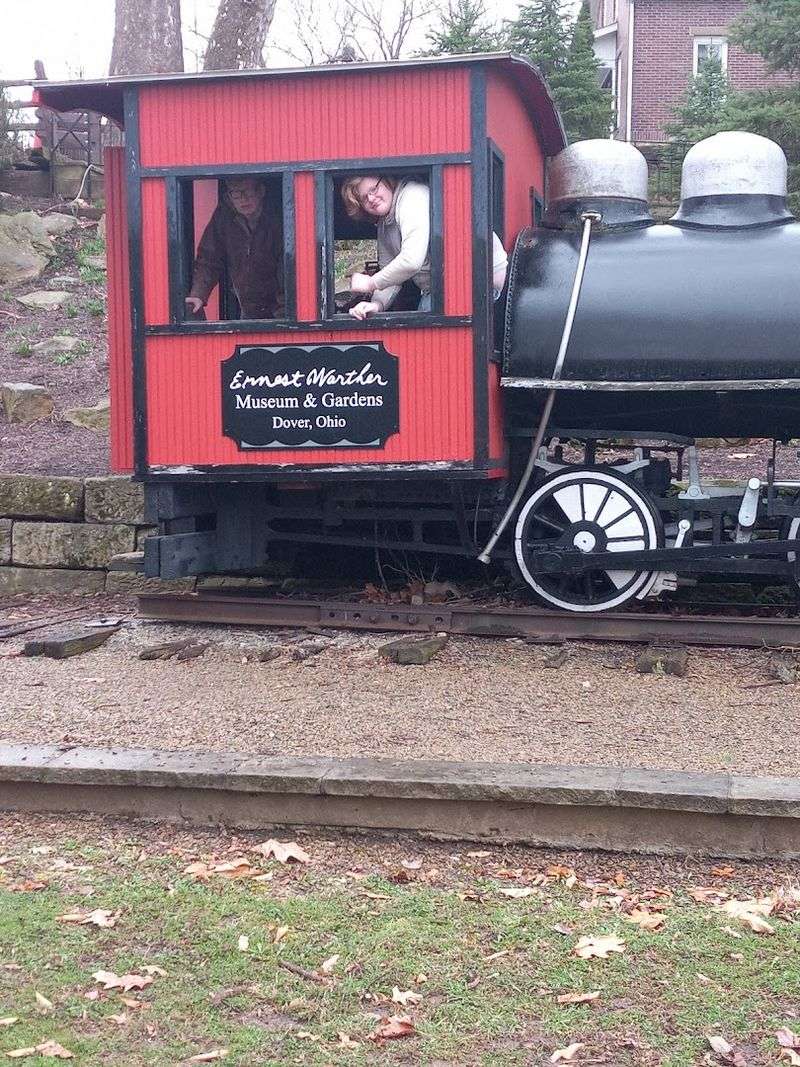
The Warther Museum is one of those rare places that works equally well for adults and children without feeling designed for either exclusively. Kids respond immediately to the moving parts, the tiny details, and the sheer number of train models on display.
The story of a man who started carving as a child and never stopped resonates with young visitors in a way that many historical exhibits simply do not.
Parents often report that their children ask more questions here than at larger, more conventional museums. There is something about the human scale of the Warther story that makes it approachable and inspiring rather than distant and academic.
The guided tour works well for school-age children, and the docents are experienced at adjusting their explanations for younger audiences. Bringing kids here is less about entertaining them for an afternoon and more about showing them what a single person can build when they commit fully to something they love.
How the Museum Fits Into a Broader Amish Country Visit
Dover sits in the heart of Ohio’s Tuscarawas County, which places the Warther Museum within easy reach of one of the largest Amish communities in the United States. Many visitors pair a trip to the museum with a broader exploration of the surrounding countryside, and the combination makes for a genuinely full day out.
The area around Dover offers farmland, local markets, and a pace of life that feels noticeably different from most American towns. Coming to the Warther Museum as part of a longer Amish Country trip gives the visit a natural context, since the region as a whole has a deep tradition of handmade craftsmanship that Warther’s work fits into beautifully.
The museum is roughly 45 minutes south of the Akron area, making it an accessible day trip for anyone staying in northeastern Ohio. Planning a few hours here and then exploring the surrounding county is a reliable way to get the most out of the region.
Practical Details for Planning Your Visit
The Warther Museum is open Monday through Sunday from 9 AM to 5 PM, which makes scheduling a visit straightforward regardless of which day you can get there. The grounds and multiple buildings mean you should plan for at least one to two hours, and taking the guided tour will extend that comfortably.
Admission is priced for adults and seniors, with discounts available for veterans, AAA members, and other groups. The guided tour is strongly recommended for first-time visitors, as the context it provides transforms the experience from interesting to genuinely memorable.
Parking is available on site, and the property is located at 331 Karl Ave in Dover, Ohio. One practical note worth keeping in mind is that some of the walkways between buildings can be narrow or slightly uneven, so visitors with mobility considerations may want to plan accordingly.
The museum’s website at thewarthermuseum.com has current admission details and any seasonal event information.
Why This Museum Stays With You Long After You Leave
Most museums leave you with information. The Warther Museum leaves you with a feeling that is harder to name.
Something about standing in front of objects that should not be possible, knowing they were made by one person with hand tools and no formal training, shifts the way you think about what dedication actually produces.
The Warther story is not about genius in the abstract. It is about a real person who woke up every day in a small Ohio town and chose to make something extraordinary with whatever time and materials he had.
That specificity is what makes the museum linger in your memory.
People who visit once tend to come back, sometimes decades later, and find the experience just as powerful the second time. That kind of staying power is rare.
The carvings do not age, the story does not fade, and the feeling of standing in front of something genuinely unbelievable never quite gets old.
Share this story