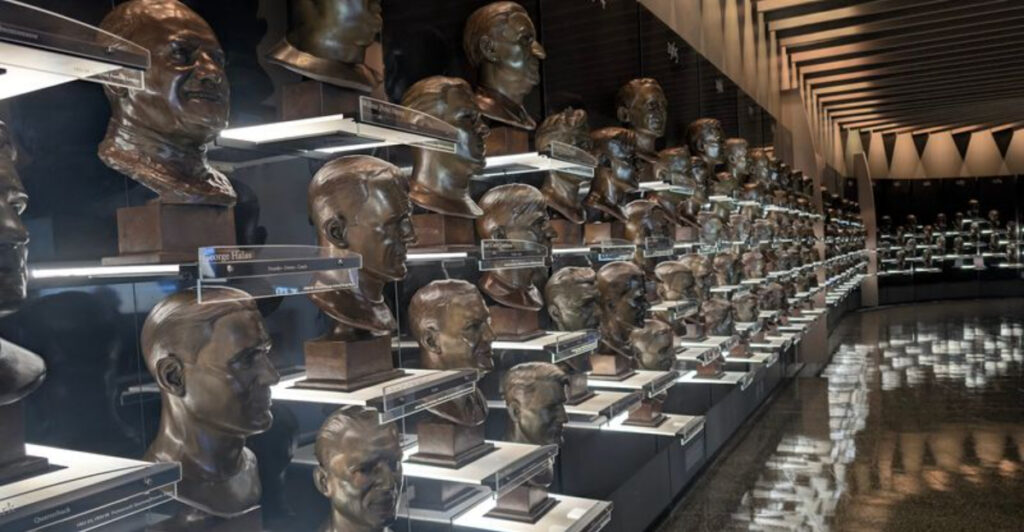
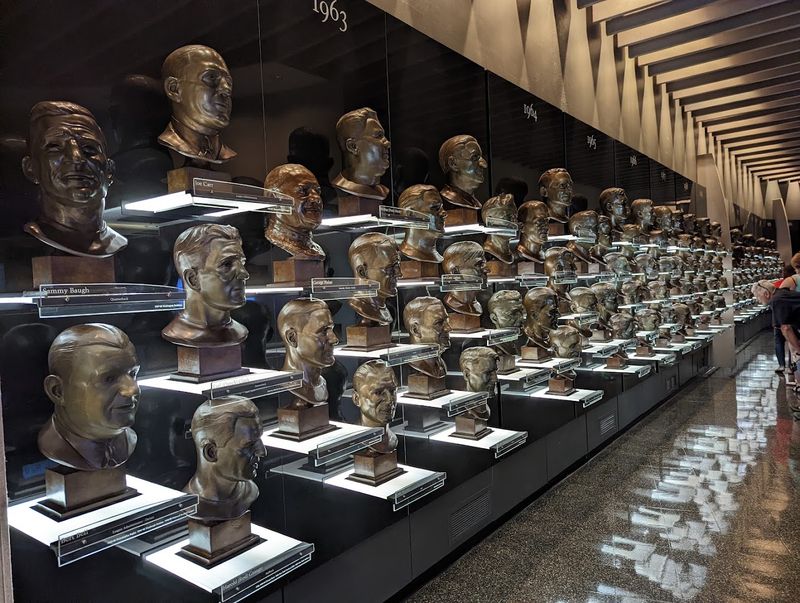
There is a room in Canton, Ohio, where bronze faces stare back at you from every direction, each one belonging to someone who changed professional football forever. Row after row of carefully sculpted busts line the walls, and the silence in that space carries a weight you do not expect from a museum about a contact sport.
The Pro Football Hall of Fame is not just a place to look at old helmets and jerseys. It is a place that makes you feel the full sweep of a sport that has shaped American culture for over a century, and nearly every corner of the building has something that will stop you mid-step.
The Hall of Busts: Where Football Royalty Lives
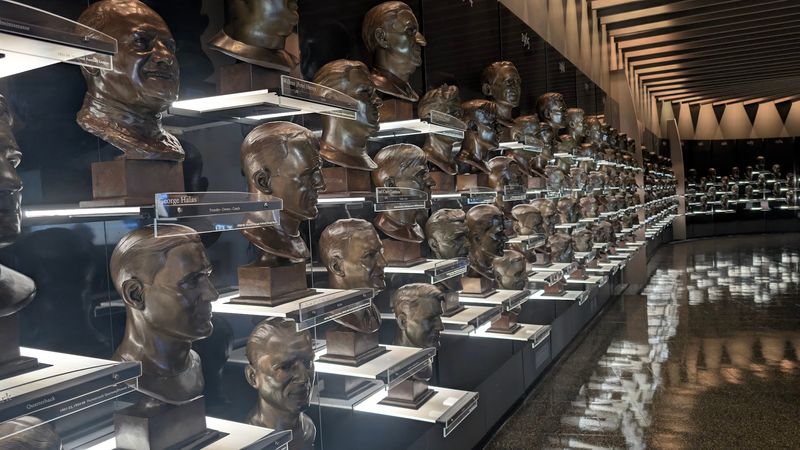
Nothing quite prepares you for the moment you walk into the Hall of Busts. Bronze sculptures of legends like Jim Brown, Joe Montana, and Jerry Rice line the room in a way that feels genuinely ceremonial.
The craftsmanship on each bust is remarkable, capturing not just facial features but personality.
Every inductee is frozen in time at the age they were honored, which means you are looking at decades of football history compressed into one room. Younger fans recognize faces from highlight reels.
Older fans see players they watched live on Sunday afternoons.
The emotional pull here is real. People slow down, point at names, and whisper to each other like they are in a place of reverence.
For anyone who grew up watching the NFL, this room is the centerpiece of the entire visit and the one space that tends to stay with you long after you leave.
The Origins of the Game: Early Football History Exhibits
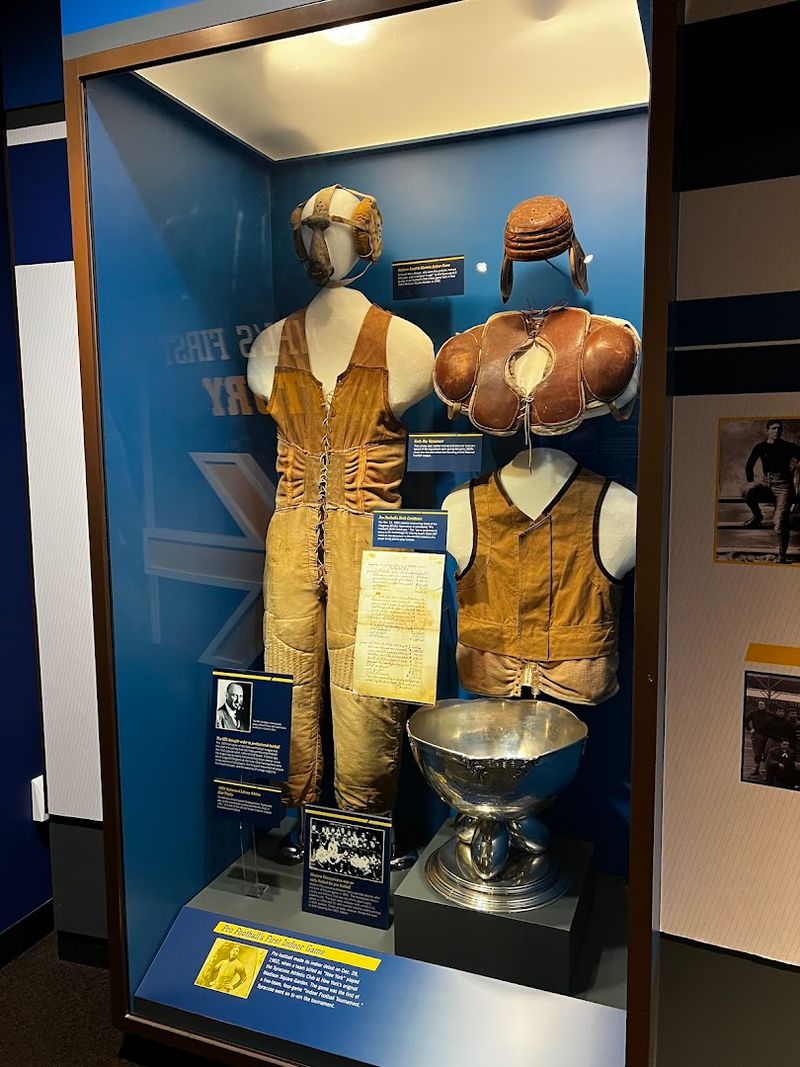
Most visitors come for the modern stars, but the early football history section quietly becomes one of the most fascinating parts of the museum. The exhibits trace professional football back to its rough, unpolished beginnings, including the era of leather helmets and small regional teams that barely anyone remembers today.
Canton itself played a central role in the formation of what became the NFL, which is a big reason the Hall of Fame ended up here rather than in a larger city. Seeing that history laid out with actual artifacts makes the connection feel tangible.
There is real depth here for anyone curious about how a chaotic early sport transformed into the most-watched league in the country. The storytelling through objects, photographs, and timelines is handled well, and even moderate football fans tend to walk away knowing things they never expected to learn on a museum visit.
The Super Bowl Gallery: Rings, Trophies, and Milestones
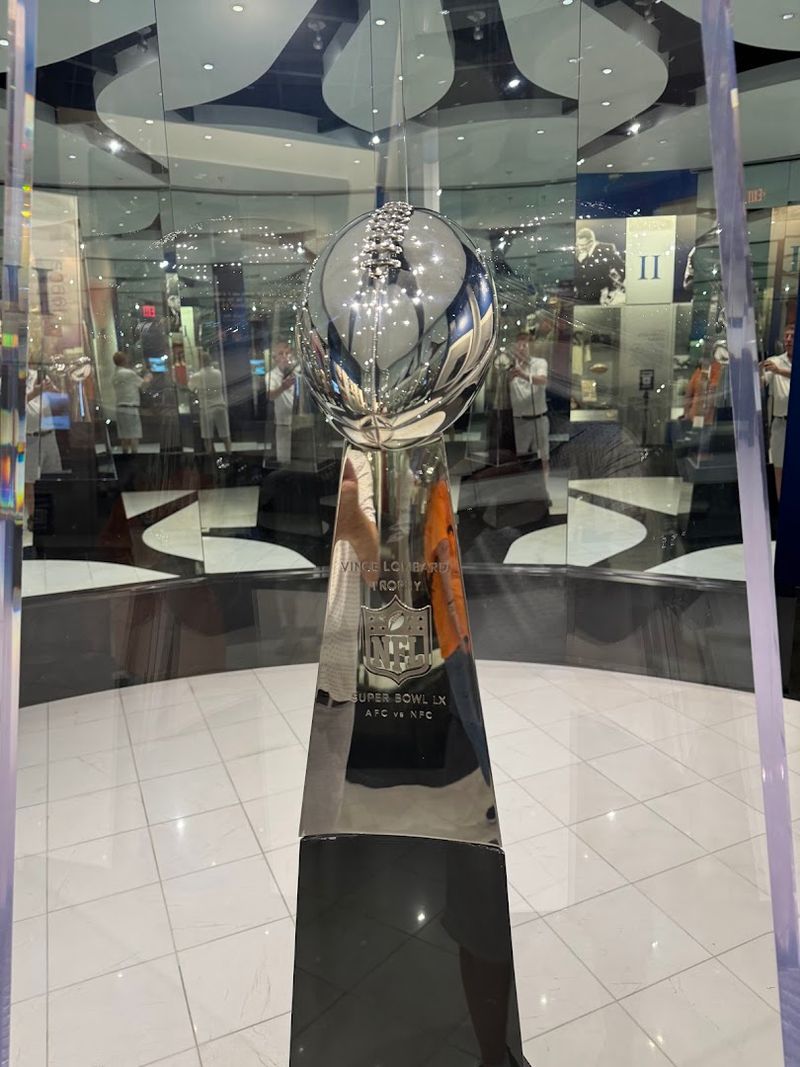
The Super Bowl Gallery draws a crowd for good reason. Seeing the actual Vince Lombardi Trophy up close is one of those moments that lands differently than a photograph ever could.
The trophy is smaller than most people expect, but the craftsmanship makes it instantly recognizable.
What really holds attention is the evolution of Super Bowl rings displayed across the decades. The early rings are modest by today’s standards, almost understated.
The modern versions are loaded with diamonds and custom details that reflect each team’s championship story. Comparing them side by side tells the story of the NFL’s growth better than any documentary could.
Each ring comes with context about the season, the team, and the key players involved, so you are not just looking at jewelry. You are reading a compressed history of the biggest moments in professional football, one sparkling ring at a time.
A Game for Life Theater: Holographic Legends on Stage
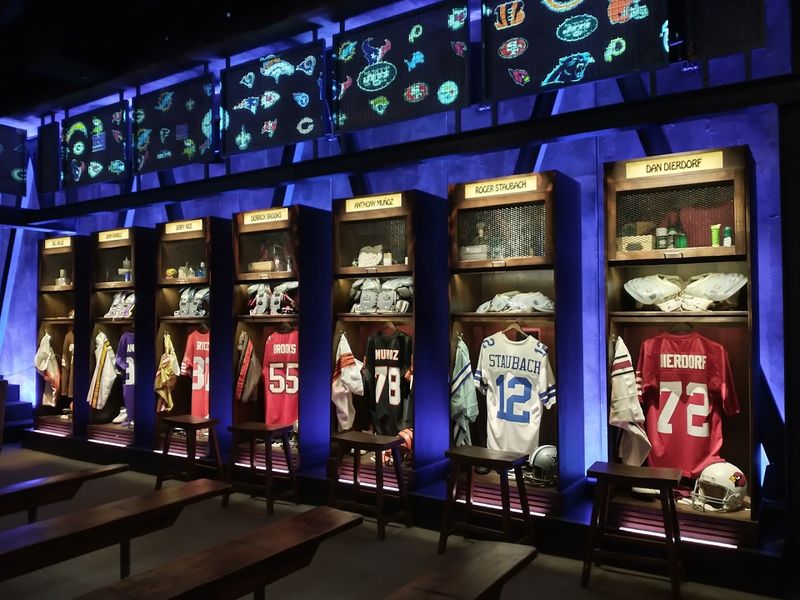
The “A Game for Life” theater experience is one of the most talked-about features inside the museum, and it earns that reputation. Using holographic technology, the presentation brings legendary figures like Joe Namath and Vince Lombardi to life on stage in a way that feels genuinely surprising the first time you see it.
The show is not just a highlight reel. It carries a message about what football teaches beyond the game itself, covering themes of perseverance, teamwork, and character.
The production quality is high, and the emotional tone catches some visitors off guard in the best way.
Plan to arrive a few minutes early to get a good seat. The theater fills up, and the experience is worth watching from a centered vantage point.
Most people who catch this presentation say it was one of the highlights of their visit, even those who came in expecting the exhibits to be the main draw.
The Story Behind Canton: Why Ohio Holds This Honor
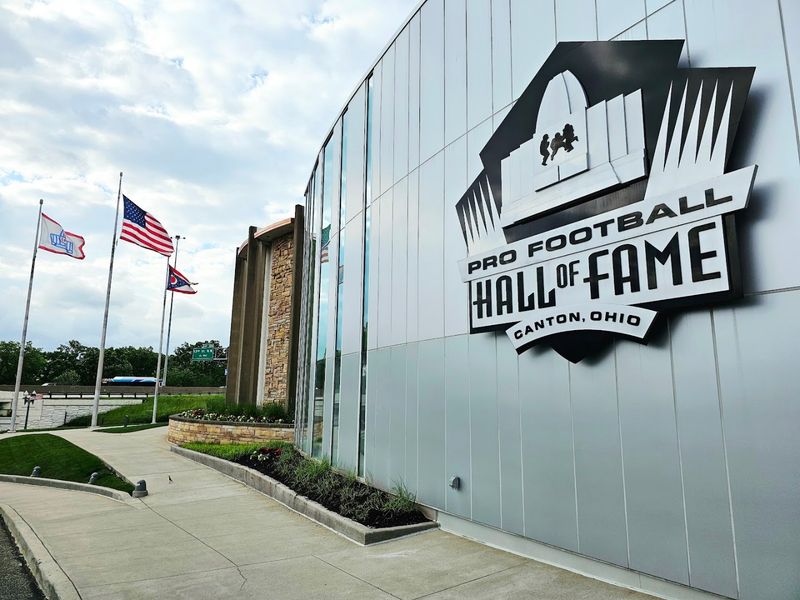
Canton, Ohio, is not a city most people associate with professional football at first glance, but the connection runs deep. The American Professional Football Association, which later became the NFL, was founded in Canton in 1920.
That historical fact is the reason the Hall of Fame was built here rather than in New York or Chicago.
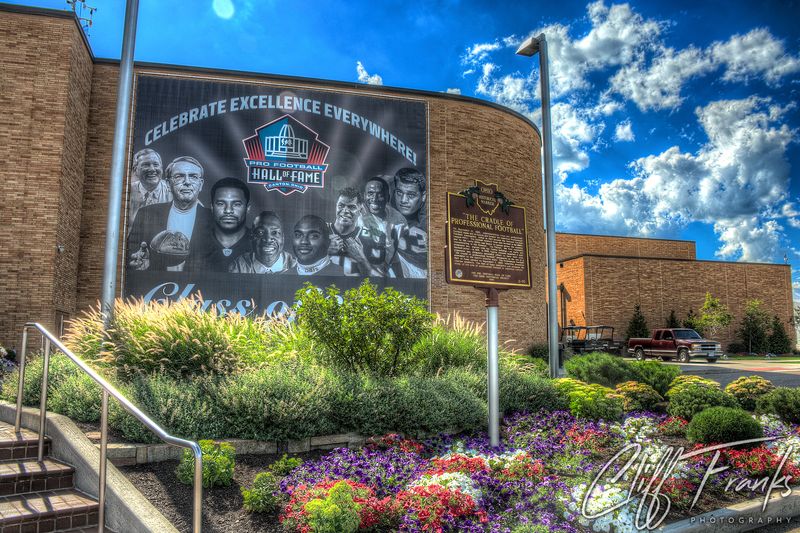
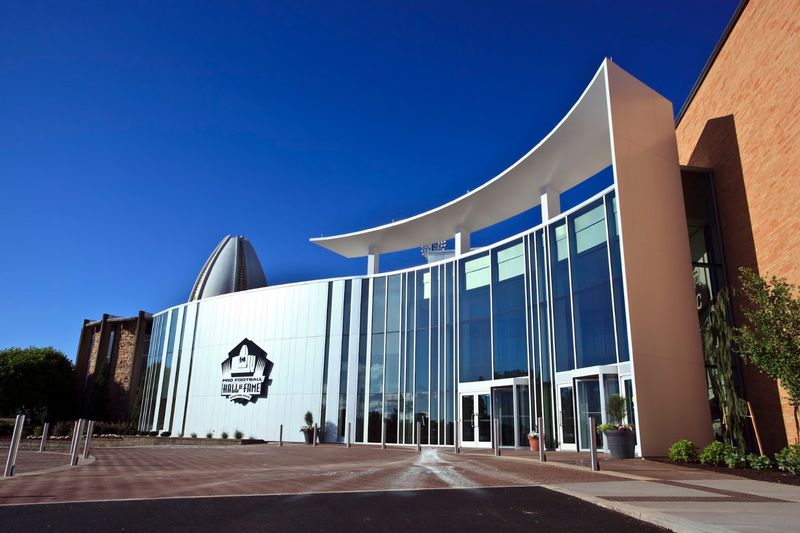
The Pro Football Hall of Fame is located at 2121 George Halas Dr NW, Canton, OH 44708. George Halas, one of the founding figures of the NFL, lends his name to the street, which is a fitting detail for a building dedicated to the sport he helped shape.
Understanding this backstory adds a layer to the visit that many people miss if they skip the early history exhibits. Canton earned this institution through a genuine piece of football history, and the museum takes that responsibility seriously throughout every floor of the building.
Interactive Exhibits: Testing Your Own Football Skills

The museum is not all glass cases and quiet observation. There are interactive areas where visitors can test their arm strength, call plays, and engage with the game in a more physical way.
Kids tend to gravitate toward these sections immediately, but adults get pulled in just as fast.
One of the more popular setups lets you experience what it feels like to make decisions under pressure, simulating the kind of split-second thinking quarterbacks rely on. It sounds simple, but it genuinely changes how you watch the game afterward.
These hands-on elements break up the pace of the visit nicely. After spending time reading exhibit text and studying artifacts, having a place to move around and try something physical keeps energy levels up.
Families especially appreciate the balance between educational content and active participation, and the interactive zones tend to generate some of the best candid moments of the trip.
The Evolution of the Helmet: A Design History Worth Seeing
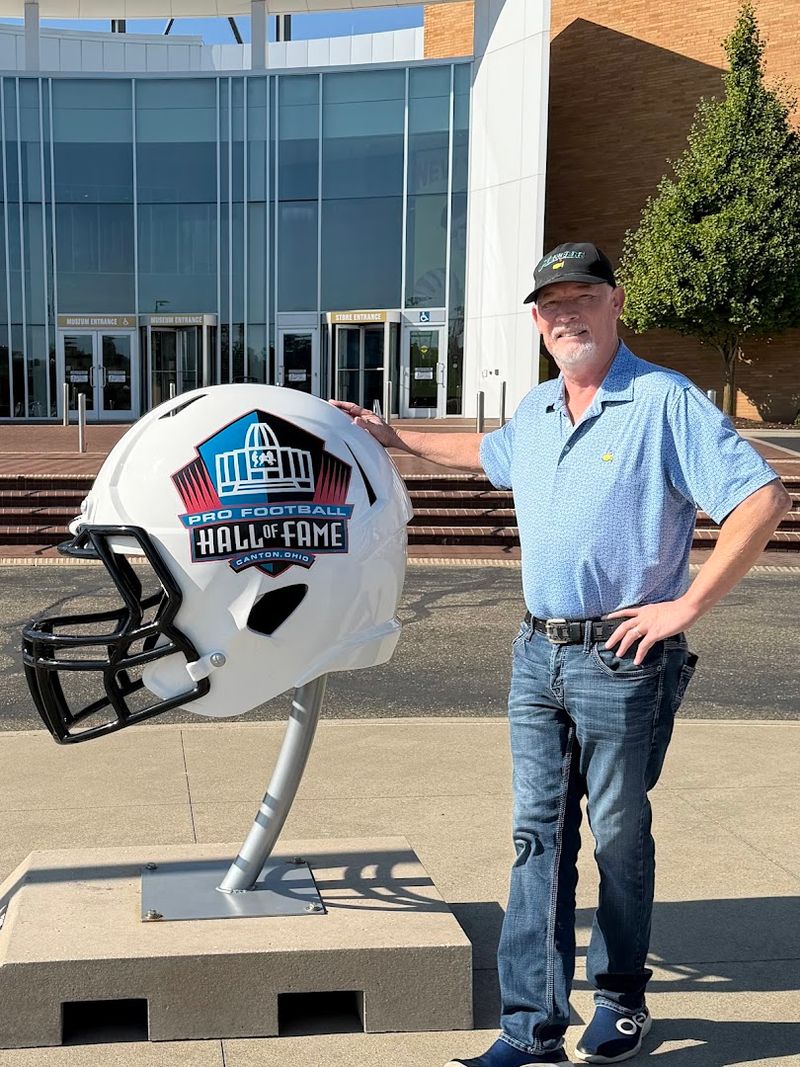
Few exhibits at the Hall of Fame generate as much genuine curiosity as the helmet history display. The progression from soft leather headgear to the aerodynamic, sensor-equipped helmets of today is a visual timeline of both technology and player safety awareness.
Early helmets offered almost no real protection by modern standards. Seeing them next to current designs makes the engineering advances obvious, and the exhibit does a good job explaining why those changes happened and what drove them.
It is one of those displays that makes you think about the sport differently.
Live presentations about helmet history are offered periodically by knowledgeable volunteers, and catching one of those talks adds real depth to what you are seeing. Visitors who attend the live sessions consistently say they got more out of the helmet exhibit than they expected.
It is a detail-rich corner of the museum that rewards the curious.
Defunct Franchises: The Teams That Time Forgot
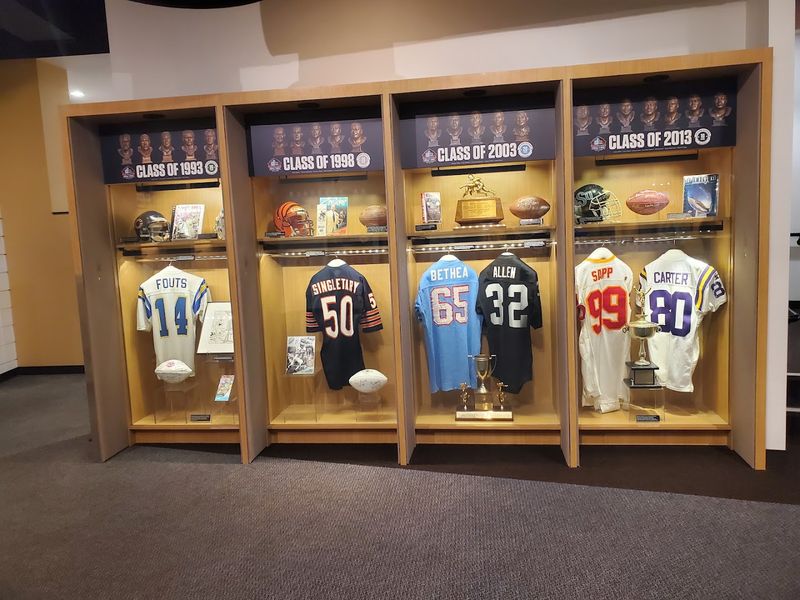
One of the more unexpected pleasures at the Hall of Fame is the presentation dedicated to defunct and forgotten NFL franchises. Teams that folded decades ago, relocated, or merged into other organizations get their moment in the spotlight here, and the stories are genuinely fascinating.
Volunteer-led talks on this subject run periodically throughout the day, and they draw a surprisingly engaged crowd. The presenters bring real enthusiasm to the topic, sharing trivia about teams most modern fans have never heard of.
A few visitors have reportedly won football cards during trivia segments, which adds a fun competitive edge to what could otherwise be a dry history lesson.
This part of the museum appeals to the kind of football fan who wants to go beyond the familiar names and championships. It fills in gaps in the sport’s timeline that mainstream coverage almost never touches, making it one of the most rewarding sections for anyone with a genuine love of football history.
Hall of Famer Residency Program: A Chance to Meet a Legend
One of the most memorable things that can happen during a visit to the Hall of Fame has nothing to do with a specific exhibit. Through the Hall of Famer Residency Program, inducted players make scheduled appearances at the museum, spending time with visitors, sharing stories, and taking photos.
Some visitors stumble into these encounters without knowing they were scheduled, which makes the surprise even better. Others plan their trips specifically around a particular player’s appearance.
Either way, shaking hands with someone whose bronze bust is mounted down the hall is a surreal and genuinely exciting experience.
The museum posts residency schedules on its website, so checking ahead of time is worth the effort. These are not rushed meet-and-greet setups.
Hall of Famers typically spend real time talking with fans, which turns a great museum visit into a story worth telling for years. It is the kind of access you simply cannot get anywhere else.
Practical Tips for Planning Your Visit
The museum is open daily, with extended hours on Thursdays, Fridays, and Saturdays until 7 PM. Most visitors spend between three and five hours inside, so arriving early in the day gives you enough time to see everything without feeling rushed.
Parking is available on site and tends to be straightforward outside of major events.
Tickets can be purchased online in advance or at the door. Senior pricing is available, and a combo ticket with the Rock and Roll Hall of Fame in Cleveland offers savings worth considering if you plan to visit both.
The football ticket is valid for seven days from purchase, which adds flexibility.
The museum has multiple floors, so comfortable footwear is a practical consideration. There is also a cafe on site with food options that visitors have described as better than typical museum fare.
Checking the website before your visit helps you catch any scheduled Hall of Famer appearances or special presentations.
Why the Hall of Fame Belongs on Your Ohio Travel List
Canton is roughly an hour south of Cleveland and about two hours northeast of Columbus, which puts the Hall of Fame within reasonable driving distance for a large portion of the Midwest. The surrounding area has its own appeal, and pairing the museum with other stops in northeastern Ohio makes for a full travel day or weekend.
What makes this museum stand out from other sports halls of fame is the combination of genuine historical depth and modern presentation. The building covers everything from the sport’s chaotic early days to the most recent NFL season, and it does so without feeling like a corporate showroom.
Non-football fans who visit alongside football-loving family members consistently report enjoying themselves more than expected. The storytelling is strong enough to hold interest even without prior knowledge of the sport.
That broad appeal, paired with the sheer scale of what is on display, is what keeps people talking about this place long after they drive home.
Share this story