Running through the heart of Wilmington is one of Delaware’s most surprising outdoor destinations, where historic parks, scenic riverfront trails, beautiful gardens, and family attractions come together in one connected network of green spaces. Visitors come to stroll along the Brandywine River, explore wooded trails, admire seasonal gardens, visit a zoo, enjoy panoramic overlooks, and discover peaceful corners that feel far removed from city life. It’s the kind of place where a leisurely walk can easily turn into an entire day of exploring.
The experience extends far beyond the walking trails. Historic landscapes, scenic overlooks, wildlife viewing, family-friendly attractions, colorful gardens, community events, and miles of connected greenways have made this one of Delaware’s premier outdoor destinations. Whether you’re looking for a relaxing afternoon or an active day outdoors, it’s easy to understand why locals and visitors return throughout every season.
Here’s why Wilmington State Parks has become one of Delaware’s most treasured urban park systems and one of the best places in the Mid-Atlantic to experience history, nature, and recreation all in one destination.
The Address, the History, and the Big Picture of Wilmington State Parks
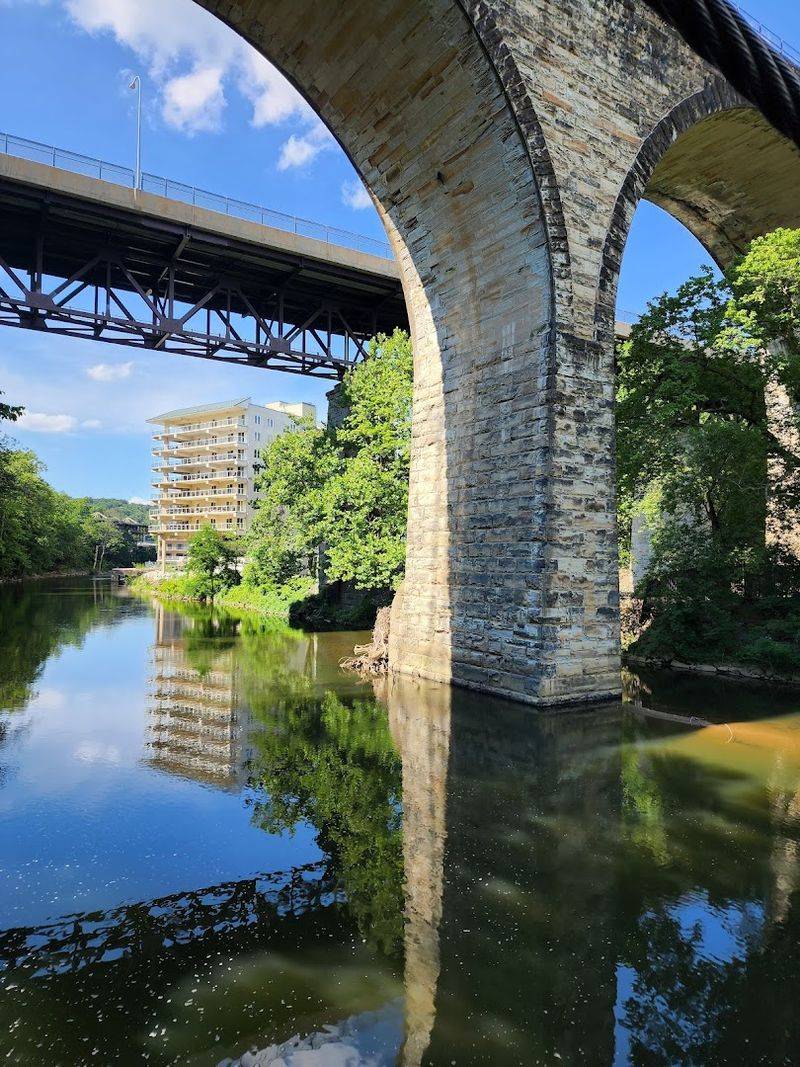
Not every state park fits the image of remote wilderness, and Wilmington State Parks at 1 St. Rocco Way, Wilmington, DE 19802, proudly defies that expectation. This is an urban park system managed by Delaware State Parks, officially unified in 1998 to bring several historic city parks under one cohesive umbrella.
The result is a network that stretches across multiple neighborhoods, tracing the Brandywine River and offering everything from paved greenway trails to wooded footpaths. Some of the parks within this system have histories stretching back well over a century, meaning the roots here run as deep as the old sycamores lining the riverbanks.
The office hours run Monday through Friday, 8 AM to 4 PM, and the main phone number is 302-577-7020. You can also plan ahead at destateparks.com. There is no general entrance fee for the parks themselves, which makes this one of the most accessible outdoor destinations in Delaware.
Brandywine Park: The Oldest and Most Celebrated Green Space in the City
Frederick Law Olmsted is most famous for designing Central Park in New York City, but his influence also shaped one of Wilmington’s most treasured public spaces. Brandywine Park, first established in 1886, was developed with input from Olmsted and funded largely through the generosity of industrialist William Poole Bancroft, who believed every city resident deserved access to nature.
At 178 acres, the park stretches along both banks of the Brandywine Creek, offering a patchwork of open meadows, shaded woodland paths, and formal garden areas. A 2.2-mile paved loop runs through the park, popular with joggers, cyclists, and casual walkers who want river views without venturing far from the city.
The park feels both grand and intimate at the same time, which is a difficult balance to strike in an urban setting. Benches are positioned at thoughtful intervals, making it easy to pause, breathe, and watch the water move. The seasonal shifts here are especially dramatic, which becomes clear a few sections from now.
The Brandywine Zoo: A Wildlife Encounter Right Inside the Park
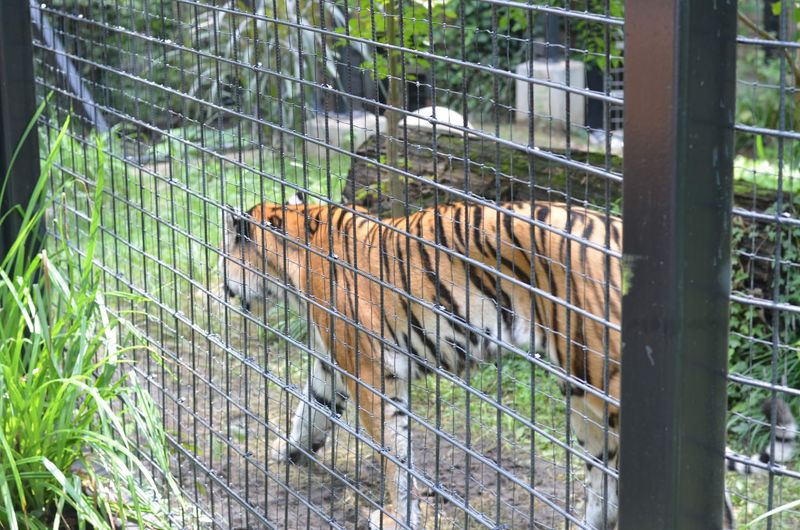
Most urban parks do not come with a zoo attached, but Brandywine Park has offered exactly that since 1905. The Brandywine Zoo sits just across the street from the main park and focuses on animals from the Americas and temperate Asia, giving it a more focused identity than a typical city zoo.
Siberian tigers are among the most striking residents, and watching one pace across its habitat against a backdrop of old trees is a genuinely memorable experience. River otters, Andean condors, and red pandas round out a collection that manages to feel educational without being overwhelming.
Staff members offer animal presentations throughout the day, and the goat petting area tends to be a highlight for younger visitors. The zoo is compact enough to explore thoroughly in about 90 minutes, making it a practical add-on to a longer park visit rather than a separate all-day commitment. An admission fee applies here, so it is worth checking current pricing before your visit.
Rockford Tower: The 115-Foot Stone Sentinel with Panoramic Views
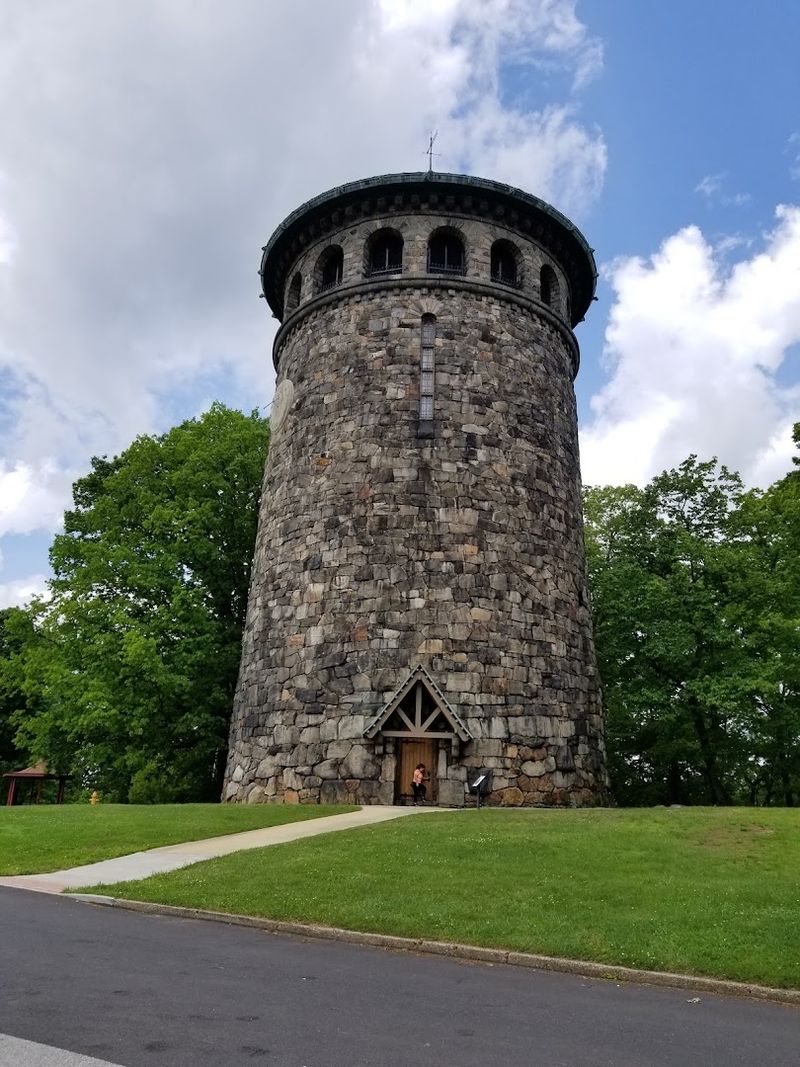
Built between 1899 and 1901, the Rockford Tower in Rockford Park is one of those structures that stops you mid-stride the first time you see it. The 115-foot stone tower originally served as a functioning water tower for the city, but its observation deck transformed it into something far more public-spirited.
On summer Sundays and during Monday evening concerts, the observation deck opens to visitors, rewarding those who make the climb with 360-degree panoramic views of Wilmington, the Brandywine River valley, and the rolling parkland stretching in every direction. The stonework itself is worth admiring up close, carrying the craftsmanship of an era when civic infrastructure was also expected to be beautiful.
Rockford Park surrounds the tower with wide open green spaces and gently rolling hills, making it one of the best spots in the entire system for kite flying, lawn games, or simply spreading out a blanket on a clear afternoon. The summer concert series held here draws a warm, community-minded crowd every year.
Alapocas Run State Park: Rock Cliffs, Wooded Trails, and a Folk Art Surprise
Delaware is not a state most people associate with rock climbing, which makes Alapocas Run State Park one of the more unexpected discoveries in the Wilmington area. The park contains Delaware’s only public outdoor rock-climbing area, where striking blue rock cliffs rise from the wooded landscape and attract climbers at various skill levels throughout the year.
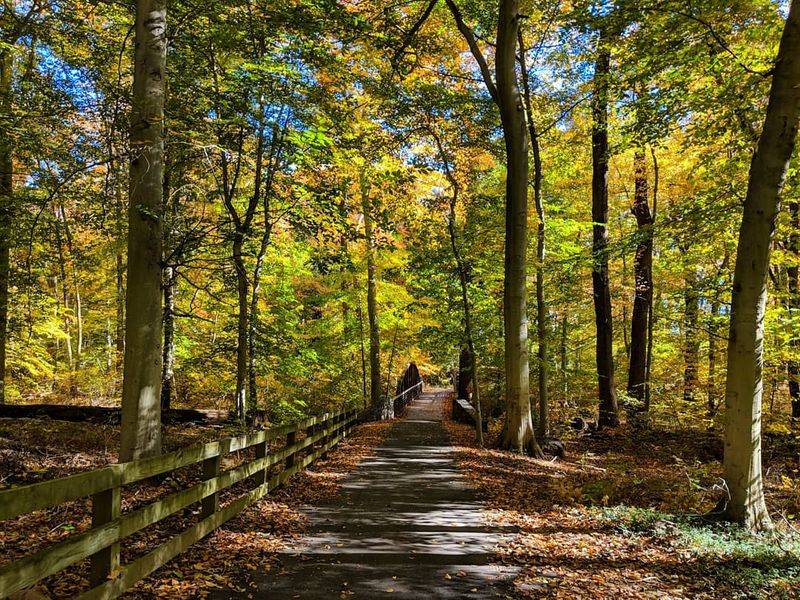
The trails here wind through mature forest, offering a noticeably wilder atmosphere than the more manicured sections of Brandywine Park. The difference in terrain keeps the overall park system feeling varied and fresh rather than repetitive.
What genuinely surprised me, though, was finding the Blue Ball Barn on the property. This historic dairy barn, originally built by Alfred I. du Pont, has been thoughtfully restored and now serves as the permanent home of the Delaware Folk Art Collection. It is a completely unexpected cultural detour tucked inside a hiking trail, and the contrast between rugged cliffs and carefully displayed folk art somehow works perfectly. There is more history hiding in these parks than most visitors ever expect to find.
The Northern Delaware Greenway: A Trail That Ties Everything Together
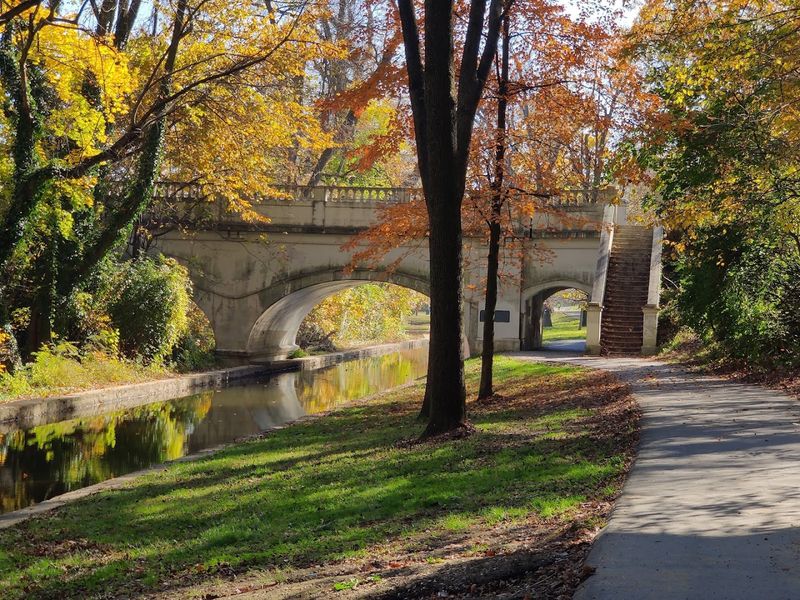
The individual parks within the Wilmington State Parks system are impressive on their own, but the Northern Delaware Greenway Trail is what elevates the whole network into something genuinely special. This paved multi-use trail connects parks, historic sites, and cultural landmarks across the region, allowing visitors to travel between destinations without ever touching a car.
Cyclists, runners, and walkers share the trail comfortably, and the route passes through enough varied scenery to keep the experience engaging over long distances. River views appear and disappear between stretches of woodland, and the occasional historic marker gives you a reason to slow down and read.
The trail also links to the Brandywine Arts Festival route each September, which adds a seasonal layer of community energy to what is already a well-used corridor. The fitness circuit loop within Brandywine Park, complete with exercise stations, branches off the main greenway and offers a structured workout option for those who want more than a casual stroll. Connectivity like this is rare in urban park systems and genuinely changes how you experience the city.
The Jasper Crane Rose Garden and Cherry Blossom Garden: Seasonal Color Worth Planning Around
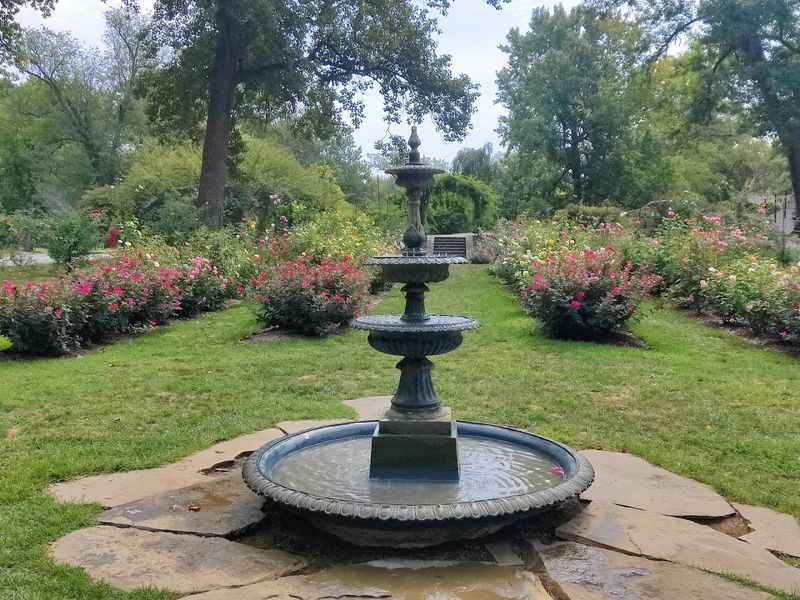
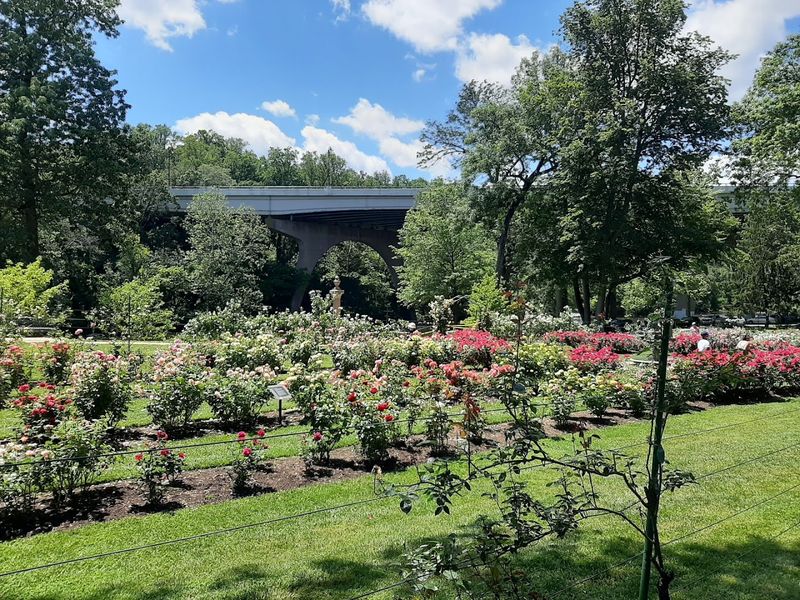
Formal gardens inside an urban park carry a particular kind of quiet elegance, and the Jasper Crane Rose Garden inside Brandywine Park delivers that in full. Named in honor of a prominent local figure, the garden fills with color each spring and summer, drawing visitors who arrive specifically to photograph the blooms or simply sit among them.
The cherry blossom garden nearby adds another layer of seasonal drama, transforming a corner of the park into something almost theatrical when the trees peak in early spring. The blossoms do not last long, but the payoff for timing your visit right is genuinely stunning.
Both gardens offer a peaceful contrast to the more active areas of the park system, and the benches positioned throughout make it easy to settle in for an extended stay. The formal layout feels intentional and well-maintained, which reflects the broader care that goes into the entire park system. If you visit in autumn, the foliage along the river trails offers a completely different kind of visual reward, as described in the next section.
Autumn in the Parks: Why Fall Might Be the Best Season to Visit
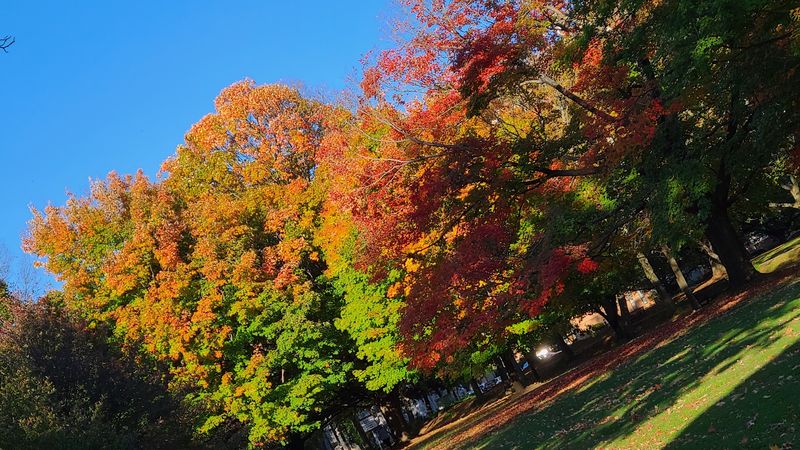
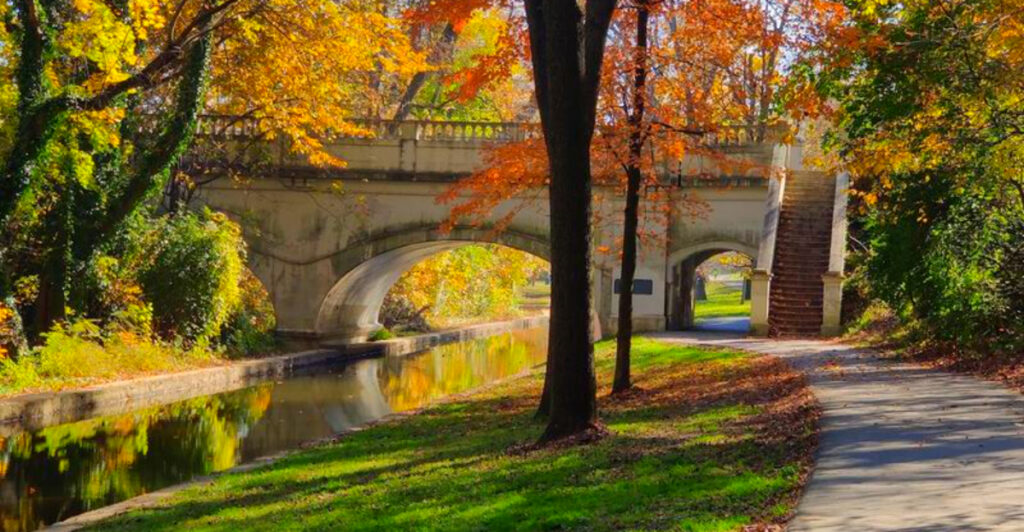
The Mid-Atlantic fall is a reliable spectacle, and Wilmington State Parks sits right in the sweet spot of it. By mid-October, the trees lining the Brandywine River begin shifting through shades of amber, rust, and deep red, turning the trail system into something that looks almost too photogenic to be real.
Crisp air, bright blue skies, and warm afternoon sunlight make the trails comfortable for longer walks than you might attempt in summer heat. The open green spaces in Rockford Park take on a golden tone that feels genuinely cinematic on a clear October afternoon.
Locals clearly know this secret, and the parks tend to draw steady crowds during peak fall weekends. Arriving early on a Saturday morning gives you the best light for photography and the quietest trails before the crowds build. The combination of river reflections, colorful canopy, and cool air makes autumn the season that regular visitors seem to return for most consistently, year after year.
Fishing, Birdwatching, and the Wildlife That Calls the Brandywine Home
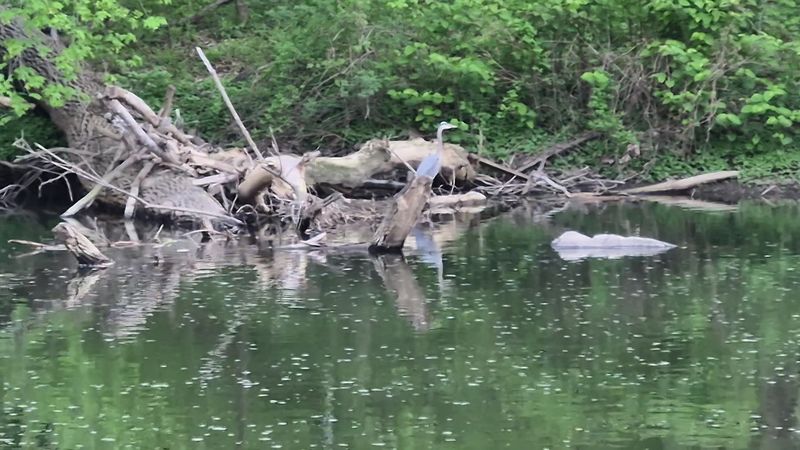
The Brandywine River running through the heart of this park system supports a surprisingly active ecosystem, and spending time near the water reveals how much wildlife has quietly claimed this urban corridor. Trout appear in the river during spring, while smallmouth bass, carp, catfish, and panfish provide year-round angling opportunities for those with a valid Delaware fishing license.
The accessible riverbank spots along the trail make it easy to cast a line without requiring any serious gear or backcountry experience. Fishing here feels relaxed and unhurried, the kind of activity that suits a slow weekend morning perfectly.
Birdwatchers will find the varied habitats equally rewarding. Warblers, woodpeckers, and hawks are common sightings throughout the year, and migratory species pass through in spring and fall, adding variety for experienced birders. Guided bird walks are offered periodically through the park system, providing structured introductions for newcomers. The geese, meanwhile, patrol the riverbanks with a confidence that borders on territorial and deserves a respectful distance.
Picnics, Pavilions, and Community Events That Fill the Parks with Life
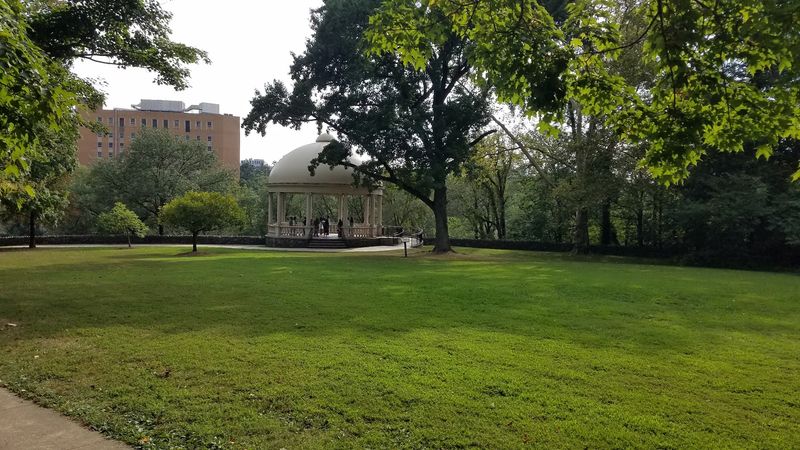
The social side of Wilmington State Parks is just as developed as its natural offerings, and the pavilions and picnic areas scattered across the system see real use throughout the warmer months. Rockford Park in particular draws families and groups to its wide open lawns, where kites, footballs, and picnic blankets coexist easily across the rolling terrain.
The parks host regular community events, including summer concerts that transform the grounds into outdoor performance venues on warm evenings. The Brandywine Arts Festival each September draws artists and visitors from across the region and turns the park into a lively cultural marketplace for a weekend.
Weekend farmers markets also appear seasonally, adding fresh produce and local vendors to the park experience. Pavilions can be reserved for private gatherings, making the parks a popular choice for family reunions and celebrations. The portable restroom situation at some of these events has drawn occasional feedback from visitors, so planning accordingly is a reasonable precaution. The community energy here is one of the park system’s most underrated qualities.
Practical Tips for Getting the Most Out of Your Visit to Wilmington State Parks
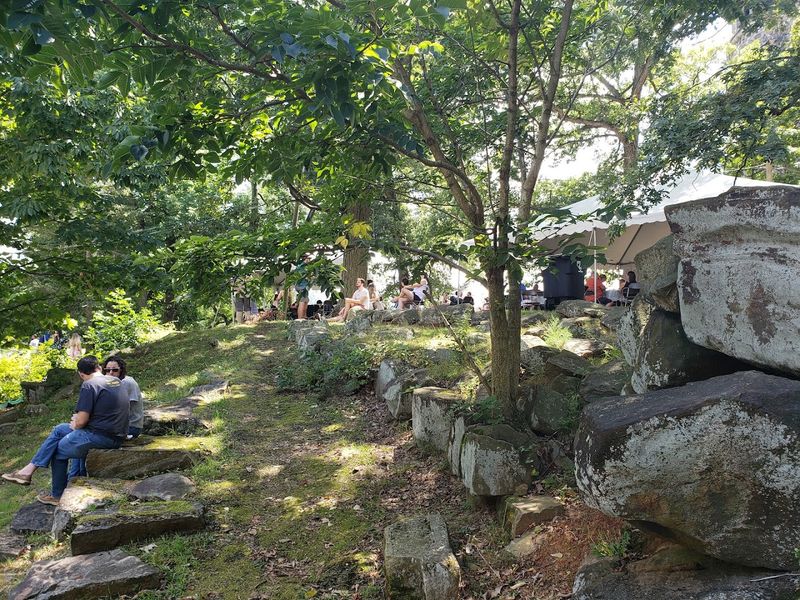
A few practical details can make a meaningful difference in how much you enjoy a visit to Wilmington State Parks. The parks themselves are free to enter, but the Brandywine Zoo charges admission, and special events may have their own ticketing. Checking the official website at destateparks.com before your visit keeps surprises to a minimum.
Parking can tighten up on busy weekend mornings, especially when markets or events are running, so arriving early is a reliable strategy. Trail conditions after heavy rain vary across the system, with some dirt sections becoming muddy while the paved greenway stays accessible.
Water and sunscreen are worth packing regardless of season, and comfortable footwear matters more than most visitors anticipate, especially if you plan to cover multiple parks in one outing. For rock climbing at Alapocas Run, checking current regulations and permit requirements ahead of time saves confusion on arrival. The park office at 1 St. Rocco Way operates Monday through Friday, 8 AM to 4 PM, and the staff are genuinely helpful when you have specific questions about trail conditions or upcoming programs.
Share this story